This Massive Earthen Mound in Georgia Holds the Secrets of a Long-Vanished People
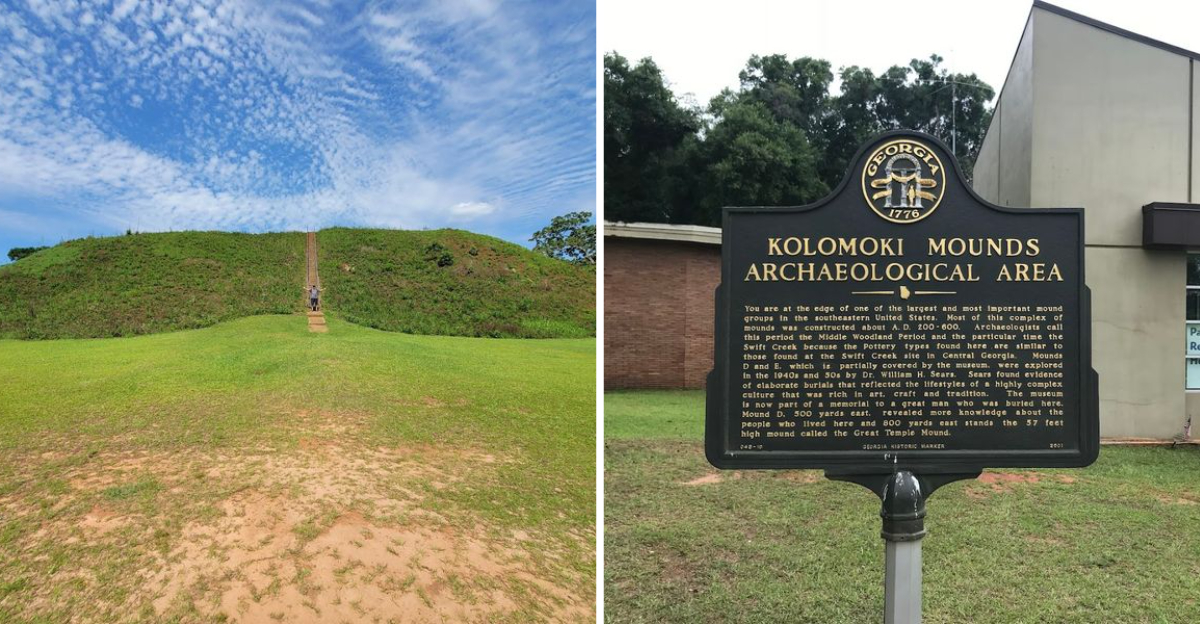
Tucked into the quiet southwest corner of Georgia, Kolomoki Mounds State Park preserves one of the most extraordinary archaeological sites in the southeastern United States. Constructed by Native Americans between 350 and 900 C.E., the towering earthen mounds stand as lasting reminders of a thriving and highly organized culture that flourished centuries before European arrival.
Spread across more than 1,300 acres near Blakely, the park blends deep historical significance with scenic natural beauty. Interpretive exhibits and a museum help bring the ancient stories to life, offering insight into the people who once gathered, traded, and celebrated on this land.
Beyond the mounds, visitors can enjoy hiking trails, a peaceful lake, and open spaces perfect for family outings. Whether you are drawn by history, outdoor adventure, or meaningful exploration, this remarkable park delivers an experience that feels both powerful and unforgettable.
1. Rich Archaeological Heritage That Rewrites the Story of the Southeast
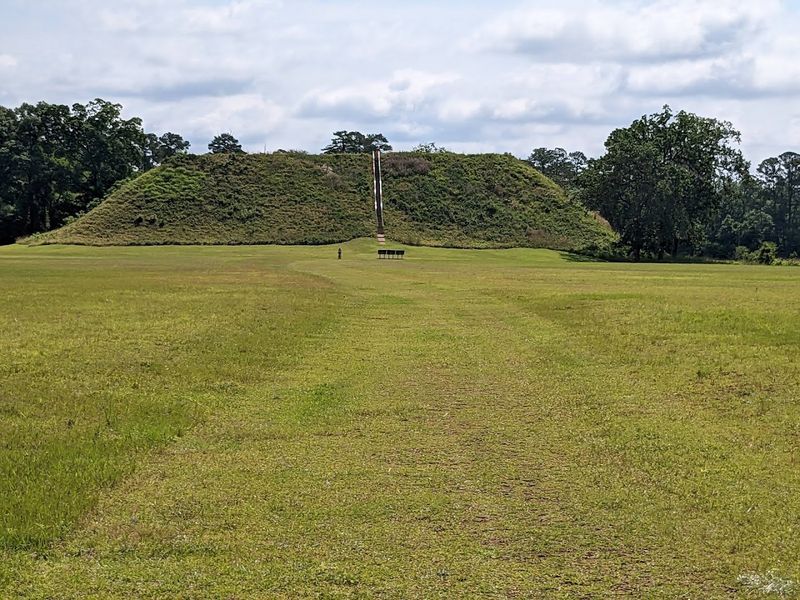
Long before most people think of organized civilizations in North America, the Kolomoki people were building something extraordinary. Kolomoki Mounds State Park, located at 205 Indian Mounds Road, Blakely, GA 39823, is recognized as the oldest and largest Woodland Indian site in the entire southeastern United States. Occupied from roughly 350 to 900 C.E., the site reveals a level of social organization and spiritual complexity that researchers are still working to fully understand.
Walking among these mounds feels genuinely humbling. Seven mounds still stand today, each one a deliberate construction requiring enormous community effort and planning. The park offers interpretive signage throughout that helps connect visitors to the daily lives and beliefs of the people who built them.
For anyone curious about pre-Columbian history, this place offers far more depth than a typical roadside historical marker ever could.
2. Mound A Climb With Panoramic Views Worth Every Step
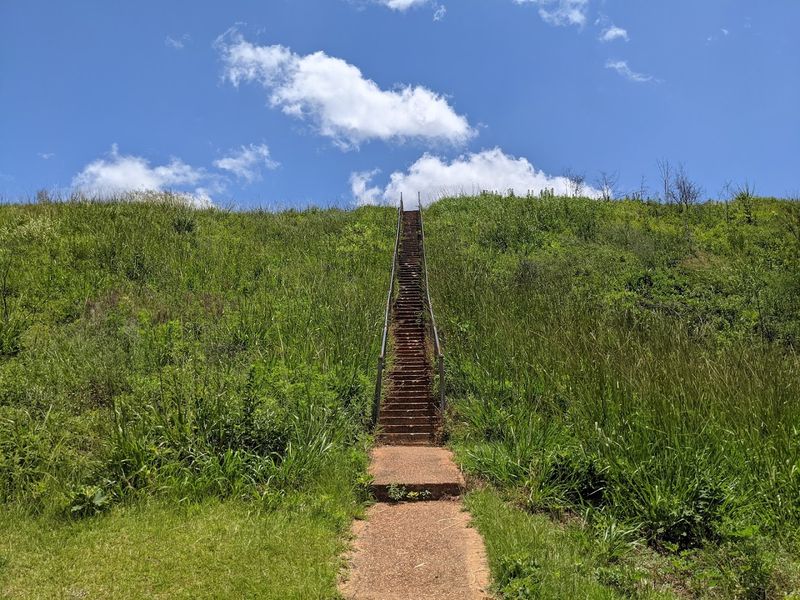
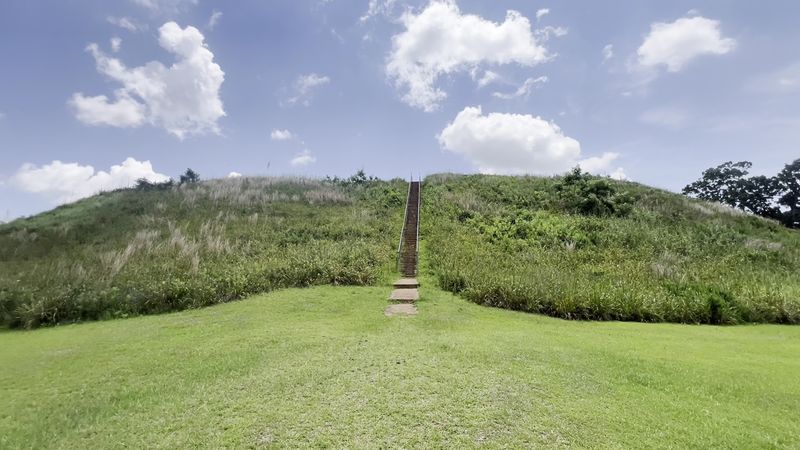
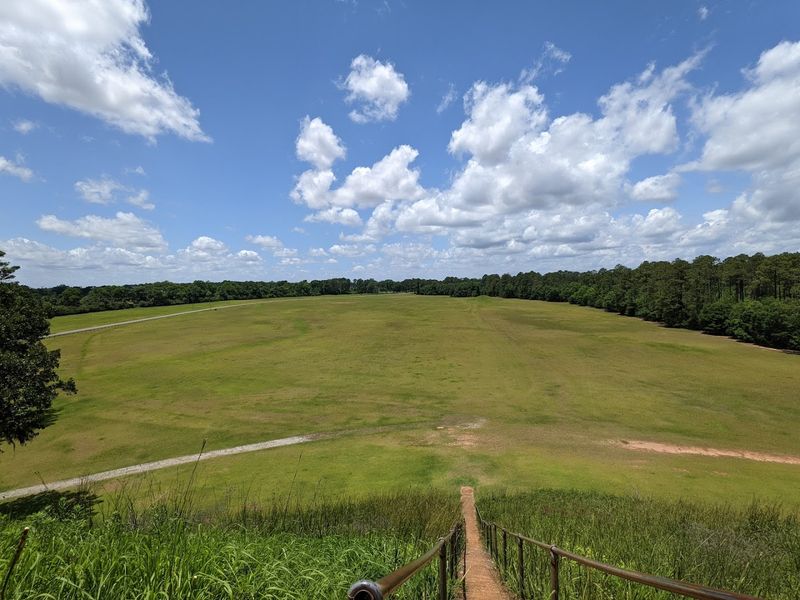
Standing 57 feet tall, Mound A is the crown jewel of Kolomoki and easily the most physically impressive structure on the grounds. Known as the Temple Mound, it towers over the surrounding landscape in a way that genuinely stops visitors mid-stride. The climb to the top is manageable for most ages and rewards everyone with sweeping views of the park’s forests and wetlands.
From up there, the scale of the ancient settlement becomes much easier to appreciate. Smaller mounds dot the landscape below, and the sense of connection to the people who engineered all of this centuries ago is hard to shake. Early mornings tend to offer the clearest skies and the fewest crowds, making that the ideal window for the ascent.
Bring water and comfortable shoes, and plan to spend at least fifteen to twenty minutes at the summit simply taking it all in.
3. Three Distinct Hiking Trails Through Forest and History
Not every park can offer trails that double as a walk through ancient history, but Kolomoki pulls it off naturally. The park features three main trails: the Trillium Trail at 2.5 miles, the Spruce Pine Trail at 2.5 miles, and the shorter White Oak Trail at 1.5 miles. Each one winds through a different ecosystem, from upland pine forests to shaded hardwood corridors that feel almost cathedral-like on a quiet weekday.
The Trillium Trail earns particular affection from spring visitors when wildflowers push through the forest floor in clusters of white and purple. The Spruce Pine Trail tends to attract birders, partly because of its inclusion in Georgia’s Southern Rivers Birding Trail network. All three routes are well-marked and relatively flat, making them accessible for casual walkers and families with older children.
Trekking poles are optional but appreciated on the occasional uneven root section.
4. Fishing and Boating on Two Gorgeous Park Lakes
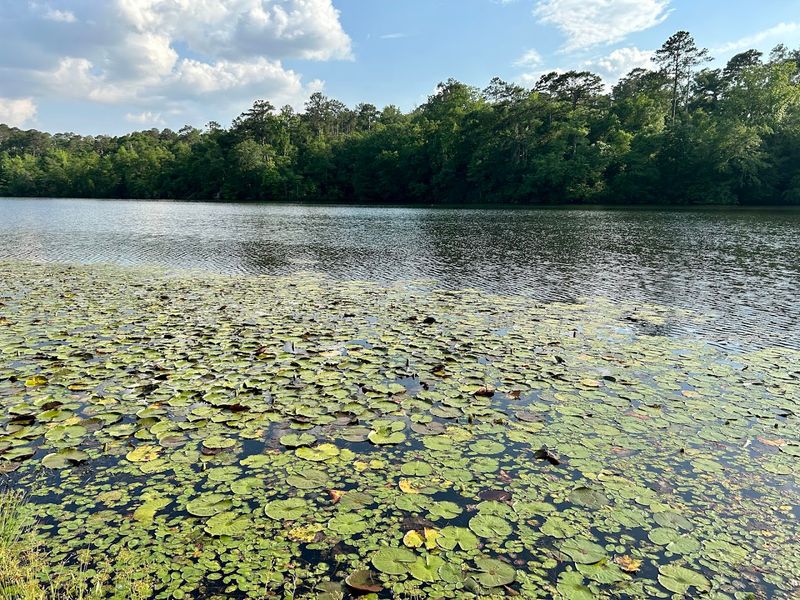
Lake Kolomoki and Lake Yahola give the park a whole second personality beyond its archaeological identity. Both lakes are stocked with bass, bream, catfish, and crappie, making them genuinely productive spots for anglers of all skill levels. Kayaks and small motorized boats are welcome, and the calm, shaded water feels miles away from any urban noise.
Fishing here has a relaxed, unhurried quality that regulars clearly appreciate. Weekend mornings tend to draw the most activity, so weekday visits often mean having a quiet stretch of shoreline practically to yourself. Georgia fishing licenses are required for anglers 16 and older, and licenses can be purchased online through the Georgia Department of Natural Resources before arrival.
Pedal boats are also available for rent, which makes the lakes accessible even for visitors who did not pack fishing gear. The surrounding tree canopy keeps the banks shaded and comfortable well into late morning.
5. Camping Under Hardwoods and Pines for a Real Outdoor Reset
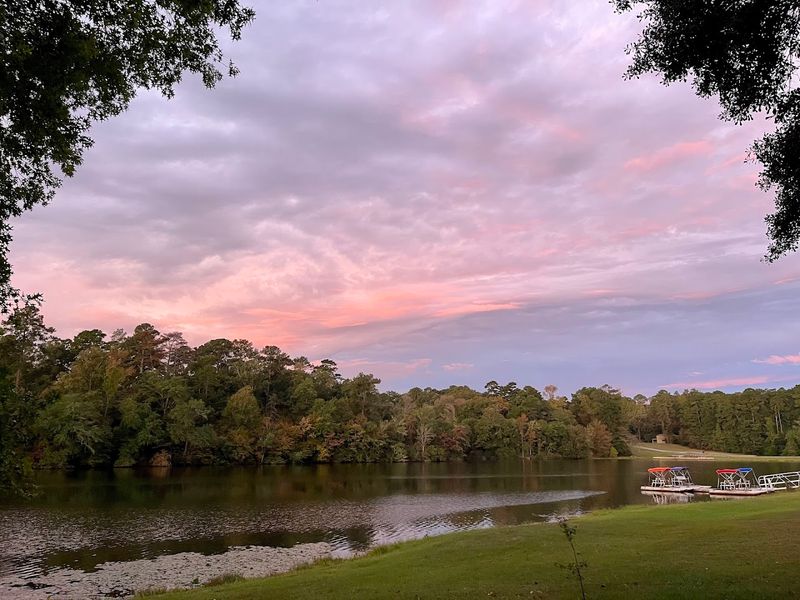
There is something quietly restorative about falling asleep surrounded by old-growth trees with nothing but cricket sounds for company. Kolomoki offers 25 tent, trailer, and RV campsites tucked beneath a canopy of hardwoods and pines, each one equipped with modern amenities including electrical hookups, water access, and nearby restroom facilities. The campground feels genuinely wooded rather than cramped and paved.
Reservations can be made through the Georgia State Parks reservation system, and booking ahead is strongly recommended for spring and fall weekends when the park sees its heaviest traffic. Summer stays are warmer and more humid, as is typical for southwest Georgia, so early morning and evening hours tend to be the most comfortable for outdoor activity.
The proximity of the campground to both the mounds and the lakes means campers can easily fill two or three days without ever leaving the park property.
6. Ranger-Led Programs That Bring Ancient History to Life
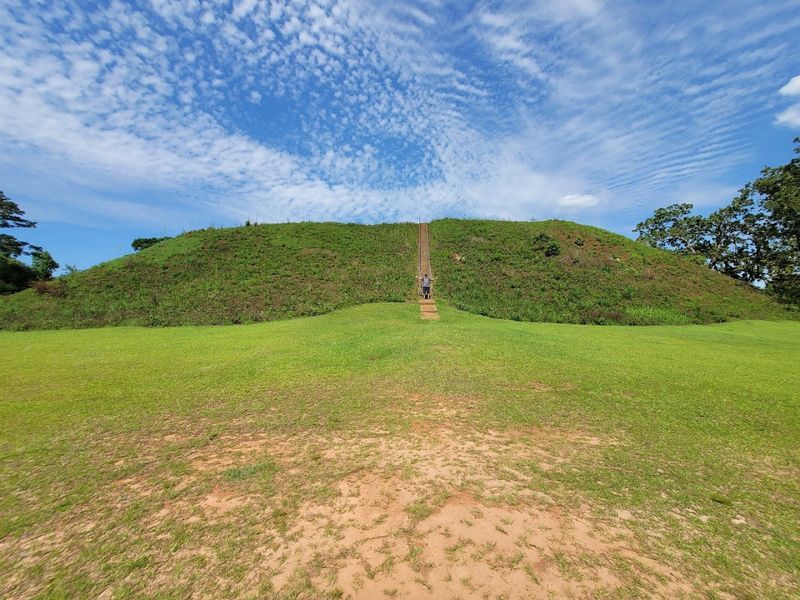
Reading a historical marker is one thing; hearing a knowledgeable ranger explain the spiritual significance of a burial mound while standing directly beside it is something else entirely. Kolomoki offers ranger-led programs and guided tours that give visitors access to interpretive depth that self-guided walks simply cannot match. These programs are especially well-suited for school groups, but adult visitors consistently rate them as highlights of their visits too.
Topics covered can range from ancient construction methods to the cultural practices of the Swift Creek and Weeden Island peoples who called this area home. Field trip programs are available for organized school groups with advance booking through the park’s education office. Checking the park’s official schedule before visiting is worth the effort, since program availability can vary by season and staffing.
The rangers tend to be genuinely enthusiastic about the material, which makes even a short guided walk feel engaging rather than routine.
7. Miniature Golf for a Lighthearted Break Between History Lessons
After a morning of mound climbing and trail walking, an 18-hole miniature golf course might sound like an odd addition to a state archaeological park. But honestly, it works. The course gives younger visitors and families a chance to decompress and have some straightforward fun without leaving the park grounds.
It adds a playful rhythm to the day that keeps energy levels up.
The course is well-maintained and set within the park’s natural landscape, so even a round of mini golf here feels connected to the outdoor environment rather than dropped in from a strip mall. Pricing is modest, as is typical for Georgia State Parks amenities, making it an easy add-on without stretching the trip budget. Families with kids under ten especially tend to gravitate toward the course after lunch, so visiting in the mid-morning or late afternoon usually means shorter wait times and a more relaxed pace around the greens.
8. Picnic Shelters Perfect for Group Gatherings and Family Reunions
Few settings beat a shaded picnic shelter surrounded by Georgia pines when planning a family reunion or group outing. Kolomoki offers four individual picnic shelters and two larger group shelters, all reservable through the Georgia State Parks system. The shelters are spread across the park in ways that give each group a sense of privacy even on busier weekends.
Group shelters can accommodate larger parties and come equipped with grills, making them practical for full cookouts rather than just sandwich lunches. Reserving well in advance is particularly important for spring and fall dates, which tend to book up quickly among local families and school groups. The surrounding landscape adds natural beauty to any gathering without requiring any extra decoration.
For anyone planning a milestone birthday, class reunion, or scout troop outing in southwest Georgia, Kolomoki’s shelter options offer both convenience and a genuinely memorable backdrop that most event venues simply cannot replicate.
9. Bird Watching Along the Southern Rivers Birding Trail
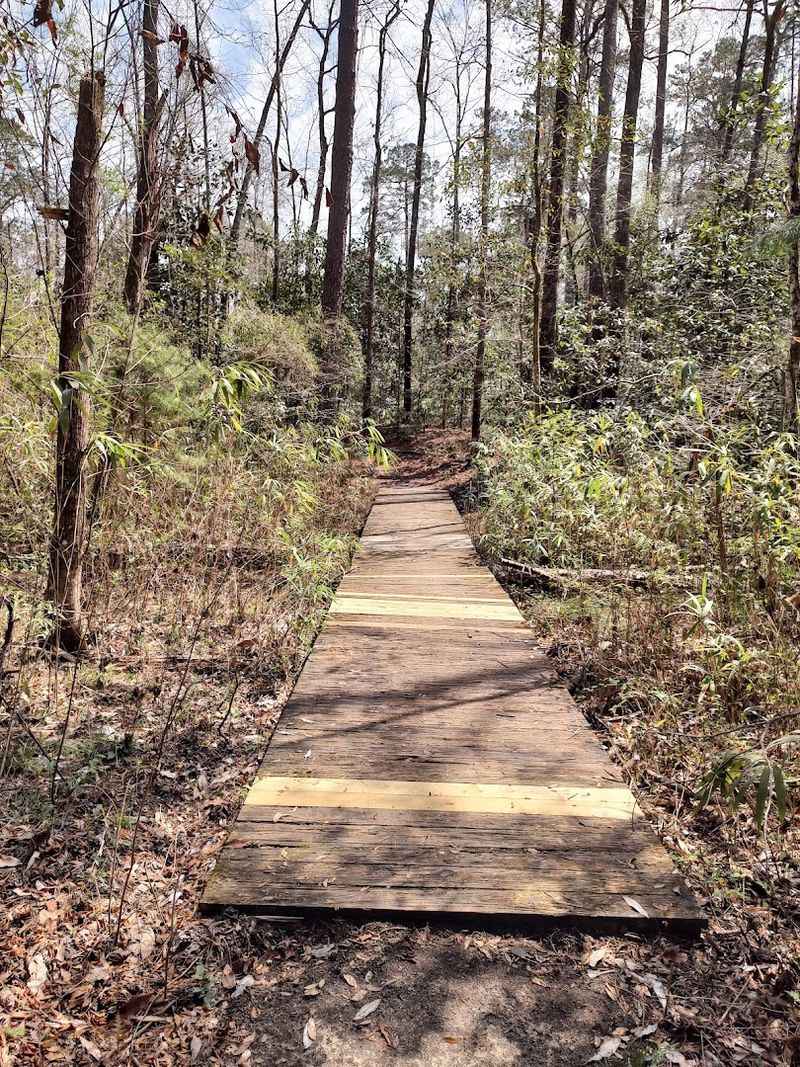
Georgia’s Southern Rivers Birding Trail is one of the state’s quieter natural treasures, and Kolomoki’s Spruce Pine Trail is among its featured stops. The trail corridor passes through a mix of pine uplands and wetland edges that attract a surprisingly diverse range of species across the seasons. Warblers, woodpeckers, and various raptors have all been spotted here by regular visitors.
Early morning visits between late March and early June tend to yield the most active songbird activity, when breeding season pushes birds into visible, vocal behavior. Bring binoculars and move slowly along the trail rather than rushing through it. The park’s varied ecosystems, from cypress ponds to hardwood ridges, create multiple microhabitats within a relatively compact area.
Serious birders may want to cross-reference recent sightings through eBird before visiting to get a sense of what species have been active. Casual visitors often spot birds simply by pausing and listening near the lake edges in the early morning hours.
10. The On-Site Museum and Its Window Into Ancient Culture
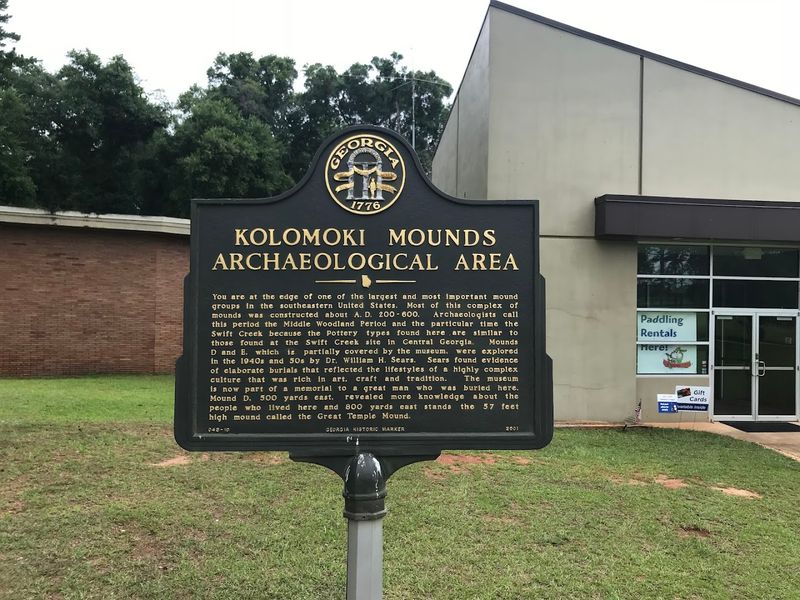
Somewhere between the mounds themselves and the park trails sits a museum that deserves more attention than it typically gets. The Kolomoki museum houses artifacts recovered from excavations on the site, including pottery, tools, and items found within burial mounds that date back over a thousand years. The exhibits help translate what visitors see outdoors into a coherent cultural narrative.
One of the museum’s more striking features is a partially excavated burial mound that is visible directly through a glass viewing area, allowing visitors to see the archaeological record in its original context rather than in a reconstructed display case. It is worth confirming current operating hours before visiting, as the museum has undergone operational adjustments in recent years. The park’s main office can provide the most up-to-date schedule.
Even a thirty-minute walk through the exhibits adds significant context to everything else seen on the grounds and tends to deepen appreciation for the mounds themselves.
11. Geocaching Adventures That Turn the Park Into a Treasure Hunt
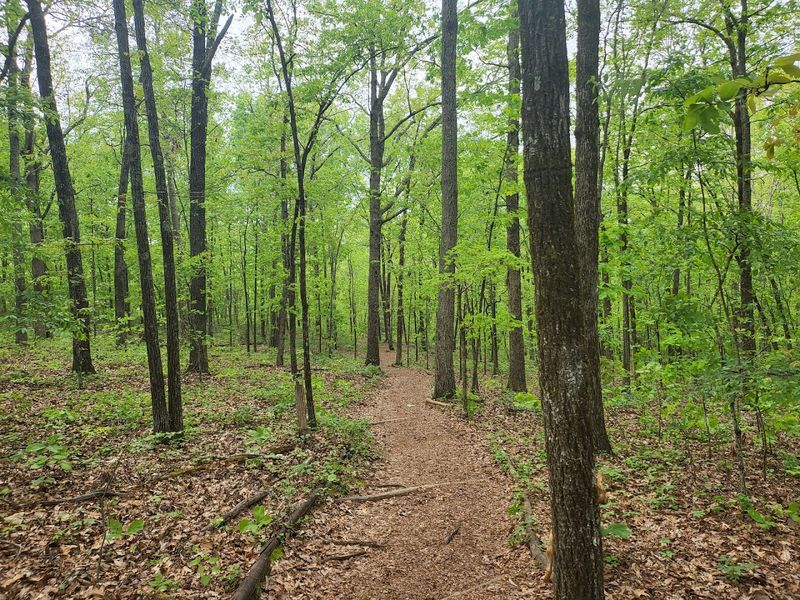
Geocaching at Kolomoki adds a modern scavenger hunt layer to an already exploration-friendly park. For those unfamiliar, geocaching involves using GPS coordinates to locate hidden containers placed by other participants around the world, and Kolomoki has active caches registered within the park boundaries. It is a surprisingly effective way to encourage reluctant hikers, particularly teenagers, to engage with the natural landscape.
The combination of ancient mounds and modern GPS technology creates an amusing contrast that many families find genuinely entertaining. Finding a cache near a thousand-year-old earthen structure gives the activity an added sense of discovery that goes beyond the typical suburban park experience. A free account on geocaching.com is all that is needed to access coordinates before arrival.
The park’s trail system provides natural routes between cache locations, so geocaching here naturally doubles as a trail walk. First-time geocachers often find Kolomoki a manageable and rewarding introduction to the hobby.
12. A Playground and Pedal Boats That Keep Young Visitors Engaged
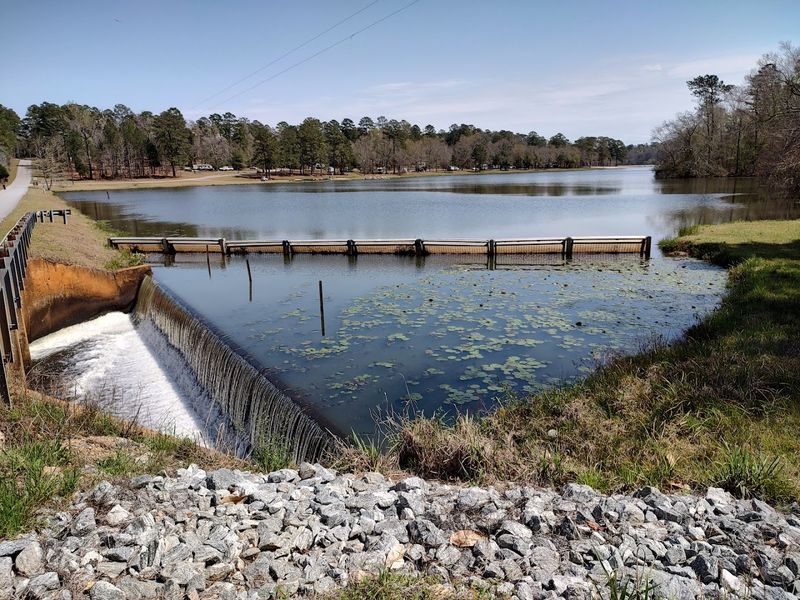
Keeping younger children enthusiastic through a history-focused park visit is a real logistical challenge, and Kolomoki addresses it practically. The park includes a dedicated playground area alongside pedal boat rentals on the lake, giving kids tangible, active options that do not require historical context to enjoy. These amenities make the park a genuinely complete family destination rather than just a site for adults with niche interests.
Pedal boats are a particular hit with children in the 6-to-12 age range, offering a low-stakes water experience that feels adventurous without requiring any boating experience. The playground is positioned within easy sight of picnic areas, which allows parents to eat lunch while keeping an eye on younger children at play. Planning the playground and pedal boat time as a reward after the mound walk and museum visit tends to work well as a day structure.
It gives kids something to look forward to and helps the whole group finish the educational portion in good spirits.
13. Diverse Flora and Fauna Across Multiple Ecosystems
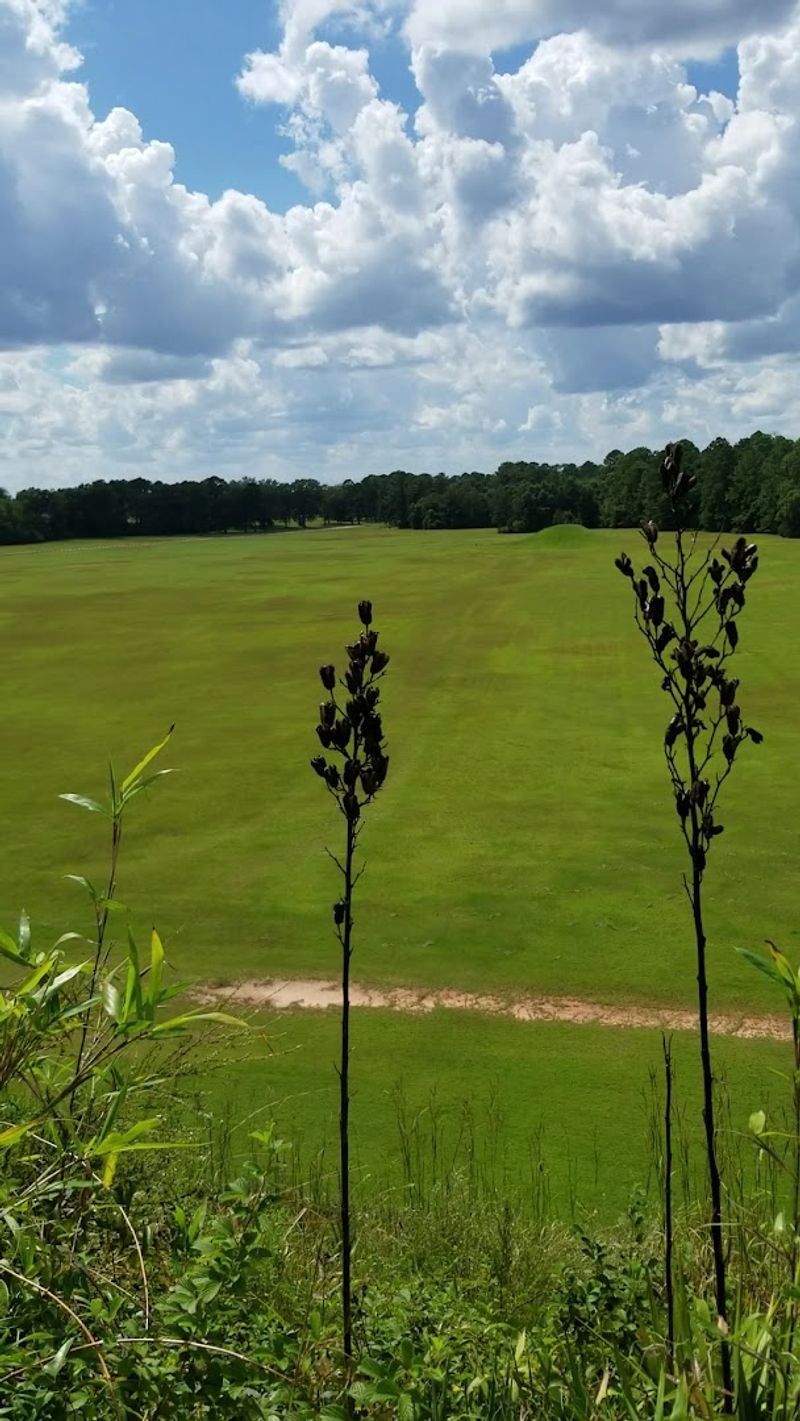
The ecological variety packed into Kolomoki’s 1,300-plus acres is genuinely impressive for a single park visit. The landscape shifts from upland longleaf pine forest to bottomland hardwoods, cypress ponds, and open meadow edges within relatively short distances. Each zone supports its own community of plants and animals, giving observant visitors repeated moments of discovery throughout the day.
White-tailed deer are commonly spotted near the forest edges in the early morning and late afternoon. Turtles and herons tend to congregate around the cypress ponds, particularly in spring and early summer. Wildflower enthusiasts will find the Trillium Trail especially rewarding in March and April when native species bloom along the forest floor.
The park does not maintain a formal wildlife checklist, but the Georgia Department of Natural Resources website provides general species information for the southwest Georgia region. Wearing neutral-colored clothing and moving quietly along the trails dramatically increases the chances of close wildlife encounters.
14. Learning About Swift Creek and Weeden Island Cultures Through Artifacts
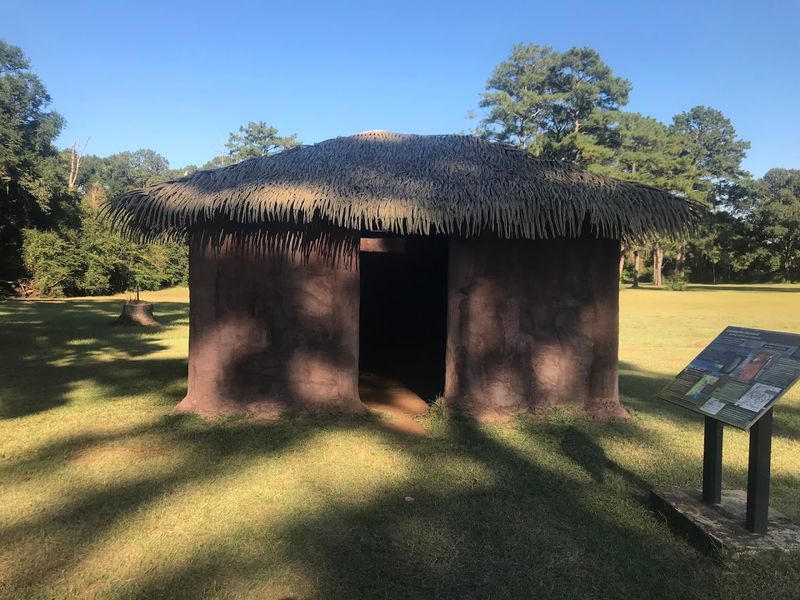
Two distinct cultural traditions intersect at Kolomoki in ways that make the site particularly valuable to archaeologists and history enthusiasts alike. The Swift Creek culture, known for its elaborately stamped pottery with curvilinear and geometric designs, and the later Weeden Island culture, recognized for its ceremonial ceramic traditions, both left significant material evidence at this location. Their overlapping presence here suggests Kolomoki served as a regional hub of cultural exchange.
Swift Creek pottery recovered from the site shows design patterns that appear across a wide geographic area, hinting at long-distance trade or shared cultural connections. Weeden Island artifacts, often associated with ceremonial and mortuary practices, appear in the burial mound contexts excavated at Kolomoki. The museum displays help make these distinctions accessible to non-specialist visitors through clear labeling and interpretive text.
Understanding these two traditions adds a layer of nuance to the park visit that transforms the mounds from impressive earthworks into legible chapters of a much longer human story.
15. Archaeology Day Events Featuring Live Prehistoric Technology Demonstrations
Once a year, Kolomoki hosts an Archaeology Day event that transforms the park into an open-air classroom focused on hands-on prehistoric technology. Visitors can watch and sometimes participate in demonstrations of skills like flint knapping, fire-making, and pottery techniques that mirror the practices of the people who built the mounds. Researchers and archaeologists often attend to share current findings from ongoing work at the site.
The event draws a mix of families, school groups, and serious history enthusiasts, creating an unusually cross-generational crowd that tends to generate lively conversation around the demonstration areas. It is one of the few opportunities to see academic archaeology presented in an accessible, engaging format outside of a university setting. Checking the Georgia State Parks event calendar in advance is the best way to confirm the exact date each year, as scheduling can shift slightly.
Arriving early is recommended since popular demonstration stations tend to attract the largest groups.