10 Retro Bowling Alleys In California That Will Take You Back In Time
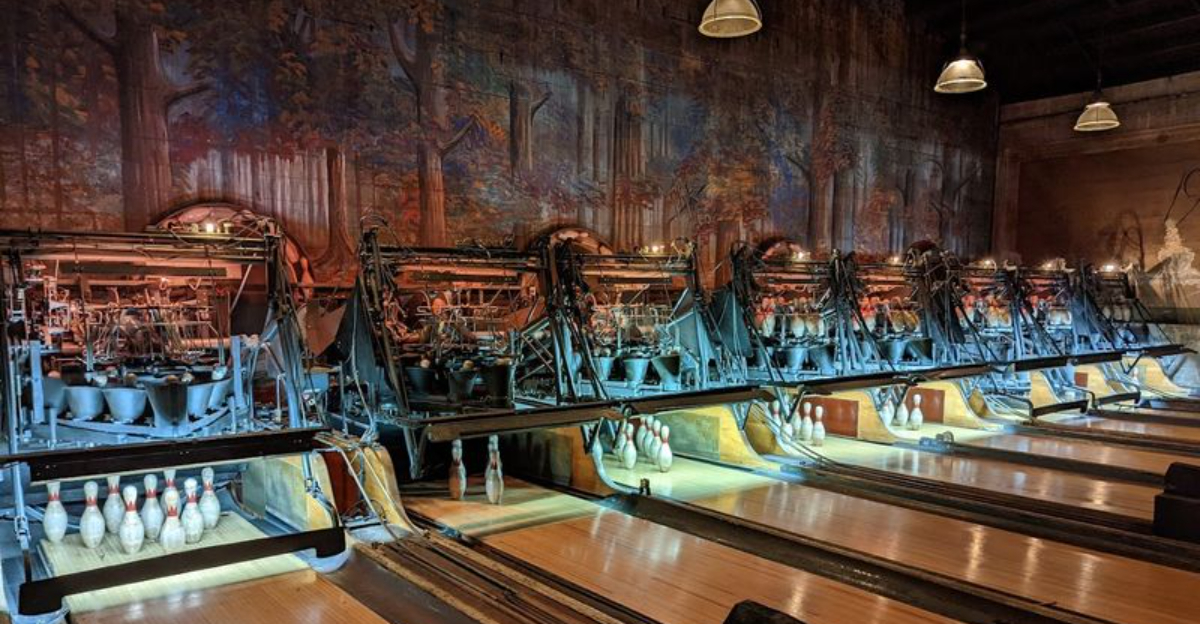
Neon flickers. Pins crash. Laughter carries farther than the music. Step inside and the clock seems to stall somewhere around 1962.
Retro bowling alleys across California keep mid-century magic alive in ways sleek entertainment complexes never could.
Polished wood lanes stretch beneath glowing vintage signs. Scoreboards click instead of blink. Snack bars still serve classics the same way they did decades ago. These are not themed recreations. They are the real thing.
From Los Angeles to San Diego, longtime bowling centers continue welcoming families, league regulars, and first-timers who want something more tactile than a touchscreen night out.
The architecture tells stories. The worn approach lines show history. The rhythm of the game feels refreshingly analog.
Rolling a ball down lanes installed generations ago creates instant nostalgia, even if it is your first visit. The sounds, the lighting, the atmosphere all work together to slow the pace and pull people into the moment.
Conversation replaces scrolling. Friendly competition replaces notifications. Laughter echoes off mid-century walls that have seen decades of strikes, spares, and celebrations.
These California bowling alleys offer more than a game. They preserve a living piece of recreational history, still open, still glowing, and still ready for the next frame.
1. Linbrook Bowl – Anaheim
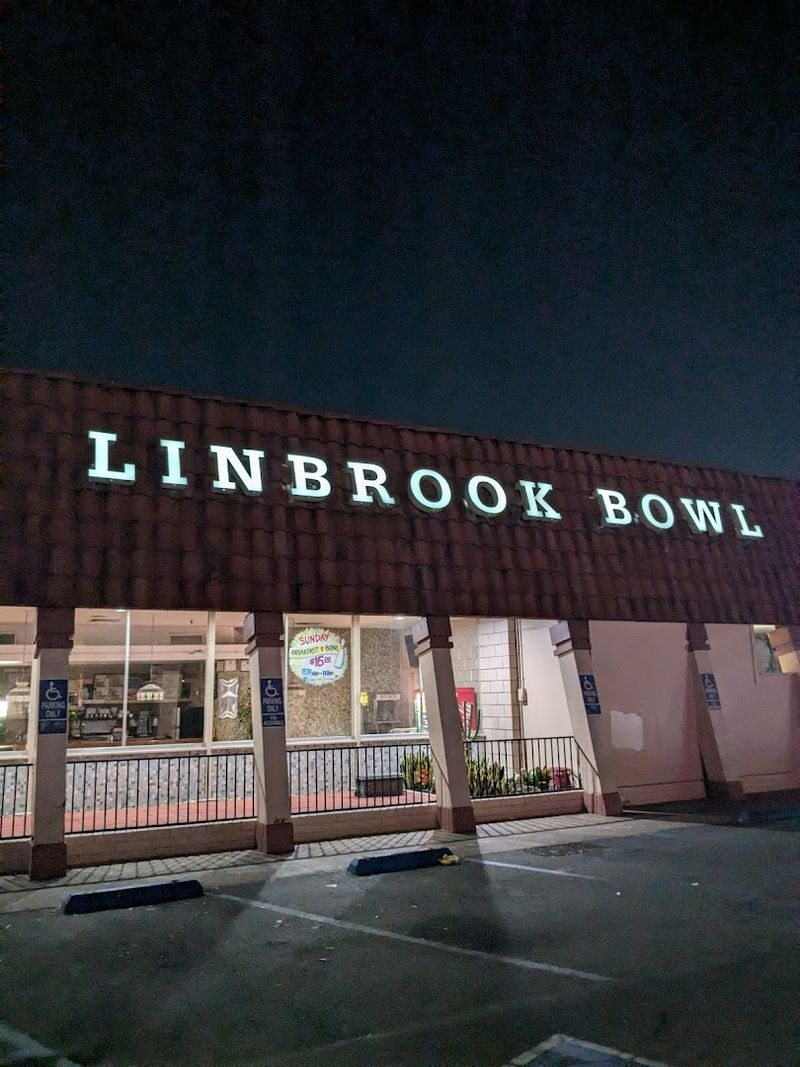
Families have gathered at this Anaheim bowling center since the post-war building boom transformed Orange County.
Linbrook Bowl at 201 S Brookhurst St, Anaheim, CA 92804 represents the era when new suburban communities built bowling alleys as social anchors for growing neighborhoods.
The establishment maintains equipment and design elements that connect current bowlers to the venue’s founding decades.
Lanes stretch beneath lighting fixtures that reflect design sensibilities from when Disneyland first opened just miles away.
The scoring systems blend manual traditions with enough modern assistance to keep games moving at comfortable paces.
Ball returns function with mechanical reliability that has outlasted many newer entertainment venues.
Seating arrangements encourage group interaction rather than isolating bowlers into separate zones.
The pro shop stocks equipment while also serving as a reminder of how bowling culture has evolved over generations.
Sound levels remain conversational even during busy periods when multiple lanes see simultaneous action.
Parking availability typically exceeds demand except during league nights when regular teams fill the facility.
The atmosphere balances nostalgia with functionality, creating environments where both serious bowlers and casual visitors find comfortable spaces.
Morning hours often provide the quietest experiences for those preferring less crowded conditions.
2. Winnetka Bowl – Winnetka
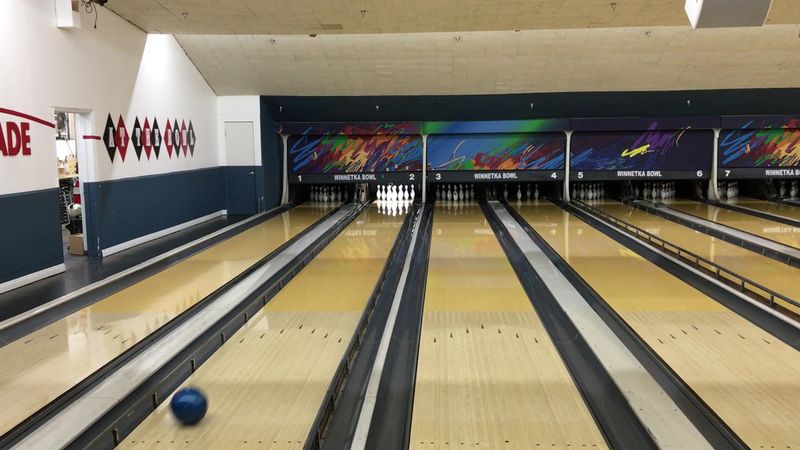
San Fernando Valley suburbanization brought bowling alleys to communities like Winnetka during the mid-twentieth century.
Winnetka Bowl at 20122 Vanowen St, Winnetka, CA 91306 emerged as a neighborhood gathering spot during decades when bowling represented mainstream entertainment rather than niche recreation.
The venue preserves this heritage through maintained vintage features and continued community service.
Wood lanes show wear patterns that tell stories of countless frames bowled across generations of valley residents.
Mechanical pinsetters operate with rhythms that have become familiar background sounds to regular patrons.
The scoring area maintains visibility for all participants without requiring electronic screens that dominate modern facilities.
Shoe rental systems function efficiently while using organizational methods that predate computerized inventory management.
Seating comfort meets practical needs without attempting luxury that would feel out of place in this unpretentious setting.
Natural light enters through windows that connect the interior to the surrounding neighborhood rather than creating enclosed entertainment pods.
Tuesday and Wednesday afternoons generally see lighter traffic than weekends when families and social groups fill available lanes.
The snack bar serves straightforward options that satisfy hunger without elaborate menus.
Temperature control maintains comfortable conditions year-round despite California’s variable climate patterns affecting the surrounding area.
3. Back Alley Bowling – Northridge
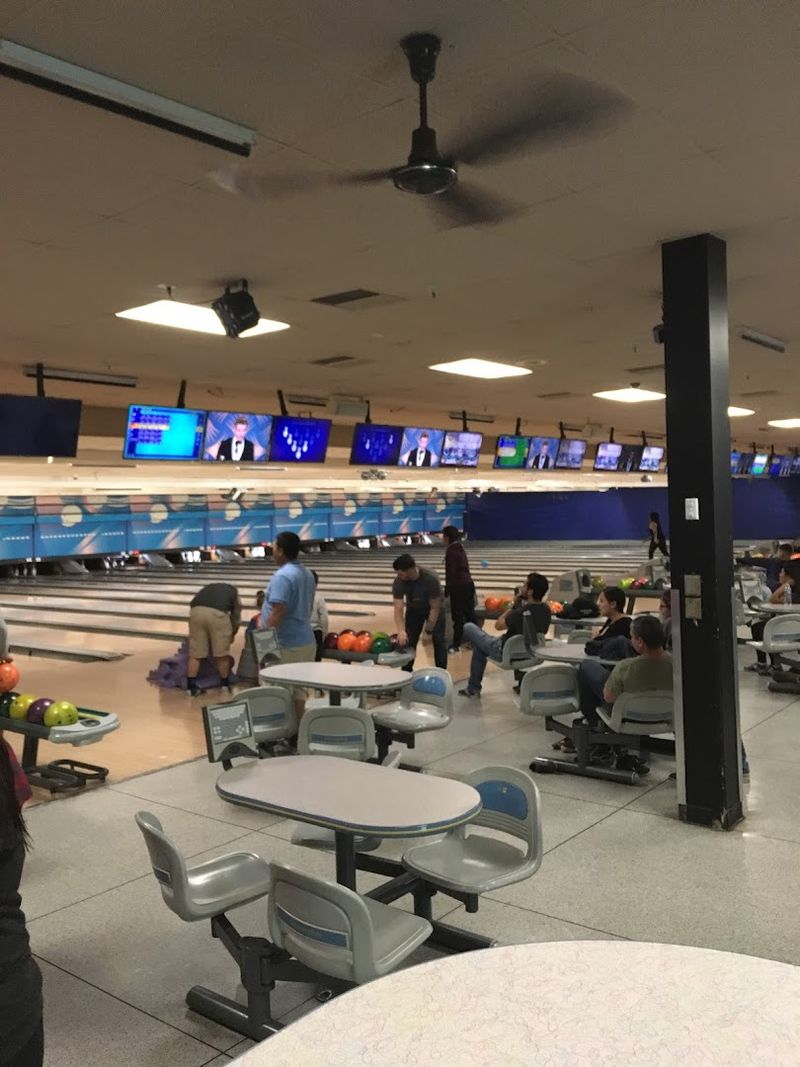
Bowling culture runs deep in California, and Back Alley Bowling at 9118 Balboa Blvd, Northridge, CA 91325 stands as one of the places where that tradition still feels alive.
The venue reflects a time when neighborhood recreation centers anchored community life and nights out revolved around simple, shared fun rather than flashy distractions.
Years later, it continues operating with equipment and atmosphere that honor its original spirit.
Lane surfaces deliver the kind of responsiveness serious bowlers appreciate while remaining approachable for casual players learning the game.
Pin action follows the same straightforward physics bowlers have always relied on, creating an experience that feels genuine and unfiltered.
Ball returns depend on reliable mechanical systems instead of overly complex technology that can interrupt play.
Lighting supports focus without overwhelming the space, avoiding the high-gloss glare found in more modern entertainment venues.
Seating areas allow clear views across multiple lanes, making it easy for friends and family to follow each frame and stay engaged.
The scale feels rooted in neighborhood gathering rather than built for spectacle. Parking surrounds the building, and spaces are generally available even during busier evening hours.
League schedules shape weeknight traffic, while weekend afternoons bring a mix of regulars and walk-in groups.
The pro shop carries essential gear and services without taking attention away from what matters most: the lanes themselves and the steady rhythm of the game.
4. Earl Anthony’s Dublin Bowl – Dublin
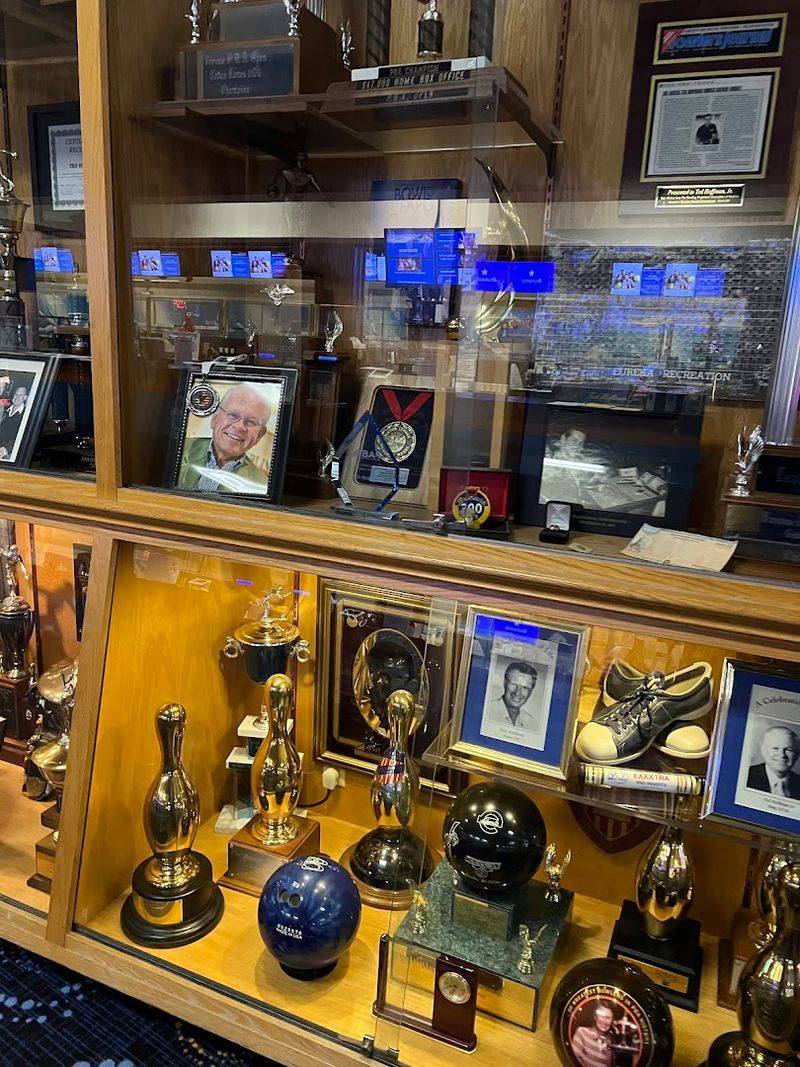
Professional bowling’s greatest champion lent his name to this East Bay establishment that honors the sport’s competitive heritage.
Earl Anthony’s Dublin Bowl at 6750 Regional St, Dublin, CA 94568 connects recreational bowlers to the era when professional bowling commanded television audiences and cultural attention.
The venue maintains standards befitting its namesake while serving everyday bowlers seeking quality experiences.
Lane conditions receive attention that reflects serious bowling culture rather than treating the sport as merely casual entertainment.
The approach areas and pin decks show maintenance practices that preserve playability across years of use.
Scoring systems provide accurate tracking without digital complexity that can frustrate players preferring straightforward methods.
Seating arrangements accommodate both team play and individual practice sessions comfortably.
The facility layout separates active bowling areas from spectator zones without creating barriers that isolate participants.
Natural traffic flow prevents congestion even when multiple groups arrive simultaneously during peak periods.
Weekday mornings attract retirees and league bowlers who appreciate quieter atmospheres and better lane availability.
The pro shop stocks equipment suitable for various skill levels while offering guidance that respects customer knowledge.
Snack bar options cover basic needs without attempting full restaurant service that would require expanded kitchen facilities.
Temperature and air quality remain consistent throughout the building regardless of outside weather conditions affecting the broader Dublin area.
5. Homestead Bowl – Cupertino
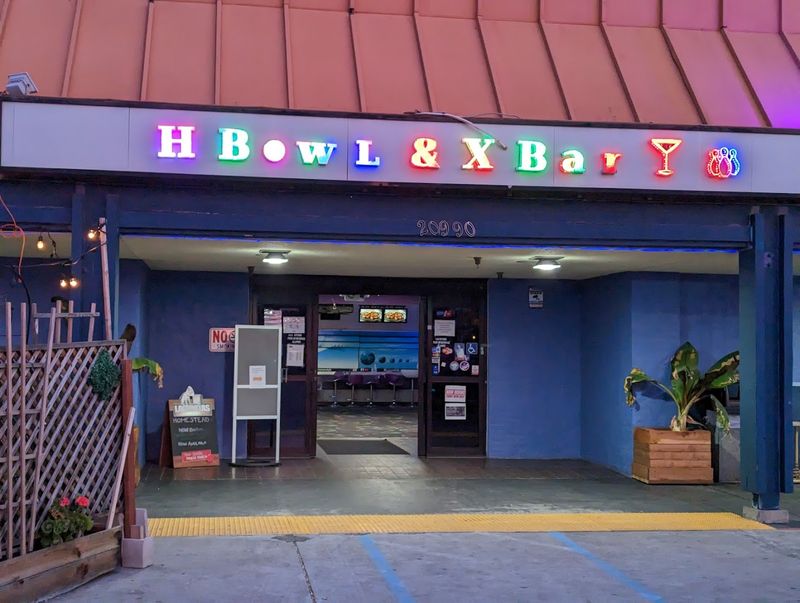
Technology campuses surround this Cupertino bowling alley, which makes its retro-modern personality stand out even more.
Homestead Bowl at 20990 Homestead Rd, Cupertino, CA 95014 blends classic bowling fundamentals with subtle updates that keep the experience current without losing character.
The setting feels refreshingly grounded in a region defined by rapid innovation. Wood lanes remain the centerpiece, maintained for consistent performance and reliable play.
Mechanical systems hum along dependably, while digital scoring integrates smoothly without dominating the atmosphere.
The balance keeps the focus on technique, ball selection, and lane conditions rather than flashy effects or immersive simulations.
Seating areas support group interaction, encouraging conversation between frames instead of isolating players behind screens.
The layout keeps sightlines open so friends and family can follow every roll. Lighting feels warm and inviting, offering a comfortable contrast to the cool, minimalist design common in surrounding office parks.
Parking remains straightforward compared to many nearby commercial hubs, with spaces generally available outside peak league hours.
Scheduled leagues anchor certain evenings, but most weeks still allow room for casual walk-ins. The snack bar sticks to approachable favorites, reinforcing the relaxed, no-fuss tone.
Weekend mornings often provide the calmest window for families introducing younger players to the game.
6. Napa Bowl – Napa
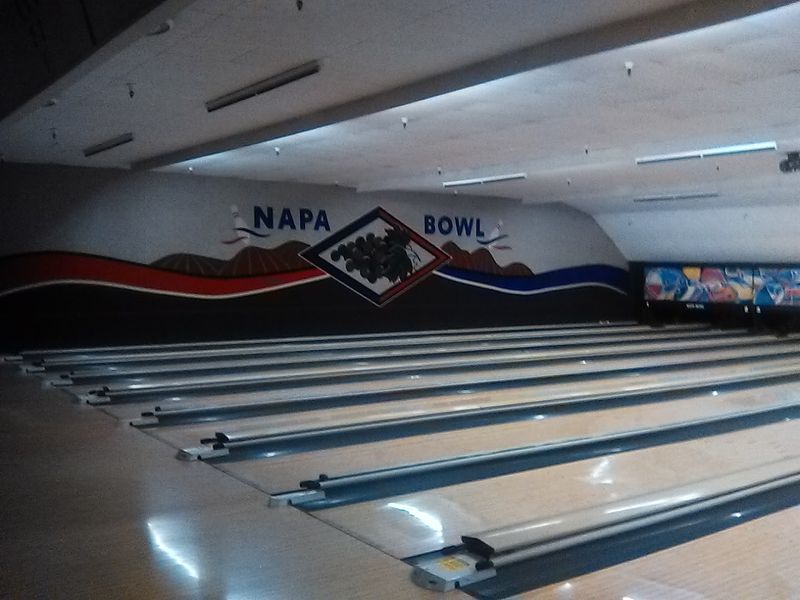
Wine country’s most famous recreational venue sits somewhat unexpectedly amid vineyards and tasting rooms.
Napa Bowl at 494 Soscol Ave, Napa, CA 94559 has served the community since before the region gained international recognition for viticulture.
The bowling alley maintains its working-class roots while the surrounding area has transformed into a luxury destination.
Lane quality reflects the venue’s commitment to serving serious local bowlers rather than tourists seeking novelty experiences.
The equipment and maintenance standards support competitive play alongside casual recreation. Mechanical systems function with reliability earned through decades of proper care and timely repairs.
Interior design preserves the era when Napa residents bowled regularly as their primary entertainment option.
The atmosphere remains grounded and accessible rather than attempting upscale reinvention that would alienate longtime patrons.
Seating comfort meets practical needs without luxury touches that would increase prices beyond neighborhood affordability.
Parking availability typically exceeds demand except during league nights when regular teams claim most lanes.
The facility serves local residents primarily, with tourists representing only occasional visitors despite Napa’s destination status. Weekday afternoons provide the quietest bowling conditions for those preferring minimal crowds.
The snack bar offers basic refreshments appropriate for a bowling alley rather than attempting to compete with the valley’s renowned restaurants. Temperature control maintains comfort year-round despite the region’s warm summer conditions.
7. Mira Mesa Lanes – San Diego
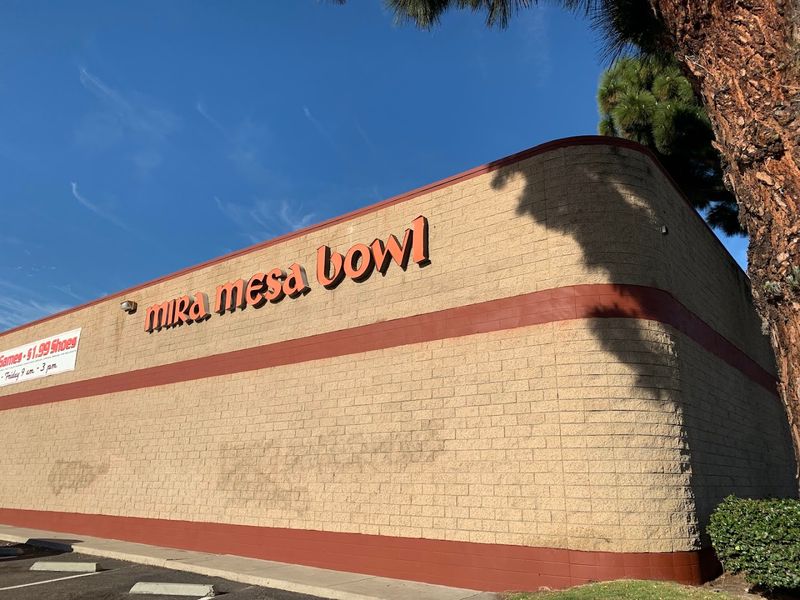
Suburban development brought bowling alleys to San Diego neighborhoods like Mira Mesa during the region’s rapid growth periods.
Mira Mesa Lanes at 8210 Mira Mesa Blvd, San Diego, CA 92126 represents the era when new communities built recreational facilities as essential infrastructure alongside schools and shopping centers.
The venue has maintained its original purpose while the surrounding area has matured over subsequent decades.
Wood lanes preserve the playing characteristics that bowlers experienced when the facility first opened.
Mechanical pinsetters operate with sounds that have become familiar to generations of local residents.
The scoring systems balance traditional methods with practical accommodations that keep games moving efficiently.
Seating arrangements encourage group participation rather than isolating individual bowlers into separate spaces.
The facility scale suits neighborhood service rather than attempting destination status that would require expanded amenities.
Natural light enters through windows that connect the interior to the surrounding community.
Parking availability generally meets demand except during peak weekend evening hours when multiple groups may arrive simultaneously.
League schedules claim specific time slots while leaving availability for drop-in bowlers throughout most weeks. The snack bar serves straightforward options that satisfy basic needs without elaborate menus.
Weekday afternoons typically provide the quietest conditions for those preferring less crowded environments.
Temperature control maintains comfortable conditions year-round despite San Diego’s variable weather patterns affecting outdoor spaces.
8. Highland Park Bowl – Los Angeles
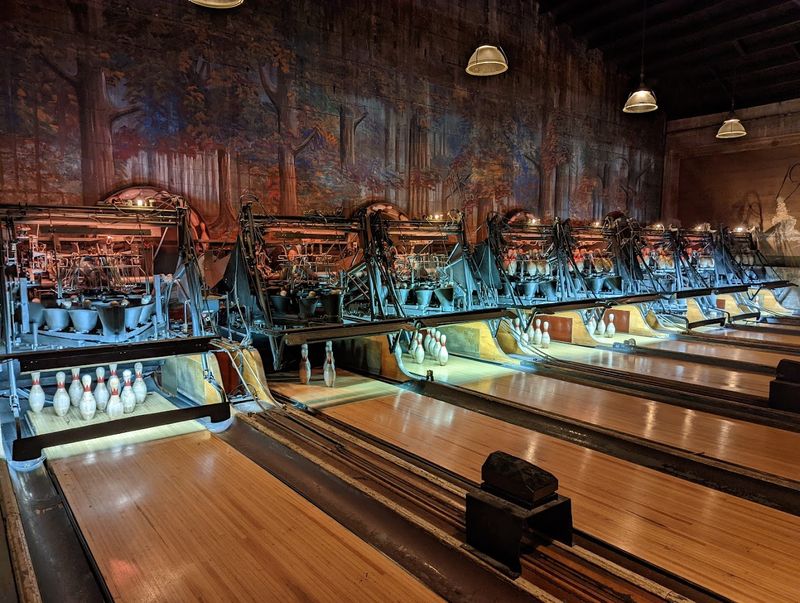
Spanish Colonial Revival architecture frames one of the oldest bowling alleys still operating in Los Angeles.
Highland Park Bowl opened its doors in 1927 and has preserved much of its early character through careful stewardship over the decades.
The venue sits at 5621 N Figueroa St, Los Angeles, CA 90042, in a neighborhood that has evolved while this landmark continues welcoming bowlers.
Classic mechanical systems power the lanes, producing the distinctive rhythm and clatter that longtime players instantly recognize.
Restoration efforts in recent years prioritized protecting historic details instead of reshaping the space into something unrecognizable.
The wood lanes carry the visual character of years of play while remaining smooth and fully functional for today’s visitors.
Eight lanes create a scale that feels lively yet intimate, avoiding the cavernous feel of larger modern centers. Lighting casts a warm glow that enhances the vintage design without compromising visibility.
Seating positioned close to the lanes keeps groups connected to the action and preserves the cozy, social atmosphere that defines the space.
Weekday afternoons tend to offer a more relaxed experience, while weekend evenings draw heavier crowds and make reservations a smart move for securing lane time.
9. Westminster Lanes – Westminster
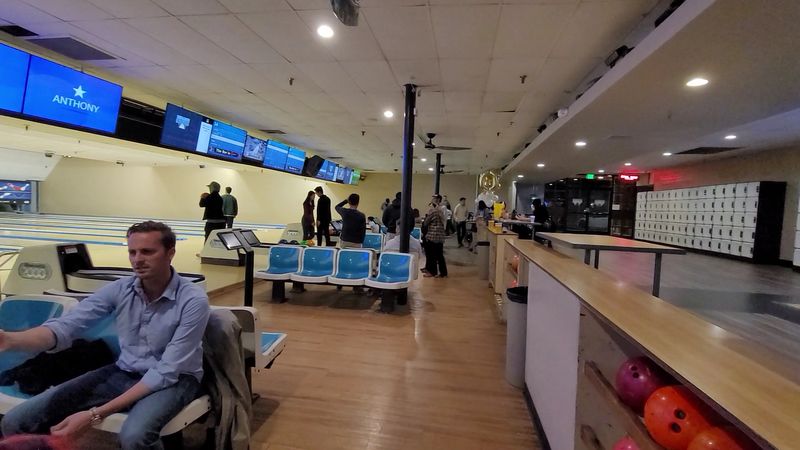
Orange County’s suburban expansion included bowling alleys that became neighborhood anchors during the region’s transformation.
Westminster Lanes at 6471 Westminster Blvd., Westminster, CA 92683 joined this landscape when bowling represented mainstream recreation rather than niche entertainment.
The venue preserves this heritage through maintained vintage features and continued community focus. Lane conditions reflect maintenance practices that prioritize playability over cosmetic perfection.
The equipment functions reliably using mechanical systems that have proven their durability across decades of operation.
Ball returns and pinsetters operate with straightforward designs that require less specialized repair knowledge than computerized alternatives.
Interior lighting creates warm tones that complement the vintage aesthetic without sacrificing the visibility bowlers need for concentration.
Seating areas provide clear views of multiple lanes while maintaining comfortable spacing for groups.
The overall atmosphere balances nostalgia with functionality rather than treating retro elements as mere decoration. Parking surrounds the facility with spaces that typically remain available even during evening hours.
League play influences crowd levels on specific weeknights, while weekend afternoons attract mixed groups of families and friends.
The pro shop maintains basic supplies and services without expanding into retail operations that would consume floor space. Tuesday and Thursday mornings generally see lighter traffic than peak weekend periods.
The snack bar offers refreshments appropriate for a bowling venue rather than attempting restaurant-level food service.
10. Harbor Lanes – Eureka
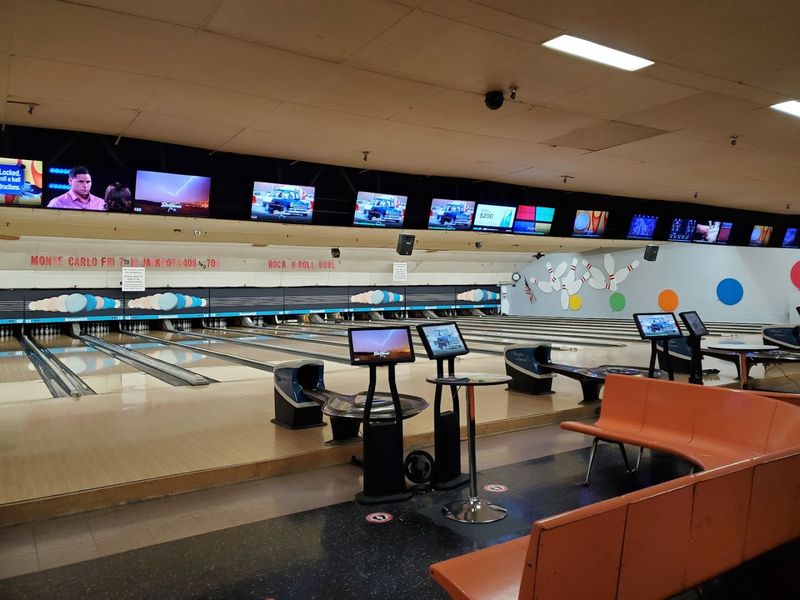
Waterfront communities developed distinct recreational cultures, and Eureka’s bowling history reflects its working-class maritime heritage.
Harbor Lanes at 2136 Broadway St, Eureka, CA 95501 serves a neighborhood where bowling represented accessible entertainment for port workers and their families across multiple generations.
The venue maintains this connection to local history while continuing to operate in a community that has evolved considerably.
Wood lanes show the patina of heavy use while remaining playable for contemporary bowlers appreciating authentic vintage experiences.
Mechanical pinsetters operate with reliability that has outlasted many newer systems installed at facilities built decades later.
The scoring process involves participants directly rather than relegating them to passive observation of automated displays.
Seating arrangements encourage social interaction that has always defined bowling as a group activity.
The facility scale suits neighborhood service rather than attempting destination status that would require tourist-oriented amenities.
Interior design preserves mid-century elements that connect current visitors to the venue’s founding era.
Parking availability typically meets demand except during league nights when regular teams fill most lanes.
Weekday mornings attract retirees and serious bowlers who appreciate quieter conditions and better lane selection.
The pro shop maintains essential supplies while offering guidance that respects customer knowledge levels. Snack bar options cover basic needs without attempting elaborate food service.
Temperature control functions reliably despite coastal conditions that can create humidity challenges for older buildings.