This California City Was Named The Best Place To Retire In The Golden State
A place like this doesn’t usually get much attention at first. Then you start hearing about it more and more.
It’s not trying to impress anyone. It just works. Day-to-day life feels manageable, which is something a lot of people are looking for right now.
You notice it in the neighborhoods. In how easy it is to run errands. In the fact that things don’t feel overly complicated.
Living in California can feel overwhelming, but this is one of those places where it actually feels doable.
Housing is more reasonable compared to much of the state. The pace is calmer. There’s a sense that people are settled, not constantly rushing somewhere else.
A lot of people end up here for practical reasons. Then they realize it checks more boxes than they expected.
That’s likely why it keeps coming up in conversations about retirement. A recent national ranking even named it the best place to retire in the state, which makes sense once you look at what daily life here is really like.
It’s comfortable without being dull. Convenient without feeling crowded. The kind of place where staying long-term actually feels like a solid choice.
All of that points to Roseville, a foothill city that more people are starting to seriously consider for their next chapter.
Top Ranking For Retirees In 2026
Getting named the best city to retire in an entire state is no small achievement, especially in a place as large and diverse as California.
Retirement Living released its 2026 rankings and placed Roseville at the very top of the list, factoring in elements like the percentage of older residents, median home prices, and local sales tax rates.
The combination of those data points painted a picture of a city that genuinely supports retirees rather than simply tolerating them.
What makes the ranking feel credible is that it did not rely on just one or two favorable statistics.
Roseville scored well across multiple categories, which suggests the quality of life there is broadly strong rather than strong in just one narrow area.
For retirees doing their research, a multi-factor ranking tends to be more reliable than a single-metric list.
The city has appeared on similar lists in previous years, which means the 2026 recognition is not a fluke but rather a reflection of consistent performance.
Roseville continues to attract retirees from across California and beyond, drawn by a reputation that has been building steadily over time.
Affordable Housing By California Standards
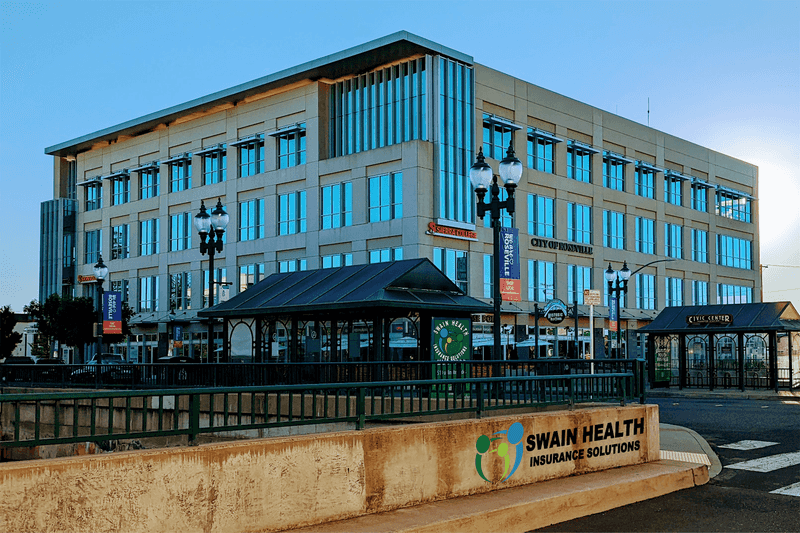
Housing costs in California can feel overwhelming, but Roseville offers a notably different picture compared to many other cities in the state.
The median home sale price in Roseville sits at approximately $635,000, which is considered relatively reasonable for California, where prices in coastal cities can easily exceed a million dollars.
For retirees looking to own a home without draining their savings, that difference matters quite a bit.
Renting is also a realistic option for those who prefer flexibility or are not ready to commit to a purchase.
The median rent in Roseville runs around $2,158 per month, which gives retirees a manageable alternative without sacrificing comfort or access to amenities.
Having both ownership and rental options available makes the city accessible to people across a range of financial situations.
The housing market in Roseville also tends to feature neighborhoods with newer construction, giving buyers access to modern layouts and energy-efficient features that older retirees often appreciate.
Quieter streets, single-story floor plans, and proximity to shopping and medical services are common in many of the city’s residential areas, making daily life more convenient and less physically demanding.
A Notably Low Poverty Rate
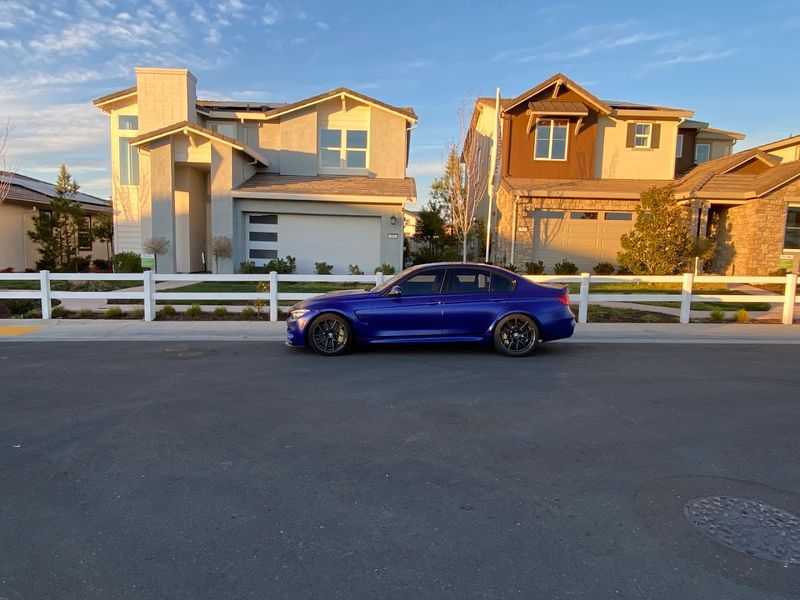
A city’s poverty rate can reveal a lot about the stability and economic health of the community, and Roseville’s numbers are genuinely encouraging.
The city holds a poverty rate of just 5.6%, which stands in sharp contrast to California’s statewide average of 11.3%.
That gap is significant and points to a community where financial hardship is less common than in most other parts of the state.
For retirees, living in a low-poverty community often translates to better-maintained public spaces, lower crime, and a stronger local economy that supports quality services.
When the surrounding community is stable, everyday life tends to feel more relaxed and less stressful.
Grocery stores, parks, and healthcare facilities are typically better resourced in areas with stronger economic foundations.
The low poverty rate also reflects well on the city’s long-term planning and infrastructure investment.
Roseville has consistently attracted employers and maintained a diverse economic base, which helps keep residents financially stable across different life stages.
For someone entering retirement and living on a fixed income, choosing a city with a proven track record of economic health is a smart and practical decision that can protect quality of life for years to come.
A Strong Senior-Friendly Community

Nearly 20% of Roseville’s population is aged 65 or older, and that concentration of older residents has shaped the city in meaningful ways.
When a large portion of a community shares similar life stages, the local services, activities, and social culture tend to reflect those shared needs.
Roseville has responded by building a network of programs, facilities, and events specifically designed with seniors in mind.
Senior centers, fitness classes geared toward older adults, and community clubs focused on hobbies like gardening, crafts, and walking groups are all part of the city’s social fabric.
Having peers nearby who are in similar phases of life can make the transition into retirement feel less isolating and more connected.
That sense of belonging is something many retirees say they value just as much as physical amenities.
The city’s parks and recreation department actively develops programming that targets older residents, including low-impact exercise classes and social events that bring people together throughout the year.
Roseville also supports several volunteer opportunities that allow retirees to stay engaged and contribute to the community in meaningful ways.
Staying active and socially connected in retirement is strongly linked to better long-term health, and Roseville appears to take that connection seriously.
High Quality Of Life Ratings

Numbers can only tell part of the story, but resident satisfaction surveys add a human layer to the data.
According to city planning documents, 95% of Roseville residents consider it an excellent or good place to raise children, and 83% describe it as a good place to retire.
Those figures reflect a community where people genuinely feel comfortable and supported in their daily lives.
Quality of life is a broad concept that covers everything from how safe a neighborhood feels to how easy it is to run errands, access healthcare, or find a pleasant place to take a walk.
Roseville scores well across those practical dimensions, and residents tend to describe the city as clean, well-organized, and easy to navigate.
That combination of factors creates an environment where daily routines feel manageable rather than stressful.
For retirees who have spent decades in busier or more expensive cities, the shift to Roseville can feel like a genuine upgrade in day-to-day comfort.
The pace is calmer, the infrastructure is well-maintained, and the community culture leans toward being welcoming and neighborly.
Those qualities are difficult to quantify but are consistently mentioned by long-term residents as reasons they have chosen to stay.
Abundant Outdoor Recreation
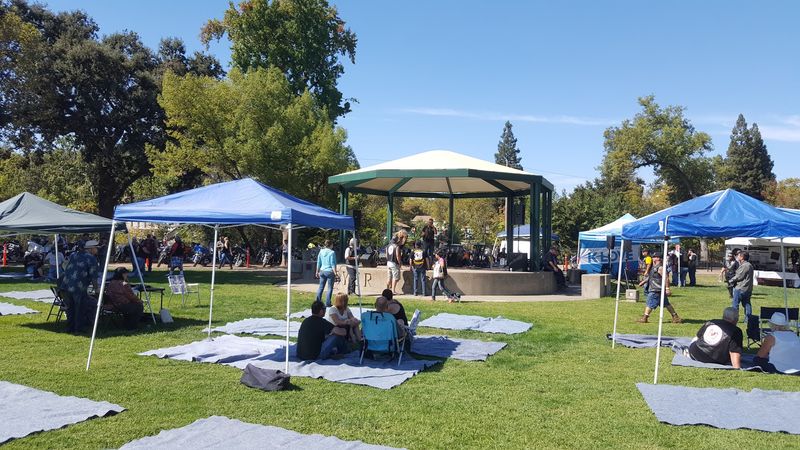
Spending time outdoors is one of the most accessible and health-supporting activities available to retirees, and Roseville makes it easy to do just that.
The city enjoys approximately 265 days of sunshine per year, which means outdoor plans rarely get derailed by weather.
That kind of reliable sun exposure encourages a more active lifestyle and makes it easier to stay consistent with walking, cycling, or simply spending time in nature.
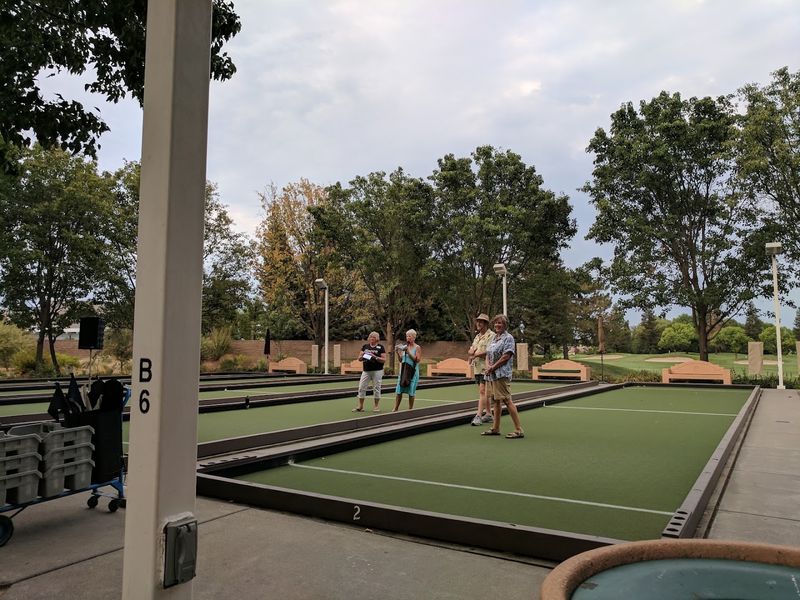
Roseville is home to numerous parks, paved trails, and open green spaces that are well-suited to older adults.
The city’s trail system connects many neighborhoods, allowing residents to move between areas on foot or by bike without relying heavily on a car.
Golf courses are also popular among retirees in the area, with several well-maintained options available within or close to city limits.
Beyond the trails and parks, proximity to the Sierra Nevada foothills means that more adventurous outdoor activities like hiking and nature photography are accessible within a reasonable drive.
Folsom Lake State Recreation Area is located nearby and offers opportunities for fishing, kayaking, and lakeside picnics.
For retirees who want outdoor variety without having to travel far, Roseville’s location provides a strong mix of everyday and occasional recreational options.
Comprehensive Healthcare Services
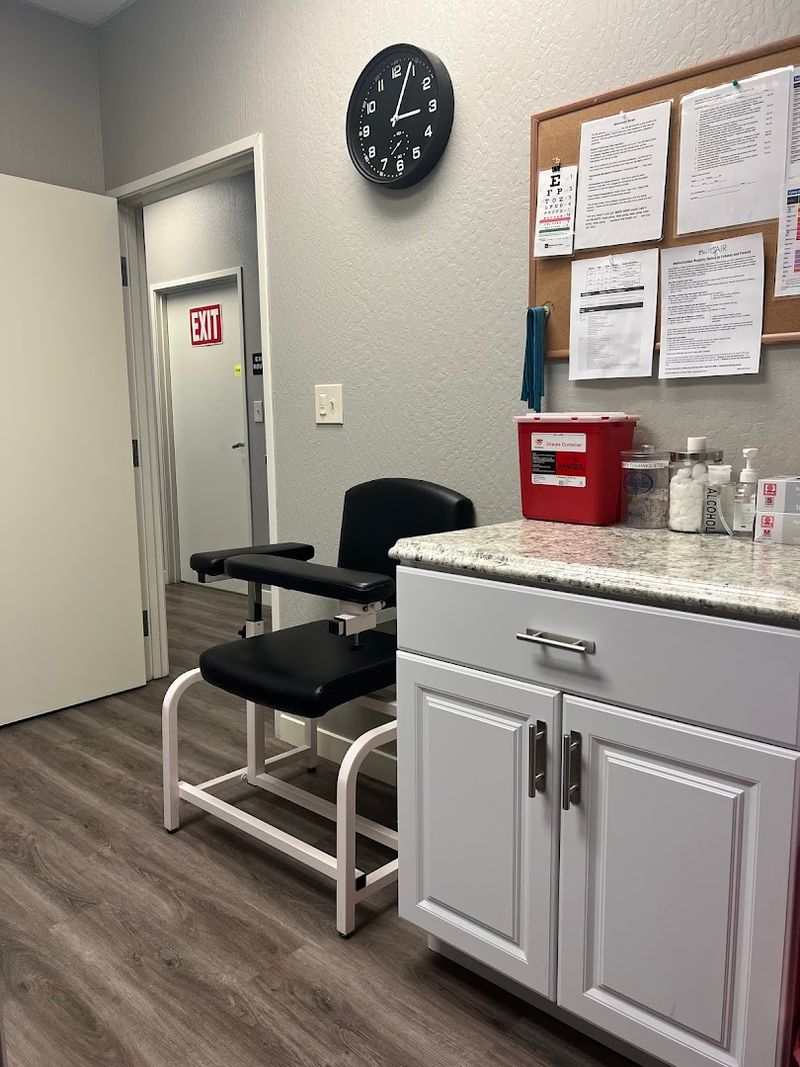
Access to quality healthcare is one of the most important factors retirees consider when choosing where to live, and Roseville delivers on that front with notable strength.
The city is home to Sutter Roseville Medical Center, located at One Medical Plaza Drive, Roseville, CA 95661, which provides a wide range of inpatient and outpatient services including surgical care, cardiac services, and emergency treatment.
Having a full-service hospital close to home gives retirees and their families a meaningful sense of security.
Kaiser Permanente also operates a medical center in Roseville, offering members access to primary care, specialty services, and preventive health programs all within a coordinated care system.
The presence of two major healthcare systems within the same city means residents generally have options when it comes to choosing providers and care models.
That level of choice is not always available in smaller or more rural retirement destinations.
Beyond the hospitals, Roseville supports a broad network of clinics, specialist offices, and urgent care facilities spread throughout the city.
Older adults often require more frequent medical visits than younger residents, so having healthcare infrastructure that is geographically accessible and well-staffed makes a real difference in managing long-term health.
The city’s medical ecosystem appears well-positioned to support a growing senior population for the foreseeable future.
Cultural Events And Social Engagement
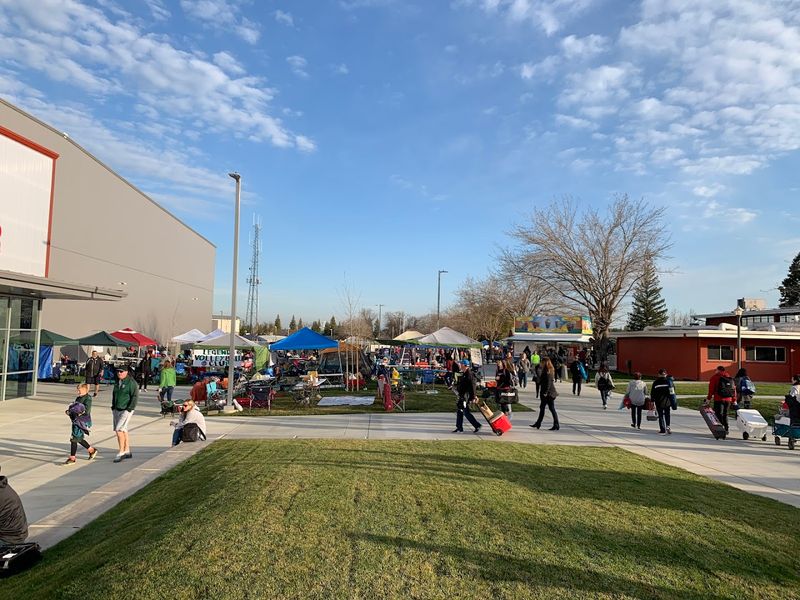
Retirement is most fulfilling when it comes with a full social calendar, and Roseville gives residents plenty of reasons to get out and connect with others.
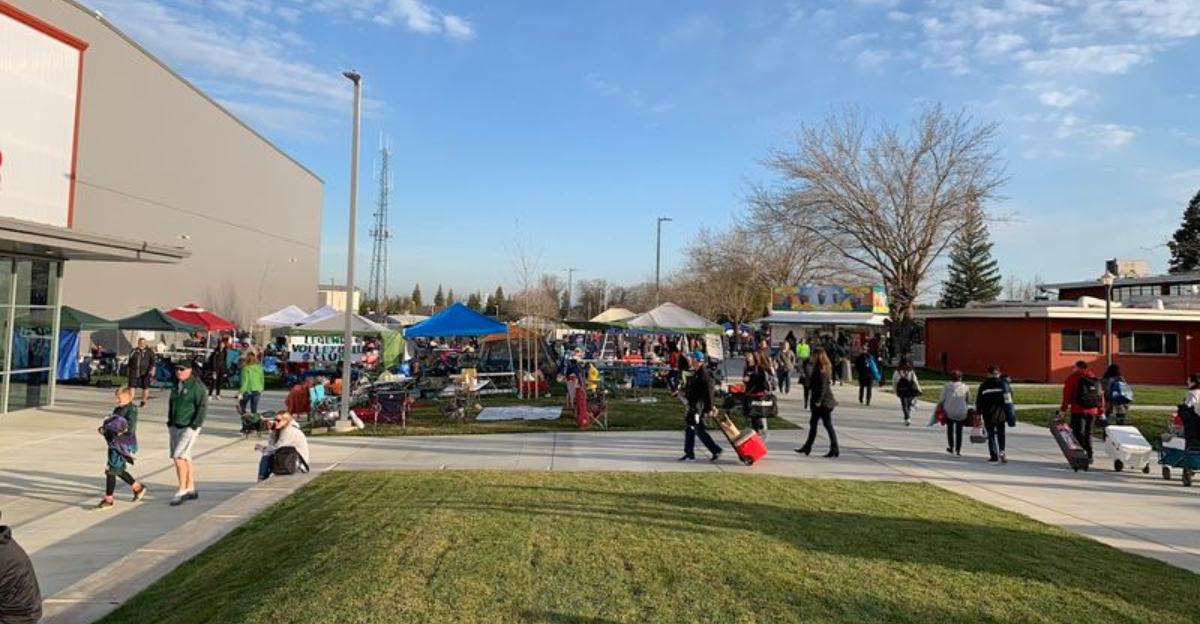
The city hosts regular farmers markets, community festivals, and cultural events throughout the year that draw residents of all ages together.
For retirees especially, having consistent social anchors in the community helps maintain a sense of routine and belonging that can otherwise fade after leaving the workforce.
The Roseville area supports a variety of arts and cultural organizations, including galleries, theater groups, and music events that cater to diverse tastes.
Attending a local performance or browsing a community art show offers a low-key but genuinely enriching way to spend an afternoon.
These kinds of activities provide mental stimulation and social interaction, both of which are linked to better cognitive health in older adults.
Seasonal festivals and holiday events also bring neighborhoods together in a relaxed and festive atmosphere.
The city’s parks and public spaces serve as natural gathering points where informal social connections can form over time.
For retirees who are new to the area, these events offer an approachable entry point into the community without requiring a large commitment of time or energy, making it easier to build a meaningful social life at a comfortable pace.
Safety And Low Crime Rates
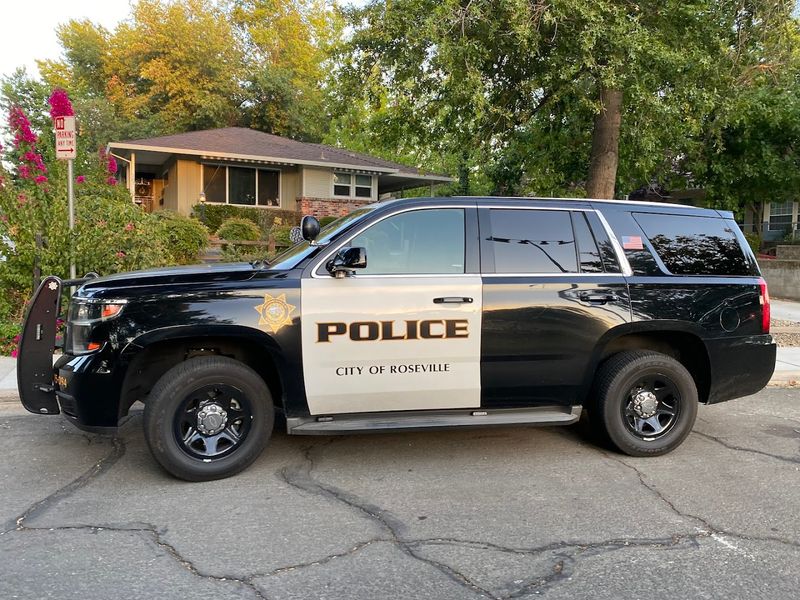
Feeling safe at home and in the surrounding neighborhood is a fundamental need that becomes even more important as people age.
Roseville has earned recognition as one of the safer cities in the United States, with crime rates that are consistently lower than national averages.
That reputation for safety is not just a talking point but a measurable quality that residents experience in their daily routines.
The city’s police department maintains a visible presence throughout the community and has developed programs focused on community engagement and crime prevention.
Neighborhoods in Roseville tend to feel well-lit, clean, and actively maintained, which contributes to an overall atmosphere of security.
For retirees living alone or those with mobility limitations, knowing that the environment around them is stable and monitored provides genuine peace of mind.
Low crime also has indirect benefits that are easy to overlook. Property values tend to hold more steadily in safer cities, which protects the financial investment of homeowners over time.
Community trust is stronger when residents feel secure, and that trust creates the kind of neighborly culture where people look out for one another.
Roseville’s safety record has been a consistent part of its identity for years, making it a reliable feature rather than a temporary trend that could shift unpredictably.
Economic Stability And A Diverse Job Market
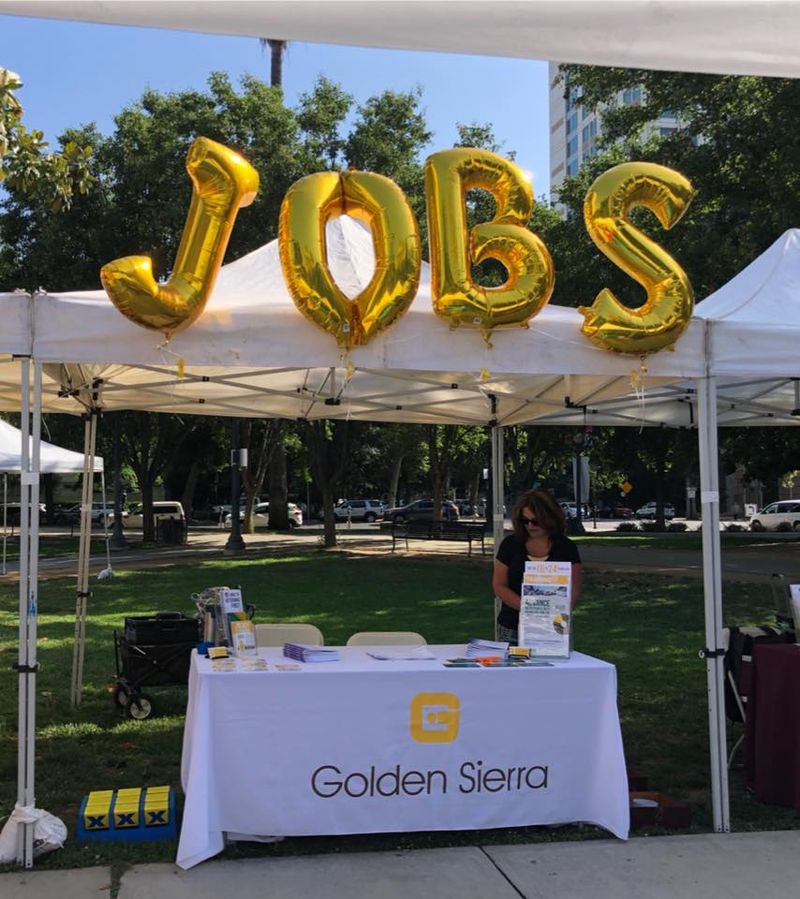
A strong local economy benefits everyone who lives in a city, including retirees who are no longer working full time.
Roseville has built a diverse economic base that includes sectors like public administration, healthcare, construction, and education.
That variety means the city is less vulnerable to downturns in any single industry, which contributes to a stable and predictable environment for long-term residents.
For retirees who want to stay partially active in the workforce through part-time work or consulting, a city with a healthy job market offers more options than one with a narrow or struggling economy.
Roseville’s business community is active and growing, with retail, healthcare, and service industries providing consistent employment opportunities across skill levels and age groups.
The presence of major employers in the area also supports the local tax base, which in turn funds public services that retirees depend on.
Economic stability also supports the quality of local amenities like roads, parks, libraries, and emergency services.
Cities that maintain strong fiscal health tend to invest more consistently in the infrastructure and programs that make everyday life comfortable.
Roseville’s track record of economic management has helped it maintain a high standard of public services over time, which is one of the less visible but genuinely important reasons the city continues to attract retirees from across California and beyond.