10 Beginner-Friendly Hikes In California With Surprisingly Stunning Views In 2026
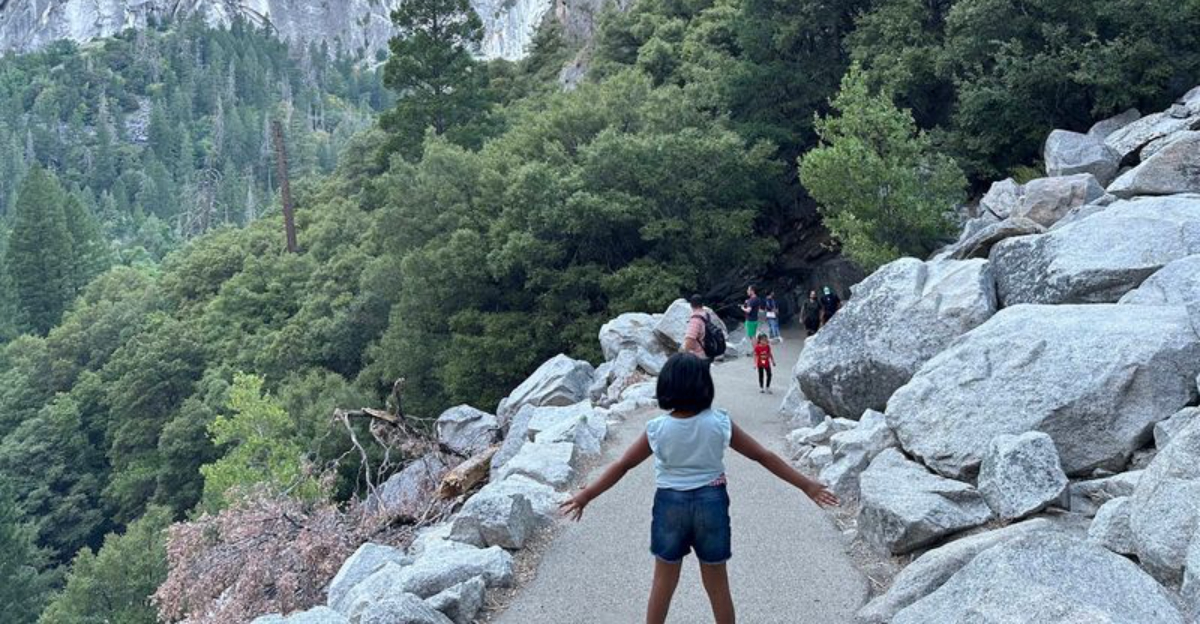
Not every great hike has to feel like a workout, and that is where things get interesting. Views still show up. The experience still delivers. You just do not have to push for it.
Easy trails have a different kind of appeal. You move slower. You notice more. The scenery has space to actually land.
No pressure to rush. No need to plan for hours. Just a pair of sneakers and a little time outside.
Days like this are exactly why California keeps pulling people outdoors, with views that feel impressive without demanding too much in return.
Coastal paths, desert rock formations, and quiet canyon trails all come into play. The variety keeps things fresh. The effort stays manageable.
Across the state, these beginner-friendly hikes prove that great scenery does not have to come with a steep climb or a long day on the trail.
1. Lands End Trail, San Francisco
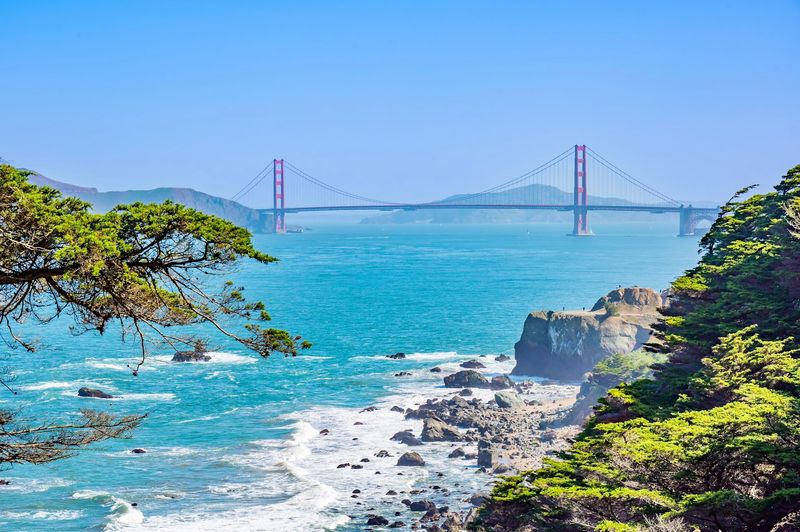
Few urban hikes deliver the kind of raw coastal drama that greets visitors along the Lands End Trail in San Francisco.
Stretching roughly 3.4 miles round-trip, the path winds through cypress trees and along rugged clifftops above the Pacific Ocean.
The views of the Golden Gate Bridge appear and disappear through the tree line, making each glimpse feel like a small reward for the steps taken.
The trail is mostly flat with some gentle undulation, making it accessible for beginners who want scenery without serious elevation gain.
Along the way, hikers pass the haunting ruins of the Sutro Baths, a historic saltwater swimming complex that once welcomed thousands of visitors in the late 1800s.
The stone foundations sit right at the water’s edge and add a layered sense of history to an already striking landscape.
Parking tends to fill up quickly on weekends, so arriving early on a Saturday or Sunday could save time and frustration.
The trailhead is located near the Lands End Lookout visitor center, which also has restrooms and a small cafe.
Mornings tend to bring fog that burns off by midday, revealing clearer skies and softer light across the water.
2. Griffith Park Observatory Trail, Los Angeles
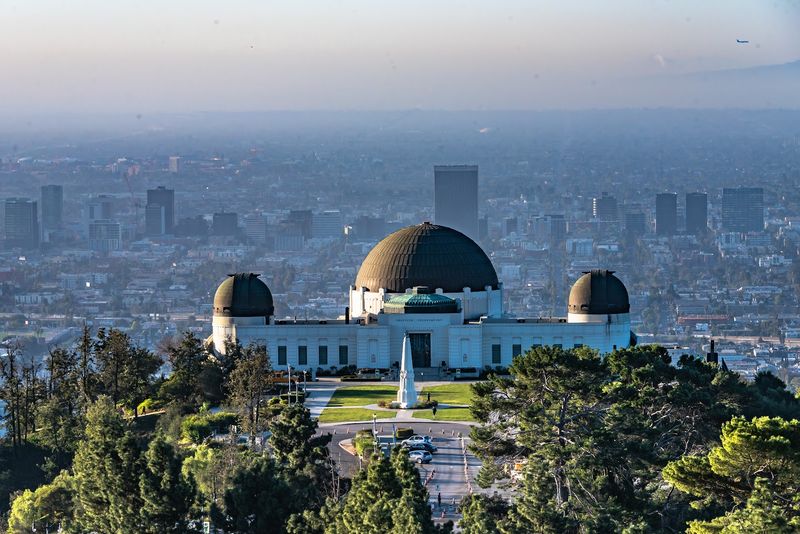
Sitting high above the city with one of the most recognizable silhouettes in Los Angeles, Griffith Observatory draws millions of visitors each year, and the trail leading up to it is one of the most beginner-friendly hikes in Southern California.
The most popular route runs about 3 miles round-trip with a manageable climb that rewards hikers with sweeping views of the LA basin, the Hollywood Sign, and on clear days, the Pacific Ocean shimmering in the distance.
The trail surface is well-maintained and easy to follow, making it suitable for families with older kids or anyone who wants a taste of outdoor activity without committing to a strenuous outing.
Shade is limited along certain stretches, so bringing sunscreen and plenty of water is a smart move especially during warmer months between May and October.
Weekday mornings tend to offer a quieter experience compared to busy weekend crowds that pack the summit area.
The observatory itself is free to enter and offers exhibits on astronomy, space exploration, and the history of Los Angeles.
Reaching the top on foot rather than driving up adds a satisfying sense of accomplishment that the parking lot simply cannot replicate.
3. Torrey Pines Beach Trail Loop, San Diego
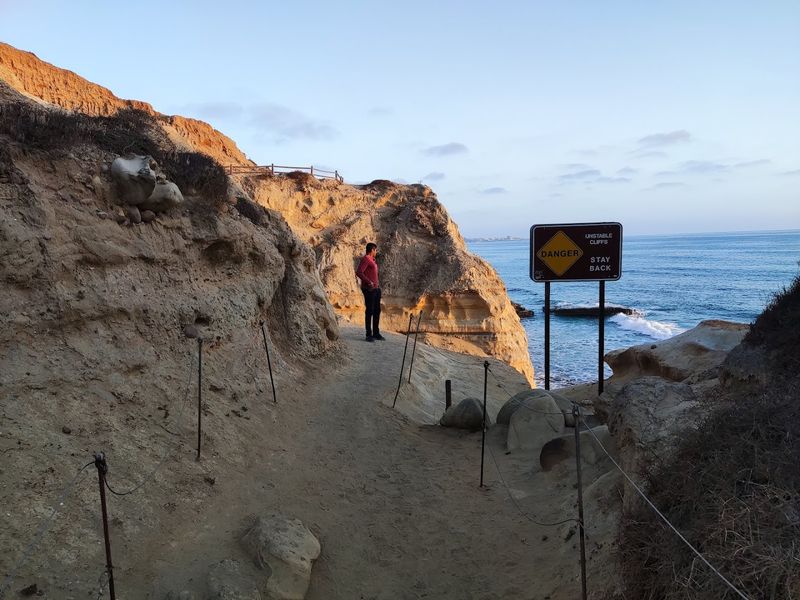
Sandstone cliffs the color of rust and cream rise dramatically above the Pacific at Torrey Pines State Natural Reserve, one of San Diego’s most beloved outdoor spaces.
The Beach Trail Loop connects the clifftop paths with a walk along the beach below, covering roughly 3 to 4 miles depending on the route chosen.
The contrast between the high bluffs and the wide sandy shoreline makes this loop feel like two hikes in one without doubling the effort.
The trail is rated easy to moderate, and while there are some sandy sections and steps carved into the cliffs, most beginners handle the terrain without difficulty.
The reserve is also home to the rare Torrey pine tree, one of the rarest pine species in the United States, which adds an ecological dimension to the scenic one.
Hikers who look carefully may also spot dolphins, pelicans, and shorebirds along the water’s edge.
Parking at the reserve costs a small fee and fills up fast on sunny weekends, which in San Diego means most of the year.
Arriving before 9 a.m. on weekends tends to make the experience more relaxed and enjoyable.
Dogs are not permitted on the trails, so leaving pets at home is necessary for this particular outing.
4. Escondido Falls Trail, Malibu
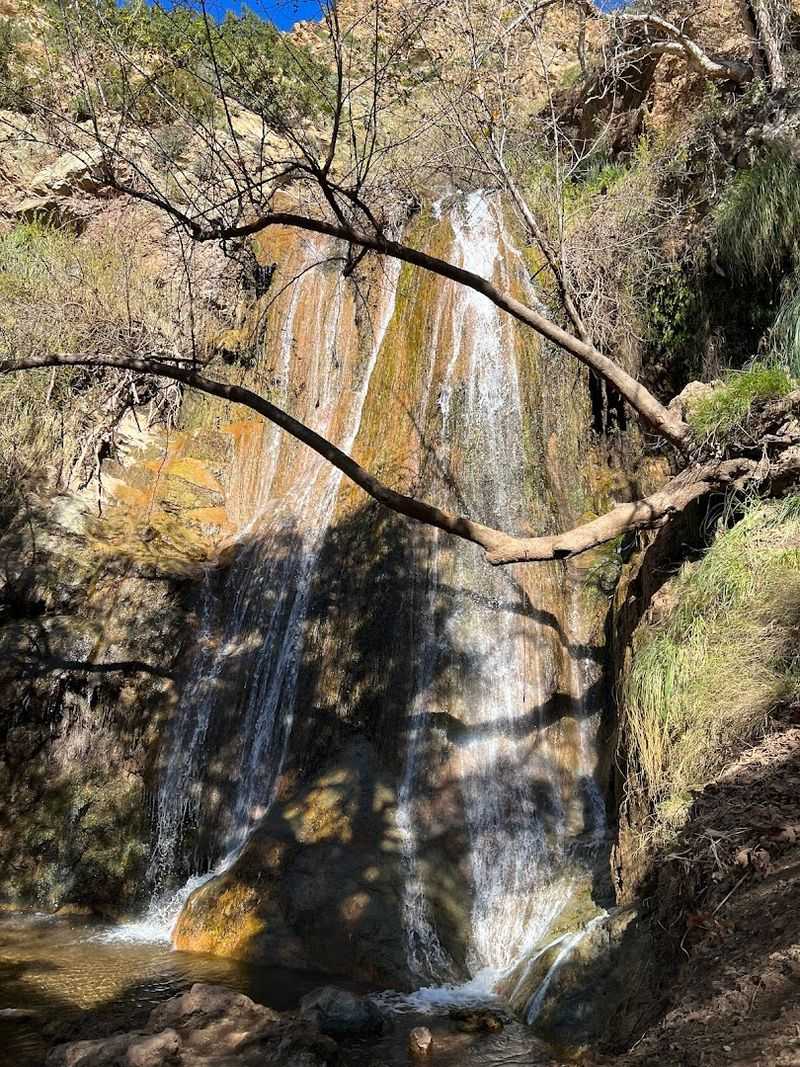
Tucked into the Santa Monica Mountains just off Pacific Coast Highway, Escondido Falls Trail offers a surprisingly lush and shaded escape from the sun-soaked beaches nearby.
The trail is about 4 miles round-trip and follows a seasonal creek through a narrow canyon draped in willows and sycamores.
Even on warm days, the canopy keeps temperatures noticeably cooler, making it a comfortable hike for those who prefer shade over open ridge walks.
The main reward comes at the end of the trail where Escondido Falls drops in two tiers into a mossy grotto.
The lower falls are accessible to most hikers and stand around 50 feet tall, while reaching the upper falls requires a bit of scrambling that some beginners may want to skip.
Both sections are worth the walk, and the sound of water echoing off the canyon walls adds a calming quality to the whole experience.
The trailhead begins along Pacific Coast Highway and requires crossing private property via an easement that has historically been open to the public, though conditions and access policies could vary.
Stream crossings along the route may be wet during winter and spring, so waterproof shoes or trail sandals could be helpful.
Visiting between November and April tends to offer the fullest waterfall flow.
5. Trail Canyon Falls, Sunland-Tujunga
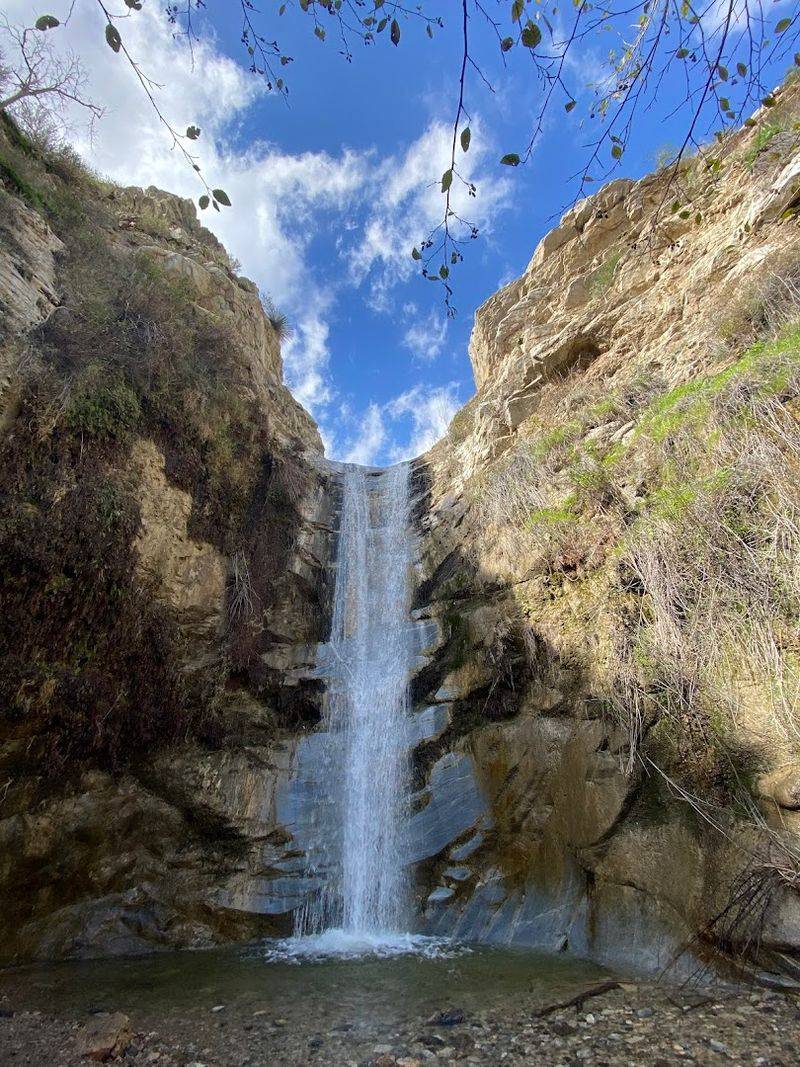
A short drive from the northeastern edge of Los Angeles leads to one of the more rewarding beginner-friendly waterfall hikes in the foothills.
The trail to Trail Canyon Falls covers about 4 miles round-trip and follows a steady, gradual climb through a mix of chaparral, shaded canyon sections, and open hillside views.
The path is well-defined but includes a few uneven, rocky stretches that keep things interesting without making it overly difficult.
The route winds alongside a seasonal creek for portions of the hike, adding a bit of variety along the way.
Near the end, a series of small cascades builds up to the main waterfall, where water spills down a rocky cliff into a shallow basin below.
The falls tend to flow best in late winter and early spring after rainfall, while drier summer months can reduce the water to a light trickle.
The trailhead sits near the end of Big Tujunga Canyon Road in the Sunland-Tujunga area, with roadside parking available near the starting point.
Weekends can bring a steady flow of hikers, especially during peak waterfall season.
Starting earlier in the morning usually means quieter trails and a more relaxed pace on the way up.
6. Crystal Cove Bluff Top Trail, Newport Beach
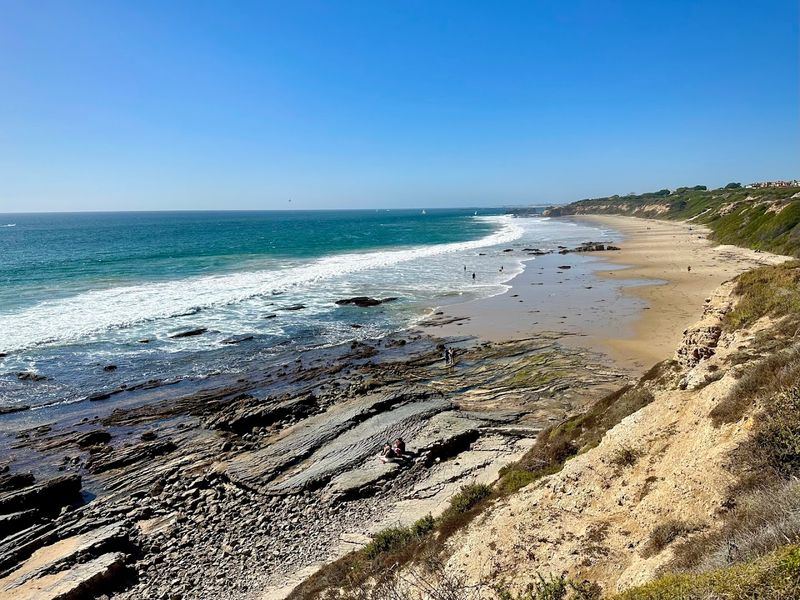
Perched above a stretch of coastline that feels almost too picturesque to be real, the Crystal Cove Bluff Top Trail in Newport Beach delivers panoramic Pacific views with almost no elevation challenge.
The trail runs about 2 miles one way along the bluffs of Crystal Cove State Park, with the ocean glittering below and a mix of chaparral and coastal sage framing the path.
The wide, well-groomed trail surface makes it one of the most comfortable beginner hikes in Orange County.
Below the bluffs, tidepools and sandy coves invite exploration during low tide, and the historic Crystal Cove cottage district adds a charming vintage character to the beach area.
The cottages date back to the 1930s and several have been restored as overnight rentals and a restaurant, though simply walking past them during a hike gives a pleasant sense of stepping back in time.
Parking at Crystal Cove State Park requires a day-use fee and reservations are strongly recommended on weekends and during summer months.
The park entrance is located along Pacific Coast Highway between Newport Beach and Laguna Beach.
Sunset visits on weekdays tend to offer softer light and fewer crowds, making the blufftop views even more striking as the sky shifts through shades of orange and pink.
7. Mirror Lake Loop, Yosemite National Park
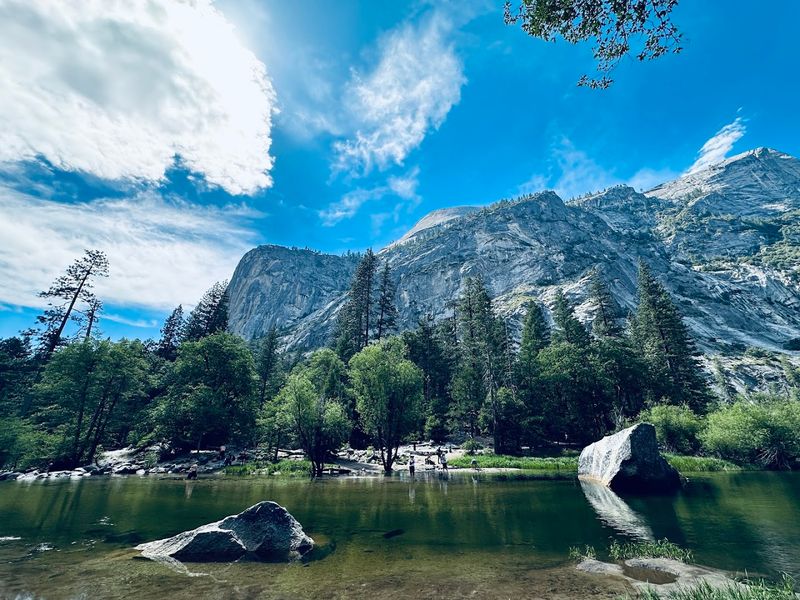
Calm water reflecting the granite face of Half Dome is the kind of image that appears on postcards and screensavers, and the Mirror Lake Loop in Yosemite Valley gives hikers a chance to stand inside that scene.
The loop is approximately 5 miles long and follows a gentle path through the valley floor, passing meadows, forest, and the seasonal lake that forms each spring from snowmelt.
The reflections tend to be most vivid in the early morning before wind and afternoon foot traffic disturb the surface.
Because the trail is flat and well-marked, it suits beginners very well and can be completed comfortably in two to three hours at a relaxed pace.
The lake itself begins to dry out by late summer and transforms into a sandy meadow by fall, so visiting between April and June offers the most complete version of the experience.
Even when the lake is dry, the surrounding scenery of Tenaya Canyon and the towering cliffs remains spectacular.
The trailhead is accessible by free valley shuttle from Yosemite Village, making it easy to skip the parking challenges entirely.
Weekday visits tend to feel noticeably less crowded than weekends, especially at popular viewpoints along the loop.
8. Vernal Fall Footbridge Trail, Yosemite National Park
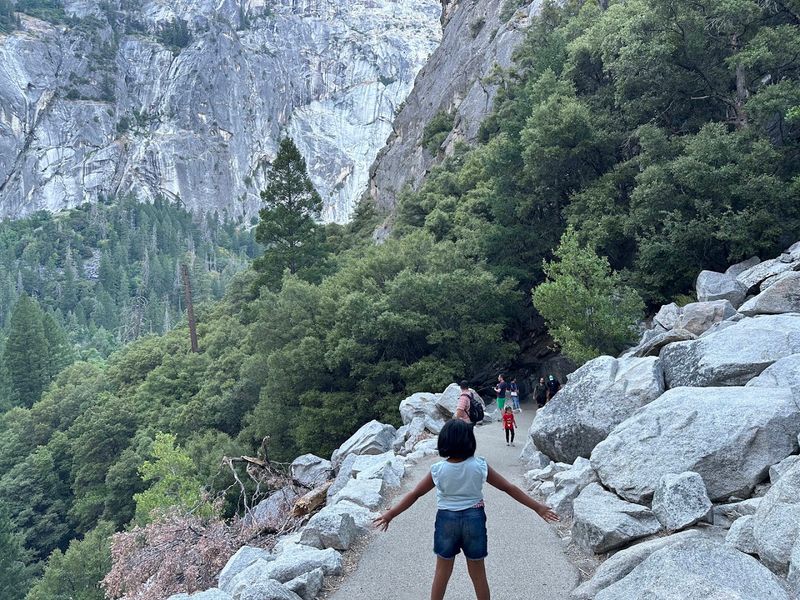
Standing at the footbridge on this trail with Vernal Fall roaring in the distance and mist drifting across the valley is one of those moments that makes the short effort feel entirely worth it.
The hike to the footbridge is just about 1.6 miles round-trip from the Happy Isles trailhead and follows a paved path with a moderate but manageable incline.
The falls drop 317 feet and are most powerful between April and June when snowmelt sends massive volumes of water cascading down the granite face.
Hikers who want to push a little further can continue past the footbridge toward the top of the falls on the Mist Trail, though that section becomes more demanding and is best left for those with some hiking experience.
The footbridge itself offers a clear and spectacular view of the falls and the surrounding canyon walls, making it a satisfying turnaround point for beginners.
A light rain jacket or windbreaker is genuinely useful here since the mist from the falls can reach the bridge on high-flow days.
Yosemite Valley’s timed entry reservation system applies to this trailhead during peak season, so checking the National Park Service website before planning a visit is important.
The Happy Isles area is served by the free valley shuttle, which makes accessing the trailhead straightforward without needing to find parking.
Early morning starts help avoid the busiest crowds on this well-known and heavily visited section of the valley.
9. Hidden Valley Nature Trail, Joshua Tree National Park
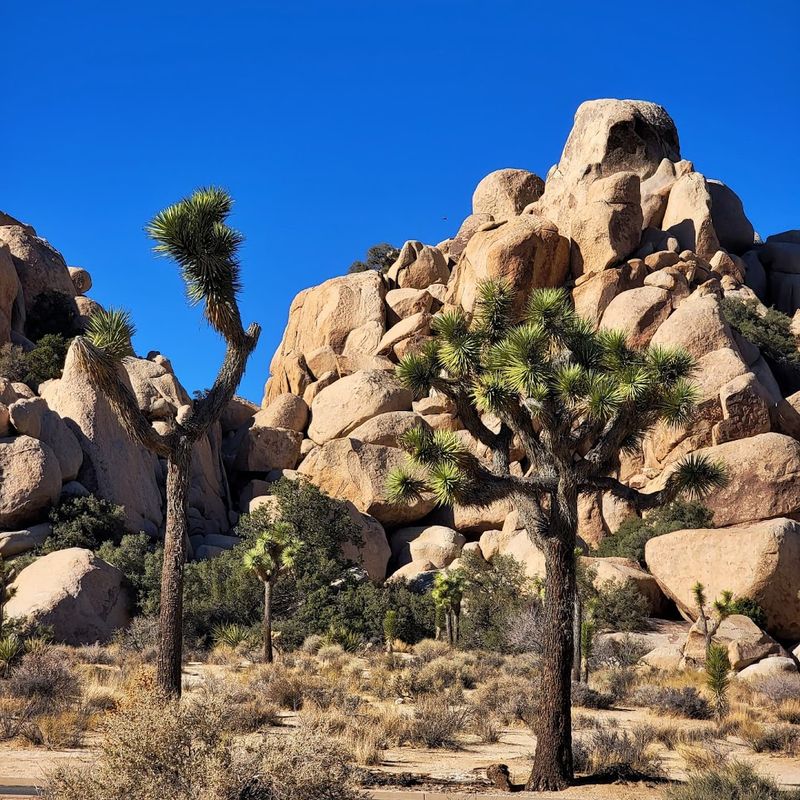
Enclosed by a ring of enormous boulders that look like they were stacked by some ancient giant, Hidden Valley in Joshua Tree National Park feels like a secret room carved into the desert.
The nature trail is a 1-mile loop that winds through the valley floor past twisted Joshua trees, desert shrubs, and boulders that climbers from around the world come specifically to scale.
The geological drama packed into such a short walk makes it one of the most visually interesting easy hikes in all of California.
Historically, the valley earned its name from cattle rustlers who allegedly used the natural rock enclosure to hide stolen livestock in the late 1800s, adding a wild-west layer of lore to the scenery.
The trail surface is mostly sandy and flat, making it comfortable for all fitness levels, and interpretive signs along the route explain the ecology and geology of the Mojave Desert.
Wildflowers can appear across the valley floor in spring following adequate winter rainfall, transforming the rocky terrain into something unexpectedly colorful.
Joshua Tree National Park charges an entrance fee and the Hidden Valley picnic area parking lot can fill quickly on weekend mornings between October and May.
Temperatures in the desert can swing dramatically between morning and afternoon, so layers and at least two liters of water per person are strongly recommended.
Sunrise and late afternoon visits tend to cast the boulders in warm golden light that makes photography feel effortless.
10. Cataract Falls Trail, Mount Tamalpais
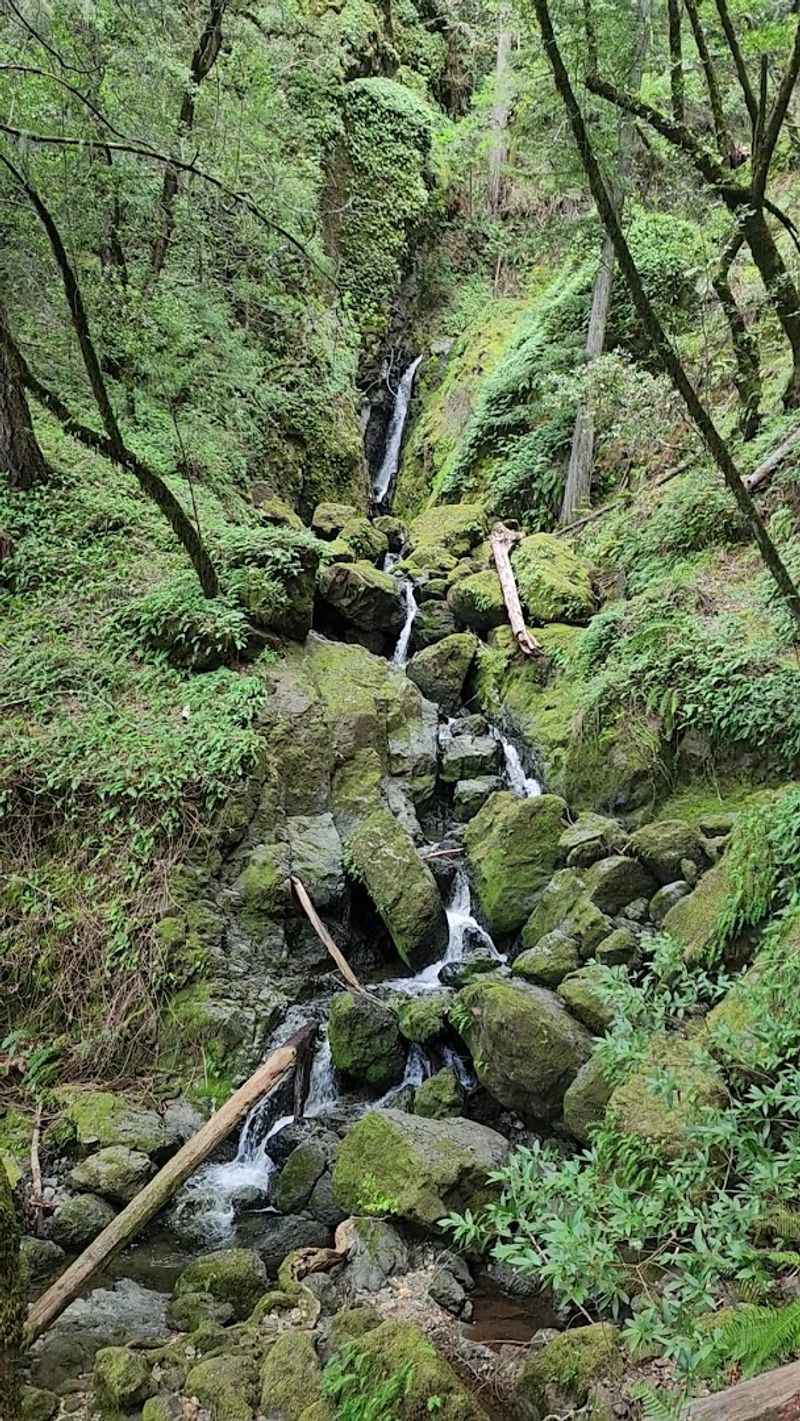
Rushing water tumbling over a series of mossy ledges through a canyon thick with ferns and redwoods is the defining image of the Cataract Falls Trail on Mount Tamalpais in Marin County.
The trail to the upper falls is roughly 3 miles round-trip from the Alpine Lake trailhead and follows Cataract Creek as it drops through a series of cascades that vary in height and character as the path climbs.
The canyon feels genuinely wild despite being only about an hour north of San Francisco.
The falls are seasonal and run strongest between December and April following winter rain, when the creek fills with cold, fast-moving water that fills the canyon with sound.
Visiting during dry summer months may result in little to no water flow, so timing the trip to the rainy season is worth planning around.
The trail surface includes some rocky and rooted sections, but the overall difficulty remains accessible for beginners who are comfortable with a little uneven ground.
Mount Tamalpais State Park surrounds the trail, and parking is available at the Alpine Lake dam area along Bolinas-Fairfax Road.
The trailhead can be hard to find for first-time visitors, so reviewing a trail map or downloading the AllTrails app before arriving saves confusion.
Wearing waterproof boots or trail shoes with good grip is a practical choice for the wet and sometimes slippery conditions along the creek in winter and spring.