This 5.5-Mile Northern California Bike Trail Cuts Through Vineyards And Redwood Groves
The pace shifts the moment you step onto the trail. It feels quieter right away. The noise fades. The views start to open up.
Some trails take time to impress, but this one delivers almost instantly with scenery that keeps changing just enough to hold your attention.
There is something satisfying about a path that feels easy to follow but never boring. The route moves through vineyards, tall trees, and stretches of open countryside that feel calm and unhurried.
It is the kind of place where a short walk turns into a longer one without much thought. You keep going. The setting makes it easy.
You would not expect this kind of experience so close to everyday life, which is part of the appeal. California has a way of surprising people with places like this. And once you see it for yourself, it sticks with you.
The West County Regional Trail brings together simplicity, scenery, and a sense of escape that feels rare. Read on to discover what makes it worth adding to your list.
A Former Railway Transformed Into A Trail
Long before cyclists and walkers claimed this corridor, steam-powered trains rolled through the same stretch of Sonoma County land.
The West County Regional Trail follows the former route of the Petaluma and Santa Rosa Railway, a line that once connected Petaluma and Santa Rosa with Sebastopol and Forestville until its operations ended in 1984.
Transforming an old rail corridor into a public trail is a concept known as rail-trail conversion, and it explains why the path feels so unusually flat and straight compared to most hiking trails in the region.
The original railway grade was engineered for heavy locomotives, which means very gentle inclines and a smooth, predictable surface that modern trail users benefit from today.
That historical foundation gives the trail a distinct character that goes beyond just scenery.
Walking or riding here, there is a quiet sense that the land has been in motion for a long time, carrying people and goods across the same countryside that now offers open views of farms and vineyards on either side of the path.
5 Miles Of Mostly Paved Surface
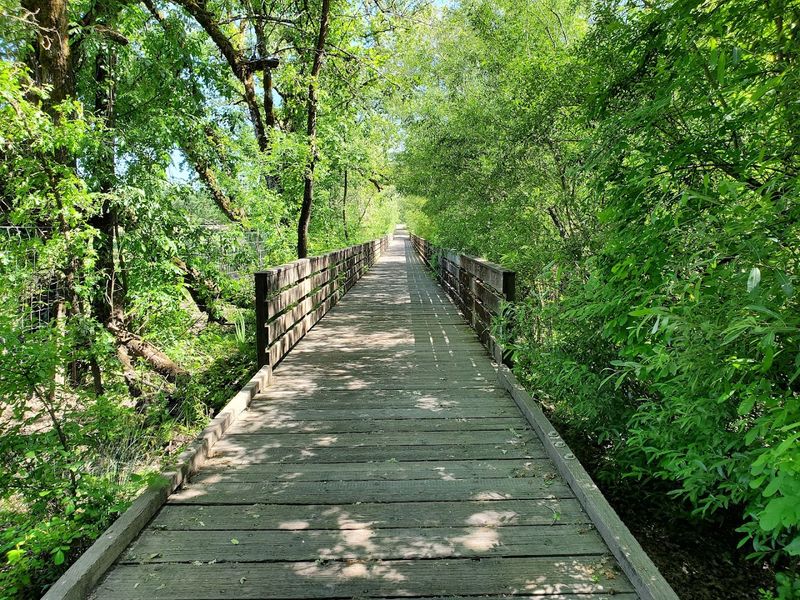
Stretching 5.5 miles from Sebastopol in the south to downtown Forestville in the north, the West County Regional Trail offers a satisfying distance that is long enough to feel like a real adventure without being overwhelming for beginners or families.
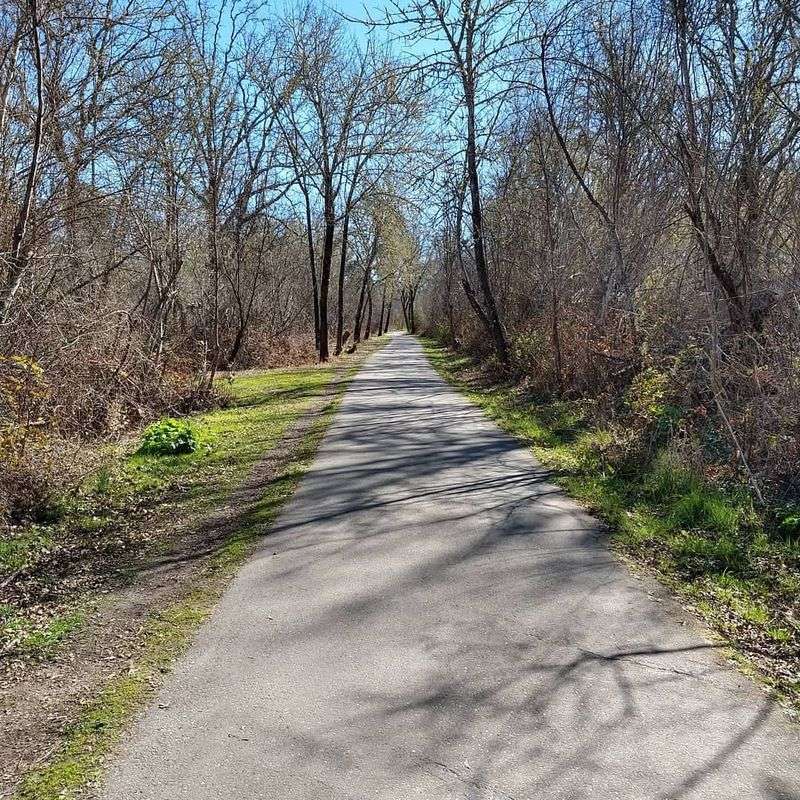
The mostly paved surface makes it accessible to a wide range of users, from road cyclists to parents pushing strollers.
A few small inclines exist along the route, but they are minor and brief, which keeps the overall experience feeling relaxed and low-stress.
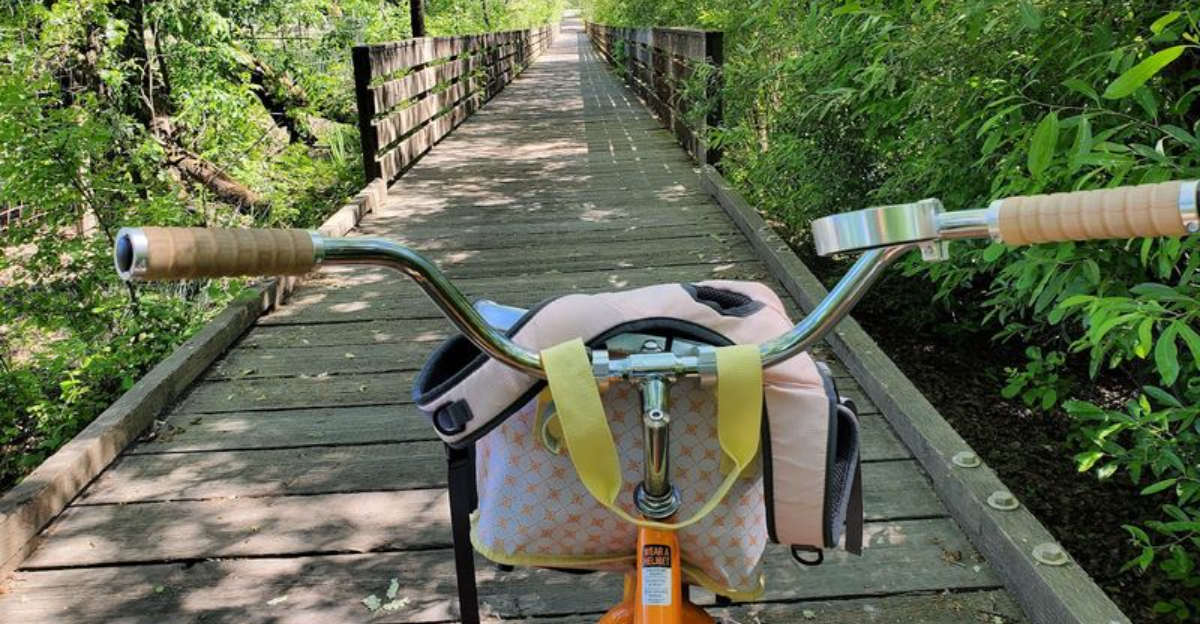
Bridges span swampy and creek-adjacent sections of the trail, adding visual interest while keeping feet dry during wetter months.
For those who do not want to tackle the entire length in one trip, the trail has multiple entry and exit points that make it easy to customize the distance.
Starting from the Forestville end and heading south for a mile or two gives a satisfying out-and-back experience without requiring a full commitment to the entire corridor.
The paved surface also holds up reasonably well in most weather conditions, though some sections near wetland areas can collect standing water after heavy winter rains.
Vineyards And Redwood Groves Line The Path
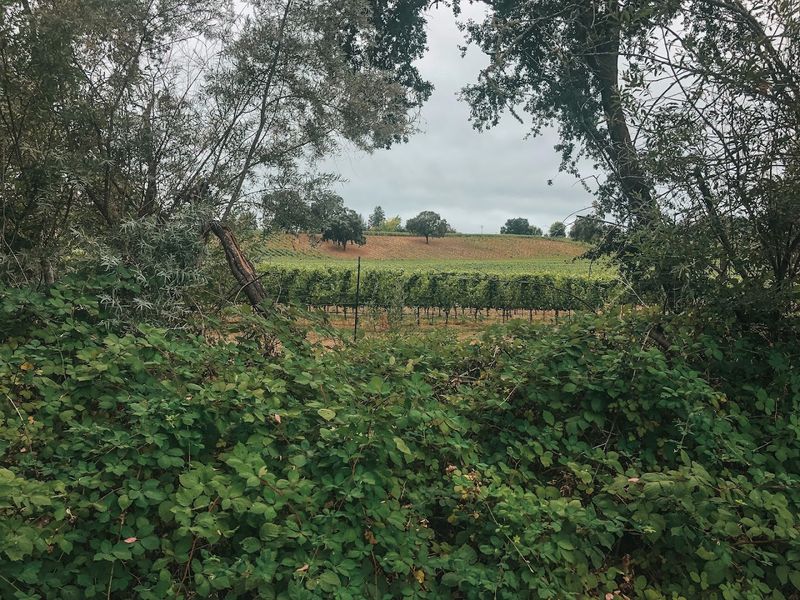
The scenery along the West County Regional Trail is genuinely varied, shifting from open agricultural land to shaded redwood canopy within the same ride.
Vineyards stretch out on either side in certain sections, their rows of grapevines forming tidy geometric patterns against the rolling hills of Sonoma County.
Then the trail dips beneath a canopy of tall trees, where the light filters through branches and the temperature drops noticeably.
Redwood groves along the route offer a completely different sensory experience compared to the open vineyard sections, with softer ground sounds and a cooler, more enclosed atmosphere.
Spring and fall tend to bring the most vibrant colors to the landscape, with wildflowers appearing in the meadow sections and the vineyard leaves turning gold and amber in autumn.
Even in summer, the tree-lined portions of the trail provide enough shade to keep the experience comfortable during warmer afternoons.
The combination of agricultural beauty and natural forest cover is part of what makes the trail feel special compared to purely urban pathways or single-environment nature corridors.
The Atascadero Creek Ecological Reserve
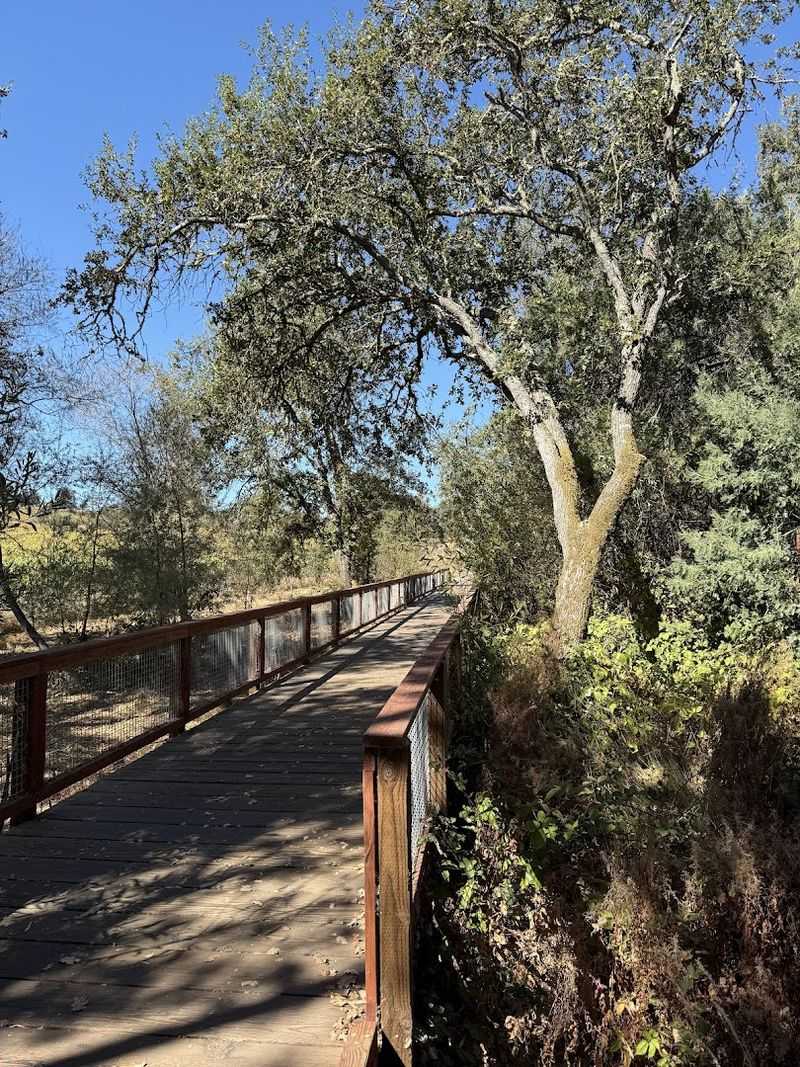
One of the most ecologically significant stretches of the entire trail passes through the Atascadero Creek Ecological Reserve, a biologically important wetland that adds serious natural value to what might otherwise be considered a simple recreational path.
The reserve is home to a genuinely impressive range of wildlife, including deer, raccoons, squirrels, and rabbits.
More surprisingly, the waterways within the reserve support steelhead trout and freshwater shrimp, species that require clean, healthy water to survive.
The reserve also shelters the endangered Pitkin marsh lily, a rare plant that has very limited habitat remaining in California.
Passing through this section of the trail is a reminder that the corridor serves an ecological function beyond recreation.
Trail users who move quietly and stay alert may catch glimpses of wildlife near the water’s edge, particularly in the early morning hours when animals tend to be most active.
The reserve is a good reason to slow down in this section rather than rushing through it, as the ecological details reward patience and observation.
Staying on the designated path helps protect the sensitive habitats that make the reserve valuable.
Multiple Trailheads For Easy Access
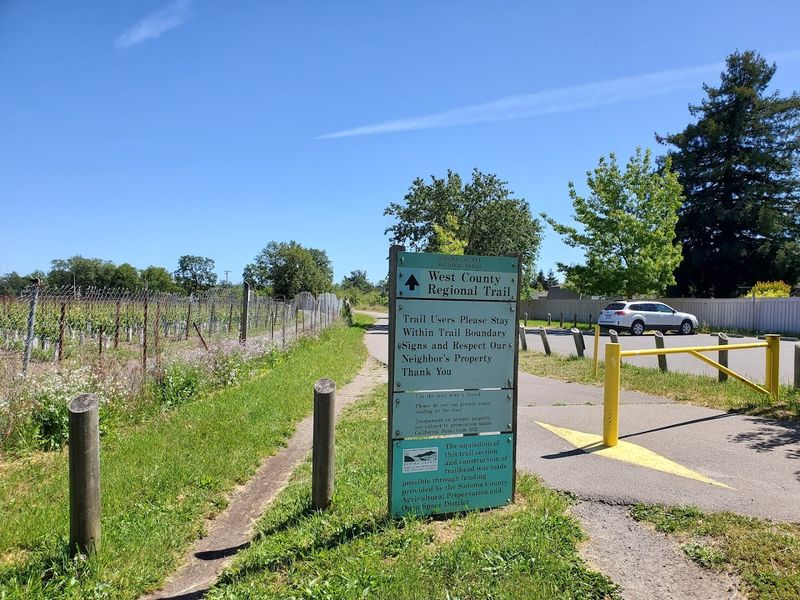
Getting onto the West County Regional Trail does not require a complicated drive or a long search for parking.
Several well-placed trailheads make it easy to hop on from different parts of the corridor depending on where someone is coming from or how long a trip is planned.
Access points include downtown Forestville, Ross Station Road, Graton Road, and a location near Mill Station Road and Gravenstein Highway North close to Sebastopol Charter School.
Each of these entry points offers a slightly different starting environment, from the small-town feel of the Forestville end to the more open agricultural surroundings near the southern trailheads.
Free parking is available at the Ross Station Road and Graton Road trailheads, as well as in downtown Forestville, which removes the common frustration of hunting for a spot before a trail visit.
Accessible parking is provided at the Graton Road and Ross Station Road locations, making the trail welcoming to visitors with mobility considerations.
Having multiple starting options also means groups traveling from different directions can plan a point-to-point trip and meet in the middle if they choose.
Connects To The Joe Rodota Trail
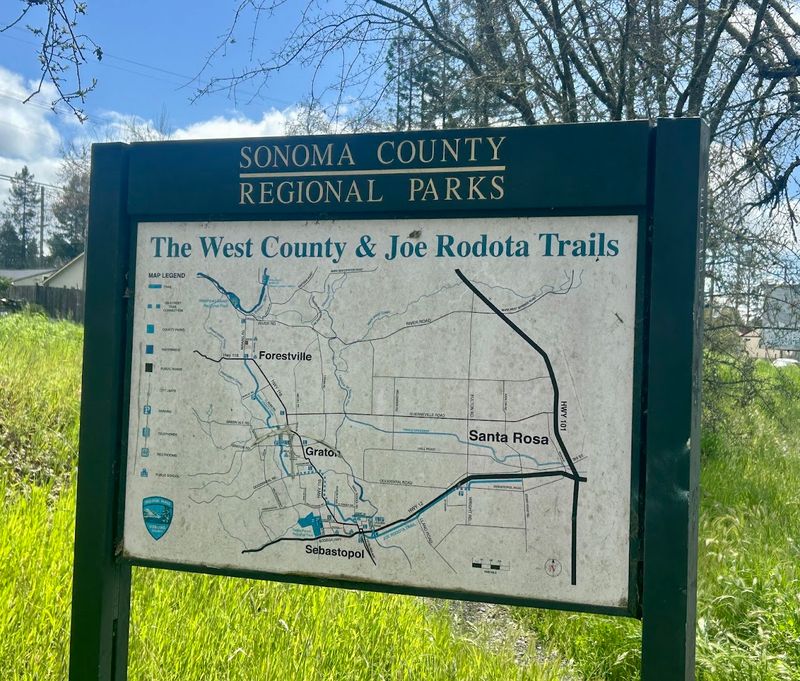
For trail users who want more mileage than the 5.5-mile West County corridor offers, a natural extension waits at the southern end.
At its Sebastopol terminus, the West County Regional Trail connects directly to the Joe Rodota Trail, a separate paved pathway that extends the rideable and walkable network considerably.
The Joe Rodota Trail runs roughly 8.5 miles between Sebastopol and Santa Rosa, passing through open fields and developed areas along the way.
Combining both trails creates a much longer journey that can stretch into a half-day or full-day outing depending on pace and stops along the route.
Having two trails link up seamlessly is a practical benefit that serious cyclists especially appreciate, since it removes the need to load bikes into a car and drive to a second starting point.
The connection also reflects a broader regional effort to build a connected trail network across Sonoma County, making non-motorized travel between communities more practical.
Checking current trail conditions at both ends before heading out is always a smart habit, as maintenance schedules and seasonal closures can vary between the two managed corridors.
Dogs Are Welcome On A Leash
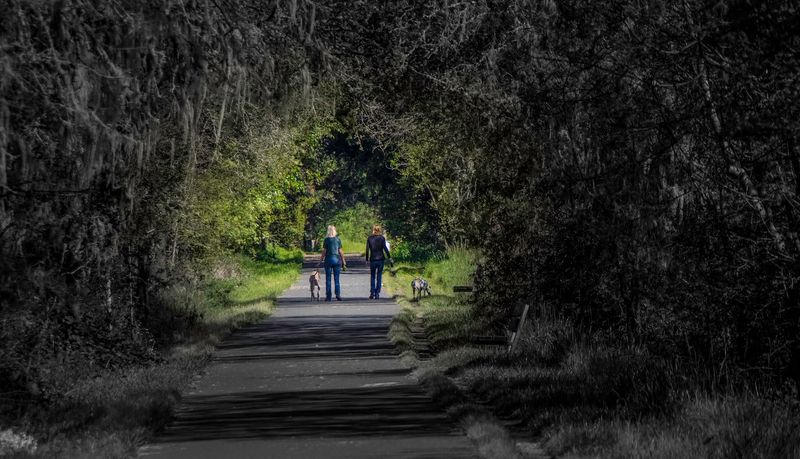
Bringing a dog along for a trail outing is one of the simple pleasures of outdoor recreation, and the West County Regional Trail accommodates leashed pets throughout its length.
Dogs must remain on a leash at all times, which keeps the experience safe and comfortable for all visitors sharing the path.
The varied terrain along the route gives dogs plenty of sensory stimulation, from open vineyard sections with wide sightlines to shaded wooded stretches where smells and sounds change noticeably.
Creek crossings and the wetland areas near the ecological reserve add extra interest for dogs that enjoy water-adjacent environments.
Bringing water for a dog is especially important during warmer months, as the trail does not have dedicated water stations for animals along most of its length.
Early morning visits during summer tend to be more comfortable for both dogs and their companions, with cooler temperatures and softer light making the experience more pleasant.
The trail surface is gentle enough on paws that even older or smaller dogs tend to handle the distance well, though the full 5.5-mile length may be more than some smaller breeds want to tackle in a single outing.
Open Year-Round And Free To Use
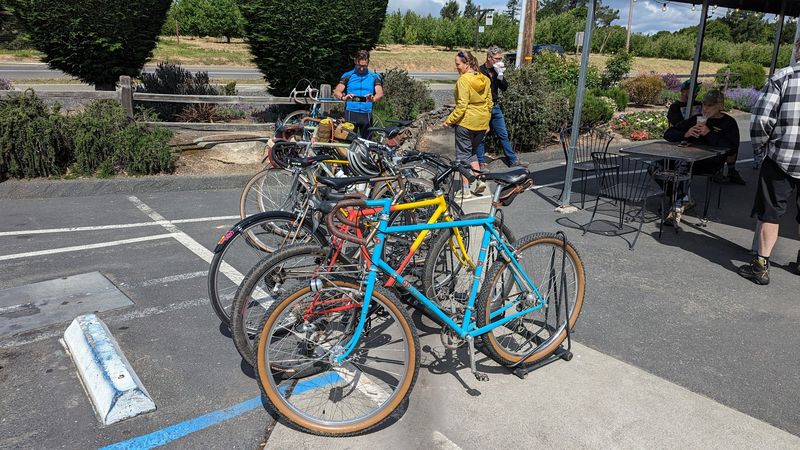
Public access to the West County Regional Trail is available around the clock, every day of the year, with no entrance fee required.
That combination of free access and 24-hour availability makes it one of the more flexible recreational options in Sonoma County, fitting into schedules that do not always align with standard park hours.
Early morning visits offer a particularly quiet version of the trail, with low light filtering through the trees and minimal foot traffic on weekdays.
Weekend mornings tend to draw more users, especially cyclists and families, so those who prefer a slower pace may find weekday afternoons more to their liking.
Seasonal conditions do affect the experience in meaningful ways.
Winter rains can leave some low-lying sections muddy or temporarily flooded, particularly near wetland areas and creek crossings.
Summer brings drier and firmer conditions but also warmer temperatures in the open vineyard sections where shade is limited.
The trail does not require advance reservations or permits for general recreational use, which keeps the planning process simple for both local regulars and first-time visitors passing through the Forestville and Sebastopol area.
Accessible Design For All Ability Levels
Flat trails with paved surfaces are genuinely rare finds in Northern California, where most outdoor pathways involve significant elevation changes and uneven terrain.
The West County Regional Trail stands out because its former railway grade means the surface stays remarkably level throughout most of its length, making it one of the more accessible outdoor recreation options in the region.
Accessible parking spaces are available at the Graton Road and Ross Station Road trailheads, and the paved surface is wide enough to accommodate wheelchairs and adaptive cycling equipment in most sections.
A few minor inclines exist at certain points, but they are brief and gradual rather than steep or prolonged.
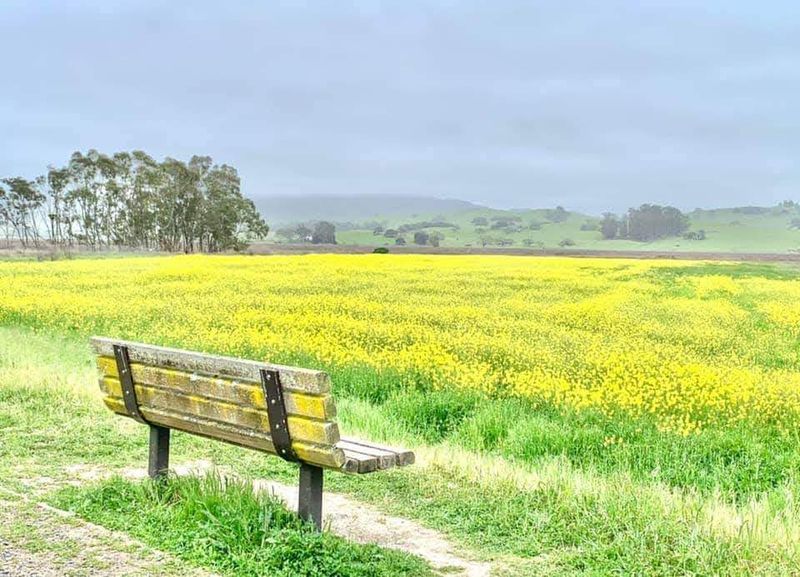
Benches are placed at intervals along the route, offering resting spots that make the trail more comfortable for older adults, young children, and anyone who wants to pause and take in the surroundings without needing to find a patch of grass to sit on.
The path is also wide enough in most sections to allow foot traffic and cyclists to move past each other without conflict, though busy weekend mornings may require a little extra awareness from faster-moving trail users sharing the space with slower walkers.
A Trail That Ends In The Heart Of Forestville
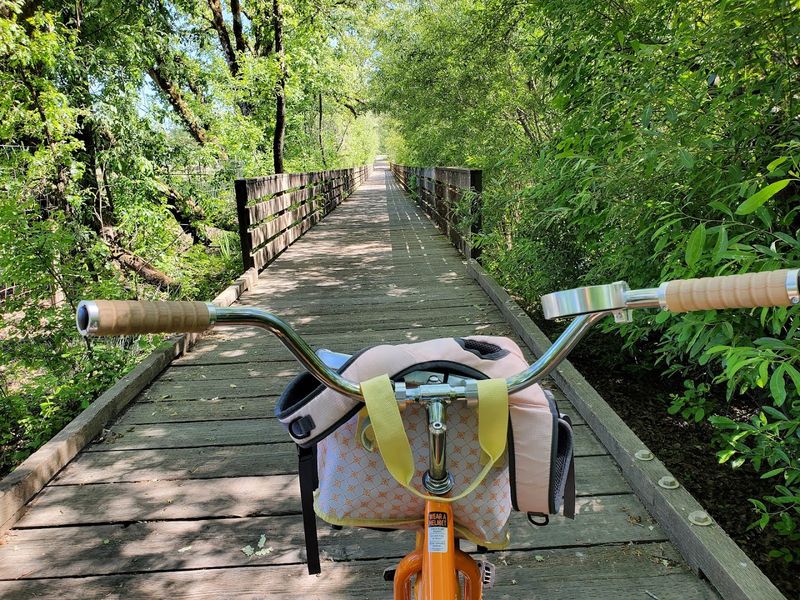
Finishing a trail ride or walk in a small town with places to eat and explore is a satisfying way to end an outdoor outing, and the northern terminus of the West County Regional Trail drops visitors right into downtown Forestville.
The trailhead at Front Street in Forestville, CA 95436 sits within easy walking distance of local shops and eateries that give the end of the journey a rewarding quality.
Forestville is a compact and unhurried town with a genuine small-town character that feels like a natural match for the relaxed pace of the trail.
Visitors arriving on foot or by bike can lock up and explore at a leisurely speed without needing to return to a car immediately.
The trail’s northern end also connects the outdoor experience to the broader Forestville community, which includes local food options and small businesses that benefit from the steady flow of trail users passing through.
Having a destination at the end of a trail adds motivation to complete the full length rather than turning back early, and the Forestville end delivers a satisfying sense of arrival that makes the effort feel worthwhile.
The trail has a positive reputation among regular visitors for its combination of natural scenery and community connection.