Most People Have Never Heard Of This California Town Where Homes Stay Under $180K
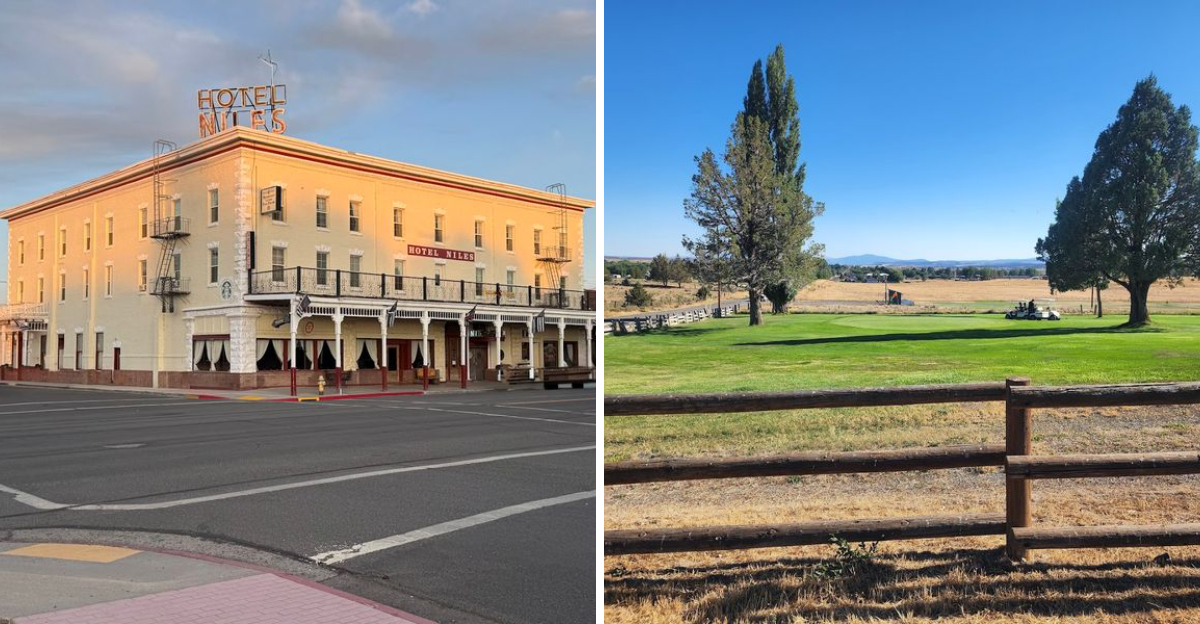
It doesn’t look like much at first. Then the quiet starts to stand out.
The streets feel wider. The sky feels bigger. Everything moves at a pace that doesn’t ask for urgency. At some point, the difference becomes hard to ignore.
There’s a side of California that rarely makes the spotlight. It shows up in places where daily life feels simpler and the pressure eases without effort.
Costs stay low enough to feel realistic. The sense of community feels closer, more familiar.
Out here, the landscape does most of the talking. Open stretches of land meet forest edges, and the distance between things becomes part of the appeal rather than a drawback.
It doesn’t take long for expectations to shift. What starts as curiosity turns into something more thoughtful. A different way of living begins to feel not just possible, but genuinely appealing.
A Town With A Name That Means Heights
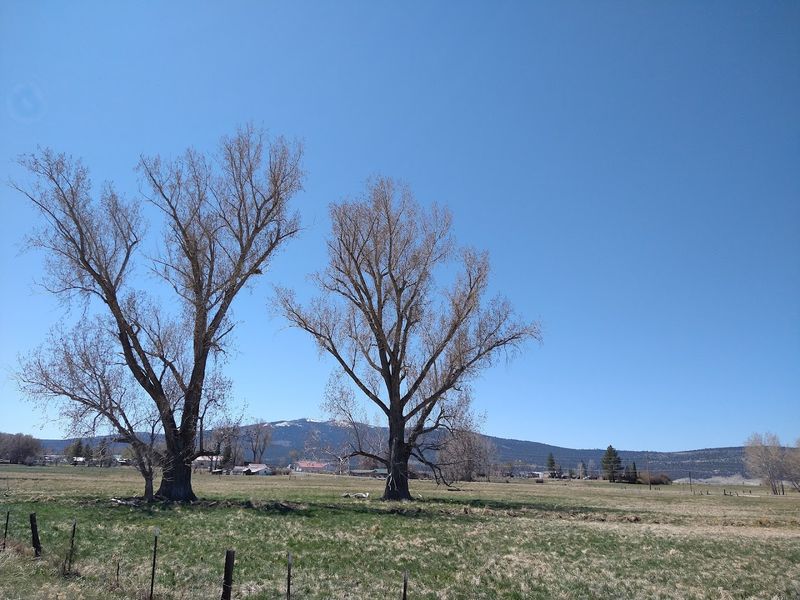
Long before it carried its current name, Alturas was known as Dorrisville, a small settlement that took shape in the 1870s in the remote high desert of northeastern California.
The name Alturas comes from the Spanish word for heights, which makes perfect sense given that the town sits at an elevation of 4,370 feet above sea level.
That kind of altitude gives the area a distinctive feel, with crisp air and wide, uninterrupted views of the surrounding terrain.
Alturas was officially incorporated in 1876, making it one of the older established communities in this part of the state.
The elevation also plays a role in the town’s climate and seasonal rhythm, contributing to cold winters and warm but manageable summers.
Visitors and residents alike tend to notice the quality of the light up here, especially in the early morning and late afternoon when the sky takes on a golden tone that photographers find hard to resist.
The name itself carries a quiet sense of pride for locals who have watched the town hold onto its identity over the decades despite being far from major urban centers. Alturas is truly one of a kind in California.
The Only Incorporated City In Modoc County
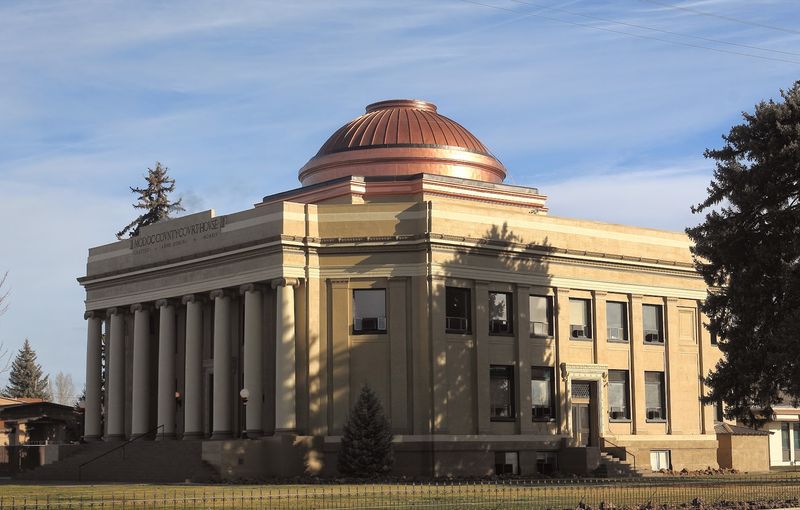
Modoc County is the least populated county in California, and Alturas holds the distinction of being its only incorporated city.
That single fact tells you a lot about just how remote and wide-open this corner of the state really is.
The county spans roughly 3,944 square miles, which is larger than the entire state of Delaware, yet the total population across all of Modoc County hovers around 9,000 people.
Being the county seat means Alturas serves as the hub for local government, services, and community life across an enormous stretch of land.
The Modoc County Courthouse and various county offices are located here, drawing residents from surrounding rural areas for everything from official business to shopping and medical appointments.
That role gives Alturas a quiet but real sense of purpose and permanence.
For anyone who has only experienced California through its crowded coastal cities or busy inland valleys, Alturas offers a completely different perspective on what the state can look like.
Space, silence, and a slower pace of life are not hard to find here.
The town functions as a genuine community anchor in a landscape that feels almost untouched by modern development in the best possible way.
Home Prices That Defy California Norms
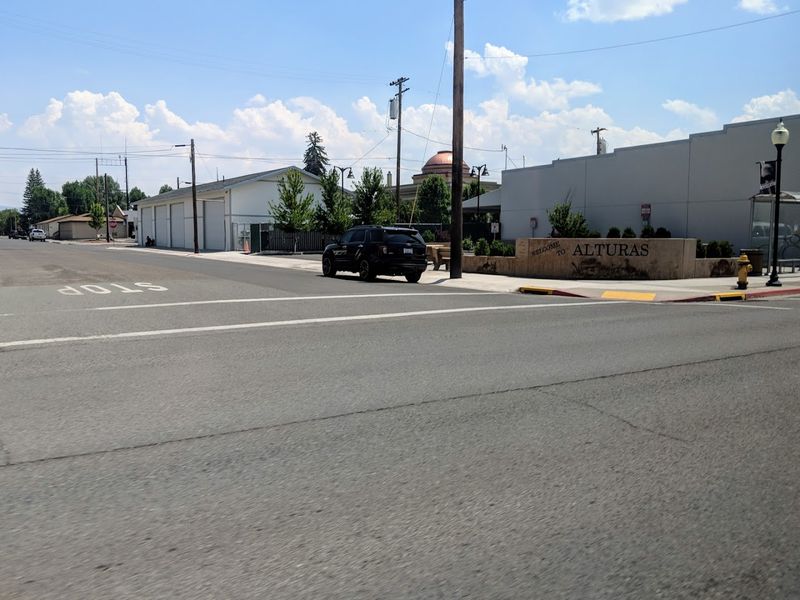
California is notorious for sky-high home prices that push many buyers out of the market entirely, but Alturas operates by a completely different set of rules.
Certain listings in the area have historically appeared well under $180K, making homeownership feel like a realistic goal rather than a distant dream for many buyers.
Even as median prices across the state have climbed dramatically, this small northeastern town has maintained a level of affordability that stands out sharply in comparison.
According to recent data, the average home value in Alturas was around $171,798 as of early 2026, reflecting modest year-over-year growth rather than the explosive jumps seen in larger California markets.
That kind of stability appeals to buyers who want to put down roots without stretching their finances to the breaking point.
Many of the homes here are older, single-family properties with yards and space that simply would not exist at this price point anywhere near the coast.
For retirees, remote workers, or anyone looking to escape the financial pressure of big-city California living, Alturas presents a genuinely compelling case.
The trade-off is distance from urban amenities, but for the right buyer, that trade-off feels entirely worth it.
Surrounded By The Modoc National Forest
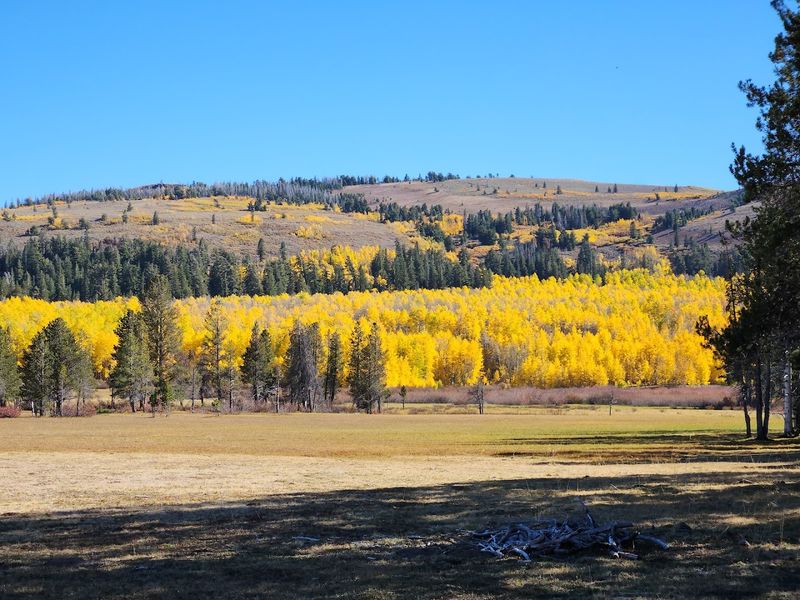
Just beyond the edges of town, the Modoc National Forest spreads out across nearly 1.7 million acres of northeastern California wilderness.
Having that kind of natural space practically in the backyard of a small town is something that outdoor enthusiasts tend to find genuinely exciting.
The forest offers hiking trails, fishing spots, camping areas, and wildlife viewing opportunities across a landscape that shifts between pine forests, volcanic plateaus, and open meadows.
The Warner Mountains run through part of the forest and provide some of the most dramatic scenery in the region, with trails that climb to ridgelines offering sweeping views across the high desert.
Hunting is also a major draw for visitors and locals, with deer, pronghorn antelope, and various bird species found throughout the area.
Fishing in the streams and reservoirs of the national forest attracts anglers looking for a quieter experience away from crowded recreational areas.
What makes the proximity to Modoc National Forest so appealing for Alturas residents is the everyday access to open space without the need to drive hours to reach it.
A morning hike or afternoon fishing trip can happen on a regular weekday without any special planning. That kind of built-in access to nature adds real quality to daily life here.
The Pit River Runs Right Through Town
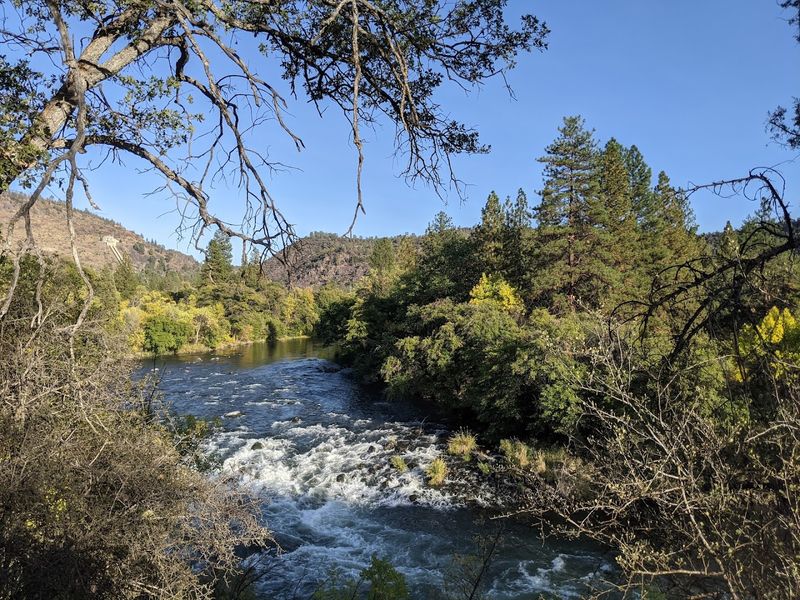
Water shapes the character of many western towns, and in Alturas, the north and south forks of the Pit River converge right near the city.
That confluence gives the area a natural focal point and has historically made it a logical gathering place for both wildlife and people.
The river has been part of the landscape here long before the town was established, and it continues to influence the environment and outdoor opportunities available to residents.
Fishing along the Pit River is a well-known draw for visitors who appreciate less-crowded stretches of water.
The river supports populations of trout and other native fish, and the relatively low visitor traffic in this part of California means anglers can often find solitude that is hard to come by in more popular destinations.
The riparian habitat along the banks also provides excellent birdwatching opportunities throughout the year.
Beyond recreation, the presence of the river adds a natural rhythm to the town that residents seem to appreciate in quiet, everyday ways.
The sound of moving water, the seasonal changes along the banks, and the wildlife that gathers near the river all contribute to a sense of place that feels organic and unhurried.
Rivers have a way of making a town feel grounded, and the Pit River does exactly that for Alturas.
A Climate That Keeps Things Real
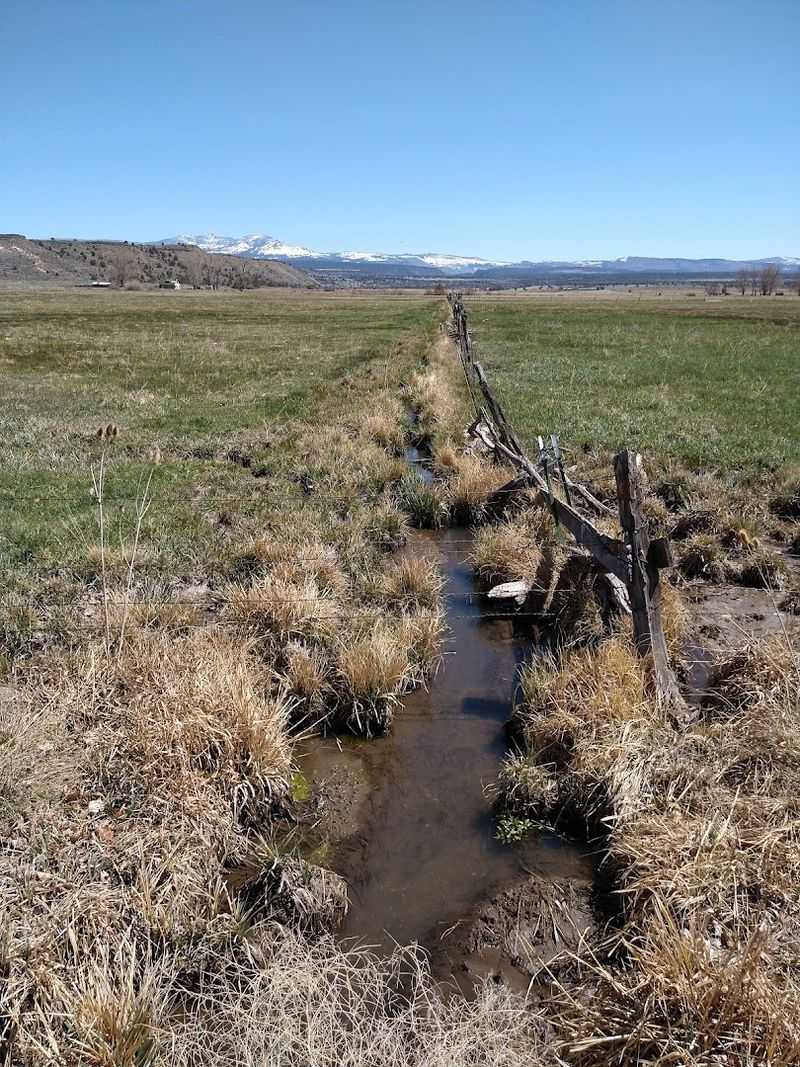
Cold semi-arid is the technical label for the climate in Alturas, but what that actually means in daily life is a set of seasons that feel genuinely distinct from one another.
Winters here are cold and snowy, with January temperatures often dropping into the low 20s Fahrenheit overnight.
Summers are warm and dry, with July highs reaching into the upper 80s before temperatures cool off significantly at night thanks to the elevation.
That kind of temperature swing is a real adjustment for anyone moving from coastal California, where the weather tends to stay mild and predictable year-round.
Snowfall in winter is common enough that residents plan for it, and the surrounding landscape takes on a stark, beautiful quality when snow covers the high desert terrain.
Spring and fall bring transitional weather that can be unpredictable but also produces some of the most visually striking conditions of the year.
For people who enjoy all four seasons, Alturas delivers a full-spectrum experience that coastal California simply cannot match.
The climate also keeps the population selective, attracting people who genuinely enjoy a rugged, outdoorsy lifestyle and are comfortable with weather that does not always cooperate.
There is something refreshingly honest about a place where the seasons actually show up and make their presence known.
The Modoc County Historical Society Museum
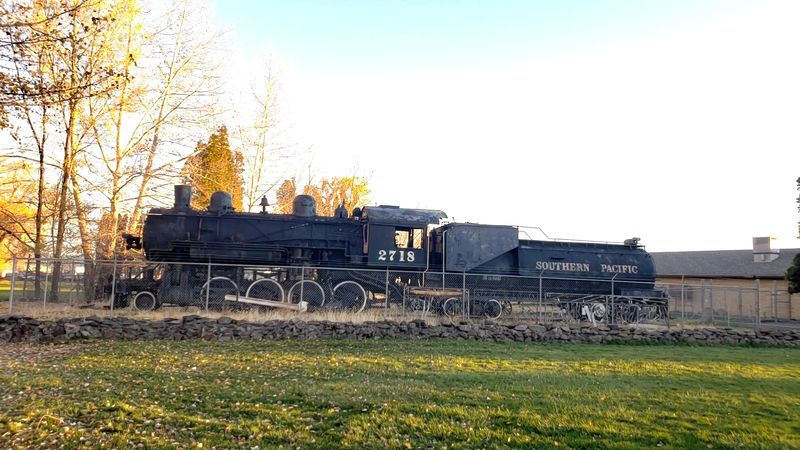
History runs deep in this part of California, and the Modoc County Historical Society Museum is one of the best places in town to get a real feel for how this region developed over time.
Located in Alturas, the museum houses a collection of artifacts, photographs, and exhibits that document the lives of the people who settled and shaped Modoc County across multiple generations.
The collection reflects the agricultural roots, Native American heritage, and pioneer history that define the region’s identity.
The museum at 600 S Main St, Alturas, CA 96101, serves as a community archive and educational resource for both locals and visitors curious about the area’s past.
Exhibits cover topics ranging from early ranching and farming practices to the natural history of the surrounding landscape.
The scale of the museum is modest, which makes it easy to explore without feeling rushed, and the depth of local knowledge on display tends to surprise first-time visitors.
Stopping in at a local history museum like this one is one of the best ways to understand why a place exists where it does and why it has stayed.
Alturas did not develop by accident, and the museum helps connect the dots between the land, the climate, and the people who chose to build a life here. It is a small space with a genuinely big story to tell.
Agriculture And Federal Land Are The Economic Backbone
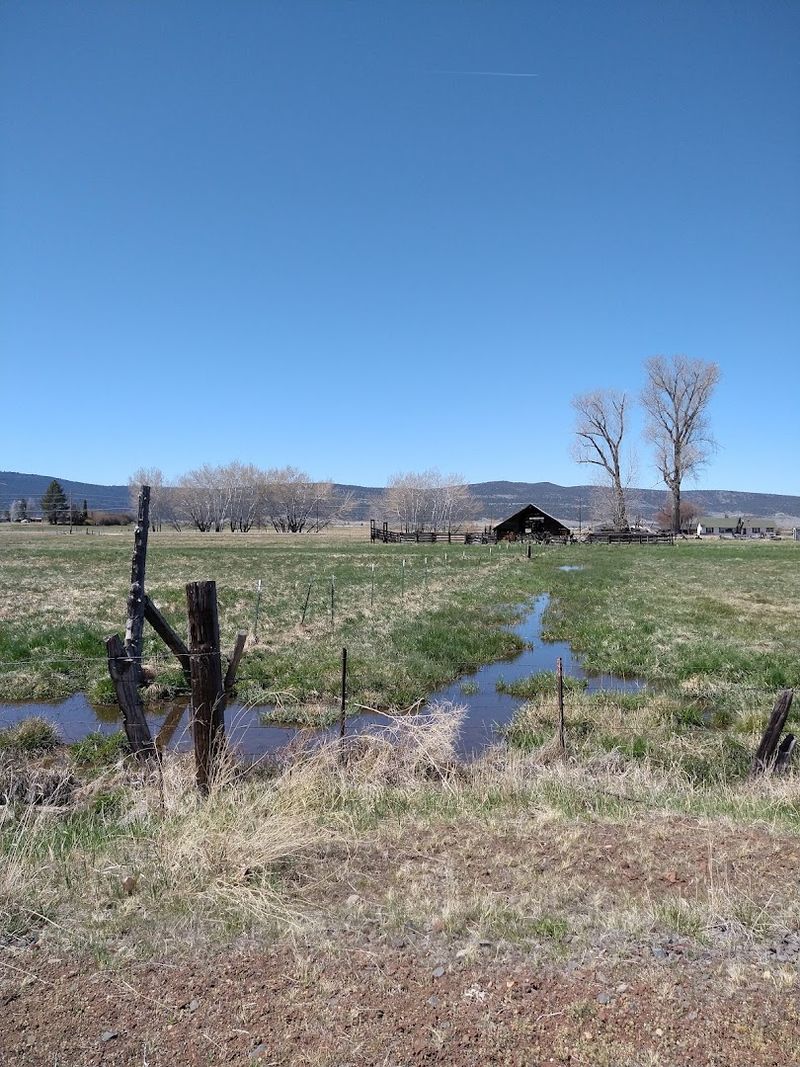
The economy in Alturas runs on a combination of agriculture and federal employment that reflects the character of the surrounding landscape.
Beef cattle, sheep, potatoes, alfalfa, and lumber have historically been the primary agricultural products of Modoc County, and ranching remains a visible and important part of life throughout the region.
Driving the roads around Alturas, it is easy to see why farming and ranching have defined this area for so long.
Federal agencies including the Modoc National Forest, the Bureau of Land Management, and various other government offices are among the largest employers in the area.
That federal presence brings a level of employment stability that many rural communities lack, helping to support local businesses and services even when agricultural markets fluctuate.
The combination of private agriculture and public-sector jobs creates an economic mix that keeps the town functioning at a steady pace.
For anyone thinking about relocating to Alturas, understanding the local economy is an important part of the picture.
Job opportunities are limited compared to urban areas, and remote work has become an increasingly common path for people who want to live here without depending entirely on the local job market.
The cost of living helps offset the income differences, and many residents find that the trade-off works well for their lifestyle priorities.
A Small Population With A Strong Community Feel
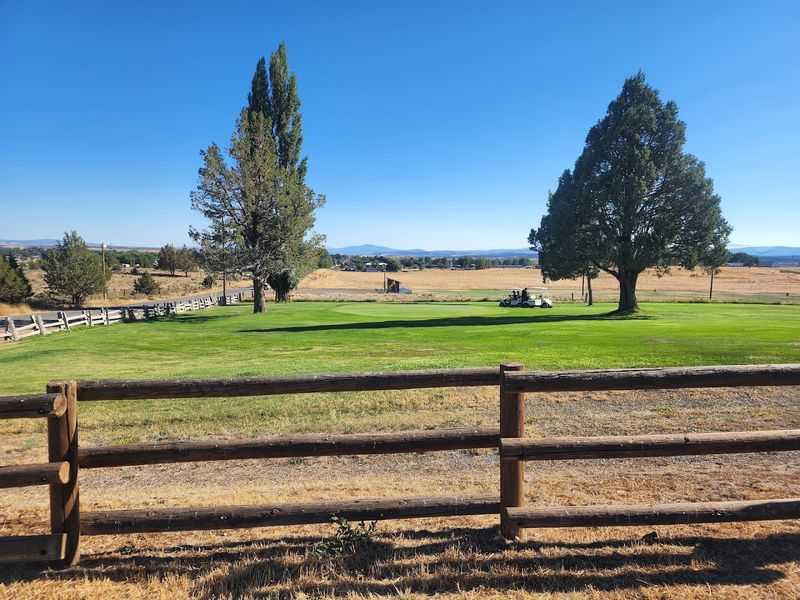
With a population of just 2,715 people recorded in the 2020 census, Alturas is genuinely small in a way that most Californians have never experienced.
The median age sits around 45 years, and the median household income is approximately $54,634, painting a picture of a working community that values stability over flash.
Small towns like this tend to develop a social texture that larger cities rarely achieve, where neighbors recognize each other and local businesses know their regulars by name.
Community events, local schools, and shared public spaces take on an outsized importance in a town this size.
When a local business opens or closes, people notice. When a community project comes together, the results are visible to everyone.
That kind of direct connection between individual actions and community outcomes creates a sense of accountability and belonging that many people find deeply appealing after years of anonymous city living.
The close-knit atmosphere is not without its challenges.
Privacy can be harder to come by, and the lack of anonymity takes some adjustment for newcomers.
But for people who are looking for genuine connection and a place where their presence actually matters to the people around them, Alturas offers something that money and location alone cannot manufacture.
Community like this tends to grow slowly and last a long time.
Accessible By Highway But Genuinely Off The Beaten Path
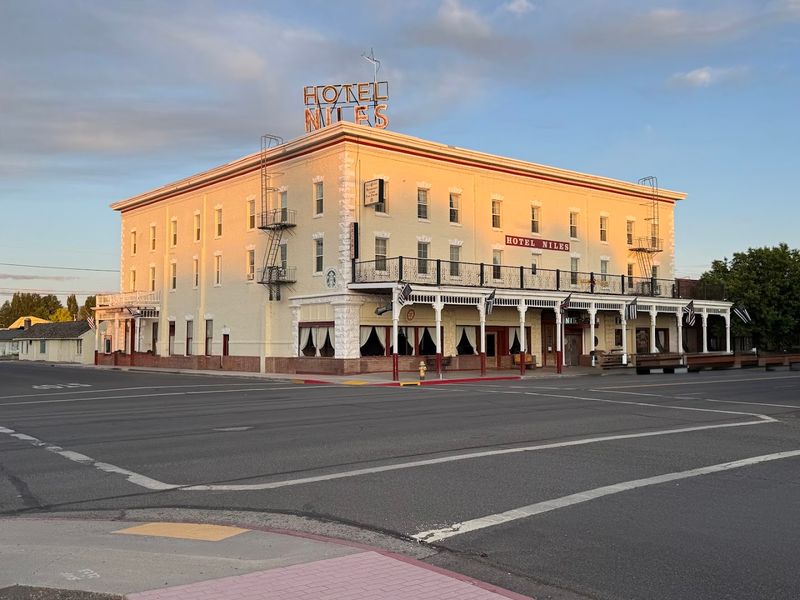
Getting to Alturas requires a deliberate decision to go there, which is part of what keeps it so quiet and undiscovered.
U.S. Route 395 and California State Route 299 are the two main highways that connect the town to the broader road network, offering routes south toward Reno and Nevada or west toward Redding and the rest of Northern California.
The drives along these highways are scenic and unhurried, passing through stretches of high desert and mountain terrain that feel genuinely remote.
The nearest major city is Redding, which sits roughly 170 miles to the southwest, meaning a trip for specialty shopping, medical services, or entertainment requires real planning and a few hours behind the wheel.
That distance is a fact of life in Alturas, and residents tend to develop an efficient relationship with supply runs and trip planning as a result.
The isolation is not for everyone, but those who embrace it often describe it as one of the things they appreciate most about living here.
For travelers passing through on a road trip along Route 395 or Highway 299, Alturas makes for a satisfying and unexpected stop.
The town has enough character and history to reward a few hours of exploration, and the surrounding landscape gives the whole visit a sense of scale and openness that is hard to find anywhere else in California.