This Virginia Peninsula Stays Peaceful Because Barely Anyone Knows It Exists
Most people think they know Virginia, but there are still places that rarely make it onto the map.
In one quiet part of the state, life moves at a slower and more peaceful pace.
There are no crowds rushing through, no noise from busy streets, just space to breathe.
It feels like time has stepped back a little, leaving things simple and calm.
Locals enjoy a lifestyle that is closely connected to nature and routine.
Visitors who do find their way here are often surprised by how untouched it feels.
What if the reason this place feels so untouched is simply because not enough people know it exists?
A Finger Of Land Between The Rivers
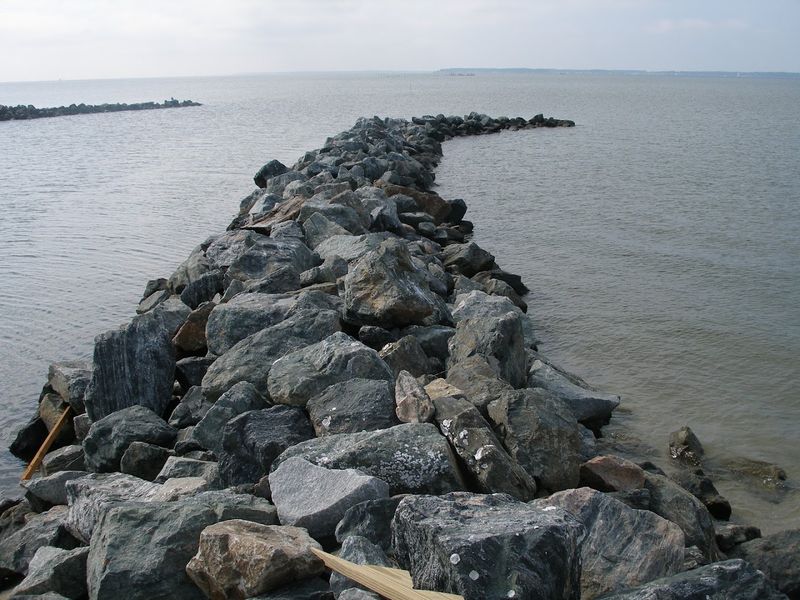
A slender stretch of earth reaches out to meet the vast Chesapeake Bay. This territory, known as the Northern Neck, exists as a historic peninsula where the rhythms of the tides dictate the pace of daily existence.
The Potomac River flows along the northern boundary, while the Rappahannock River defines the southern border. Such a distinctive location implies that almost every village, homestead, or rural path sits within a short distance of the flowing currents.
The illumination in this region shifts frequently as it reflects off winding creeks and tidal wetlands. The peninsula stretches roughly sixty miles from its western base toward the eastern point at the coastal waters.
Route 3 acts as a central artery through the landscape, which encompasses several counties including Westmoreland and Lancaster. Driving from the interior, the scenery changes from developed areas to wide meadows and coastal views.
To find specific local details, the geographical heart of the region is centered within the Westmoreland county boundaries. Serenity increases as the congestion of modern life fades away during the transit toward the shore.
Traces Of The Early Republic
Few locations within the state carry as much historical significance as this narrow strip of land. The region serves as the ancestral home of several figures who helped establish the nation.
George Washington entered the world at a site called Popes Creek on a winter morning in the early eighteenth century. This location is now preserved as a National Monument where the outlines of old foundations remain visible.
Exploring the interpretive paths allows one to envision the daily routines of a colonial plantation. I was surprised to find that the spirit of the past remains so tangible in the local soil.
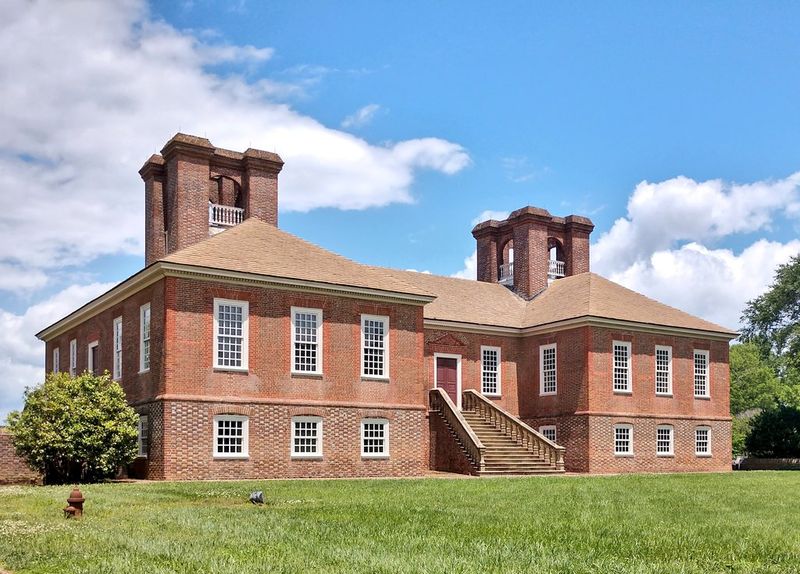
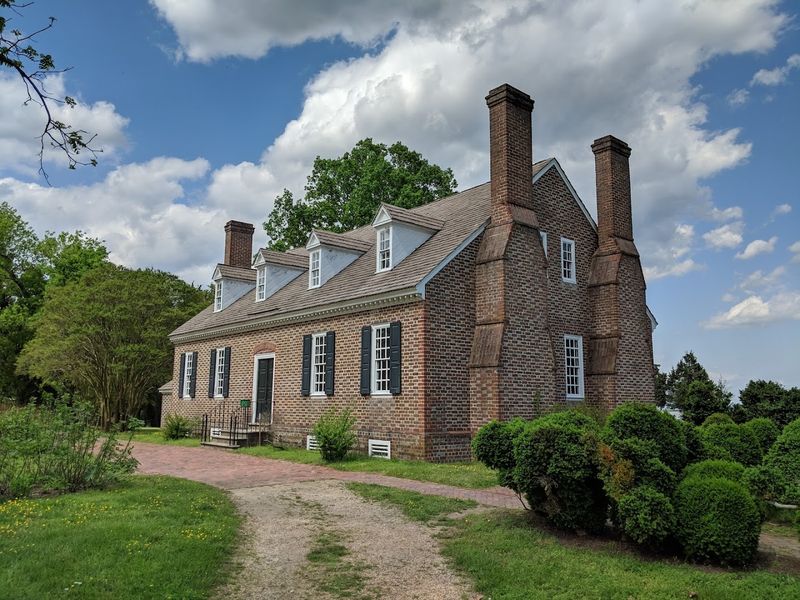
A short distance away, a grand estate called Stratford Hall stands as a marvel of early American architecture. Constructed in the middle of the eighteenth century, it remains a working farm that welcomes guests.
The main residence features a unique H-shaped design and towering chimneys that dominate the horizon. Heritage here lives within the brick ruins and the old tobacco fields.
Walking across these estates connects the present to a distant yet familiar memory. The past speaks through the rustle of the leaves and the sturdy walls of the ancient manors.
Villages Of Enduring Grace
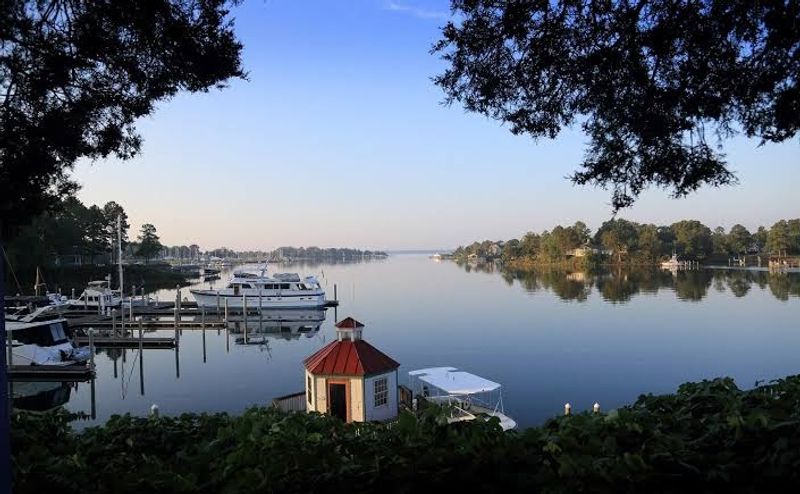
A specific type of local personality survives when a community remains just far enough away from the busy main roads. The small settlements scattered across the peninsula possess this quality in great quantities.
Irvington is perhaps the most refined example among the group of coastal towns. Positioned along the banks of Carter Creek, it is a destination for curated shops and waterside dining.
Northern Neck is compact enough to explore on foot during a single quiet afternoon. Kilmarnock serves as a more practical center for the surrounding rural population.
Despite its modest size, it supports a thriving creative community and several independent local businesses. A regional newspaper founded nearly a century ago still provides a strong sense of civic belonging.
Reedville sits at the northern edge and offers a completely different visual story. It grew as a center for the fishing industry during the late nineteenth century.
Can you believe that these ornate homes have survived the salt air for over a hundred years? Rows of Victorian residences once belonging to sea captains still line the primary street.
A local museum dedicated to the fishing trade shares the history of the watermen. Each of these stops offers a unique window into the varied life of this Virginia coast.
Bounty Of The Brackish Currents
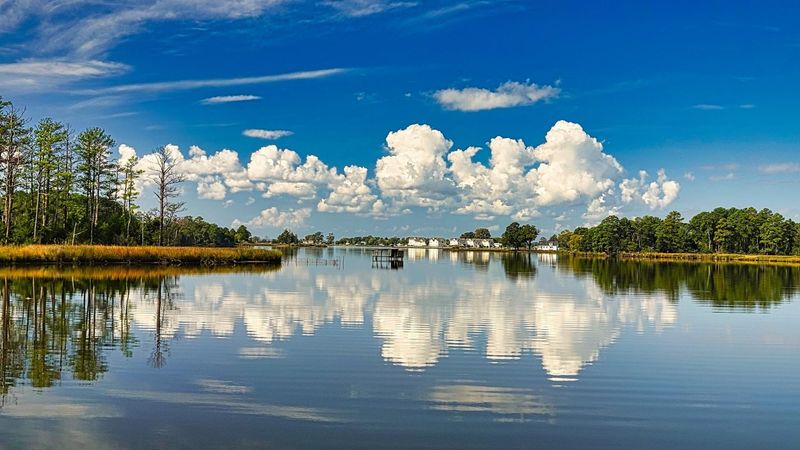
Fresh seafood is more than just a menu item in a place where the bay provides the primary livelihood. This region is famous for blue crabs harvested just hours before a meal.
On the peninsula, such high quality is simply a standard part of the weekly routine. The surrounding waters have supported professional harvesters for hundreds of years.
Local workers who gather oysters and fish are a fundamental part of the regional economy. The dishes served at local tables honestly reflect the traditions of the Chesapeake.
Small eateries in towns like Irvington or Reedville prepare soft-shell crabs and oysters with total simplicity. Portions are quite large and the aquatic scenery is part of the experience.
Oyster cultivation has experienced a major resurgence in the tidal streams of the state recently. Local shellfish tend to be plump and salty, differing significantly from varieties found further north.
Consuming them raw at a dock while watching a traditional boat glide by is a perfect moment. The food here relies on the raw quality of a harvest that moves directly from the boat to the kitchen.
This culinary honesty is a point of deep pride for the entire community.
Habitats Of The Wild Coast
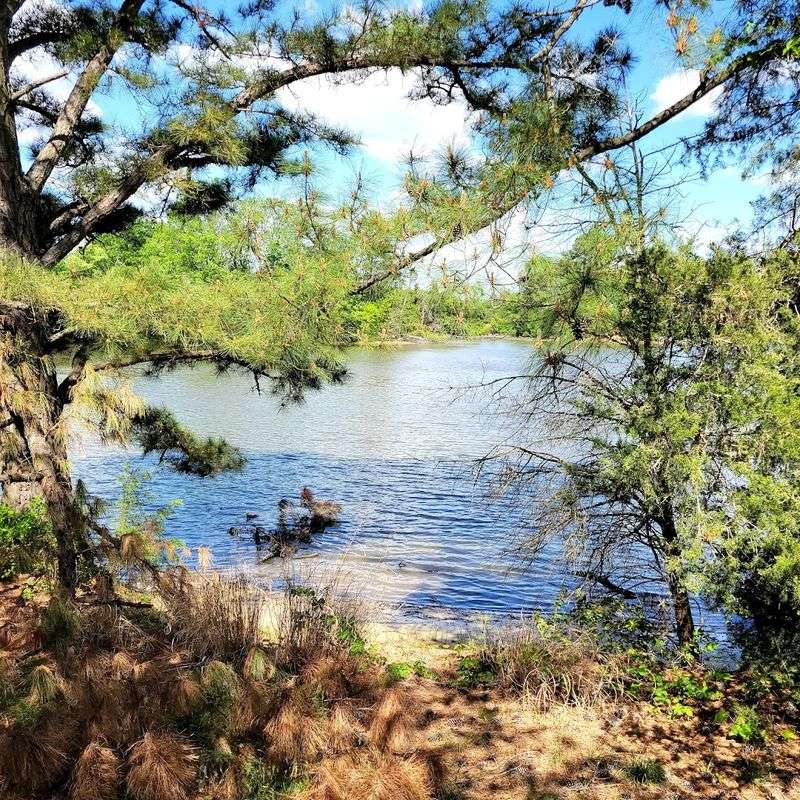
Spending time in this rural environment offers the quiet reward of frequent wildlife encounters. The mix of open fields, tidal marshes, and thick woods creates a perfect home for many species.
Bald eagles are remarkably common throughout the entire peninsula. The region supports one of the highest concentrations of nesting pairs on the eastern seaboard.
Seeing them circle high above the creeks never loses its emotional impact. I was surprised by how often these majestic birds appear during a simple drive.
Public lands across the territory protect rare ecosystems like white cedar bogs. State parks offer trails that lead to beaches where fossils are frequently discovered along the riverbanks.
Bird watching is a primary draw for enthusiasts during the spring and autumn migration periods. The land sits along a major flight path, meaning the variety of species shifts from week to week.
White-tailed deer and red foxes are often visible at the edge of the woods during the twilight hours. River otters can sometimes be spotted playing in the shallow waters of the tidal inlets.
Paying close attention to the landscape reveals a world that is teeming with life. Nature here is not a distant concept but something that exists right outside the door.
The balance between human activity and the wild world is visible in every corner of this Virginia coast.
Venturing Onto The Open Streams
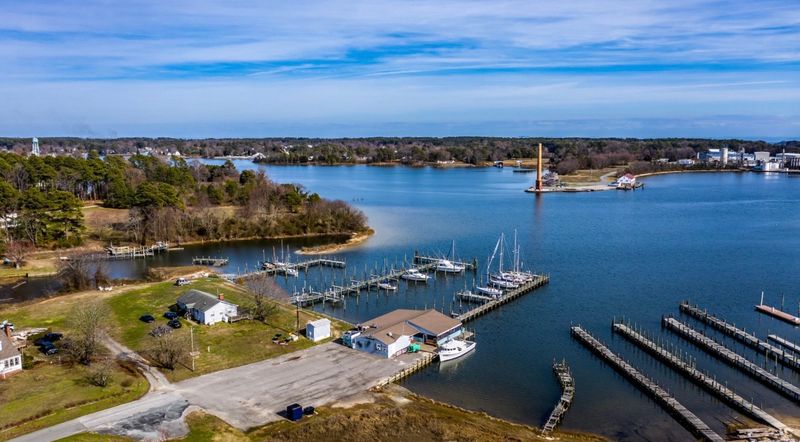
Engaging with the local waterways is more of a fundamental habit than a planned excursion. The land is surrounded by so many rivers, coves, and hidden channels that choosing a starting point is difficult.
Navigating a small boat through the quiet tributaries is a popular way to spend a summer morning. Streams like Totuskey Creek or the Corrotoman River wind through tall marsh grass and thick forests.
These areas see very little mechanical traffic, making them perfect for those who want to move slowly. Observing local wildlife like osprey or river otters is a common reward for a quiet paddler.
Fishing is a serious pursuit here, and the waters deliver a wide variety of species throughout the year. Striped bass are a regional obsession, often drawing enthusiasts from across the state.
Other varieties like flounder and croaker fill the coolers of those spending a day on the waves. For those who prefer to remain on a larger vessel, several marinas offer sailing trips on the bay.
A local sea rescue organization provides an interesting perspective on the challenges of maritime life. The water here serves as a constant invitation to explore the natural world.
Every tide brings a new opportunity to experience the power of the river.
Expression Of The Coastal Spirit

Culture on the Northern Neck does not announce itself loudly, which is part of what makes discovering it so satisfying. The arts community here is real, rooted, and deeply connected to the landscape that surrounds it.
The Rappahannock Art League, based in Kilmarnock, has been supporting local artists since 1955.
Their gallery space hosts rotating exhibitions that frequently feature watercolor and oil paintings of the Chesapeake landscape. The quality of the work reflects decades of artists taking their surroundings seriously as subject matter.
The Watermen’s Museum tradition extends across the peninsula in different forms. Local craftspeople still build traditional wooden boats, carve decoys, and practice net-making techniques passed down through families.
These are not performances staged for visitors. They are skills kept alive because they still have practical meaning in communities where people actually work on the water.
Music and community events punctuate the calendar throughout the warmer months. The Kilmarnock Town Park hosts outdoor concerts during summer.
The towns collectively support a rhythm of farmers markets, art walks, and heritage festivals that bring residents together without requiring much outside attention.
Creativity here tends to grow from the ground up rather than being imported from somewhere else, and that distinction shows in everything from the gallery walls to the handmade signs at roadside farm stands.
Selecting The Perfect Season
Choosing a time to explore this Virginia territory is simple because every season offers something unique. Late spring is a consistently wonderful time to visit the coastal counties.
Temperatures are moderate, the rivers have warmed, and the wildflowers are in full bloom. The osprey have returned to their high nests to start the new cycle of life.
Can you believe how quickly the landscape transforms into a wall of green during the month of May? Crowds are very thin because the main summer rush has not yet arrived in the villages.
Summer brings the highest level of activity on the docks and in the marinas. July and August are humid, but they offer the peak of the local crabbing season.
Evenings on the water are warm and the rhythm of coastal life is at its fastest pace. The towns see more visitors during the weekends, though the atmosphere remains relaxed.
Autumn is arguably the most beautiful time to see the bluffs overlooking the river. The hardwood forests turn brilliant shades of orange and red during the month of October.
The light takes on a golden quality that makes every open field look like a painting. Winter is a season of deep peace, cold winds, and quiet observation of the wintering waterfowl.
Fossil hunters often find the best specimens along the cliffs during the colder months.