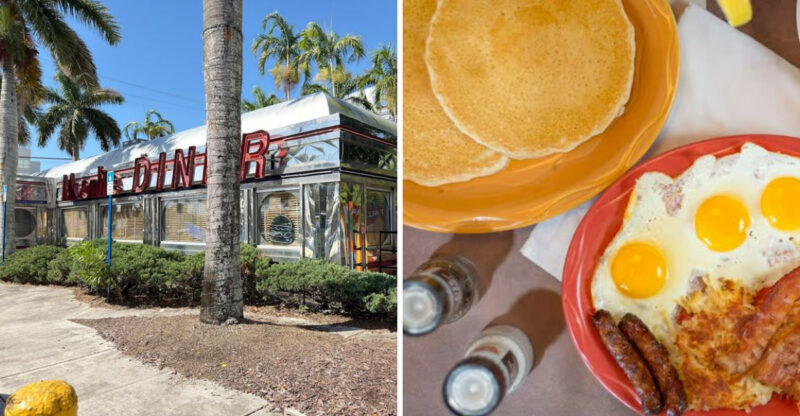
10 Rare Florida Fish Camps And Lodges That Somehow Survived The Condo Boom
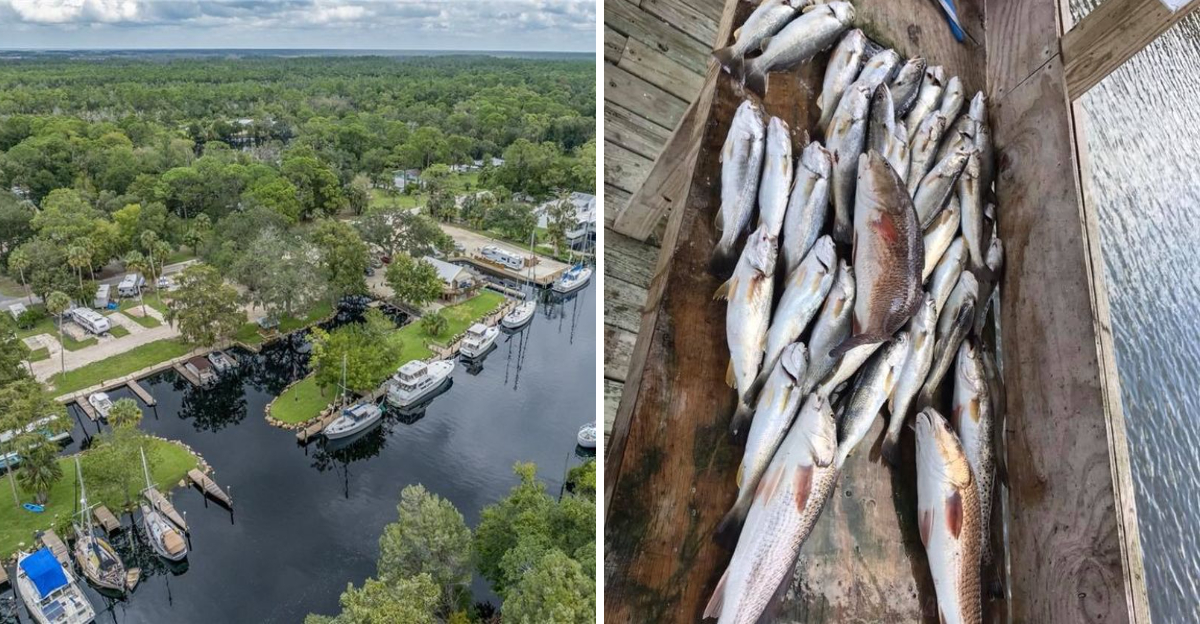
Somewhere between a gravel parking lot and a screen door that slaps shut behind you, old Florida still exists and it is considerably better than the new version.
I found it by accident, the way you find all the best things, by ignoring the highway and following a hand-painted sign down a county road that Google Maps had genuinely never heard of.
No resort. No valet.
No one asking if you have a reservation.
Just water, weathered wood, a dock that has seen better decades, and people who know how to fillet a fish without making it a performance.
Florida has spent the last forty years covering itself in condominiums and chain restaurants, but the fish camps survived.
Not all of them, and not without a fight, but enough of them that you can still pull up a plastic chair, order something that was swimming this morning, and feel like you found something the developers have not gotten to yet.
1. Shell Island Fish Camp, St. Marks, Wakulla County
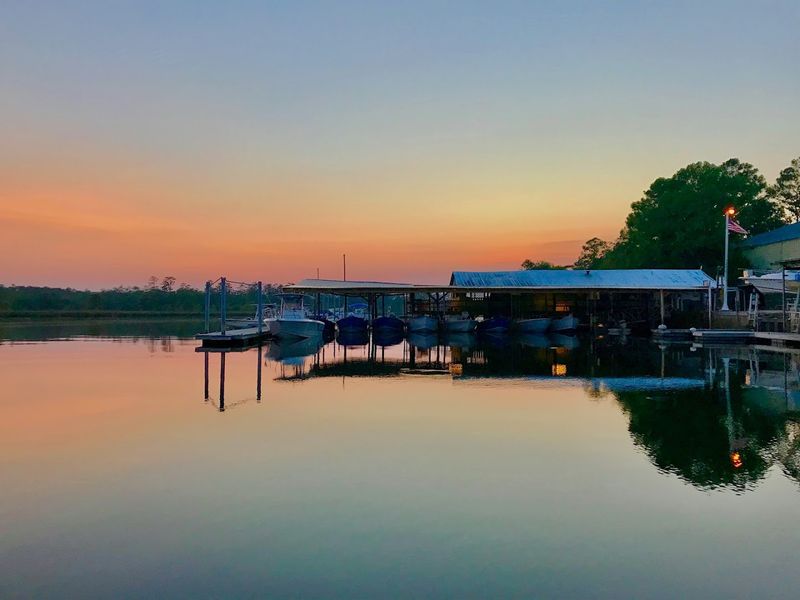
Some places earn their reputation one cast at a time. Shell Island Fish Camp, located at 4 Shell Island Road in St. Marks, sits along the St. Marks River where the water moves slow and the locals move slower.
This is a working fish camp in the truest sense, and it has been for generations.
The camp draws serious anglers who know that the St. Marks River empties into Apalachee Bay, making it one of the most productive fishing corridors on the Gulf Coast. Redfish, flounder, and speckled trout are regulars here.
The guides know every grass flat by heart.
Cabins are basic, clean, and close enough to the water that you can hear mullet jumping at night. Nothing is fancy, and that is exactly the point.
You rent a boat, you go out early, and you come back with something worth talking about.
The surrounding St. Marks National Wildlife Refuge adds a wild buffer that keeps the overdevelopment at bay.
That buffer has likely saved this camp from the fate of so many others. Wakulla County moves at its own pace, and Shell Island Fish Camp moves right along with it.
2. Bill’s Fish Camp & Motel, Suwannee, Dixie County
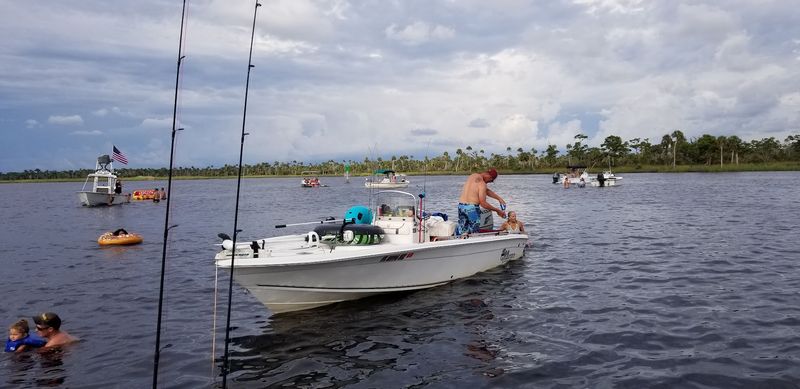
Dixie County does not get a lot of tourist traffic, and the folks at Bill’s Fish Camp seem perfectly fine with that.
Bill’s Fish Camp & Motel sits right on the Suwannee River in the tiny town of Suwannee, where the river meets the Gulf of Mexico in a tangle of grass flats and oyster bars.
The motel rooms are old school, with no pretense of luxury. You get a bed, a working AC unit, and a parking spot close enough to back your trailer in without drama.
The boat ramp is the real attraction here, giving anglers direct access to some of the most underrated inshore fishing in the state.
Suwannee is the kind of town where the bait shop doubles as the social hub. Conversations at the counter will tell you more about where the fish are than any app ever could.
Locals here share information freely because they have been doing it that way for decades.
Bill’s has survived not by reinventing itself but by staying exactly what it is. In a state where waterfront property sells for a premium, that kind of stubbornness deserves genuine respect.
3. Spring Warrior Fish Camp, Keaton Beach, Taylor County
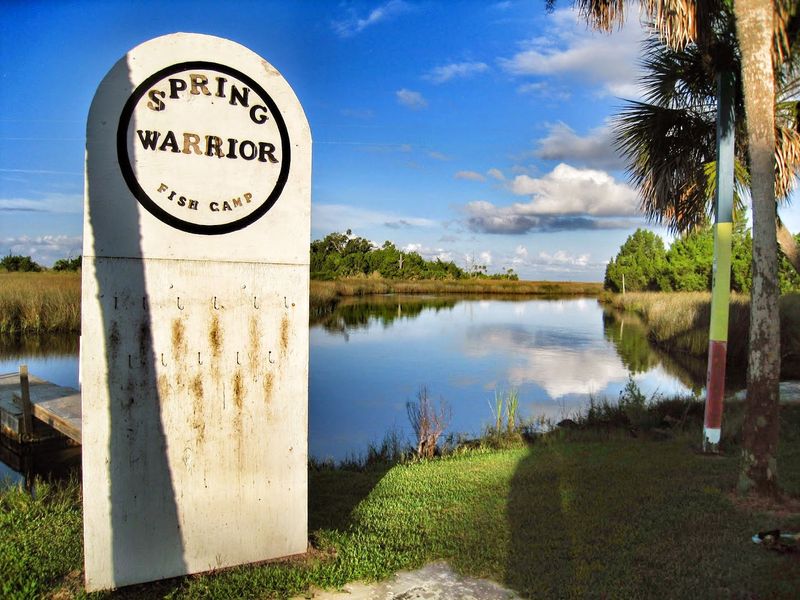
Taylor County is one of the last stretches of Florida coastline that development mostly forgot.
Spring Warrior Fish Camp sits along Spring Warrior Creek near Keaton Beach, a place so quiet you can hear osprey calling from a quarter mile away. The camp is small, the signage is modest, and the fishing is serious.
Spring Warrior Creek drains into the Gulf through a maze of marsh and tidal creeks that hold redfish year-round. The grass flats just offshore are shallow and clear, which makes sight-fishing possible on calm days.
Fly anglers and light tackle enthusiasts make the drive specifically for this kind of water.
The camp offers boat rentals and access to the creek system without requiring you to haul your own rig.
That accessibility matters for anglers who want to experience the Big Bend coastline without a full expedition setup.
Keaton Beach itself is the definition of low-key, with a small community that values the quiet.
What keeps Spring Warrior alive is a combination of loyal regulars and a location that developers have not yet figured out how to monetize.
That may change, but for now it remains a rare working fish camp on a coast that still looks like 1975.
4. Old Florida Fish Camp, Cedar Key, Levy County
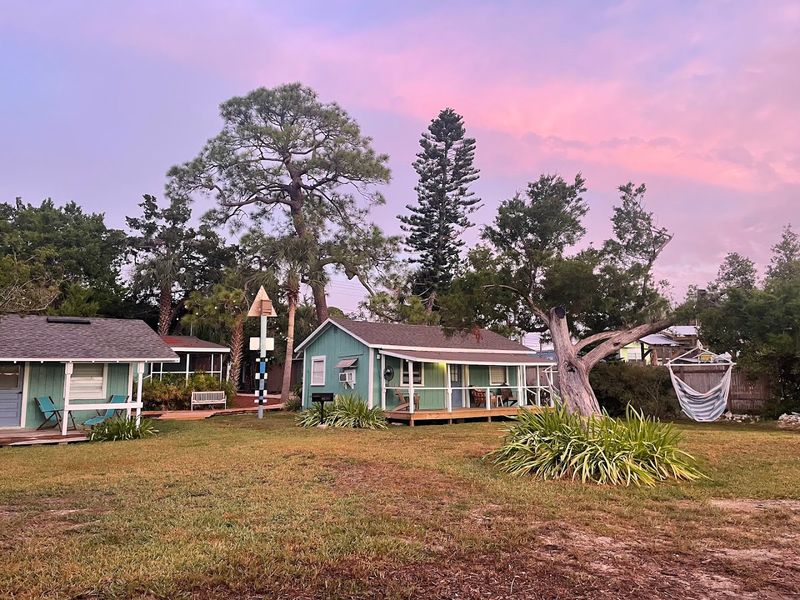
This town is one of those places that survived its own near-extinction and came out more interesting for it.
Old Florida Fish Camp is located right in town, and it lives up to its name in the best possible way.
This is not a boutique experience dressed up to look rustic. It is actually rustic.
The camp offers RV sites, tent camping, and cabin rentals within easy reach of the water. Cedar Key sits at the end of State Road 24, which means there is no through traffic, no shortcuts, and no accidental visitors.
Everyone who shows up actually meant to come here.
The surrounding Nature Coast waters are shallow, clear, and full of life. Scalloping season draws crowds in summer, but the rest of the year belongs to the regulars.
Kayaking through the Cedar Keys National Wildlife Refuge from camp is one of the better ways to spend a morning in Florida.
Cedar Key has managed to hold onto its fishing identity despite growing artist and foodie attention.
Old Florida Fish Camp at 1410 Old Fenimore Mill Road anchors that identity on the water side of town.
It is the kind of place that makes you want to cancel your return flight and figure out the rest later.
5. El Sea’s Fish Camp, Horseshoe Beach, Dixie County
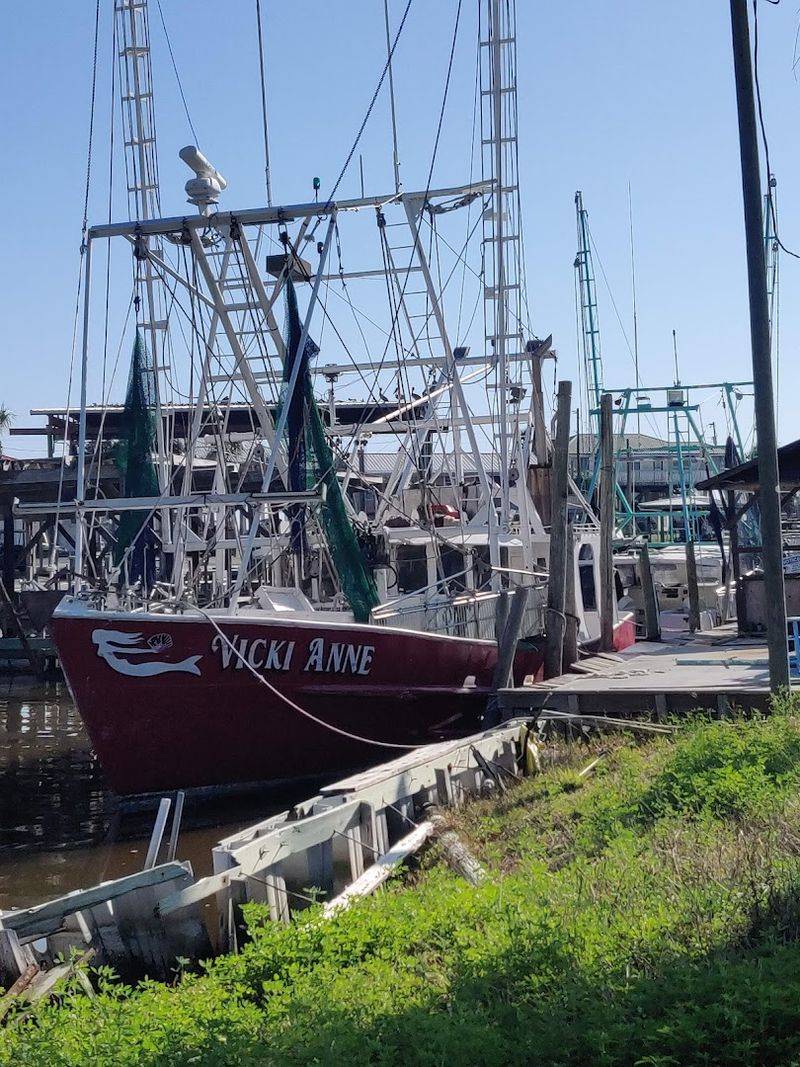
The fish camp there operates more like a community resource than a tourist business because Horseshoe Beach has fewer than 200 year-round residents.
The waterfront here is raw Gulf Coast, with no barrier islands softening the exposure. That keeps the casual crowd away and brings in the serious ones.
The camp sits at the end of County Road 351, which is the only road in and the only road out. That geographic reality has kept Horseshoe Beach off the radar of most developers.
The town has a boat ramp, a small marina, and a bait operation that keeps anglers moving.
Offshore fishing here means access to the Gulf of Mexico with relatively short runs. Grouper and snapper are the primary targets for those willing to run a few miles out.
Inshore, the grass flats produce redfish and trout on a reliable basis through most of the year.
What strikes you most about Horseshoe Beach is how genuinely unchanged it feels. The streets are quiet, the docks are working docks, and the people you meet are there for the same reason you are.
Dixie County has two entries on this list because it has simply done the best job of staying itself.
6. Bay City Lodge, Apalachicola, Franklin County
Apalachicola has become famous for its oysters, its Victorian architecture, and its slow weekend energy.
Bay City Lodge, at 1005 Bay Avenue, has been part of that story longer than most of the newer restaurants and shops that now line the streets.
This is a genuine fishing lodge with real history and real access to Apalachicola Bay.
The bay here is one of the most biologically productive estuaries in the southeastern United States.
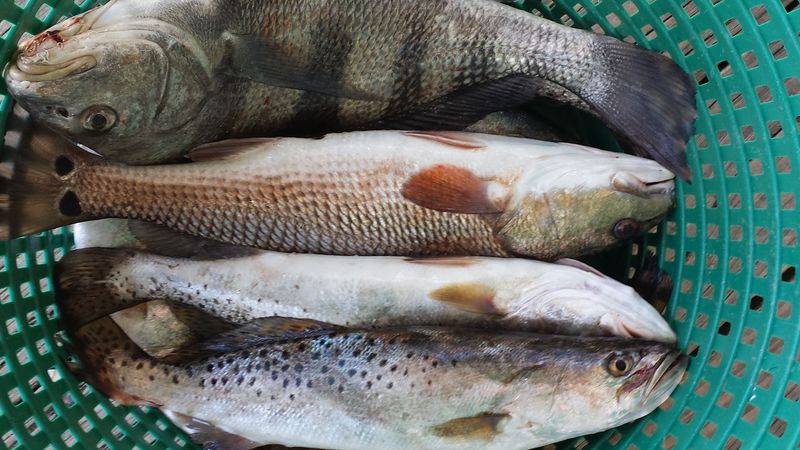
Fishing guides out of Bay City Lodge know the bay intimately, from the shallow oyster bars near shore to the deeper channels where flounder stack up in fall.
The variety of species available from a single base camp is impressive.
Rooms at the lodge are comfortable without being excessive. The focus is on the water, not the thread count.
Guests who come expecting a spa experience will be confused.
Guests who come expecting to fish hard, eat well, and sleep soundly will leave satisfied.
Bay City Lodge has maintained its identity through Apalachicola’s gradual evolution from working fishing town to destination.
That balance is tricky to hold, but the lodge seems to manage it by keeping the priorities straight. The bay is still the main event, and the lodge is still built around it.
7. Panacea Fish Camps, Panacea, Wakulla County
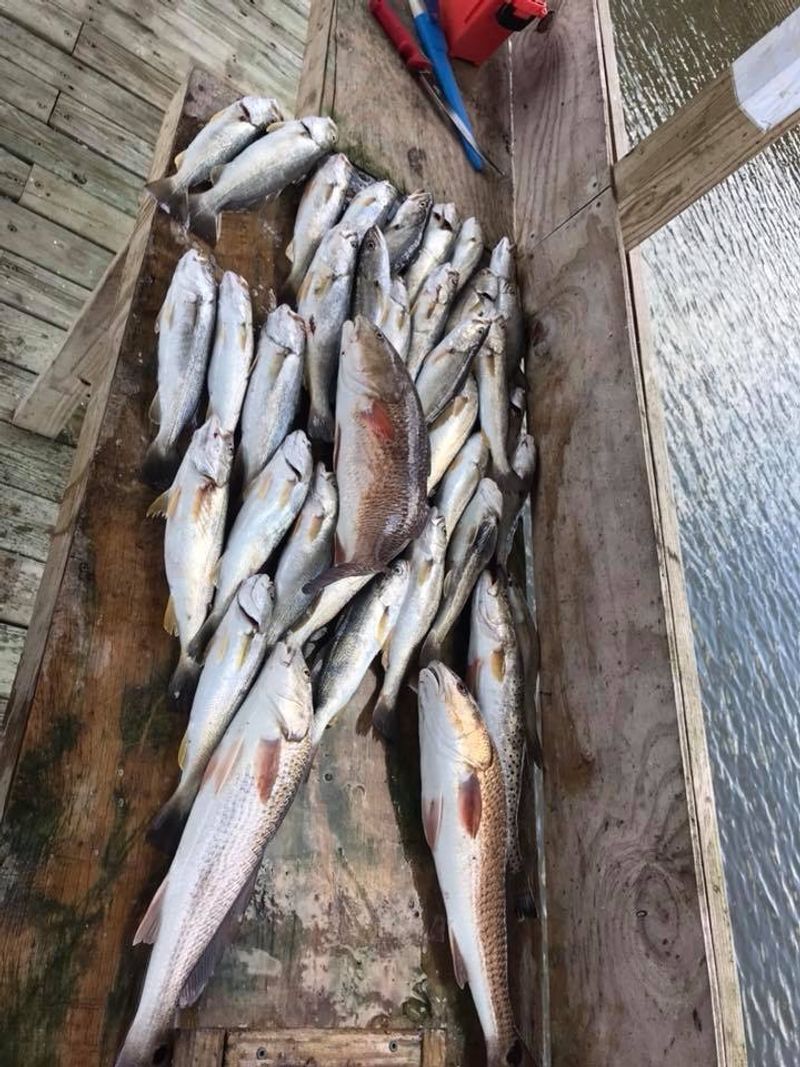
This is a small fishing community on Dickerson Bay in Wakulla County, and it has been feeding people and putting boats in the water since long before Florida became a real estate spectacle.
The fish camps along the waterfront here are not individually famous, but collectively they represent one of the last intact fishing communities on the Panhandle coast.
The blue crab industry has historically anchored Panacea’s economy, and you can still see working crab boats coming in and out of the bay on most mornings.
That working waterfront energy is increasingly rare in Florida, where commercial fishing has been squeezed out by property values in most coastal towns.
Anglers come to Panacea for access to Apalachee Bay and the grass flats that stretch along the Big Bend coastline.
The area is part of the same productive ecosystem that makes St. Marks and Cedar Key famous among fishing guides. Getting here requires effort, which is part of why it remains what it is.
Wakulla County shows up twice on this list because it has protected its rural character more deliberately than most Florida counties.
Panacea benefits from that, and so do the fish camps that have been operating here quietly for decades without needing anyone to notice.
8. Glades Haven Cozy Cabins, Everglades City, Collier County
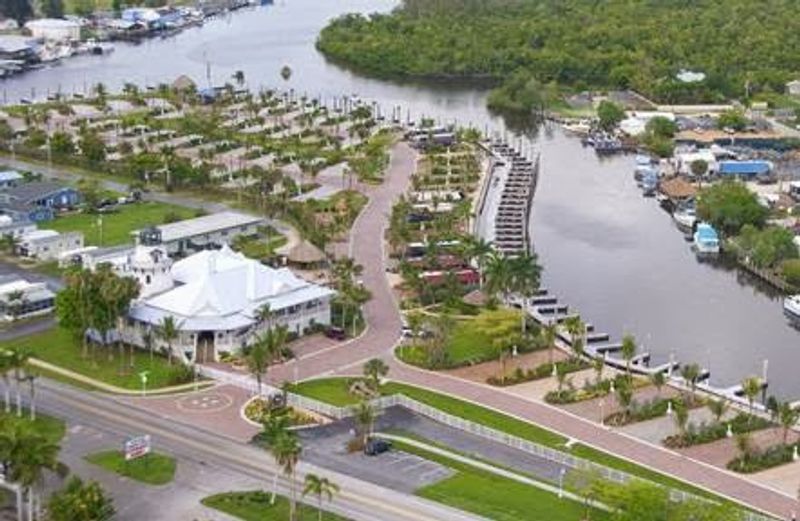
The Ten Thousand Islands are exactly as complicated as the name suggests, and Glades Haven Cozy Cabins at 803 Collier Avenue in Everglades City puts you right at the edge of that maze.
This is not a place you stumble onto. You have to want to come to Everglades City, and when you do, Glades Haven rewards that intention.
The cabins are small, clean, and positioned for people who plan to spend as little time indoors as possible.
Kayaks, canoes, and small motorboats are available for exploring the mangrove tunnels and open bays that make up the surrounding wilderness. The Everglades National Park boundary is essentially your backyard.
Fishing in the Ten Thousand Islands is a different experience from any other Florida destination. The snook fishing here has a legendary reputation among serious anglers.
Tarpon move through the passes in spring, and redfish hold in the backcountry creeks year-round.
Everglades City itself is a fascinating place, a former company town turned fishing village that has never quite figured out what it wants to be when it grows up.
That ambiguity works in its favor. Glades Haven fits perfectly into that character, offering a base camp for one of the wildest and most rewarding fishing environments in North America.
9. Matlacha And Pine Island Fish Camps, Lee County
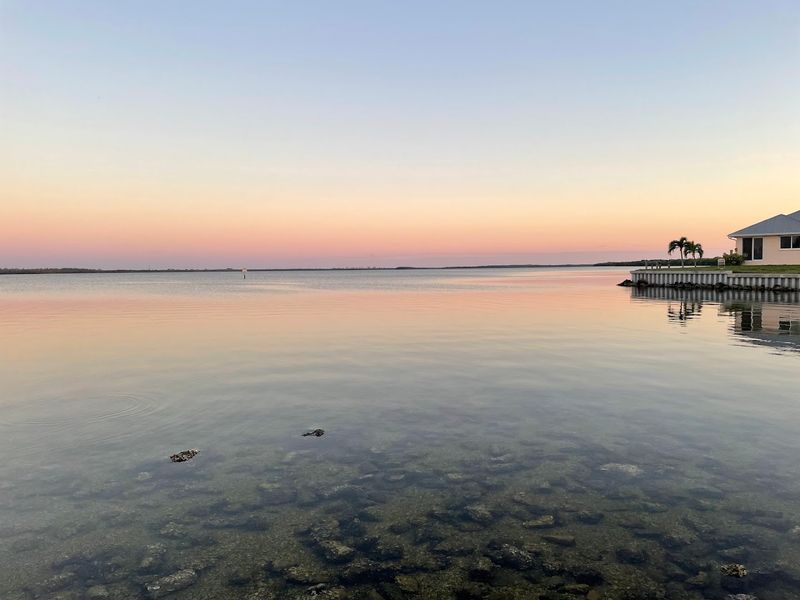
Imagine the kind of place that looks like it was painted by someone who had never seen a real Florida fishing village but got it exactly right anyway. That is Matlacha.
The small community sits on a causeway connecting Cape Coral to Pine Island, and the fish camps and small marinas along the water here have been holding on through decades of pressure from surrounding development.
Pine Island Sound is one of the most productive inshore fishing areas in southwest Florida. The shallow flats hold enormous populations of redfish, snook, and sea trout.
Guides working out of Matlacha and Pine Island know this water the way most people know their own neighborhood.
The camps here are not fancy. What they offer is boat access, local knowledge, and proximity to some genuinely extraordinary fishing.
Pine Island itself has resisted the condo pressure better than most Lee County communities, partly because its roads are too narrow and its character too stubborn to make large-scale development practical.
Matlacha has gained some attention for its art scene in recent years, which has added a new layer without replacing the fishing culture.
You can buy a painting in the morning and catch a snook in the afternoon, and both experiences feel completely authentic. That combination is rarer than it should be.
10. Yankeetown Fish Camps, Yankeetown, Levy County
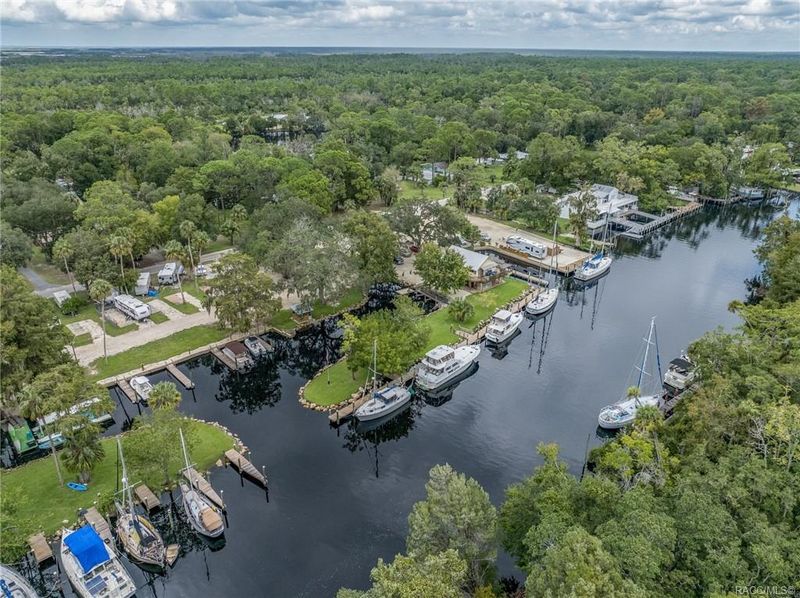
Yankeetown has one of the best names in Florida, and it delivers on the personality that name implies.
This small Levy County community sits at the mouth of the Withlacoochee River where it empties into the Gulf, and the fish camps along the river here have a quiet, slightly forgotten quality that feels intentional.
The Withlacoochee River system is one of the longer rivers in Florida, and its lower reaches near Yankeetown hold some excellent fishing.
Redfish and snook move in and out with the tides, and the river itself holds largemouth bass further upstream. That combination of inshore and freshwater access from a single location is genuinely useful.
The town itself is small enough that the fish camps are essentially the economy. There are no major attractions beyond the water, the wildlife, and the unhurried pace.
That is not a complaint. It is the exact reason to go.
Levy County shows up twice on this list alongside Cedar Key, which says something about the county’s overall commitment to staying out of the way of its own natural assets.
Yankeetown has survived the condo boom not through clever marketing but through sheer geographic stubbornness and a community that clearly prefers mullet over marble countertops.