9 Overlooked Farm Towns On Tennessee’s Cumberland Plateau Where Time Moves Slower
The Cumberland Plateau has a way of slowing everything down. Drive long enough and the noise of the outside world begins to fade.
Small farm towns appear quietly between rolling ridges and forested bends in the road. Nothing here feels rushed, and nothing needs to be.
Fields stretch out in soft, uneven patterns shaped by time and work. Morning light moves across barns, fences, and gravel roads without urgency.
There is a calm distance here that settles in without asking permission. Life follows weather, seasons, and long familiar routines.
These Tennessee towns don’t perform or compete for attention. They simply exist, steady and unbothered, in their own quiet rhythm.
And maybe the real question is, why does that kind of stillness feel so rare now?
1. Granville
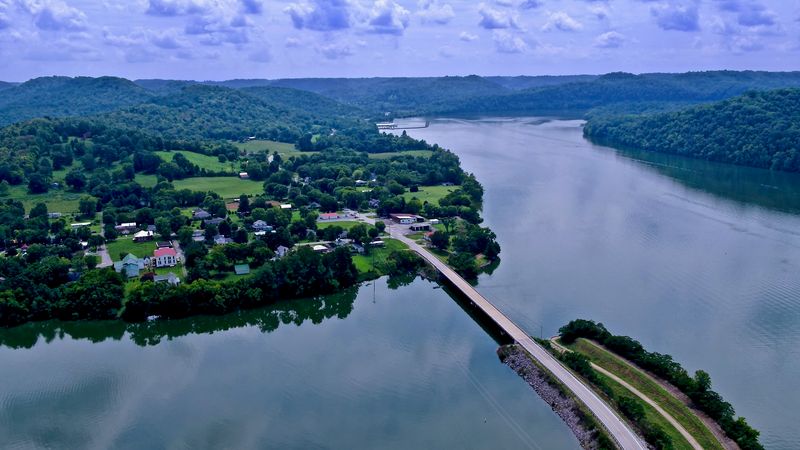
I can’t believe such a tiny community managed to preserve its heritage with such a fierce grip. Right along the edge of the Cumberland River, this small settlement moves at an unhurried pace.
Rippling water bends past old storefronts where locals take pride in keeping the past visible. The local museum anchors the identity, housing antique farm tools and vintage photographic records of Granville.
These everyday objects tell the story of Upper plateau life across many long generations. The short stretch of historic buildings feels like a chapter of rural history that nobody bothered to erase.
Every brick and wooden plank seems to hold a memory of the families who built this place. Farmland surrounds the area on every side, shaping the rhythm of the local agricultural seasons.
These natural cycles still dictate what people talk about at the hardware counter. One of the most charming details is the small collection of original log structures.
They were kept rather than replaced, giving the town a texture no renovation project could ever fake. Authenticity radiates from these walls, standing as a testament to the endurance of early pioneers.
Visitors often find themselves lingering just to admire the craftsmanship of a bygone era. Spring and fall offer riverbanks of soft green or blazing amber for your viewing pleasure.
The air carries that clean, earthy scent that clarifies the mind. This town is not heavily commercialized, making it worth finding on your own terms.
It remains a quiet Tennessee sanctuary for anyone looking to disconnect from digital noise.
2. Rugby
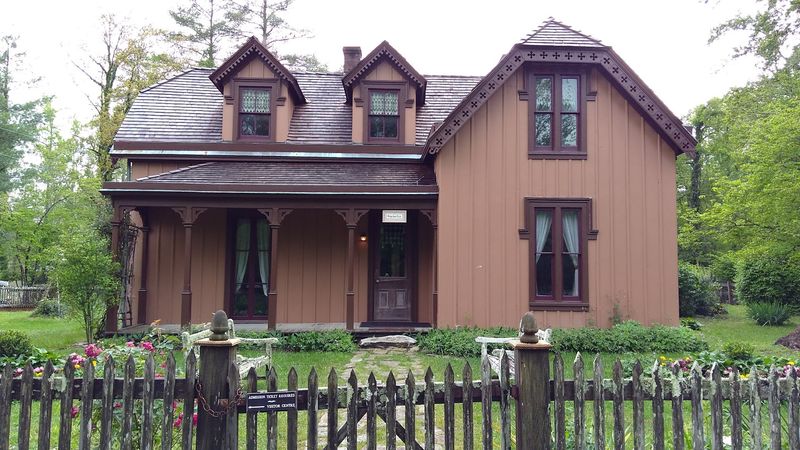
You have to agree with me when I say that stumbling upon a Victorian colony is rare. Back in 1880, a group of idealistic British immigrants carved a utopian village here.
Much of what they built is remarkably still standing today in the hamlet of Rugby. Tucked into Morgan County, it remains one of the most intact period communities around.
The Thomas Hughes Free Public Library at 1281 Rugby Pkwy holds a nineteenth-century book collection inside. Some volumes arrived by wagon more than 140 years ago to the timber shelves.
Scholars and curious readers alike marvel at the perfectly maintained pages of these literary treasures. The aroma of old paper and ink fills the room, transporting guests back to earlier days.
Restored cottages and a Christ Church Episcopal building at 1332 Rugby Pkwy feature authentic furnishings and narrow paths. These wooded trails connect the structures in a layout that has barely changed since founding.
This site sits at the edge of the watershed, where forested ridges add scenic drama. The colonists clearly appreciated the clear streams found in the surrounding landscape.
Rugged cliffs and deep valleys provide a stunning backdrop for the elegant architecture of the camp. The contrast between the refined buildings and wild woods is truly breathtaking.
Guided tours cover the social experiment, including the ambitious goals and eventual survival struggles. The town hosts a seasonal festival that draws visitors interested in traditional UK heritage.
Living history and crafts reward the traveler who enjoys a very personal and leisurely visit. Reading a historical marker here actually changes how you see the land.
3. Celina
If you ever wondered where the rivers meet the quietest agrarian roots in the state. This town does not try to impress you, yet that quality makes it loveable.
The understated charm is exactly why people find themselves drawn to the heart of Celina. Sitting near the Cumberland River and Dale Hollow Lake, the community has deep roots in the soil.
Farming has shaped the culture for decades, showing up in the rhythm of daily life. Roadside produce stands appear in summer without fanfare to offer the local harvest.
The quality of the crops reflects the hard work and dedication of local families. You can taste the sunshine and rich earth in every bite of a fresh tomato.
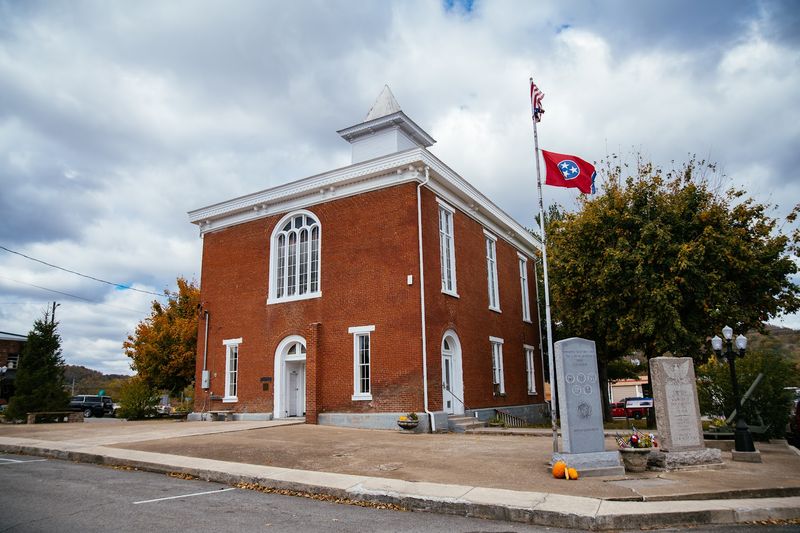
The town square carries a quiet dignity with a courthouse reflecting serious civic architecture. Older storefronts remind guests of a time when small counties valued their public buildings.
Dale Hollow Lake is just a short distance away with its translucent, cold water. Anglers and paddlers prefer these shores because they lack crowds or entrance fees.
The stillness of the reservoir at dawn is a sight that stays with you forever. Hidden coves offer the perfect spot for those seeking a moment of absolute solitude.
Being near the Kentucky border gives the area a slight and interesting cultural blending. This shows up in local speech patterns and the particular way folks describe acreage.
A conversation at the gas station can stretch into a fifteen-minute lesson here. Late summer evenings feature fireflies over the fields and the faint sound of water nearby.
4. Jamestown
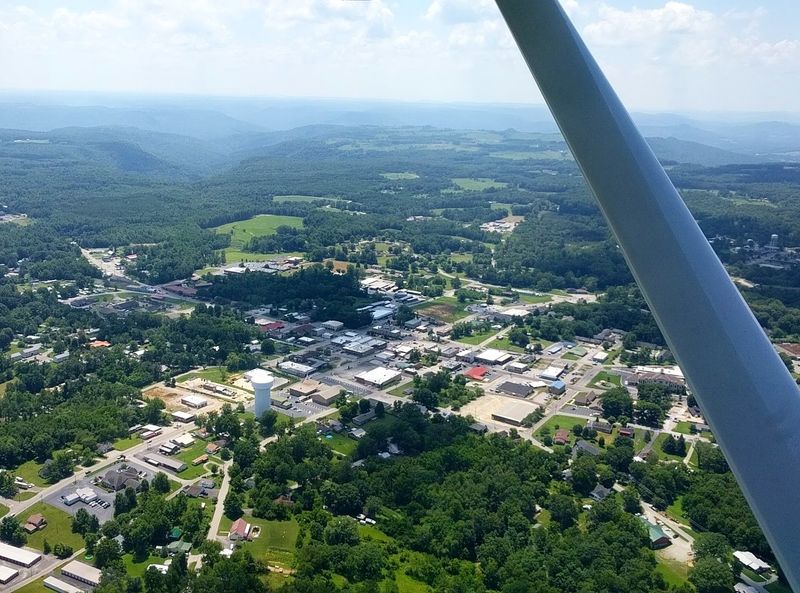
Who would’ve thought that a gateway to wild canyons could feel so much like home? The town sits at a crossroads between rugged plateau landscapes and quiet planting traditions.
This combination gives a character unlike most other small locations to the streets of Jamestown. Located in Fentress County, it serves as the gateway to Big South Fork National River and Recreation Area.
The region features gorges and sandstone arches that stretch across the wide, stony highland. Despite the proximity to nature, the town remains rooted in small-town agrarian life.
Horses are a common sight here, reflecting a deep-seated equestrian culture that thrives today. Many residents still prefer the saddle to the car when exploring the local backcountry trails.
The courthouse square still functions as a genuine civic center rather than a backdrop.
A heritage site commemorates that literary footnote with quiet pride in the local community. Farmland stretches out in every direction with tobacco barns and cattle pastures marking the land.
These sights have not changed dramatically in decades, maintaining a very traditional southern look. Grey weathered timber and rolling green hills create a timeless aesthetic for photographers.
Markets and community events tied to the calendar draw residents together in genuine habits. Outdoor enthusiasts use the town as a base for hiking, riding, and paddling in nature.
They return to town for a meal that tastes more like home cooking. The Tennessee hospitality here is as genuine as the scenery, welcoming every traveler with a smile.
5. Spencer
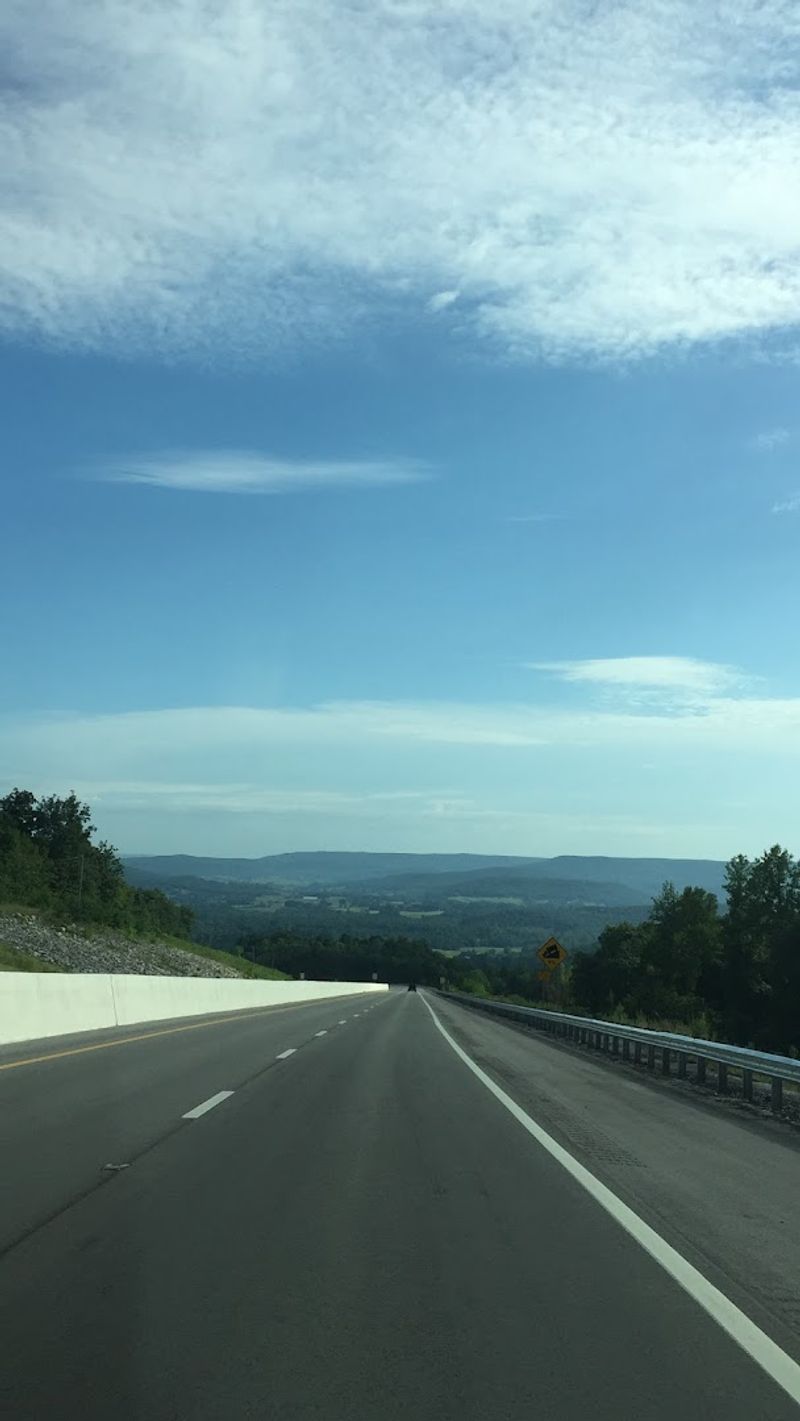
I am genuinely amazed by how this county seat has stubbornly kept its plateau character. Sitting in Van Buren County, this is a compact community where the square anchors life.
The proximity to Fall Creek Falls State Park gives the town a natural draw.
Hikers and nature lovers pass through without ever overwhelming the local rhythm of life. Fall Creek Falls is one of the tallest waterfalls in the eastern United States.
Its thundering cascade through a deep gorge is a sight worth seeing. Standing at the overlook, you can feel the raw power of the environment.
Main street features local businesses that have operated for many long and successful decades. Conversations inside those shops wander comfortably from crop prices to the local weather patterns.
The town hosts a small annual fair that celebrates its agricultural legacy and produce. Livestock shows draw the kind of community participation that larger cities have mostly lost.
Neighbors cheer for each other while children learn the value of hard work and competition. It is a scene straight out of a classic American postcard from years ago.
Van Buren is one of the more sparsely populated counties in the region, ensuring quiet roads and views. This Tennessee town earns its quiet reputation honestly, one small detail at a time.
6. Byrdstown
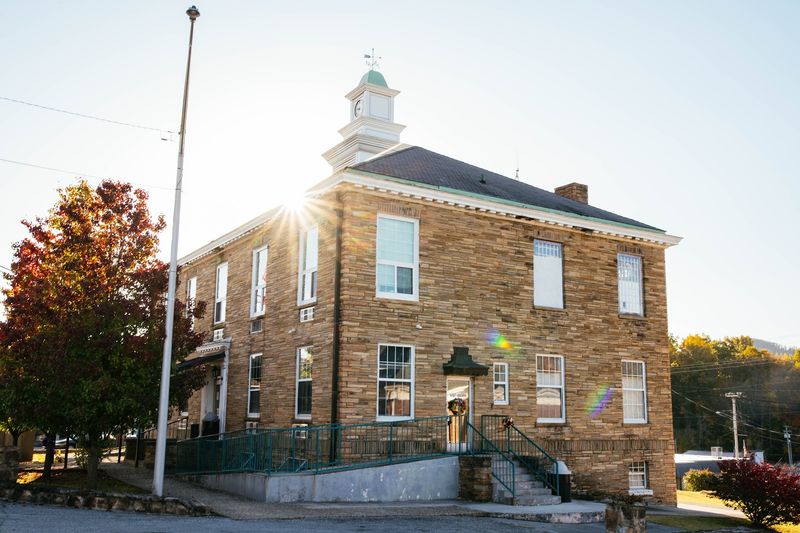
Imagine a place where the local grocery store parking lot serves as a social hub. Tucked into the far northern edge, this town keeps things refreshingly simple and quiet.
Life revolves around the nearby Dale Hollow Lake and its cold, clear depths. Farming traditions run through the chronicles with a consistency that shows in family names of Byrdstown.
Field patterns are visible from any back road, marking the meaningful change of seasons. Nearby Pickett County is the birthplace of Cordell Hull, a Nobel Peace Prize winner.
A small museum in town honors that remarkable and very prestigious local legacy. Visitors can explore the humble beginnings of a man who helped shape global politics.
The Cordell Hull Birthplace State Park at 1300 Cordell Hull Memorial Dr preserves his childhood home area and offers a look at his early life.
His biography serves as an inspiration to every local student who visits the site today. It proves that great things can grow from the quietest of country places.
Outside of history, the town offers local diners and small churches for the population. Farm supply stores serve the rural residents without any modern pretense or flashy signs.
Dale Hollow draws anglers chasing record-breaking bass to the nearby docks. The fishing culture adds its own quiet energy to the town during the warmer months.
7. Wartburg
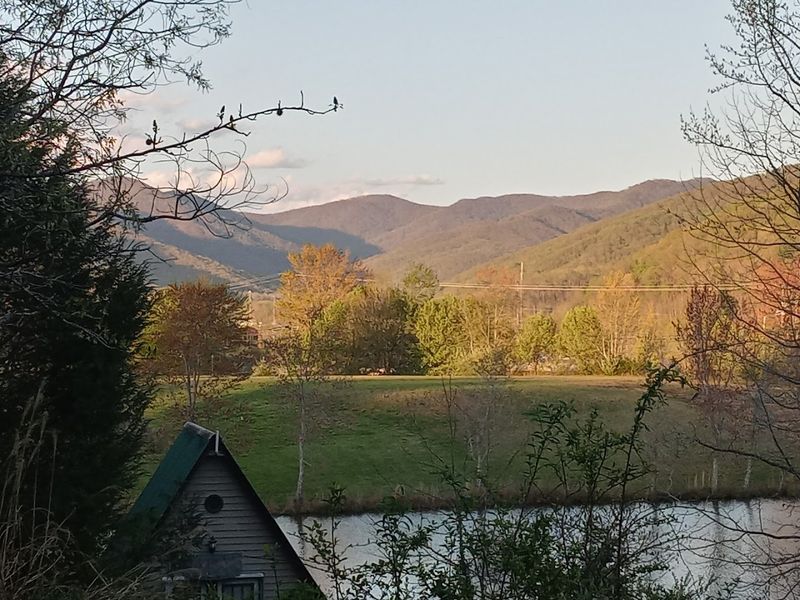
Wait until you see how a town named after a German castle hides in these hills. Named after a medieval fortress, the town carries its European legacy with matter-of-fact simplicity.
This chronicle feels more authentic than any themed attraction could ever be in Wartburg. Founded by German immigrants in the mid-1800s, they sought planting potential on the plateau.
The cultural origin shows up in surnames and the names of local forest roads. The community has always valued self-sufficiency over public spectacle or modern marketing.
Local gardens often feature traditional techniques passed down through many generations of families. This pride in ancestry is felt in the quiet strength of the community.
The surrounding Frozen Head State Park offers some of the most rewarding hiking terrain. Wildflower blooms in spring draw serious trail enthusiasts from across the entire southern region.
Frozen Head is also famous as the inspiration for the notoriously difficult Barkley Marathons. Most years nobody finishes the race at all, adding to the local legend.
The mystery of the event draws a specific kind of focused athlete to these woods. Even those who do not run can feel the intensity of the mountain landscape.
The town itself is modest and unassuming with a rural atmosphere and downtown. Its working-class roots are reflected in the landscape of wooded hollows and creek bottoms.
The landscape feels layered and alive, especially in the golden light of late October. The best things are found by turning down an unmarked road.
8. Monterey
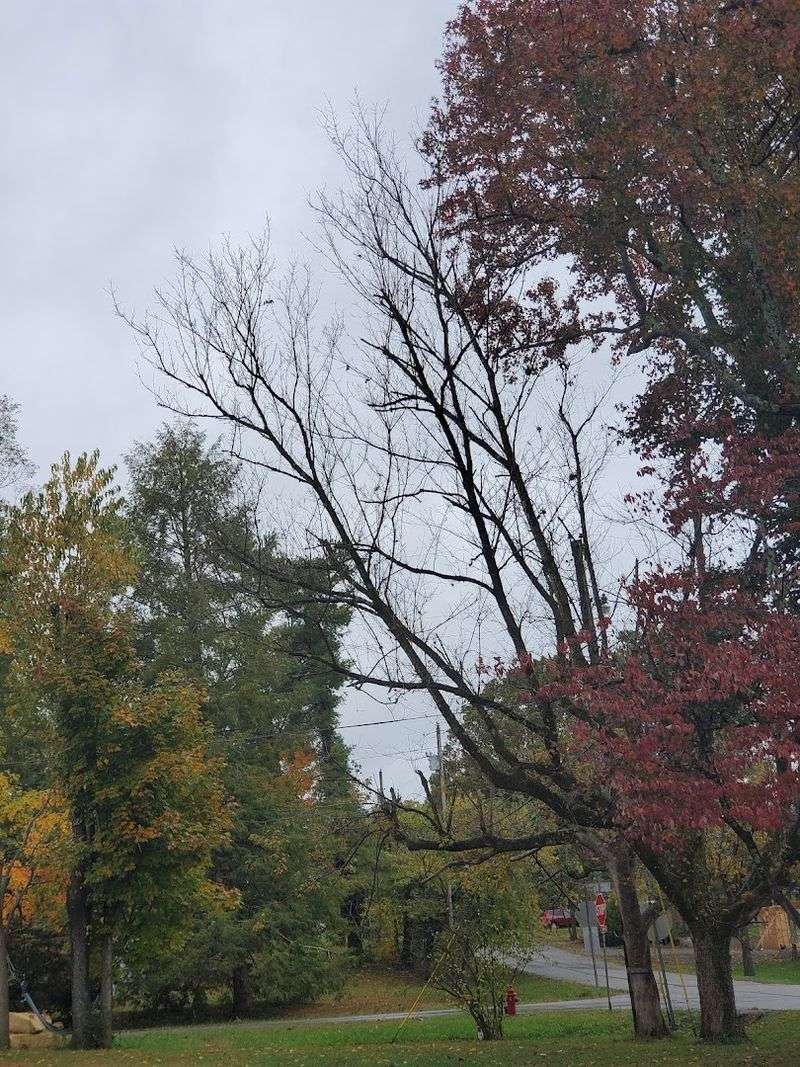
No one can deny that old railroad towns hold the most fascinating stories of survival. Long before interstate highways, this town was an important railroad stop on the plateau route.
The depot brought travelers and commerce to the early commercial buildings of Monterey. Sitting at a high elevation, it once attracted people looking to escape valley heat.
Older Victorian-era homes still hint at that seasonal resort history from the past century. Walking through the residential streets feels like stepping back into a more elegant era.
Many of these houses have been lovingly maintained to preserve their intricate architectural details. Agriculture remains the backbone of the community with cattle farms filling the plateau landscape.
Hay fields stretch out in every direction beyond the historic limits of the town. The town is known for its standing stone, a natural pillar of local sandstone.
This ancient geological feature has served as a landmark for travelers for centuries. It stands as a silent observer of the changes that have swept the plateau.
Standing Stone State Park draws visitors for fishing and paddling without overwhelming the town. The small-town pace feels genuinely earned rather than curated for the modern tourism industry.
The post office still functions as a social hub for all the longtime residents. Time is measured by harvests and seasons rather than by the fast news cycles.
This plateau town carries its history lightly and wears its rural identity with quiet confidence.
9. Crossville
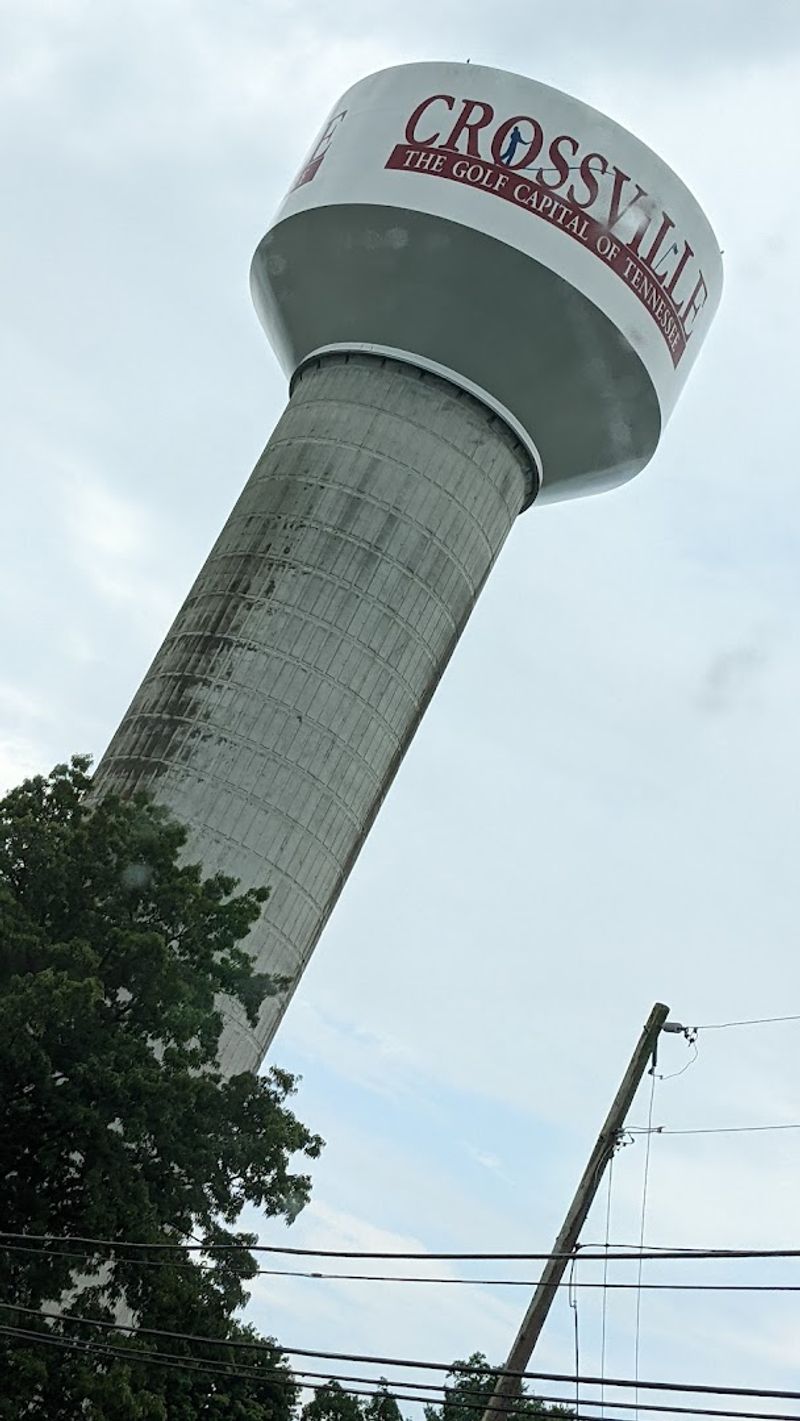
Perhaps you seek the ultimate combination of high-quality theater and authentic rural farm life. The town sits in a central part of the Cumberland Plateau region.
This central position has given a more developed character to the city of Crossville. It earned its nickname as the Golf Capital through a density of public courses.
Beyond the fairways, the town still carries the agricultural identity of the surrounding county. Local farms on the outskirts raise cattle and maintain the land-based roots.
Large barns dot the horizon, standing as icons of the region’s enduring farming legacy. The soil here remains as productive as it was when the first settlers arrived.
The county playhouse has been a respected community theater company since the mid-1960s. Professional-quality productions in a small-town setting surprise those who visit.
Actors from across the country come here to perform for an appreciative local audience. The auditorium has become a cultural cornerstone that bridges the gap between worlds.
The historic downtown retains older buildings and independent businesses that provide unique texture. This offers a welcome contrast to the chain developments along the main highway corridors.
The town serves as the entry point for exploring the wider plateau and quiet communities. It is a practical base for day trips to other nearby rural locations.
The fields at the edge of this Tennessee town still smell like rain and cut grass in July.