10 Incredible Landmarks Across New York State To Explore
New York State has a talent for making you feel like a tourist in a place you thought you already knew.
You think you have seen it, done it, figured it out, and then you end up standing in front of something so extraordinary that you have to stop and actually take it in.
I have lived near and traveled through this state more times than I can count, and it still catches me off guard.
A building I had walked past a dozen times suddenly demands my full attention. A landmark I thought I understood turns out to have a history three times more interesting than anything I had read about it.
New York’s most iconic spots are iconic for a reason, and that reason holds up every single time you show up.
These landmarks are the ones that remind you why this state never gets old.
1. Empire State Building
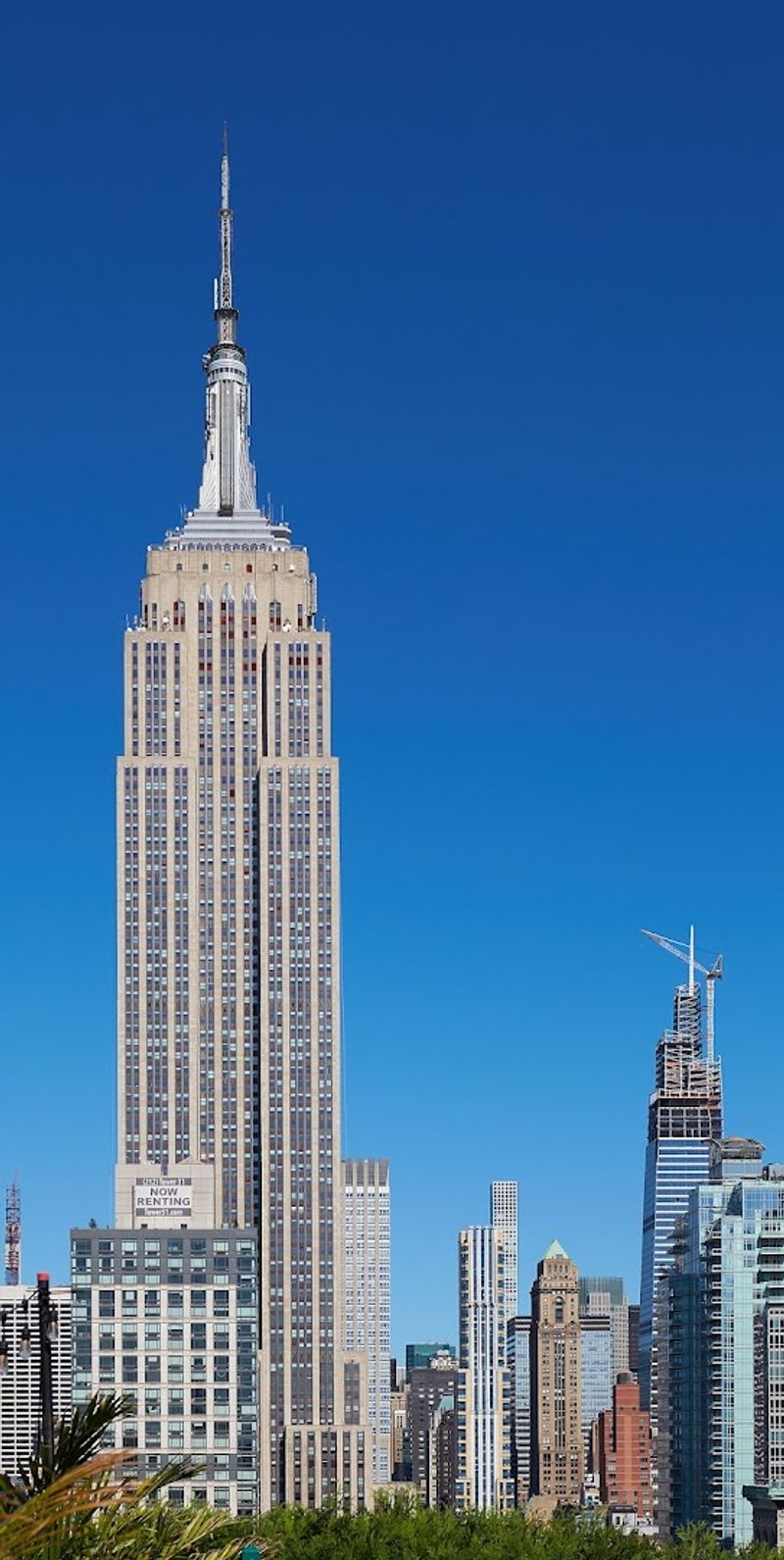
There is something almost absurd about standing at the base of the Empire State Building and craning your neck straight up.
It is 102 floors of Art Deco ambition, and it has been standing at 20 W. 34th Street since 1931. For 40 years, it was the tallest building in the world.
The observation decks on floors 86 and 102 offer two very different experiences. Floor 86 is open-air, which means wind, real city sounds, and unobstructed views in every direction.
Floor 102 is enclosed and quieter, with a slightly higher vantage point that feels genuinely surreal.
Night visits are underrated. The city looks completely different after dark, all lit grids and glowing bridges.
The building itself changes colors depending on the occasion, celebrating holidays, sports teams, and causes throughout the year.
Skip the midday rush and go either early morning or after 8 PM for shorter lines and better photos. The lobby alone is worth a few minutes of your time.
The ceiling murals and brass details are stunning examples of 1930s design that most visitors walk right past.
2. Brooklyn Bridge
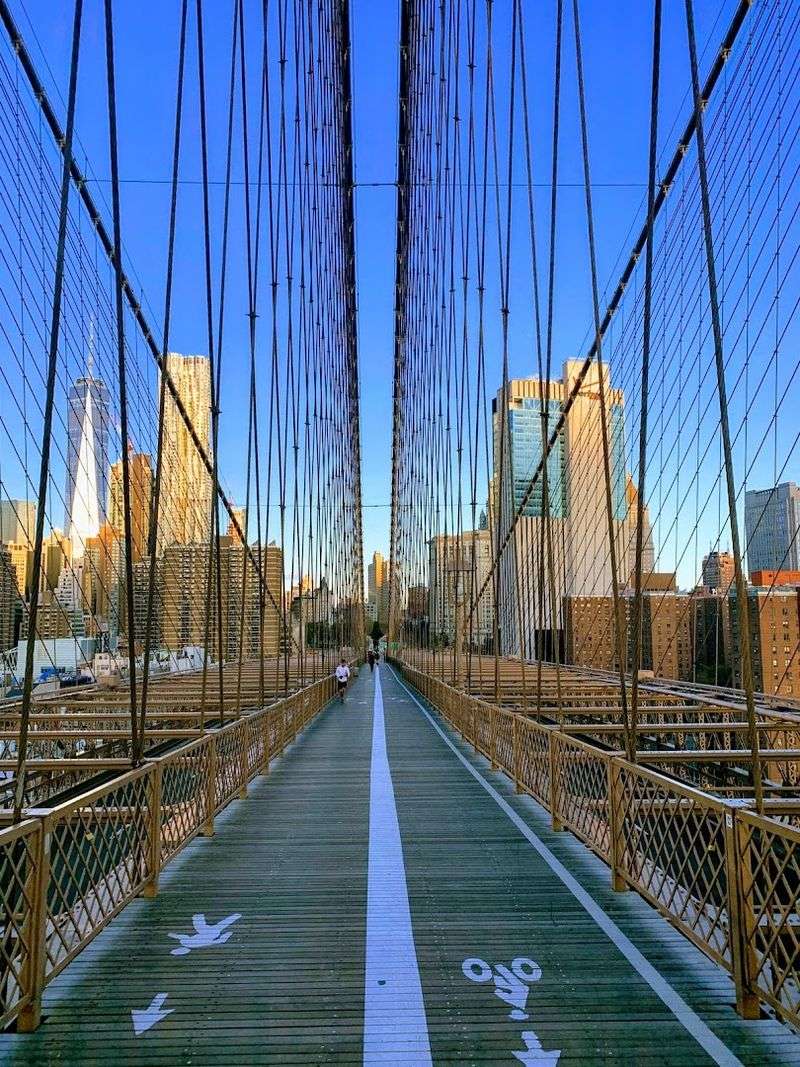
Walking the Brooklyn Bridge in New York feels like stepping into a postcard, except your legs are doing real work and someone is definitely cycling too fast past you.
The bridge stretches 1,595 feet across the East River, connecting Manhattan to Brooklyn with a mix of cables, granite, and pure nineteenth-century ambition.
It opened in 1883 and was the longest suspension bridge in the world at the time. The engineering was considered so bold that many people thought it would collapse.
It did not.
More than 100,000 vehicles and pedestrians cross it every single day.
The pedestrian walkway runs along the top and takes about 30 to 45 minutes to walk end to end. Start from the Manhattan side, near City Hall, for the best views heading toward Brooklyn.
The wooden planks underfoot and the massive stone towers above you create a genuinely dramatic experience.
Sunrise walks are quieter and the light hits the cables in a way that looks almost painted. Bring a camera and comfortable shoes.
Once you reach the Brooklyn side, the neighborhood of DUMBO is right there with great spots to keep exploring for the rest of the day.
3. Central Park
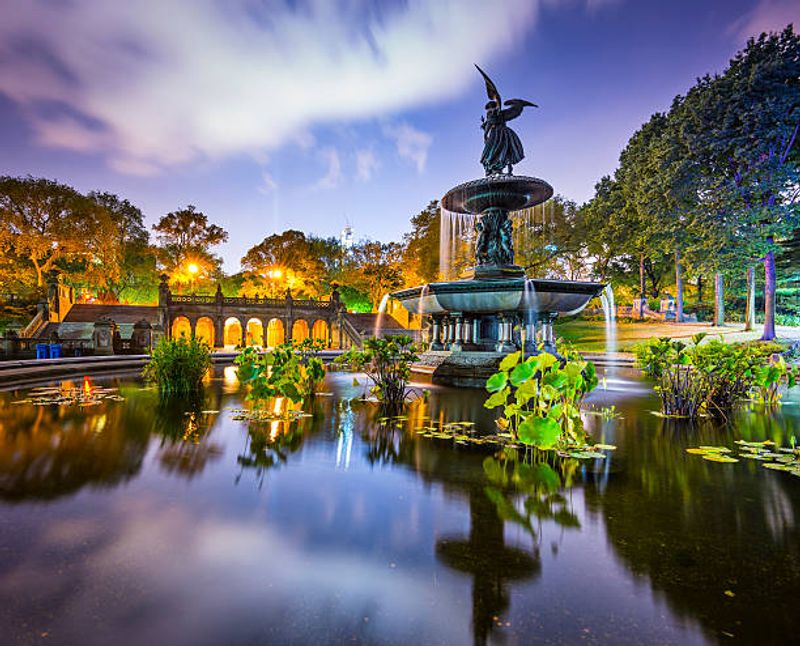
843 acres of green space sitting right in the middle of one of the busiest cities on earth.
Central Park should not work as well as it does, and yet here we are. I have visited in every season and each one feels like a completely different park.
Designed by Frederick Law Olmsted and Calvert Vaux in the 1850s, the park was built on land that required moving two million cubic yards of soil.
It has a lake, a reservoir, a carousel, an outdoor theater, two ice rinks, and more than 50 sculptures. That is a lot packed into one rectangle.
The Ramble is one of the best spots for birdwatching, with over 200 species spotted during migration season.
Bethesda Terrace is stunning any time of year. Sheep Meadow is perfect for a slow afternoon with nowhere to be.
Runners, cyclists, and horse-drawn carriages all share the main loop roads. Rent a bike if your feet need a break.
Central Park sits between 59th and 110th Streets in Manhattan, bordered by Fifth Avenue on the east and Central Park West on the other side. Free to enter, always open.
4. Grand Central Terminal
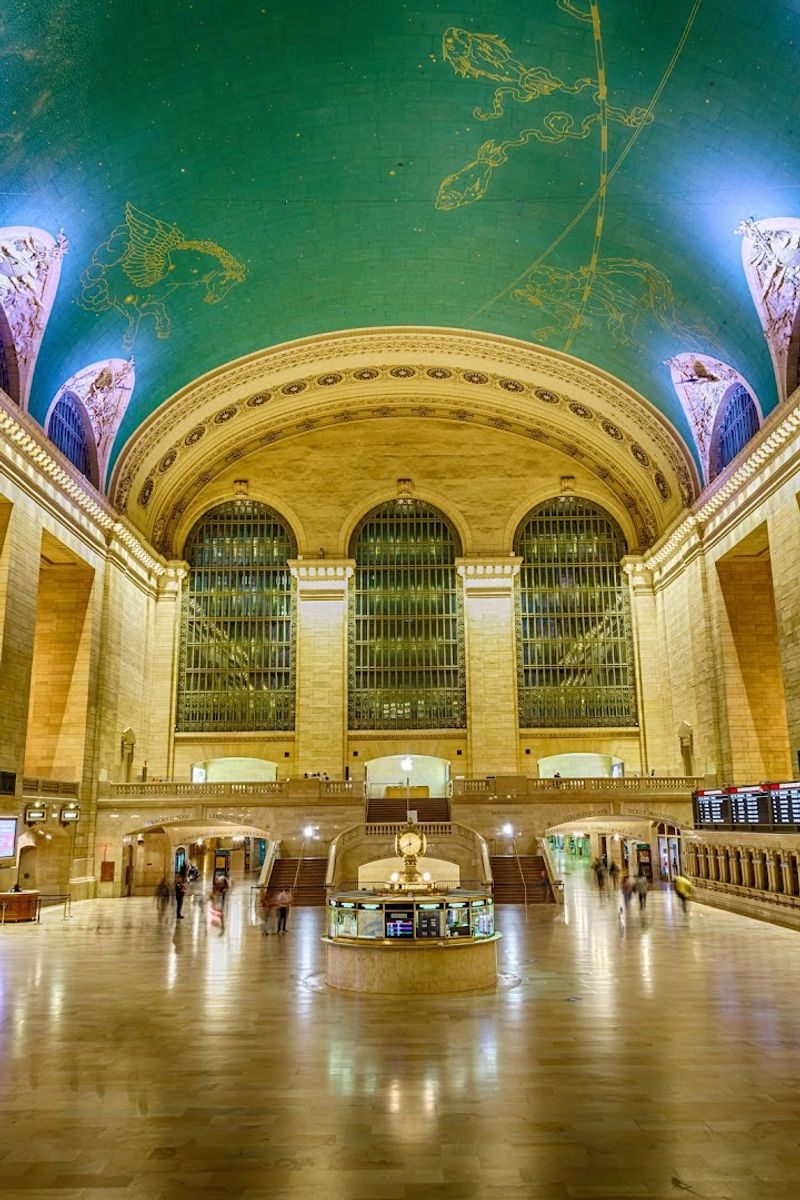
Grand Central Terminal is the kind of place that makes you slow down even when everyone around you is rushing.
The main concourse ceiling is painted in turquoise and gold with 2,500 stars mapped out in constellation patterns. It is easy to miss if you keep your eyes at street level.
Opened in 1913, the terminal serves over 750,000 people on a typical weekday. That number alone is staggering.
The building is Beaux-Arts in style, which means big arches, ornate details, and a scale that makes you feel small in the best way possible.
The Whispering Gallery near the lower dining concourse is a quirky acoustic trick worth trying. Stand at one corner of the archway and whisper toward the wall.
Someone standing diagonally across the room can hear you clearly. It is genuinely surprising every time.
The Campbell Bar on the upper level is inside a restored 1920s office space that belonged to a financier named John W. Campbell.
It is one of the most architecturally interesting rooms in the city.
Grand Central Terminal is located at 89 E. 42nd Street in Midtown Manhattan and is open daily to the public.
5. Rockefeller Center
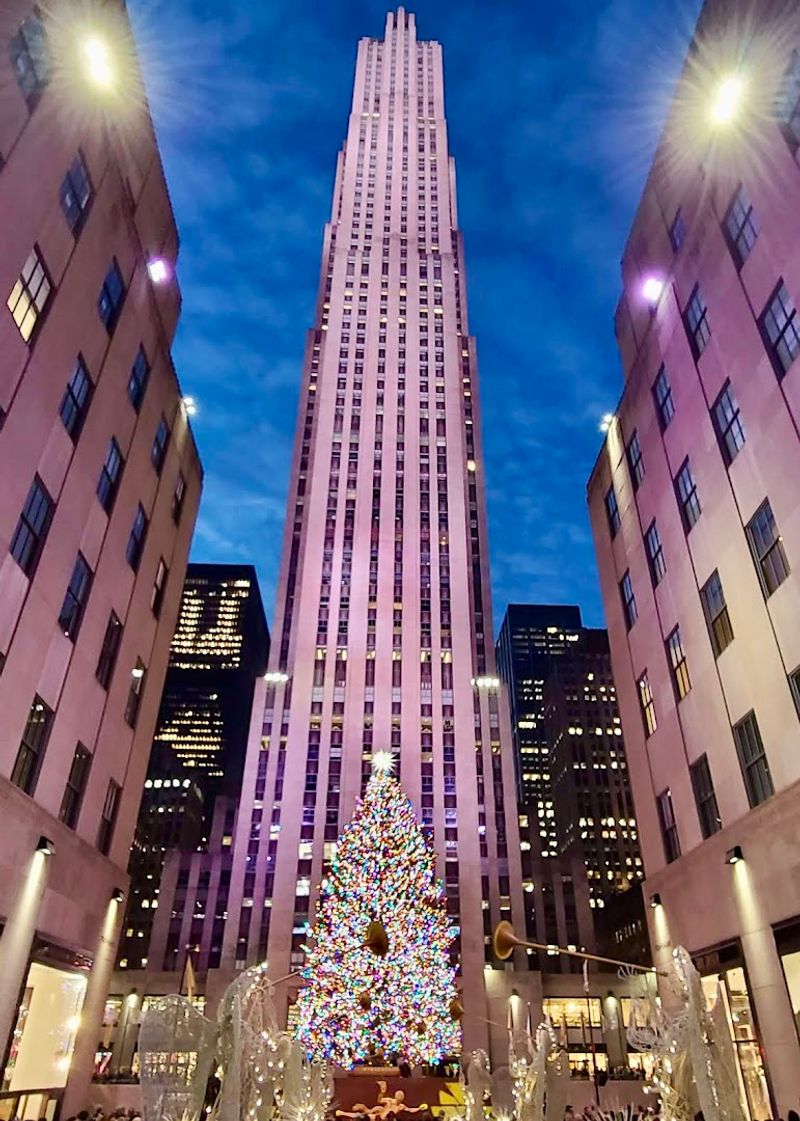
Rockefeller Center is not just one building. It is a 22-acre complex of 19 commercial buildings in Midtown Manhattan, and it has been one of the most recognizable urban developments in the country since the 1930s.
The address most people know is 45 Rockefeller Plaza, home to the famous Top of the Rock observation deck.
Top of the Rock offers three open-air observation levels with 360-degree views of Manhattan. The views of the Empire State Building from here are arguably better than the views from the Empire State Building itself.
No obstructions, great angles, and slightly less crowded.
The plaza below is famous for its seasonal ice skating rink and the towering Christmas tree that goes up each November. During summer, the rink turns into an outdoor dining space.
The NBC Studios are also here, and studio tours are available for anyone curious about how live television gets made.
The Rockefeller Center Art Deco murals and sculptures throughout the complex are worth slowing down for. Atlas holding the world stands just across Fifth Avenue at St. Patrick’s Cathedral.
The whole area rewards anyone willing to look up, look around, and resist the urge to just walk straight through.
6. Chrysler Building
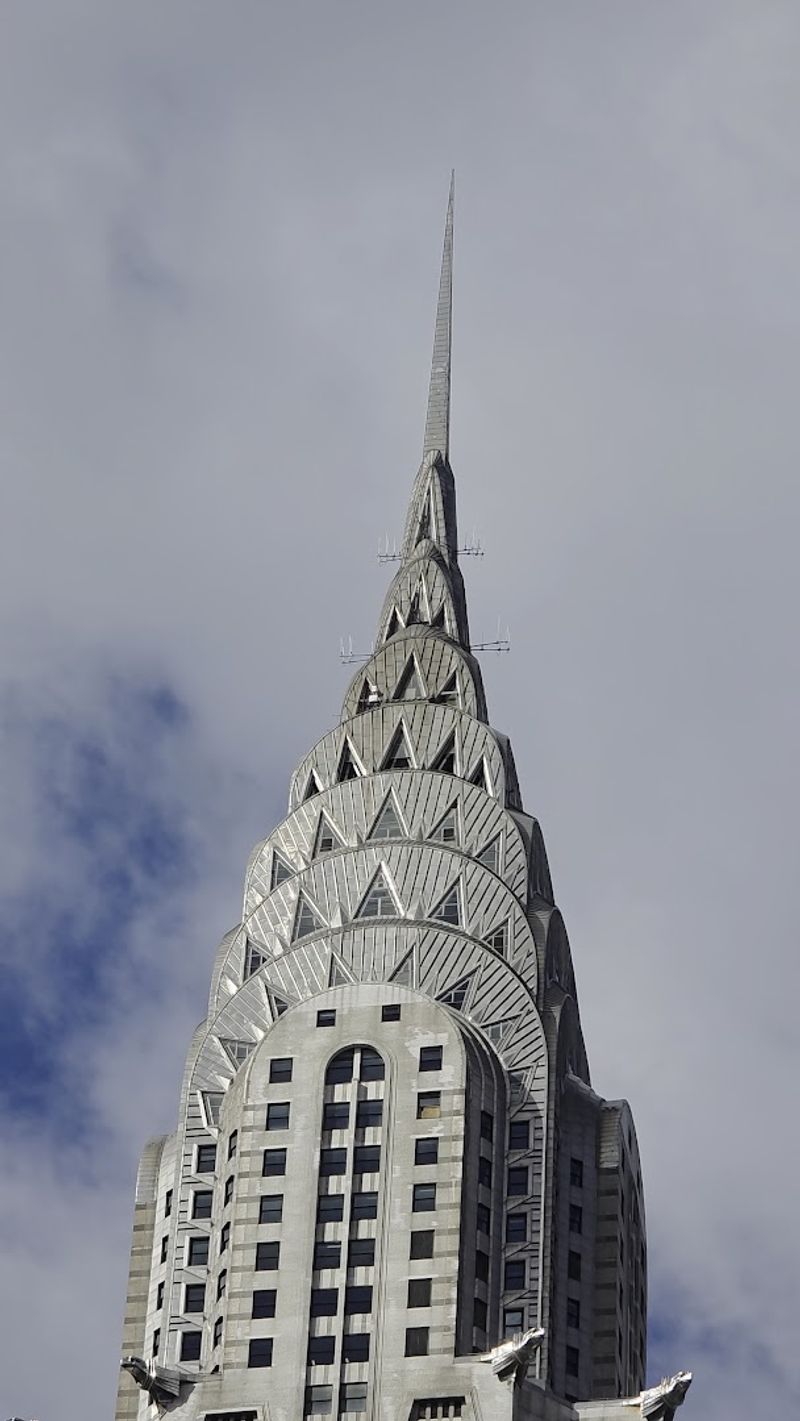
The Chrysler Building might be the most beautiful skyscraper ever built. That is a bold claim, but stand at the corner of 405 Lexington Avenue and look up on a clear day and see if you disagree.
The stainless steel crown catches sunlight in a way that changes by the hour.
Completed in 1930, it briefly held the title of world’s tallest building for about 11 months before the Empire State Building took over.
The eagle gargoyles near the 61st floor are modeled after hood ornaments from 1929 Chrysler automobiles.
That detail alone makes it one of the most specific and committed design choices in architectural history.
The lobby is open to the public and is absolutely worth stepping inside.
The ceiling mural shows transportation scenes from the early twentieth century, and the walls are lined with African marble and inlaid wood. It is grand without being cold.
Most people walk past the Chrysler Building on their way somewhere else, which is a genuine shame. Take five minutes, stand across the street, and actually look at it.
The triangular windows, the tiered arches, the geometric details. It is a building that rewards attention and punishes rushing.
7. National September 11 Memorial & Museum

Some places ask you to slow down and this one insists on it. The National September 11 Memorial sits at 180 Greenwich Street in Lower Manhattan, on the exact footprints of the original Twin Towers.
The two reflecting pools are among the largest in North America, and the sound of water falling into them creates a quiet that feels intentional.
The names of nearly 3,000 people are inscribed on bronze panels surrounding the pools. Visitors often pause to trace names with their fingers.
Small flags and flowers appear throughout the year, placed by people who still come to remember.
The museum beneath the memorial tells the story of that day through artifacts, recordings, and firsthand accounts. It is thorough and honest without being overwhelming.
The original slurry wall from the foundation of the North Tower still stands inside, which is one of the most powerful structural elements in any museum anywhere.
Plan for at least two hours if you visit the museum. The memorial plaza is free and open year-round.
Museum tickets can be purchased in advance online, which is strongly recommended.
This is not a quick stop. It is a place that deserves your full attention and your unhurried time.
8. The Metropolitan Museum Of Art
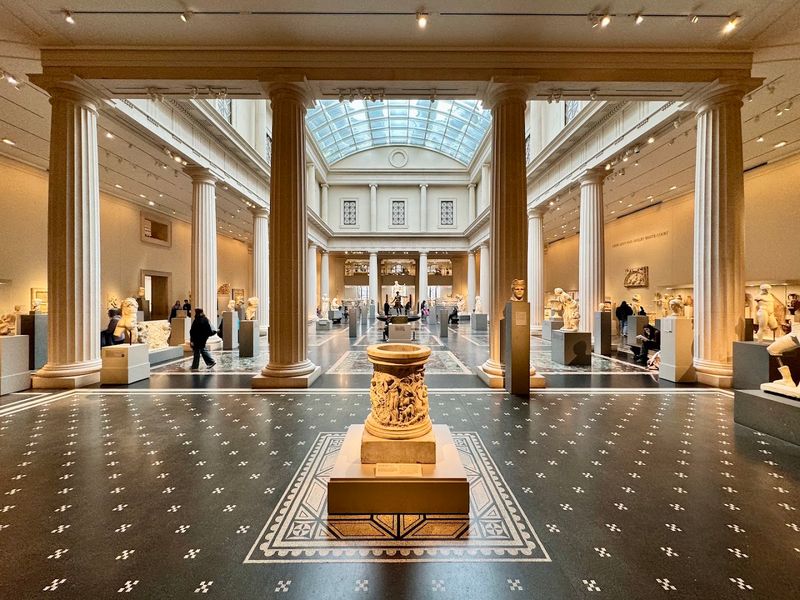
The Met is not a museum you finish. That is not a complaint.
It is a building that contains over two million works of art spanning 5,000 years of human history, and it sits at 1000 5th Avenue along the eastern edge of Central Park.
Trying to see everything in one visit is a beautiful mistake to make. The Egyptian Wing alone could take an afternoon.
The Temple of Dendur, a real ancient Egyptian temple relocated and reassembled inside a glass-enclosed gallery, is one of the most unexpected things you will find inside a New York building.
It was a gift from Egypt to the United States in 1965.
The rooftop garden is seasonal but spectacular. It rotates contemporary art installations and offers views across Central Park that very few spots in the city can match.
Go in late afternoon when the light is softer and the crowds have thinned a little.
Admission is pay-what-you-wish for New York State residents and students. For everyone else, there is a suggested admission fee.
Pick up a map at the entrance and choose one or two wings to focus on. The Met rewards slow looking far more than fast walking.
9. New York Public Library
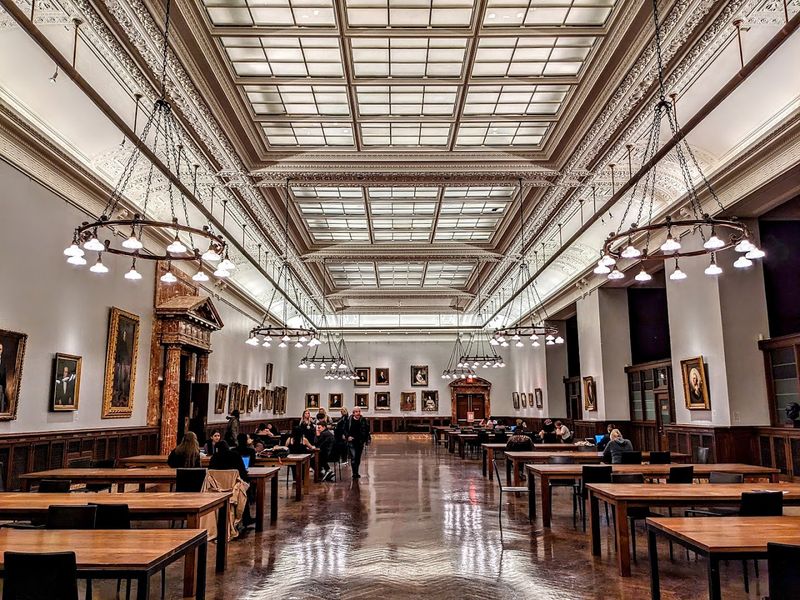
Most people take a photo with the lions out front and keep moving. That is their loss.
The New York Public Library at 476 5th Avenue is one of the most stunning interiors in the entire city, and it is completely free to walk inside and explore.
The Rose Main Reading Room on the second floor stretches nearly two city blocks in length. The painted ceiling, the long oak tables, the brass lamps, the tall windows.
It looks like the kind of room where important things get decided. And for over a century, important things have been written here.
The library opened in 1911 and was built on the site of a former reservoir. The Beaux-Arts facade took years to complete and the two marble lions flanking the steps have had nicknames since the 1930s.
New Yorkers call them Patience and Fortitude, names given by Mayor Fiorello La Guardia during the Great Depression.
Free tours of the building run on select days and cover the architecture, history, and some of the rare collections housed inside.
The library also hosts exhibitions, lectures, and public programs throughout the year. Do not just stand on the steps.
Go inside and stay a while.
10. Statue Of Liberty
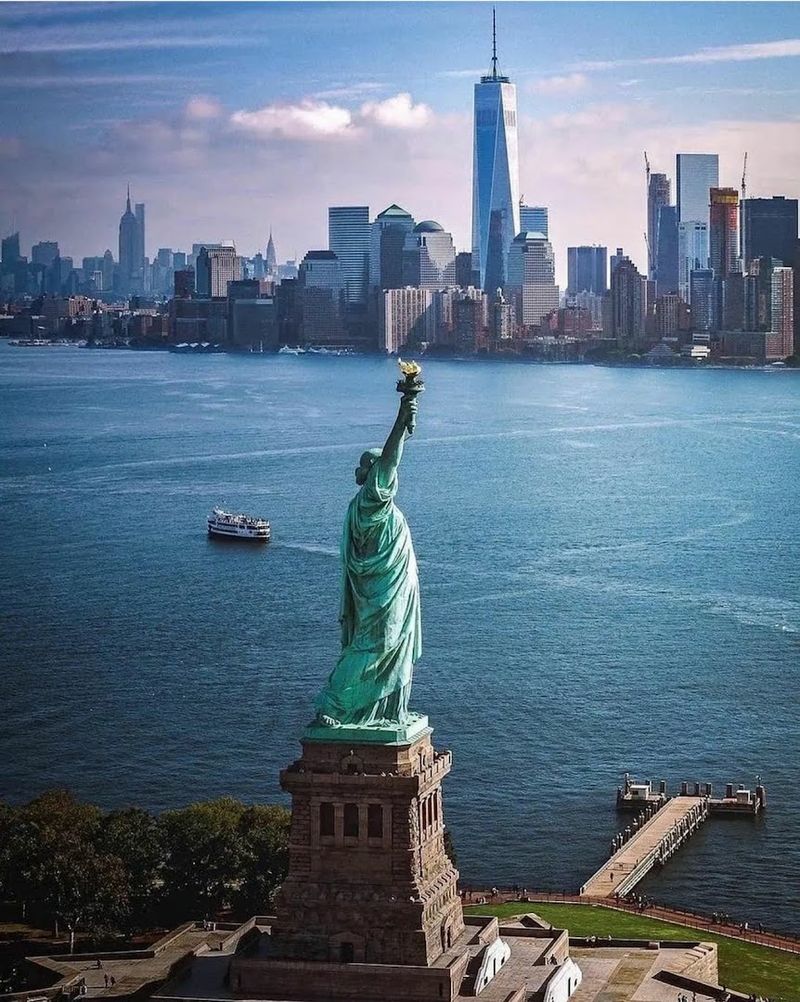
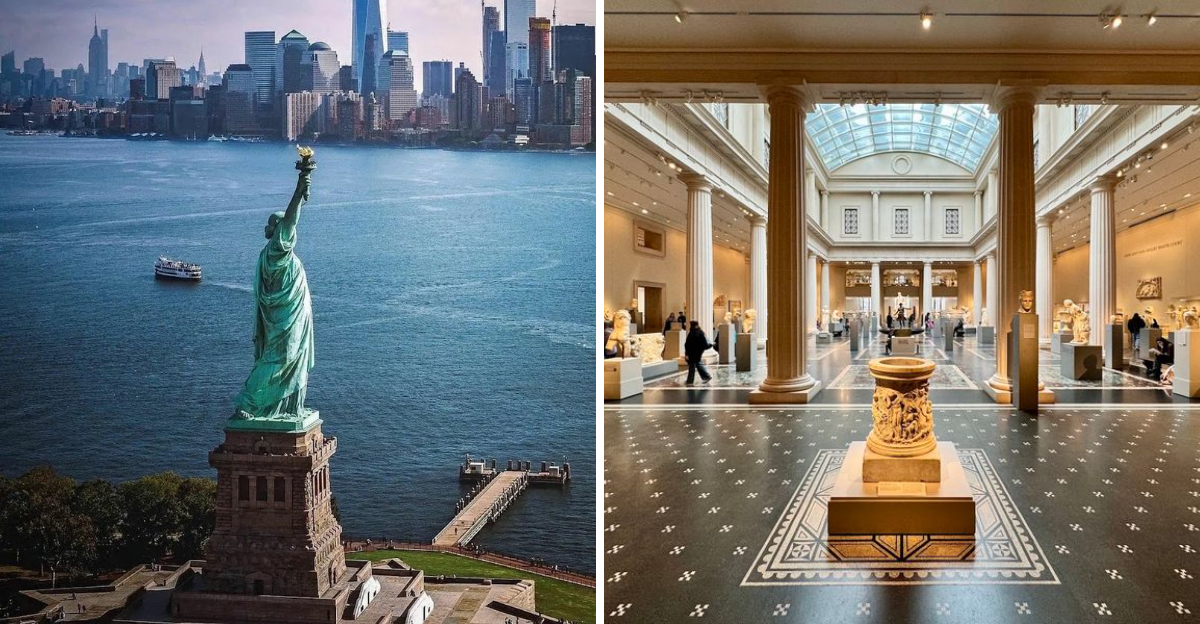
She is bigger than you expect. Standing at 305 feet from ground to torch, Lady Liberty is one of those rare landmarks that actually earns the hype.
I remember stepping off the ferry at Liberty Island and just stopping. No photo prepares you for that moment.
France gifted the statue to the United States in 1886, and it was assembled piece by piece on the island.
The copper skin has oxidized over decades into that iconic green color. Originally, she was a shiny bronze-brown, which is a fun detail to drop at dinner.
Visitors can book tickets to the pedestal or, with advance planning, to the crown itself. The crown only fits a small group at a time, so book early.
The views from up there stretch across the harbor in every direction.
Even if you stay at ground level, the island itself is worth the ferry ride. The grounds include a museum, a gift shop, and plenty of space to walk around.
Liberty Island sits in New York Harbor and is accessible by ferry from Battery Park in lower Manhattan.