10 Charming Nebraska Towns That Feel Like Europe but Cost Almost Nothing To Explore
A town does not need a passport stamp to feel transportive.
Nebraska has places where brick streets and a slower pace can make an afternoon feel pleasantly removed from the usual American rhythm.
That is what gives these small towns their charm.
You are not chasing grand spectacle or expensive attractions. You are wandering through places where beauty shows up quietly, in a main square or the way the whole town seems to invite lingering.
That softer kind of escape can feel even better because it does not ask much from your wallet.
These Nebraska towns bring a touch of European atmosphere without turning a simple day of exploring into something costly or complicated.
1. Wilber, Czech Capital of the U.S.A.
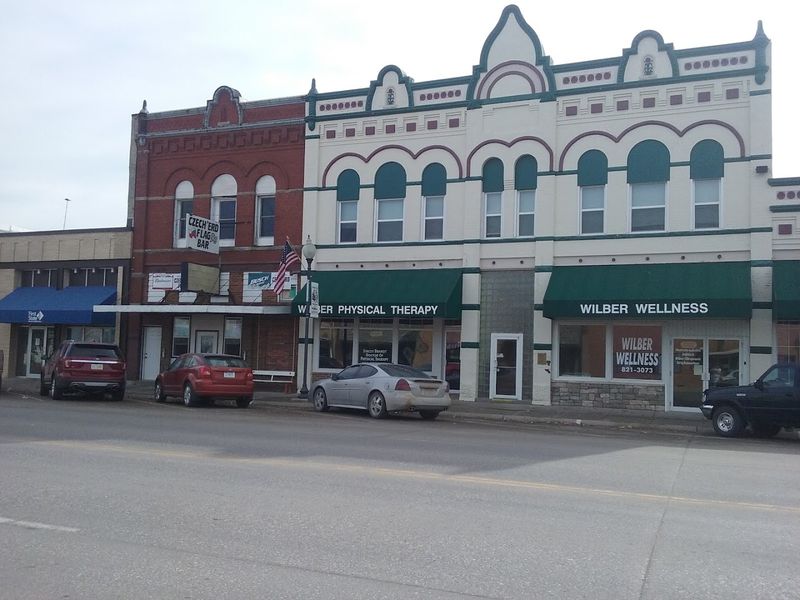
Officially recognized as the Czech Capital of the U.S.A., Wilber carries that title with genuine pride and visible culture throughout its small downtown.
Czech murals cover building walls, and the storefronts along the main square reflect decades of Central European influence brought by settlers in the 1800s.
Strolling through downtown costs nothing and takes visitors past architecture and artwork that tell a real immigration story.
The Wilber Czech Museum, located at 102 W 3rd St, Wilber, NE 68465, houses a thoughtful collection of folk costumes, handcrafted items, and historical documents that connect the town to its Bohemian roots.
Exhibits are modest but genuinely curated and tend to resonate with anyone curious about how immigrant communities shaped the American Midwest.
The museum is a good anchor point for exploring the rest of the town on foot.
Every August, Wilber hosts a Czech festival that draws thousands of visitors for traditional food, polka music, and folk dancing.
Outside of festival season, the town stays quiet and walkable, which makes it a comfortable destination for anyone who prefers a relaxed pace over a crowded attraction.
2. Dannebrog, Nebraska’s Danish Capital
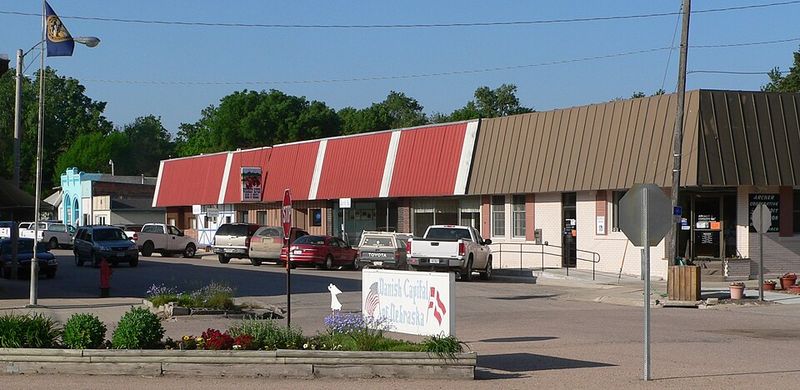
Founded in 1871 by Danish immigrants, Dannebrog holds the distinction of being Nebraska’s Danish Capital, and the town leans fully into that identity with Danish-language signs, painted murals, and a village atmosphere that feels genuinely distinct from other small Nebraska communities.
The name itself comes from the Danish flag, which tells visitors something about how seriously the founders took their cultural roots.
Walking the main street takes maybe twenty minutes, but the details reward a slower pace.
Hand-painted shop signs, a small park, and the overall tidiness of the streets give Dannebrog a European village quality that is hard to manufacture and easy to appreciate.
The population hovers around three hundred, which means the experience feels personal rather than performative.
Howard County’s flat landscape surrounds the town, and the contrast between the open prairie and the tight little village square creates an interesting visual experience.
Dannebrog holds an annual Danish festival called Danish Days each summer, featuring traditional food and folk activities that connect the present community to its founders.
Visiting outside of festival season still offers a peaceful, unhurried stop that costs very little and leaves a lasting impression.
3. Clarkson, Heart Of Nebraska’s Czech Heritage Corridor
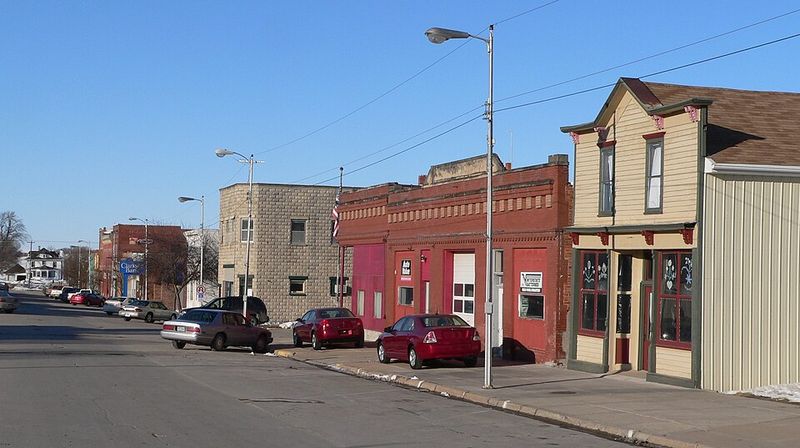
Czech immigrants settled Clarkson in the 1870s and built a community that has maintained its cultural identity with steady commitment over the generations.
The town sits in Colfax County and serves as one of the anchor communities along Nebraska’s Czech Heritage Corridor, a route recognized by History Nebraska for its role in preserving Central European immigrant culture in the Great Plains.
Downtown Clarkson features historic brick buildings that have remained largely intact, giving the main street a texture and visual weight that newer towns simply cannot replicate.
The architecture reflects the building sensibilities of Central European craftsmen who used durable materials and took their time, which is visible in the way the structures have aged.
Clarkson hosts an annual Czech Days festival each June that brings folk dancing, traditional Czech food, and community events to the town square.
The festival is one of the longest-running ethnic celebrations in Nebraska and draws visitors from across the region.
Outside of festival season, the town stays quiet and accessible, with free parking and no admission fees for simply walking around and taking in the historic streetscape.
4. Schuyler, A Living Piece Of Nebraska Czech History
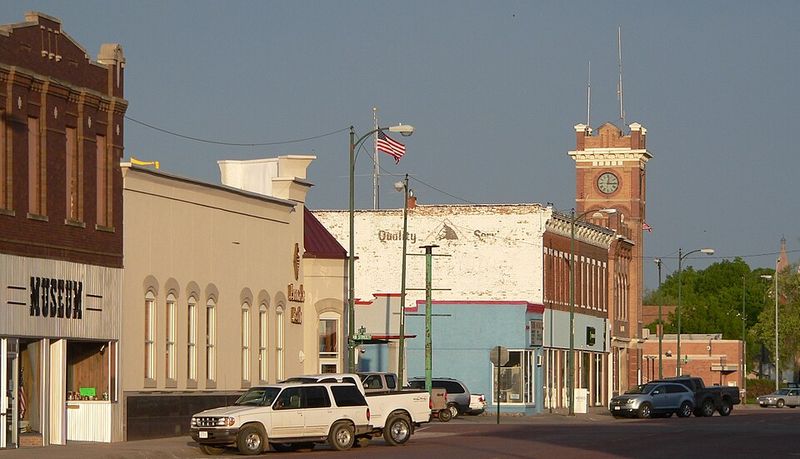
Named by History Nebraska as one of the significant communities in the state’s Czech heritage network, Schuyler carries a layered history that goes beyond its immigrant roots.
The town served as a stop on the Union Pacific Railroad and grew into a regional hub during the late 1800s, which is still visible in the scale and variety of its historic downtown buildings.
Colfax County’s seat sits comfortably along the Platte River, and the surrounding landscape adds a natural dimension to any visit.
The historic courthouse and downtown commercial district give Schuyler a small-city feel that is walkable and easy to explore without a guide or a plan.
Architecture from the late nineteenth and early twentieth centuries lines several blocks and reflects the ambition of the community’s early builders.
Czech and Slovak settlers shaped much of Schuyler’s early social and cultural fabric, and that influence remains present in local traditions and community events.
The town also has a growing Latino community today, which adds a contemporary cultural layer to a place already rich in immigrant heritage.
Visiting Schuyler offers a chance to see how immigrant communities have shaped the same town across different eras, which is a quietly compelling story for anyone paying attention.
5. Minden, Courthouse Square Charm With Scandinavian Roots
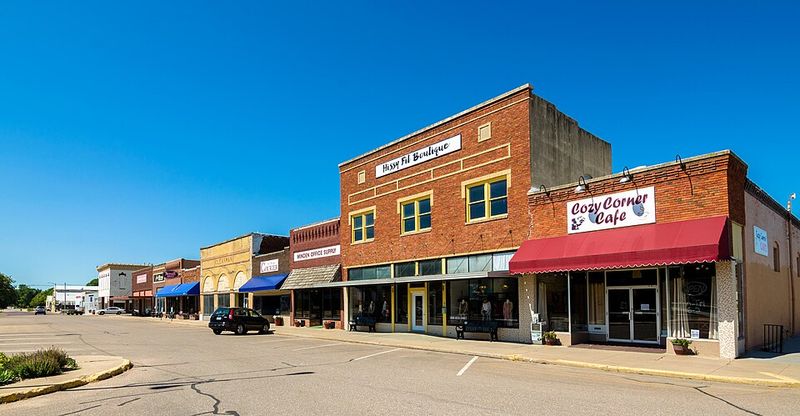
Danish, German, and Swedish immigrants all played a role in founding and shaping Minden, which gives the town a blended European heritage that shows up in its architecture, its layout, and its community character.
The town square centers on a classic courthouse building surrounded by historic storefronts, creating a scene that genuinely resembles the market squares found in small European towns.
Kearney County’s seat has maintained its downtown core with care, and the result is a walkable historic district that rewards a slow afternoon of exploration.
The scale of the buildings and the proportion of the streets feel human-sized in a way that many modernized small towns have lost.
Minden tends to be quiet on weekday afternoons, which makes it a comfortable destination for travelers who prefer unhurried exploration.
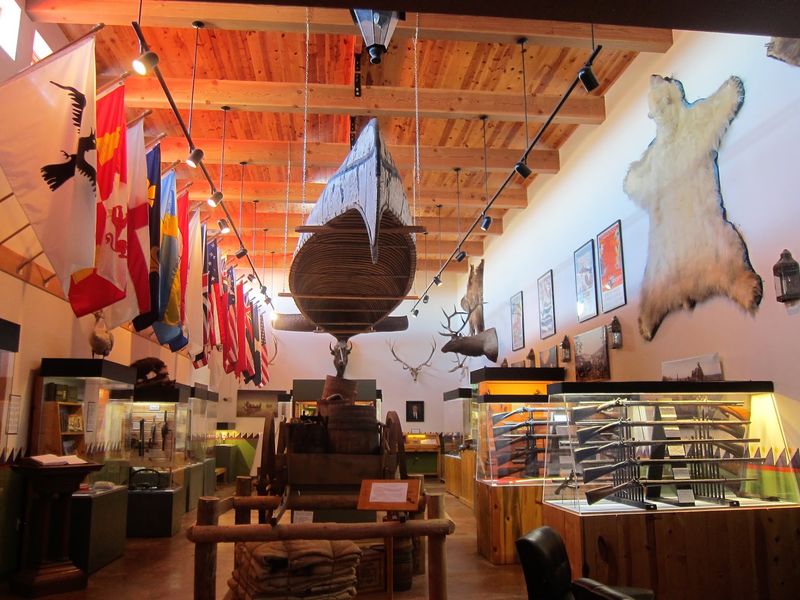
Harold Warp Pioneer Village, located at 138 E US-6, Minden, NE 68959, is one of the most comprehensive collections of American pioneer artifacts in the country and sits right in town.
The museum spans multiple buildings and covers transportation, agriculture, and everyday life across several centuries of American history.
Admission is modest and the collection is extensive enough to fill several hours, making it one of the best value attractions in the region.
6. Syracuse, Quiet German-Settler Charm In Otoe County
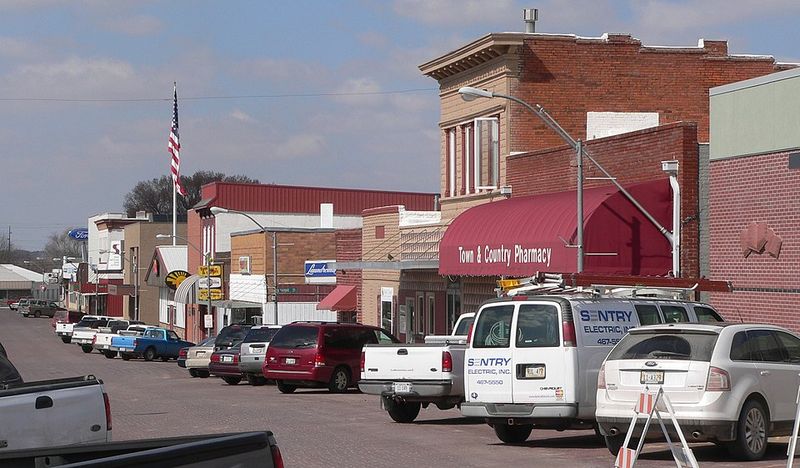
German settlers established deep roots in Otoe County during the 1800s, and Syracuse reflects that heritage in the quiet dignity of its historic downtown and the measured pace of daily life in the community.
The town sits about forty miles south of Omaha, close enough for a day trip but far enough to feel genuinely removed from suburban noise and traffic.
Walking the main street reveals a collection of well-preserved brick storefronts from the late nineteenth and early twentieth centuries, many of which still house local businesses rather than sitting vacant.
The scale of the buildings and the width of the streets give Syracuse a proportional, old-world feel that is easy to appreciate without any particular knowledge of architecture.
Shade trees line several blocks and add a softness to the streetscape that makes the walk comfortable in warmer months.
Otoe County has a broader history of German settlement that Syracuse fits into naturally, and the town’s character reflects the values of the communities that built it: durable, practical, and quietly proud.
There are no major admission fees for exploring downtown, and the low-key atmosphere makes Syracuse an honest alternative for travelers tired of over-touristed destinations.
7. Nebraska City, Brick Streets And Arbor Lodge Grounds
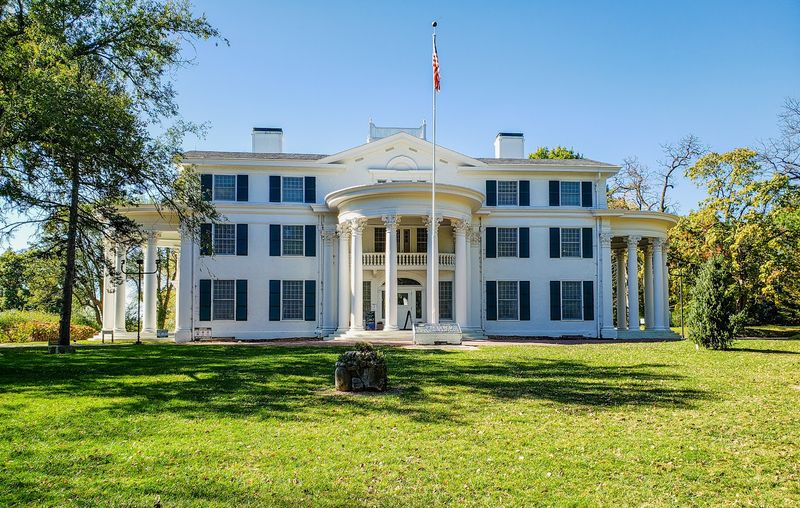
Few small Nebraska towns carry the combination of historic architecture, green space, and cultural significance that Nebraska City manages within its compact boundaries.
The brick-paved streets of the historic downtown create a tactile connection to the nineteenth century that asphalt simply cannot replicate, and the sound of walking on those old bricks adds something to the experience that is hard to describe but easy to feel.
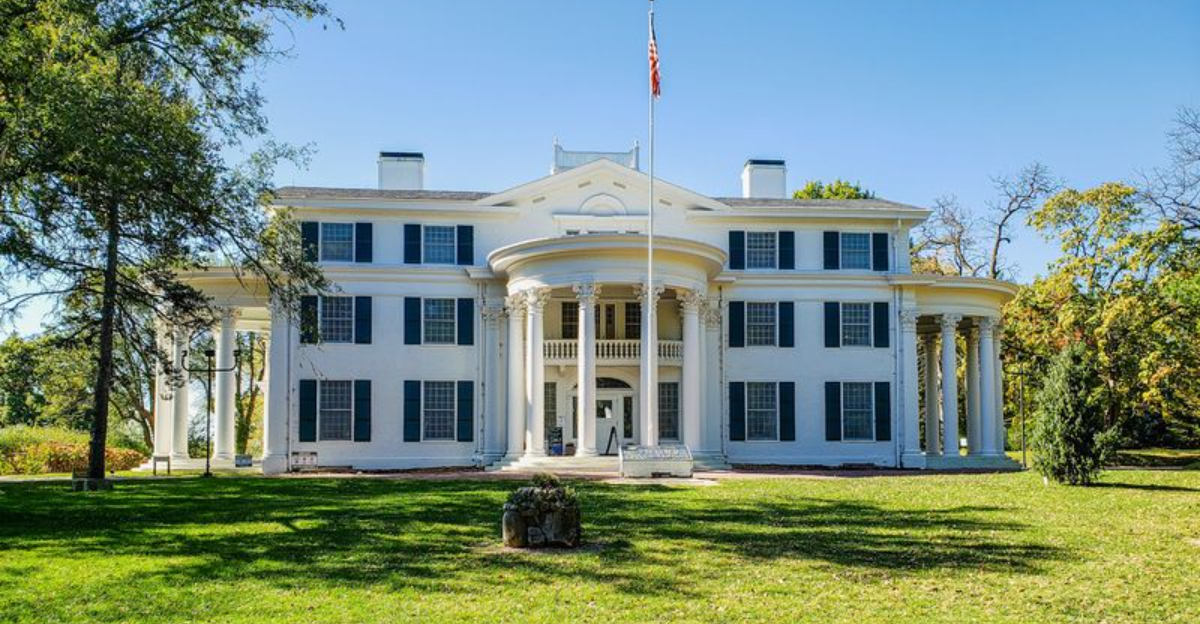
Arbor Lodge State Historical Park preserves the grounds and mansion of the Arbor Day founder and offers free or low-cost access to manicured gardens, wooded trails, and a restored Victorian estate.
The property covers more than sixty acres and tends to feel peaceful even on busy weekends, thanks to the generous amount of open space.
Seasons shift the character of the grounds significantly, with spring blooms and fall foliage both offering distinct visual experiences.
Downtown Nebraska City pairs well with a visit to Arbor Lodge, and the two destinations together fill a comfortable half-day without requiring significant spending.
Historic storefronts, a walkable grid of streets, and easy access from Omaha and Lincoln make Nebraska City one of the more practical day-trip destinations in the eastern part of the state.
8. Prague, A Czech-Rooted Nebraska Village
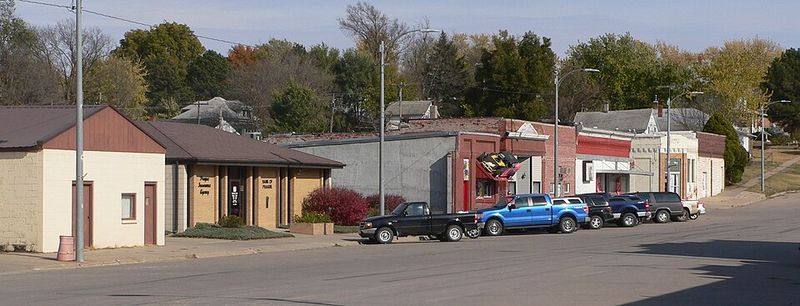
Just having the name Prague is enough to make any traveler do a double-take on the map, and the story behind this tiny Nebraska village genuinely earns the curiosity.
Czech settlers founded the community in the late 1800s and named it after the capital city they had left behind, carrying their homeland with them into the American plains in the most literal way possible.
Prague sits in Saunders County and remains one of the smallest communities on Nebraska’s Czech Heritage Corridor, a loose network of towns connected by shared Bohemian and Moravian immigrant history.
The village itself is quiet and rural, with a historic church and a handful of original structures that reflect the craftsmanship of the original settlers.
There are no major tourist attractions here, which is actually part of the appeal for travelers who prefer authentic over curated.
Stopping in Prague on a road trip through eastern Nebraska takes only a short detour, and the experience of standing in a place called Prague on the American plains carries a quiet novelty that is hard to replicate anywhere else.
The surrounding farmland stretches in every direction, making the village feel like a small cultural island in a sea of cornfields.
9. Red Cloud, Literary Village With Old-World Feel
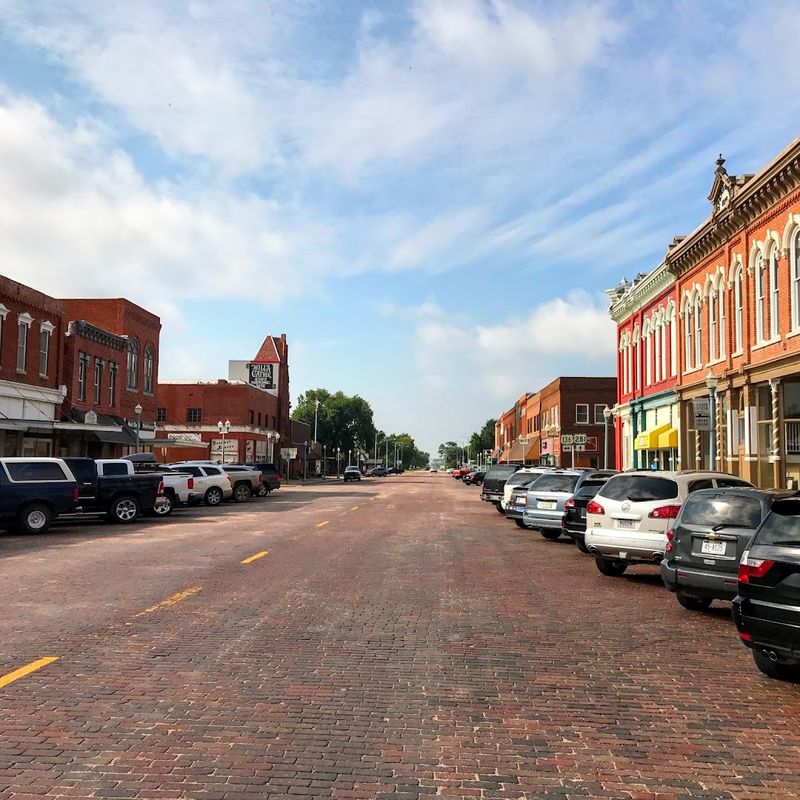
Red Cloud carries a literary reputation that extends well beyond Nebraska’s borders, largely because the landscape and community life here shaped the imagination of one of America’s most celebrated authors.
The town preserves that connection carefully, and the result is a place where history feels lived-in rather than staged. Webster County’s seat has a particular quality of stillness that makes it feel genuinely old-world.
The Willa Cather Foundation operates several historic sites throughout the town, including the Willa Cather Childhood Home which is open for guided tours and offers a detailed look at late nineteenth-century prairie life.
The foundation also maintains a walking trail connecting multiple historic properties throughout downtown, which visitors can explore at their own pace. The trail is free to walk and covers several blocks of well-preserved architecture.
Red Cloud’s downtown has retained much of its original built environment, including brick storefronts, a historic opera house, and residential streets lined with late Victorian homes.
The overall atmosphere rewards slow walking and close observation rather than rushing from one landmark to the next.
For travelers drawn to literary history, cultural preservation, or simply the texture of a genuinely old American town, Red Cloud offers a surprisingly rich and low-cost experience.
10. Brownville, River Village With An Artsy European Pace
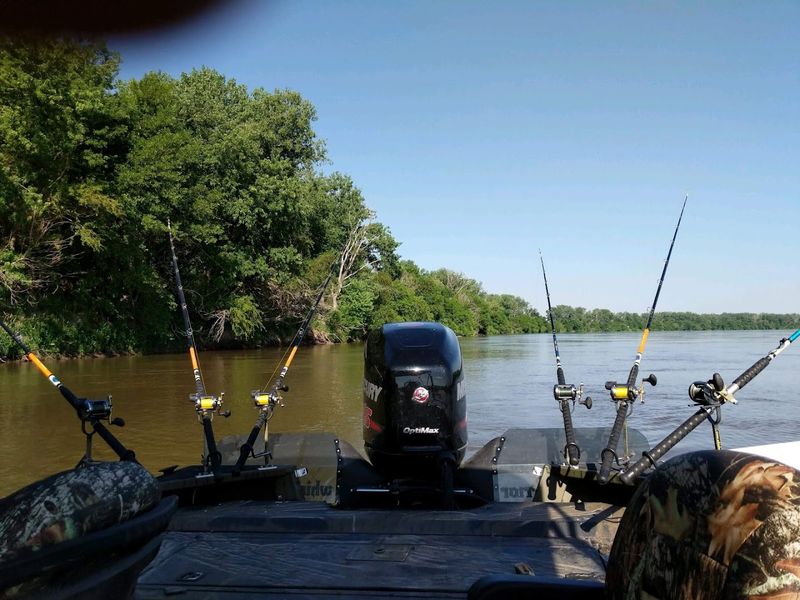
Sitting right on the Missouri River, Brownville holds the distinction of being one of Nebraska’s oldest towns, and the care that has gone into preserving its historic buildings gives the village a character that is rare in the region.
The streets are quiet, the scale is intimate, and the combination of art galleries, historic architecture, and river views creates an atmosphere that genuinely recalls small European river towns.
The village contains a concentration of nineteenth-century brick buildings that have been repurposed as galleries, studios, and small shops, giving Brownville an artsy, unhurried quality that sets it apart from more commercially oriented small towns.
Nemaha County’s landscape surrounds the village with bluffs and river bottomland that add natural beauty to the cultural experience.
The Missouri River is visible from several points in town, and the light on the water in the late afternoon tends to be particularly striking.
Brownville also hosts seasonal events including an arts and crafts fair that draws visitors from across the region.
Outside of event weekends, the village is exceptionally quiet and easy to explore on foot without a map or an agenda.
Admission to simply walk the streets and look at the buildings costs nothing, making Brownville one of the most accessible and atmospheric destinations in southeastern Nebraska.