This Tiny Georgia Town Makes It Easy To Forget What Year It Is
There is a certain kind of town that exists in complete defiance of the modern world.
No urgent energy, no construction noise, no sense that anything needs to happen faster than it currently is.
These places are getting harder to find, and when you stumble onto one that has actually managed to hold onto its character, you feel it immediately.
I was not looking for anything in particular when I pulled off the highway in Georgia. I was hungry, mildly curious, and operating on nothing more than instinct and a vague sense that the exit looked interesting.
What I found was a town that seemed genuinely unbothered by the century it was living in, and I mean that as the highest possible compliment.
The streets had personality. The buildings had history.
The locals had absolutely no interest in rushing anywhere. I stayed far longer than I intended, and I have been thinking about going back ever since.
A Postcard Someone Forgot To Mail
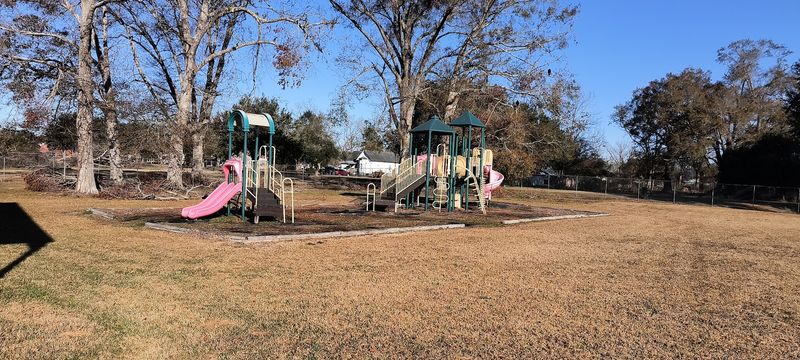
Alapaha, Georgia sits in Berrien County like a postcard someone forgot to mail. The address most visitors end up near is downtown Alapaha along US Highway 129, and the first thing you notice is how unhurried everything feels.
No traffic jams, no chain restaurants, no parking garages. Just wide sidewalks and buildings that have been standing since your grandparents were kids.
The town has a population of around 700 people, which means everybody waves when you drive past. That is not a figure of speech.
They actually wave. The kind of wave that makes you feel guilty for not knowing their names yet.
Alapaha was incorporated in 1859, and honestly, some corners of town look like the paperwork is still drying. That is meant as a compliment.
The preserved character here is not manufactured for tourists. It is just how the town has always been, and the locals seem perfectly happy keeping it that way.
If you are looking for a place that makes modern life feel optional, you just found it.
The Alapaha River
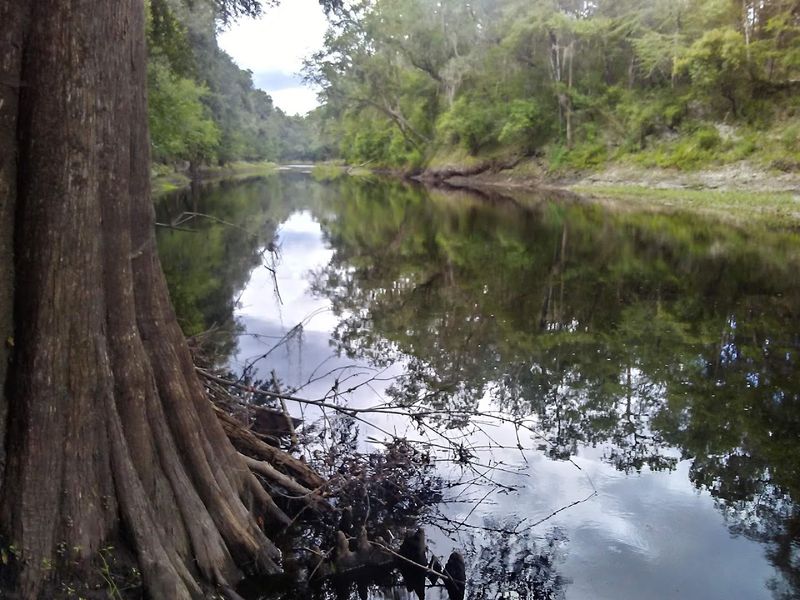
There is something almost unfair about how good the Alapaha River looks on a calm morning.
The water runs clear over sandy bottom, framed by cypress trees and Georgia pines that have been growing here longer than the town itself. It moves slowly, like it has nowhere better to be, and that attitude is contagious.
The river stretches roughly 150 miles through South Georgia, and the stretch near Alapaha is one of the most peaceful sections you can find.
Locals fish here regularly, and kayakers pass through during cooler months when the current is just lively enough to make it interesting without being reckless.
What makes this river feel different from more famous waterways is the silence. No motorboats roaring past, no crowded launch ramps.
Just the sound of water, birds, and the occasional splash of something living its best life beneath the surface. If you bring a fishing rod and a folding chair, you may not leave until the sun goes down.
Fair warning: the river has a way of making afternoon plans disappear completely.
Berrien County Courthouse
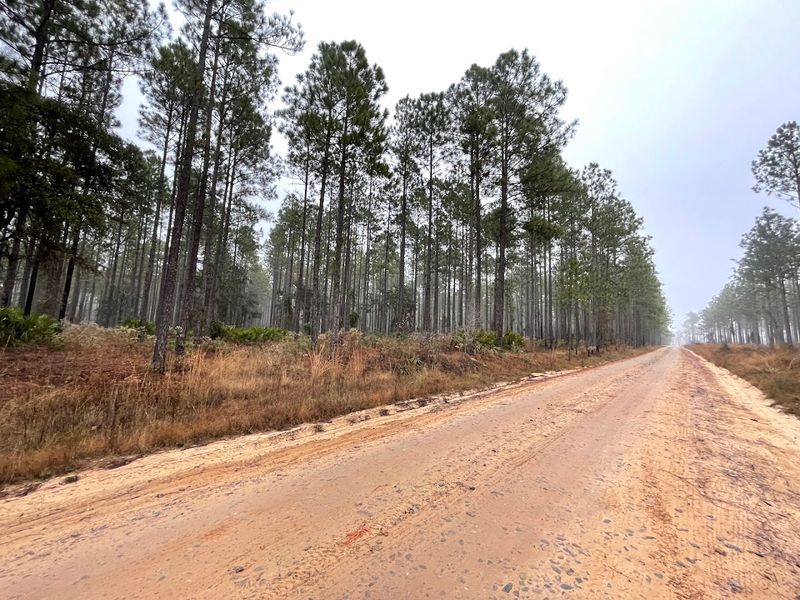
Old courthouses have a kind of gravity that newer buildings just cannot manufacture.
The Berrien County Courthouse in nearby Nashville, Georgia, the county seat just a short drive from Alapaha, is exactly the kind of building that makes you slow down and look twice.
Red brick, white columns, and a clock tower that actually tells the right time. It anchors the town square the way a good anchor should, without showing off.
The building carries genuine history. Berrien County was created in 1856, and the courthouse has witnessed more than a century of community life.
Local elections, town meetings, and everyday legal business have all passed through those doors. You can feel the weight of that when you stand in front of it.
Visitors often stop just to photograph it, and honestly, that is a reasonable choice. The surrounding square has benches, shade trees, and the kind of easy atmosphere that invites you to sit for a while.
Bring a book or just watch the town move around you. Either way, the courthouse is the kind of landmark that makes a small town feel genuinely rooted in something real.
Southern Home Cooking Traditions
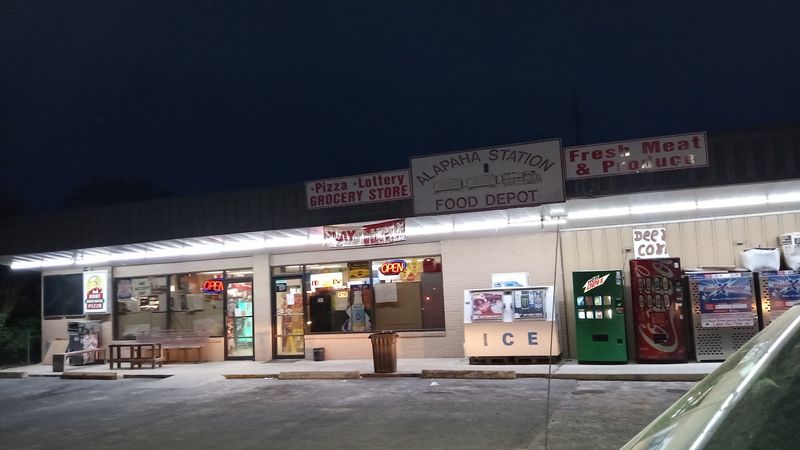
Food in Alapaha follows rules that were written long before anyone invented a food truck.
The cooking here is rooted in South Georgia tradition, which means portions are generous, vegetables are slow-cooked until they surrender, and cornbread is treated with the respect it deserves.
This is not fusion cuisine. This is the real thing.
Local diners and home kitchens around town put out meals that taste like someone actually cared about making them.
Fried chicken with a crust that holds together, butter beans cooked with fatback, and sweet tea cold enough to fog the glass.
The kind of meal that makes you need a nap afterward, and you are completely at peace with that outcome.
Eating in this part of Georgia is also a social event. Conversations happen between tables.
Someone will ask where you are from. Someone else will recommend a back road you should take on your way home.
The food is the reason you sit down, but the company is the reason you stay. Southern hospitality is not a marketing strategy here.
It is just Tuesday.
Rural Georgia Architecture
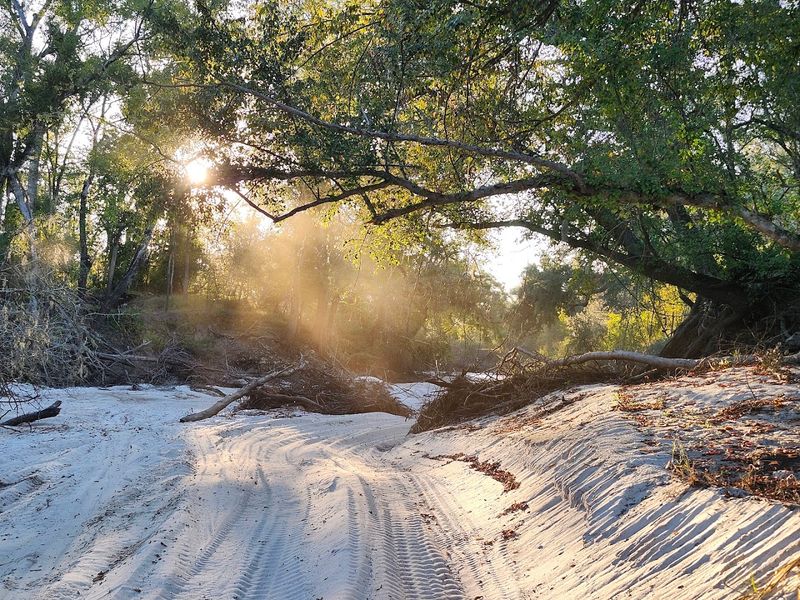
Walking through Alapaha feels like someone paused a film from the 1940s and forgot to press play again.
The architecture tells the story without needing a tour guide.
Storefronts with original facades, old brick that has faded to exactly the right shade of dusty rose, and screen doors that actually bang shut the way screen doors are supposed to.
South Georgia rural architecture has a distinct personality. Buildings were built to last and to function, not to impress.
Wide front porches, tin roofs, and windows placed to catch the breeze before air conditioning existed. The practical decisions made a hundred years ago accidentally created something beautiful.
What is striking is how much of it is still standing and still in use. These are not museum pieces behind velvet ropes.
They are hardware stores and barbershops and family-owned businesses that have operated in the same location for decades.
Preservation here happened not because of historic boards or grant money, but because nobody saw a reason to tear anything down. Sometimes the best preservation plan is simply not being in a hurry to change things.
South Georgia Wildlife And Nature
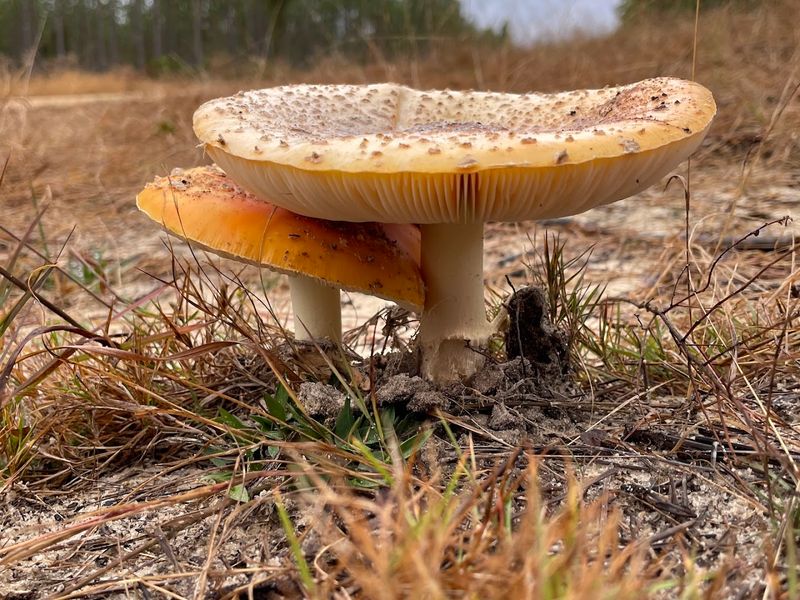
The land around Alapaha is alive in ways that city people genuinely forget are possible.
South Georgia sits within one of the most biodiverse regions in the southeastern United States, and the natural landscape around town reflects that without trying to make a big deal about it.
You just step outside and there it is.
Deer move through fields at dusk like they own the place, because honestly, they do. Great blue herons stand in roadside ditches with the patience of someone who has never heard of a deadline.
Red-tailed hawks circle overhead with an attitude that suggests they find the whole situation beneath them.
The variety of birdlife alone is enough to keep a pair of binoculars busy for a full day.
The longleaf pine ecosystem that once covered much of this region is still partially visible in patches around Berrien County.
That ecosystem supports gopher tortoises, indigo snakes, and dozens of plant species found almost nowhere else.
Seeing a gopher tortoise cross a dirt road near Alapaha is the kind of moment that makes you put your phone down and just watch. Nature here does not need a filter.
Small-Town Community Events
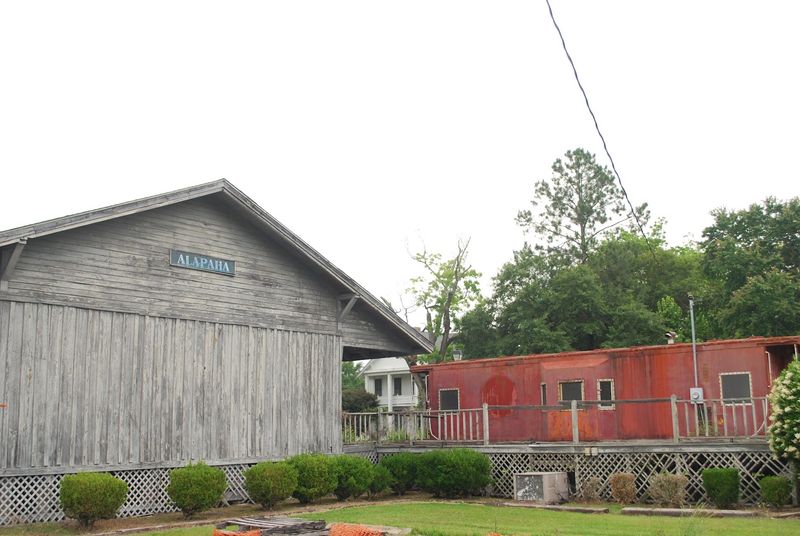
Small towns earn their character through what they celebrate, and Alapaha takes that seriously. The community gathers for local events throughout the year with the kind of enthusiasm that larger cities spend millions trying to manufacture.
People show up because they want to, not because there is nothing else on television.
Berrien County has a history of agricultural festivals and community gatherings that bring residents together in ways that feel genuinely warm. Homemade food, local crafts, kids running loose, and adults catching up with neighbors they have known their entire lives.
The energy is relaxed but real. Nobody is performing for an audience.
Everyone is just there.
For visitors, attending one of these events is the fastest way to understand what makes Alapaha tick. You will leave knowing more people than you expected and probably carrying something homemade in a paper bag.
The events are not polished productions. They are community rituals, and the difference matters more than it sounds.
When a town has been doing the same celebration for decades, the joy in it is completely unforced. That kind of authenticity is genuinely hard to find anywhere else.
The Pace Of Life In Alapaha

Nobody here seems to be running late, and after about twenty minutes in Alapaha, you start to wonder if you have been doing time wrong your whole life.
The pace of daily life in this town is not slow because nothing is happening. It is slow because people have decided that rushing is optional, and they have stuck with that decision for generations.
Conversations last longer than you expect. Errands take more time because someone always has something worth saying.
The barber, the cashier, the person filling up at the gas station next to you, they all operate on a timeline that prioritizes the moment over the schedule. It is disorienting in the best possible way.
Spending even a few hours in Alapaha recalibrates something in your nervous system. You drive home slower.
You notice things you usually miss. The town does not offer a spa or a wellness retreat.
It just offers the thing those places are trying to recreate, which is the feeling that right now is enough.
That is a harder thing to sell than a candle or a subscription box, but Alapaha gives it away for free to anyone who shows up and pays attention.