14 California Scenic Walks That Do Not Take Long But Still Deliver Big Views
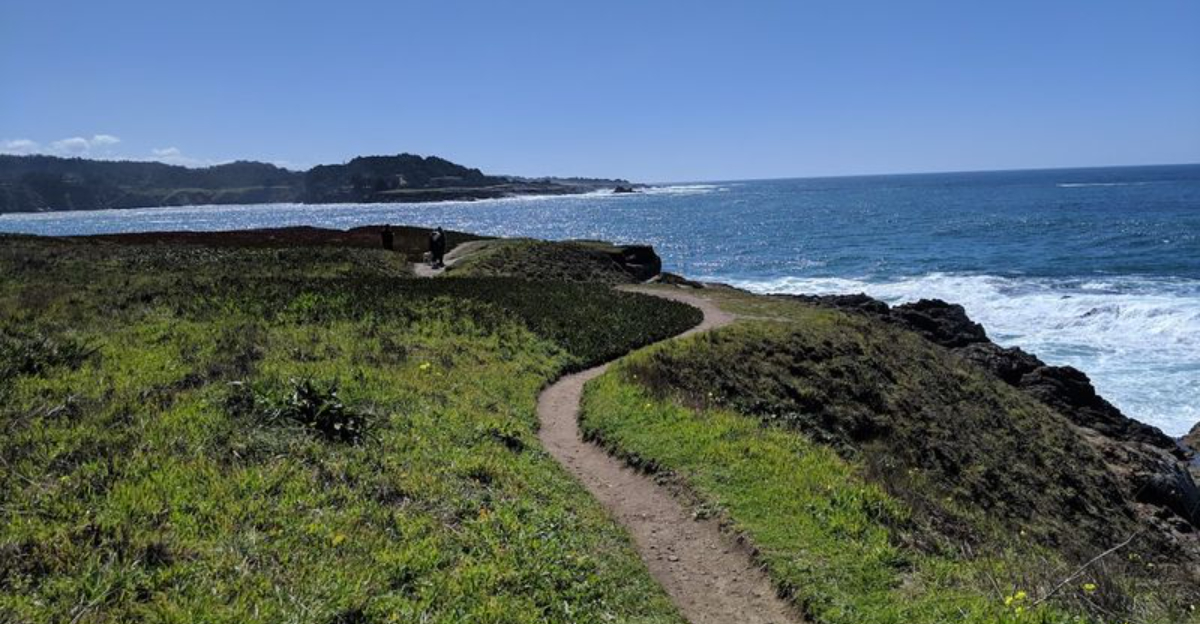
Not every scenic walk needs to turn into a whole athletic identity.
Sometimes you just want a pretty path, a big view, and enough time left afterward to get lunch. That is fair. California is generous with walks that deliver the “wow” part early.
No backpack full of survival gear or heroic mileage. There’s no pretending a casual stroll is secretly a mountain expedition either.
You show up. You wander a little. Then the view appears and suddenly everyone starts taking the same photo from six slightly different angles.
That is the sweet spot. Quick, beautiful, low-pressure, and still impressive enough to make the day feel like you did something.
1. Torrey Pines Beach Trail, San Diego
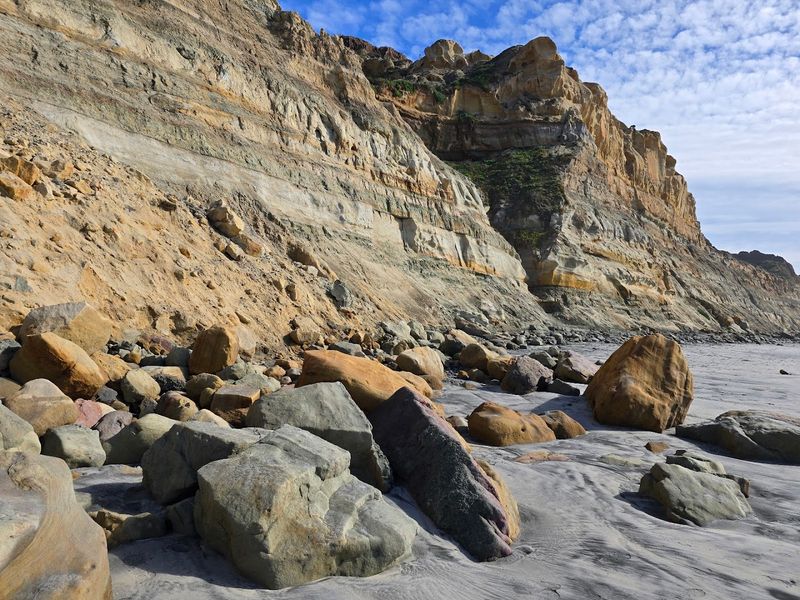
Few places in Southern California pack this much coastal drama into such a short walk.
The Torrey Pines Beach Trail winds down from the bluffs of Torrey Pines State Natural Reserve toward the wide sandy beach below, offering walkers a stunning transition from rugged cliffside terrain to open shoreline.
The trail is relatively short and easy to follow, making it a solid choice for families or anyone who wants ocean air without a strenuous climb.
Along the way, the views of the Pacific stretch far and wide, and the layered sandstone cliffs glow in warm shades of orange and rust, especially in the late afternoon light.
The reserve itself protects one of the rarest pine trees in North America, the Torrey pine, which adds a unique natural backdrop to the coastal scenery.
Comfortable walking shoes with some grip are recommended since the sandy path can shift underfoot.
2. Morro Rock Beach Boardwalk, Morro Bay
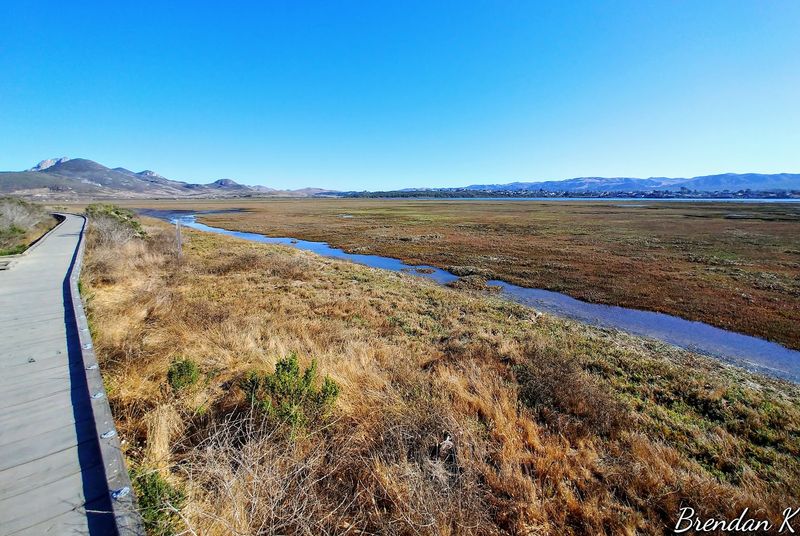
Standing 576 feet tall and rising straight out of the water, Morro Rock is one of the most recognizable landmarks along the California coast.
The boardwalk that runs along the beach near this volcanic plug gives walkers an easy and flat path with front-row views of the rock and the surrounding bay.
The walk itself is short and suitable for all ages, and the scenery does most of the heavy lifting.
Morro Bay has a laid-back, small-town atmosphere that makes the whole visit feel relaxed and unhurried.
Shorebirds are common along the waterfront, and the area is known for its healthy population of sea otters that can sometimes be spotted floating in the bay.
The combination of wildlife, water, and that dramatic rock formation makes this one of the most visually interesting short walks on the Central Coast.
Morro Rock itself is protected as a state landmark and cannot be climbed, but the views from the base are more than enough to make the stop worthwhile.
3. Fiscalini Ranch Bluff Trail, Cambria
Tucked along the Central Coast between San Simeon and Cayucos, Cambria is a quiet town that tends to fly under the radar compared to its more famous neighbors.
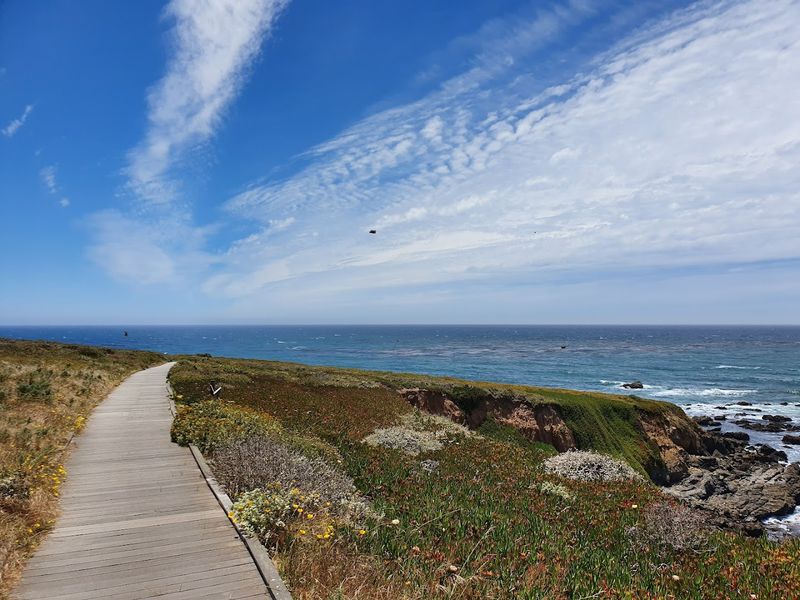
The Fiscalini Ranch Bluff Trail runs along a protected stretch of coastal land that was saved from development by the local community, which gives the whole walk a sense of earned beauty.
The trail is mostly flat and follows the bluff edge for about a mile and a half, offering sweeping views of the Pacific the entire way.
Wildflowers bloom along the path in spring, and the grassy bluffs have a soft, rolling quality that feels almost like a painting.
Marine mammals including harbor seals can sometimes be spotted below on the rocks, and the area is known for good bird watching throughout the year.
The trail connects to additional paths that wind through forested sections of the ranch, giving walkers the option to extend the outing if time allows.
Dogs are welcome on leash, which makes it a popular spot for locals and visiting pet owners.
4. Bodega Head Trail, Bodega Bay
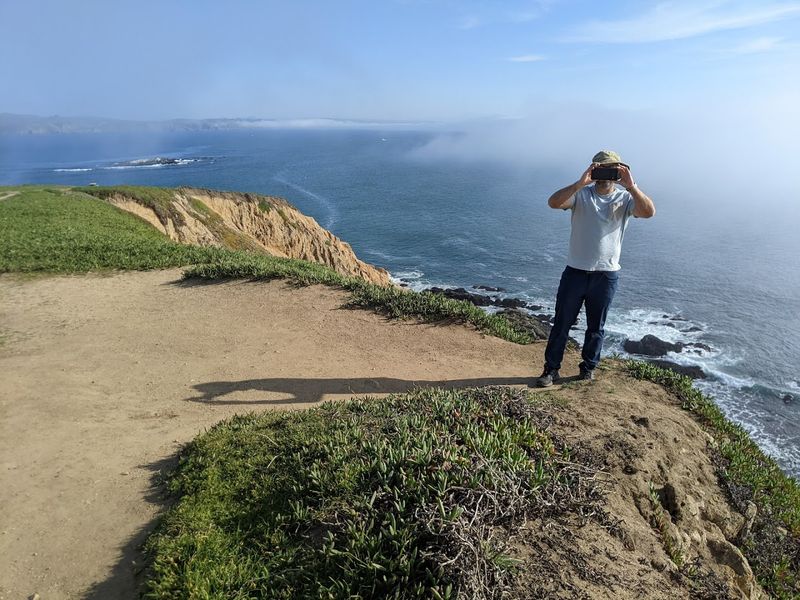
Bodega Head is a rugged peninsula that juts out into the Pacific just north of the town of Bodega Bay, and the short loop trail around its tip is one of those rare walks that delivers an outsized reward for minimal effort.
The path circles the headland and offers views in nearly every direction, from the open ocean on one side to the sheltered bay on the other. On clear days the scenery stretches for miles.
The headland is part of Sonoma Coast State Park and is known as one of the best spots in the region for watching gray whales during their annual migration from December through April.
Harbor seals haul out on the rocks below the bluffs, and the area supports a wide variety of seabirds throughout the year.
Wildflowers carpet the headland in spring, adding bursts of color to the already striking landscape.
The trail surface is mostly packed dirt and gravel with some rocky sections near the bluff edge, so shoes with a bit of grip are useful.
5. Pfeiffer Falls Trail, Big Sur
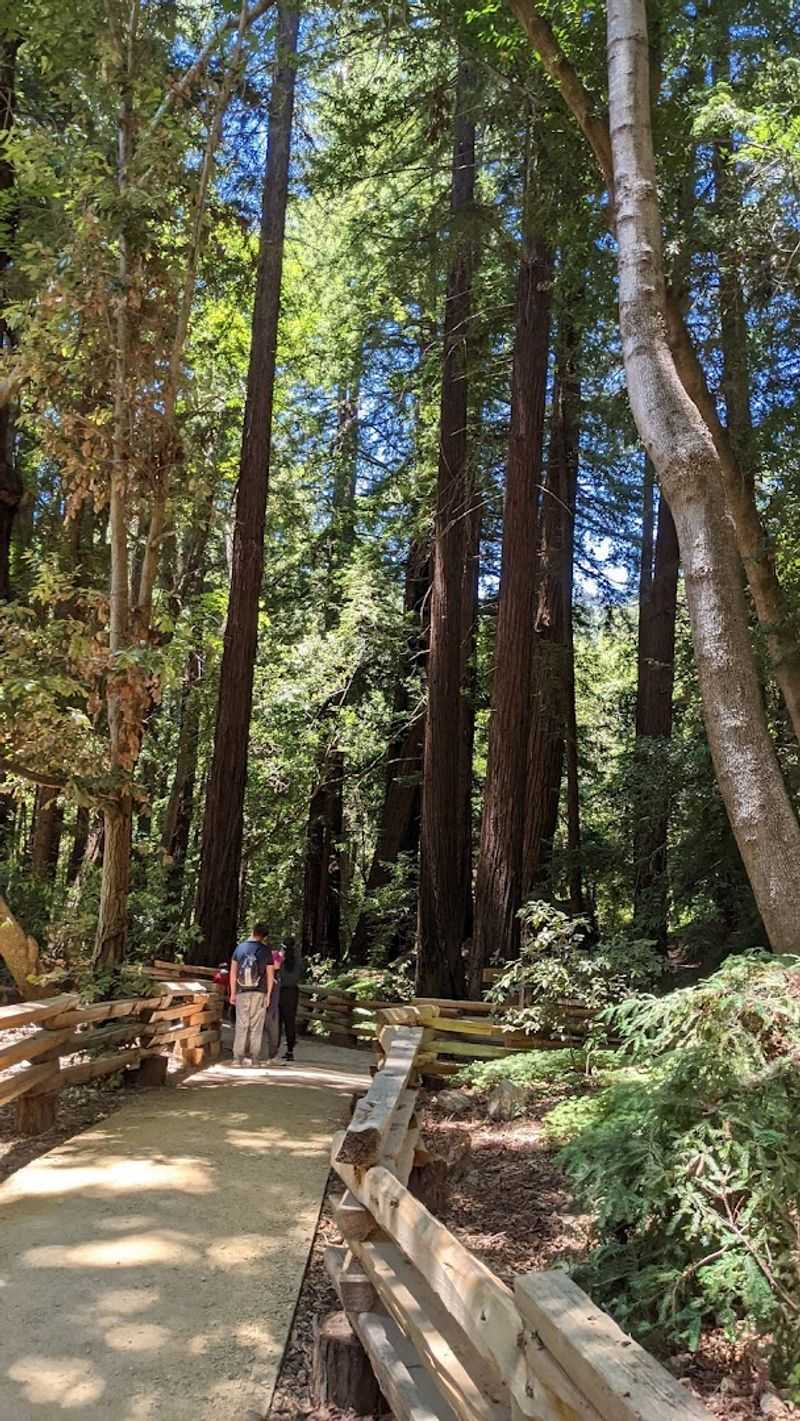
Big Sur is famous for its dramatic coastal highway and sweeping ocean vistas, but some of its most magical scenery is found inland among the redwoods.
The Pfeiffer Falls Trail in Pfeiffer Big Sur State Park leads through a shaded canyon filled with coast redwoods, big-leaf maples, and ferns before arriving at a delicate 60-foot waterfall that drops into a mossy grotto.
The round trip is under two miles and the elevation gain is gentle enough for most visitors.
The trail is at its most impressive in winter and early spring when rainfall keeps the waterfall flowing strongly.
Summer visits are still pleasant due to the shade provided by the forest canopy, though the falls may be reduced to a trickle by late in the dry season. The sound of the creek running alongside the path adds a calming quality to the whole experience.
Pfeiffer Big Sur State Park charges a day-use fee and is located along Highway 1 in the heart of Big Sur.
6. Lower Yosemite Fall Trail, Yosemite Valley
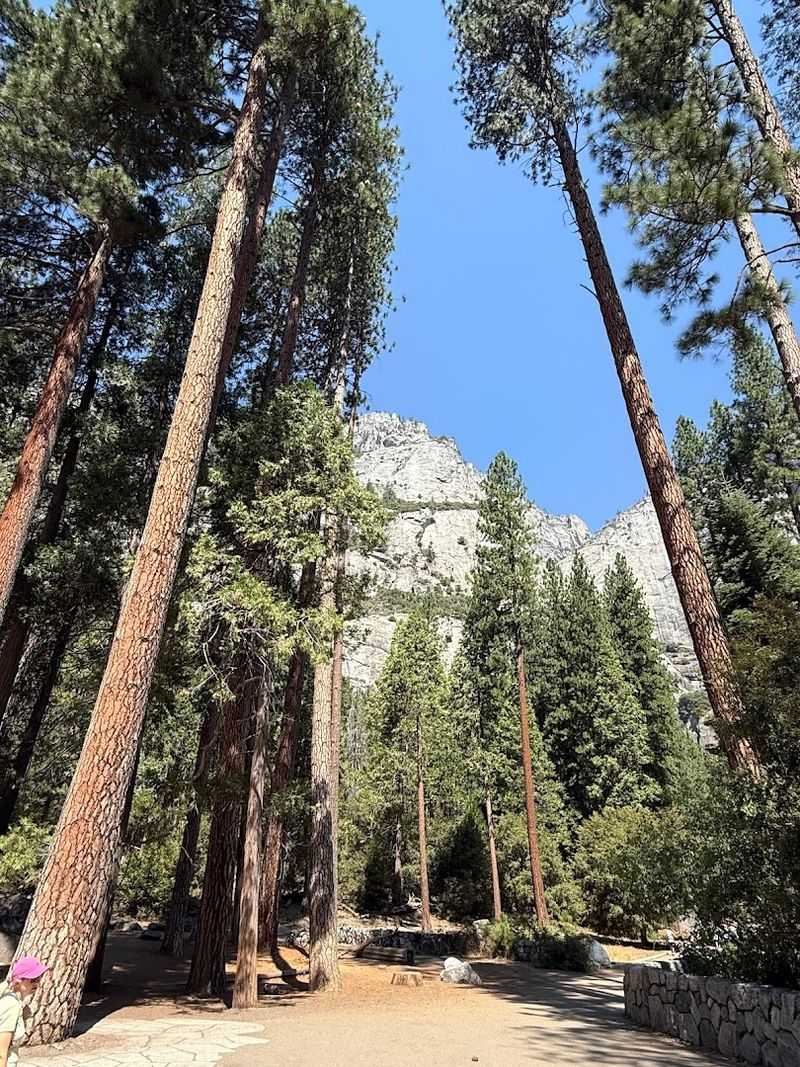
While Yosemite National Park can feel overwhelming with its scale and its crowds, the Lower Yosemite Fall Trail offers one of the park’s most iconic views with very little effort required.
The paved loop is just about one mile long and leads directly to the base of Lower Yosemite Fall, which is the bottom section of the tallest waterfall in North America at a combined height of 2,425 feet.
The trail is accessible to strollers and wheelchairs for most of its length, making it one of the most family-friendly options in the valley.
Spring is the best time to visit when snowmelt keeps the falls thundering, while the flow slows considerably by late summer and the falls may stop entirely in dry years.
Even without strong water flow, the surrounding granite walls and forest setting make the walk worthwhile.
The trailhead is located near Yosemite Valley Lodge and is easy to reach by the free valley shuttle system, which helps reduce parking stress significantly.
7. Zumwalt Meadow Trail, Kings Canyon National Park
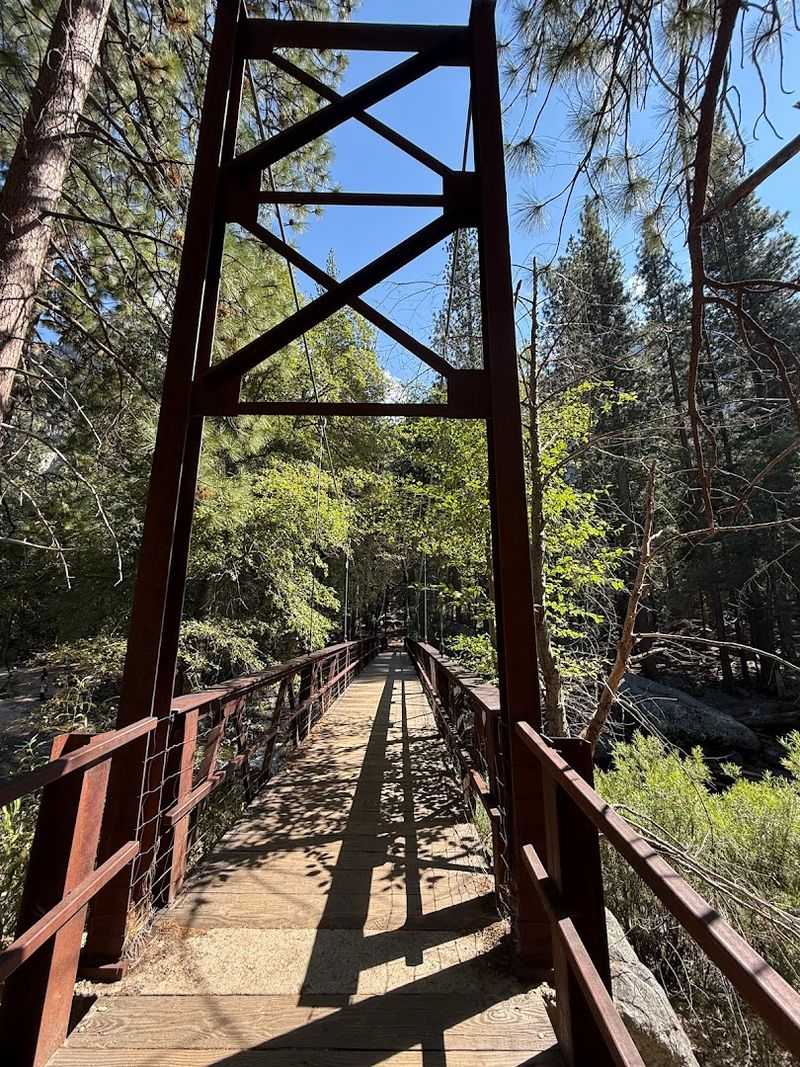
The loop trail is just under two miles and winds through a lush river meadow along the Kings River, surrounded on all sides by some of the tallest canyon walls in North America.
The scale of the granite cliffs rising above the flat meadow floor creates a sense of being at the bottom of something enormous.
The trail crosses the river on a footbridge and moves through a mix of open meadow and shaded forest, offering a pleasant variety of terrain and light throughout the walk.
Wildlife including black bears, mule deer, and river otters have been spotted in and around the meadow, though sightings are never guaranteed.
The reflections of the canyon walls in the calm sections of the Kings River can be particularly striking on still mornings.
The trailhead is located near the end of Kings Canyon Scenic Byway, about six miles east of the Cedar Grove Village area.
8. Congress Trail Short Loop, Sequoia National Park
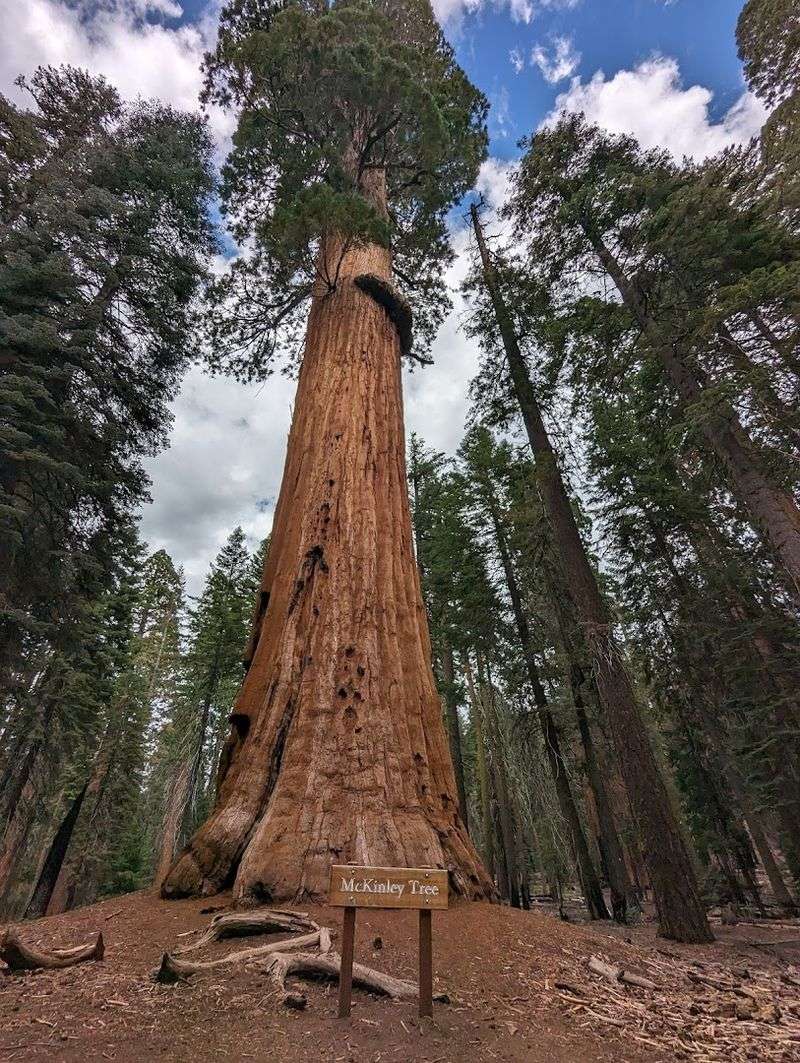
Walking among the giant sequoias of Sequoia National Park is one of those experiences that tends to shift perspective in a quiet but lasting way.
The Congress Trail is a paved loop of about two miles that passes through one of the densest concentrations of giant sequoias anywhere on earth, including the General Sherman Tree, which holds the title of the largest living tree by volume in the world.
The sheer size of these trees takes a moment to fully register even when standing directly in front of them.
Named groups of trees along the route include the Senate and House clusters, which add a bit of historical flavor to the walk.
The forest floor is carpeted with ferns and fallen cones, and the filtered light through the canopy gives the whole area a cathedral-like quality.
Sequoia National Park is located in the southern Sierra Nevada and is open year-round, though winter snow can make some areas more challenging to access.
9. Bumpass Hell Overlook Area, Lassen Volcanic National Park
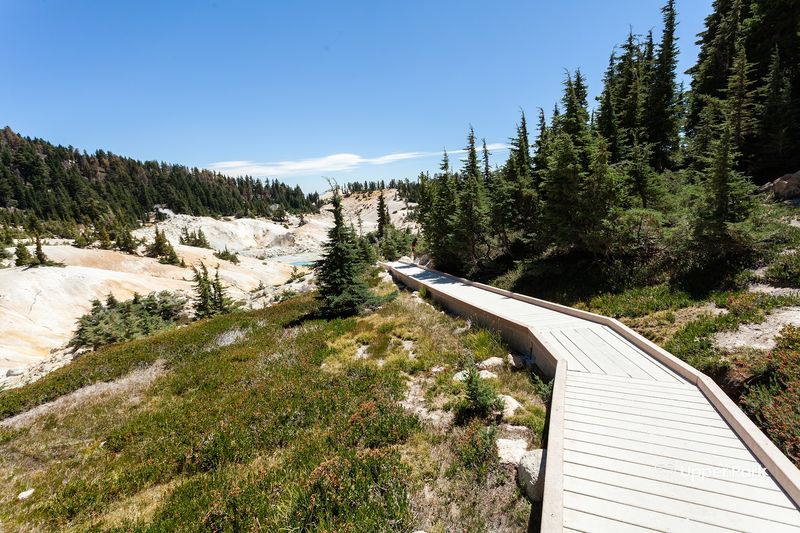
This is one of the least visited national parks in the contiguous United States, which means the dramatic hydrothermal landscape of Bumpass Hell can often be explored in relative quiet.
The trail to Bumpass Hell is about three miles round trip with some elevation change, but even a short walk toward the overlook area gives visitors a clear view of the steaming vents, boiling mud pots, and bright mineral-stained ground below.
The landscape looks unlike almost anything else in California.
Bumpass Hell is the largest hydrothermal area in the park and sits in a collapsed volcanic basin filled with fumaroles and acidic hot springs.
The smells of sulfur are noticeable and the sounds of bubbling and hissing add to the otherworldly atmosphere.
Staying on the boardwalk and designated trail is essential since the ground around the hydrothermal features is dangerously thin and unstable.
10. Hidden Valley Nature Trail, Joshua Tree National Park
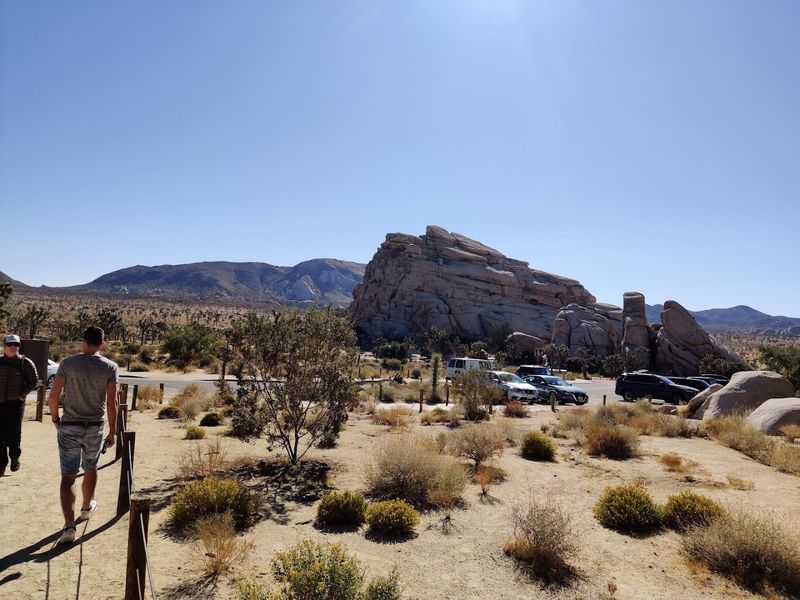
Hidden Valley in Joshua Tree National Park has the feel of a secret room hidden inside a maze of boulders, and the short nature trail that loops through it is one of the most charming walks in the entire park.
The loop is just about one mile long and winds through a natural enclosure of massive granite rock piles that once sheltered a legendary cattle-rustling operation in the 1800s, though the story is more folklore than confirmed history.
The Joshua trees growing inside the valley have a sculptural quality that makes them feel almost intentional.
The trail surface is sandy and rocky in sections, and the boulders surrounding the valley are popular with rock climbers of all skill levels.
Birding can be surprisingly good inside the valley due to the sheltered environment, and the morning light on the rocks creates warm golden tones that photographers tend to seek out.
The enclosure also provides a bit of wind protection which makes it a pleasant spot even on blustery desert days.
11. Borrego Palm Canyon Short Walk, Anza-Borrego Desert State Park
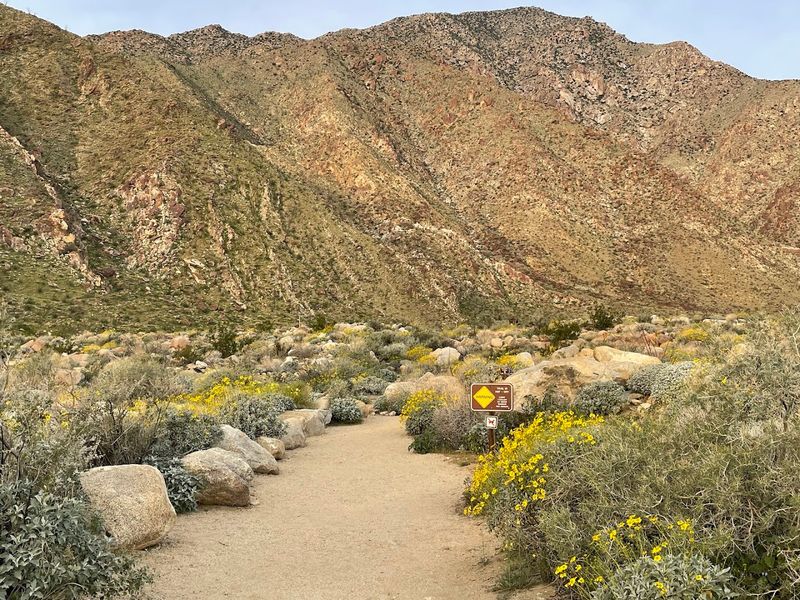
California fan palms are the only palm trees native to California, and one of the most accessible places to see them growing wild is along the Borrego Palm Canyon trail in Anza-Borrego Desert State Park.
The short walk into the canyon covers about three miles round trip but the first palm grove appears well before the halfway point, making even a partial walk rewarding for visitors with limited time.
The palms cluster around a seasonal stream and the contrast between the lush green fronds and the dry desert canyon walls is visually striking.
Anza-Borrego is the largest state park in California and the surrounding landscape is vast and open, giving the whole area a sense of space that feels different from most other parks in the state.
Bighorn sheep are occasionally spotted on the rocky slopes above the canyon, and the park is well known for exceptional dark skies and wildflower blooms in years with good winter rainfall.
The campground near the trailhead has a visitor center with helpful information about current trail conditions.
12. Mendocino Headlands Trail, Mendocino
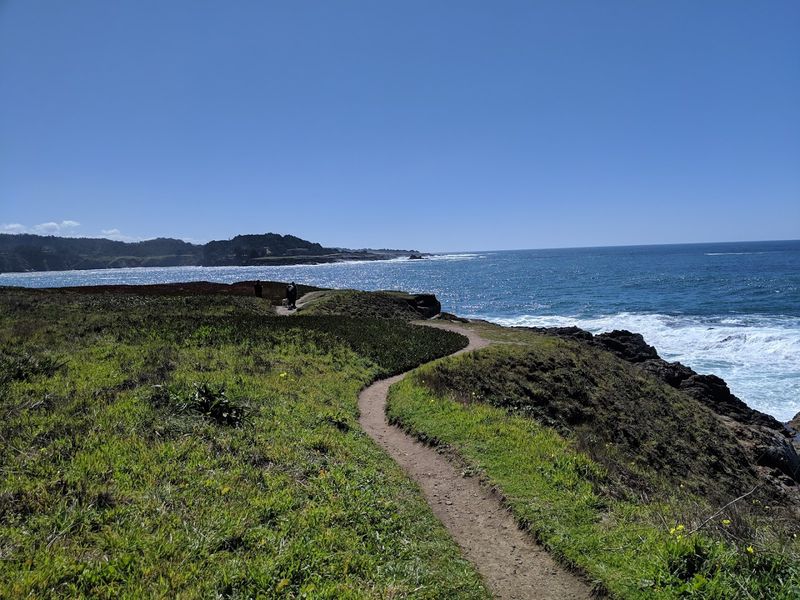
The town of Mendocino sits on a headland surrounded almost entirely by the Pacific Ocean, and the trail that loops around those headlands is one of the most dramatic short walks in all of Northern California.
Rocky sea arches, blowholes, and wave-carved coves line the edge of the bluffs, and the trail winds close enough to the edge that the views feel genuinely thrilling without requiring any technical skill or fitness level beyond a casual walk.
Gray whales pass through the area during their seasonal migrations, and the headlands offer some of the best land-based whale watching on the coast during winter and spring.
The trail itself is mostly unpaved and can be uneven in spots, so sturdy shoes are helpful. The loop covers a few miles total but can be done in sections depending on how much time is available.
Mendocino is a small historic town with a Victorian-era character that adds to the overall charm of a visit.
13. Point Lobos Cypress Grove Trail, Carmel-by-the-Sea
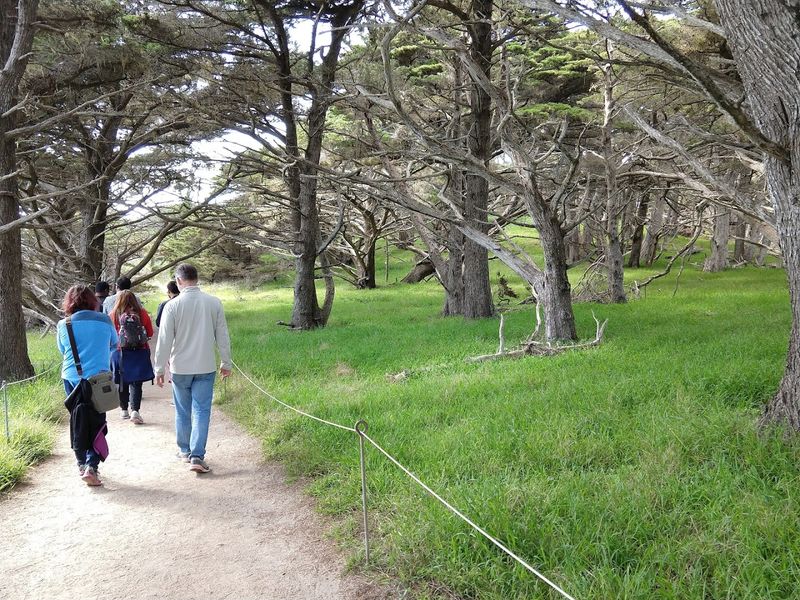
Often called one of the greatest meetings of land and sea anywhere in the world, Cypress Grove Trail is the most iconic short walk within it.
Ancient Monterey cypress trees cling dramatically to the rocky bluffs above the ocean, their wind-sculpted shapes creating a scene that looks almost surreal.
The trail is under a mile long and loops through the grove while offering constant views of the blue-green waters below.
Sea lions, harbor seals, and sea otters are commonly spotted from the bluffs, and the underwater visibility in the coves below is so exceptional that the area is popular with scuba divers as well as hikers.
The reserve is located just south of Carmel-by-the-Sea along Highway 1, and the entrance is well marked.
The trail surface is relatively easy but the bluff edges are exposed, so staying on the path is important for both safety and habitat protection.
14. Razor Point Trail, Torrey Pines State Natural Reserve
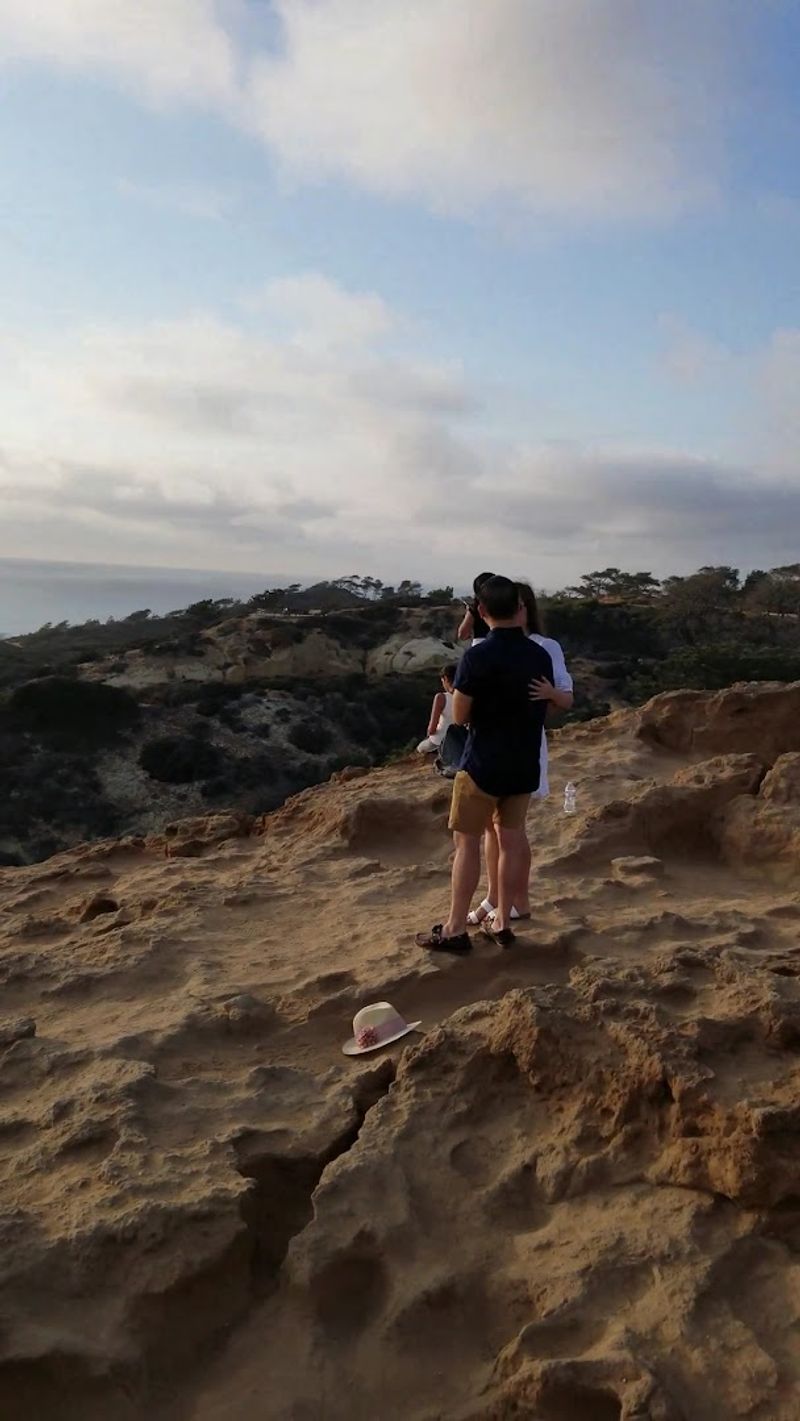
The path leads through a landscape of eroded sandstone formations in shades of red, orange, and cream before arriving at a viewpoint where the cliffs drop sharply toward the ocean below.
The combination of the sculpted geology and the coastal panorama makes this one of the most photogenic spots in the entire Torrey Pines reserve.
The trail to Razor Point is about two miles round trip from the visitor center and involves some gentle ups and downs along the bluff.
The reserve is home to the rare Torrey pine tree, which grows naturally in only two places in the world: this reserve and Santa Rosa Island off the Santa Barbara coast.
Walking among these gnarled, wind-shaped trees adds a botanical layer of interest to what is already a visually rich experience.