Florida Has 18 Small Towns And Cities So Genuinely Beautiful That Every Single One Deserves A Longer Stay
Quiet streets wind through neighborhoods filled with tall and leafy trees. Every corner reveals a new reason to stop and take photos.
Florida contains small cities that look like they belong in movies. I love walking through towns that have a strong local identity.
Could these charming spots be the best places to live now? Lush gardens grow beside historic homes with wide and breezy porches.
You will want to unpack your bags and stay forever here. Each sunrise brings a fresh perspective on what beauty truly means.
These destinations offer a peaceful pace that calms every tired soul. Explore the magic hidden within these small and sunny borders.
1. Seaside, Florida Panhandle
You might not believe me, but a town designed from scratch in the 1980s can still feel like it has been around forever.
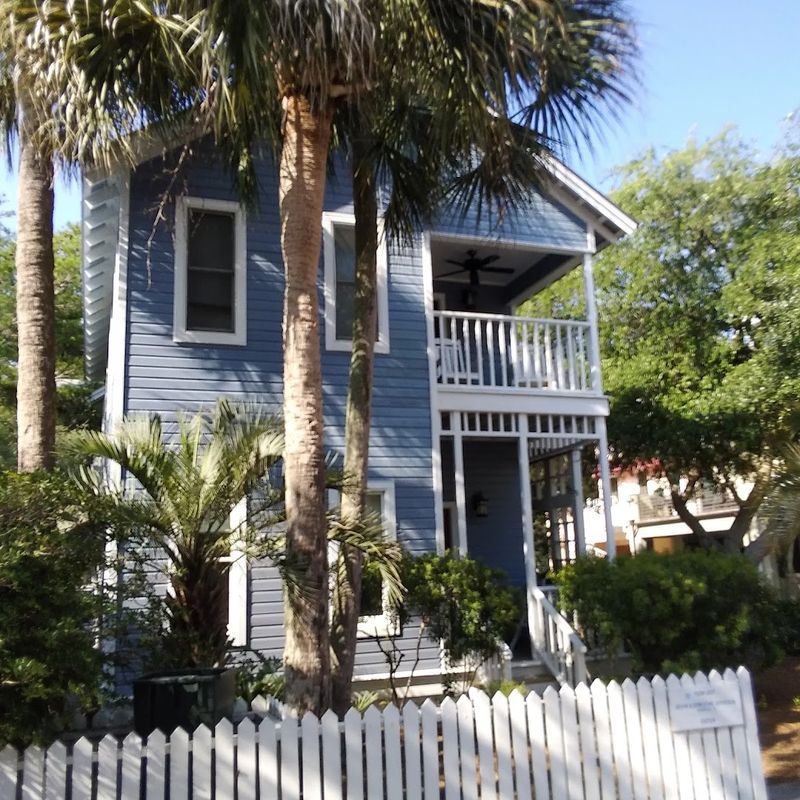
Seaside sits along the Emerald Coast of the Florida Panhandle. Its pastel cottages, white picket fences, and pedestrian-friendly layout make it look like a living postcard.
The sugar-white sand here is some of the finest in the entire state. Walking barefoot from your rental to the Gulf is a two-minute ritual you will repeat every morning.
The town green hosts outdoor markets and live music throughout the warmer months.
Seaside was actually the filming location for the 1998 movie “The Truman Show.” That bit of trivia makes every stroll feel slightly cinematic. Rent a bike, grab a crepe from one of the food trucks, and let the afternoon disappear on you.
2. Cedar Key, Gulf Coast Florida
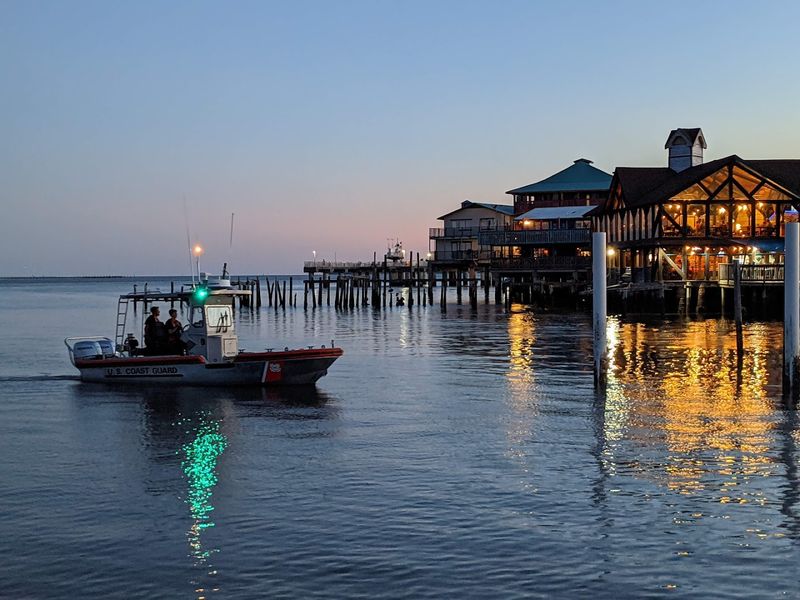
Can you believe a tiny island cluster with no traffic lights and fewer than 700 residents can be one of the most captivating stops in Florida?
Cedar Key hangs off the Gulf Coast, reachable by a single highway that cuts through marshland. The approach alone sets the mood before you even arrive.
Clam farming is the economic backbone here, replacing the logging and pencil-making industries of the 1800s.
Cedar Key Historical Society Museum at 609 2nd Street tells that whole surprising story in a compact but fascinating building. Waterfront restaurants serve fresh clams in ways that will permanently change your opinion of the mollusk.
The National Wildlife Refuge surrounding the islands draws birdwatchers from across the country. Kayaking through the sea grass flats at low tide is one of the quietest, most meditative experiences on Florida’s coast.
3. Apalachicola, Florida Panhandle
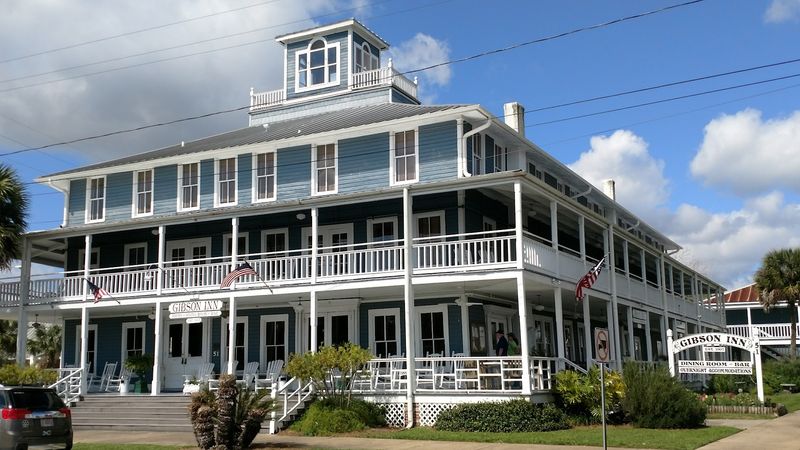
Who would have thought that a tiny oyster town on the Florida Panhandle could hold this much history and raw coastal beauty?
Apalachicola sits where the Apalachicola River meets the Gulf of Mexico. The town has been a working port since the 1820s, and that heritage is visible in every brick facade downtown.
The bay here is one of the most productive estuaries in North America. Local seafood restaurants serve oysters harvested just miles away, and the freshness is impossible to fake.
The historic district feels unhurried in the best possible way.
Trinity Episcopal Church, built in 1838, is one of the oldest churches in Florida. The town also celebrates its oystering roots every November at the Florida Seafood Festival.
4. Fernandina Beach, Amelia Island
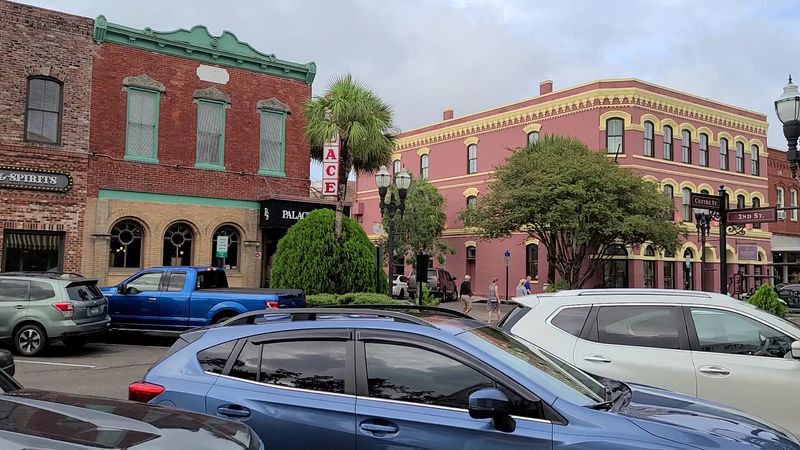
I never would have guessed that a small barrier island town in northeast Florida could pack in this much architectural charm and seafood history.
Fernandina Beach anchors the northern tip of Amelia Island, just south of the Georgia border. The town claims to have been ruled by eight different flags over the centuries, which is a genuinely wild claim to fame.
Centre Street is the main drag, lined with Victorian storefronts, independent bookshops, and restaurants built inside historic buildings.
The shrimping fleet still operates out of the harbor, making this one of the last working shrimp boat communities in Florida. Watching the boats return at dawn is worth setting an early alarm.
Fort Clinch State Park at 2601 Atlantic Ave sits at the northern edge of the island, offering Civil War-era reenactments and pristine Atlantic beaches.
5. St. Augustine, Northeast Florida
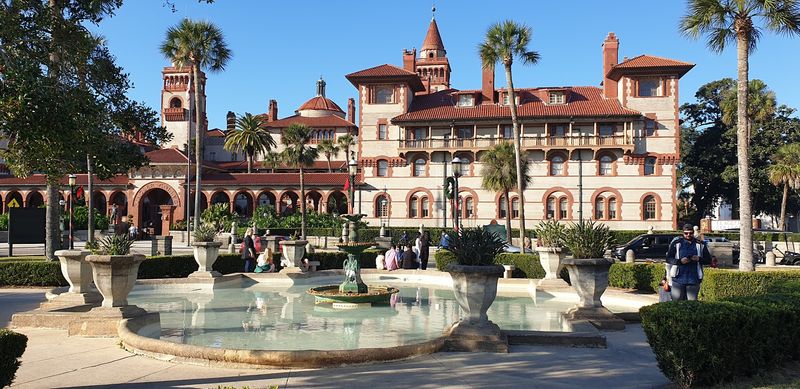
Founded in 1565, this northeast Florida city holds the title of the oldest continuously occupied European settlement in the entire United States.
St. Augustine sits between the Matanzas River and the Atlantic Ocean, giving it a geography as dramatic as its history. The old city grid was laid out by Spanish colonizers, and it still shapes every walk you take today.
Castillo de San Marcos at 11 S Castillo Dr is the centerpiece, a coquina stone fortress that has never been taken by force. The Flagler College campus at 74 King St, housed in what was once a grand Gilded Age hotel, is worth an extended wander.
The town is compact enough to explore entirely on foot over two days. Ghost tours run nightly through the narrow lanes, and the stories are surprisingly well-researched.
6. Mount Dora, Central Florida
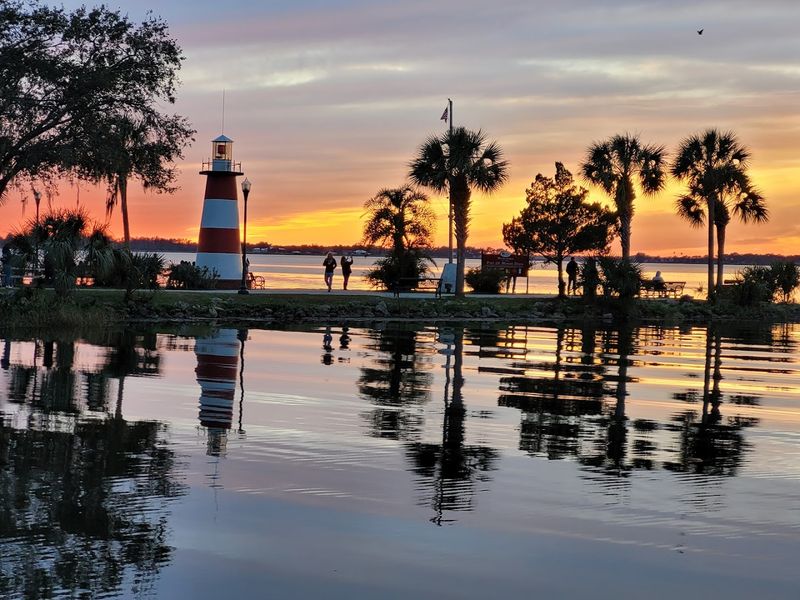
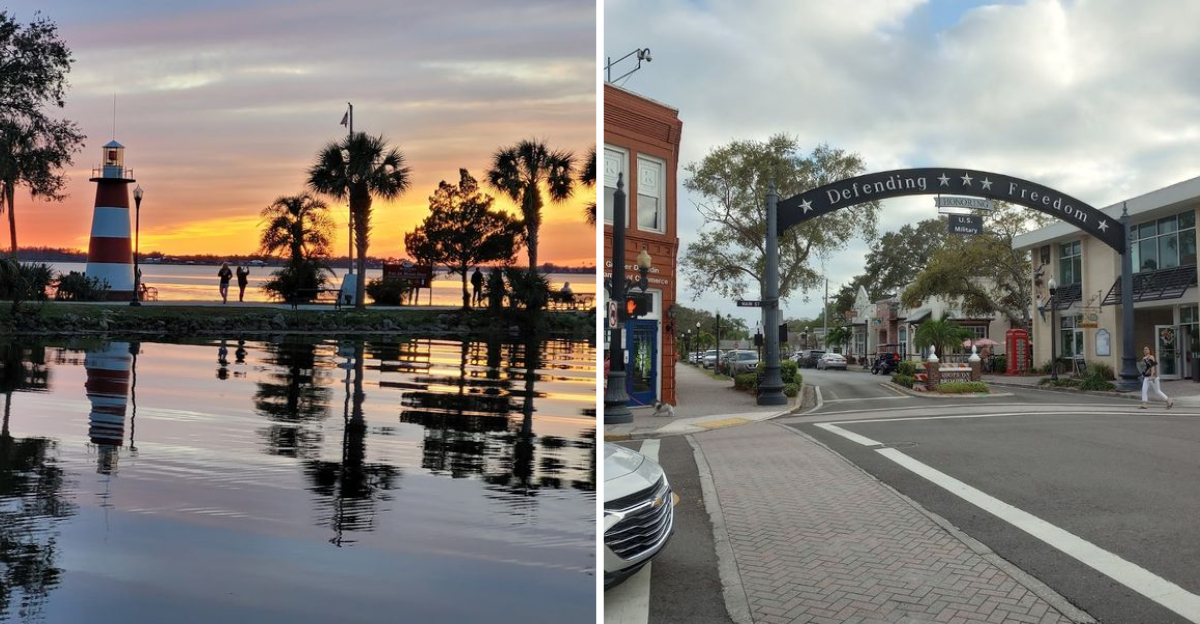
Doesn’t it sound interesting, a landlocked Central Florida town known for its lakeside lighthouse and New England-style downtown?
Mount Dora sits about 25 miles northwest of Orlando, perched on a bluff above Lake Dora. The elevation, modest as it is by Florida standards, gives the town a breezy, refreshing quality that the flat coastline cannot match.
The downtown is walkable and filled with antique dealers, art galleries, and independent cafes. The Donnelly House, a stunning Queen Anne Victorian from 1893, stands as one of the finest historic homes in the state.
The Chain of Lakes surrounding the town is perfect for kayaking, pontoon boat tours, and fishing. Sunsets over Lake Dora from Grantham Point turn the water into shades of copper and rose.
Few towns this close to Orlando feel this genuinely removed from the tourist circuit.
7. Winter Garden, Central Florida
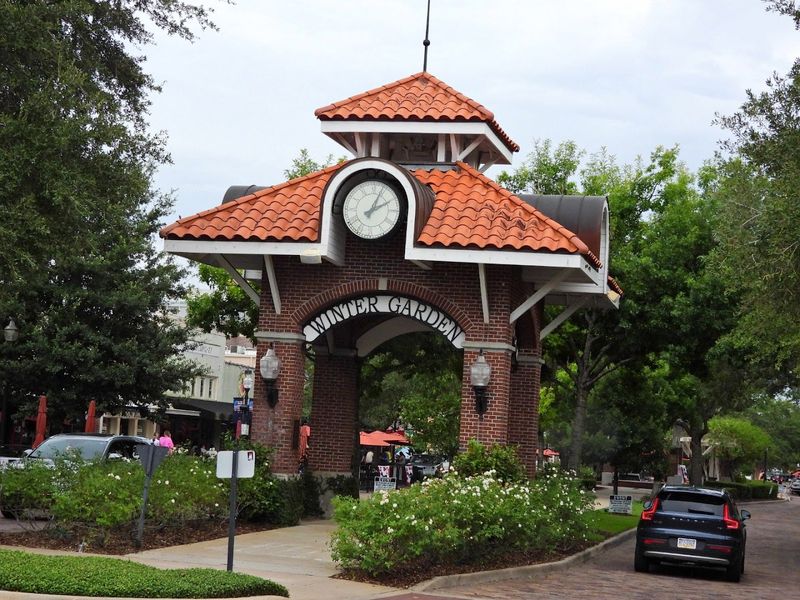
Not every Central Florida town lives in Orlando’s shadow gracefully, but Winter Garden has figured out exactly who it is.
Sitting along the West Orange Trail, this small city about 14 miles west of Orlando has built an identity around cycling culture, farm-fresh food, and a beautifully restored historic downtown. Plant Street is the beating heart of it all.
The West Orange Trail runs directly through downtown, making it one of the most bike-friendly main streets in Florida.
Saturday mornings bring a lively farmers market that draws serious cooks and casual browsers alike. The Garden Theatre hosts live performances year-round in a lovingly restored 1935 building.
Central Florida Railroad Museum at 101 S Boyd St tells the story of the region’s citrus-shipping past in a compact, genuinely interesting way. Nearby Lake Apopka offers wildlife viewing that surprises most first-timers.
8. Dunedin, Tampa Bay Area
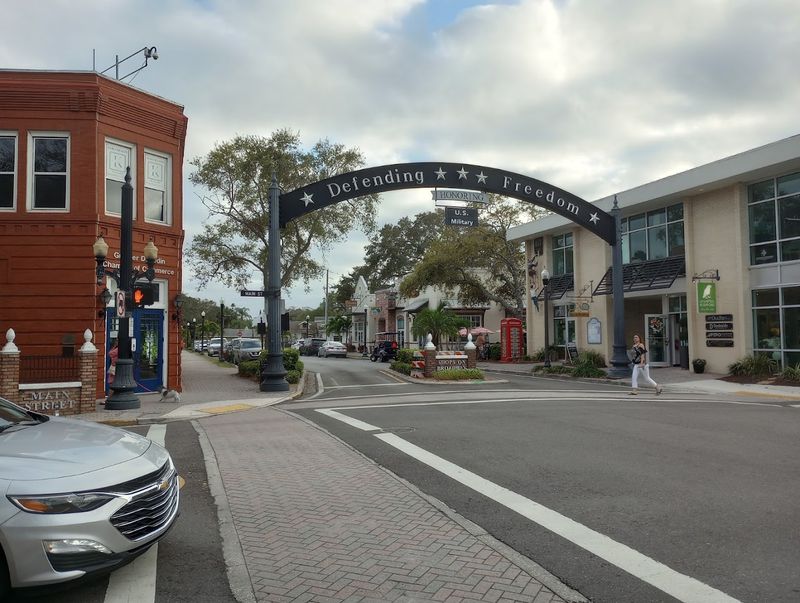
Funny enough, one of the most Scottish-feeling towns in America sits on the Gulf Coast of Florida, just north of Clearwater.
Dunedin was founded by Scottish merchants in the 1870s, and the town has embraced that heritage with genuine enthusiasm. The name itself comes directly from the Scottish Gaelic word for Edinburgh.
Main Street is walkable, colorful, and packed with independent shops and restaurants. The Dunedin Fine Art Center at 1143 Michigan Blvd is one of the most respected community art spaces on Florida’s west coast.
Spring training fans know the town as home to the Toronto Blue Jays’ spring facility, which brings a fun seasonal energy.
Honeymoon Island State Park at 1 Causeway Blvd is just a short drive away, offering one of the most beautiful and least crowded beaches near Tampa Bay.
The Pinellas Trail runs through town, connecting cyclists to a 70-mile network. Dunedin has a personality that is entirely its own and entirely worth your time.
9. Tarpon Springs, Tampa Bay Area
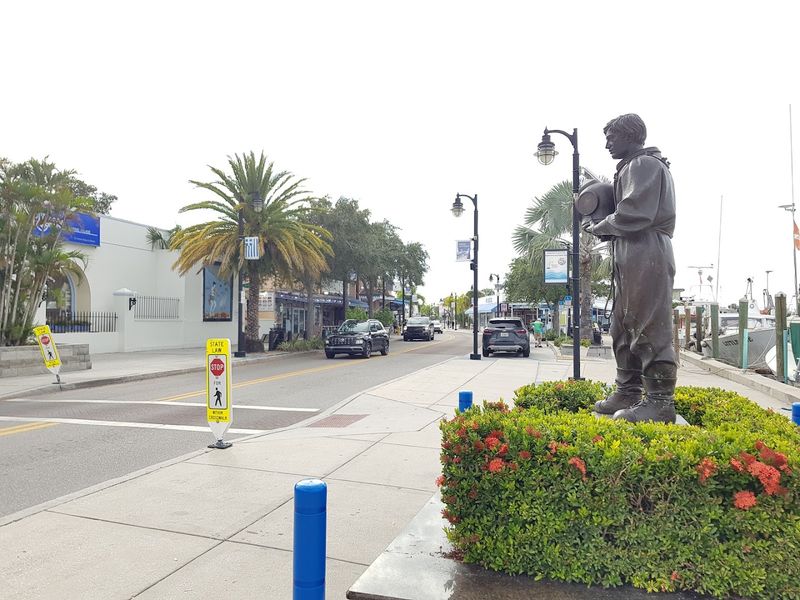
There is a stretch of waterfront in northwest Pinellas County that smells of salt water and dried sea sponges, and it is unlike anything else in Florida.
Tarpon Springs built its identity around Greek sponge divers who arrived in the early 1900s, and that culture has never left. The Sponge Docks along Dodecanese Boulevard remain one of the most authentically ethnic neighborhoods in the entire state.
Greek bakeries, Orthodox churches, and family-run seafood tavernas line the streets near the docks. The St. Nicholas Greek Orthodox Cathedral, modeled after the Hagia Sophia, is a stunning building worth a respectful visit.
Epiphany celebrations in January draw thousands of people for a ceremony that has been performed here for over a century.
Boat tours departing from the docks take visitors out to see live sponge diving demonstrations. The Anclote River offers kayaking through peaceful estuary habitat.
10. Safety Harbor, Tampa Bay Area
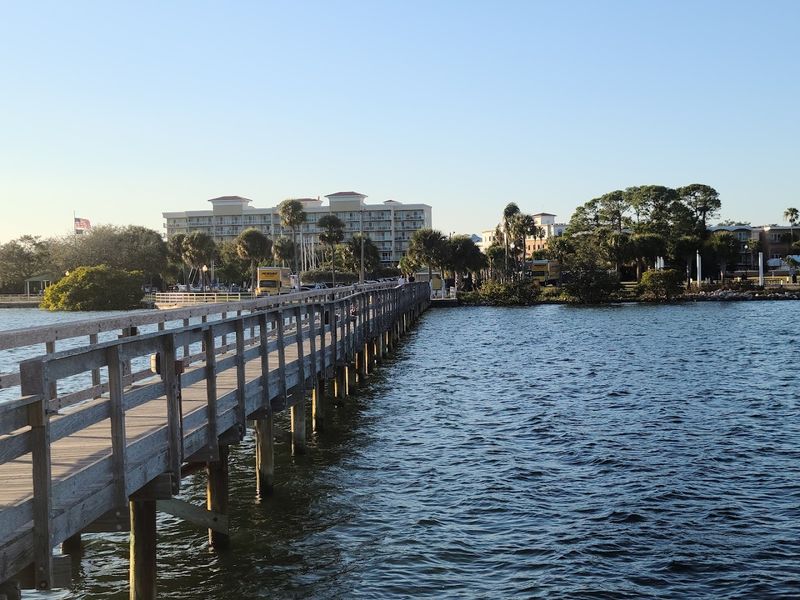
Along the western shore of Old Tampa Bay, this small city carries a name that perfectly matches its mood.
Safety Harbor has a downtown that feels refreshingly local, with independent boutiques, art studios, and restaurants that have no corporate equivalent anywhere nearby.
Main Street here is short enough to walk in ten minutes but rich enough to fill an entire afternoon.
The Safety Harbor Resort and Spa sits atop natural mineral springs that Native Americans used for centuries. Spanish explorer Hernando de Soto reportedly landed near here in 1539, making the town’s history considerably older than its relaxed vibe suggests.
Safety Harbor Museum & Cultural Center at 329 S Bayshore Blvd covers that deep history with surprising thoroughness.
Philippe Park, one of the oldest parks in Pinellas County, features ancient Native American mounds and shaded waterfront picnic areas. Sunsets over Tampa Bay from the park are long, slow, and genuinely hard to leave.
11. Matlacha, Lee County
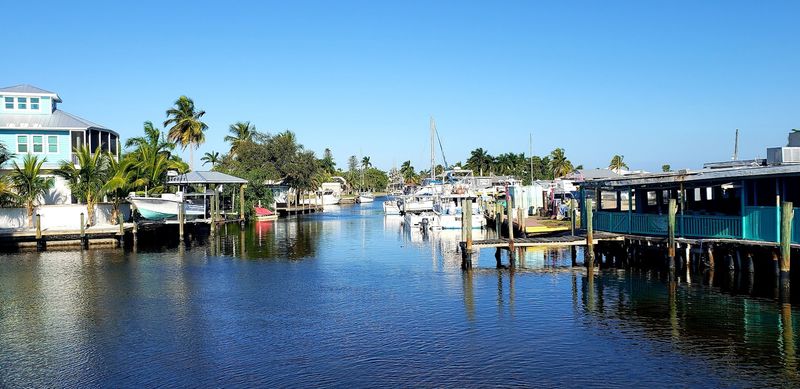
Honestly, no other town in Florida looks quite like this one when you first drive across the bridge onto the island.
Matlacha sits on a thin strip of land between Pine Island and Cape Coral in Lee County. The entire settlement is a riot of color, with hot pink, lime green, and turquoise buildings stacked along a single waterway.
Artists discovered Matlacha decades ago, drawn by the light, the isolation, and the affordable studio space. Today the town is home to dozens of galleries, many of them operating out of converted fishing shacks.
The fishing culture never left either, and tackle shops still sit comfortably next to fine art studios.
Kayaking through the mangrove tunnels surrounding the island is one of the most peaceful activities in southwest Florida.
The Pine Island Sound Aquatic Preserve protects the waters here. Matlacha is a small town with a very loud personality, and that contrast is exactly what makes it so memorable.
12. Stuart, Treasure Coast Florida
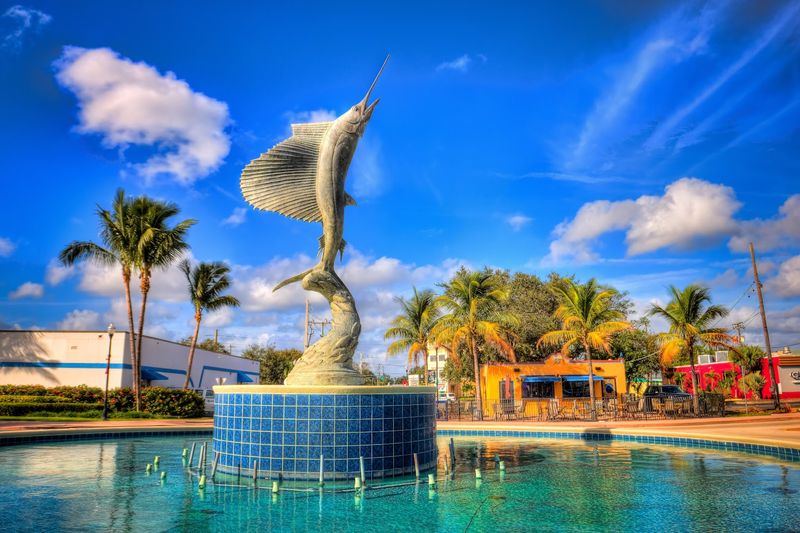
Self-styled as the Sailfish Capital of the World, this Treasure Coast city punches well above its weight in terms of charm and outdoor access.
Stuart sits at the southern end of Martin County, where the St. Lucie River meets the Indian River Lagoon. The combination of waterways here creates an ecosystem that draws anglers, paddlers, and naturalists year-round.
The historic downtown, centered around Flagler Avenue and Osceola Street, has been thoughtfully preserved. The Lyric Theatre, a 1926 Mediterranean Revival spot, hosts live music and community events throughout the year.
Local restaurants along the riverfront serve fresh-caught fish in settings that feel entirely unpretentious.
Bathtub Reef Beach on Hutchinson Island is one of the most unique swimming spots in Florida, with a natural reef that creates a calm, shallow lagoon.
13. Islamorada, Florida Keys
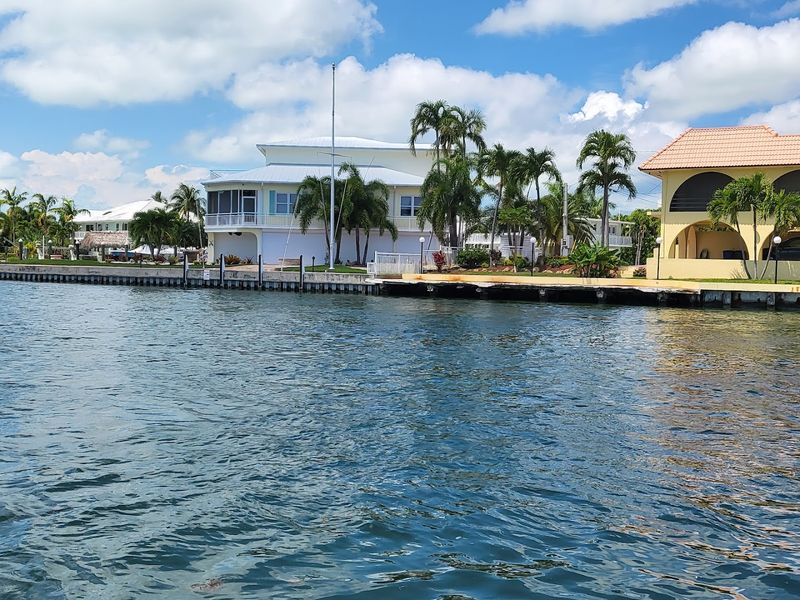
Picture a string of islands where the Atlantic Ocean and the Gulf of Mexico are sometimes visible simultaneously from the same road.
Islamorada stretches across several keys in the Upper Florida Keys, roughly 80 miles south of Miami. The name translates loosely to “purple isle” in Spanish, a nod to the violet sea snails once found here in abundance.
Sport fishing is the town’s primary identity, and Islamorada is widely considered one of the top recreational fishing destinations in the world. The Florida Keys History and Discovery Center tells the layered story of the Keys with impressive depth.
Theater of the Sea, operating since 1946, offers marine life encounters in a setting that feels genuinely connected to the natural environment.
Robbie’s Marina is a local institution where tarpon feeding draws crowds every single afternoon. Sunset views from any bayside restaurant here are the kind that make people miss their dinner reservation.
14. Key West, Monroe County
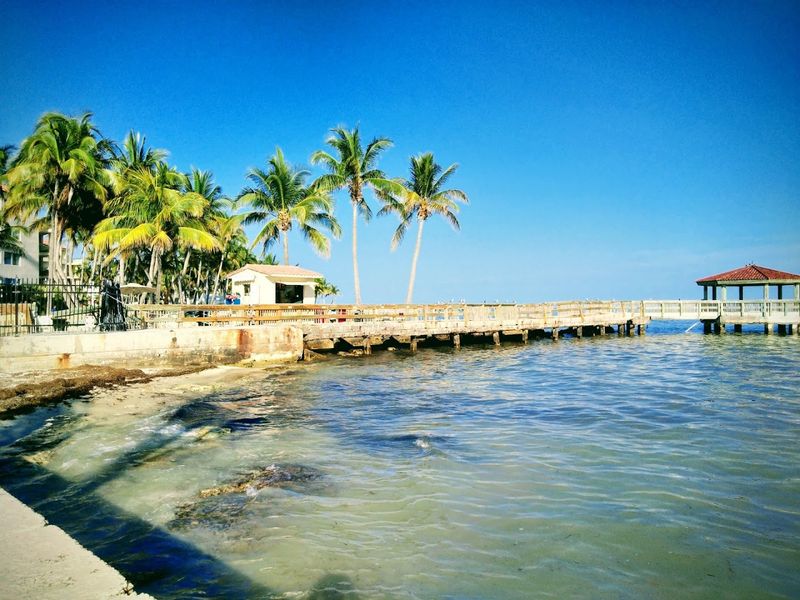
At the very end of US Highway 1, 127 miles south of Miami, sits a city that has spent over two centuries being exactly and unapologetically itself.
Key West occupies the southernmost point of the continental United States, and that geographic extremity has always attracted writers, artists, and free spirits.
Ernest Hemingway lived here for a decade, and his house on Whitehead Street remains one of the most visited historic homes in Florida.
The Old Town neighborhood is a masterpiece of 19th-century Bahamian and Victorian architecture. Duval Street is the famous commercial corridor, but the real character lives one block in either direction.
The Mallory Square sunset celebration is a nightly community ritual that draws performers and spectators in equal measure.
Dry Tortugas National Park, accessible only by ferry or seaplane, sits 70 miles further west and offers snorkeling around a massive 19th-century fort. Fort Jefferson alone justifies the trip.
15. New Smyrna Beach, Central East Coast
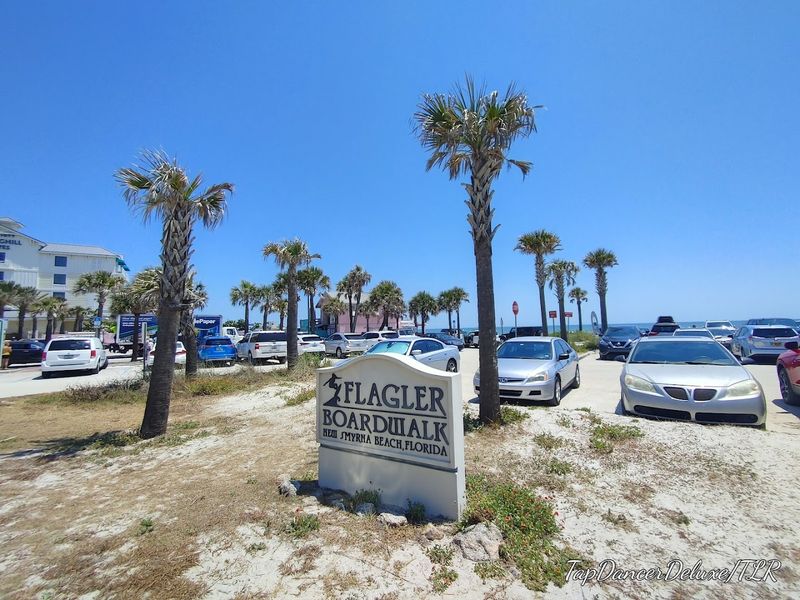
Surf culture and fine art do not always share the same zip code, but New Smyrna Beach makes it work with effortless style.
About 60 miles south of Daytona Beach, this town has developed a reputation as one of the most arts-forward beach communities in the southeastern United States.
The Atlantic Center for the Arts at 1414 Art Center Ave, founded in 1982, has hosted master artists from around the world.
Flagler Avenue is the cultural and commercial spine of the town, lined with galleries, restaurants, and surf shops in roughly equal measure.
The beach itself is wide, uncrowded by Florida standards, and backed by dunes rather than high-rises. Canal Street on the mainland side offers a quieter, more historic shopping and dining experience.
The Indian River Lagoon runs along the western edge of town, offering kayaking through seagrass beds full of manatees and dolphins.
16. Flagler Beach, Northeast Florida
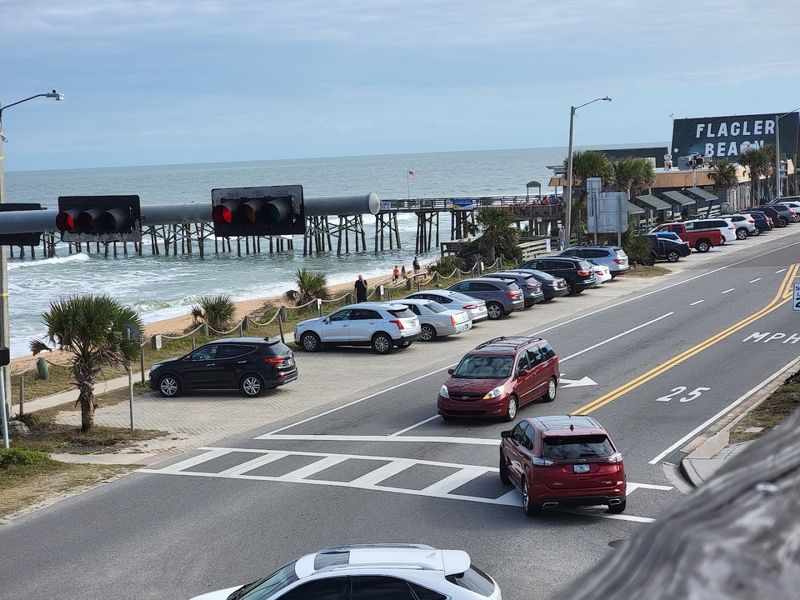
There is a stretch of Florida’s northeast coast where the highway runs so close to the ocean that waves occasionally spray the guardrail, and that stretch belongs to Flagler Beach.
Sitting in Flagler County about 20 miles south of St. Augustine, this small town has held onto an old Florida identity that most of the coastline surrendered decades ago. No high-rises, no chain hotels dominating the skyline.
The Flagler Beach Fishing Pier at 6400 N Ocean Shore Blvd extends 800 feet into the Atlantic and serves as the town’s social hub. Pelicans, anglers, and curious walkers share the wooden planks in relaxed coexistence.
The small downtown along State Road A1A has a handful of independent restaurants and shops that feel genuinely rooted in the community.
Washington Oaks Gardens State Park, just south of town, features a coquina rock shoreline that looks more like a rugged Pacific coast than a Florida beach. The formal gardens inside the park bloom with roses and camellias each spring.
17. Cocoa Village, Space Coast Florida
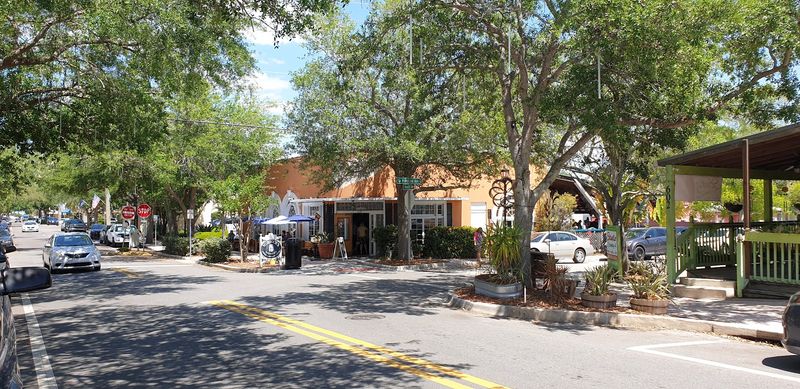
Just a few miles from where rockets launch into space, there is a walkable historic village that feels like it belongs to a completely different era.
Cocoa Village sits along the Indian River Lagoon on Florida’s Space Coast, and it has the distinction of being one of the most charming small downtowns in Central Florida.
The contrast between launch-day crowds at Kennedy Space Center and the quiet brick streets here is genuinely striking.
The village is anchored by Brevard Avenue and Harrison Street, both lined with boutiques, galleries, and restaurants in beautifully maintained Victorian and early 20th-century buildings.
The Cocoa Village Playhouse, dating to 1924, hosts live theater throughout the year. Weekend farmers markets and art walks bring a festive energy without overwhelming the scale of the neighborhood.
The Indian River Lagoon here is excellent for kayaking and paddleboarding, with manatee sightings common in winter months.
18. Delray Beach, Palm Beach County
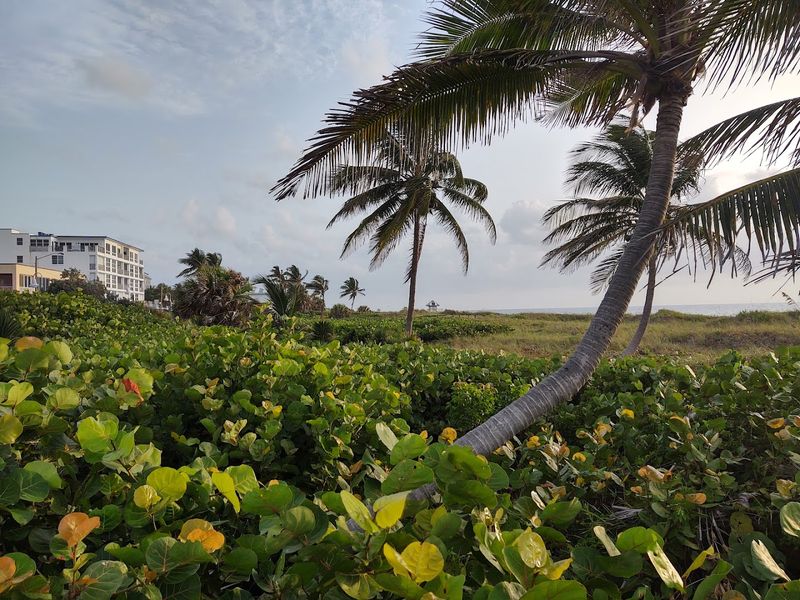
Atlantic Avenue in this Palm Beach County city is one of the most consistently enjoyable streets in all of South Florida. The town around it has earned a reputation that reaches well beyond the region.
Delray Beach sits between Boca Raton and Boynton Beach on Florida’s southeast coast. It has won the All-America City Award twice, which is a distinction very few Florida cities can claim.
The avenue stretches from the Intracoastal Waterway all the way to the Atlantic Ocean, about a mile of restaurants, shops, and galleries.
The Morikami Museum and Japanese Gardens at 4000 Morikami Park Rd offers one of the most serene cultural experiences in Florida, set across 16 acres of Japanese-inspired landscape.
Cornell Art Museum at Old School Square at 51 N Swinton Ave hosts rotating exhibitions in a beautifully restored 1913 school building.
The beach itself is wide, well-maintained, and backed by a grassy park rather than a wall of condominiums. Delray Beach has the energy of a city and the soul of a small town.