Every Spring, Florida’s Forgotten Coast Hosts A Festival Most People Miss
Florida has a way of hiding its best secrets in plain sight, and the Florida Panhandle does it better than anywhere else in the state.
I found mine on a winding road through Gulf County, somewhere between a cypress swamp and a moss draped oak tree that looked older than the state itself.
The air smelled sweet in a way that made no immediate sense, and then it did, because Wewahitchka has been producing the rarest honey in the country for well over a century.
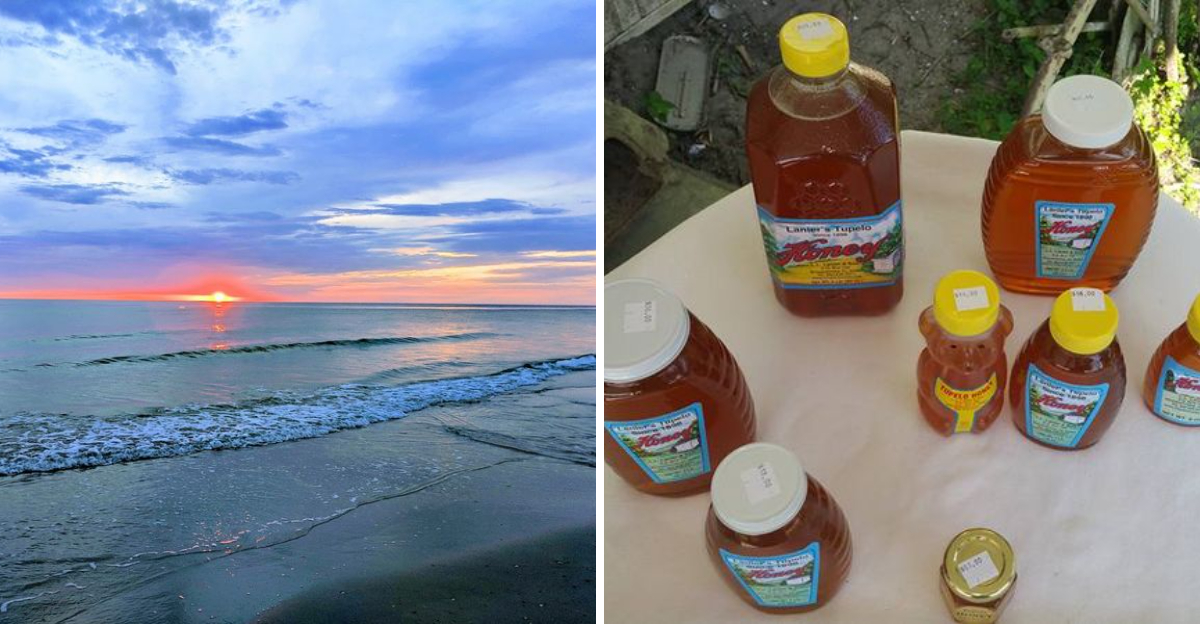
Tupelo honey is not something you find on a grocery store shelf, and that scarcity is the whole point.
The bees only have a few weeks each spring to work the Tupelo blossoms along the Apalachicola River, and what they produce in that narrow window is nothing short of extraordinary.
This festival exists to celebrate that, and it absolutely deserves your attention.
Center Of The Beekeeping Universe
Wewahitchka, Florida sits quietly in Gulf County, about as far from a tourist trap as you can get without leaving the continental United States.
The town has a population of just over 2,000 people, and most visitors drive right past it on their way to the beach. That is their loss.
Every spring, this small city becomes the center of the beekeeping universe.
The Tupelo Honey Festival celebrates the annual tupelo bloom along the Apalachicola River floodplain, where beekeepers have been harvesting this rare honey for over a century.
The festival draws vendors, beekeepers, food lovers, and curious travelers who have done their homework.
Wewahitchka sits deep in the Florida panhandle, which somehow feels right for a place this unhurried.
The town was the county seat of Gulf County from 1925 to 1965, and it still carries that quiet, civic pride. Coming here feels less like tourism and more like getting let in on something real.
What Makes Tupelo Honey So Special
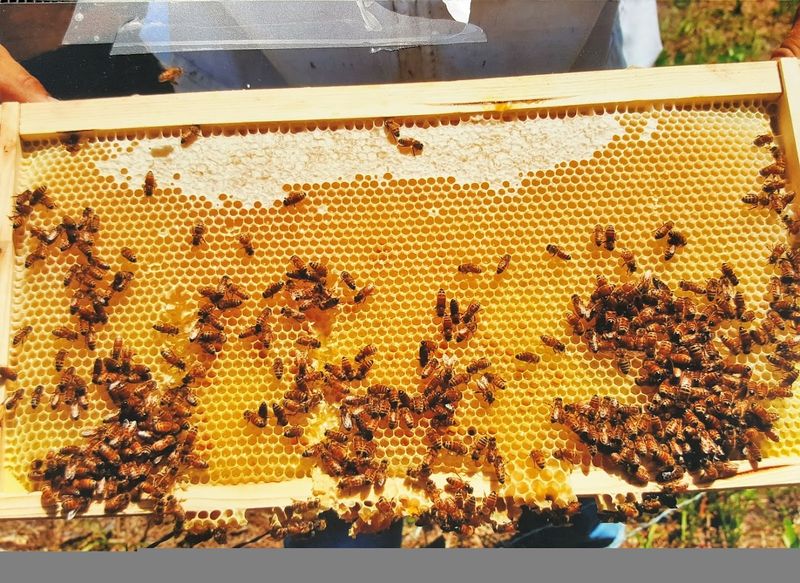
Not all honey is created equal, and tupelo honey will make you say that out loud after your first taste.
Harvested from the white Ogeechee tupelo tree that blooms for just two to three weeks each spring, this honey has a flavor profile that is floral, buttery, and almost impossibly smooth.
It does not crystallize the way most honeys do, which makes it prized by collectors and chefs alike.
The bloom window is so short that beekeepers have to move fast.
Hives are floated on barges into the river swamps of the Apalachicola River basin during the bloom, then pulled back out before other flowers contaminate the pure tupelo crop.
The process is labor-intensive and completely dependent on weather and timing.
Pure tupelo honey has a lower fructose-to-glucose ratio than most honeys, which means it metabolizes differently. That is a fact that has made it historically popular among people managing blood sugar levels.
Tupelo honey was even immortalized in the Van Morrison song of the same name, which tells you it has a certain legendary quality that goes beyond the jar.
The Beekeepers Behind The Buzz
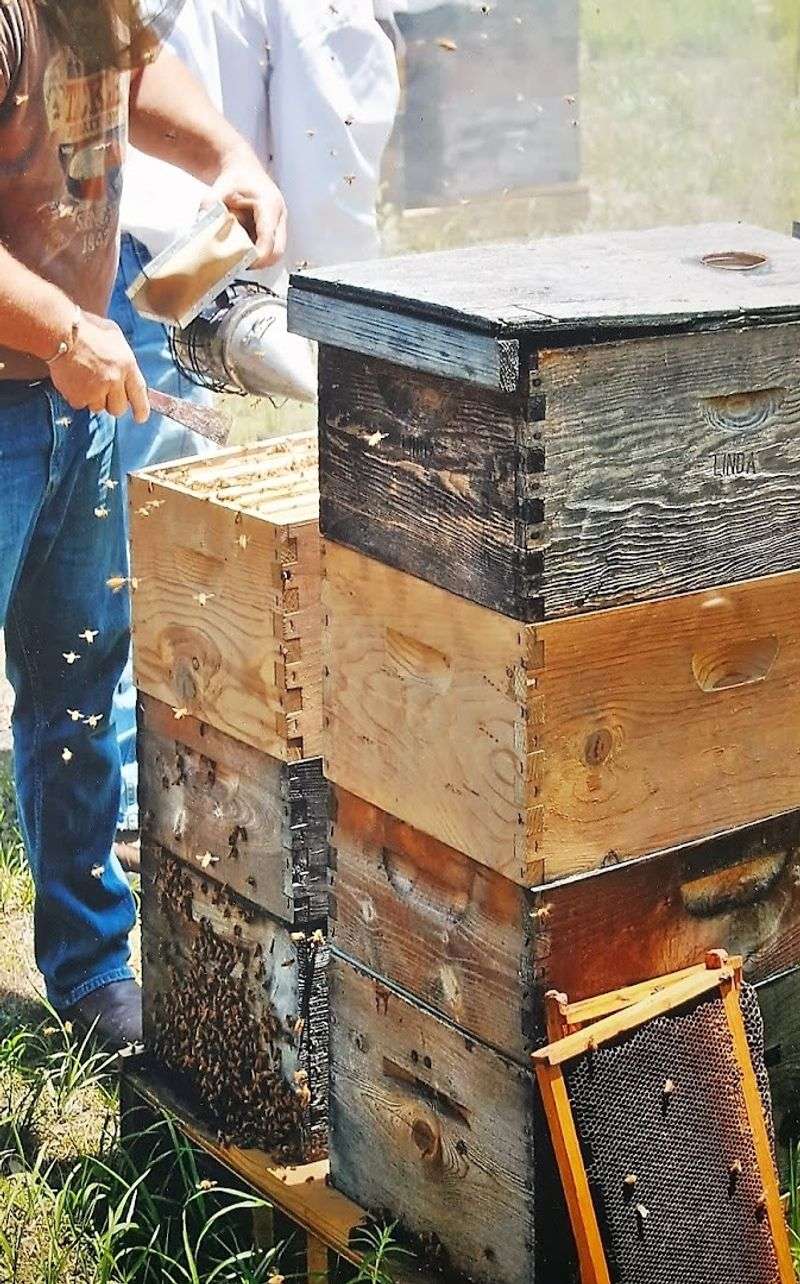
The real stars of the Tupelo Honey Festival are not the vendors or the live music. They are the multigenerational beekeeping families who have been working these swamps for decades.
Families like the Sauces and the Lawhons have kept this tradition alive through floods, hurricanes, and changing river conditions, and they show up to the festival to share their craft with anyone willing to listen.
Beekeeping in the Apalachicola River basin is not a hobby. It is a full-time operation that requires deep knowledge of the land, the trees, and the bees themselves
These keepers understand the ecosystem in a way that most people simply never get to experience. Talking to them at the festival is genuinely one of the most interesting conversations you will have all year.
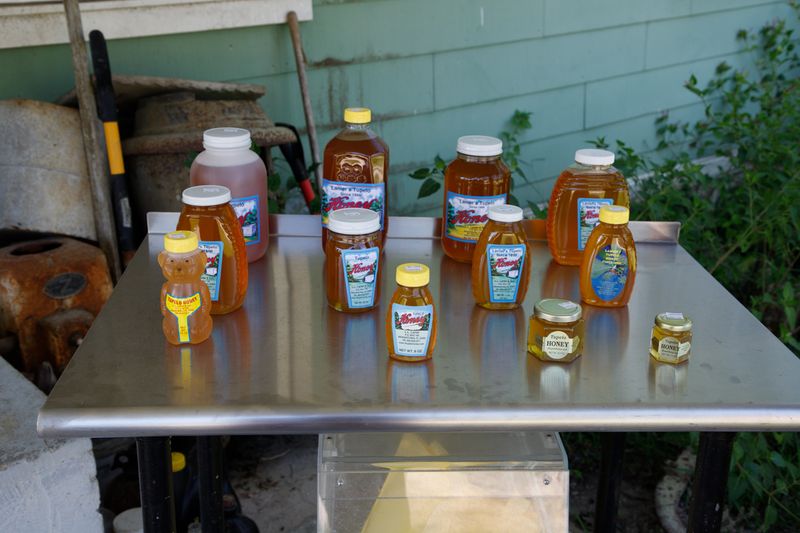
The festival gives these families a platform to sell their honey directly to consumers, which matters enormously.
Most pure tupelo honey is sold in small batches and goes quickly.
Buying a jar at the festival from the beekeeper who harvested it is one of those rare experiences where you know exactly where your food came from and who cared for it.
The Festival Experience Itself
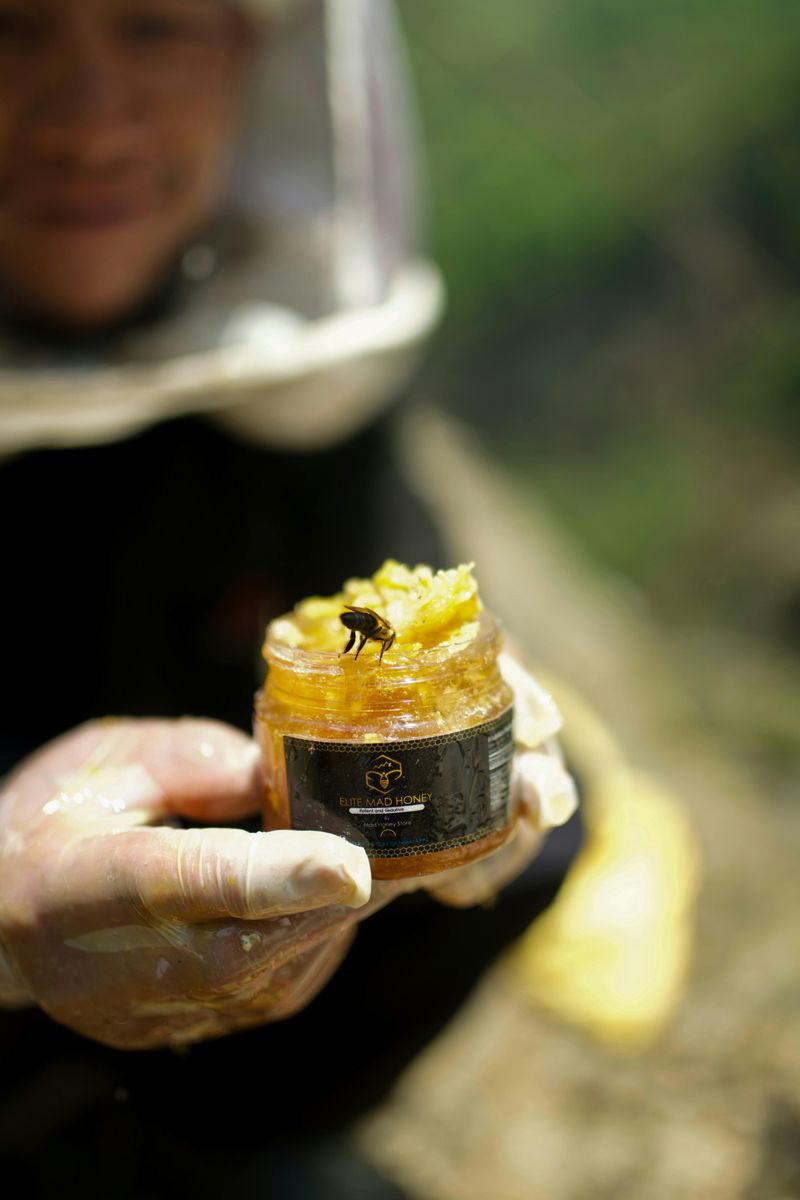
Picture a small-town festival done exactly right. The Tupelo Honey Festival in Wewahitchka is held each spring, typically in late April or early May, timed to follow the end of the tupelo bloom.
The venue is modest, the crowds are manageable, and the atmosphere feels genuinely festive rather than commercially manufactured.
You will find honey tastings, cooking demonstrations, local food vendors, live music, and craft booths spread across a comfortable footprint.
Kids can learn about bees in a hands-on, low-stress environment. Adults can sample honeys side by side and start to understand the real difference between a commercial blend and pure tupelo straight from the swamp.
The festival also features a honey judging competition where local beekeepers submit their best batches for evaluation.
Watching the judges work through a lineup of honeys with the seriousness of a competition is quietly hilarious and completely fascinating.
The community energy here is warm and unpretentious. Nobody is trying to impress anyone.
Everyone is just genuinely proud of what grows in their backyard, and that pride is contagious.
The Apalachicola River Floodplain
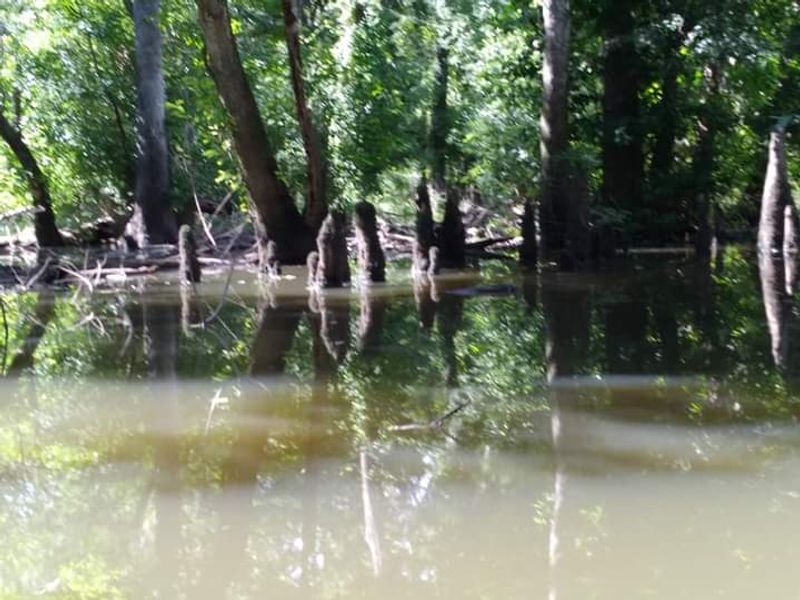
You cannot fully appreciate the Tupelo Honey Festival without understanding the landscape that makes it possible. The Apalachicola River floodplain is one of the most biodiverse ecosystems in North America.
It stretches across parts of Gulf County and Liberty County in the Florida panhandle, and it is the only place in the world where commercial tupelo honey is produced at scale.
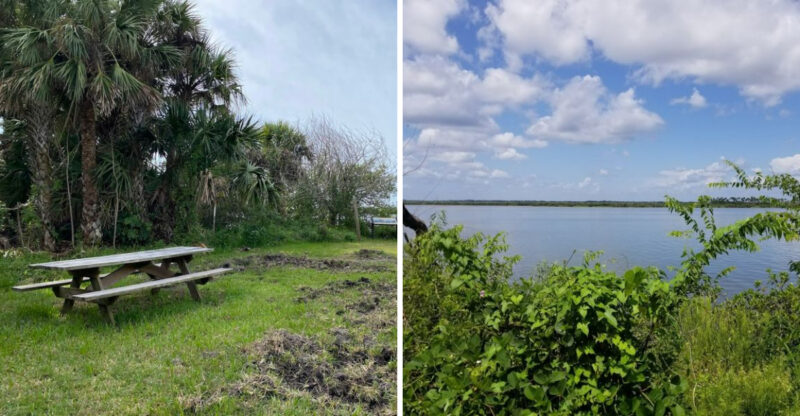
The white Ogeechee tupelo tree grows in the flooded swamps along the river’s edge. During bloom season, the floodplain transforms into something that looks pulled from a nature documentary.
The trees hang heavy with small white flowers, the air carries a faint sweetness, and the bees are absolutely everywhere doing their job with zero interest in your schedule.
Visiting the floodplain during or around festival time gives you a rare look at a working natural system that has remained largely intact.
Conservation efforts in the region have helped protect the tupelo habitat, and local beekeepers are among its most vocal advocates.
The river and its swamps are not just scenic backdrops. They are the entire reason this festival exists, and they deserve the same attention as the honey itself.
Gulf County And The Forgotten Coast
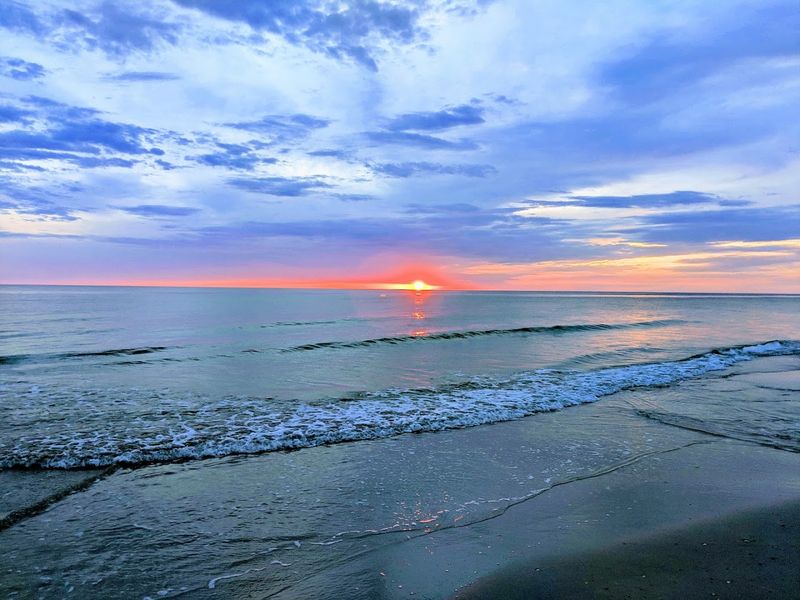
Gulf County is part of what locals and travel writers call the Forgotten Coast, a stretch of the Florida panhandle that has largely avoided the overdevelopment that swallowed up so much of the state’s coastline.
The region includes towns like Port St. Joe, Apalachicola, and Carrabelle, each with its own character and its own reason to visit. Wewahitchka sits inland from the coast, connected to this region by history and geography.
The Forgotten Coast label started as a lament but has become a badge of honor. The beaches here are uncrowded, the seafood is exceptional, and the pace of life moves at a speed that actually allows you to enjoy yourself.
St. Joseph Peninsula State Park, just a short drive from Wewahitchka, is consistently ranked among the best beaches in the country.
Pairing the Tupelo Honey Festival with a few days exploring Gulf County makes for one of the most satisfying Florida trips you can plan.
The region rewards curiosity and patience in equal measure. You will eat well, sleep well, and come home with a jar of honey that will ruin every other honey you own.
How To Plan Your Trip To Wewahitchka
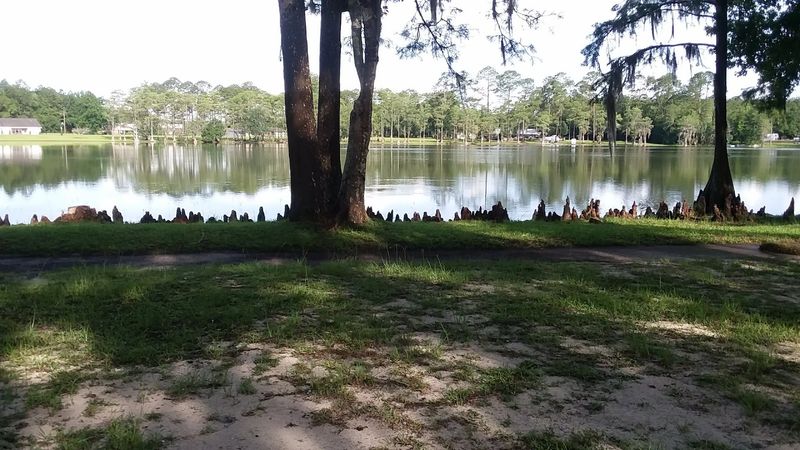
Getting to Wewahitchka requires a little intention, which is part of its charm. The nearest major airport is Northwest Florida Beaches International Airport in Panama City Beach, about 45 minutes east.
From there, you drive west on US-98 and then head north on State Road 71 into Gulf County. The drive itself is worth savoring, especially in spring when the roadsides are green and the light through the pine canopy is something else entirely.
Accommodations in Wewahitchka are limited, so most visitors stay in Port St. Joe or Panama City Beach and make the drive up for festival day.
Booking ahead is smart because the Forgotten Coast attracts more visitors each year as word gets out. A few local rental properties and small inns in Port St. Joe put you close enough to enjoy both the festival and the coast.
Check the Gulf County Tourism website and local community pages for the exact festival dates each year, as they can shift slightly depending on the tupelo bloom.
Cell service gets patchy in parts of Gulf County, so downloading offline maps before you go is genuinely useful. Arrive early to get the best selection of honey before the good batches sell out.
Why This Festival Is Worth The Detour
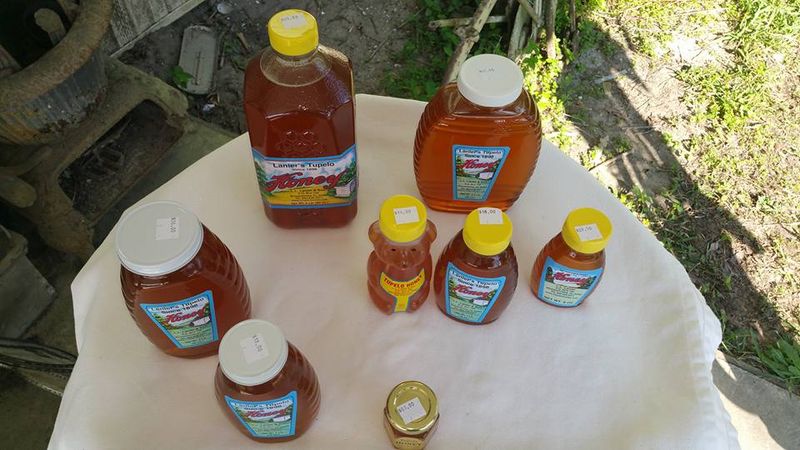
There is a certain kind of travel experience that does not photograph well but stays with you for years. The Tupelo Honey Festival in Wewahitchka is that kind of experience.
It is small, specific, and rooted in something real. You leave knowing more about bees, rivers, ecosystems, and the people who tend them than you did when you arrived.
The honey itself is worth the trip on its own merits. A jar of pure tupelo honey from a Wewahitchka beekeeper is not something you find at the grocery store.
It is a product of a very specific place, a very specific tree, and a very specific three-week window each spring. That kind of rarity is not manufactured.
It just is.
Florida has no shortage of festivals, theme parks, and manufactured experiences designed to keep you spending money and moving fast.
This festival is the opposite of all that. It is a reminder that some of the best things the state has to offer are still unhurried, unpretentious, and genuinely worth your time.
Go once and you will understand why the people of Wewahitchka have been quietly proud of this place for generations.