This Beloved Springfield Museum Is One Of The Best Free Attractions In All Of Illinois
There is a specific kind of museum that justifies the entire concept of museums.
The kind where you look up from an exhibit and realize with mild shock that two hours have evaporated and you have not once checked your phone.
I found one of those in Illinois, on an afternoon I had budgeted for a quick look around and emerged two hours later genuinely annoyed that nobody had told me about it sooner.
What makes it work is not any single collection or exhibit but the way the whole thing moves, pulling you from geology to history to art to science without ever feeling like it is changing the subject.
Every room earns the next one, and the next one earns the one after that.
Illinois has been offering free admission to one of its finest museums for years while everyone drives straight to Chicago. That is not a gap in awareness I was willing to leave uncorrected.
A Free World-Class Experience
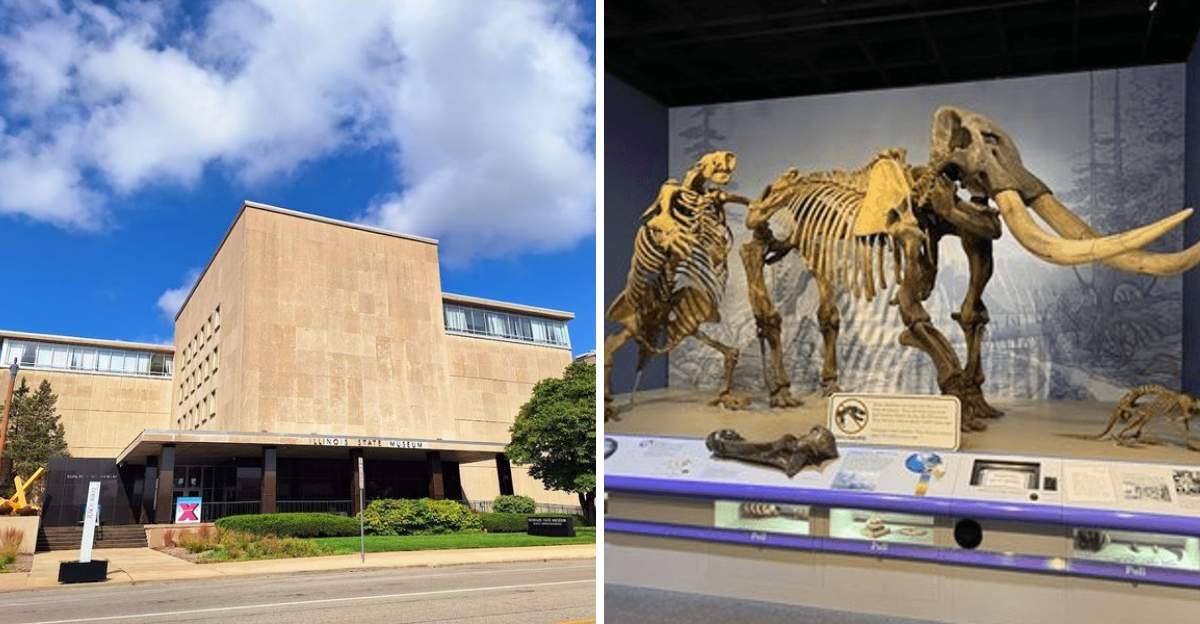
The Illinois State Museum is one of those places that earns its reputation the moment you step inside. Free to enter and open to everyone, it draws curious visitors from across the state and beyond.
The building itself sits right in the heart of Springfield, close to the Illinois State Capitol. It feels official but welcoming, like a library that decided to also collect dinosaur bones and Native American artifacts.
I went on a Tuesday afternoon expecting a quiet hour. Three hours later, I was still reading exhibit labels.
The museum covers geology, anthropology, art, and natural history all under one roof.
That range is rare, especially at no cost to visitors.
What makes it stand out is how thoughtfully everything is organized. Nothing feels cluttered or thrown together.
Each gallery flows naturally into the next, making the whole visit feel like one long, satisfying story about Illinois and its people.
The Geology And Natural History Galleries
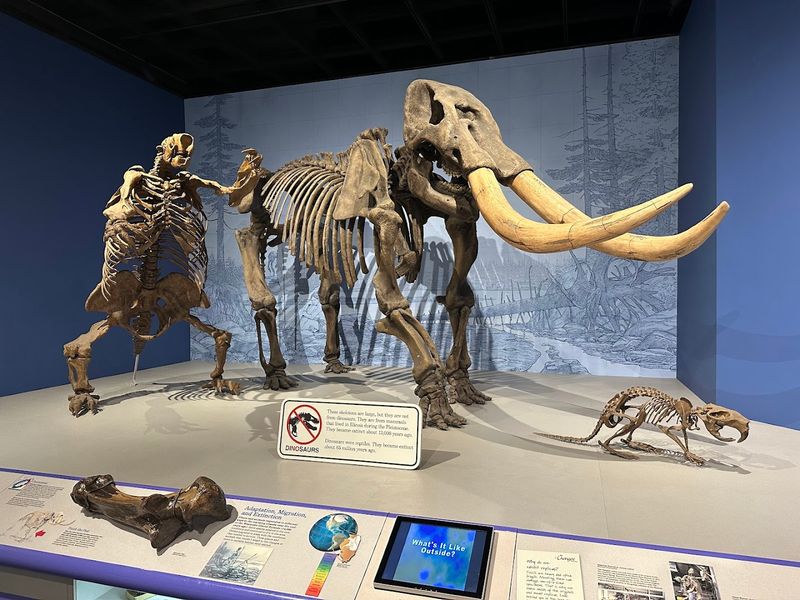
Millions of years ago, Illinois looked nothing like it does today. The geology gallery at the Illinois State Museum at 502 S Spring St, Springfield, Illinois, makes that fact feel real and surprisingly personal.
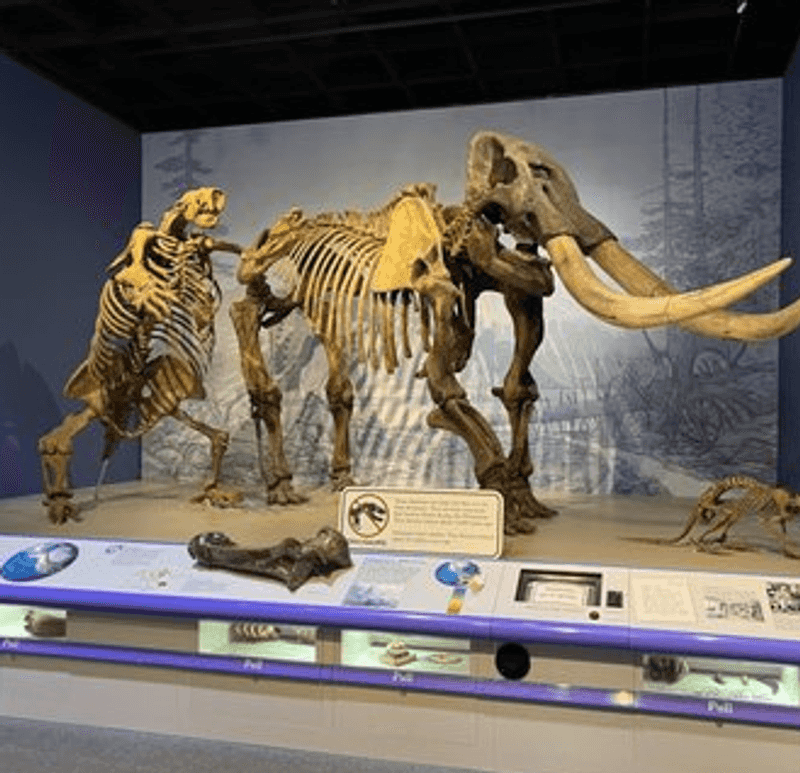
Massive rock samples, fossil displays, and detailed timelines show how the land formed layer by layer over billions of years. The exhibits are clear enough for kids but detailed enough to keep adults genuinely engaged.
I lingered longest at the section about glaciers. Seeing how ice sheets once covered the entire region and shaped the landscape we drive through today was genuinely mind-bending.
It reframes every flat cornfield you have ever seen.
The natural history section connects seamlessly to the geology displays. Ancient animals, plant fossils, and climate shifts are all presented with context that makes the science accessible.
You do not need a science background to follow along. The museum does the heavy lifting for you, and the result is a gallery that feels both educational and quietly thrilling.
Native American And Anthropology Exhibits
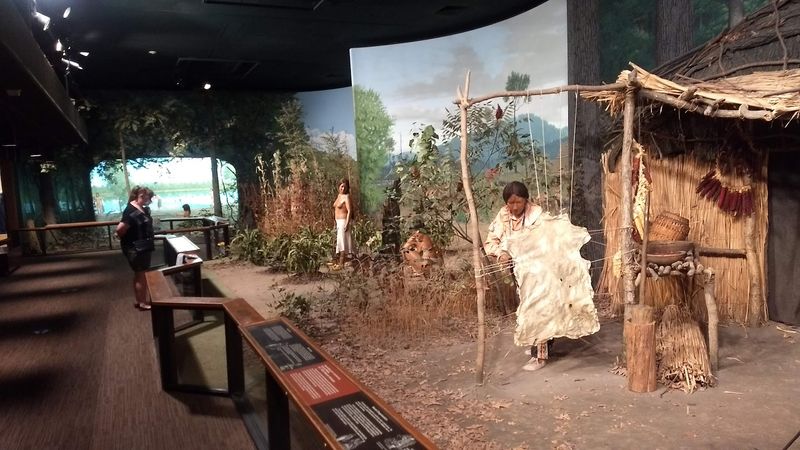
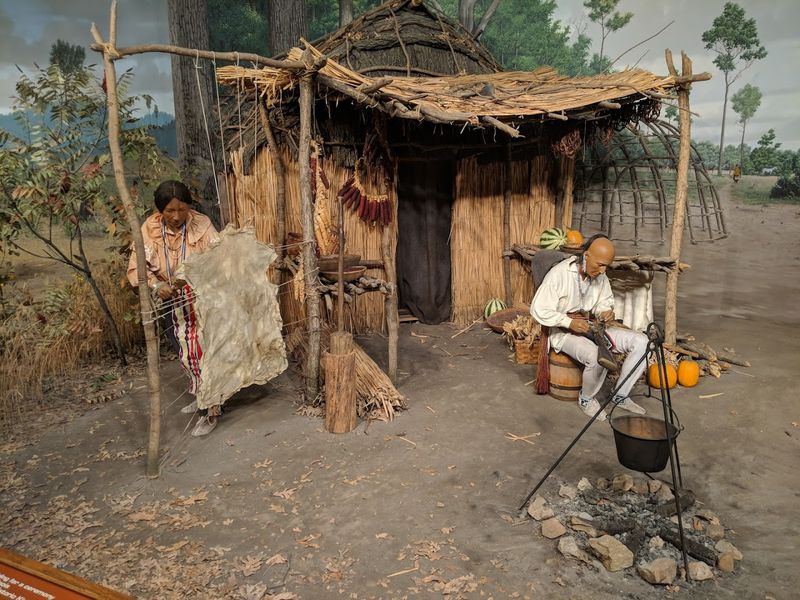
The anthropology galleries are where the museum gets deeply personal. These exhibits trace human life in Illinois from ancient Native American cultures all the way through European contact and beyond.
Artifacts include pottery, tools, ceremonial objects, and everyday items that connect modern visitors to people who lived on this land thousands of years ago. The presentation is respectful and thorough without being dry.
One section focuses specifically on the Mississippian culture, which built impressive settlements across the region long before European explorers arrived.
Seeing those artifacts up close shifted how I thought about Illinois history entirely.
The museum does not rush through this material. Each case is labeled with care, and the broader cultural context is always present.
You leave understanding that Illinois has a human story stretching back far longer than most people realize.
For anyone who grew up in this state, that realization lands with a satisfying weight. It is the kind of history lesson that actually sticks.
The Museum’s Impressive Fine Art Collection
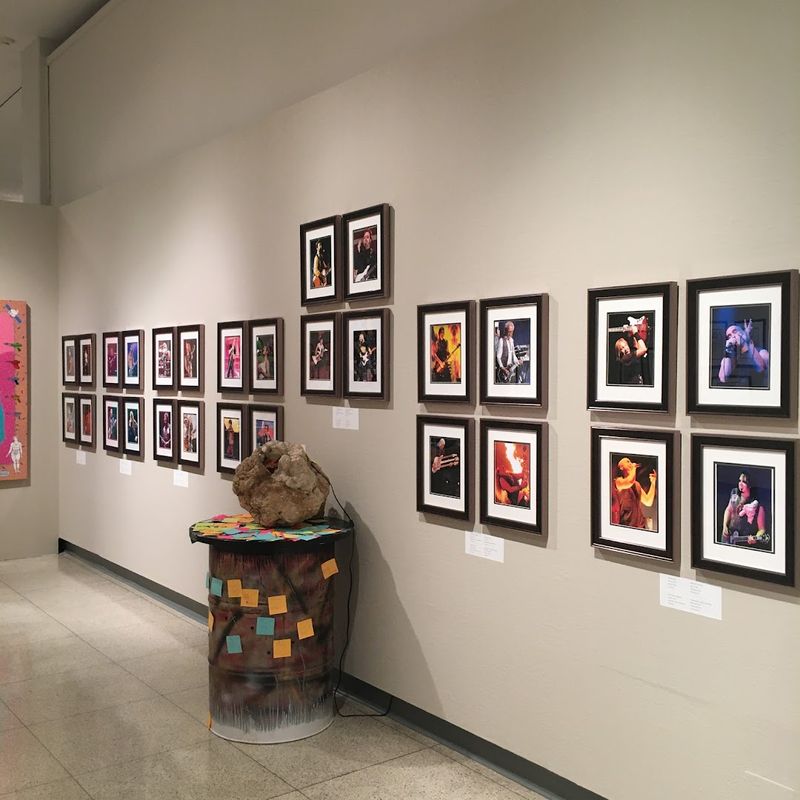
Not everyone expects a natural history museum to have a serious art collection, but the Illinois State Museum pulls it off with confidence.
The fine art galleries feature work by Illinois artists spanning more than a century of creative output.
Paintings, prints, sculptures, and mixed media pieces fill the space with real variety. Some works are bold and contemporary.
Others feel rooted in Midwestern tradition, landscapes and portraits that capture the character of the region without romanticizing it.
I was drawn to a group of mid-century paintings that depicted rural Illinois in muted, honest tones. Nothing flashy, just skilled observation of a place and its people.
That kind of art tends to age well.
The rotating exhibitions mean the gallery looks different depending on when you visit. That is a smart reason to come back more than once.
The permanent collection alone is worth the trip, but knowing something new might be on display adds a little extra motivation to return. Free admission makes that decision even easier.
The Illinois Environment Gallery
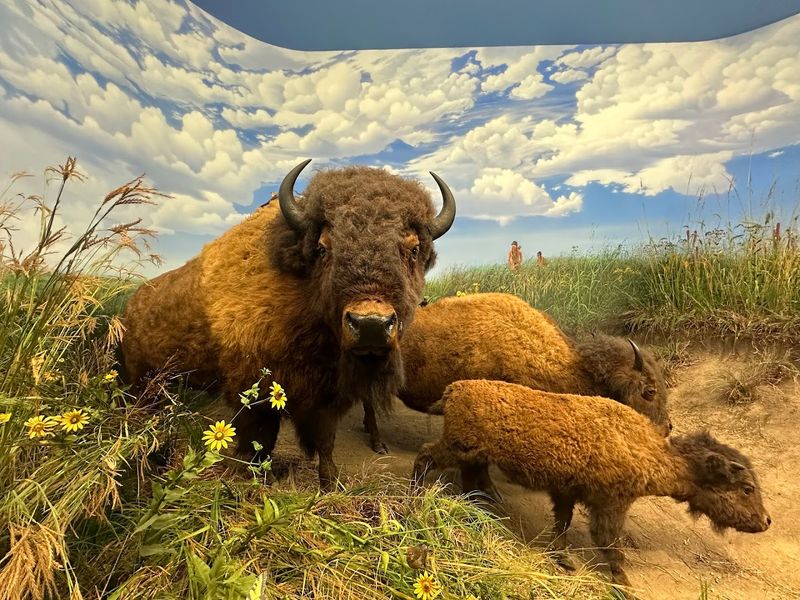
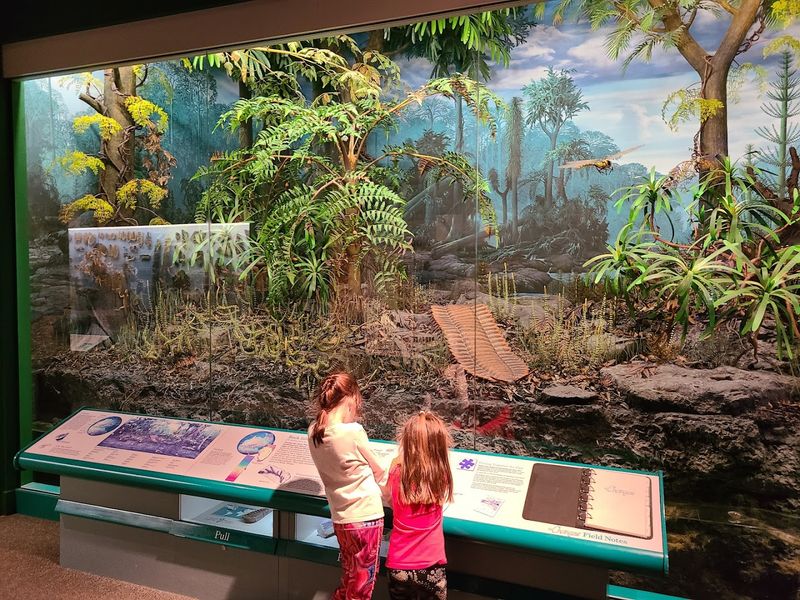
Illinois has more ecological variety than most people give it credit for. The environment gallery at the Illinois State Museum makes a convincing case for paying closer attention to the natural world right outside your door.
Dioramas recreate prairie, forest, and wetland habitats with impressive detail. The animals look lifelike, the plant life is accurate, and the lighting shifts to suggest different times of day and seasons.
It sounds simple, but the effect is genuinely immersive.
Kids absolutely love this section. I watched a group of elementary schoolers press their faces against the glass to get a better look at a recreated great blue heron.
Their excitement was contagious.
The exhibits also cover how human activity has changed Illinois ecosystems over time. That part of the story is presented factually and without heavy-handedness, which makes it more effective.
Understanding what was here before helps you appreciate conservation efforts happening right now. It is an honest and engaging look at a landscape most of us take for granted every single day.
The Museum’s Interactive Programs And Events
A museum that only shows static displays is doing half the job. The Illinois State Museum clearly understands that, because its programming calendar stays consistently active and genuinely interesting.
Public lectures, hands-on workshops, school programs, and special events run throughout the year. Topics range from archaeology field techniques to Illinois wildlife to folk art traditions.
The variety keeps the museum relevant to a wide range of visitors.
I attended a public talk about prehistoric Illinois that drew a surprisingly mixed crowd.
Retirees, college students, and families with young kids all sat together listening to an expert explain something most of us had never thought about. That kind of cross-generational gathering is rare and worth seeking out.
Many programs are free or very low cost, which keeps the barrier to participation low. Check the museum website before your visit to see what is scheduled.
Arriving with a program in mind gives the visit a satisfying structure and often leads to conversations with other attendees who share your curiosity. The community aspect of these events is underrated.
What To Know Before You Go

Getting the most out of a museum visit usually comes down to a little planning.
The Illinois State Museum is easy to reach in downtown Springfield, with parking available nearby and public transit options accessible from most parts of the city.
The museum is open Tuesday through Saturday, so plan accordingly if you are visiting on a weekend. Giving yourself at least two to three hours is a smart move.
The collection is large enough that rushing through it means missing the best parts.
Bring comfortable shoes. The galleries cover a lot of ground across multiple floors, and you will want to move at a relaxed pace rather than race through exhibits.
There is a museum shop near the entrance worth browsing on your way out.
If you are visiting with kids, the natural history and environment sections tend to be the biggest hits. For adults, the art and anthropology galleries often surprise people the most.
Either way, the free admission removes any pressure to justify the trip. Just show up and let the place do what it does best.
Why It Deserves A Spot On Every Illinois Bucket List
There are plenty of museums across Illinois, but few cover as much ground as thoughtfully as this one does.
The Illinois State Museum earns its reputation not through flashy gimmicks but through depth, care, and genuine commitment to telling Illinois stories well.
The fact that it is completely free makes it one of the most generous cultural institutions in the state. Institutions like this are not guaranteed to stay free forever, which makes visiting now feel like the right call.
I left with a longer list of questions than I arrived with, which is exactly what a good museum should do.
It made me want to read more about Illinois geology, visit a prairie preserve, and look up the Native American cultures I had never heard of before that afternoon.
For anyone who lives in Illinois or is passing through Springfield, skipping this museum would be a genuine mistake.
It is the kind of place that reminds you how interesting your own backyard can be when someone takes the time to explain it properly.
Go once and you will already be planning a return trip before you reach the parking lot.