The Grandest Second Empire Mansion In America Might Be In Connecticut
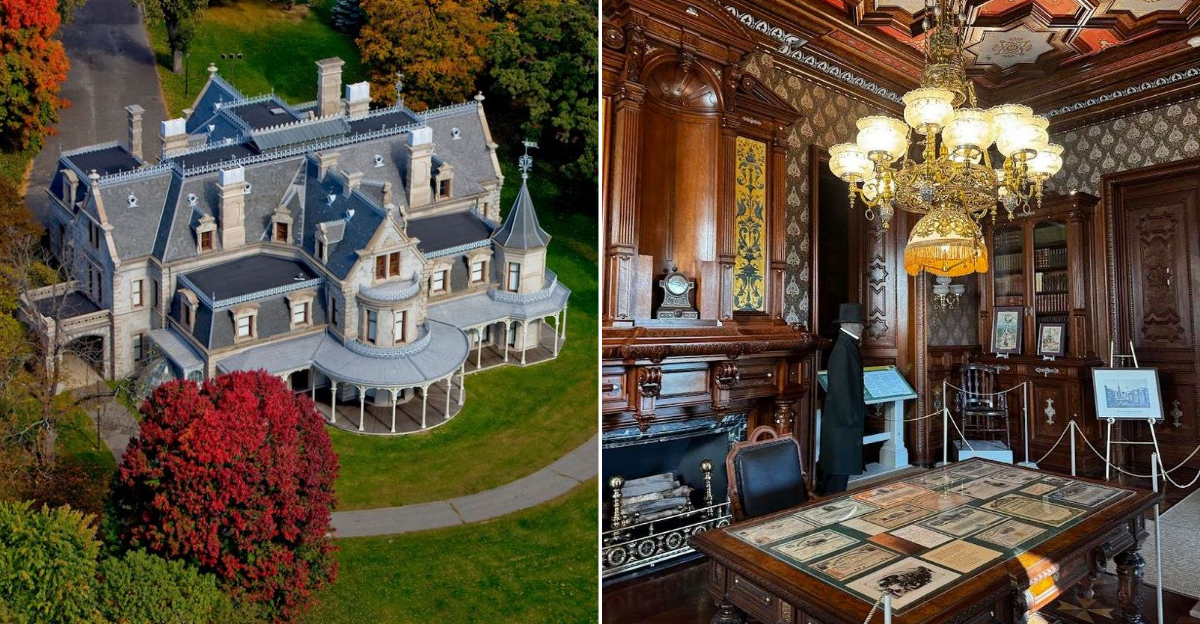
There are buildings that impress you and then there are buildings that genuinely make your jaw drop and this one falls hard into the second category. The scale of it hits you immediately and the detail work throughout only deepens the impact the longer you look.
Ceilings that took years to complete, stonework so intricate it barely seems real, and a sense of history so thick you can almost feel it in the air.
America’s grandest Second Empire mansion has been sitting right here in Connecticut this whole time and most people have absolutely no idea it exists. That is genuinely their loss.
Historians love it, architecture enthusiasts lose entire afternoons here, and first time visitors consistently leave saying they had no idea something like this was so close.
The kind of place that earns a second visit before you have even finished the first one.
1. One Of The Earliest Second Empire Mansions In The U.S.
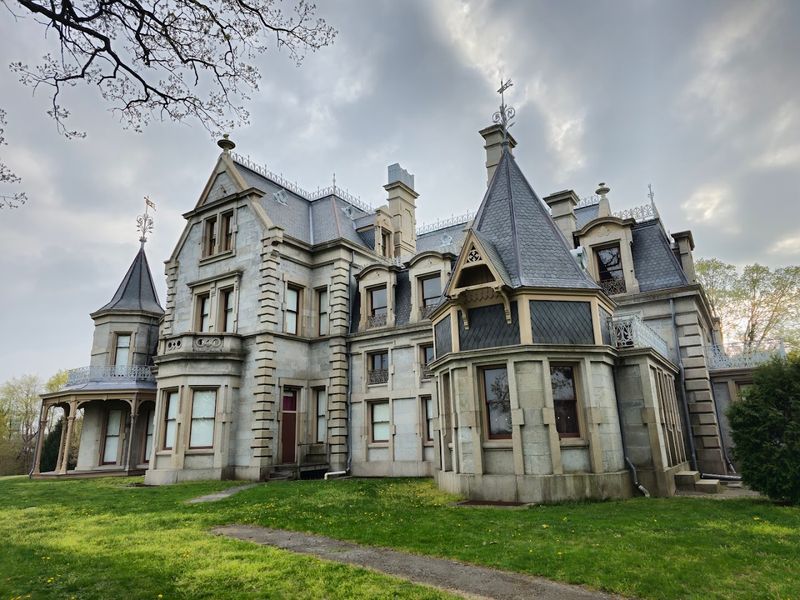
Second Empire architecture has a very distinct look, with its steep mansard roof, dormer windows, and ornate stone detailing that feels like it belongs somewhere in 19th-century France. Lockwood-Mathews Mansion is considered one of the earliest surviving examples of this style in the United States, which makes it a genuinely rare structure in American architectural history.
Most Second Empire buildings from that era have been demolished, significantly altered, or left in poor condition. The fact that this mansion still stands with much of its original character intact puts it in a very small category of surviving landmarks from the post-Civil War period.
The style became fashionable among wealthy Americans in the 1860s, partly inspired by the rebuilding of Paris under Napoleon III. Seeing it up close gives visitors a clear sense of how ambitious and culturally aware American wealth was during that period.
The craftsmanship visible on the exterior alone, from the carved stonework to the symmetrical window arrangements, signals that this was never meant to be a modest home.
2. National Historic Landmark With Impressive Architecture
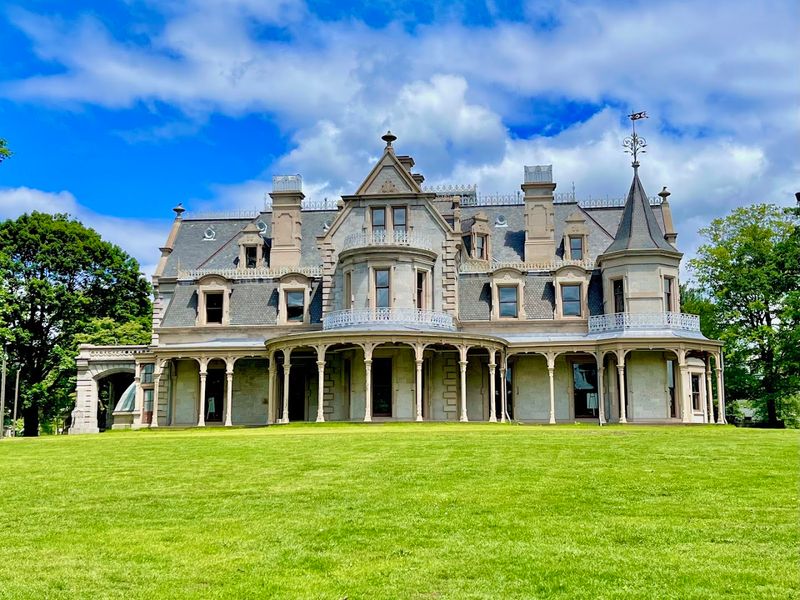
Achieving National Historic Landmark status is a distinction reserved for properties with exceptional significance in American history, culture, or architecture, and Lockwood-Mathews Mansion has proudly held that honor since 1971. Every detail of the property reflects why preservation authorities recognized it at the highest level, from the soaring central rotunda, which rises through multiple floors adorned with decorative plasterwork and painted surfaces crafted by skilled artisans, to the subtle elegance woven throughout the mansion.
The estate spans roughly 62 rooms across approximately 40,000 square feet, an extraordinary footprint for a private residence from any era, yet each element feels cohesive rather than overwhelming. The architecture tells a story beyond mere decoration, illustrating how ambition, European taste, and craftsmanship converged to create a residence that leaves visitors in awe of its scale and artistry.
For anyone planning a visit, the mansion at 295 West Ave, Norwalk, CT 06850 offers the opportunity to experience this grandeur firsthand.
3. Guided Tours Of Period Rooms And Servants’ Quarters
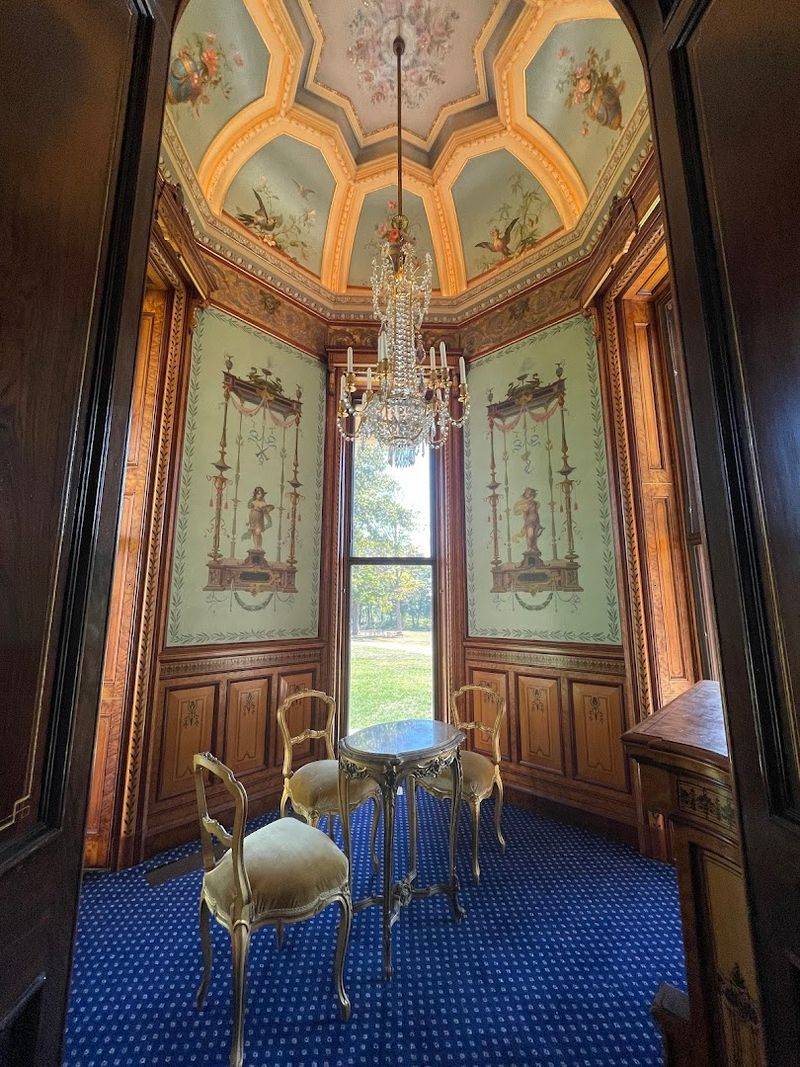
Guided tours at Lockwood-Mathews Mansion run Wednesday through Sunday and typically last around 90 minutes, covering both the restored ground floor rooms and portions of the upper floors depending on the tour format. Booking in advance is strongly recommended since group sizes tend to be limited.
What makes these tours stand out is the combination of restored grandeur and visible contrast. Visitors move through beautifully preserved parlors and reception rooms before encountering the servants’ quarters and working areas of the house, which tell a completely different story about daily life in the 19th century.
The back-of-house spaces show the physical labor and practical systems that kept the estate running, from the kitchen infrastructure to the narrow corridors used by household staff.
Tour guides are knowledgeable volunteers and docents who bring both the architecture and the social history to life. The 90-minute format gives enough time to absorb each room without feeling rushed, and questions are welcomed throughout.
Some tours also include access to upper-floor areas that are still in various stages of restoration, offering a raw and honest look at the ongoing preservation effort that adds unexpected depth to the experience.
4. Lavish Victorian Interiors With Original Furnishings
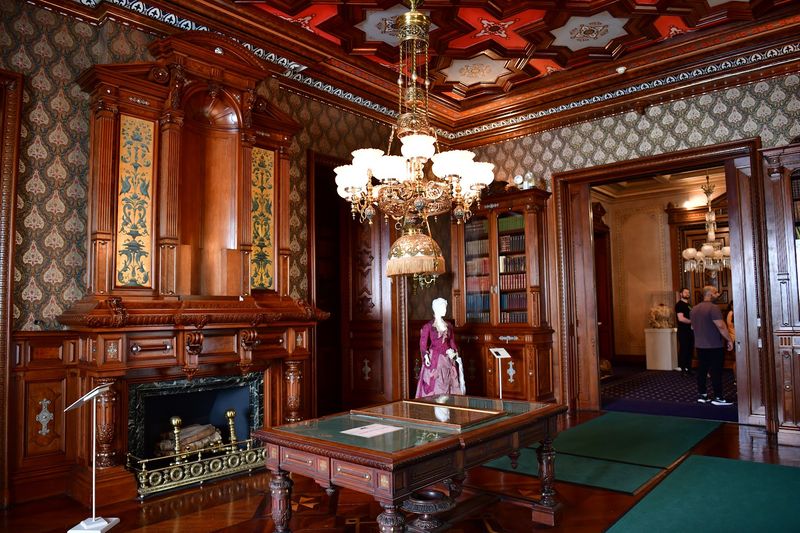
The interiors feature hand-painted wall panels, gilded decorative elements, carved wooden millwork, and marble surfaces that were sourced and installed during the original construction in the 1860s.
Several rooms retain original furnishings from the period, which is unusual for a house of this age. Most historic homes of comparable scale have lost their original contents over generations of ownership changes, estate sales, or simple deterioration.
The presence of period-appropriate pieces here, some original to the house itself, gives the rooms a grounded authenticity that reproductions cannot replicate.
The painted decorations on the walls and ceilings deserve particular attention. Skilled decorative artists created layered designs using techniques that were fashionable among wealthy households at the time, and many of these surfaces have survived in remarkably readable condition.
Light coming through tall windows adds warmth to the rooms and makes the painted details easier to appreciate. Photography is permitted inside, which allows visitors to spend time documenting the details that catch their eye rather than rushing through to keep pace with a group.
5. Built By A 19th-Century Railroad Financier As A Summer Estate
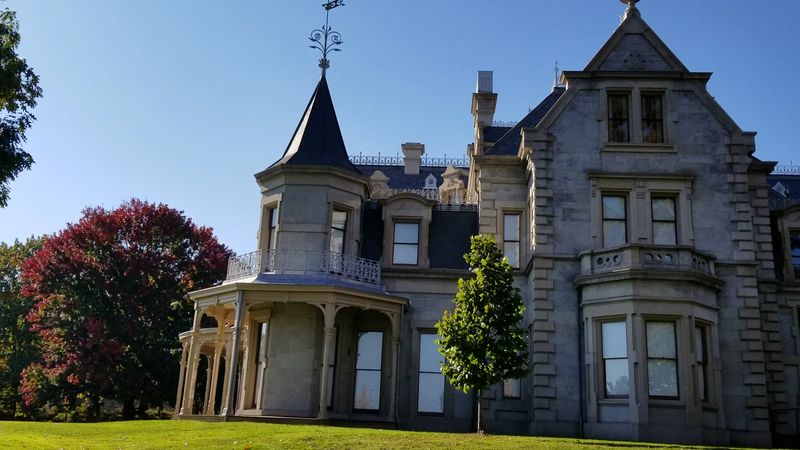
The mansion was commissioned by LeGrand Lockwood, a prominent financial figure who made a considerable fortune through railroad investments and Wall Street dealings during the mid-19th century. At the height of his wealth, building a grand summer retreat in Norwalk was a natural expression of his status and ambitions.
Construction began around 1864 and was completed by 1868, with the project drawing on European craftsmen and imported materials to achieve the level of finish Lockwood wanted. The estate was designed as a seasonal home rather than a year-round residence, which reflects how wealthy Americans of that era used summer properties as social showcases as much as personal retreats.
Financial reversal came quickly for Lockwood after the completion of the mansion. The railroad market shifted dramatically and he lost much of his fortune, eventually forcing the sale of the property.
The Mathews family purchased the estate in 1876 and occupied it for several decades, giving the mansion its current dual name. That history of rise, loss, and transition is woven into every room, making the house feel less like a trophy and more like a genuine record of how quickly fortunes could change in Gilded Age America.
6. Special Exhibits And Events Throughout The Year
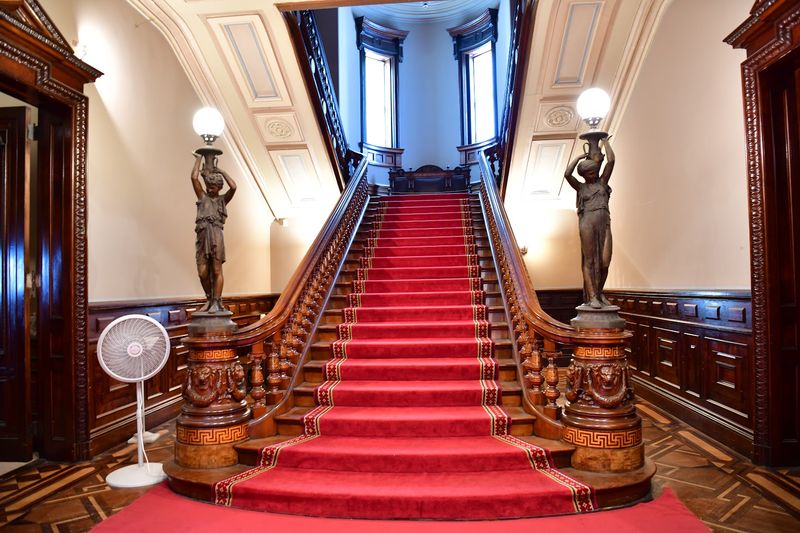
Beyond the standard guided tours, Lockwood-Mathews Mansion hosts a rotating calendar of exhibits, lectures, art shows, and seasonal events that give repeat visitors a reason to return throughout the year. The programming covers topics ranging from local history and decorative arts to broader themes connected to the Victorian era.
Holiday programming is particularly popular, with Christmas and Halloween events drawing visitors who want to experience the mansion in a more theatrical and festive context. These specialty tours tend to cost more than standard admission but offer a different kind of engagement with the space that many visitors find memorable.
School and senior group tours are also available, making the mansion accessible to a wider range of audiences.
The event calendar is updated on the museum’s official website, so checking ahead of a visit is useful for anyone hoping to catch a specific program. Lectures tend to attract history enthusiasts and architectural researchers, while art exhibitions bring in visitors who might not have considered the mansion as a cultural venue.
The combination of permanent collections and changing programming keeps the experience fresh and ensures the mansion functions as an active cultural institution rather than a static historic site.
7. Reopened With Restoration And Modern Upgrades In 2025
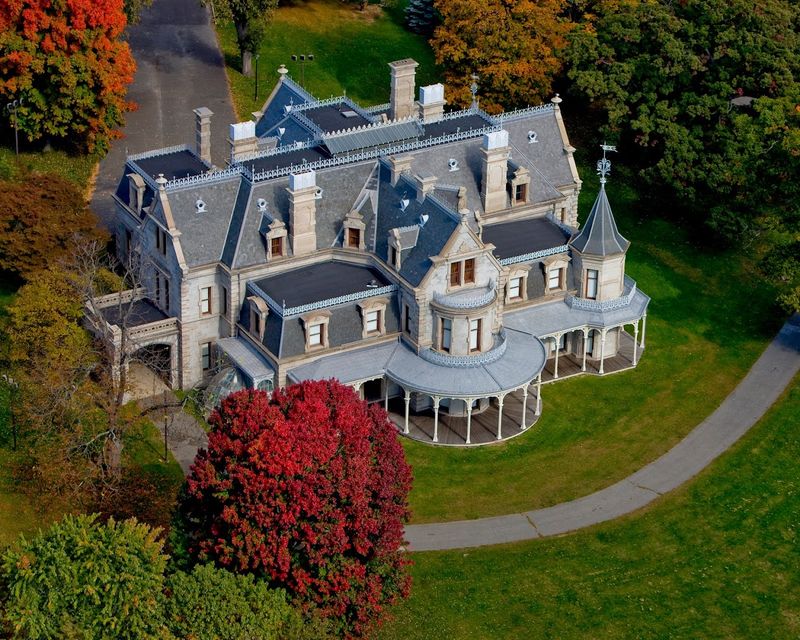
Preservation work at historic landmarks is never truly finished, and Lockwood-Mathews Mansion has been the subject of ongoing restoration efforts for years. Recent work completed ahead of the 2025 season brought meaningful improvements that make visiting more comfortable without compromising the historic character of the building.
Air conditioning was added to portions of the mansion, which significantly improves the experience during warmer months when the dense stone walls and enclosed rooms can trap heat. Accessibility upgrades including a ramp and elevator have been installed over the years, and continued investment in these areas reflects a commitment to making the landmark reachable for visitors with mobility considerations.
Some upper-floor rooms remain in various stages of restoration, and the museum is transparent about that reality during tours. Seeing the contrast between the meticulously restored ground floor and the rawer upper spaces actually adds dimension to the visit, giving a clearer picture of how much work goes into preserving a building of this scale.
Funding for historic landmarks of this kind often comes from grants and donations, and the visible progress over recent years shows what sustained community and institutional investment can accomplish for a property that might otherwise have been lost.
8. Seen In Films And TV For Its Historic Ambience
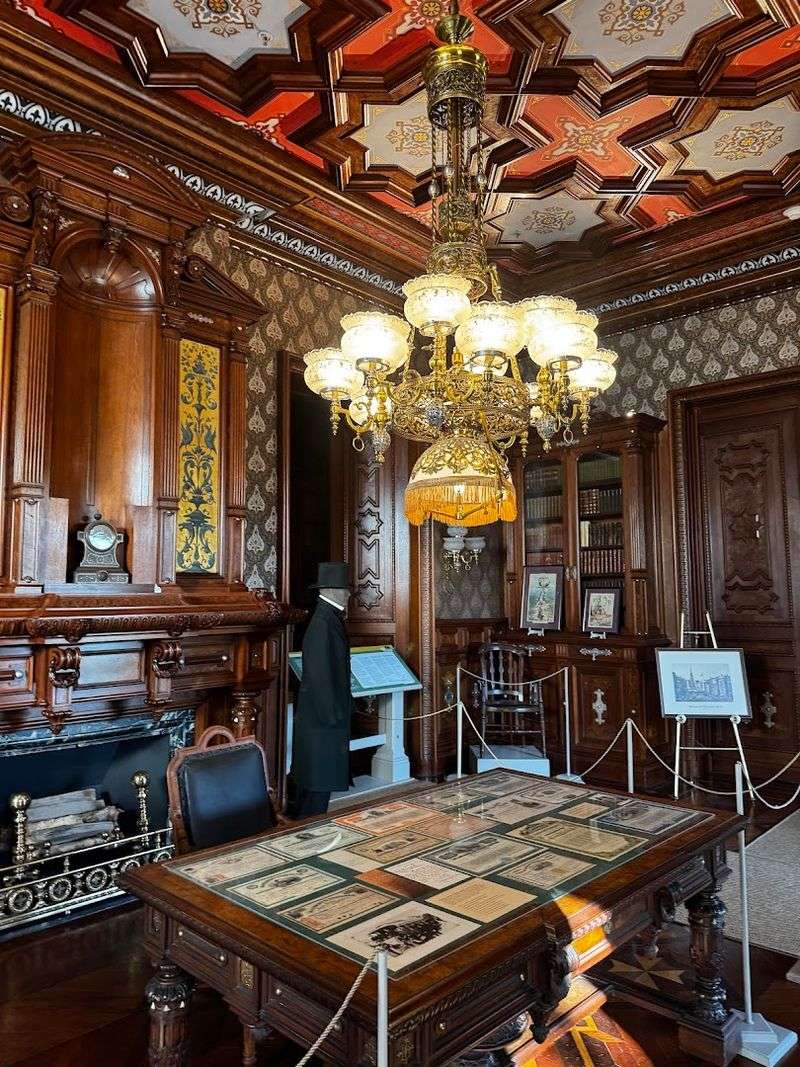
The visual character of Lockwood-Mathews Mansion has made it a practical and atmospheric choice for film and television productions looking for authentic 19th-century American settings. The combination of grand scale, intact period details, and photogenic architecture gives productions a ready-made backdrop that is difficult to replicate on a set.
Several notable productions have used the mansion as a filming location over the decades, drawn by interiors that require minimal dressing to read as convincingly historic on screen. The rotunda, the formal reception rooms, and the exterior stonework all translate well to camera, offering variety within a single location.
For visitors who arrive having seen the mansion on screen, there is a specific kind of recognition that comes with standing in a space that has appeared in a film or television episode. That layered familiarity can deepen the experience of a standard tour, adding a pop culture thread to what is already a rich historical narrative.
The mansion’s continued use as a production location also helps raise its profile among audiences who might not otherwise seek out historic house museums, bringing new visitors to a landmark that genuinely rewards the effort of a visit.