This Connecticut Antiques Market Is A Collector’s Dream By The Water
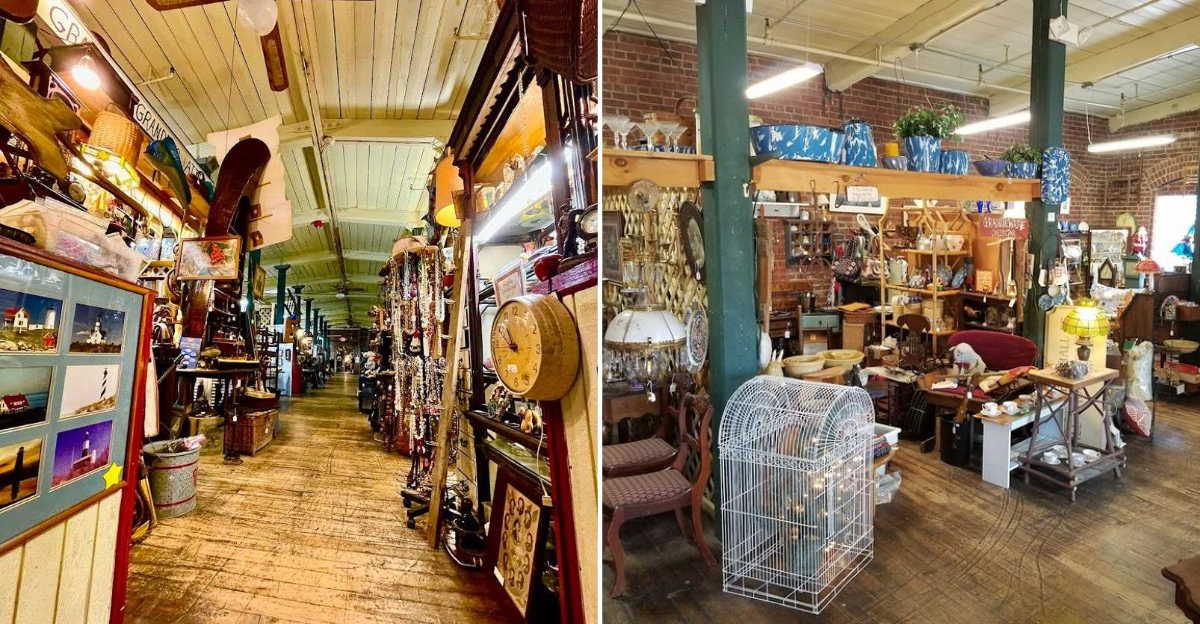
Antique hunting already has its own specific kind of satisfaction but doing it somewhere genuinely beautiful adds a layer that most markets simply cannot offer.
The waterside setting here does something to the whole experience before you have even started looking at a single piece – unhurried, atmospheric, and carrying the kind of energy that makes spending an entire afternoon here feel completely justified.
The inventory runs deep in a way that rewards patience and the dealers here actually know their stock which makes a bigger difference than people realize until they experience it firsthand.
An antiques market by the water in Connecticut that collectors have been quietly treating as one of their best kept finds – the kind of place that shows up in recommendations passed between serious buyers rather than tourist guides.
Every visit tends to surface something worth getting genuinely excited about and that consistency is exactly what keeps people coming back season after season.
1. A Riverside Treasure Hunt In Canton
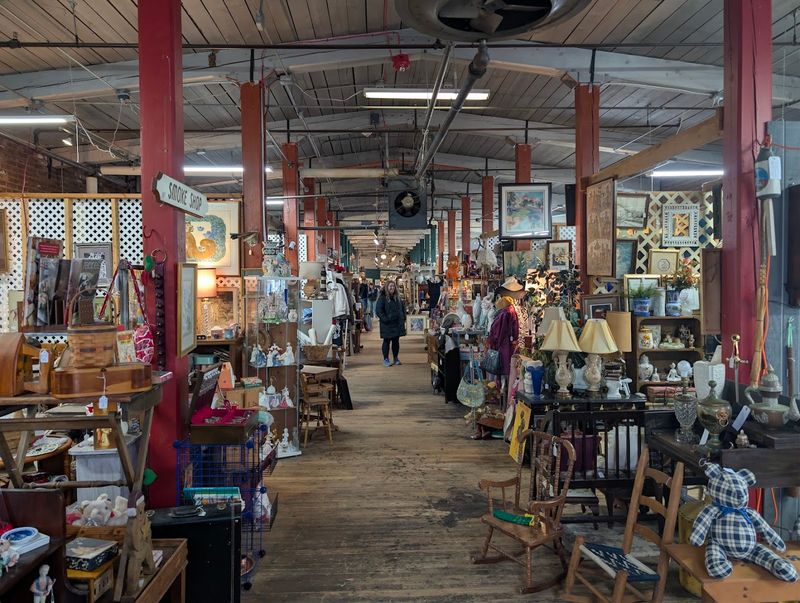
Antique hunting feels more memorable when the place itself has a story, and this one begins along the Farmington River in Collinsville. Inside the former Collins Axe Company factory, Antiques on the Farmington carries the kind of atmosphere that cannot be faked, with thick stone walls, worn wooden floors, and a quiet sense of history built into every corner.
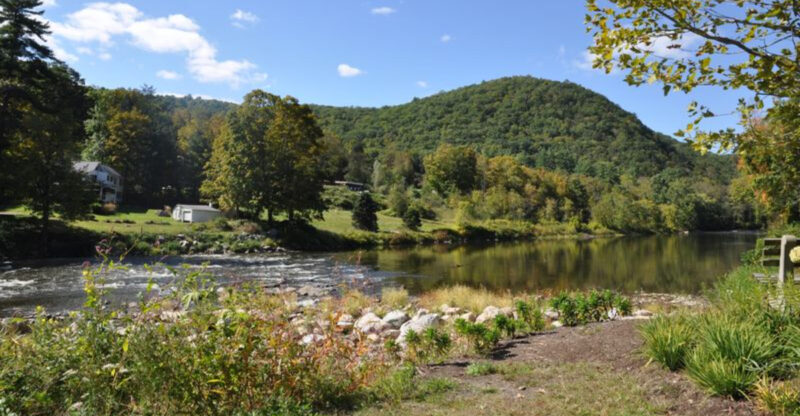
A visit here feels far removed from pulling into a plain retail space or rushing through a quick errand. The river runs nearby, and on warmer days the sound of moving water adds to the slower pace of the area.
Around it, Collinsville’s small shops and eateries make the trip feel like something worth stretching into an afternoon, especially for anyone who enjoys wandering, browsing, and waiting for an unexpected find to appear.
Practical details make the visit easier, too. Parking is available on site, which helps when a larger piece catches your eye, and the market is open daily from 10 AM to 5 PM.
You can find Antiques on the Farmington at 10 Depot St, Canton, CT 06019.
2. Two Floors Filled With Vintage Finds
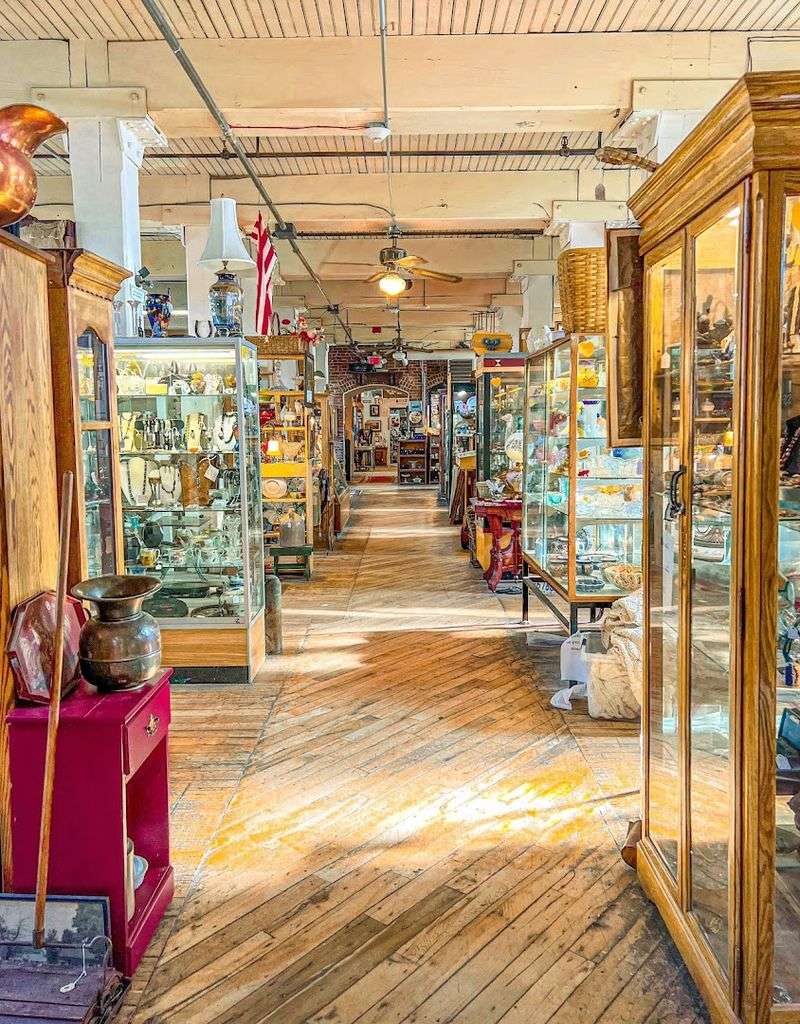
Spread across two full floors, the vendor layout at Antiques on the Farmington gives browsers plenty of room to roam without feeling rushed. Around 70 individual vendor booths are set up throughout the space, each one roughly boutique-sized and stocked with its own curated selection.
No two booths look the same, which keeps the visual experience fresh from one end of the building to the other.
The range of items across both floors is genuinely broad. Furniture, decorative pieces, vintage prints, jewelry, tools, records, comics, electronics, and small collectibles all show up regularly.
Prices tend to vary widely depending on the vendor and the item, with some pieces priced under a few dollars and others reaching into the hundreds.
Each booth is maintained by its individual vendor, and most spaces are kept clean and organized, which makes browsing comfortable rather than overwhelming. The variety means that collectors with very specific interests and casual shoppers with no particular goal in mind can both walk away satisfied.
Spending a solid hour or two working through both floors is a realistic and enjoyable way to experience everything the market has to offer without feeling like anything was missed.
3. Where To Browse Along The Farmington River
The location of Antiques on the Farmington along the Farmington River adds a layer of outdoor enjoyment that most antique markets simply cannot offer. After browsing through the booths, stepping outside and walking along the riverbank is a natural and easy extension of the visit.
The Farmington River Trail runs nearby, giving visitors a pleasant route to stretch their legs between shopping sessions.
The village of Collinsville surrounds the market with a walkable mix of small businesses including cafes and local shops. Taking a short walk through the neighborhood before or after browsing the market helps give the whole outing a relaxed, unhurried rhythm.
The compact scale of the village means most spots are within a few minutes on foot from the parking area.
Seasonal changes along the river affect the atmosphere noticeably. Fall foliage turns the surrounding landscape into something particularly striking, and spring brings a fresh greenness that makes the riverside walk feel energizing.
Summer visits tend to feel lively with more foot traffic in the area. Planning a visit that combines the market with a short walk along the river tends to make the overall experience feel more complete and worth the drive.
4. When To Go For Slow Weekend Shopping
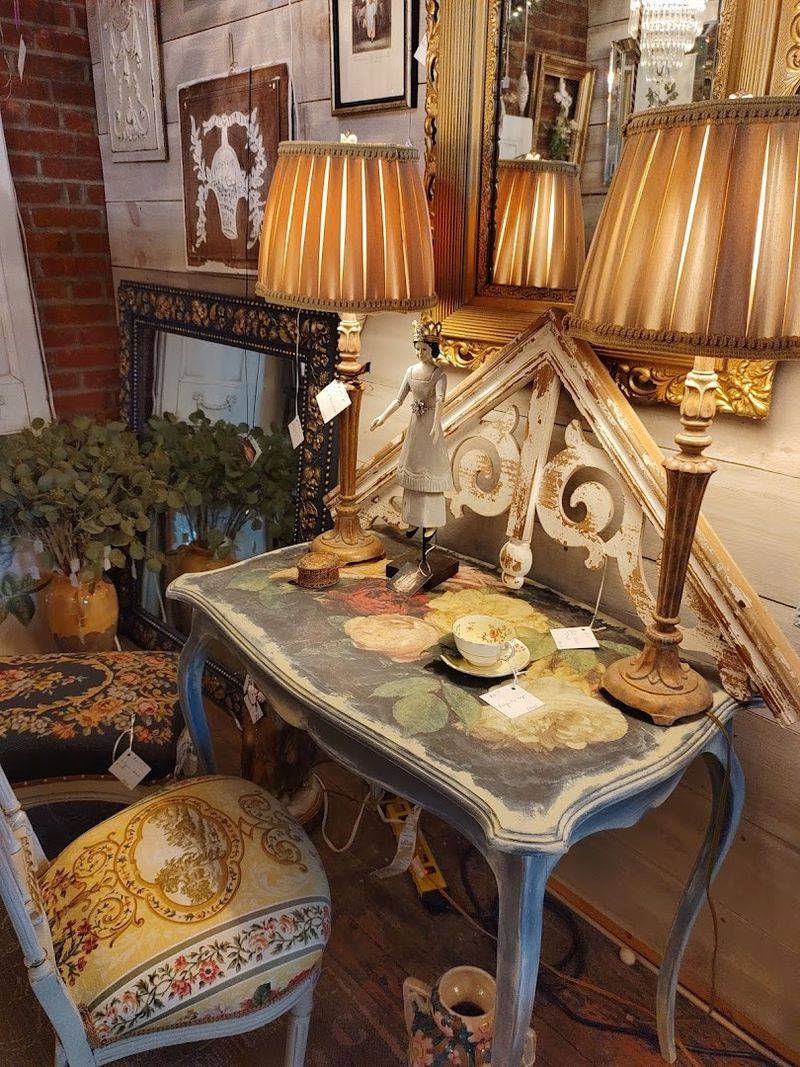
Weekday mornings tend to draw smaller crowds, which gives browsers more space and time to examine items carefully without the pressure of a busy floor. The market opens at 10 AM every day of the week, making a mid-morning arrival on a Tuesday or Wednesday a particularly calm option.
Weekend visits bring more energy and foot traffic, which some shoppers enjoy for the lively atmosphere. Saturdays in particular can get busy, especially during warmer months when the surrounding village also sees more visitors.
Arriving early on a weekend morning, shortly after opening, helps balance the social energy with enough breathing room to browse comfortably.
Rainy days tend to bring out dedicated collectors rather than casual passersby, which creates a quieter and more focused shopping environment. Since the market is entirely indoors, weather does not affect the experience once inside.
Planning around personal preferences for crowd level and pacing makes a real difference in how enjoyable the visit turns out to be. The consistent daily hours give plenty of flexibility to find a time that feels right.
5. What Makes The Vendor Booths Fun
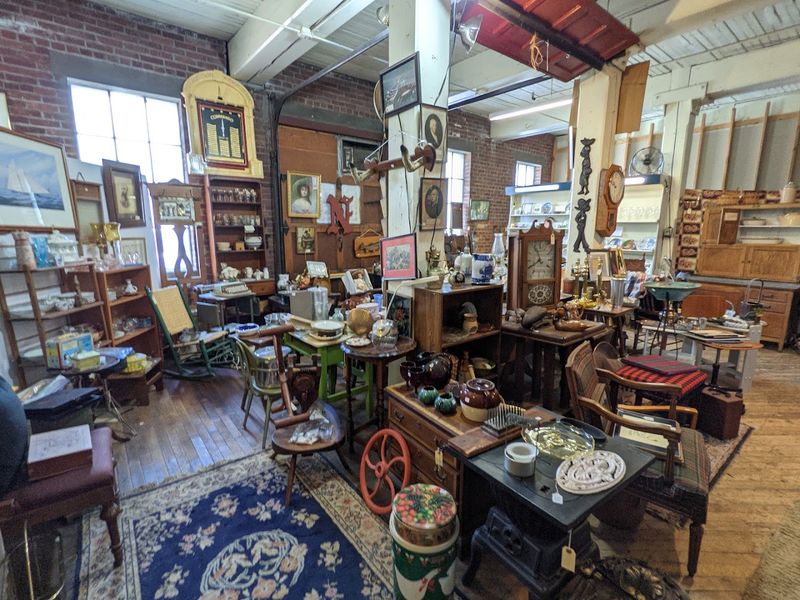
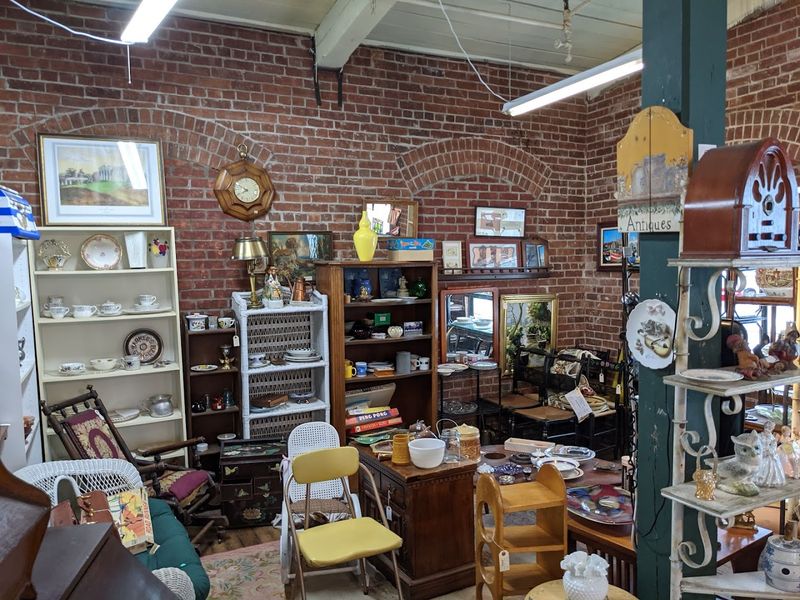
Part of what makes a multi-vendor antique market genuinely enjoyable is the unpredictability of what each booth holds. At Antiques on the Farmington, each of the roughly 70 vendor spaces reflects the personality and collecting focus of the individual dealer behind it.
One booth might be stocked entirely with vintage kitchenware while the next overflows with old maps, prints, and framed artwork.
That variety keeps the browsing experience feeling spontaneous rather than predictable. Stumbling across an unexpected item, like a 1940s doctor’s bag in excellent condition or a stack of vintage dairy records, is the kind of moment that makes antique hunting so satisfying.
The mix of items across booths also means that shoppers with very different tastes can browse side by side and each find something worth stopping for.
Vendor booth spaces are generally kept organized and clean, which makes it easier to see what is available without having to dig through cluttered piles. Some vendors are present in their spaces on certain days and can offer background information on specific pieces.
That direct connection between shopper and seller adds a human element to the transaction that larger retail environments rarely provide. Each booth genuinely feels like its own small shop within the larger market.
6. Why Collectors Love The Historic Mill
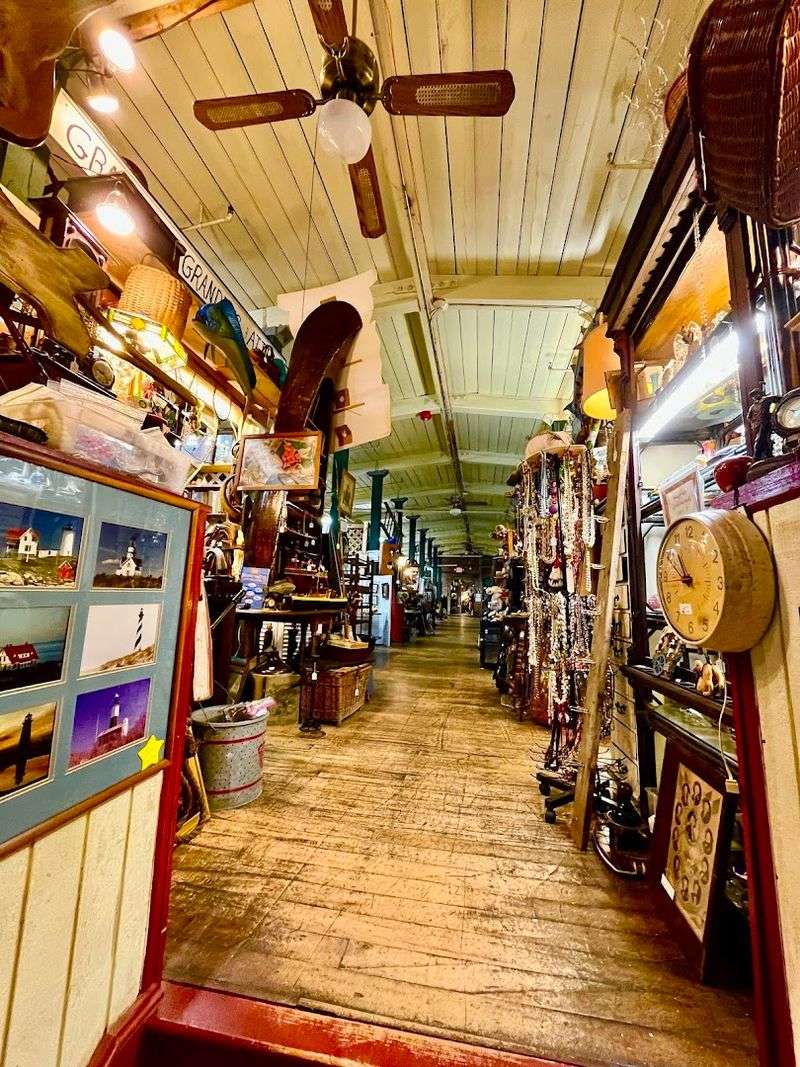
The former Collins Axe Company factory, which dates to the 1820s, still has its original industrial bones intact. Exposed brick, heavy timber beams, and aged wooden floors give the space a texture that newer buildings simply cannot replicate.
Walking through the market, remnants of the old factory are visible in the architecture around every corner. Some visitors find themselves just as absorbed by the building itself as by the items for sale.
Staff members tend to be knowledgeable about the history of the space and are generally happy to share details about what the factory once produced and how the building evolved over time.
That connection between the space and its contents creates a layered experience that feels genuinely educational. Antiques displayed inside a historic mill carry a different weight than the same items placed in a generic setting.
For collectors who care about context and provenance, that atmosphere adds real value to every browsing session. The building alone is worth a visit even before a single item catches the eye.
7. A Cozy Stop For Rainy Days
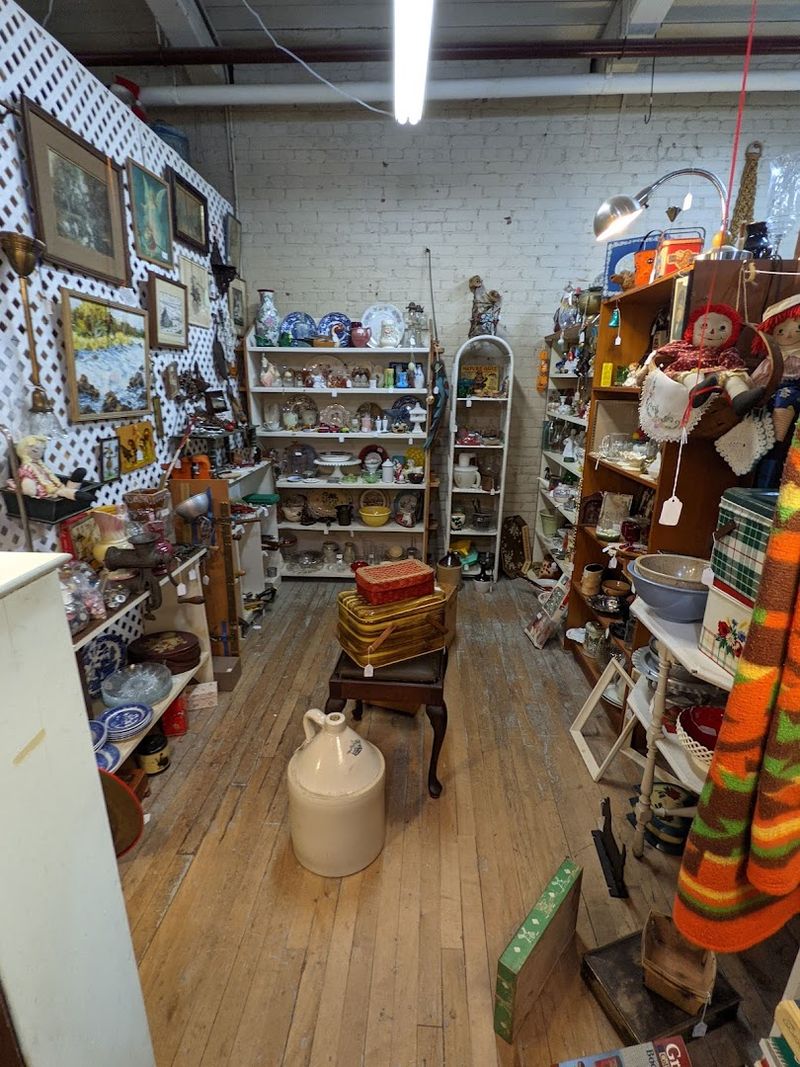
Rainy days and antique markets are a combination that works surprisingly well together. There is something about the dim, cozy atmosphere of a historic mill building on a grey afternoon that makes browsing feel especially unhurried and comfortable.
The thick stone walls of the old Collins Axe Company factory keep the interior feeling insulated and warm regardless of what the weather is doing outside.
Because the entire market is indoors across two floors, rain has no real impact on the shopping experience. Visitors can take their time moving from booth to booth without any concern about getting wet or rushing back to a car.
That freedom to linger tends to make rainy-day visits feel more thorough and enjoyable than a quick sunny-day stop.
The sound of rain on the old building adds a subtle atmospheric quality that feels fitting for a space filled with items from earlier decades. Lighting inside the market tends to be warm and diffused, which suits the textures of aged wood, ceramic, and metal particularly well.
Collectors who find themselves in the Canton area during an overcast or wet weekend will find that Antiques on the Farmington makes for one of the more satisfying ways to spend a few hours indoors without feeling like time was wasted.
8. Why Every Visit Feels Different
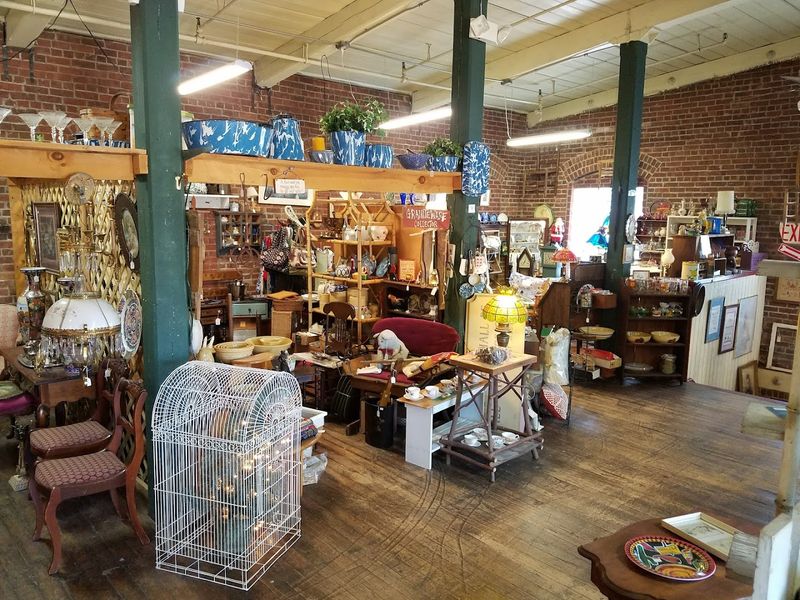
One of the most appealing qualities of a multi-vendor antique market is that the inventory is never quite the same from one visit to the next. At Antiques on the Farmington, vendors rotate their stock regularly, which means that a piece that was not there last month could be waiting on a shelf today.
That rotating nature gives the market genuine replay value for anyone who visits more than once.
New vendors occasionally join the market as well, bringing fresh perspectives and entirely different collecting specialties into the mix. Long-time visitors have noted that the market has continued to grow and improve over the years, with the vendor selection becoming more diverse and the overall quality of items trending upward.
That sense of ongoing evolution keeps the experience from feeling stale.
Seasonal shifts in the surrounding village also contribute to how different each visit can feel. The riverfront setting looks and sounds distinct in every season, and the mix of local businesses nearby changes the overall energy of a visit depending on the time of year.
Returning shoppers often describe the experience as consistently rewarding precisely because there is always something new to discover. For collectors, that unpredictability is not a drawback but rather the whole point of the hunt.