This Is The Gorgeous Botanical Garden In Connecticut That Most People Never Talk About
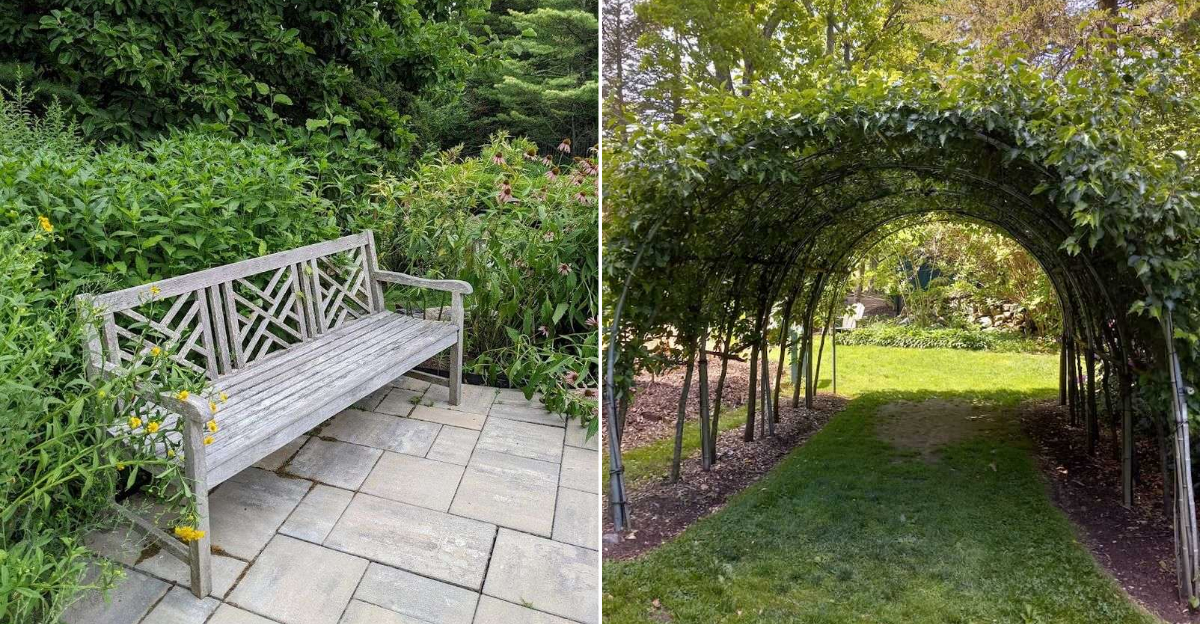
Right place, wrong amount of attention – that pretty much sums up the situation here. A botanical garden this genuinely beautiful should have a much longer line out front and the fact that it doesn’t is simultaneously its best quality and its biggest injustice.
Mature trees that have been growing for decades create a canopy so impressive it stops people mid sentence and the garden beds shift with the seasons in a way that makes every visit feel like a different experience entirely.
A gorgeous botanical garden in Connecticut that most people never talk about has been quietly rewarding the visitors who find it for years while the more obvious spots collect all the foot traffic.
Peaceful in a way that feels almost deliberate, beautiful in a way that requires zero explanation, and completely worth an afternoon of anyone’s time regardless of how much they think they care about gardens.
1. A Gorgeous Garden Hiding In Stamford
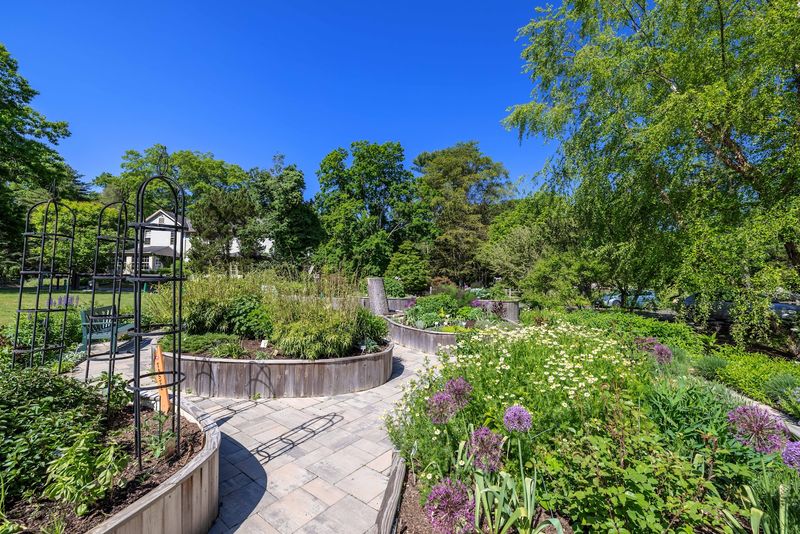
Not every remarkable place announces itself loudly, and Bartlett Arboretum & Gardens in Stamford proves it beautifully. The grounds feel peaceful almost as soon as visitors arrive, with leafy paths, garden spaces, and quiet corners that make the surrounding city feel much farther away than it really is.
Across 93 acres, the property brings together an impressive mix of landscapes without feeling crowded or overly designed. There are formal garden beds, a working greenhouse, a pond trail, a wetland boardwalk, and woodland paths that wind beneath tall trees.
Each section flows into the next naturally, giving visitors the feeling of wandering through a place that slowly reveals itself.
Early mornings can be especially lovely, when soft light filters through the canopy and the trails are still quiet. The arboretum is at 151 Brookdale Rd in Stamford, just off the Merritt Parkway, which makes it easy to reach even though the setting feels tucked away.
There is no ticket booth, no entry fee, and no reservation required. Comfortable walking shoes are a good idea, especially on rocky or rooted paths, but the calm, restorative scenery makes the effort feel more than worthwhile.
2. Why This Place Feels So Underrated
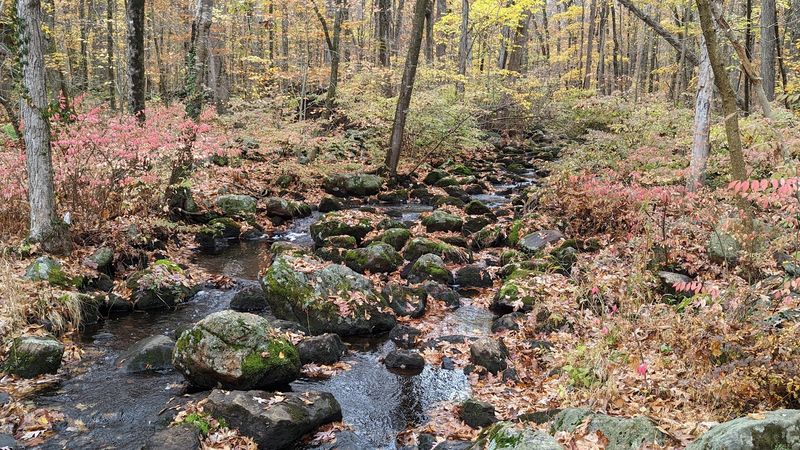
Places that charge nothing and offer everything tend to fly under the radar, and that seems to be exactly what has happened with the Bartlett Arboretum over the years. Without a prominent marketing presence or a famous reputation to draw crowds, the arboretum quietly continues to maintain its trails, tend its gardens, and welcome visitors without much fanfare.
That low profile is part of what makes a visit feel so refreshing.
The arboretum has roots going back more than a hundred years, with the founding plantings started by Dr. Francis Bartlett as a center for tree science and arboriculture research. Over time, the property grew into a full botanical garden and education center managed by the University of Connecticut.
That academic foundation shows in the way plants are labeled throughout the grounds, with species names and characteristics noted on small markers that turn a casual walk into something genuinely informative.
Most visitors who do find their way here tend to return regularly. The combination of free access, well-maintained grounds, and a staff that genuinely cares about the space creates an atmosphere that feels welcoming rather than transactional.
It is the kind of place that rewards curiosity without demanding anything in return.
3. When To Visit For The Best Stroll
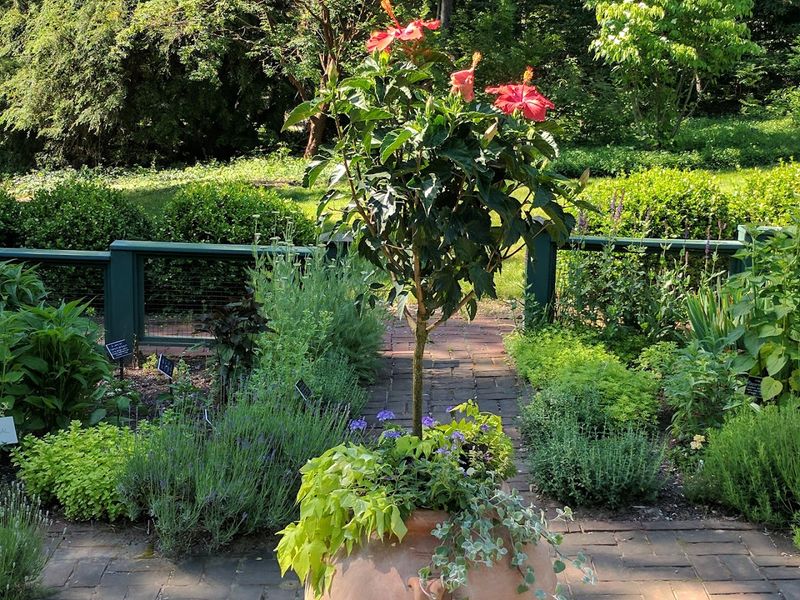
Spring tends to be one of the most visually rewarding seasons, when flowering shrubs bloom across the garden sections and the trees begin to fill back in with fresh green growth. The grounds open as early as 5 AM each day, so arriving in the morning during spring means catching the gardens at their most vibrant before the afternoon sun shifts the light.
Summer brings a different kind of energy to the property. The Tropical Garden area becomes especially impressive during the warmer months, with outdoor plantings that grow to surprising heights and density.
Sunday concerts on the lawn also take place during summer, which adds a community atmosphere that feels easy and unhurried rather than crowded or hectic.
Autumn is quieter but equally beautiful, with the woodland trail sections turning into a shifting display of seasonal color. Winter visits are less common but still possible since the grounds remain open year-round.
The indoor education center with its library and seasonal plant clinic offers a warm stopping point during colder months. Weekdays tend to draw smaller numbers of visitors regardless of season, making them a good choice for anyone who prefers a more solitary experience.
4. What Makes The Gardens Feel Special
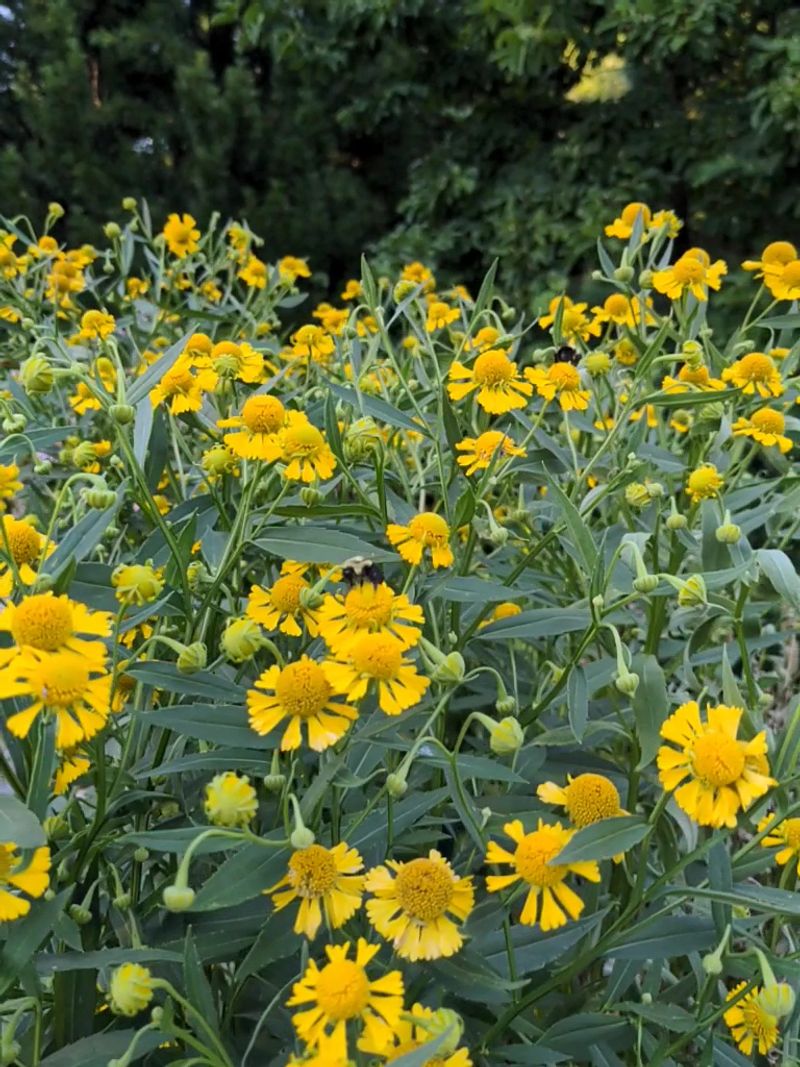
Something sets the Bartlett Arboretum apart from a typical municipal park, and it becomes obvious within the first few minutes of walking the grounds. Nearly every plant, tree, and shrub in the garden sections carries a small identifying label with the species name and relevant characteristics.
That level of detail reflects the arboretum’s origins as a scientific research facility and gives even casual visitors something to engage with beyond simple visual enjoyment.
The greenhouse on the property adds another layer of interest to any visit. Inside, visitors can view plantings that would not survive harsh winters outdoors, and the space tends to feel warmer and more enclosed than the open garden areas outside.
A seasonal plant clinic also operates on site, offering practical advice for home gardeners who want guidance on their own plantings.
The Glockenspiel installed on the grounds provides an unexpected sensory detail, sending musical tones through the surrounding trees at intervals that feel both surprising and fitting for the space. Trees from all over the world have been planted across the arboretum over its long history, with some specimens now reaching impressive size and age.
The layered combination of science, art, and natural beauty is what gives the gardens a character that feels genuinely distinct rather than generic.
5. Woodland Paths Worth Wandering Slowly
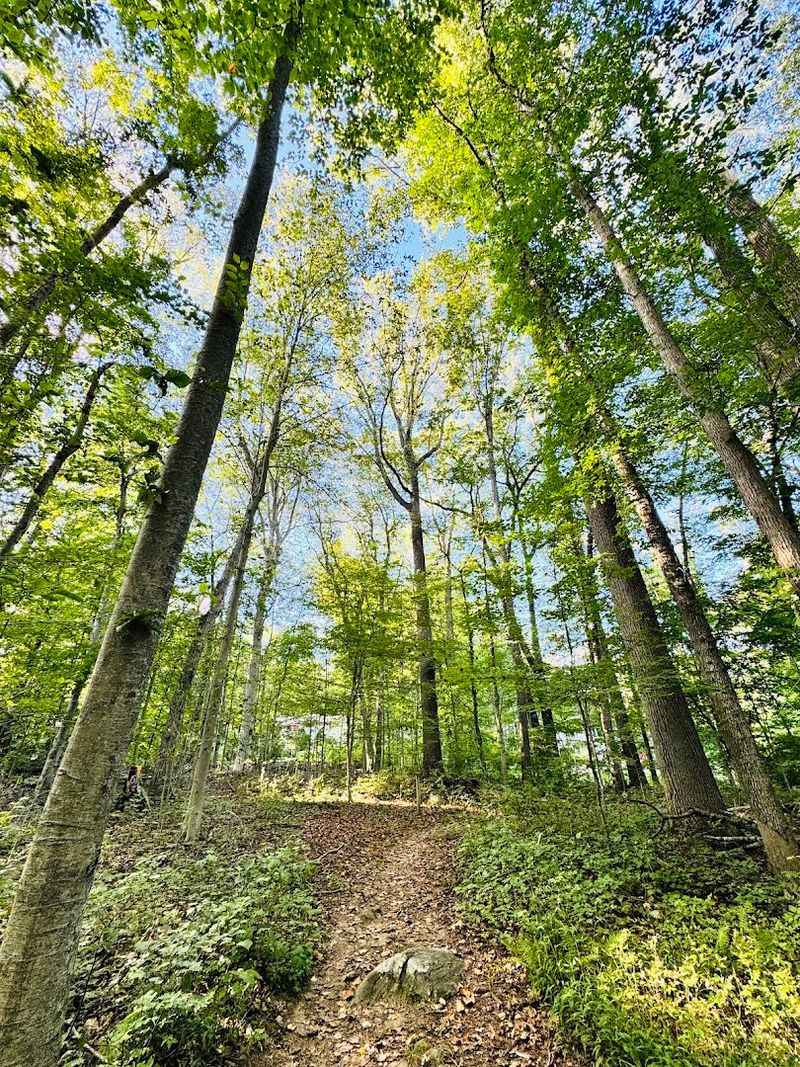
The woodland trail sections of the Bartlett Arboretum reward a slower pace more than almost any other type of outdoor space. Trails here are short by hiking standards, with none of the loops exceeding a half mile, but the terrain has enough variation to keep the walk interesting from start to finish.
Rocky sections and exposed roots require some attention underfoot, especially after rain, when the ground can become slippery in shaded areas.
A boardwalk constructed with contributions from local organizations crosses over otherwise swampy sections of the property, allowing visitors to move through wetland areas without getting muddy. The construction runs above the water rather than simply bridging it, which creates an unusual vantage point directly over the stream below.
The sound of moving water beneath the boards adds a subtle sensory layer to the walk that feels distinct from the drier trail sections.
Wildlife sightings are not uncommon along the woodland paths. Resident owls have been spotted by regular visitors, and the varied tree canopy supports a wide range of bird species throughout the year.
Moving slowly and staying quiet increases the chances of noticing these details, which is one more reason to resist the urge to rush through the trails and instead allow the walk to unfold at its own natural rhythm.
6. A Botanical Escape Without The Crowds
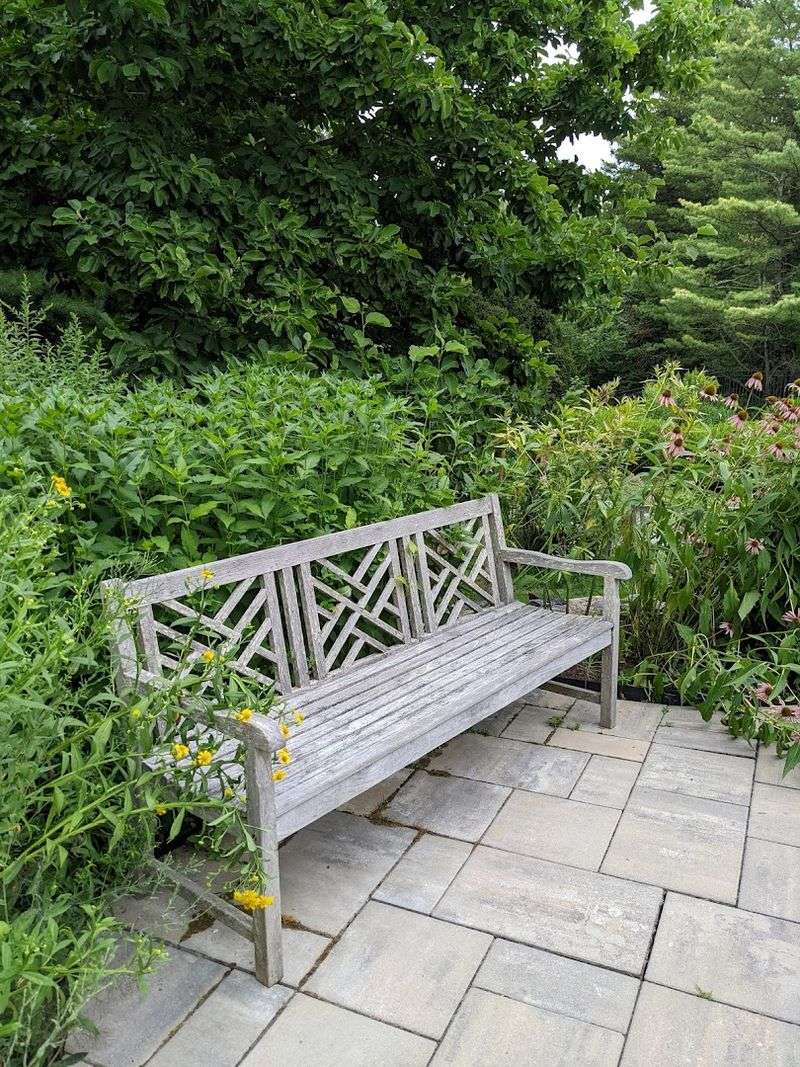
One of the most appealing things about the Bartlett Arboretum is how uncrowded it tends to feel even on pleasant days. The 93-acre property has enough space to absorb visitors without the paths ever feeling congested, and the layout spreads people naturally across different trail sections and garden areas.
Early morning visits in particular can feel almost entirely private, with just birdsong and the occasional sound of wind moving through the upper canopy.
Dog owners will find the arboretum especially welcoming. The trails are dog-friendly, and most visitors tend to be considerate about keeping pets on leash around others.
The combination of varied terrain and natural smells makes it a genuinely engaging outing for dogs and their owners alike.
Families with children also tend to find plenty to hold attention across the grounds. The rocky terrain adds a mild sense of adventure to the shorter trail loops, and the pond area offers a change of scenery without requiring a long hike.
Some visitors have noted finding word rocks and small creative installations tucked into the landscape, which adds a playful element to exploring the grounds. The overall atmosphere stays calm and unhurried regardless of who else happens to be visiting that day.
7. A Peaceful Stop For Nature Lovers
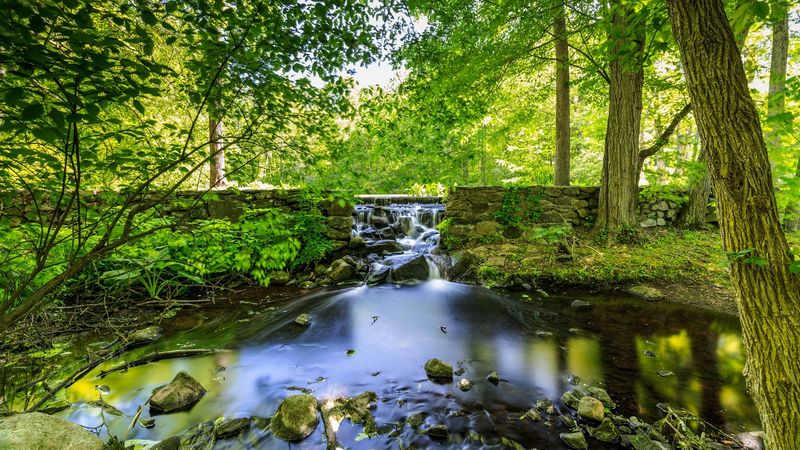
The arboretum holds a pond area that adds a genuinely calming quality to any visit. Water reflects the surrounding tree canopy on still days, and the sound of a small waterfall nearby creates a steady background tone that makes the space feel set apart from the rest of the grounds.
The pond trail begins close to the secondary parking area near the entrance, which means visitors who park there can access it almost immediately upon arrival.
Nature lovers who pay attention to detail will find the arboretum endlessly interesting across multiple visits. Trees from dozens of countries have been planted across the property over its long history, and the diversity of species means that no two sections of the grounds look or feel exactly alike.
Some trees have grown to remarkable size after more than a century of growth, with bark textures and crown shapes that feel genuinely impressive up close.
The arboretum also hosts a range of seasonal events including a honey festival, plant sales, and outdoor concerts that bring the community together without overwhelming the natural character of the space. Master gardener courses and family camps run during warmer months, adding an educational dimension for those who want more than a simple walk.
The property manages to serve many different kinds of visitors without losing the quiet atmosphere that makes it worth visiting in the first place.
8. Why Locals Should Talk About It More
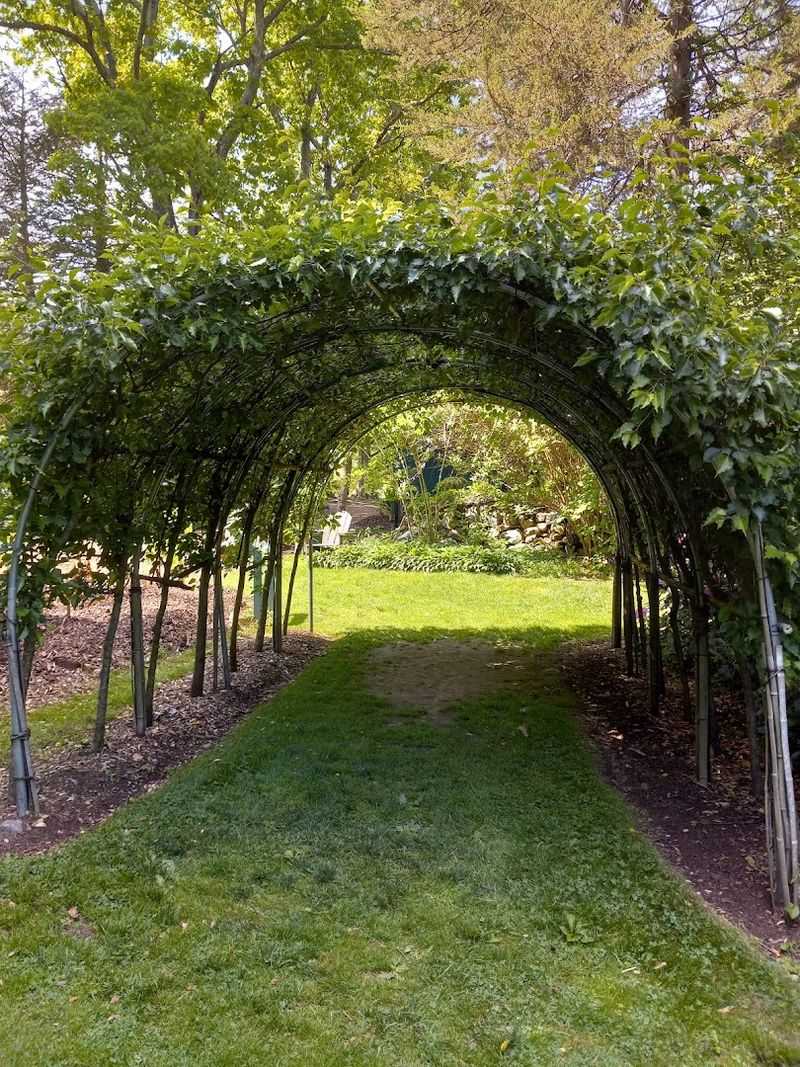
Free admission, daily access from 5 AM to 9 PM, clean restroom facilities in the education building, and a well-maintained landscape across 93 acres represent a combination that is genuinely hard to match anywhere else in Fairfield County. Yet the Bartlett Arboretum remains largely absent from the conversations that residents tend to have about local outdoor destinations.
That gap between what the place offers and how widely it is known feels like a missed opportunity for the surrounding community.
Part of what makes word-of-mouth so important for a place like this is that the arboretum relies on community support and engagement to sustain its programming. Volunteer opportunities exist for those who want to contribute more than a visit, and the on-site master gardener clinic serves local residents who need practical horticultural guidance.
The more people who know about the space, the stronger the community connection tends to become.
Reaching the arboretum is straightforward for most Stamford-area residents since the property sits close to the Merritt Parkway with food options available nearby along High Ridge Road. Parking is available in a main lot near the visitor center as well as a smaller space closer to the pond trail entrance.
For a destination that asks nothing financially and offers so much in return, it deserves far more local recognition than it currently receives.