This Stunning Flower Field In California Is So Picturesque, You’ll Think You’re In A Postcard
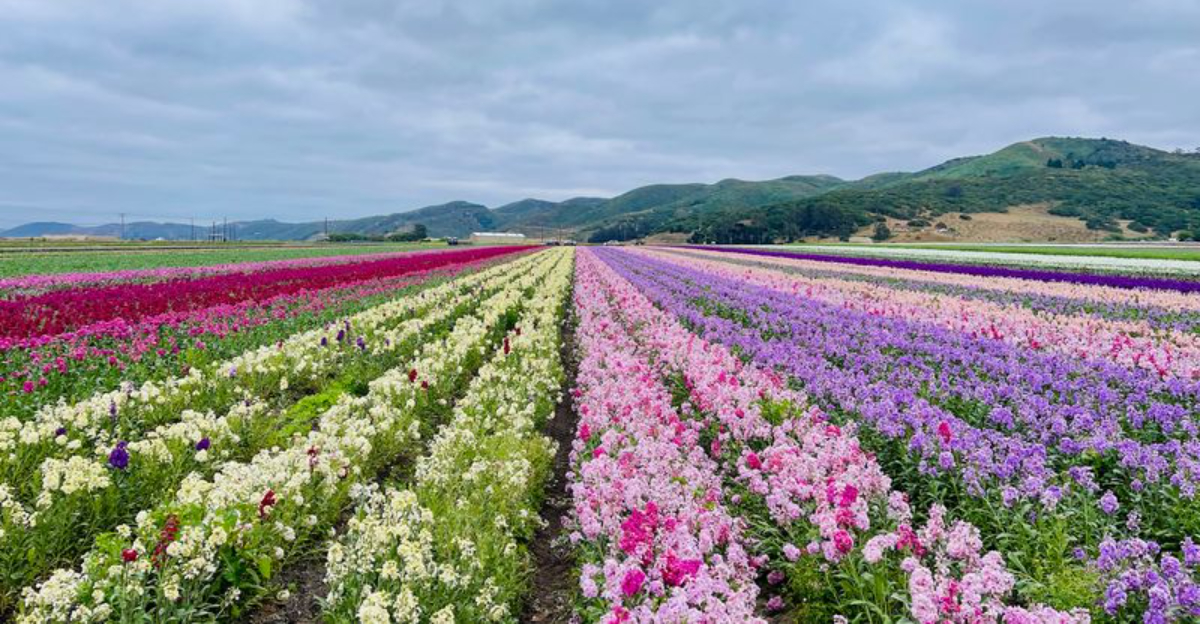
Flower fields have a way of making real life look suspiciously edited.
Rows stretch farther than expected. Color takes over the whole view. Even the dirt paths start acting like they were placed there for a magazine spread.
A California field this pretty can make your camera roll look like it went on vacation without you.
That is the kind of stop people do not forget quickly.
A place like this does not need much help from filters or clever angles. The flowers handle the drama. The sky helps when it feels generous.
A simple walk between the rows can turn into a full pause from the usual rush.
People come for photos, but the color is what keeps them lingering.
Some places feel pretty from a distance. This one gets better the longer you stand there.
Roadside Flower Fields Make The View Easy To Find
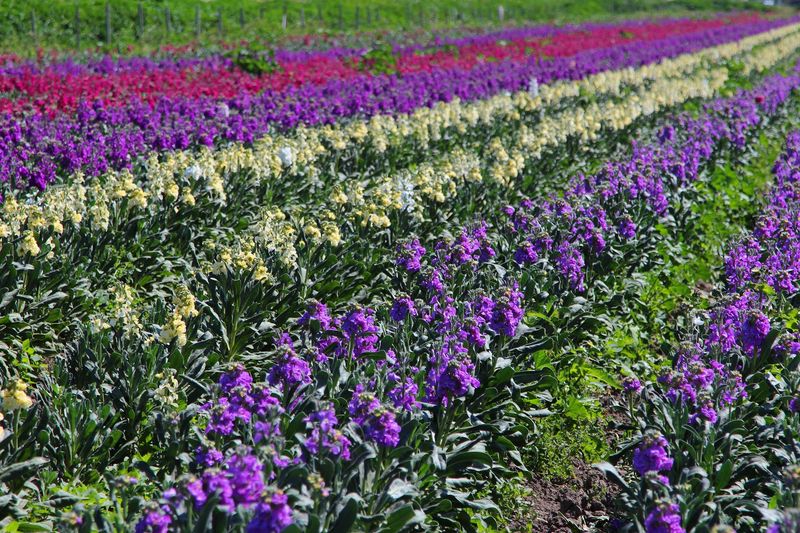
Not every beautiful destination comes with a parking lot and a sign pointing the way, and the Lompoc Flower Fields are a perfect example of that.
The blooms grow across working agricultural land scattered throughout the Lompoc Valley, with some of the most reliably visited stretches found west of Old Town Lompoc along Central Avenue.
Explore Lompoc, the official visitor resource for the area, directs guests toward that corridor as a starting point for the drive.
The fields are not fenced off or ticketed, so the viewing happens from the roadside rather than from a walking path inside the crops.
That setup actually makes the experience feel more open and natural than a managed attraction would.
Pulling off safely along the road gives a clear sightline across the rows, and the color contrast against the surrounding green hills can be striking on a clear day.
Knowing ahead of time that the fields are spread out rather than concentrated in one spot helps set realistic expectations and keeps the drive enjoyable rather than frustrating.
The Best Route Turns The Visit Into A Scenic Drive
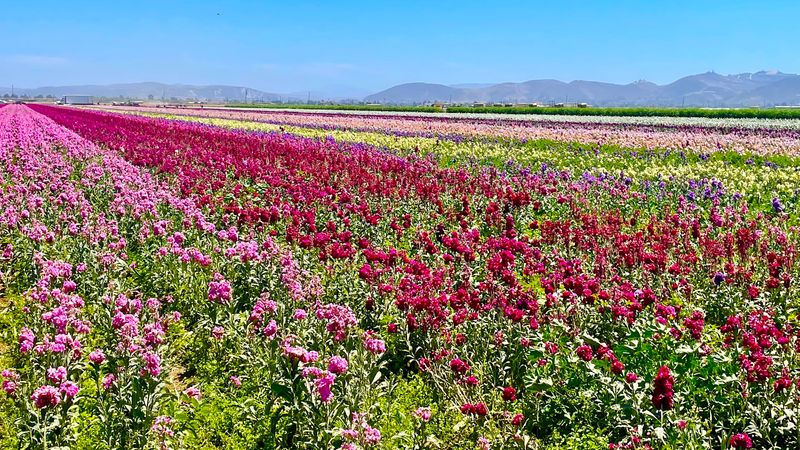
Treating the Lompoc Flower Fields as a loop drive rather than a single destination changes the whole feel of the visit.
Explore Lompoc recommends starting near Central Avenue and Floradale Avenue then working back and forth through the surrounding field roads to catch blooms in different locations along the route.
That approach suits the way the fields are laid out because color and crop variety shift from one stretch to the next.
Some sections may be in full bloom while others are still green or already past their peak, so covering more ground gives a much better overall impression of what the valley looks like during flower season.
Ocean Road also runs through areas where fields have been spotted by visitors in previous seasons, and adding that stretch to the route can be worthwhile depending on what is blooming at the time.
The drive itself moves through open Central Coast scenery with low traffic and a relaxed pace that feels nothing like a crowded tourist attraction.
Allowing at least an hour for the full loop gives enough time to slow down, pull over safely, and actually take in the surroundings without feeling rushed.
Bloom Timing Usually Peaks In Late Spring
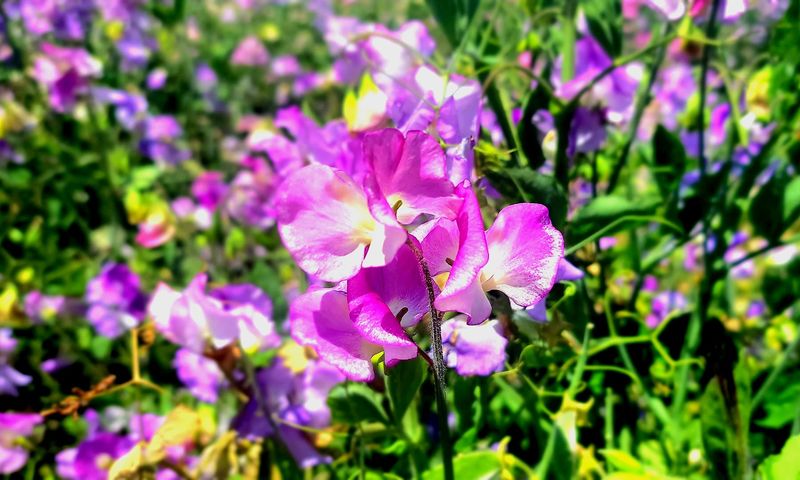
Timing a visit to the Lompoc Flower Fields takes a bit of planning because the blooms do not follow a fixed calendar.
The general window for seeing color in the fields runs from April through September, with mid-April through early June often cited as the most reliable stretch for catching multiple varieties at or near their peak.
Lavender fields in the area tend to show their best color in early June, which adds another layer of interest for visitors who time the trip well.
Because these are commercial farms rather than decorative gardens, planting schedules and crop rotations shift from year to year, so what looked spectacular in one season may look completely different the next.
Checking the Explore Lompoc Flower Tracker map before heading out is one of the most practical steps a visitor can take.
That resource updates field status and bloom locations so travelers are not relying on outdated photos or descriptions from previous years.
Arriving with flexible expectations and a willingness to explore the broader area tends to result in a much more satisfying experience than locking in on one specific location based on older images found online.
Private Farmland Keeps The Visit Roadside
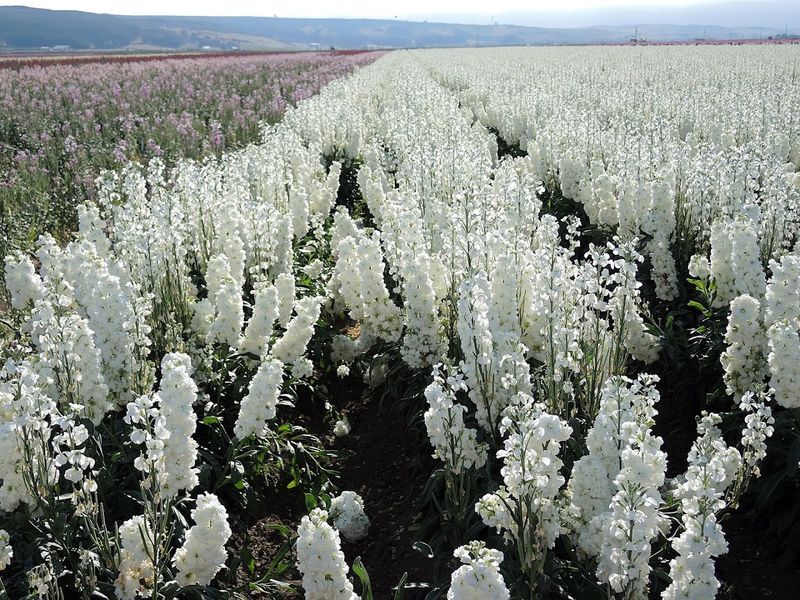
One of the most important things to understand before visiting is that the Lompoc Flower Fields are privately owned commercial agricultural property.
The farms are not public gardens, and walking into the planted rows is not permitted regardless of how tempting a closer photo opportunity might seem.
Staying on the road or pulling off only at legal stopping areas keeps the visit respectful and helps ensure that future visitors will continue to have access to the same views.
Damaging crops, even unintentionally, affects the livelihoods of the farmers who grow these flowers commercially for florists across California.
The good news is that roadside viewing can still produce genuinely impressive photos and a satisfying sense of the scale of the fields.
Rows of color stretching out toward the hills read beautifully from the edge of the road, especially when the light is good and the blooms are dense.
Treating the visit with the same consideration given to any working farm keeps the relationship between the agricultural community and curious visitors a positive one.
The Area Has A Real Flower-Growing Identity
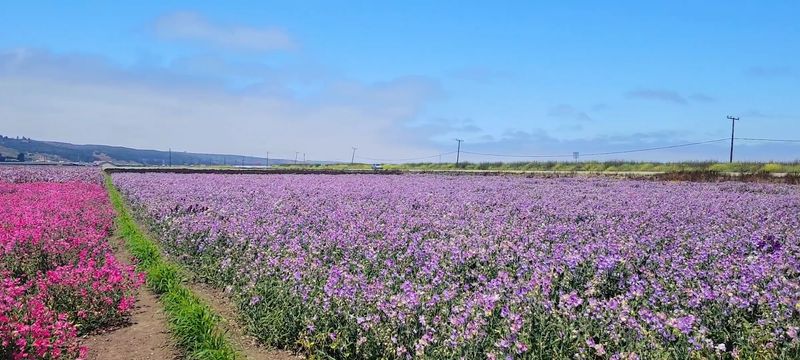
Lompoc did not earn the nickname Flower Seed Capital of the World by accident.
The valley has been tied to commercial flower growing since the early 1900s, and that history gives the fields a meaning that goes well beyond seasonal scenery.
The flowers grown here have long supplied florists across California, making the crops part of a real and functioning agricultural economy rather than a display planted for visitors.
Varieties like Stock, Larkspur, Delphinium, Queen Anne’s Lace, Bells of Ireland, Bupleurum, and Sweet Peas are grown for seed and cut flower supply, which explains why the fields look the way they.
That agricultural backdrop adds a layer of authenticity to the experience that more curated flower attractions simply cannot replicate.
Seeing the fields in the context of a working valley with a deep floral heritage makes the colors feel more earned and more meaningful.
For visitors who appreciate the story behind a place as much as the scenery itself, that historical dimension makes Lompoc a genuinely interesting stop rather than just a photogenic one.
Flower Festival Season Adds Another Reason To Go
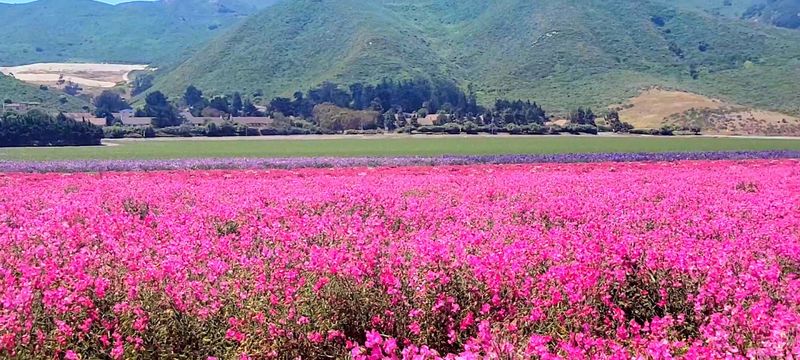
Pairing a flower field drive with the annual Lompoc Flower Festival gives the trip a second anchor point that makes the journey feel more complete.
The festival celebrates the valley’s long flower-growing heritage and is scheduled for June 25 through 28 in 2026 at Ryon Park in Lompoc.
The festival typically includes parades, carnival rides, local vendors, and community programming that reflects the town’s genuine pride in its floral identity.
Timing a visit around the festival weekend means visitors can experience both the agricultural side of Lompoc’s flower culture and the community celebration that grew out of it.
Late June does sit toward the later end of peak bloom season, so some fields may already be past their most vivid stage, but the combination of the festival atmosphere and whatever blooms remain in the fields still make for a memorable stop.
Checking current bloom status through the Explore Lompoc Flower Tracker closer to the travel date helps set accurate expectations for both parts of the trip.
The Setting Feels More Rural Than Tourist-Crowded
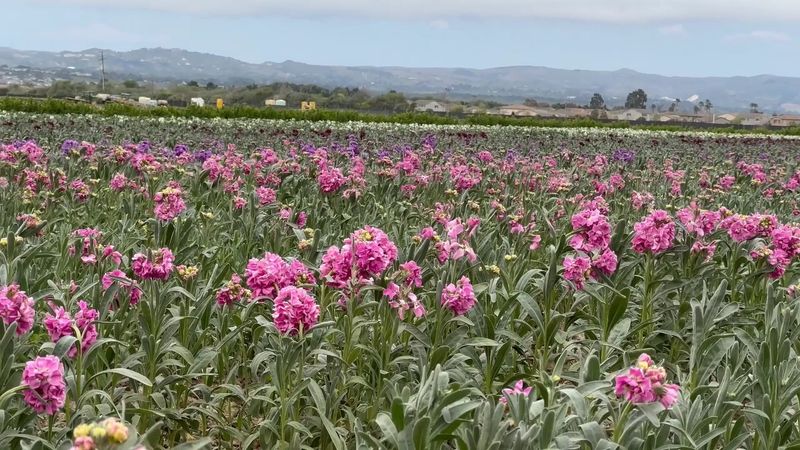
There is a noticeable difference between visiting a heavily marketed spring flower destination and pulling off a quiet Central Coast road to look at rows of commercial blooms with almost no one else around.
The Lompoc Flower Fields tend to fall much closer to the latter, offering a calmer and more grounded experience than some of California’s more famous flower viewing spots.
The roads through the viewing area pass through open farmland with minimal commercial development, which keeps the atmosphere feeling genuinely agricultural rather than staged.
That rural quality appeals to visitors who want a scenic detour that feels authentic rather than packaged.
Weekdays tend to be quieter than weekends, especially during peak bloom season when word spreads about a good year for the flowers.
Even on busier days the area does not typically feel overwhelmed, partly because the fields are spread across a wide route rather than concentrated at a single point.
That natural dispersal keeps crowds thin and the pacing relaxed, which suits the slow drive format perfectly.
For anyone traveling the 101 corridor and looking for a stop that feels genuinely off the tourist trail, the Lompoc Valley route offers exactly that kind of unhurried detour.
Photos Work Best From The Roadside
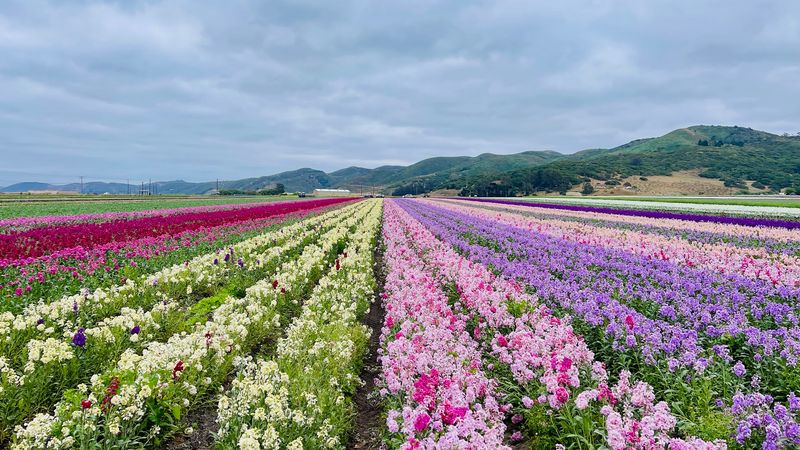
Getting a great photo of the Lompoc Flower Fields does not require stepping off the pavement.
The rows of commercial crops create strong geometric lines of color that read well from a distance, and roadside angles can capture that pattern without any need to enter the fields.
A longer focal length lens helps compress the rows visually, making the color appear denser and more dramatic than it might look to the naked eye from the road.
Early morning light tends to be softer and more flattering for flower photography, and the low angle of the sun in the morning hours can add warmth and depth to the colors that midday light simply does not provide.
Overcast days can actually work well for flower field photography because the diffused light reduces harsh shadows and allows the colors to appear more saturated.
Pulling safely off the road before stopping to shoot is essential both for personal safety and out of respect for other drivers using the rural roads.
The fields along Central Avenue and Ocean Road offer some of the widest unobstructed views, making those stretches particularly useful for anyone hoping to capture the full scale of the blooms in a single frame.
Old Town Lompoc Makes A Practical Starting Point
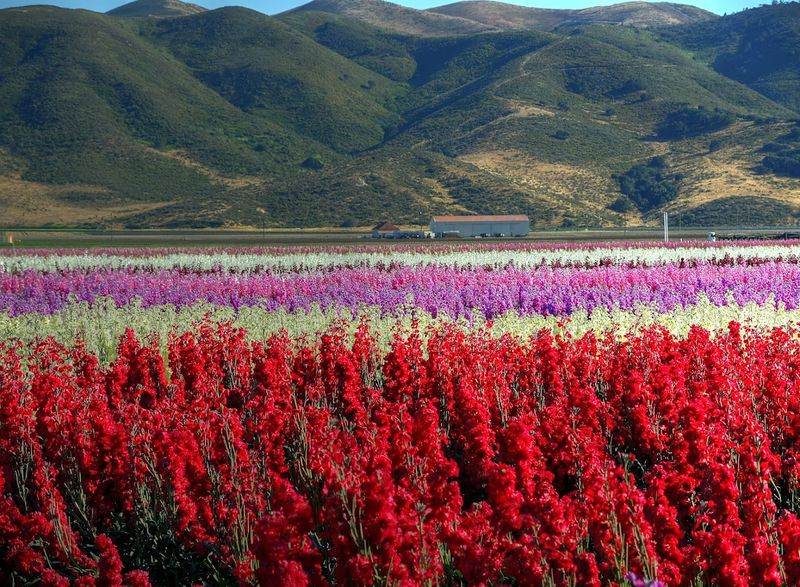
Starting a flower field visit in Old Town Lompoc before heading west toward the agricultural corridor makes the trip feel more organized and gives visitors a chance to get oriented before hitting the rural roads.
Explore Lompoc specifically points to fields located west of Old Town along Central Avenue, making that part of the city a natural launch point for the drive.
Old Town also offers practical amenities like fuel, food, and restrooms that may not be as readily available once the route moves into the open farmland areas.
Spending a few minutes in the historic district before or after the drive adds a bit of local context to the visit and makes the overall outing feel more rounded.
The murals and public art scattered through Old Town reflect the same community pride in flowers and local heritage that the fields themselves represent.
That visual connection between the town’s identity and the agricultural landscape surrounding it gives the whole visit a more coherent sense of place.
For first-time visitors especially, treating Old Town as both a starting point and a brief stop in its own right tends to make the overall Lompoc experience feel more complete than simply driving straight to the fields and back.