One Secret Stretch Of Washington Coastline Is Stunning Beyond Words
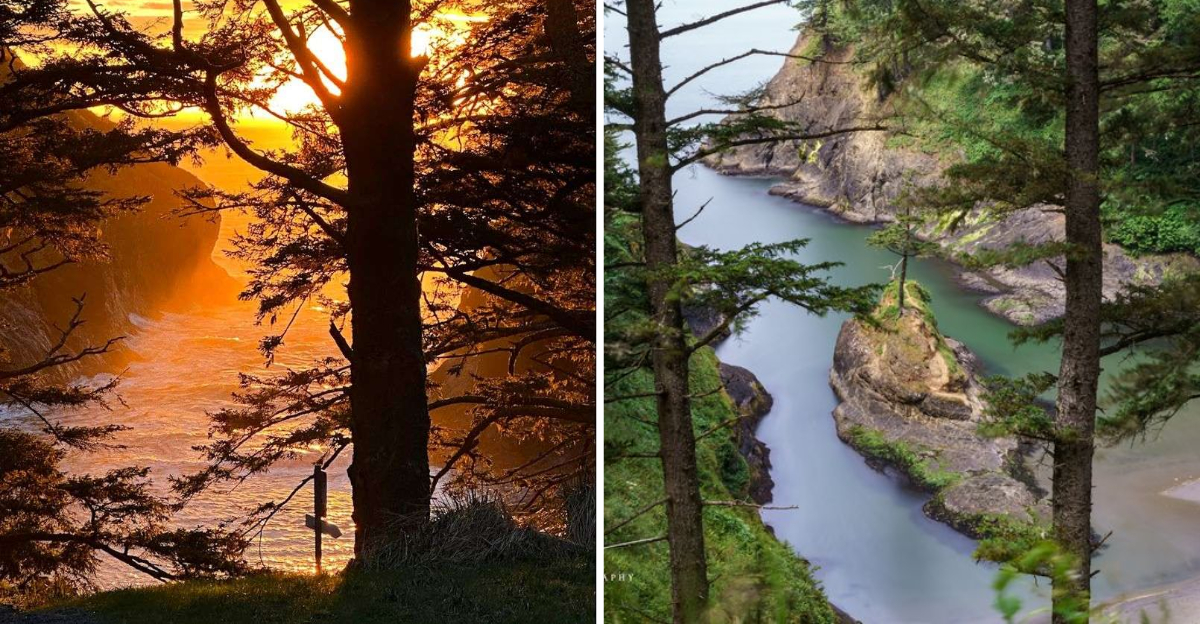
Some coastal places feel like they belong somewhere far beyond everyday reach. Washington holds one such stretch where forest and ocean meet in a dramatic, secluded setting.
A steep path winds down through dense greenery before opening suddenly toward the sound of crashing waves. The air feels cooler here, carrying salt and mist from the Pacific.
Rock walls rise along the shoreline, shaping a small, sheltered cove that is tucked away from the rest of the world.
The scenery shifts constantly with the light and tide, giving the place a quiet sense of movement and change.
Wildlife moves through the forest and along the shore, adding to the feeling of an undisturbed landscape.
Trust me, even the short descent is like an escape into something more remote and timeless.
The Story Behind The Name
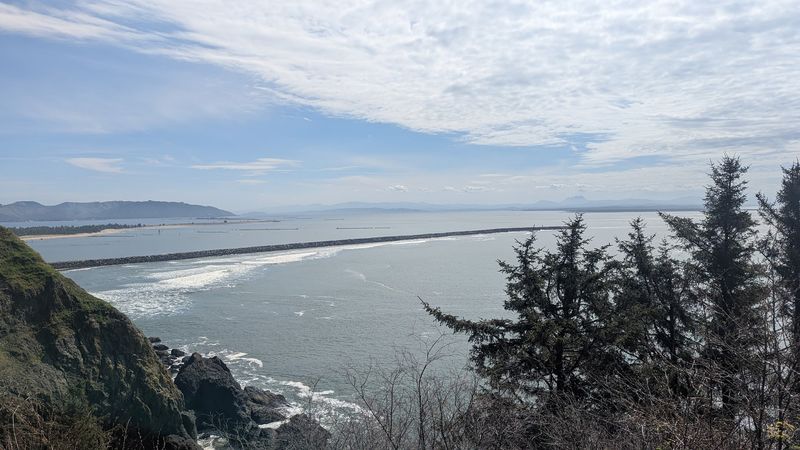
The name alone is enough to make you pause on the trail. Deadman’s Cove sits within Cape Disappointment State Park, at a stretch of coastline that has witnessed centuries of maritime history.
The area takes its dramatic identity from the treacherous waters at the mouth of the Columbia River.
Sailors once feared this stretch of the Pacific Northwest coast for its unpredictable currents, shallow sandbars, and brutal storms that claimed many vessels over the centuries.
Cape Disappointment itself was named by British fur trader John Meares in 1788, after he failed to find the Columbia River entrance he was searching for. The cove nearby inherited that same brooding energy and dark poetic name.
Washington has no shortage of scenic coastline, but few spots carry this kind of layered atmosphere. Deadman’s Cove at 244 Robert Gray Dr in Ilwaco adds something to the experience that pure scenery alone simply cannot replicate.
What The Cove Actually Looks Like
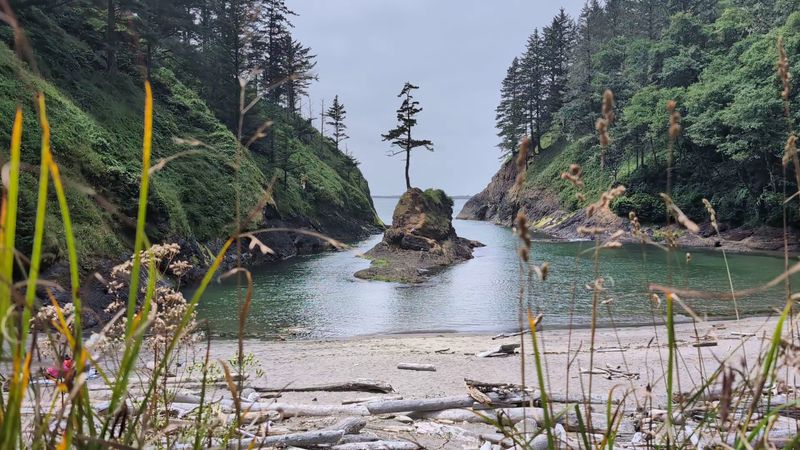
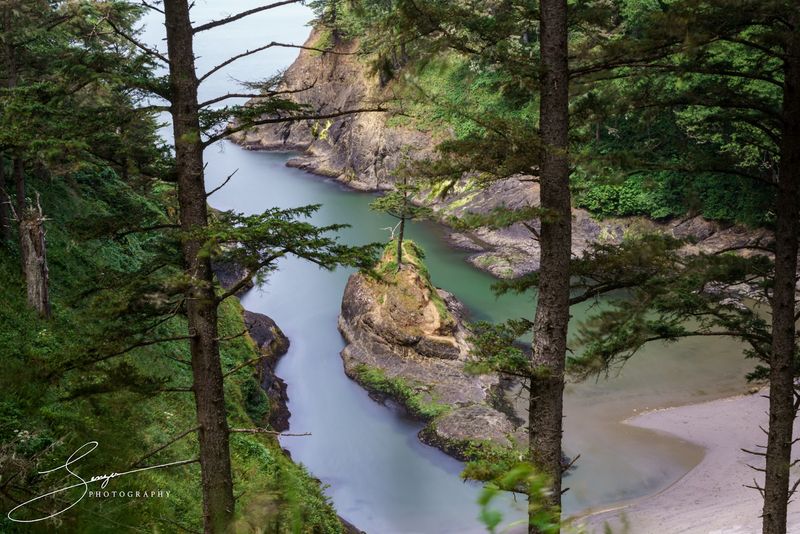
Picture a small sandy beach nestled inside a natural ravine.
Forest vegetation rises on three sides, thick with Pacific Northwest conifers and ferns, creating a sheltered bowl that feels completely removed from the outside world.
Two rock walls flank the narrow mouth of the cove, framing a direct view out to the open Pacific Ocean. A small island sits right in the middle of the water, adding a storybook quality to the whole scene.
When the tide is right, you can actually walk out to it and stand there feeling like you own the entire horizon. The beach itself is compact, and that intimacy is part of what makes it so special.
Jellyfish sometimes drift along the shoreline, sea birds wheel overhead, and the sound of waves bouncing off rock walls creates a natural echo that is hard to describe.
Washington delivers coastline scenery in many forms, but this particular cove packages it in a way that is almost theatrical.
Every angle offers something worth photographing, and the light changes the mood dramatically throughout the day.
Hiking Down To The Beach
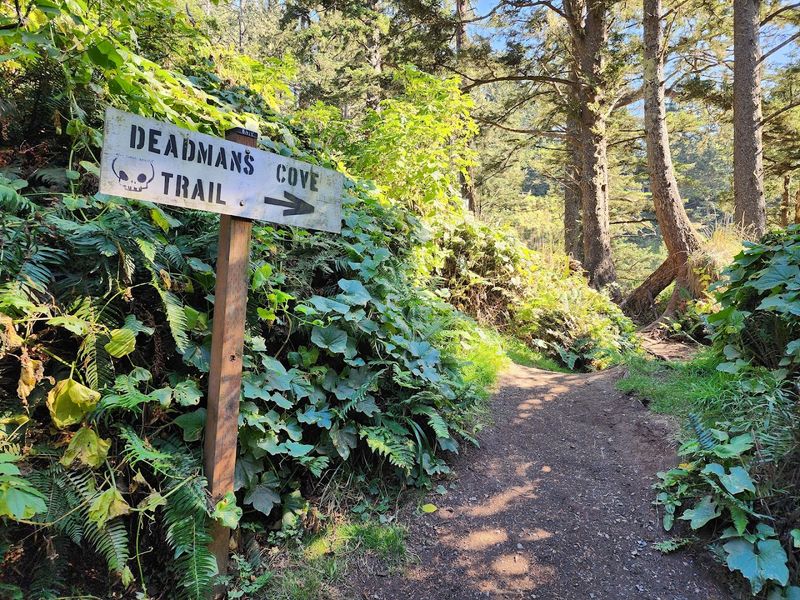
Getting to the beach is part of the adventure. The trail from the parking area is relatively short, but do not let that fool you into wearing flip-flops.
The path descends steeply into the ravine, with sections of dirt, exposed tree roots, and wooden steps that vary in condition.
Traction matters here, especially after rain, which in Washington is basically a year-round possibility. Mud is a real factor, and a few slippery moments are practically guaranteed if you visit during the wetter months.
The trail is passable for most reasonably fit adults, but it does require some careful footing on the way down and genuine leg strength on the way back up.
Young children and anyone with mobility concerns should assess the descent honestly before committing.
That said, even the view from the top of the trail is worth the trip on its own. You can peer down into the cove from above and still get a stunning sense of the landscape without setting foot on the sand.
The effort is real, but the payoff matches it completely.
Wildlife That Calls This Place Home
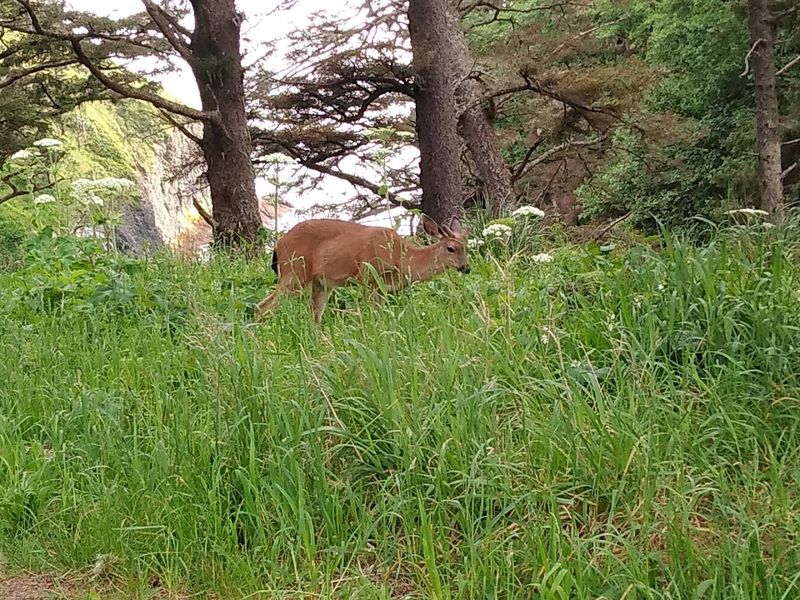
One of the quieter rewards of visiting this cove is the wildlife.
Eagles are a regular presence here, riding thermals above the tree line or perching on driftwood near the water with that signature air of total indifference.
Smaller bird species fill in the spaces between the big dramatic sightings. Shorebirds pick through the tideline, and the general soundtrack of the place is dominated by wings and waves rather than anything human-made.
Deer have been spotted on the surrounding trails, and the forest itself is dense enough to feel like proper habitat rather than a manicured park path.
Washington state has remarkable biodiversity along its coast, and this corner of it punches above its weight.
If you bring binoculars, you will use them. If you forget them, you will wish you had.
The wildlife here is not staged or predictable, which makes every sighting feel like something you actually earned by showing up.
The Best Times To Visit
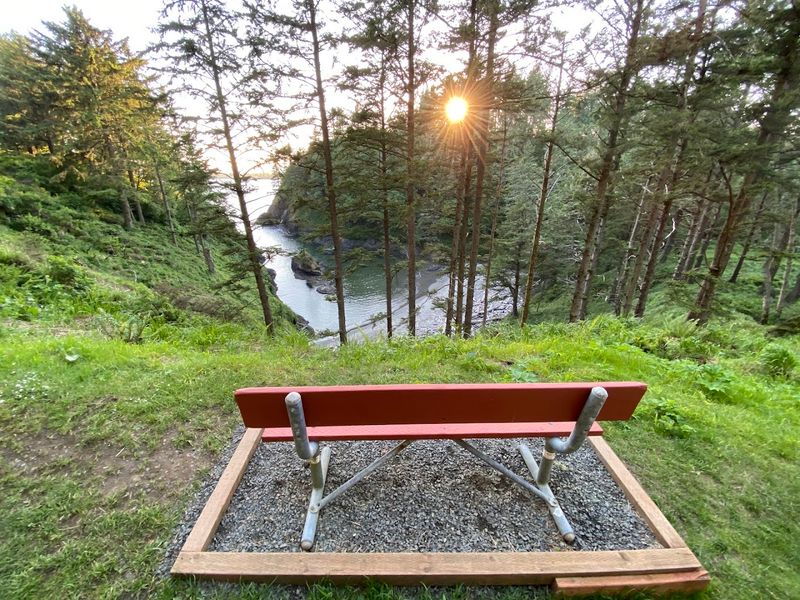
Timing your visit well makes a meaningful difference here.
Low tide is the sweet spot for beach access. At high tide, the small sandy beach shrinks considerably, and reaching the little island in the cove becomes impossible.
Checking a tide chart before you go is not optional, it is the most useful piece of planning you can do.
Washington coastal tides shift dramatically, and a visit timed poorly can mean standing at the top of the trail staring at a mostly submerged beach.
Morning visits tend to offer calmer conditions and better light for photography, especially if the sun is coming from the east and filtering through the forest canopy above the ravine.
Summer and early fall bring the most reliable weather, though the cove has a moody, atmospheric quality in winter that appeals to a certain kind of traveler.
Crowds are generally light, but the small beach fills fast on sunny weekends, so arriving early is always a smart move in any season.
Connecting To The Lighthouse Trail
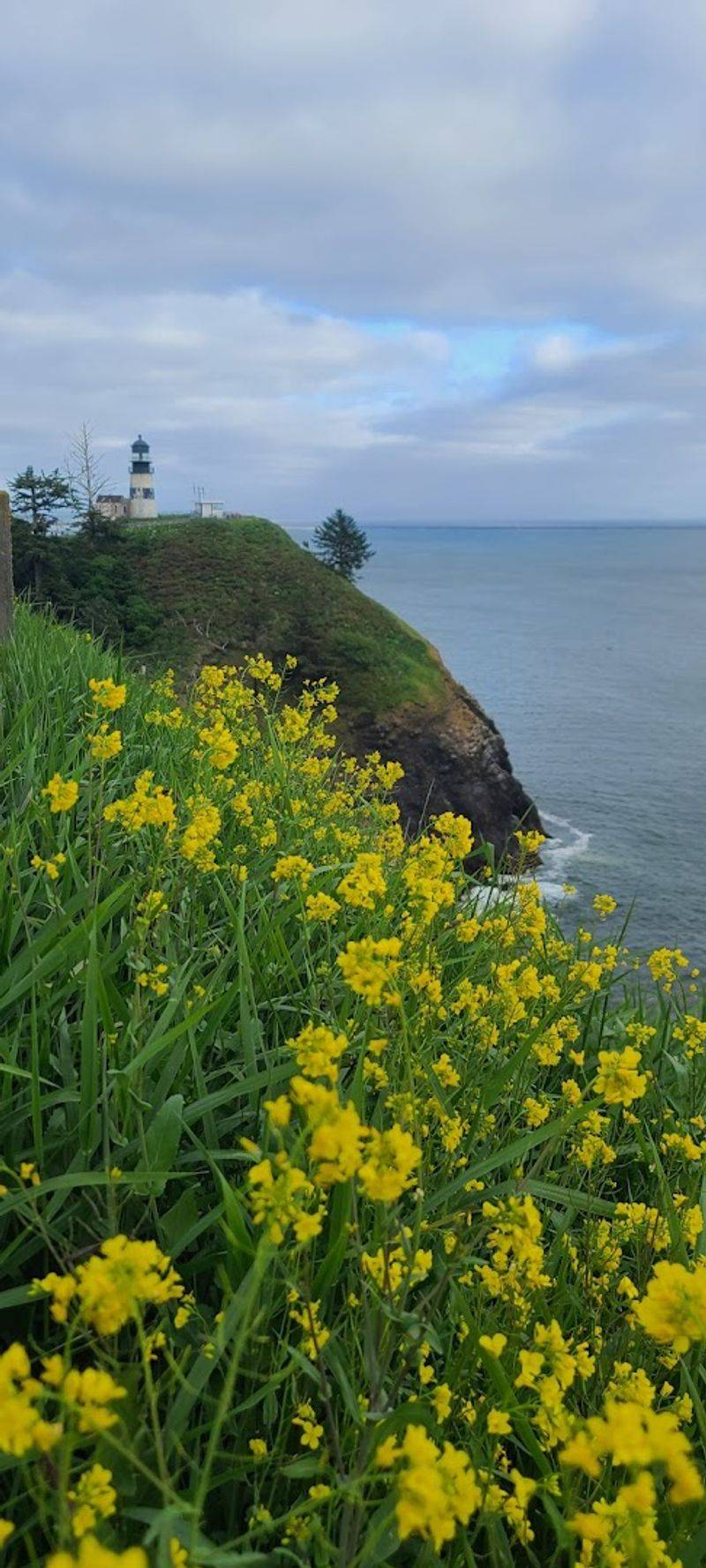
The cove does not exist in isolation. It sits along the trail that leads to the Cape Disappointment Lighthouse, one of the oldest lighthouses on the West Coast, and combining both stops makes for a satisfying half-day outing.
From the parking area, the main trail winds through the park, passing old fort remnants before reaching the cove turnoff.
The lighthouse sits further up the hill, and continuing past the cove adds some elevation gain but rewards you with sweeping views over the Columbia River mouth and the Pacific.
On clear days, the panorama from up there is the kind of thing that makes you stand still and just stare.
Washington state parks do an admirable job of connecting these attractions into a cohesive experience, and this particular loop is one of the better-designed short hikes in the southwest corner of the state.
Families, solo hikers, and photography enthusiasts all find something worth their time along this stretch. The cove and the lighthouse together tell a story about this coastline that neither one quite manages to tell alone.
The Atmosphere That Sets It Apart
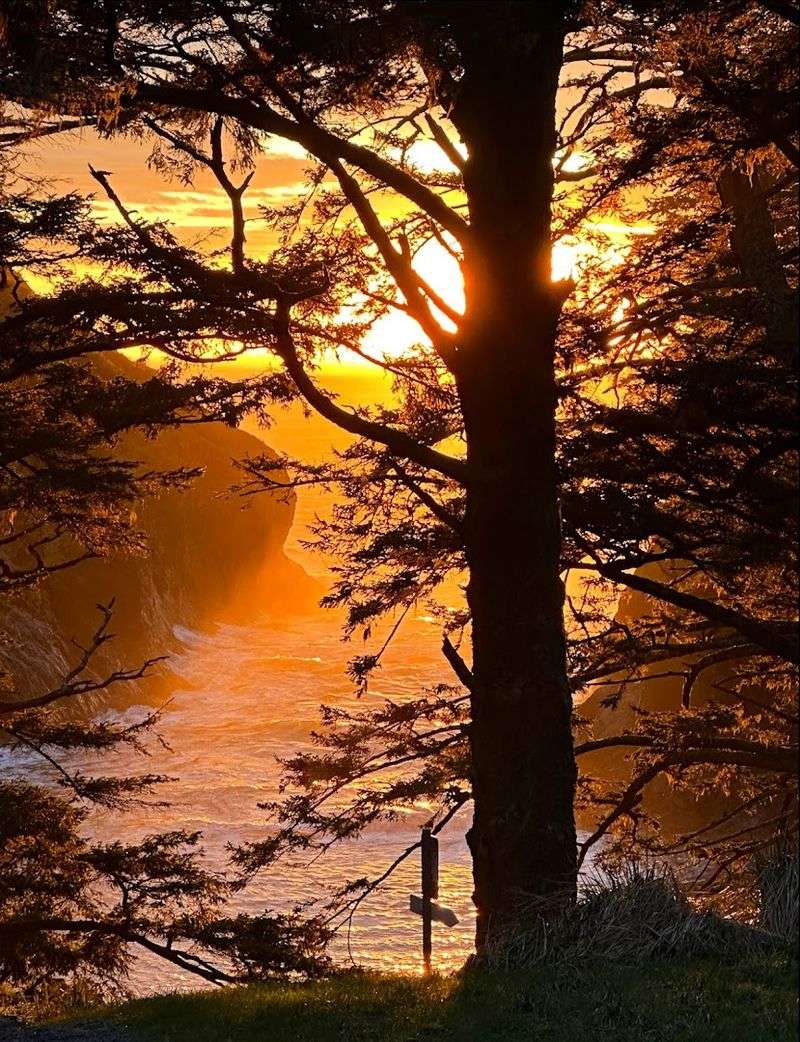
There is something about being inside the cove that is hard to put into words.
The forest closes around you as you descend, the sound of the ocean grows louder, and then suddenly the whole scene opens up.
Standing on the small beach is different from standing on any regular stretch of coast. The rock walls on either side of the cove mouth frame the ocean view like a painting.
The surrounding forest muffles outside noise in a way that makes the place feel sealed off from the rest of the world.
Deadman’s Cove has a quality that is rare in well-known parks. It still seems like a discovery, even when other people are nearby.
Washington has many beautiful places, but this one carries a particular intimacy that larger, more accessible spots simply cannot match.
The ravine shape, the island, the narrow ocean window, and the forest walls all work together to create an environment that feels deliberately designed, even though it is entirely the work of geology and time.
Practical Tips Before You Go
A few practical details will save you a headache on arrival. Parking at the trailhead requires either a Washington State Discover Pass or a day-use fee, so come prepared.
The lot is small and fills up quickly on weekends and holidays. Footwear with solid grip is non-negotiable.
The trail gets muddy and slippery, and smooth-soled shoes will turn the descent into an unplanned comedy routine.
Bring layers as well, because Washington coastal weather can shift from sunny to misty in the span of a single hour, especially near the water.
Pack out everything you bring in. The cove has a genuine wilderness feel, and keeping it that way depends entirely on visitors respecting the space.
Dogs are welcome on the trail, and many four-legged visitors seem to enjoy the beach enormously.
The hike is short enough that you do not need a full backpack, but water and a snack are always worth carrying.