This Stunning Connecticut Trail Leads To One Of The Best Views In The State
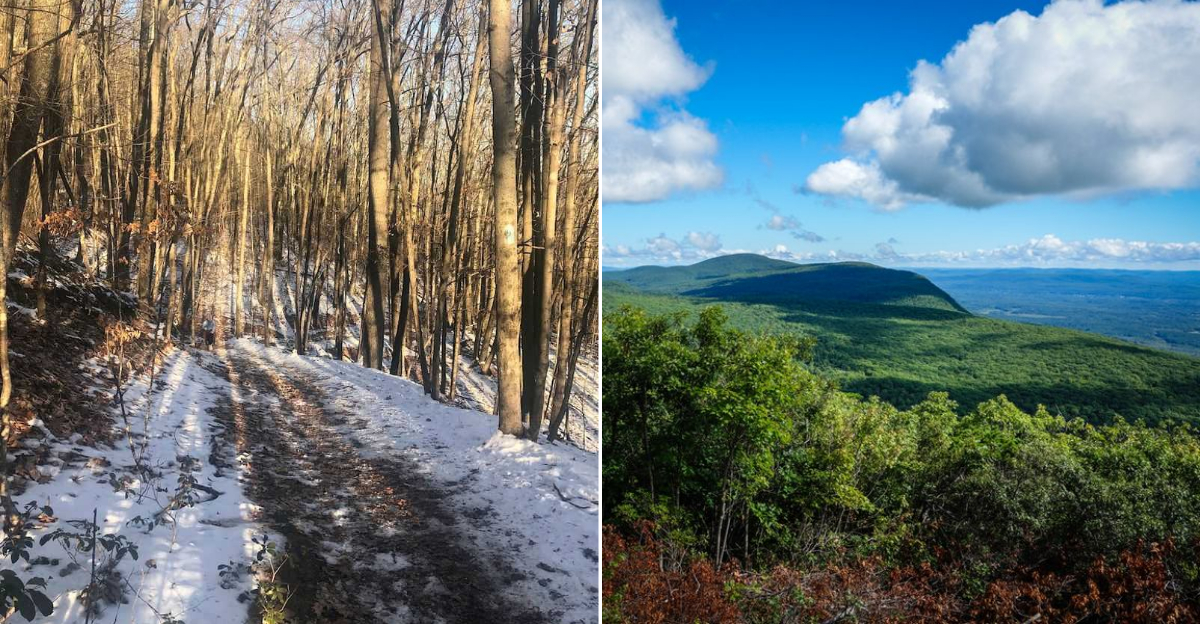
Some hikes just have that reputation where everyone who has done it says the same thing and this is absolutely one of them. The climb builds anticipation in a way that makes the reveal at the top hit even harder than expected and trust me it hits pretty hard.
Standing up there and taking in what stretches out in front of you is one of those genuinely quiet moments where everything just clicks into place. A Connecticut trail this beautiful leading to one of the best views the state has is the kind of experience that earns its reputation completely.
Hikers who make it to the top come back looking like they needed that more than they realized and that reaction says more than any trail description ever could.
This one belongs on the list and it is not hard to understand why once you are standing up there.
1. A Big View In Salisbury
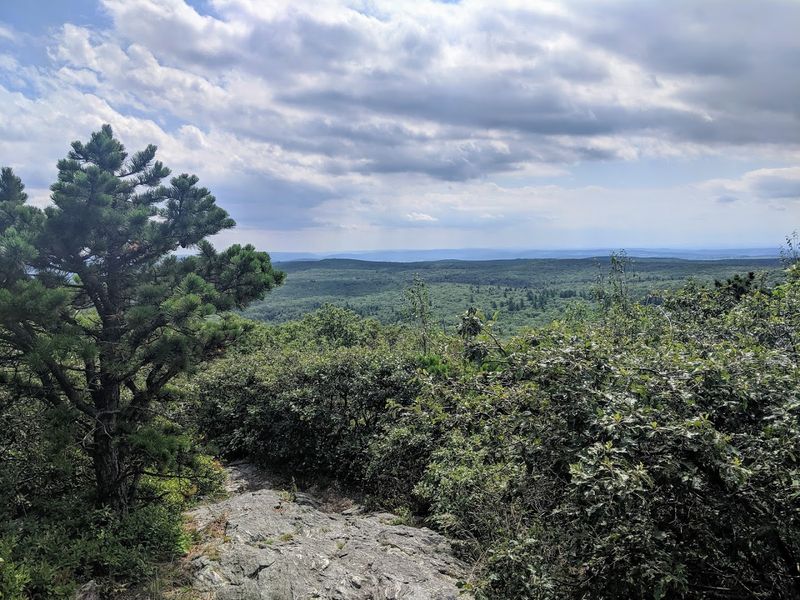
A clear day near the top of Bear Mountain in Salisbury can make every uphill stretch feel completely worth it. At roughly 2,316 feet, the summit is the highest mountain peak entirely within the state, and the payoff is huge.
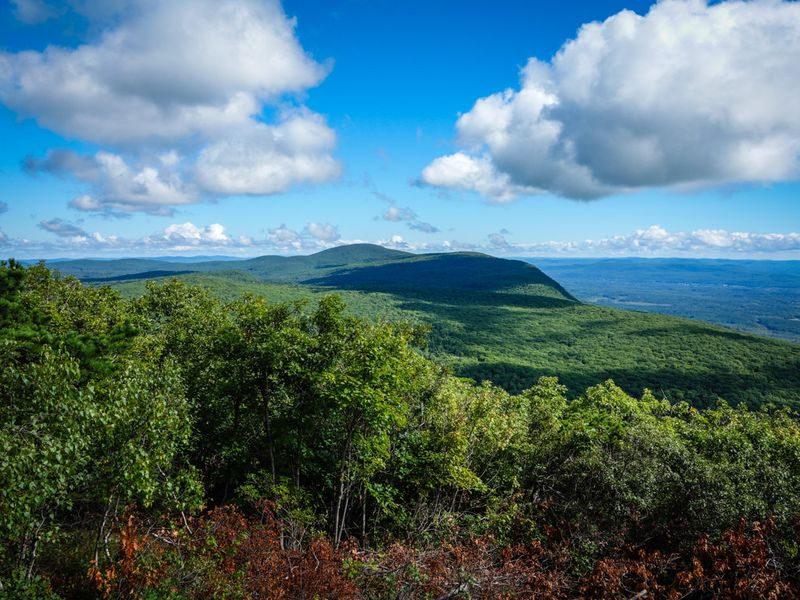
Once you reach the top, the view opens wide across the surrounding landscape, with sightlines that can stretch across four states.
Twin Lakes and patchwork farmland spread out to the east, giving the scenery a softer, more pastoral feel. Toward the west, the Catskill Mountains and nearby Taconic peaks shape the horizon.
On days with strong visibility, Mount Everett and Mount Race in Massachusetts come into view to the north.
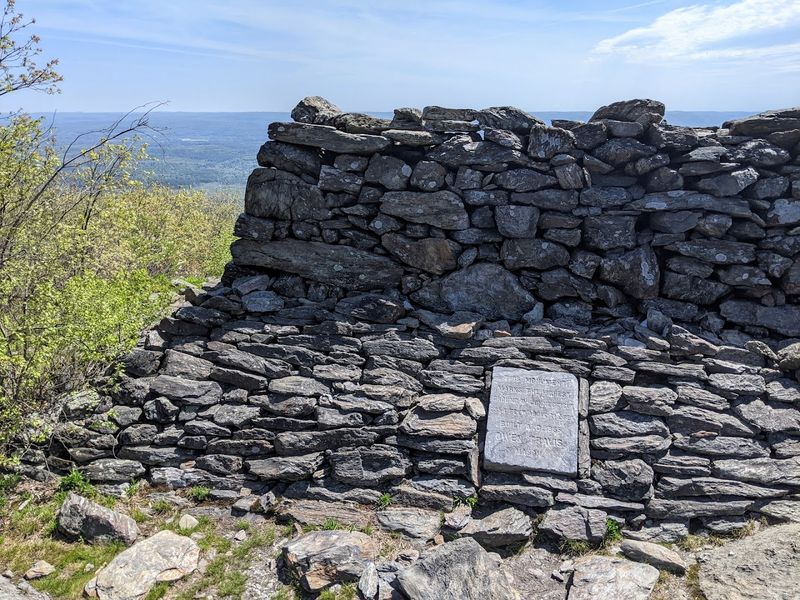
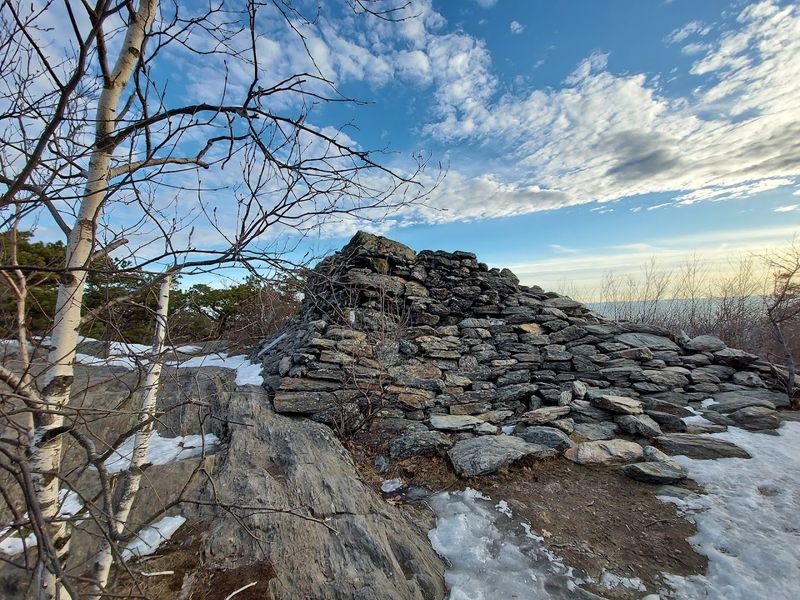
A pyramidal stone tower built in 1885 marks the summit and remains one of the mountain’s most recognizable features. It shows its age, but that only adds to the character, making it a memorable place to rest, breathe, and take in the scenery.
The wide-open summit feels completely different from the enclosed forest trail below, and that sudden shift often surprises first-time hikers. Bringing lunch to enjoy at the top can make the experience feel even more rewarding and relaxed.
2. Why This Hike Feels So Rewarding
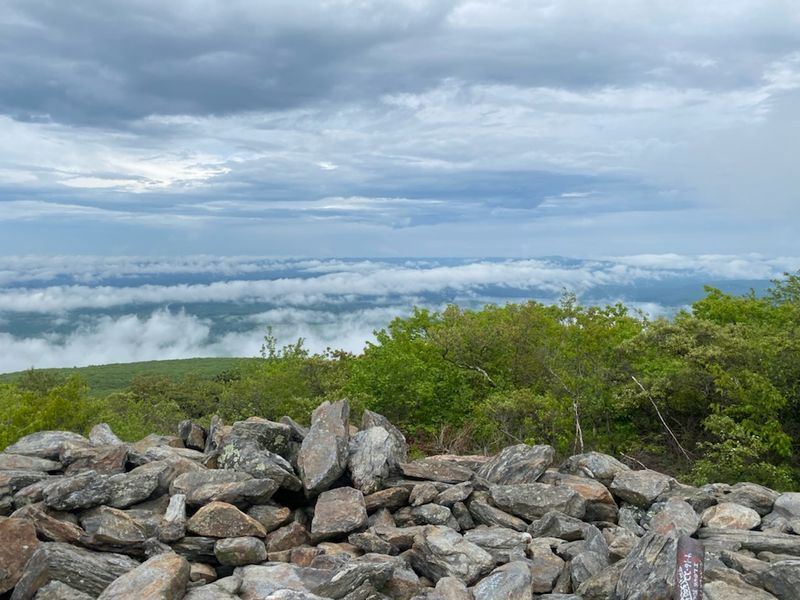
The trail up Bear Mountain asks for real effort, and that effort is exactly what makes reaching the top feel so satisfying. The elevation gain along the Undermountain Trail runs approximately 1,676 feet, which means the climb is consistent and noticeable throughout the ascent.
The trail rises steeply for about two miles before connecting with the Appalachian Trail near the summit. Hikers who push through the burn in their legs and the occasional rocky scramble near the top tend to arrive at the summit with a genuine sense of accomplishment.
That feeling is hard to manufacture, and the trail delivers it naturally.
The full loop using the Undermountain Trail and a section of the Appalachian Trail covers roughly 6 to 6.1 miles round trip. That distance is manageable for hikers with moderate fitness but still demands preparation, proper footwear, and enough water for the full outing.
The combination of physical challenge and stunning natural reward gives this hike a quality that stands apart from easier trails in the region, and most people who complete it say they would do it again without hesitation.
3. Where The Appalachian Trail Climbs High
The Undermountain Trail meets the white-blazed Appalachian Trail partway up the mountain, and from that junction, hikers follow the AT directly to the summit.
Walking a section of the Appalachian Trail adds a layer of history and character to the experience that shorter or less connected trails simply cannot match.
The Appalachian Trail runs more than 2,000 miles from Georgia to Maine, and the stretch near Bear Mountain is considered one of its more scenic segments. The white blazes painted on trees guide the way clearly and make navigation straightforward even for hikers who are newer to trail reading.
Sections of the trail near the summit become steep and rocky, with some areas requiring careful footing and a bit of scrambling.
Trekking poles tend to help on the steeper rocky sections, particularly on the descent when knees and ankles feel the cumulative impact of the climb. The trail is generally well-maintained and clearly marked throughout, which makes the technical sections feel manageable rather than intimidating.
Being on the AT even briefly tends to add a sense of connection to something much larger than a single day hike.
4. Best Time To Tackle The Trail
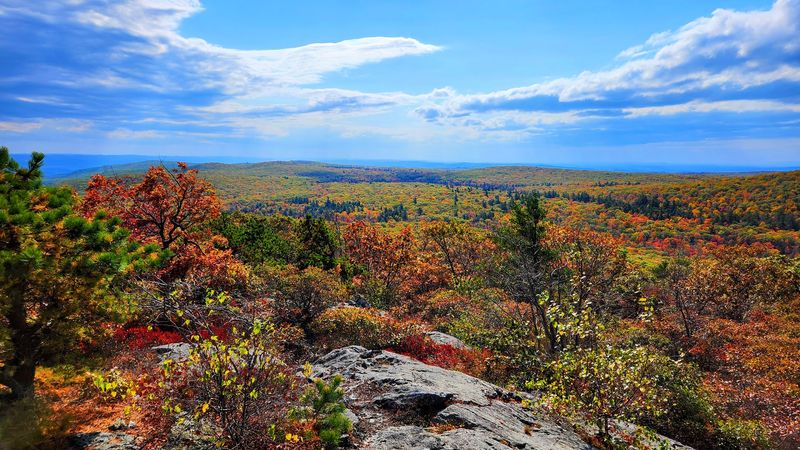
Fall tends to be the most popular season, and for good reason. The foliage across the Taconic and surrounding hills turns vivid shades of orange, red, and yellow, and the cooler temperatures make the steep climb much more comfortable than a humid summer day.
Summer visits are possible and can be enjoyable, though the trail can feel warm and buggy in the lower wooded sections closer to the trailhead. Arriving early on summer mornings helps beat both the heat and the parking crunch.
The dirt lot at the Undermountain Trailhead off Route 41 fills up quickly on weekends, and overflow parking along Under Mountain Road is common when the lot reaches capacity.
Winter hikes are also attempted by experienced hikers, though icy and snowy conditions on the steep sections near the summit require microspikes or crampons and careful planning. Spring brings mud season, which can make parts of the trail slippery and harder to navigate.
No matter the season, checking weather conditions before heading out and dressing in layers tends to make the hike safer and more enjoyable from start to finish.
5. A Summit Worth The Effort

At 2,316 feet, the summit of Bear Mountain does not just offer altitude. It offers a full sensory shift from the enclosed forest below.
The wind picks up noticeably at the top, the trees thin out, and the sky opens wide in every direction. That transition from dense canopy to open summit tends to feel sudden and dramatic in the best possible way.
The 1885 stone tower at the top has become a beloved landmark among hikers in the region. Though it is somewhat weathered and no longer structurally sound for climbing, it serves as a natural gathering point where hikers stop to rest, eat, and take photos.
A stone plaque at the base claims the tower marks the highest ground in the state, though that distinction technically belongs to a point on the southern slope of Mount Frissell, whose peak sits across the border in Massachusetts.
That small geographical detail does not diminish what the summit feels like to stand on. The views are genuinely expansive, the air tends to be cleaner and cooler than at the trailhead, and the sense of having climbed something real and significant stays with hikers long after the descent.
First-time visitors and repeat hikers alike tend to linger here longer than planned.
6. Rocky Paths And Wide-Open Scenery
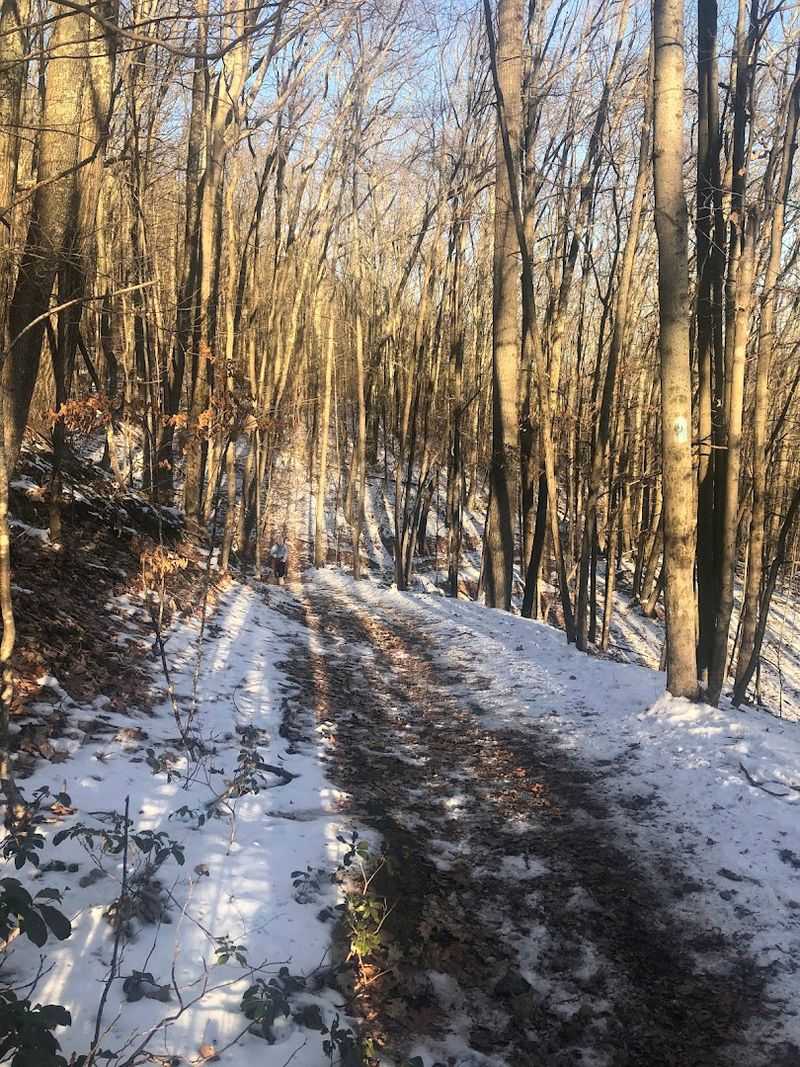
The terrain on the way up Bear Mountain keeps hikers fully engaged from start to finish. The lower portion of the Undermountain Trail moves through quiet hardwood forest with a steady uphill grade that feels manageable at first.
As the trail climbs higher, the ground shifts from packed dirt to exposed rock, and the footing demands more attention and care with every step.
The rocky scramble sections near the summit are among the most talked-about parts of the hike. Hands occasionally come into play on the steeper pitches, and the uneven surface underfoot means that rushing is never a good idea.
Wearing proper trail shoes or hiking boots with solid grip makes a real difference on these sections, particularly when the rock is wet or covered in early morning dew.
Between the technical stretches, the trail opens up to partial viewpoints that offer glimpses of the landscape below and build anticipation for the full summit panorama.
These mid-trail vistas serve as natural rest stops that break up the climb and give hikers a reason to pause without feeling like they are stopping out of exhaustion alone.
The variety of terrain across the 6-mile route keeps the experience interesting and prevents the hike from feeling repetitive at any point along the way.
7. What Makes Bear Mountain Stand Out
Connecticut is not typically the first state that comes to mind when people think about mountain hiking, but Bear Mountain challenges that assumption in a meaningful way.
The combination of a genuine summit, a connection to the Appalachian Trail, and views that reach into four states gives this hike a character that feels larger than its geography might suggest.
The presence of wildlife adds another dimension to the experience. Black bears are known to inhabit the area, and while sightings are not guaranteed, hikers are encouraged to be aware and take standard precautions such as making noise on the trail and storing food properly.
That element of wildness gives the hike a feeling of genuine backcountry even though the trailhead is accessible from a paved road.
The trail is also dog-friendly, which makes it a popular choice for hikers who want to bring their pets along for the outing. Dogs tend to handle the rocky sections well, though the steep pitches near the summit require some assistance for smaller breeds.
The accessibility of the trailhead off Route 41 in Salisbury, combined with the quality of the experience at the top, makes Bear Mountain one of the most well-rounded day hikes available anywhere for hikers of varying experience levels.
8. A Day Hike With Serious Payoff
A full day on Bear Mountain fits neatly into a single outing without requiring overnight gear or multi-day planning. The roughly 6-mile loop typically takes between three and four hours to complete depending on pace, rest stops, and how long hikers choose to spend at the summit.
That timing makes it realistic to start mid-morning and be back at the trailhead well before evening.
Packing enough water is essential since there are no water sources or facilities along the trail itself. Bringing snacks or a proper lunch to enjoy at the summit tends to turn the rest stop into a highlight rather than just a recovery break.
The wide rocky area near the stone tower provides plenty of space for small groups to spread out and eat comfortably with the view as a backdrop.
The Undermountain Trailhead is located on Under Mountain Road (Route 41) in Salisbury, roughly three miles north of the junction with US Route 44, with a dirt parking lot available at the trailhead.
Arriving early on weekends is strongly recommended since the lot fills up fast and roadside overflow is the only alternative.
For hikers searching for a trail that delivers both physical challenge and genuine visual reward in a single day, Bear Mountain consistently delivers on both counts without overpromising.