One Small Michigan Town Quietly Rivals Some Of Europe’s Prettiest Destinations
Some small towns carry a beauty that belongs in a travel magazine. Michigan has one that quietly rivals some of Europe’s prettiest destinations.
Cobblestone streets, waterfront views, and a walkable main street define life here. The flowers, architecture, and overall vibe feel almost deliberately picturesque.
Look, I expected a pleasant stop and stayed an entire extra day. European comparisons are rarely earned honestly but this one earns every word.
Visitors from across the country arrive here and immediately understand the reputation.
Come with low expectations and leave with a new appreciation for this state. This small town is one of the most beautiful and underrated.
A Town Built On Two Shores
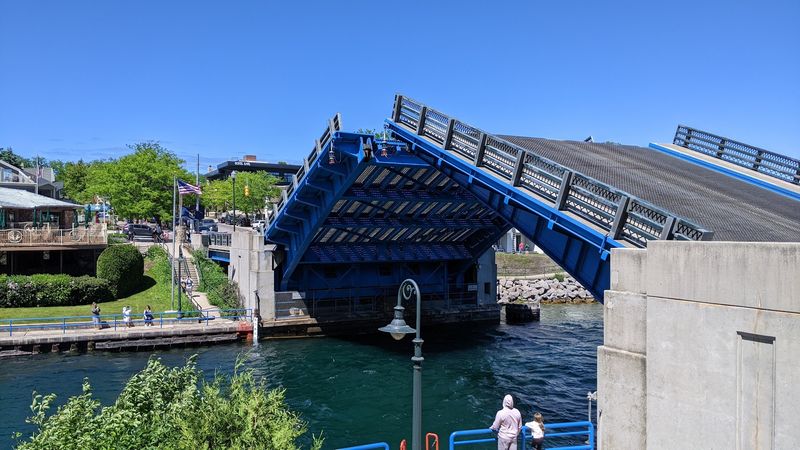
Can you believe that Charlevoix occupies one of the most unusual geographic spots in all of Michigan?
It sits on a thin strip of land, called an isthmus, wedged between two major bodies of water. On one side is the vast, open Lake Michigan. On the other is the calmer, more intimate Lake Charlevoix.
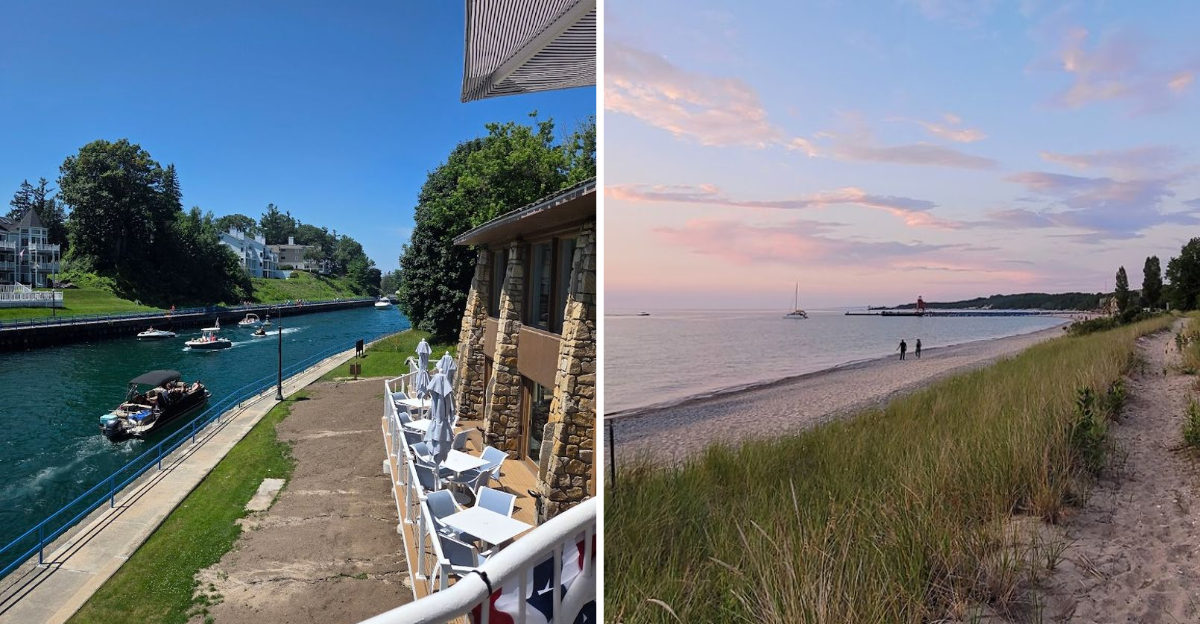
The short Pine River channel connects the two lakes and runs right through the heart of town. Boats pass through it regularly, and a drawbridge lifts to let them by.
Standing on that bridge, watching a sailboat glide beneath your feet, is one of those small moments that stays with you.
Few towns anywhere in the United States can claim two lakefronts and a working channel all within walking distance of each other.
The geography shapes everything here, from the layout of the streets to the mood of the residents. Water is always nearby.
The smell of it, the sound of it, and the light bouncing off it follow you everywhere you go in this town.
Mushroom Houses That Steal Hearts
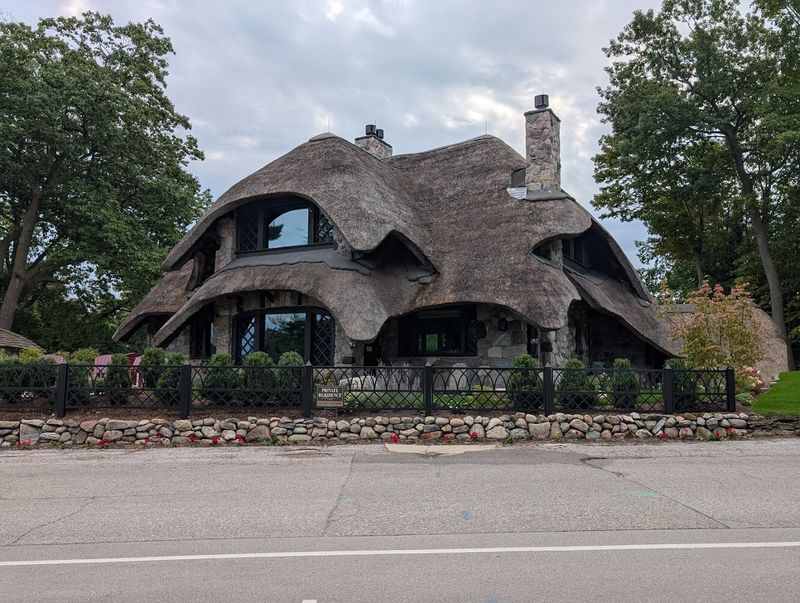
Nothing quite prepares you for your first mushroom house.
You are walking down a quiet residential street, and then suddenly there it is, a rounded, earthy structure that looks like it sprouted from the ground overnight.
These are the famous Charlevoix mushroom houses, and they are unlike anything else in the state.
They were designed by a self-taught builder named Earl Young, who worked in the mid-20th century. He used local fieldstone, driftwood, and cedar shingles to create homes with curved walls and rolling rooflines.
No two are exactly alike, but all of them share a dreamy, organic quality.
Most of the mushroom houses are clustered near the lake in a neighborhood locals call Boulder Park. You can walk the area at your own pace.
The houses are privately owned, so you admire them from the sidewalk, which honestly feels like the right way to experience them anyway.
Seeing them in person is a different experience from photos. The textures of the stone, the way moss creeps along certain walls, and the tiny round windows all add up to something genuinely magical.
The Waterfront Walk Worth Taking
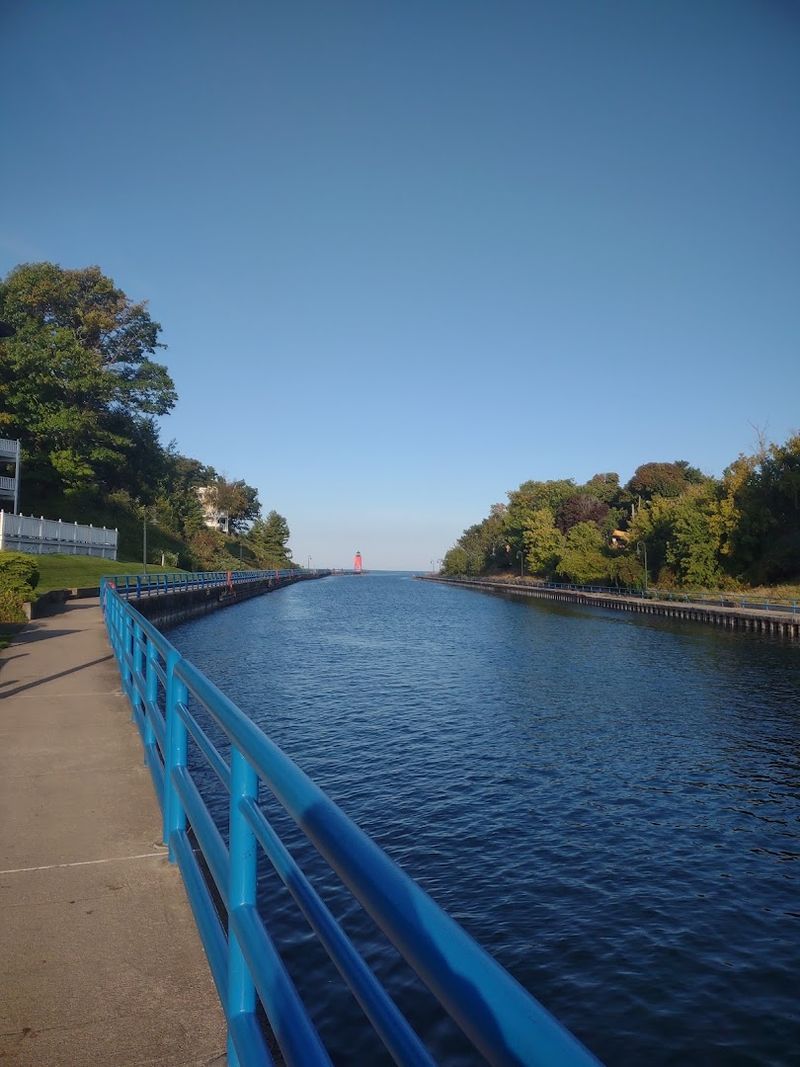
The waterfront in this town is the kind of place where time moves slower on purpose.
A paved path runs along the channel and opens up to views of both Lake Michigan and the marina. Flower baskets hang from every lamppost, and the whole scene feels carefully tended without feeling fake.
Round Park sits right along the water and is one of the best spots to simply sit and watch the boats go by. On busy summer days, the channel sees dozens of vessels passing through, from small motorboats to large sailing yachts.
The drawbridge lifts on a regular schedule, and a small crowd always gathers to watch. Further along the path, you reach Lake Michigan beach, which stretches wide and clean with soft sand.
The water here is remarkably clear for a freshwater lake. On calm days, you can see the sandy bottom several feet down.
Walking this stretch from the channel to the open lake takes maybe twenty minutes at a relaxed pace. But most people end up doubling back, finding a bench, and staying much longer than planned.
History Hidden In Plain Sight
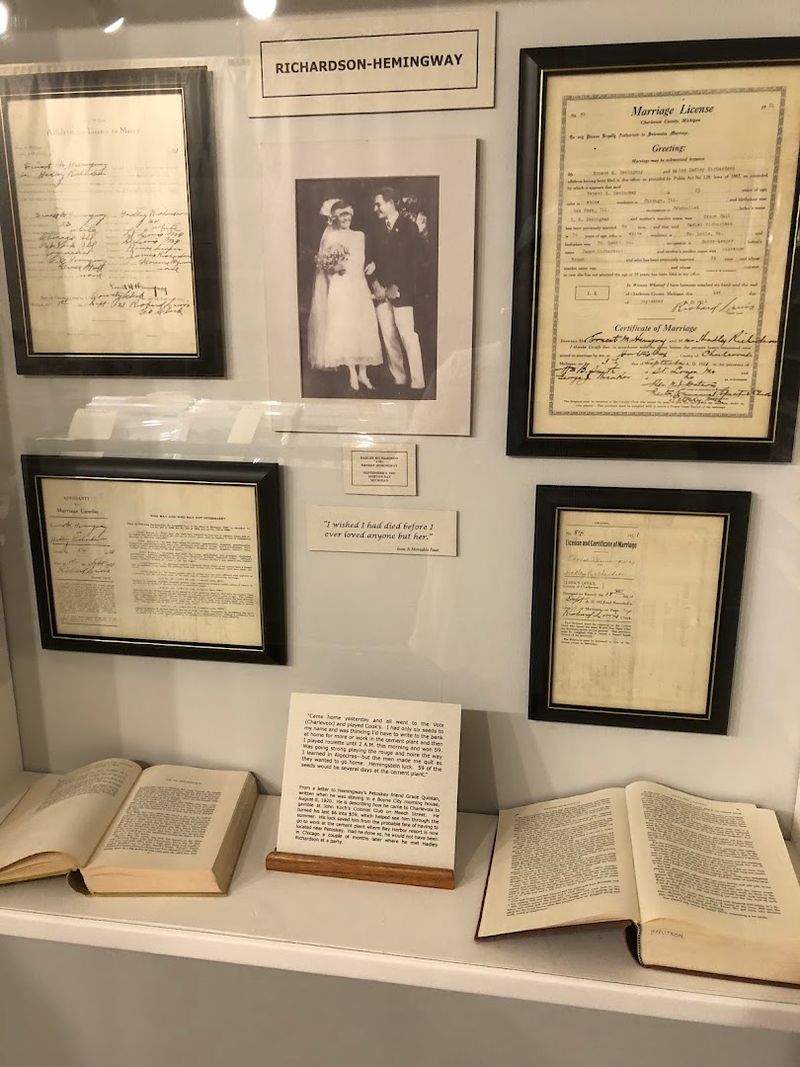
Long before tourists arrived with cameras, this stretch of northern Michigan was home to the Odawa people, who fished and traded along these shores for centuries.
French fur traders followed, and the area became an important stop along Great Lakes trade routes. The name Charlevoix itself honors a French Jesuit explorer named Pierre-Francois-Xavier de Charlevoix.
The town was officially incorporated in the late 1800s, during a period when northern Michigan was booming with lumber and fishing industries.
Many of the brick buildings in the downtown core date from that era. Their sturdy facades and ornate window trims still stand today, giving the main street a well-aged, dignified look.
One of the most interesting historical layers involves the early resort culture. By the early 1900s, wealthy families from Chicago and Detroit were building summer cottages here.
The layers of history are not announced loudly here. They show up quietly in the architecture, the street names, and the way longtime residents talk about their town with a sort of easy pride that only comes from deep roots.
Boyne Mountain And Nearby Adventures
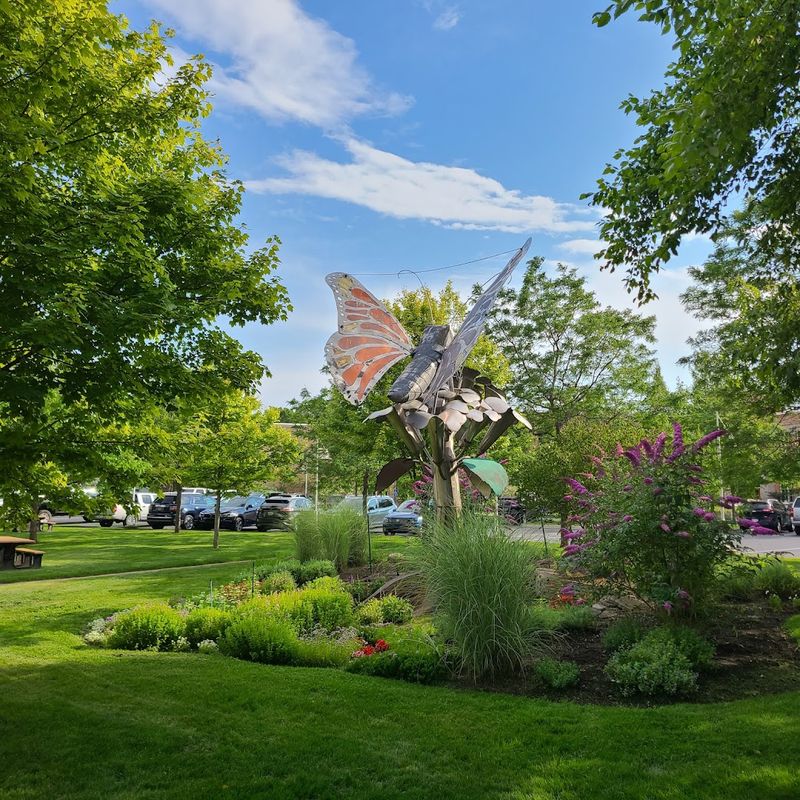
One of the best things about being in this part of Michigan is how much outdoor activity surrounds you.
The town itself sits right on the water, but drives even a short distance and the terrain opens up into forests, rolling hills, and trail networks that keep active visitors very busy.
Kayaking on Lake Charlevoix is one of the most popular ways to spend a morning here. The lake stretches about 17 miles long, with quiet coves and wooded shorelines that feel far removed from any crowd.
Paddling past the town from the water gives you a completely different perspective on how the landscape fits together.
Fishermen come from across this state for the lake’s impressive population of walleye, bass, and salmon. Fishing charters operate out of the marina regularly during the warmer months.
In winter, the region transforms into a snow sports hub, with Boyne Mountain just a short drive away. Cross-country skiing, snowshoeing, and ice fishing all become part of the local rhythm.
Downtown Shops And Local Flavor
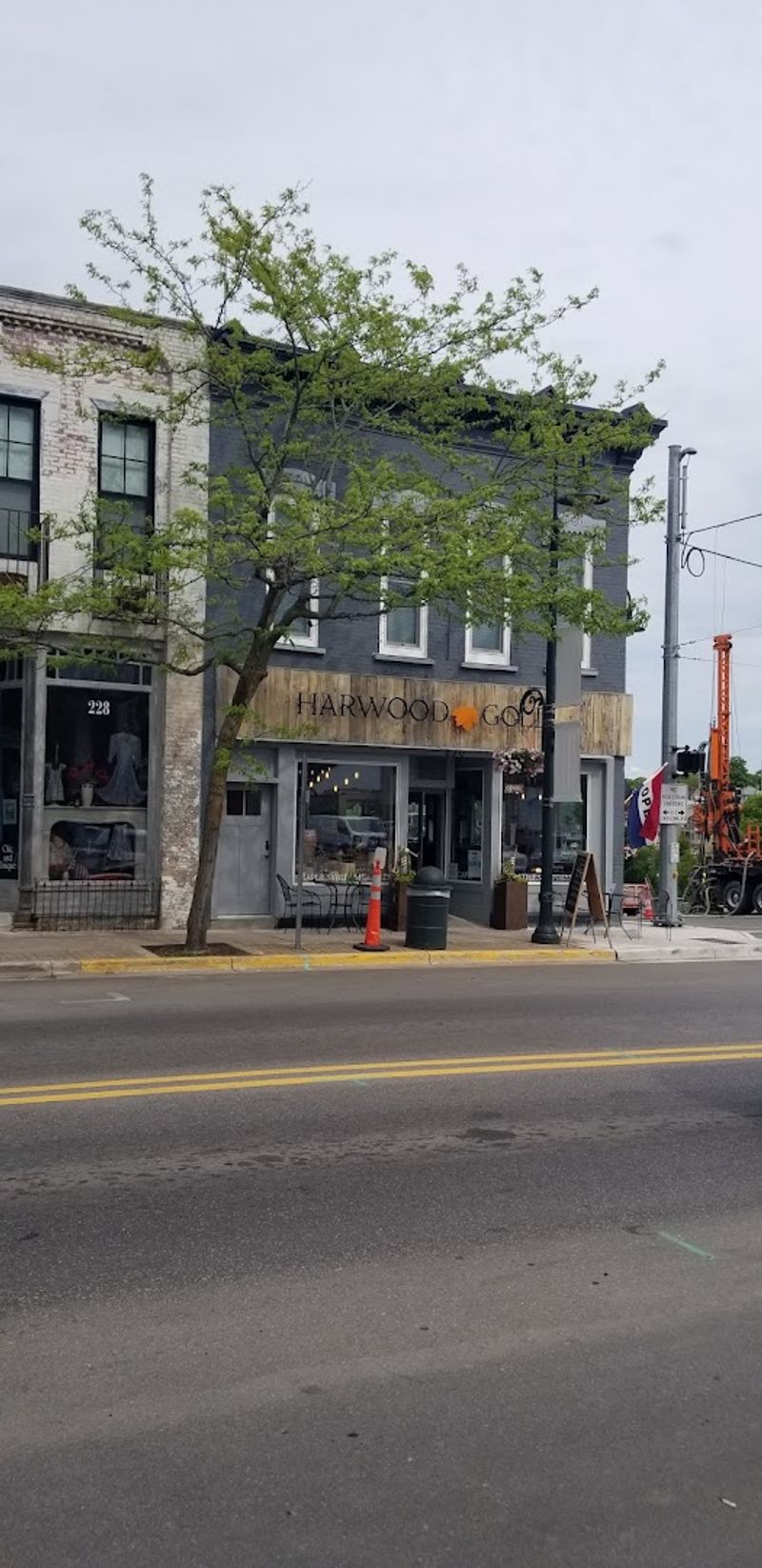
Bridge Street is the main artery of downtown, and it rewards slow, unhurried exploration.
Independent boutiques sit alongside bakeries, bookshops, and galleries in a lineup that feels curated rather than accidental. Nothing here feels like a chain, and that is a big part of the appeal.
The farmers market draws locals and visitors alike during the summer season. Fresh produce, handmade crafts, and baked goods fill the stalls on market days.
It is the place where you end up talking to the person selling blueberries for ten minutes before you even realize it.
Ice cream shops are a serious institution in this town. Locals have strong opinions about which one is best, and the debate never fully resolves.
On a warm afternoon, joining the line outside a favorite spot feels like the most natural thing in the world.
The restaurant scene leans heavily on fresh lake fish, locally grown vegetables, and classic Midwestern comfort food.
Eating a plate of freshly caught fish while watching boats drift past the window is one of those simple pleasures that this town does particularly well.
Sunset Views That Need No Filter
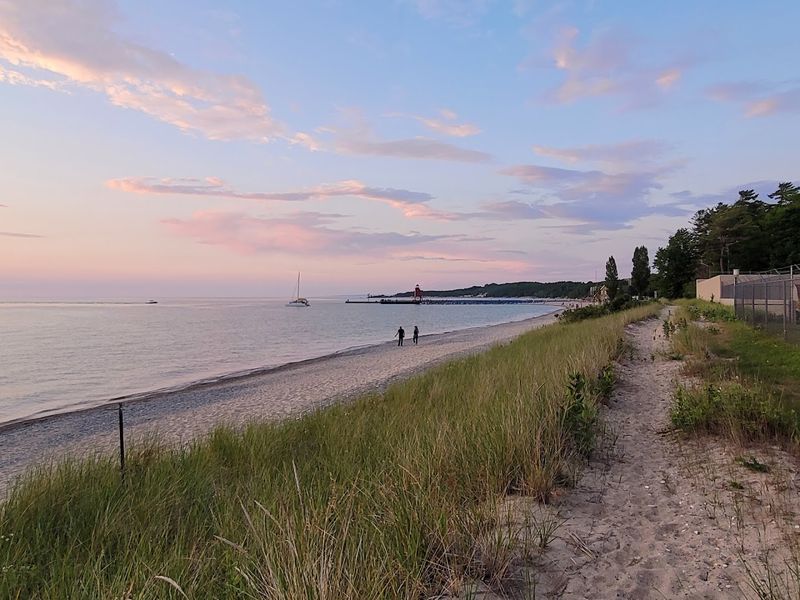
Ask any local what time sunset is, and they will probably tell you without checking their phone.
Evenings here are something people plan around. The western-facing beach on Lake Michigan offers an unobstructed view of the horizon, and when the sun starts dropping, the whole sky turns into a slow-motion performance.
The colors shift from pale gold to deep orange and then to shades of pink and purple that honestly look edited even when they are not.
I stood on that beach one evening with a small crowd of strangers, and nobody said much. The view handled the conversation.
North Point Park is another excellent spot to catch the evening light. It sits at the northern tip of the isthmus and offers views in multiple directions.
The combination of the harbor lights coming on and the fading sky makes it one of the most photogenic spots in northern Michigan.
Even on overcast evenings, the light over the water has a soft, diffused quality that photographers love. Locals have been watching these sunsets their whole lives and still show up for them.
Best Times And Travel Tips
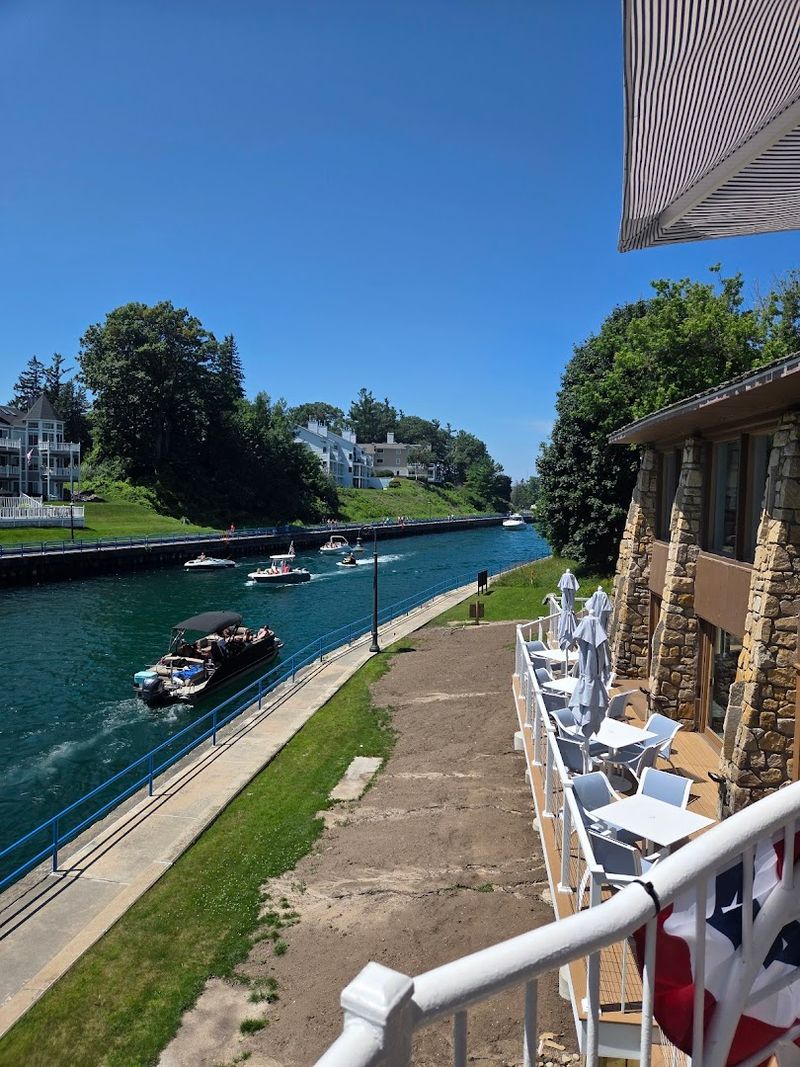
Summer is peak season here, and for good reason.
From late June through August, the town is fully awake, with the marina packed, the beach busy, and the downtown humming. If you enjoy a cheerful atmosphere and want the full experience, this is the window to visit.
That said, shoulder seasons have their own quiet appeal. September brings cooler temperatures, fewer crowds, and a soft golden light that settles over the water in a way that feels almost melancholy in the best sense.
The fall color season in northern Michigan is spectacular, and Charlevoix sits right in the middle of it. Parking can be tight during the busiest weekends of summer.
Arriving early in the morning or later in the afternoon helps avoid the worst of it. Many visitors find that exploring on foot or by bike is far more enjoyable than circling for a spot anyway.
Staying for at least two nights gives you enough time to actually settle in and stop rushing, which is really the only way to do Charlevoix justice.