Most People Don’t Realize These 10 Charming Hidden Spots In Connecticut Even Exist
Some of the best discoveries happen completely by accident and these spots are a perfect example of that. Places so charming and so genuinely lovely that finding out they exist feels like winning something nobody told you was even up for grabs.
The fact that most people drive straight past them without any idea what they are missing is both surprising and honestly a little exciting for the people who are in the know.
These charming hidden Connecticut spots that most people don’t even realize exist are the kind of finds that make exploring close to home feel like a completely worthwhile mission.
There is a real joy to uncovering something this good in a place you thought you already knew and these spots deliver that feeling better than anything.
The less noise surrounding a place the more special it tends to feel and these ones are very special indeed.
1. Grace Farms, New Canaan
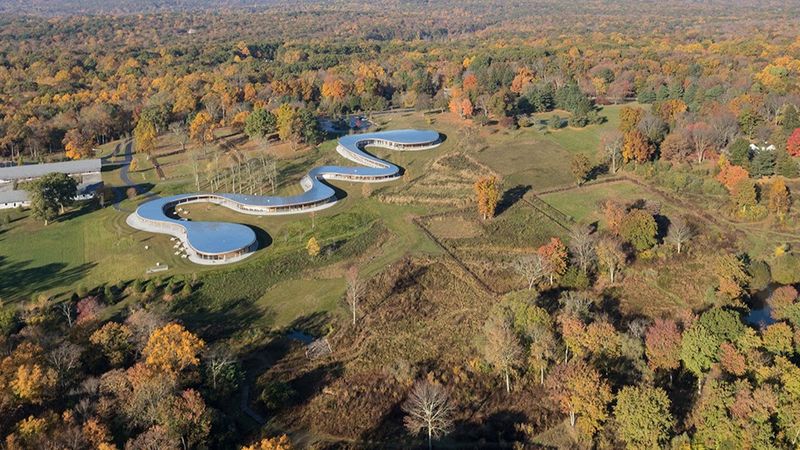
A quiet mix of open landscape and striking design gives this New Canaan destination a rare kind of calm. Grace Farms spans 80 acres of meadows, woodlands, wetlands, and trails, with the celebrated River building curving gently through the property like part of the land itself.
Designed by the architecture firm SANAA, the low-profile glass-and-steel structure is filled with natural light and wide views in nearly every direction.
Inside, visitors can find spaces for community programs, arts, conversation, reflection, and relaxed gathering, all arranged to keep the surrounding scenery close.
The property is at 365 Lukes Wood Rd. in New Canaan. Outside, walking paths move through restored natural areas, giving guests a chance to shift from architecture to nature without changing the pace of the visit.
Meadows, wooded sections, and wetland views make the grounds feel especially inviting across different seasons.
Admission is free with advance registration, and hours vary by day, with the site typically open Tuesday through Sunday. Weekdays are usually quieter, while weekends may bring more programs and visitors, so checking the calendar before heading over is a smart move.
2. Weir Farm National Historical Park, Wilton
A quiet walk through this landscape can feel like crossing into the view that inspired American Impressionist painters more than a century ago.
Weir Farm National Historical Park is the only National Park Service site dedicated to American painting, and it honors that role with a relaxed, welcoming charm rather than a museum-like formality.
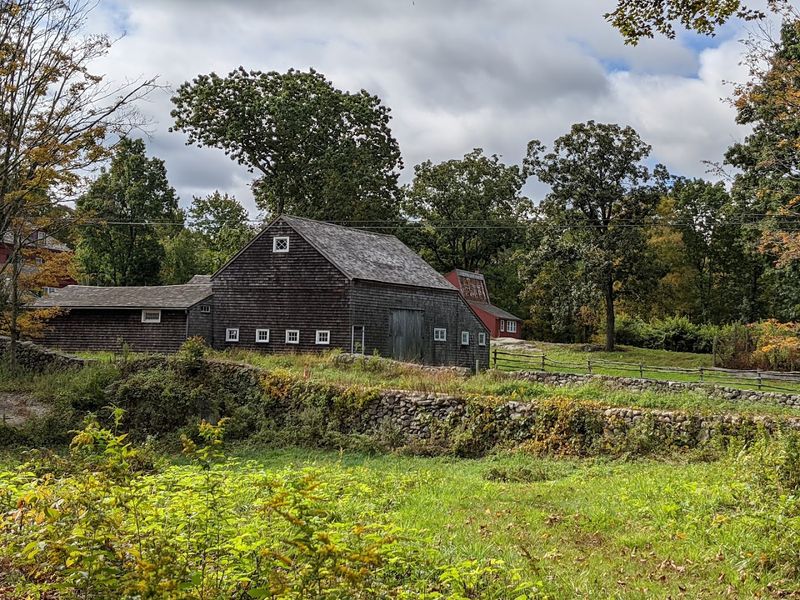
Once the home and creative retreat of artist J. Alden Weir, the property still includes the historic house, studios, barns, gardens, and surrounding scenery that shaped so much of its artistic story.
The grounds invite visitors to slow down and notice the details. Stone walls run through open meadows, trees frame soft views across the property, and the changing light gives the landscape the same gentle quality that drew artists here in the first place.
The park has been carefully preserved to reflect its historic character, which gives a simple walk an unusual sense of connection to the past.
You’ll find the park at 735 Nod Hill Rd. in Wilton, with portions extending into Ridgefield. Visitors can explore the trails, tour historic buildings when open, enjoy the gardens, or watch artists working outdoors during special programs and residency events.
The site covers about 60 acres, making it easy to experience in a few unhurried hours.
The atmosphere usually stays calm even on weekends, though tour times and programs can vary by season. Checking the current schedule before visiting helps families make the most of the experience without missing any open studios, guided tours, or art-focused activities.
3. Hidden Valley Preserve, Washington Depot
For a trail outing with a wilder, more tucked-back feel, Hidden Valley Preserve delivers the kind of scenery that rewards anyone willing to slow down and follow the water.
Managed by Steep Rock Association, the preserve spans about 940 acres of mixed forest, meadows, river valley, and nearly 20 miles of trails, giving hikers plenty of room to choose between an easy walk and a more ambitious route.
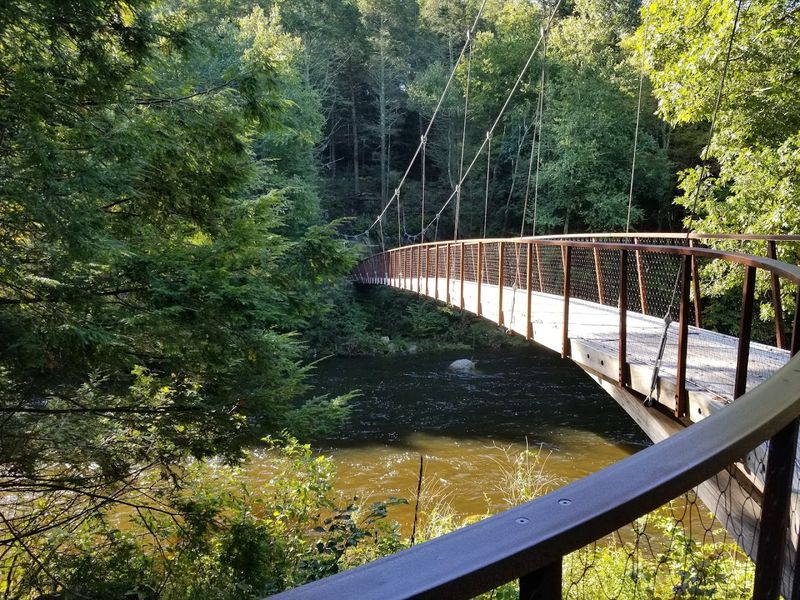
Trails move through hemlock-shaded woods, across wooden crossings, past exposed rock, and toward memorable points of interest like the Thoreau Bridge, the Lookout, and the Quartz Mine.
As the path drops closer to the water, the soundscape changes too, with rushing brook and river sounds taking over from the breeze and birds overhead.
Rock outcroppings create natural places to pause, while the tree canopy helps keep sections of the trail cool during warmer months.
You’ll find the preserve at 120 Bee Brook Rd. in Washington Depot, with trail information available through Steep Rock Association. The terrain includes some elevation change, so sturdy footwear makes the experience much more comfortable, especially after rain or during leaf-covered fall hikes.
Autumn brings brilliant color through the valley, while spring often adds higher water levels and extra movement to the landscape. Dogs are welcome, but they must stay leashed throughout the preserve to help protect wildlife, habitat, and other visitors.
4. Topsmead State Forest, Litchfield
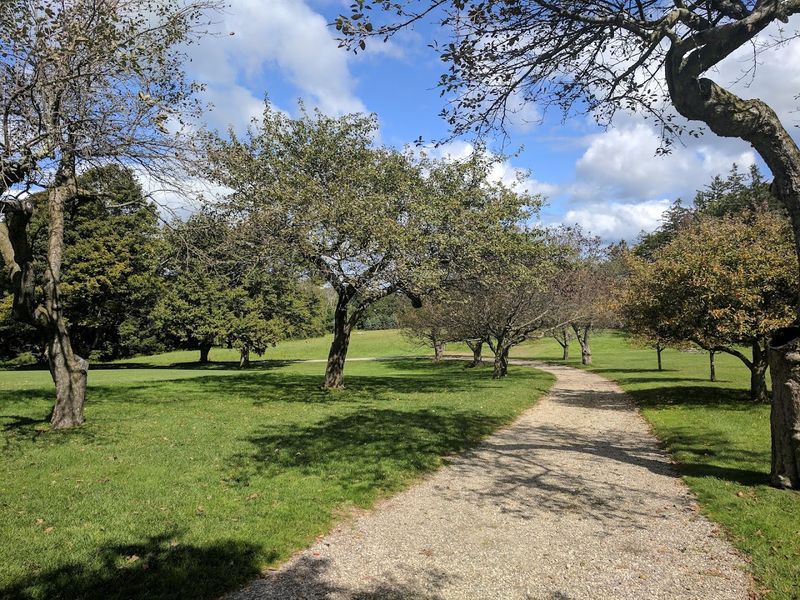
Not many state forests come with a historic Tudor-style cottage sitting in the middle of a wildflower meadow, but Topsmead State Forest does exactly that.
Located off Buell Rd in Litchfield, CT 06759, the forest encompasses over 500 acres of mixed terrain including open fields, forested ridgelines, and the meadow surrounding the Edith Morton Chase cottage, which was bequeathed to the state by its original owner.
The cottage itself is available for tours on select weekends during warmer months, offering a glimpse into early 20th-century country living.
The trail system here is relatively gentle compared to some of states’s more rugged terrain, making it accessible for a range of fitness levels.
Paths loop through both wooded sections and open meadow areas, with views across the surrounding landscape that feel unexpectedly expansive for a state forest.
Wildflowers bloom across the meadow from late spring through summer, drawing pollinators and adding a soft, colorful quality to the open areas.
Autumn transforms the forested sections into a patchwork of warm color, and the combination of meadow and woodland makes the seasonal shift especially noticeable. The forest is open year-round, and the quieter weekday atmosphere allows for a more contemplative visit.
Parking is available near the forest entrance, and the trails are generally well-marked. No admission fee is charged for trail access, making it an easygoing destination for a half-day outing.
5. Campbell Falls State Park Reserve, Norfolk
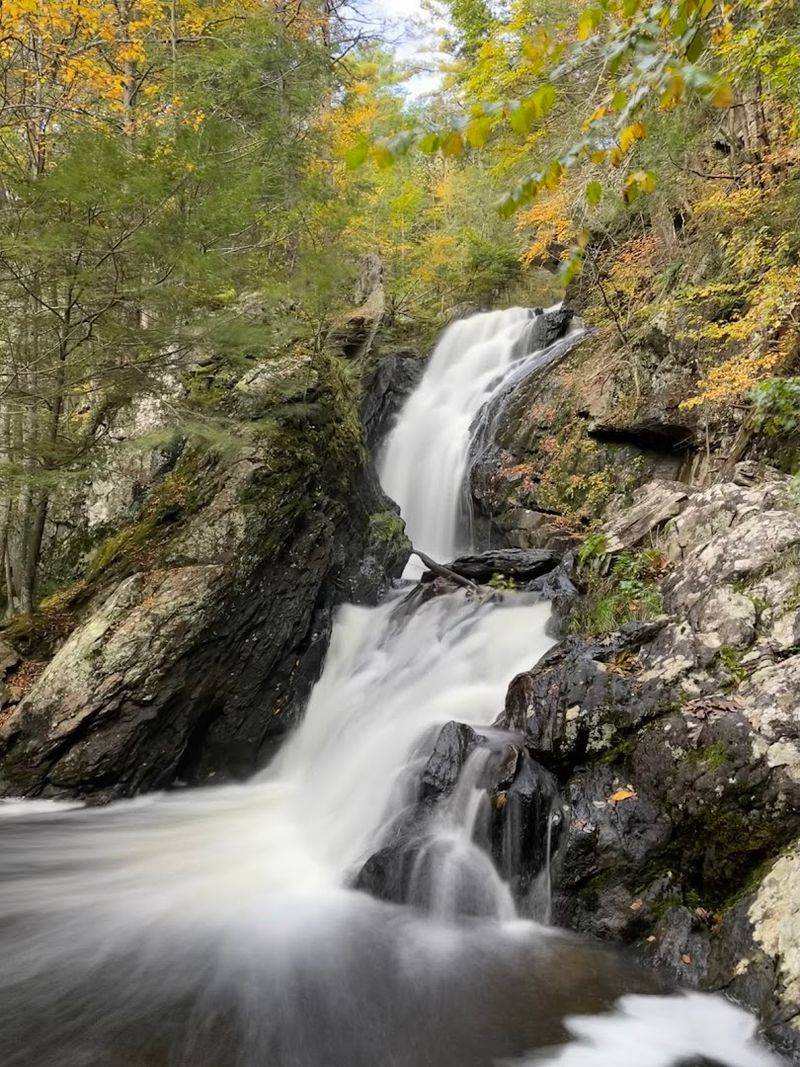
Straddling the Connecticut and Massachusetts border, Campbell Falls is one of those places that rewards the effort it takes to reach it.
The park reserve is accessed via Old Spaulding Rd, Norfolk, CT 06058, and the trailhead leads visitors through a dense hemlock forest before the sound of falling water begins to grow louder with each step.
The falls themselves drop roughly 50 feet over a series of ledges and boulders, creating a cascade that shifts in intensity depending on the season and recent rainfall.
Spring visits tend to offer the most dramatic water volume, while summer brings a cooler, shaded atmosphere that makes the short hike feel like a genuine retreat from the heat.
The trail to the falls is relatively brief, covering under a mile round trip, which makes it manageable for most visitors including those with younger children.
The rocks near the base can be slippery, so careful footing is always worth keeping in mind.
Because the park sits close to the state border, the surrounding landscape has a remote, undisturbed quality that feels different from more trafficked destinations. Crowds tend to stay modest even on weekends, partly due to the rural access road and limited signage along the route.
The reserve is open during daylight hours and does not charge an admission fee. Bringing water and wearing sturdy footwear will make the experience considerably more comfortable.
6. Comstock Covered Bridge, East Hampton
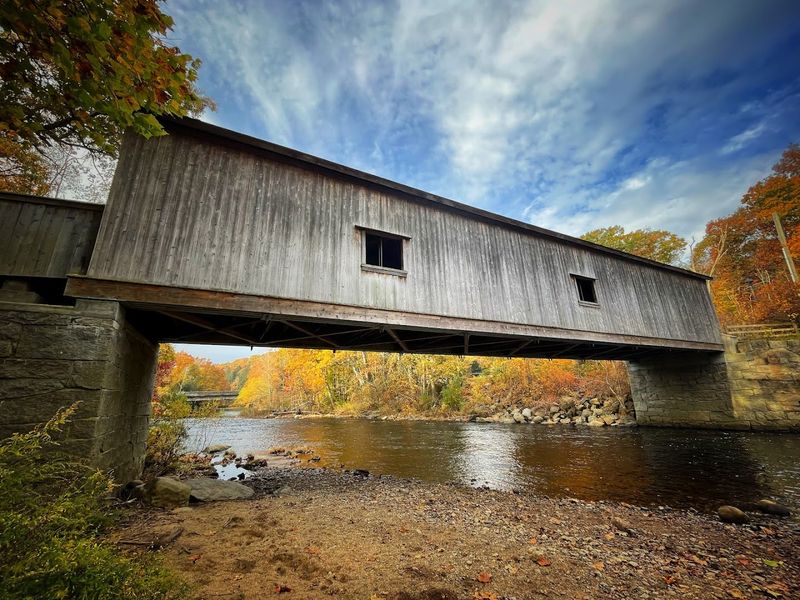
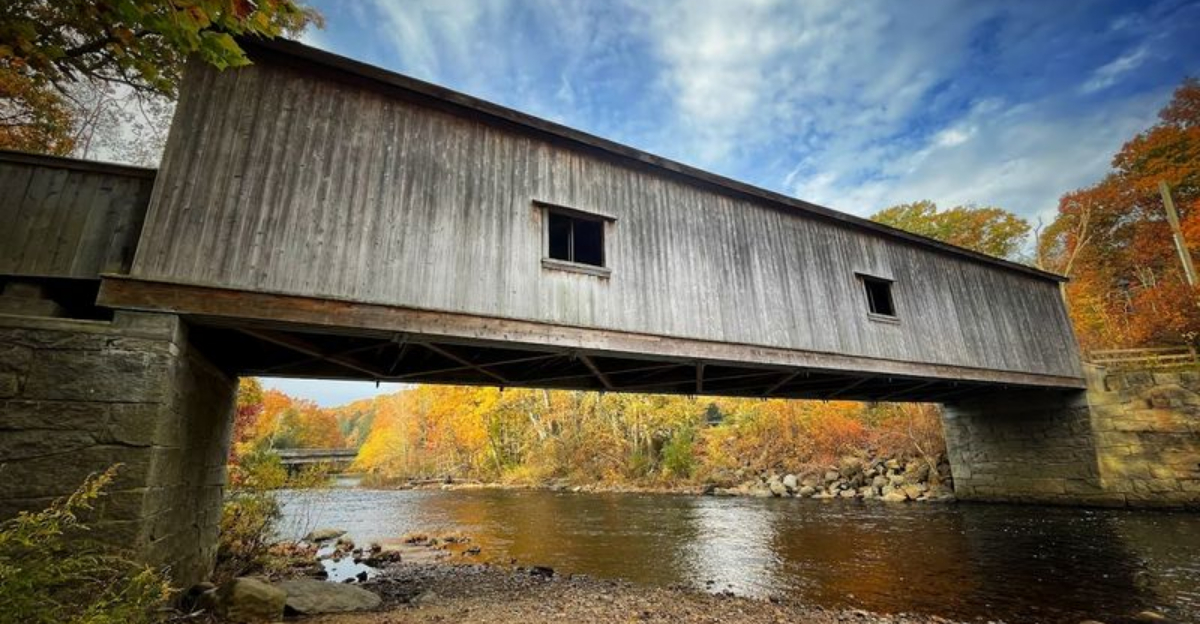
Built in 1873, the Comstock Covered Bridge is one of only three remaining historic covered bridges in the state, and it carries its age with a kind of weathered, unhurried dignity.
Spanning the Salmon River along Comstock Bridge Rd, East Hampton, CT 06424, the structure is a Town lattice truss design, which was a common and practical construction method of its era.
The bridge is no longer open to vehicle traffic but remains accessible to pedestrians, making it a peaceful spot to pause and take in the surroundings.
Standing on the bridge, the sound of the Salmon River moving beneath the wooden planks creates a calm, rhythmic backdrop that feels removed from everyday noise.
The river below is clear and shallow in many spots, and the surrounding trees lean in close enough to frame the scene in a way that feels almost deliberately composed.
Autumn is particularly striking here, with the foliage reflecting in the water and the warm tones of the wooden structure blending into the seasonal palette.
The area around the bridge is part of a larger riverside landscape that invites slow walking and unhurried exploration. Fishing is popular along this stretch of the Salmon River, and the calm water attracts visitors year-round.
Parking near the bridge is informal but generally available along the roadside. The site has no admission fee and no formal operating hours, making it easy to visit at a relaxed, self-directed pace.
7. Connecticut College Arboretum, New London
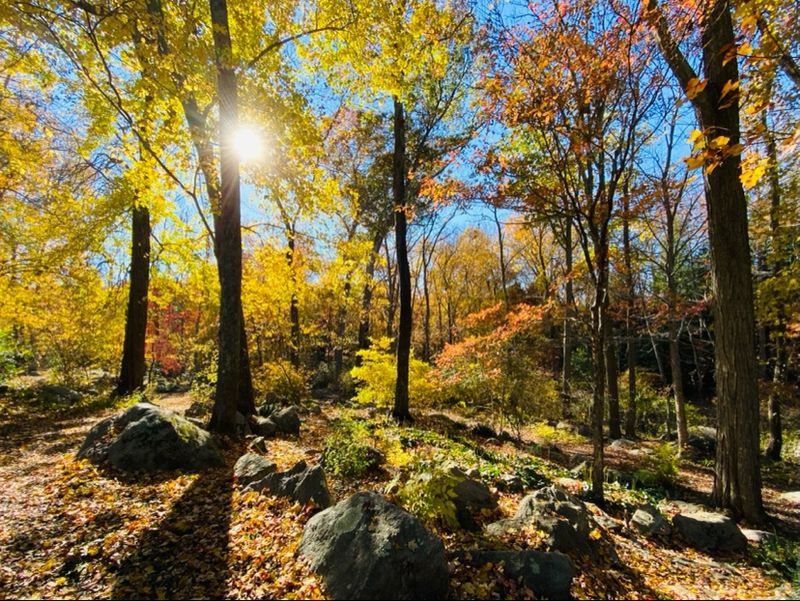
With 750 acres of gardens, trails, plant collections, and natural areas tied to the Connecticut College campus, this New London arboretum offers far more than a quick campus stroll.
Connecticut College Arboretum is open to the public throughout the year at no charge, making it a wonderfully easy choice for walkers, families, birders, plant lovers, and anyone looking for a quiet outdoor reset without needing a full-day hiking plan.
The grounds highlight regional ecology through a mix of native plant collections, managed landscapes, woodland paths, ponds, and wilder natural spaces.
The Native Plant Collection is one of the best starting points, with labeled trees, shrubs, woody vines, wildflowers, conifers, and other specimens that make the visit feel informative without turning it into a formal lesson.
Seasonal change is a major part of the appeal, from early spring blooms and fuller summer shade to bright fall color and the clean, sculptural look of winter branches.
You’ll find the main campus address at 270 Mohegan Ave. in New London, though different arboretum areas have their own access points and walking routes.
Trails pass through varied habitats, including upland woods, managed gardens, and wetland areas, so each section brings a slightly different pace and mood.
Some paths are smooth and easygoing, while others feel more natural underfoot, making comfortable shoes a smart choice.
Since the arboretum is open from sunrise to sunset every day of the year, it works just as well for a short peaceful walk as it does for a longer afternoon of exploring.
8. Enders Island, Mystic
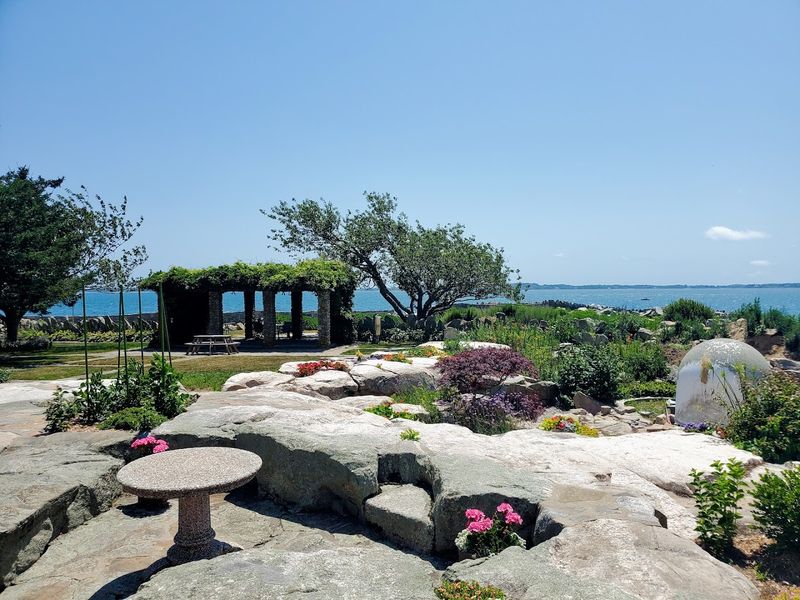
Reaching Enders Island feels like crossing into a completely different world, even though the causeway connecting it to the mainland is only a short drive from central Mystic.
The address is 1 Enders Island, Mystic, CT 06355, and the island is home to the St. Edmund’s Retreat Center, a quiet spiritual and educational facility that welcomes visitors to the grounds during open hours.
The rocky shoreline wraps around the island in a way that makes the surrounding water feel present from nearly every vantage point.
A small stone chapel sits near the water’s edge, and the combination of the chapel’s simplicity and the open sea view creates an atmosphere that feels genuinely contemplative regardless of any religious affiliation.
Seabirds move along the rocks, and the tidal rhythm of the water against the stone shore sets a slow, grounding pace for anyone walking the perimeter path.
The island is compact enough to explore fully in under an hour, which makes it easy to absorb without feeling rushed.
Because it operates as a retreat center, the atmosphere on the island tends to be notably calm and unhurried, which stands in contrast to the busier areas of Mystic nearby. Visitors are encouraged to be respectful of the retreat programs taking place on the grounds.
Checking the island’s schedule before visiting is advisable since certain areas may be reserved for private retreats on specific dates throughout the year.
9. Williams Beach Park, Mystic
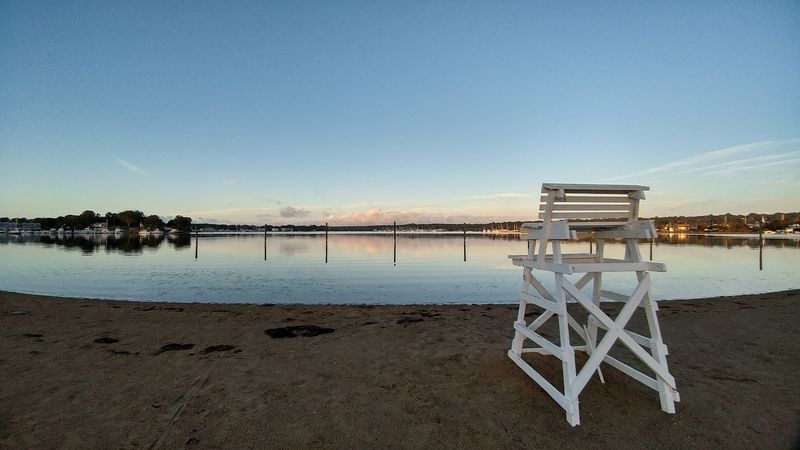
Away from the busiest parts of the Mystic waterfront, this small beach park has a relaxed, local feel that makes it easy to settle in for a low-key afternoon.
Williams Beach Park is Mystic’s only public beach, offering a simple shoreline setting with room for swimming, picnicking, playing, and enjoying a quieter warm-weather break close to town.
The beach sits by the Mystic YMCA at 1 Harry Austin Dr. in Mystic, where visitors will find a small sandy area, a playground, pavilion space, grills, and nearby sports fields.
The water has a more sheltered feel than larger ocean-facing beaches, which can make it appealing for families with younger kids who prefer gentler conditions.
Kayaks and small watercraft are often part of the scene, and the easy movement of boats nearby adds to the park’s unhurried rhythm. Trees around the shoreline provide patches of shade during warmer days, while picnic areas make it practical to bring snacks and stretch the visit beyond a quick swim.
Because the park mainly serves the surrounding community, it usually feels calmer than the tourist-heavy areas nearby, especially on weekday mornings or early afternoons. No lifeguard is on duty, so families should plan with that in mind.
Hours, access, and seasonal details can change, making it worth checking local information before heading over.
10. Waterford Beach Park, Waterford
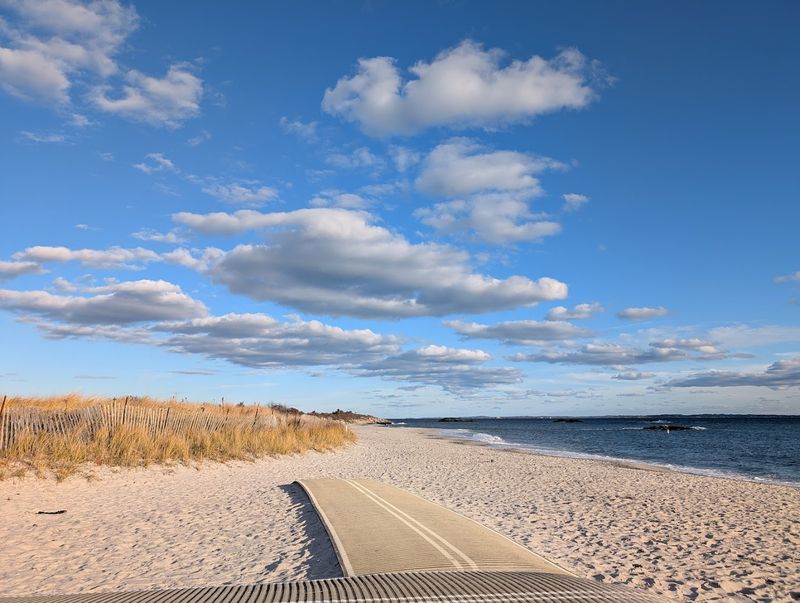
Long Island Sound stretches out in full view from Waterford Beach Park, and the openness of that horizon makes the beach feel more expansive than its modest size might suggest.
Situated at 317 Great Neck Rd, Waterford, CT 06385, the park offers a sandy shoreline, picnic areas, and calm water conditions that tend to suit a relaxed, unhurried beach visit rather than a high-energy outing.
The Sound’s relatively sheltered nature keeps wave action gentle, which makes the water approachable for casual swimmers and waders.
The beach sits within a residential area of Waterford, giving it a neighborhood character that feels grounded and low-key rather than touristy. Parking is available on-site, and the surrounding landscape includes grassy areas suitable for picnicking or simply sitting in the open air.
Sunsets viewed from this stretch of shoreline can be particularly striking, with the wide water surface catching the changing light across the sky.
Summer weekends draw more visitors, so arriving earlier in the morning tends to offer a calmer, more spacious experience.
The park is managed by the town of Waterford, and a seasonal parking fee typically applies for non-residents, though fees and hours are subject to change and worth confirming before the trip.
The beach is open seasonally, generally from late spring through early fall, and the overall atmosphere leans toward quiet coastal simplicity rather than resort-style amenity.