The Idaho Mormon Pioneer Town Continuously Settled Since 1860
Long before Idaho had statehood or anyone arguing with a GPS, a small settlement near the Utah border was already putting down roots.
Franklin began in 1860, when Mormon pioneers crossed into the area and built a community meant to last.
Fields were planted and homes took shape as daily life moved with the steady rhythm of people creating something from almost nothing.
That early beginning still gives the town its quiet weight.
You can feel the past here without needing it dressed up or overexplained.
Franklin does not rush its story.
Old buildings and pioneer history still do plenty of talking, while peaceful streets keep the place grounded in the present.
More than 160 years later, this Idaho town feels connected to its first chapter, only now the history lives beside everyday life instead of staying trapped behind glass.
Idaho’s Oldest Town Still Carries Its Pioneer Beginning
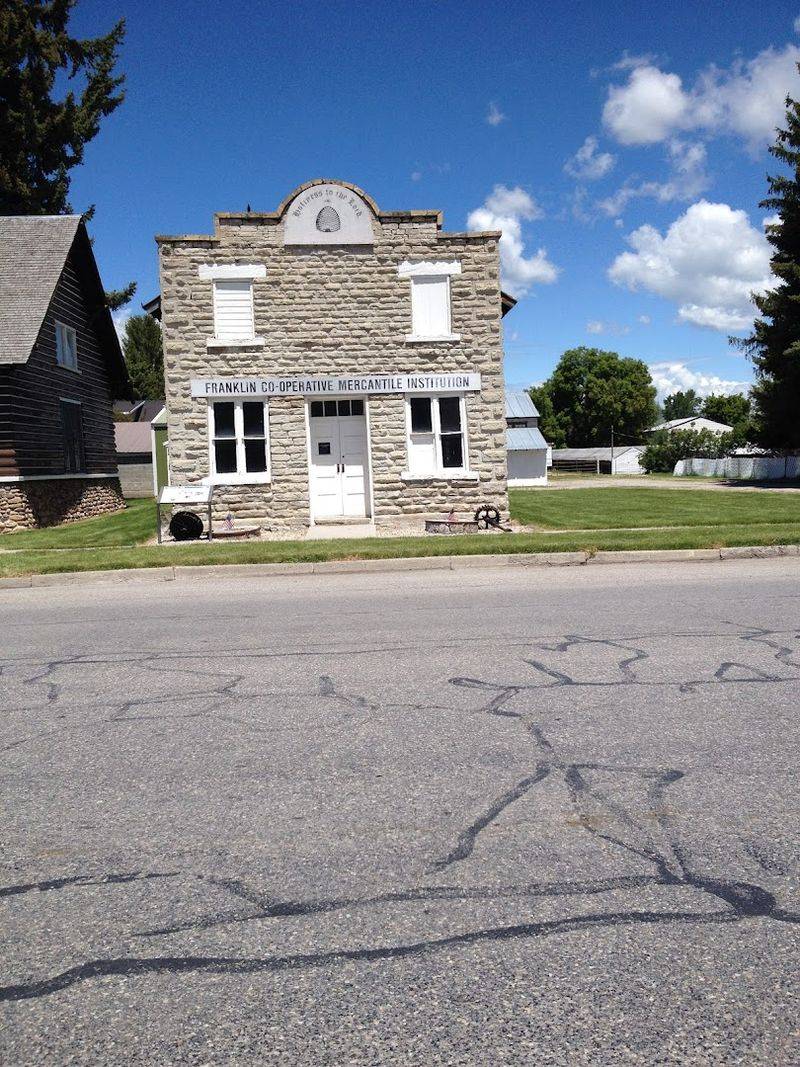
Franklin carries its history with a calm confidence that fits the town perfectly. Settled in 1860 by Mormon pioneers, it is recognized as the oldest town in the state, and the Franklin Historic District gives travelers a focused place to connect with that beginning.
The town does not need oversized monuments or theatrical staging to make the past feel present. Instead, its appeal comes through historic buildings, quiet streets, pioneer collections, and the knowledge that people have continued living here since the settlement began.
That continuity separates Franklin from many western communities that faded after early promise. A visitor can walk through town and see how a pioneer settlement became a lasting community rather than a preserved ruin.
The Relic Hall, Franklin Cooperative Mercantile Building, and other historic properties help turn the town’s early story into something visible. Franklin is also close to the Utah border, which adds an important layer to its identity.
Early settlers believed they were still in Utah, but later surveys placed the community across the border. That border surprise has become part of the town’s charm.
Franklin feels humble, but its place in state history is anything but small.
Mormon Settlers Started Franklin Before Idaho Was A State
Before statehood, and even before the territory existed, Mormon pioneers moved north from Utah and established Franklin in spring 1860.
High Country sources describe the town as founded by Mormon pioneers moving north from Utah, while local county history identifies Franklin as the region’s first permanent settlement.
That timing matters because the territory was not created until 1863, and statehood did not arrive until 1890. Franklin’s founders were building a community before the political map around them fully matched the reality on the ground.
The settlement followed the organized pattern common to Latter-day Saint pioneer towns, with streets, lots, farms, church-centered community life, and cooperative effort shaping daily survival. The story is not only about religious migration.
It is also about planning, agriculture, endurance, and the difficult work of turning a valley location into a functioning town. Early Franklin families needed water, crops, shelter, livestock, and shared rules quickly, because settlement in this region required cooperation from the beginning.
Their work created a place that never fully disappeared into ghost-town memory. Instead, Franklin stayed lived-in.
That is why the title matters: this is not just a pioneer site. It is a pioneer town that continued.
1860 Feels Close On These Quiet Historic Streets
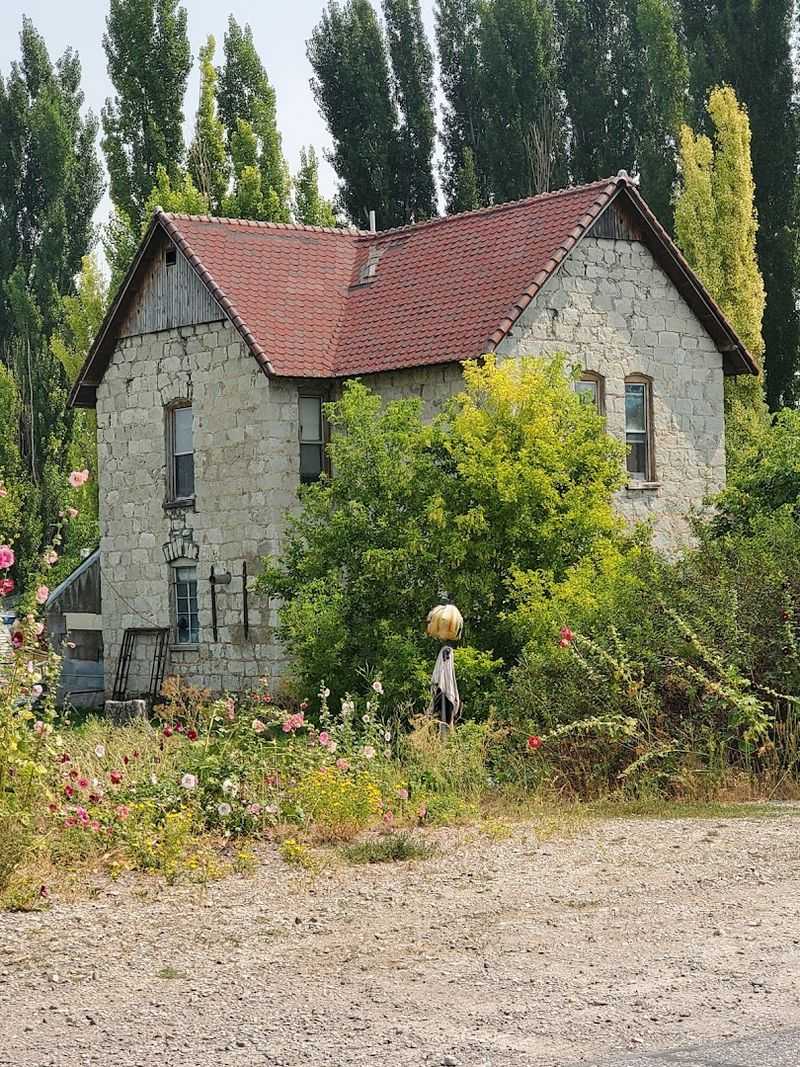
Quiet streets help Franklin feel older than its small size might suggest. The Franklin Historic District gives visitors a practical way to explore the town’s preserved character, with Idaho High Country recommending travelers start at Relic Hall, based a half block off U.S. 91 on East Main Street.
That detail matters for anyone planning an actual visit, because Franklin’s history is concentrated enough to explore without a complicated itinerary.
The district includes buildings and sites tied to the town’s pioneer and early community life, and the calm pace makes the past feel unusually close.
Rather than moving through a busy attraction where every stop is curated for crowds, visitors encounter a working small town where historic preservation and daily life overlap.
Homes, streets, public buildings, and community landmarks help show how Franklin developed after its founding.
The setting also reminds travelers that pioneer towns were not abstract stories about wagons and dates. They were places where families planted gardens, raised children, built stores, formed institutions, and kept adapting.
Franklin’s streets do not shout for attention, which may be why they feel so convincing.
The town’s history works best when visitors slow down, walk carefully, read markers, and let the ordinary scale of the place make the 1860 story feel human.
Cache Valley History Gives The Town Its Deepest Roots
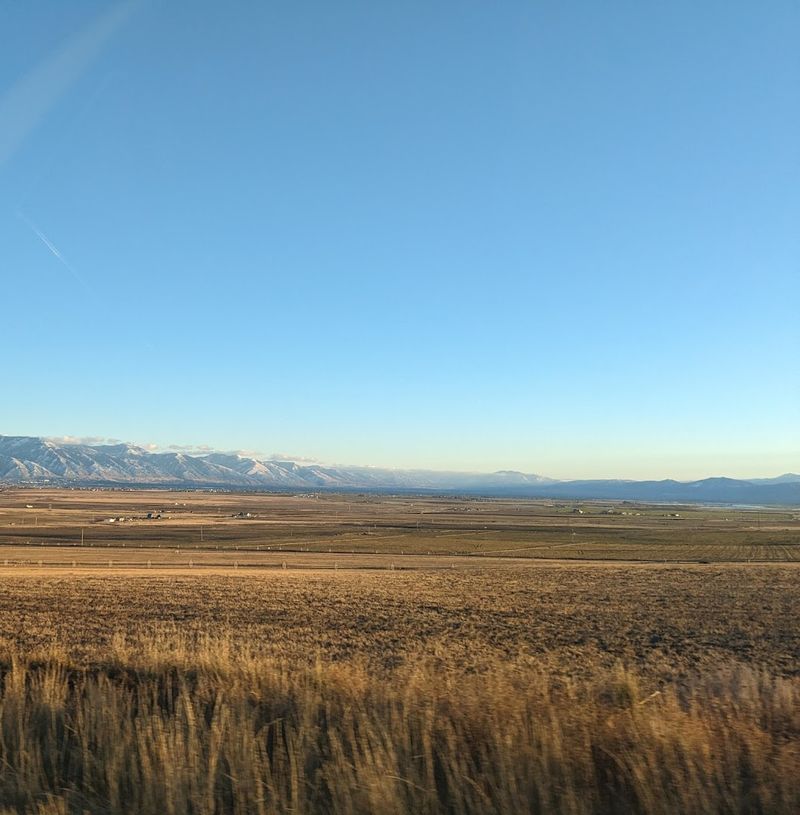
Cache Valley explains why Franklin was able to take root where it did. The town sits in a borderland landscape shared by southeastern Idaho and northern Utah, where agriculture, water, settlement routes, and mountain-valley geography shaped community life from the beginning.
Franklin County’s history page identifies Franklin as Idaho’s first permanent settlement in 1860. It also lists several historic resources in the surrounding county, such as the Pioneer Relic Hall, archaeological caves, and other heritage sites.
That broader context matters because Franklin was never isolated from the larger valley story.
Mormon pioneers moving north from Utah were expanding into a region already known for its resources, travel routes, and layered human history.
Native peoples had long lived in and moved through the area before Euro-American settlement, and later agricultural communities relied on the valley’s land and water to survive.
Franklin’s identity grew from that mix of geography and persistence. Fields, irrigation, livestock, and community planning were not background details; they were the reason the town could continue.
Even today, the surrounding rural landscape helps visitors understand why this place became Idaho’s first permanent settlement rather than a short-lived outpost. Franklin’s historic buildings tell one part of the story, but Cache Valley gives that story its foundation.
Relic Hall Keeps Franklin’s Pioneer Story In View
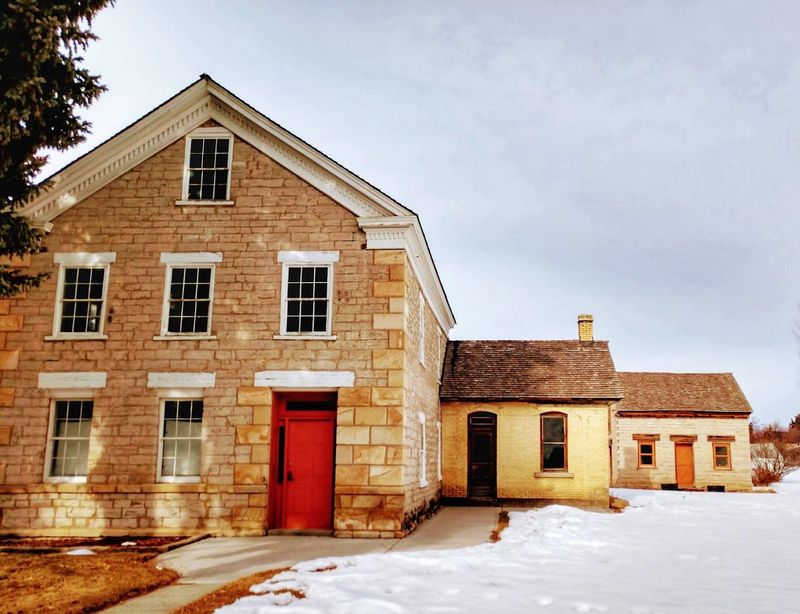
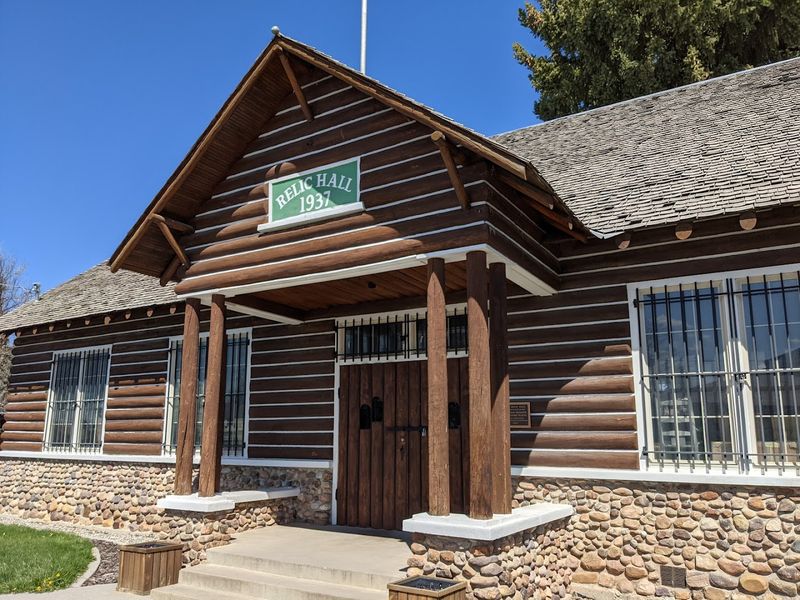
Relic Hall is the town’s most direct invitation into Franklin’s pioneer past.
Heritage Trust identifies the Relic Hall at 113 E Main Street, Franklin, 83237. The rustic log hall was built between 1936 and 1937 using timber provided by the Forest Service and labor from the Civilian Conservation Corps.
The building is used as a museum and maintained by the State Historical Society. That history gives Relic Hall its own significance beyond the objects inside.
It is not only a place that preserves pioneer memory; it is also a 1930s preservation project created when residents and state leaders recognized the importance of Franklin’s early story.
National Register documentation notes that much of the collection traces back to Elliot Butterworth, a Franklin storekeeper who lived from 1869 to 1912. He collected items representing the area’s history and heritage.
That makes the museum feel personal rather than generic. Tools, household items, documents, photographs, and local artifacts connect visitors to the daily realities of settlement life.
Relic Hall works because it keeps Franklin’s history at town scale. The objects are not distant museum pieces from an anonymous past.
They are the belongings, records, and reminders of families who helped make the state’s oldest town endure.
The Historic District Makes A Small Town Feel Much Older
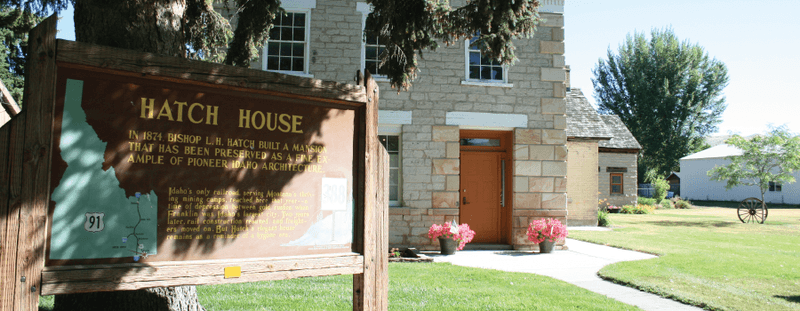
Walking through a designated historic district always carries a certain weight, but Franklin’s feels especially meaningful because the history here is so deep and so specific.
The Franklin Historic District was recognized for its remarkable concentration of pioneer-era architecture and its unbroken connection to the town’s founding story.
For a community of just over 1,000 residents, that is an extraordinary achievement.
The district includes homes, public buildings, and community spaces that date back to the earliest years of settlement. Many structures have been carefully maintained or restored, giving the area a cohesive character that feels authentic rather than staged.
Visitors from across Idaho and beyond come specifically to experience this rare sense of preserved pioneer-era community design.
What makes the historic district genuinely compelling is that people still live and work within it. This is not a roped-off exhibition.
It is a functioning neighborhood where everyday life unfolds against a backdrop of 19th-century architecture. That combination of living community and preserved history creates an atmosphere you simply cannot replicate.
Franklin’s historic district is a reminder that the best preservation happens when people stay, care, and continue to call a place home.
Franklin’s Utah-Border Surprise Adds To Its Backstory
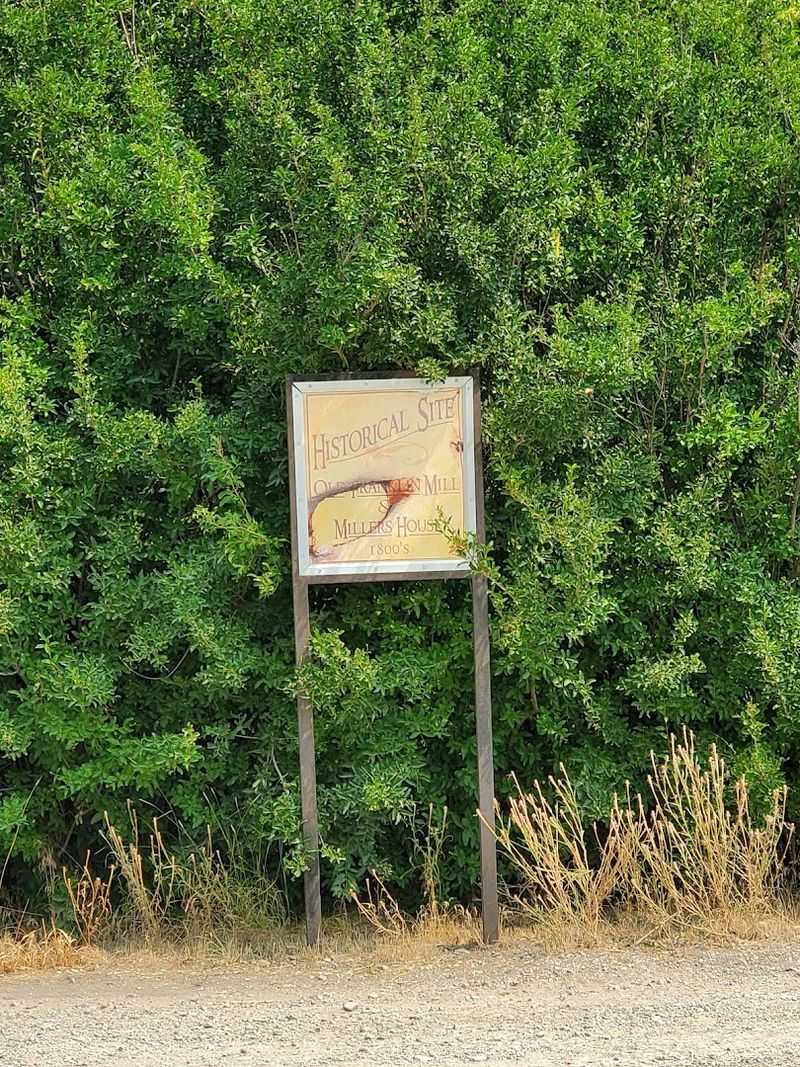
Border confusion gives Franklin one of the region’s best origin-story twists. The town was founded by Mormon pioneers moving north from Utah in 1860, and historical summaries note that settlers believed they were still in Utah at the time.
Later surveying showed the settlement was actually across the border, turning Franklin into the state’s first permanent town almost by geographical surprise.
That detail adds charm, but it also says something meaningful about how settlement worked before borders were fully understood on the ground.
Early residents were focused on land, water, crops, roads, community organization, and survival more than the abstract lines that later maps would clarify.
Franklin still sits very close to the Utah state line, and that border identity remains part of its character.
Travelers coming from Logan or Cache Valley may feel the transition across the line more culturally gradual than dramatic, because the valley landscape and settlement history cross the line easily.
Franklin’s story reminds visitors that state history rarely begins with neat boundaries.
Sometimes a community starts with people building where they think they are, then history decides the rest. That accidental distinction gives Franklin a memorable hook, but the town’s real achievement is that it did not disappear after the survey was settled. It kept going.
Idaho’s First Permanent Settlement Still Feels Humbly Preserved
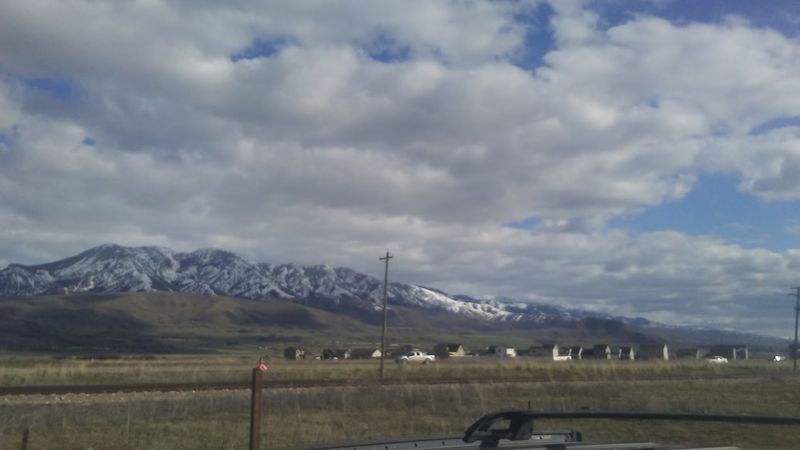
Holding a first-place title could make any town feel overly polished, but Franklin remains refreshingly modest.
County history names Franklin as the state’s first permanent settlement in 1860, while travel sources call it the oldest town in the state and direct visitors toward its historic district.
That dual recognition gives the town real historical weight, yet Franklin’s appeal comes from how quietly it presents that importance.
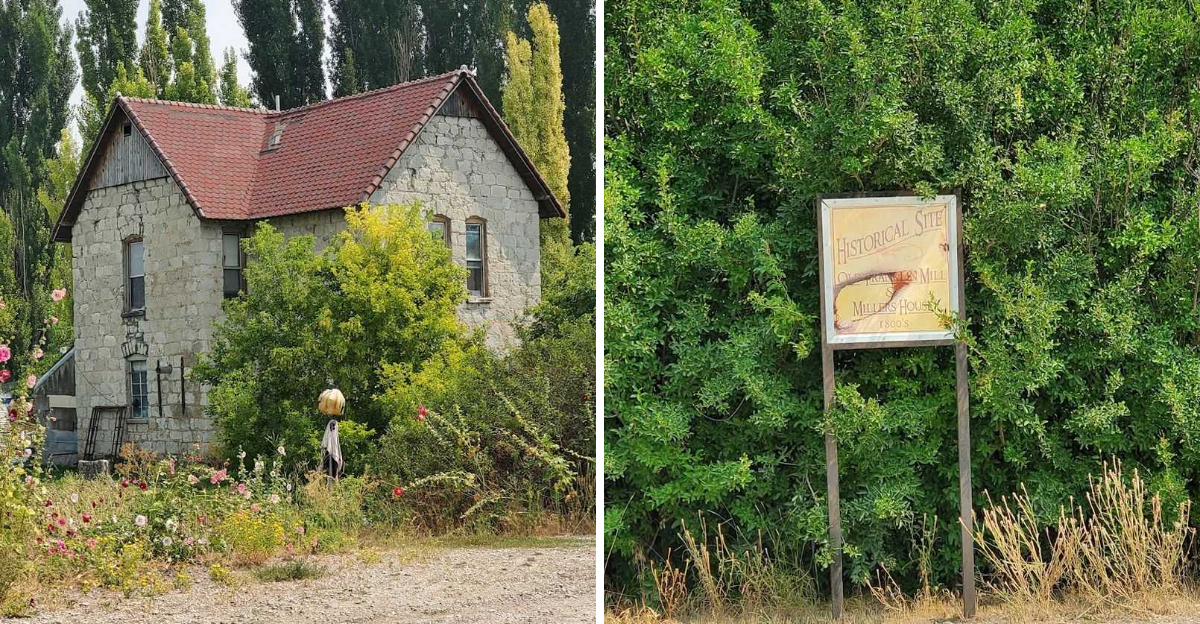
Relic Hall, the Franklin Cooperative Mercantile Building, preserved streets, and local heritage sites tell the story without turning the place into a theme park.
A visitor can come for a short history stop, but the town rewards a slower approach. Read markers, look at the buildings, notice the agricultural setting, and imagine how much work it took to keep a small community alive across generations.
Franklin’s preservation feels community-rooted rather than oversized, which suits the story of a town built through cooperation and endurance. Its pioneer beginning still matters because the community remains connected to it in visible ways.
That is what makes Franklin different from a simple historical marker on the side of a highway. The oldest permanent settlement here is still a real town, and that continued life is the most powerful part of the visit.