This North Carolina Nursery Turns Backyards Into Wildflower-Filled Wildlife Havens
Backyards start feeling a lot more interesting when they stop acting like plain grass carpets and begin inviting actual wildlife to the party.
This North Carolina nursery makes that idea feel possible without turning gardening into homework.
Instead of chasing plants that only look pretty for a moment, the focus here is on native growth that gives birds, bees, and butterflies a real reason to show up.
That changes the whole way a yard feels.
A small patch of ground can become more alive, more useful, and way more fun to watch from the porch.
The best part is how approachable it all feels.
Beginners do not need to arrive with expert gardening knowledge, and experienced plant lovers can still find plenty to get excited about.
A visit here feels less like shopping for plants and more like learning how to build a backyard with purpose.
Start With One Wildflower And See Who Shows Up
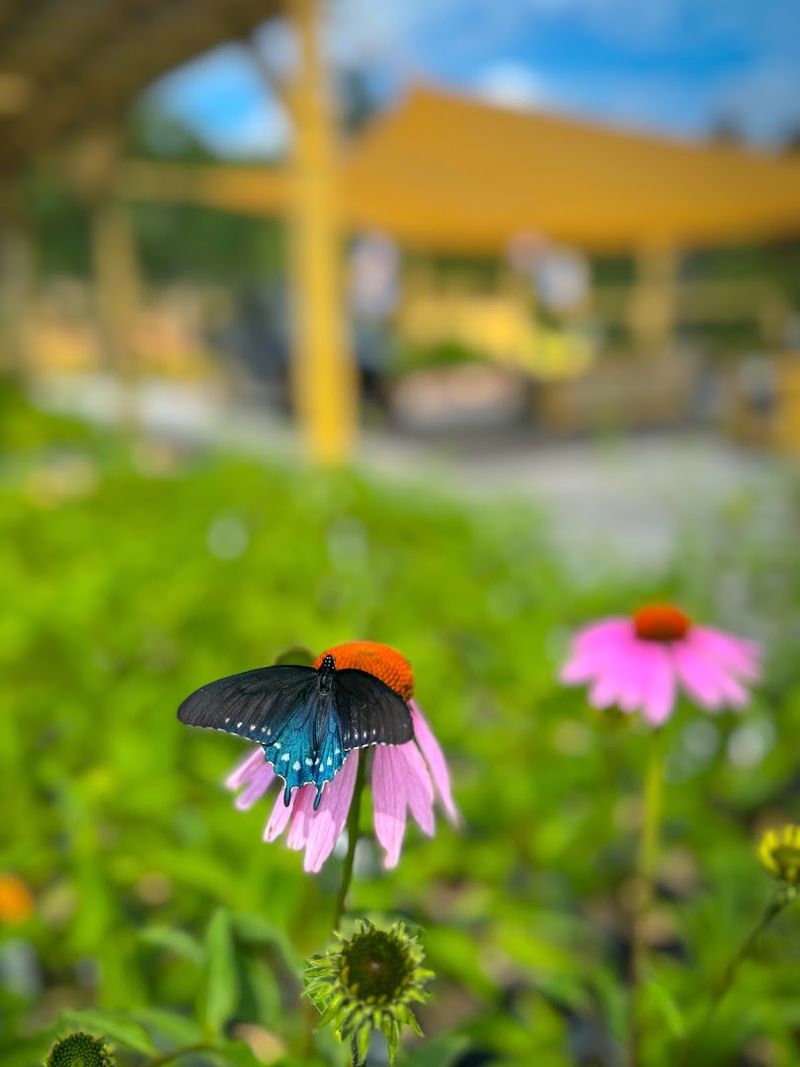
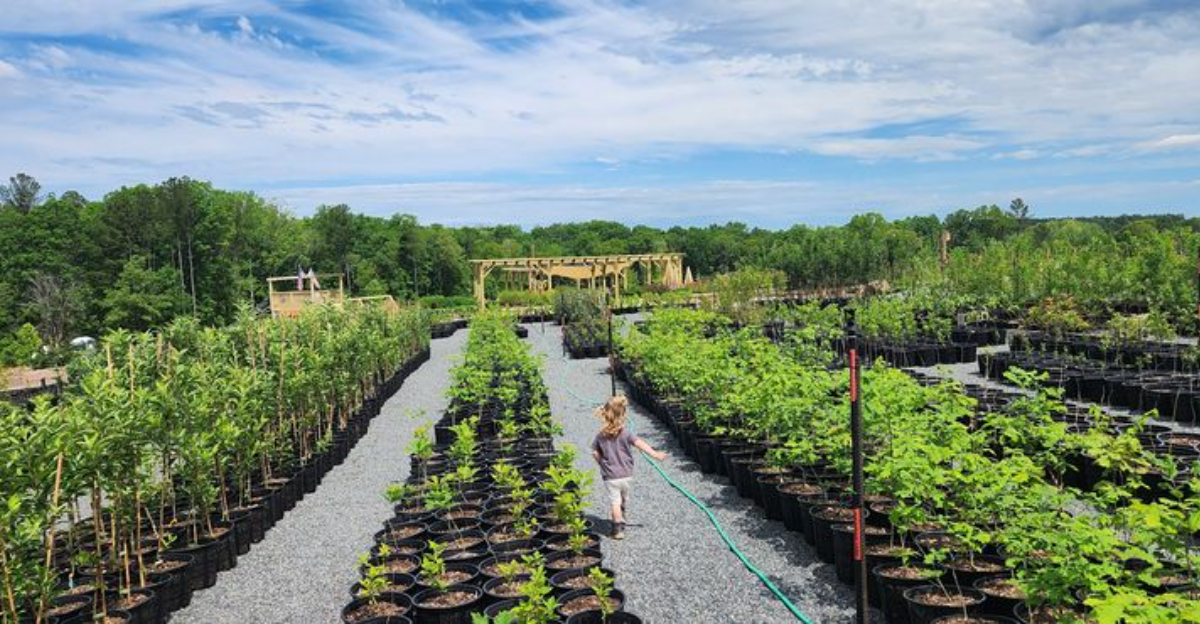
Begin with one native bloom, then watch the yard start acting less empty. Wild Things Nursery makes that first step feel realistic, especially for gardeners who do not know where to begin.
Instead of pushing people toward a huge makeover, this Carthage nursery focuses on plants that can support real wildlife. A 2025 local feature said the nursery had around 50 native grass and wildflower species, with more planned for the future.
It also noted that owner James Hunsucker can help visitors understand when to plant and how to care for them. One coneflower, milkweed, black-eyed Susan, or aster can become the start of a much bigger story.
Bees may arrive first. Butterflies may follow.
Birds may show up later for seeds or insects. That slow change is part of the fun.
A single plant teaches sunlight, watering, patience, and placement without making the whole yard feel like a test. Beginners need that.
So do busy homeowners. Once one plant works, the next choice feels less scary.
Before long, a small bed starts buzzing. Then the yard feels less like decoration and more like a living place.
The nursery serves Moore and surrounding counties from 2415 Underwood Road, with its phone number listed as (910) 690-9848.
Ask Which Native Plants Your Yard Actually Wants
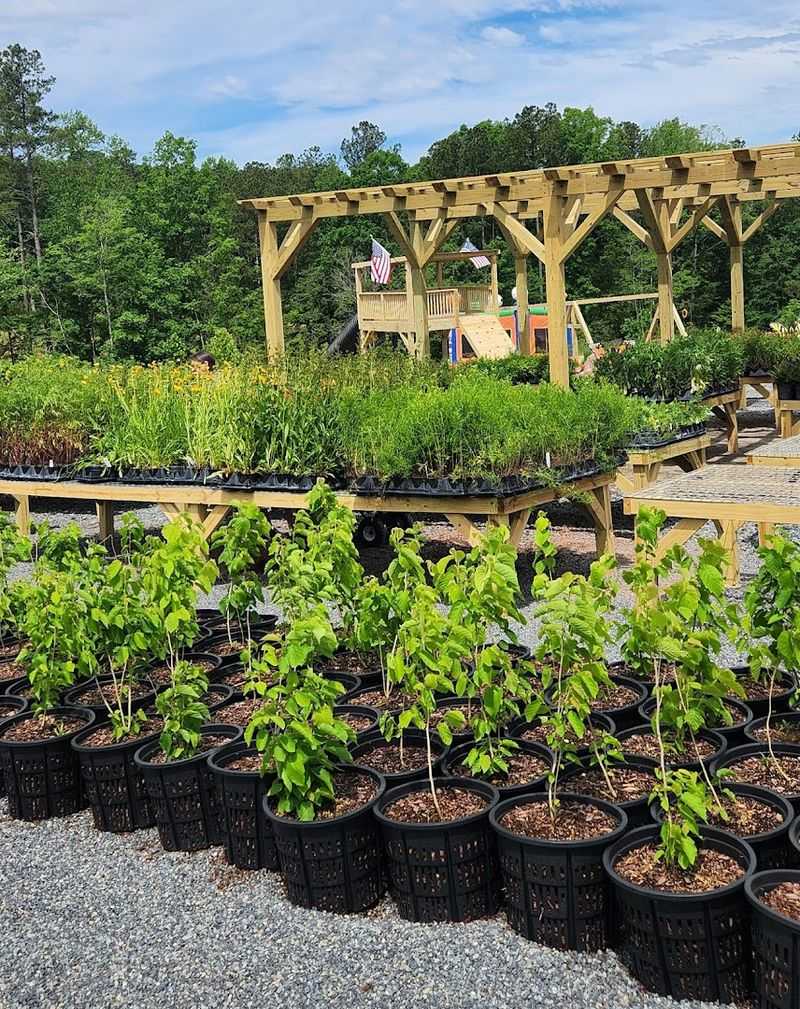
Every yard gives clues, even when those clues feel annoying. One patch may bake in afternoon sun.
Another may stay damp after rain. Some soil drains too quickly.
Some areas sit in shade and refuse to cooperate with anything cheerful. Wild Things Nursery helps gardeners read those clues before they spend money on plants that never wanted the job.
Its official site describes the nursery as focused on native trees, shrubs, grasses, and wildflowers for pollinators and wildlife. That matters in the Sandhills, where local soil and heat can shape every planting decision.
A plant that thrives in the mountains may sulk in Carthage. Something perfect for a wet coastal yard may fail in a dry, sandy bed.
Photos help during a visit. Notes help too.
Mark where the sun lands. Remember where water collects.
Mention deer, slope, compacted soil, or tree roots. Those details can point toward better choices.
Right plant, right place sounds simple, but it saves years of frustration. It also saves money.
Native plants are tough when they fit the site. They are not magic when planted in the wrong spot.
Good advice makes the difference.
Turn A Plain Corner Into Pollinator Real Estate
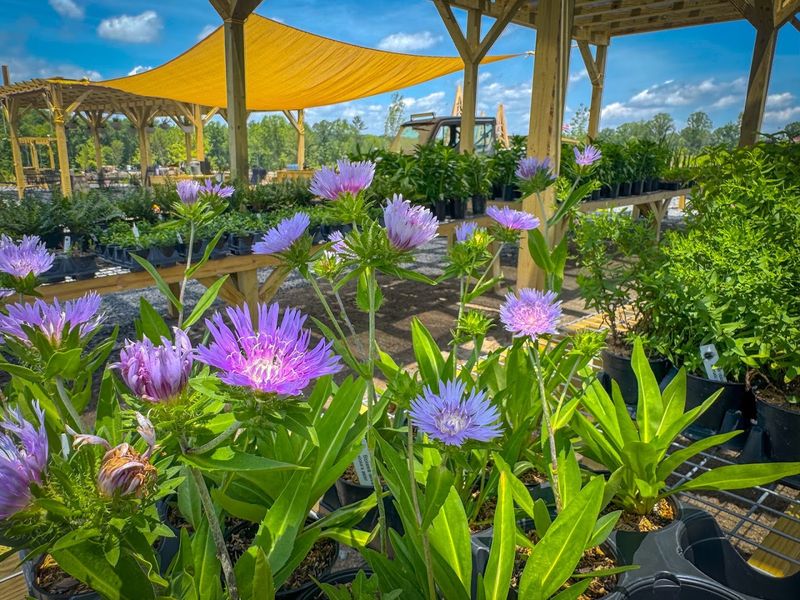
Forgotten yard corners can become surprisingly useful. A small patch by a fence, driveway, mailbox, or patio can feed pollinators when planted with purpose.
Wild Things Nursery makes that idea feel doable, not overwhelming. No one needs a meadow to help bees and butterflies.
Even a tiny bed can matter if it offers nectar, pollen, shelter, and bloom variety. Planting in clusters helps pollinators notice the flowers faster.
One scattered plant may get missed. A small group becomes a brighter signal.
Bloom timing matters too. Spring flowers help early insects.
Summer bloomers keep the buffet going. Late-season flowers support pollinators when food gets harder to find.
A local profile described Wild Things as a nursery full of native flowers, trees, and shrubs. It also said the nursery was created to show what backyards can do both aesthetically and ecologically.
That is exactly the point. A plain corner does not have to stay plain.
Add the right plants, and the space starts working. Bees move through.
Butterflies pause. Beetles, moths, and tiny insects find cover.
Suddenly the least interesting part of the yard has the most activity.
Pick Grasses That Make Birds Feel Invited
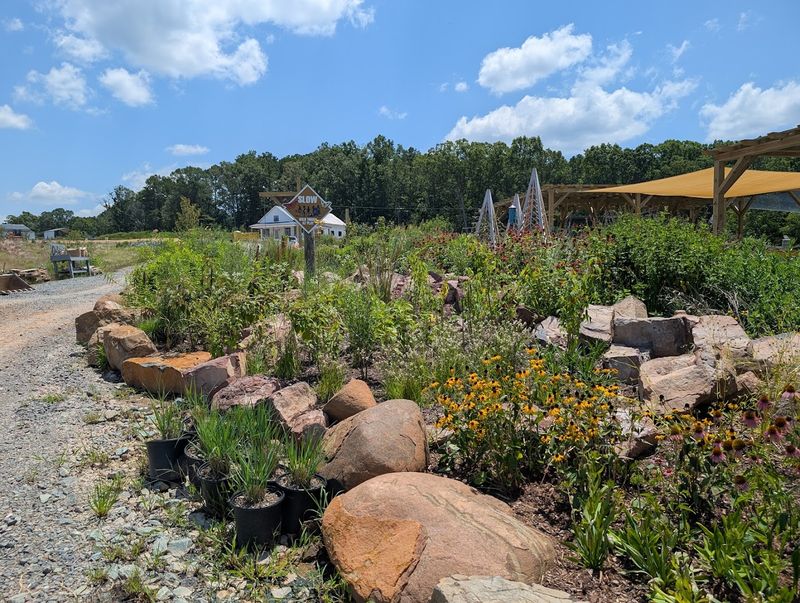
Native grasses deserve more credit than they get. Flowers bring the color, but grasses bring motion, seed heads, shelter, and winter texture.
They also help a wildlife garden feel layered instead of flat. Wild Things Nursery includes grasses as part of its native plant focus, and that makes a real difference for backyard habitat.
A local feature said the nursery carried around 50 native grass and wildflower species, plus around 50 native shrub and tree species. Grasses can soften a fence line.
They can fill a sunny bed. They can give birds seeds later in the season.
They also create cover near the ground for insects and other small creatures. Little bluestem, switchgrass, broomsedge, and similar regional grasses can make a yard feel more natural without making it look abandoned.
Fall color can be beautiful. Winter stems can catch the light.
Seed heads can keep the garden interesting after flowers fade. Many people skip grasses because they seem less exciting in a nursery pot.
That is a mistake. Give them time.
Once they grow into their shape, they bring movement and structure. Birds notice.
Insects notice. The yard starts feeling less like a lawn with flowers and more like habitat.
Build A Backyard Buffet For Bees And Butterflies
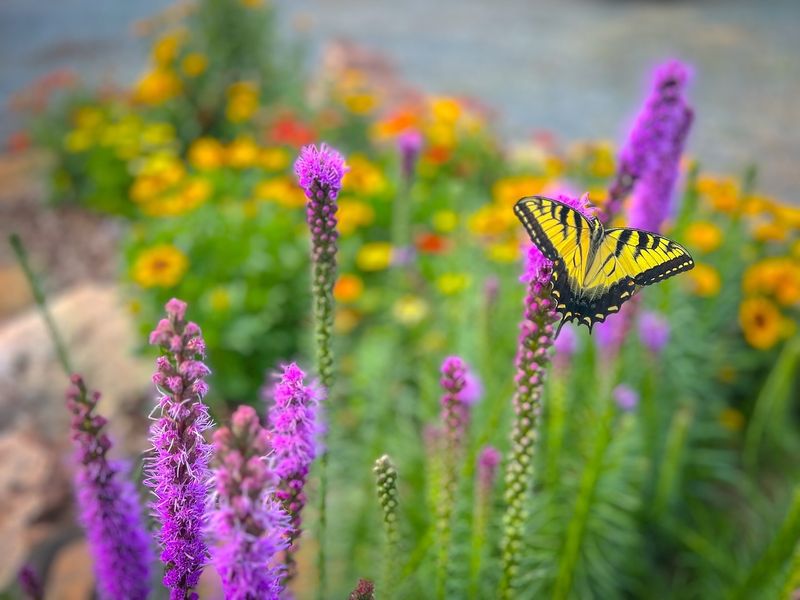
Pollinators need more than one pretty flower. They need food across the season, and they need different flower shapes for different bodies.
Wild Things Nursery helps gardeners think that way. Its mission centers on native plants for pollinators and wildlife, which makes the nursery especially helpful for anyone building a backyard habitat.
Early blooms can support bees when spring is just waking up. Summer flowers keep butterflies, bees, and other insects fed during the busiest part of the year.
Late bloomers matter more than many people realize. They can provide food when other flowers are finished.
Plant height matters too. Low plants help some insects.
Taller stems help others. Host plants are also important.
Butterflies do not only need nectar. Their caterpillars often need specific leaves.
That is where native plant choices become powerful. A yard can look beautiful and still offer very little wildlife value.
Better planting changes that. It creates a buffet with many options.
The space does not need to be huge. A small bed can still feed a surprising amount of life.
When the plant mix is right, the yard starts buzzing, fluttering, and moving. That is better than a perfect lawn doing nothing.
Choose Shrubs That Do More Than Sit There
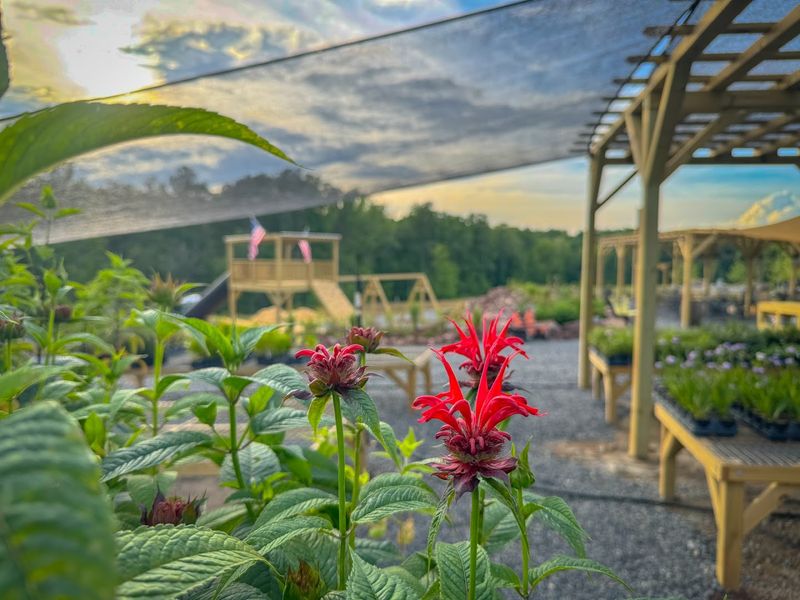
Shrubs should earn their space. Native shrubs can bloom, fruit, shelter birds, support insects, hold soil, and give a garden structure through every season.
Wild Things Nursery helps visitors think beyond quick color by offering shrubs and trees along with wildflowers and grasses. A 2025 feature reported around 50 native shrub and tree species at the nursery.
That gives homeowners more than short-term flower power. Shrubs create the bones of a wildlife garden.
They can soften a property line. They can screen a view.
They can fill a wet area or anchor a sunny bed. Beautyberry can bring bright fruit.
Buttonbush can help in damp spots. Native viburnums can offer flowers, berries, and wildlife value.
The right shrub can make a garden look intentional even when perennials are resting. It can also give birds a place to perch, hide, and feed.
Choosing carefully matters because shrubs are longer-term decisions. They need the right space, light, and moisture.
Staff guidance can help prevent expensive mistakes. A good native shrub does more than sit politely beside the house.
It becomes part of the yard’s food web. That makes every square foot work harder.
Let The Nursery Help Decode Your Soil Drama
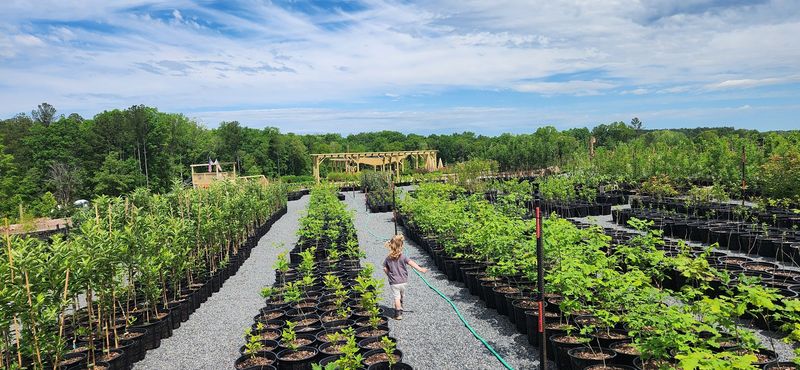
Soil can make smart people feel ridiculous. One plant thrives near the porch.
Another fails ten feet away. A sunny spot dries too fast.
A shaded spot stays damp and stubborn. Wild Things Nursery gives gardeners a local place to talk through those problems.
The nursery serves Moore and surrounding counties, so its advice is grounded in nearby conditions rather than vague national guidance. That is important in the Sandhills.
Sandy soil, heat, drainage, and drought tolerance can decide what survives. Bring photos if you can.
Bring questions. Bring the honest truth about where things have failed.
Does water pool after rain? Does the bed dry out by noon?
Are tree roots stealing moisture? Do deer treat the yard like a buffet?
Those details matter. Native plants are often lower-maintenance once established, but they still need the right match.
Wrong plant, wrong place still leads to disappointment. Better choices reduce watering, replacing, and guessing.
Soil drama does not disappear overnight. It becomes useful information.
Once the gardener understands the site, the yard starts making more sense. That is when native planting feels less like gambling and more like working with the land.
Take Home Plants That Make The Yard Feel Alive
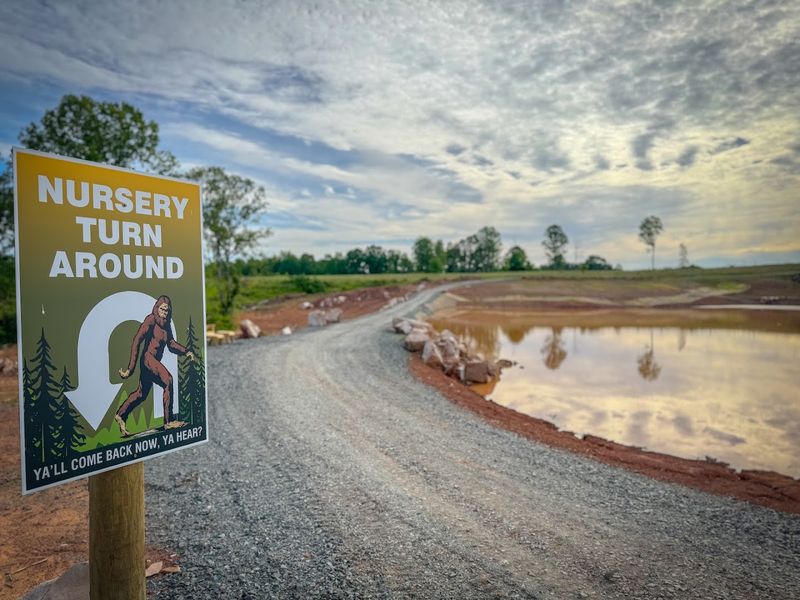
Real change starts after the nursery visit. A few pots go into the car.
A small bed gets cleared. One plant goes into the ground.
Then another. At first, the change may look small.
A few weeks later, the yard can start answering. A bee finds a bloom.
A butterfly lands near the path. A bird checks the seed heads.
The space begins to feel alive in a way plain grass never did. Wild Things Nursery posts seasonal hours on its public page, including Wednesday through Saturday from 9 AM to 5 PM, Sunday from 1 PM to 5 PM, and Monday through Tuesday by appointment.
That schedule gives visitors time to browse, ask questions, and choose plants with purpose. Taking home native plants can feel simple, but the impact can grow over time.
Large yards can become layered wildlife spaces. Small yards can still help pollinators.
Even a modest bed can support movement, color, and life. That is what makes this nursery feel meaningful.
It does not just sell plants. It helps people rethink what a backyard can do.
This North Carolina place cannot wait to meet you.