These 11 Nebraska Hikes Are Within 30 Minutes Of Downtown Omaha, And Most Locals Still Haven’t Tried Them All
A good hike should not always require a whole production.
No giant road trip. No sunrise alarm. No backpack packed like you are leaving society.
Sometimes the best trail is the one close enough to fit between errands and that vague promise to “get outside more.”
That is what makes this list so useful.
Omaha has more nearby hiking options than many locals realize. Within 30 minutes of downtown, the scenery can change fast.
Paved paths give way to wooded stretches. River views open up.
Prairie edges, boardwalks, and shady parks all make a regular afternoon feel less trapped indoors.
The funny part is how easy these places are to overlook. People drive past them for years. They talk about needing a nature break.
Then they forget a trail was waiting almost next door.
These 11 Nebraska hikes prove a quick escape does not have to feel basic. Close can still be beautiful. Easy can still be worth remembering.
1. Fontenelle Forest, Bellevue, Nebraska
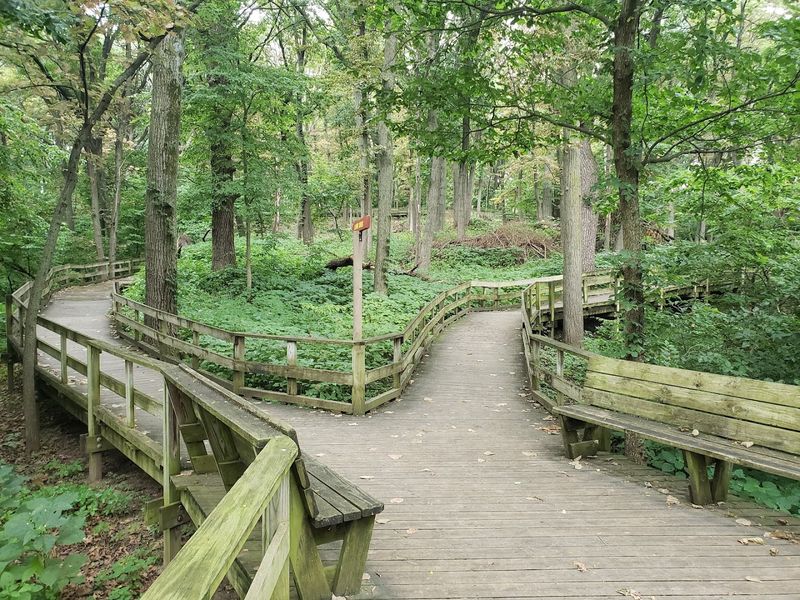
Few places near Omaha pack as much variety into a single visit as Fontenelle Forest, one of the largest privately operated nature centers in the country.
Spanning over 1,500 acres, it holds a mix of wetlands, wooded hillsides, and open prairies that shift noticeably with each season.
The trail network stretches between 17 and 26 miles, so there is always something new to explore even after multiple visits.
A one-mile ADA-accessible boardwalk winds through the forest floor, making it a solid option for visitors who need a smoother surface underfoot.
Birding is a highlight here, and the Raptor Woodland Refuge houses non-releasable birds of prey that can be seen up close.
Acorn Acres offers a nature-based play area designed specifically for younger kids, which makes family visits easier to plan.
TreeRush Adventures adds a more active option with ziplines and suspended obstacles through the forest canopy.
Admission runs around $8 to $11 depending on age, and membership options are available for frequent visitors.
Located about 15 to 20 minutes from downtown Omaha, Fontenelle Forest earns its reputation as one of the region’s most rewarding outdoor destinations.
2. Neale Woods, Omaha, Nebraska
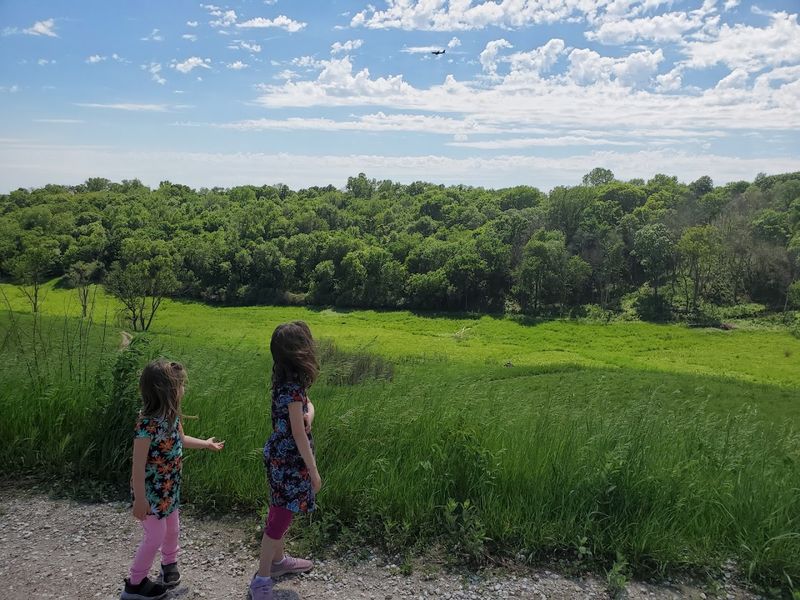
Managed by Fontenelle Forest, Neale Woods sits north of Omaha along the Missouri River and covers 550 acres of forest and hilltop prairie.
The trails here tend to be quieter than other spots in the area, which makes it appealing for anyone who wants a more immersive experience without a crowd.
Over 7 miles of walking trails wind through the property, offering a range of difficulty levels.
On clear days, hikers on the upper trails may catch glimpses of the Omaha skyline framed against the Missouri River floodplain below, a view that feels surprisingly dramatic for a place so close to the city.
Wildlife sightings are fairly common, including deer, various bird species, and seasonal wildflowers that appear along the trail edges in spring.
Admission is $15 per person, or the visit is included with a Fontenelle Forest membership, which could be worthwhile for anyone planning to explore both properties regularly.
The trails are best enjoyed at a relaxed pace since the terrain includes some rolling hills.
Neale Woods is one of those places that rewards visitors who slow down and pay attention to what is happening in the trees and undergrowth around them.
3. Hummel Park Hiking Trails, Omaha, Nebraska
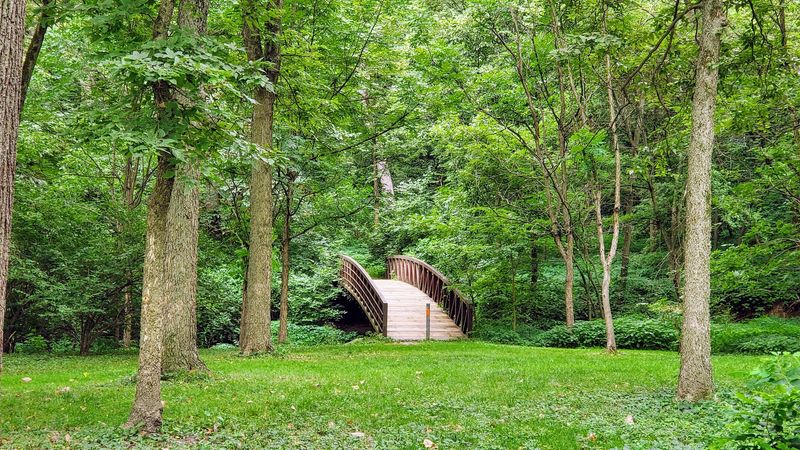
In North Omaha, Hummel Park carries a reputation that goes beyond its trails. The park has deep historical roots and a nature center that supports year-round programming for families.
Hiking here feels genuinely removed from the surrounding city, partly because the tree cover is dense and the trail paths dip into hollows that muffle outside noise almost completely.
The trails wind through a mix of forested terrain and open areas, offering a satisfying contrast in scenery within a single walk.
Families with kids tend to enjoy the Fall Fest programming that the park hosts seasonally, adding a community dimension to the outdoor experience.
The nature center provides an educational anchor for visits, making it a useful stop before or after hitting the trails.
Getting there from downtown Omaha takes roughly 20 to 25 minutes depending on traffic, and the park sits well within the 30-minute range for most city residents.
The atmosphere on weekday mornings is noticeably calm, which makes it a practical option for anyone seeking a peaceful mid-week reset.
Hummel Park tends to surprise first-time visitors who arrive expecting a standard city park and instead find something that feels much wilder and more textured than expected.
4. Heron Haven, Omaha, Nebraska
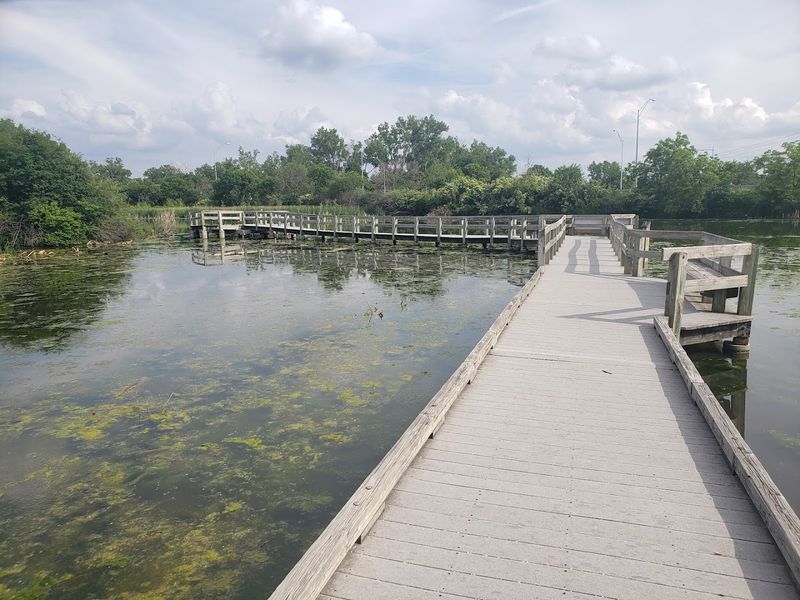
Heron Haven is a spring-fed wetland sanctuary located near 120th and Maple in Omaha, and it functions as one of the last remaining riparian oxbow wetlands of the Big Papillion Creek within city limits.
The contrast between the surrounding urban landscape and the quiet interior of the preserve is striking.
Boardwalks and soft trails allow visitors to move through the wetland without disturbing the habitat.
Herons, ducks, and turtles are among the most commonly spotted residents, and the site draws photographers and birdwatchers who appreciate the accessible viewing angles the boardwalk provides.
Educational displays are positioned throughout the property, offering context about the ecological importance of the wetland and the species that depend on it.
A full loop can typically be completed in 30 minutes to an hour, making it a realistic option for a lunch break or a short after-work walk.
Admission is free, with donations welcomed to support ongoing conservation efforts.
Trails are open from sunup to sundown, which keeps the timing flexible across seasons.
Heron Haven tends to feel like a hidden pocket of calm that most Omaha residents drive past regularly without realizing what is tucked just off the road.
5. Standing Bear Lake & Recreation Area Trail, Omaha, Nebraska
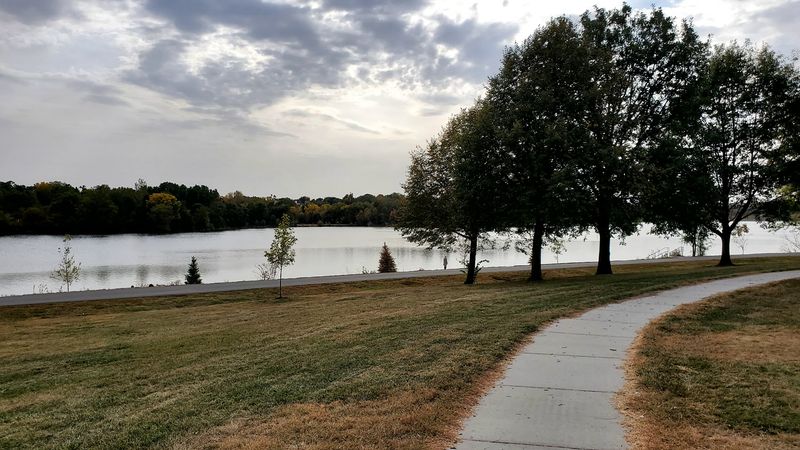
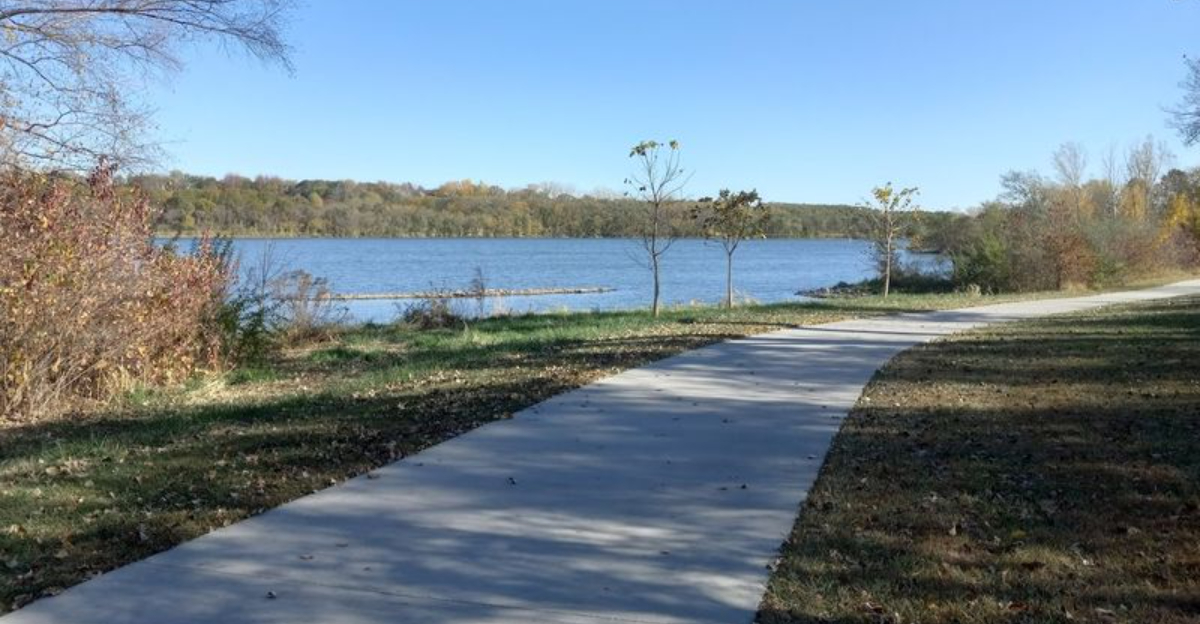
This area offers a well-maintained trail experience that loops around a calm, scenic lake in northwest Omaha.
The paved path makes it accessible for a wide range of visitors, including those with strollers or mobility considerations.
The lake itself provides a steady visual anchor throughout the walk, with water reflections shifting depending on the time of day and weather.
Wildlife activity around the lake is fairly consistent across seasons, with migratory birds appearing in spring and fall, and waterfowl present for much of the year.
Fishing is a popular parallel activity at the lake, so it is common to see anglers set up along the shoreline while walkers and joggers pass by on the trail.
The overall atmosphere leans relaxed and community-oriented rather than rugged or remote.
The recreation area includes picnic shelters and open green space that make it easy to extend a visit into a longer outing with food and rest built in.
Located in northwest Omaha, it sits within a reasonable drive from most parts of the metro.
Standing Bear Lake tends to work especially well as a casual morning or evening walk when the light on the water is at its most pleasant and foot traffic is lightest.
6. Zorinsky Lake Park Trail, Omaha, Nebraska
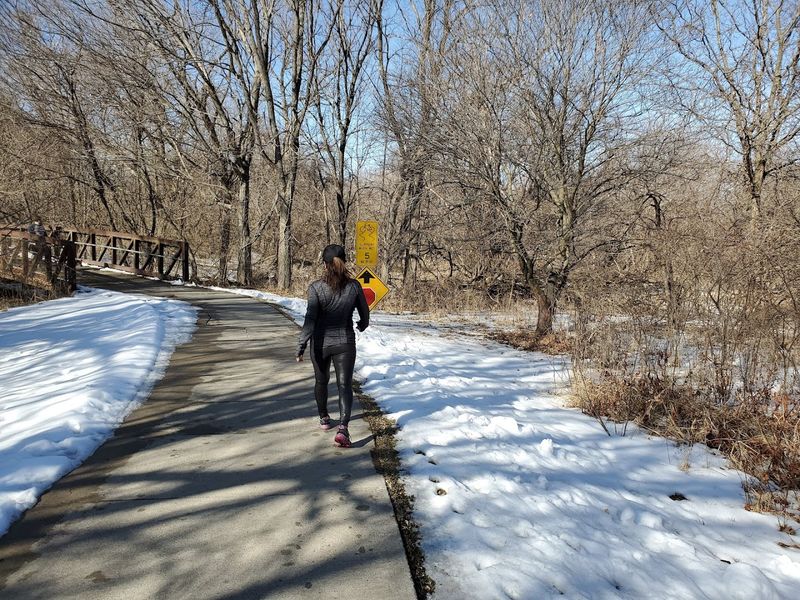
One of Omaha’s larger recreational spaces, Zorinsky Lake Park is built around a reservoir that provides a long, satisfying loop trail for walkers, joggers, and cyclists.
The main trail circles the lake and covers several miles, offering enough distance to make the visit feel like a real workout rather than a quick stroll.
Open sightlines across the water give the route a spacious, unhurried quality that is harder to find on more enclosed forest trails.
The park is especially active on weekends, so weekday mornings tend to offer a noticeably quieter experience for those who prefer fewer people on the path.
Seasonal changes affect the scenery meaningfully here, with summer bringing full green canopy along the edges and fall shifting the palette toward amber and rust.
Birdwatching near the water’s edge can be rewarding, particularly during migration periods when species variety increases.
Restroom facilities and parking are available at multiple points around the park, which reduces the logistical friction of planning a longer visit.
Admission is free, making it one of the more accessible options on this list for budget-conscious visitors.
The trail surface is paved and generally smooth, which keeps it usable even after rain when softer trails elsewhere might become muddy and difficult.
7. Chalco Hills Recreation Area / Wehrspann Lake Trail, Omaha, Nebraska
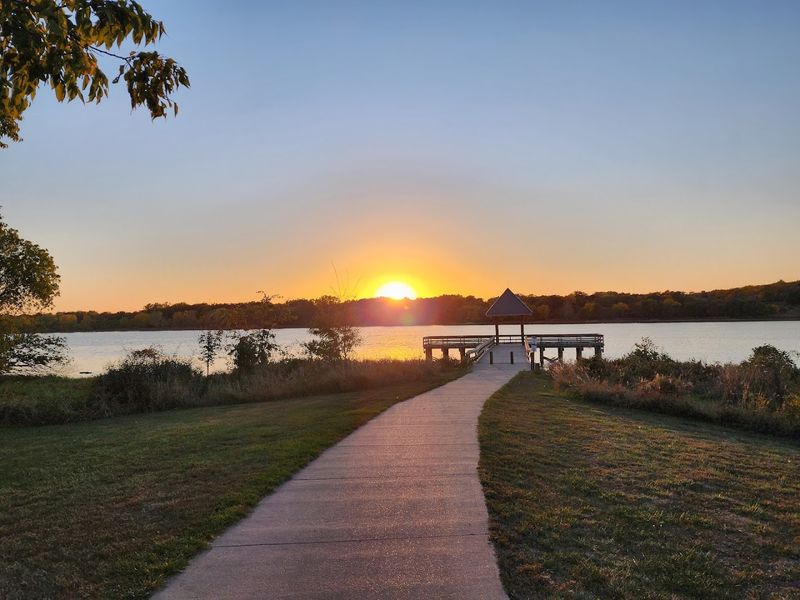
Chalco Hills Recreation Area covers 1,186 acres in southwest Omaha and centers on Wehrspann Lake, a 246-acre reservoir originally created for flood control in 1988.
The trail network here stretches between 7 and 9 miles, with a primary 5.7-mile paved and gravel loop around the lake that handles mixed use comfortably.
Mild hills give the route a bit of gentle elevation change without becoming strenuous, which suits a broad range of fitness levels.
Deer sightings are common in the early morning and evening hours, particularly along the wooded sections of the trail that border the water.
Waterfowl gather near the lake throughout the year, and the no-wake boating policy keeps the water calm and the atmosphere peaceful.
Fishing is permitted at the lake, and picnic areas are scattered across the property for groups who want to make a longer day of it.
The park is open daily from 6 a.m. to 10 p.m. and admission is free, which makes it one of the most accessible full-loop trail experiences near Omaha.
Parking is available at the main entrance off 154th Street and Giles Road. The mostly paved surface makes Chalco Hills one of the more stroller-friendly and wheelchair-accessible options in the metro area.
8. Walnut Creek Lake Recreation Area, Papillion, Nebraska
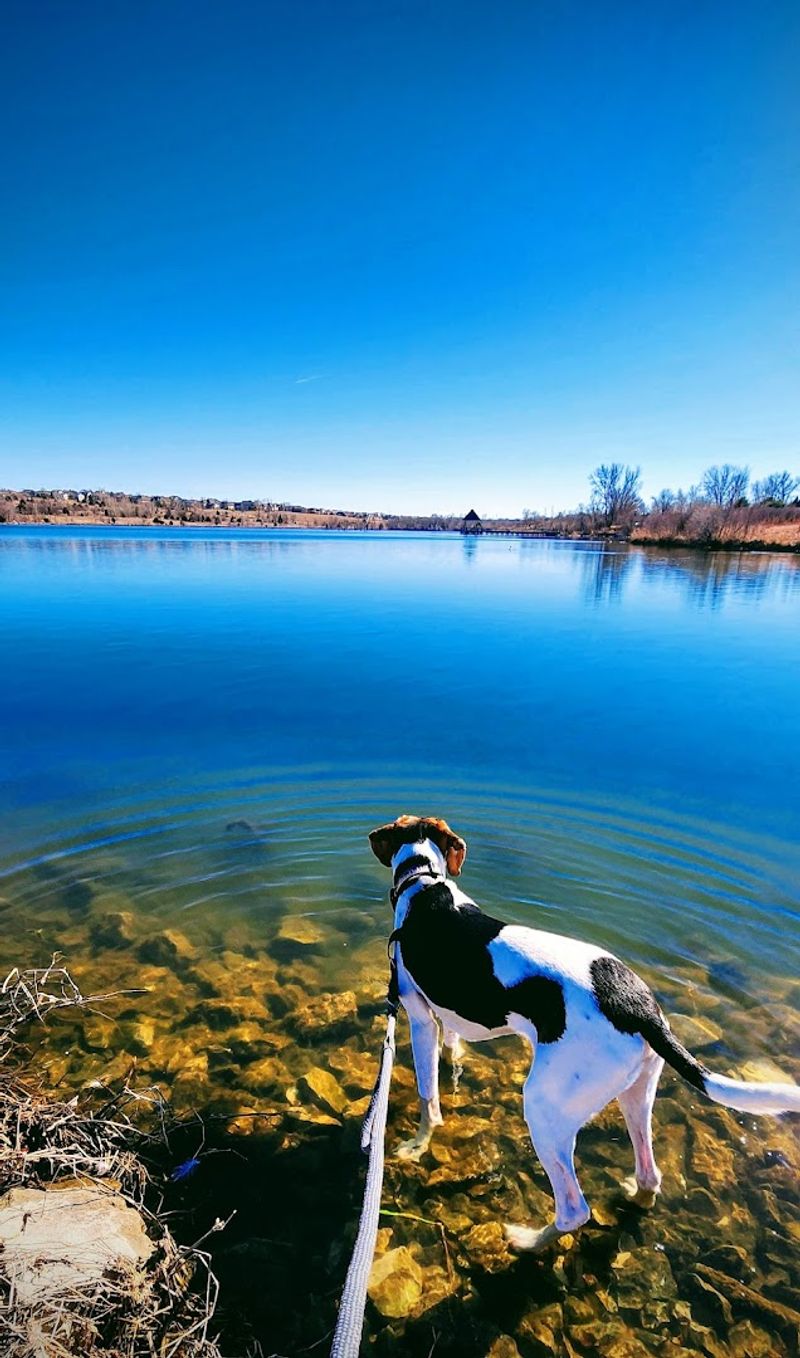
Sitting in Papillion, Nebraska, just south of Omaha, this area offers a calm lake setting with trails that feel noticeably less crowded than some of the larger metro parks.
The lake anchors the trail system and provides consistent water views throughout most of the route.
Grassy open areas surrounding the lake add breathing room to the landscape, giving the park a more expansive feel than its size might suggest.
The trails are well-maintained and suitable for a casual pace, making the area a practical choice for families with younger children who need a manageable distance and a flat surface underfoot.
Fishing is a popular activity at the lake, and the park includes amenities like picnic shelters that allow visitors to settle in for a longer stay.
Seasonal wildflowers appear along the trail margins in late spring, adding color and texture to what might otherwise be a straightforward lake loop.
Papillion is located just a short drive south of downtown Omaha, putting Walnut Creek within the 30-minute window for most city residents.
The park tends to be especially pleasant on weekday afternoons when the trail is nearly empty and the lake reflects the open sky without distraction.
It is a low-key spot that rewards those who seek out the quieter corners of the metro.
9. Lake Cunningham Trail, Omaha, Nebraska
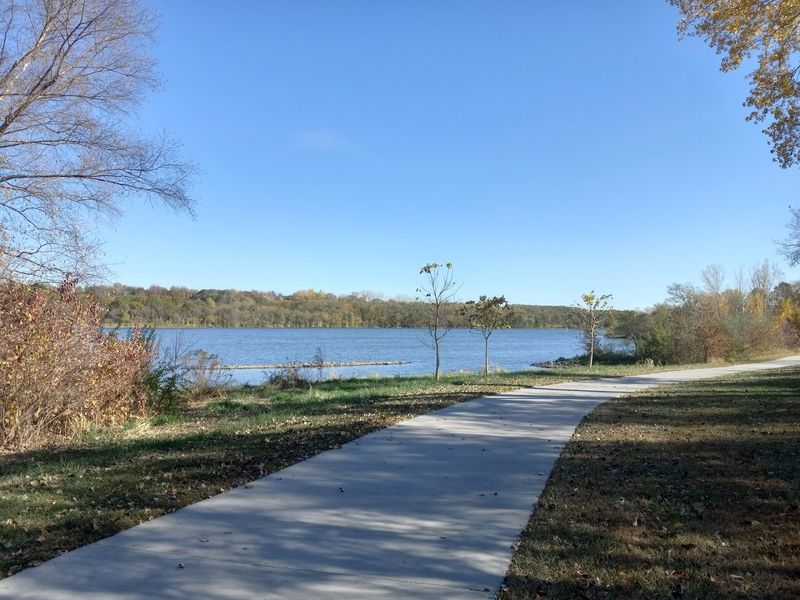
Lake Cunningham sits in northeast Omaha and offers a straightforward trail experience built around a calm lake setting.
The paved path makes navigation easy and the terrain stays flat enough to be approachable for walkers of nearly any fitness level.
Morning visits tend to be particularly pleasant here, with the lake catching early light in a way that makes the route feel more scenic than its urban surroundings might imply.
The park functions as a community gathering point for the surrounding neighborhoods, so there is a lively but relaxed energy on weekends when families, dog walkers, and joggers share the trail.
Picnic areas and open green space give visitors plenty of room to spread out after finishing the loop.
The lake itself supports fishing activity, and it is common to see lines in the water at multiple points around the shoreline throughout the day.
Parking is available near the trailhead, and the park is free to access, which removes any barrier to a spontaneous visit.
Located in northeast Omaha, it sits within a reasonable drive from downtown and represents one of the less-discussed trail options in the metro.
Lake Cunningham may not carry the name recognition of some larger parks, but the experience it offers is genuinely pleasant and worth a visit.
10. Flanagan Lake Trail, Omaha, Nebraska
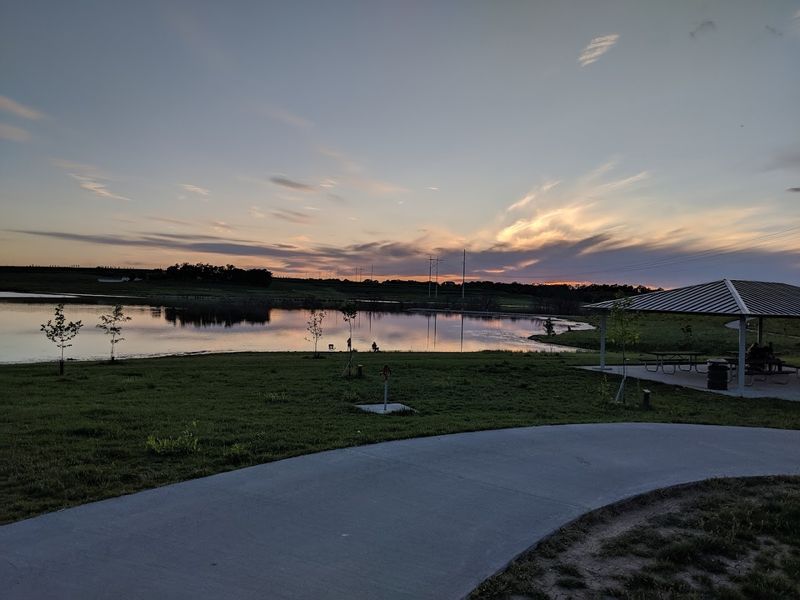
In west Omaha and providing a clean, accessible trail loop that circles the lake with consistent water views along the way is Flanagan Lake Trail.
The path is paved and flat, making it one of the more forgiving options for visitors who prefer a smooth surface and predictable terrain.
Early morning walks here carry a quieter energy, particularly on weekdays when the park sees less foot traffic.
The lake draws a variety of birds throughout the year, and patient walkers may spot herons standing motionless near the water’s edge or ducks moving across the surface in small groups.
The surrounding green space is well-kept and open, which gives the park a tidy, community-friendly atmosphere that feels welcoming rather than remote.
Fishing is permitted at the lake, and the open shoreline access makes it easy to find a spot along the bank.
Flanagan Lake tends to be one of those neighborhood parks that local residents use regularly but rarely think to recommend to visitors, which keeps it pleasantly uncrowded on most days.
Access is free and the park is easy to reach from most parts of west and central Omaha.
The overall experience is understated but reliable, delivering a peaceful outdoor loop without requiring much planning or preparation.
11. Glacier Creek Preserve, Bennington / northwest Omaha, Nebraska
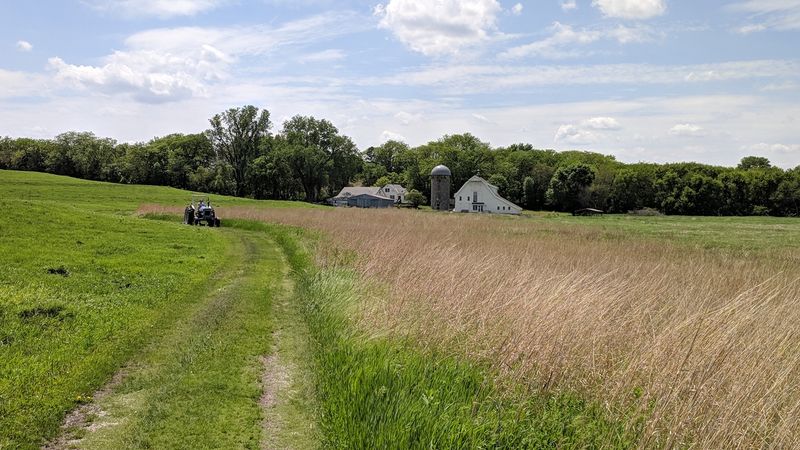
Glacier Creek Preserve sits on the northwest edge of the Omaha metro near Bennington and offers a trail experience that feels genuinely removed from the surrounding suburban development.
The preserve protects a stretch of native prairie and creek corridor that gives the landscape a raw, unmanicured quality rarely found this close to a major city.
Trails here wind through tall grasses and along the creek, shifting between open and sheltered terrain as the route progresses.
The preserve tends to attract visitors who are specifically looking for a nature-focused experience rather than a casual stroll, and the trail surface reflects that with some uneven ground and natural obstacles along the way.
Wildflowers appear in significant variety during late spring and early summer, and the creek draws wildlife that can be spotted with patience and a quiet approach.
The overall atmosphere leans toward discovery rather than comfort, which makes it a rewarding destination for curious and unhurried visitors.
Access to the preserve is free and the location is reachable from downtown Omaha in roughly 25 to 30 minutes depending on the route taken.
Glacier Creek Preserve represents the kind of overlooked gem that longtime Omaha residents may have heard of but never actually visited, making it one of the most worthwhile additions to any local hiking list.