One Historic South Carolina Park Features A 17th-Century Ship And Scenic Marsh Trails
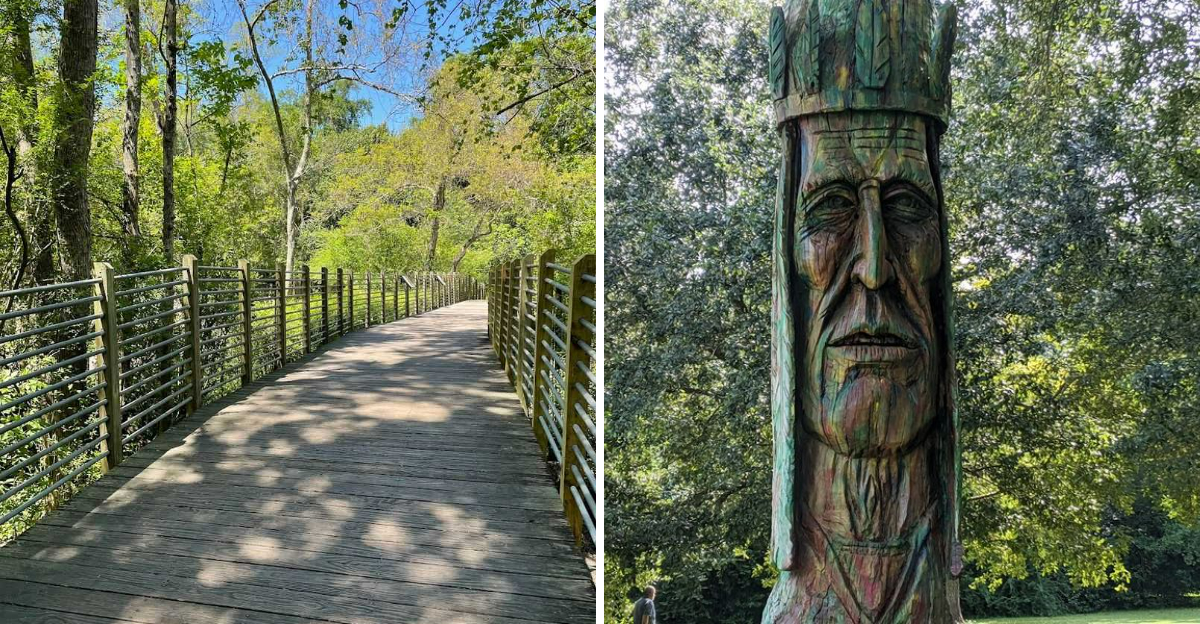
Most parks ask you to enjoy the scenery and move on. This one asks you to stop and reconsider everything you thought a state park could be.
South Carolina has a deep and complicated history, and few places make you feel it as immediately as this one does.
You come for the trails and the marsh views, and then you turn a corner and find yourself face to face with a 17th-century sailing vessel that has no business being this close and this real.
It is the kind of moment that makes your brain pause. South Carolina does not run short on beautiful outdoor spaces, but this park delivers something most of them cannot.
History and nature share the same ground here, and the combination is genuinely hard to walk away from. Plan for more time than you think you will need.
A Full-Scale 17th-Century Ship That Stops You Cold
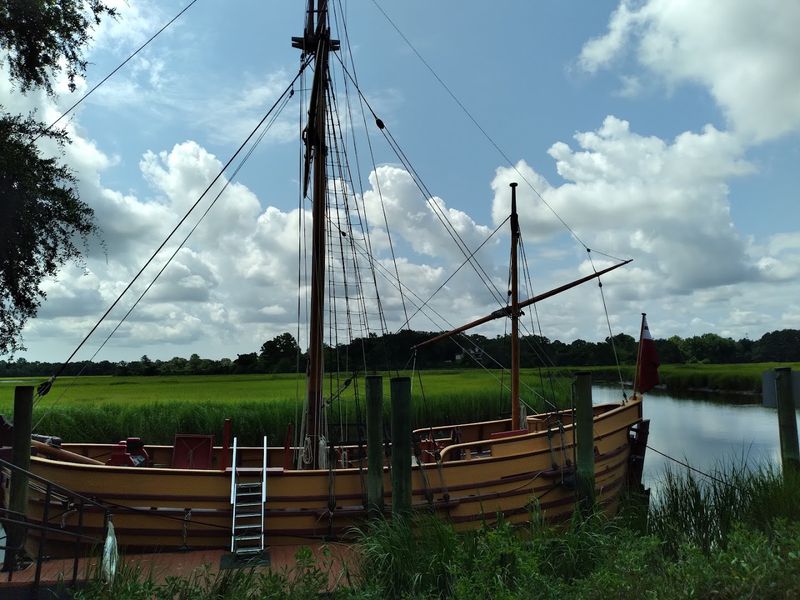
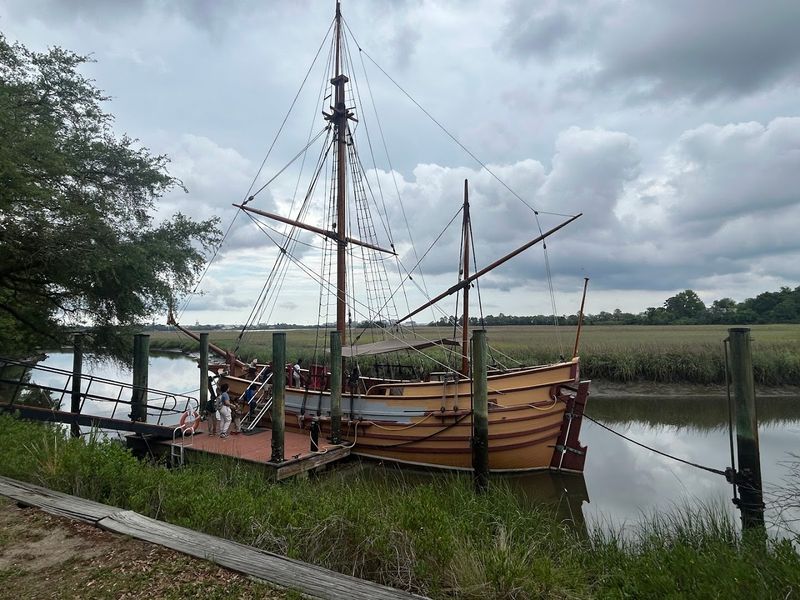
Nobody expects to board a 350-year-old style trading vessel in the middle of a state park. Yet there it sits, proud and weathered-looking, right on the edge of Old Towne Creek.
The Adventure is a full-scale replica of a 17th-century ketch, the kind of ship that once carried goods between South Carolina and Barbados.
Once aboard, the wooden deck creaks just enough to make it feel real. You can explore the ship up close and get a genuine sense of how colonial traders lived and worked on open water.
The details are convincing enough to make the history feel immediate rather than distant.
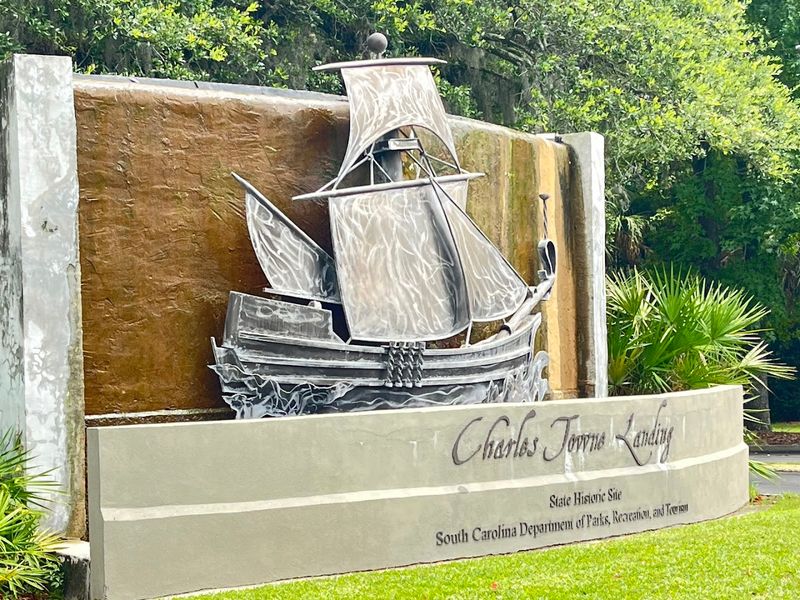
Charles Towne Landing State Historic Site at 1500 Old Towne Rd, Charleston, SC 29407 is home to this remarkable vessel. Keep in mind the ship goes away for maintenance from January 1 through April 1 each year.
Plan your visit between April and December to make sure you catch it docked and ready to board.
Scenic Marsh Trails Along The Ashley River
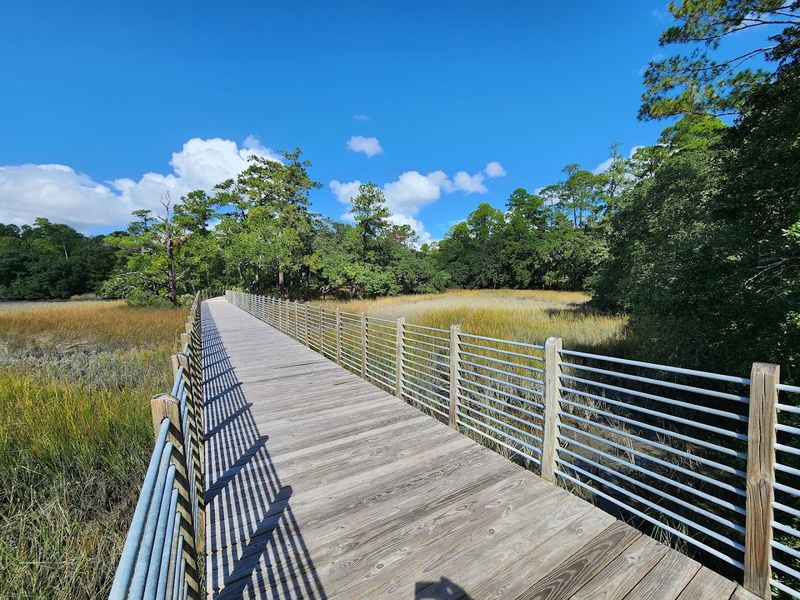
There is something quietly stunning about a marsh trail on a clear morning. The light hits the water differently out here, and the air smells like salt and earth.
Over seven miles of paved trails run through this park, offering walkers and cyclists a serious amount of ground to cover.
The self-guided History Trail stretches about 1.7 miles and winds past key landmarks. The main loop is roughly 3.3 kilometers and rated easy, making it a solid choice for families or anyone who wants a relaxed pace.
Wading birds pick through the shallows, and wood storks occasionally make an appearance near the marsh edges.
Bikes are welcome on the trails, and rentals are available at the visitor center. Dogs are allowed on most of the trails too, which makes this spot a favorite for locals walking their pups.
The shade from old trees keeps the paths cooler, even on warm South Carolina afternoons.
The Birthplace Of South Carolina’s Colonial History
Standing on ground where English settlers first landed in 1670 is a genuinely different feeling. This is not a recreation or a themed exhibit.
It is the actual site where the Carolina colony began, and the park treats that fact with real care and intention.
The earthwork fortifications have been reconstructed, complete with six replica cannons facing outward just as they would have in colonial times. Information boards along the trail fill in the story clearly and without overwhelming you.
A self-guided audio tour is also available if you want more depth as you walk.
The park also honestly addresses the full story of this history. Enslaved people brought from Barbados played a central role in building and shaping the early colony.
Their labor, culture, and knowledge were essential, and the site acknowledges that with dedicated exhibits and markers throughout the grounds.
The Natural Habitat Zoo That Feels Nothing Like A Zoo
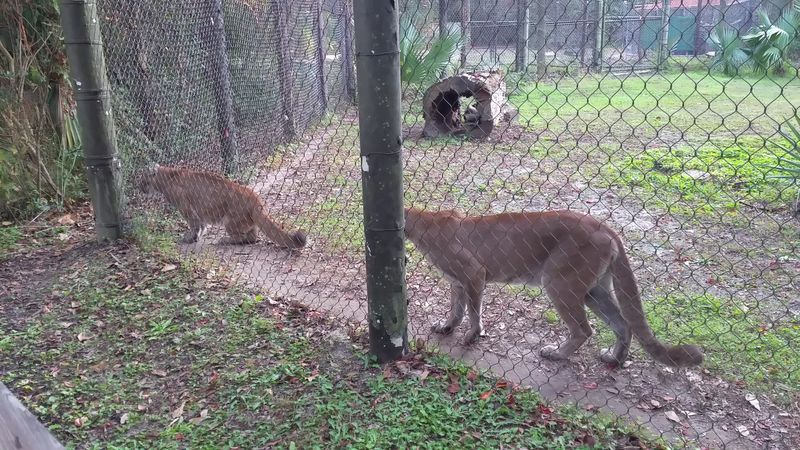
Not every history park comes with its own zoo, but this one does. The Animal Forest covers 22 acres and showcases animals that were native to Carolina in the 1670s.
Bison, puma, black bear, red wolves, otters, and even a bald eagle call this place home.
The enclosures are intentionally natural and somewhat overgrown, which means the animals have real space to roam. You might spot them immediately, or you might need to look carefully into the trees and brush.
Either way, the experience feels more like a wildlife encounter than a typical zoo visit.
Kids tend to go wide-eyed in this section. The shaded paths make it comfortable even in summer heat.
Dogs are not permitted in the Animal Forest area, so plan accordingly if you are bringing a furry companion. The Animal Forest is managed as part of the state historic site, with natural-style habitats designed to reflect Carolina wildlife.
80 Acres Of Gardens And A Live Oak Alley
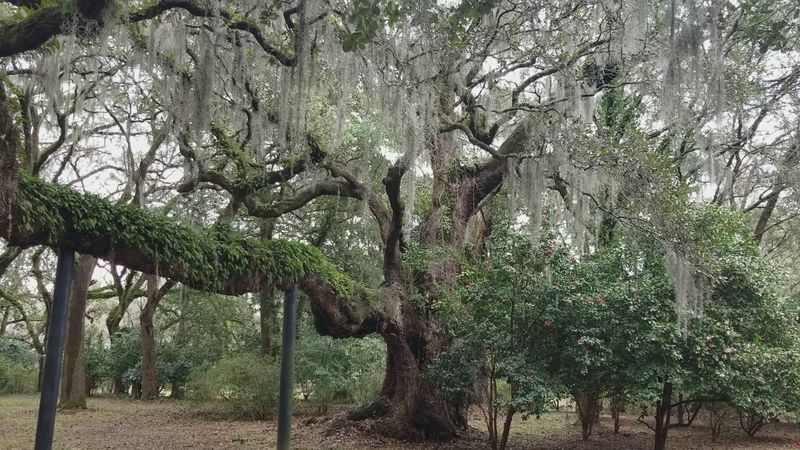
Walking through a corridor of ancient live oaks draped in Spanish moss is one of those experiences that just stops you mid-step. The oak alley at this park is the kind of scene that photographers come back to again and again.
The trees are enormous, dramatic, and genuinely old.
Beyond the alley, 80 acres of gardens spread across the property. Camellia and willow gardens offer quiet spots to sit and breathe.
A historic experimental crop garden shows what colonial settlers actually grew and cultivated during the early years of the settlement.
The gardens are beautifully maintained and feel like a separate world from the trails and exhibits. Picnic tables are scattered throughout, making it easy to slow down and enjoy the surroundings.
Spring brings blooms, but the gardens hold their charm across every season. This section alone is worth the price of admission on a peaceful weekday morning.
The Interactive Museum At The Visitor Center
Most park visitor centers are a quick stop before the real adventure begins. This one earns a longer look.
The 12-room interactive museum inside covers the full story of the Carolina colony in a way that actually holds your attention. It is detailed without being dry.
Exhibits walk through the 1670 settlement, the lives of colonists, the role of enslaved people, and the natural environment of the region. The layout is thoughtful and well-paced.
Families with young kids will find plenty of hands-on elements that make the history stick.
Starting your visit here is a smart move. The context you gain inside makes everything outside on the trails feel more meaningful.
Staff at the visitor center are genuinely helpful and can point you toward the exhibits or routes that match your interests. The museum also houses a gift shop for those inevitable souvenir moments at the end of a great day.
The African-American Cemetery And Native American Ceremonial Center
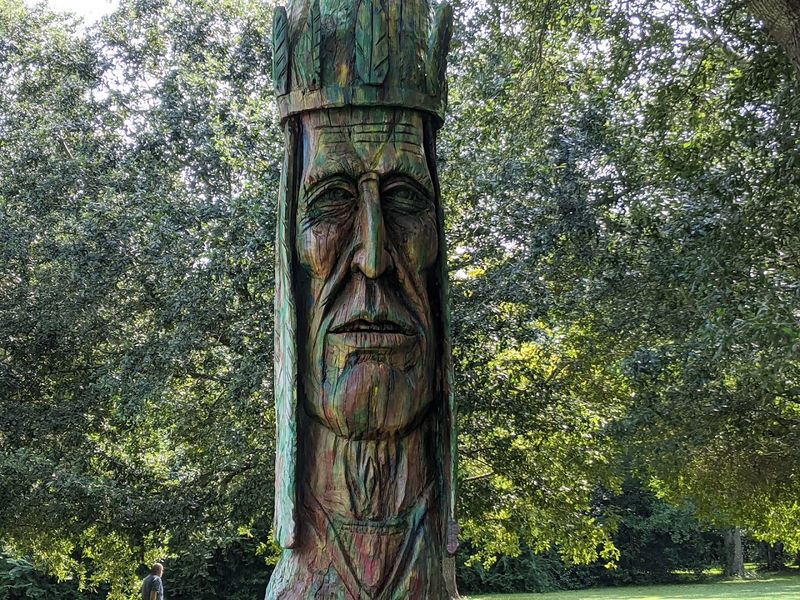
History told honestly includes everyone who shaped a place. This park does not shy away from that responsibility.
Two significant sites on the grounds acknowledge communities whose stories are essential to understanding what this land truly represents.
The African-American cemetery is a solemn and important space. It honors the enslaved individuals whose labor built the foundations of the colony.
Walking through it quietly offers a moment of reflection that no exhibit can fully replicate. The Native American Ceremonial Center adds another layer of depth to the site.
Indigenous people lived on this land long before 1670. The ceremonial center recognizes their presence and their relationship to the landscape.
These spaces are clearly marked and impossible to miss. They are integrated into the park experience intentionally.
Visiting them gives the afternoon a weight and meaning that goes beyond a typical day at a state park.
Everything You Need To Know Before You Visit
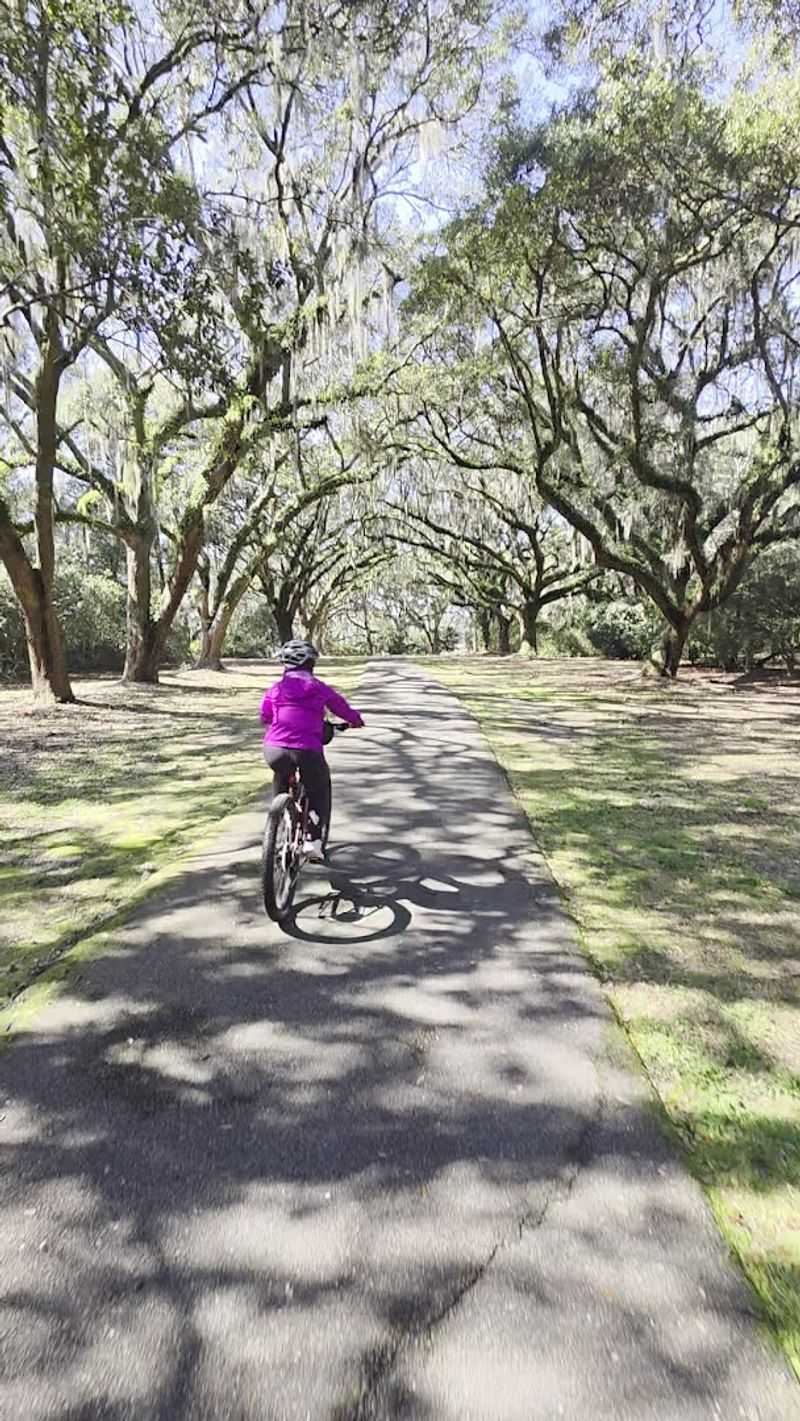
Paved trails and rental bikes make this park genuinely easy for almost everyone to enjoy. The paths are smooth enough for strollers and wheelchairs, which is not always a given at outdoor historic sites.
Families with toddlers and visitors with mobility needs can explore without worry.
Bike rentals are available at the visitor center, and you can ride the trails all day without covering the same ground twice. A tram service also runs every 20 minutes for those who prefer to ride rather than walk.
It is a practical option on hot summer days when the heat starts to win.
Restrooms are spread across the park and kept clean, which matters more than people admit. Plenty of shaded seating areas offer spots to rest between sections.
Park grounds are open daily from 9 AM to 5 PM, while the Visitor Center is open from 9 AM to 4 PM. Adult admission is $12.
Parking is convenient and easy to navigate, even on busier weekend days.
Why This Park Deserves A Full Day On Your Calendar
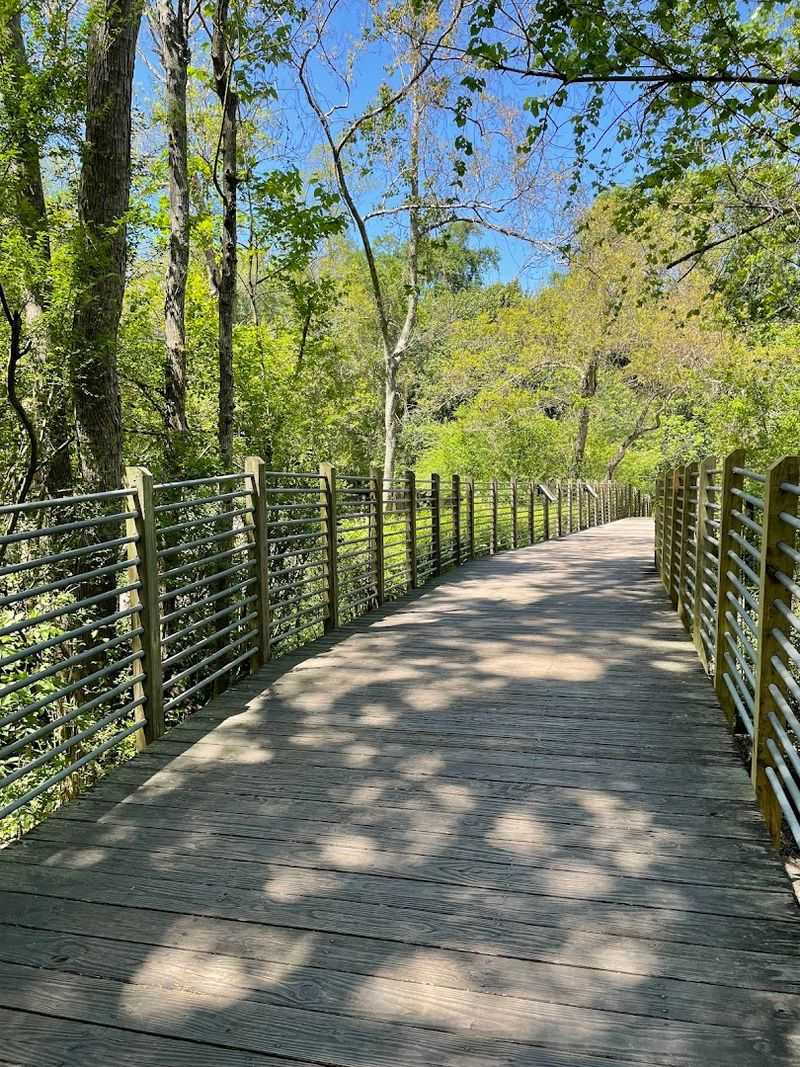
Fitting everything this park offers into a single afternoon requires some planning. Most visitors spend between three and five hours exploring, and even then, some sections get a quick pass rather than a deep look.
Coming back a second time is not unusual. Several visitors have mentioned returning two days in a row.
Wildlife appears throughout the grounds, not just in the Animal Forest. Wading birds work the marsh edges along the trail.
Turtles sun themselves near the creek where the ship is docked. The natural and historical elements of the park layer together in a way that feels organic rather than staged.
Visitors often praise the mix of colonial history, marsh scenery, trails, wildlife, and the replica sailing vessel. The combination of colonial history, scenic marshland, a replica sailing vessel, live animals, and miles of trails is genuinely hard to find anywhere else.
It is the kind of afternoon that stays with you longer than expected.