This Giant Glass Dome At A Nebraska Zoo Is The Largest Of Its Kind On Earth
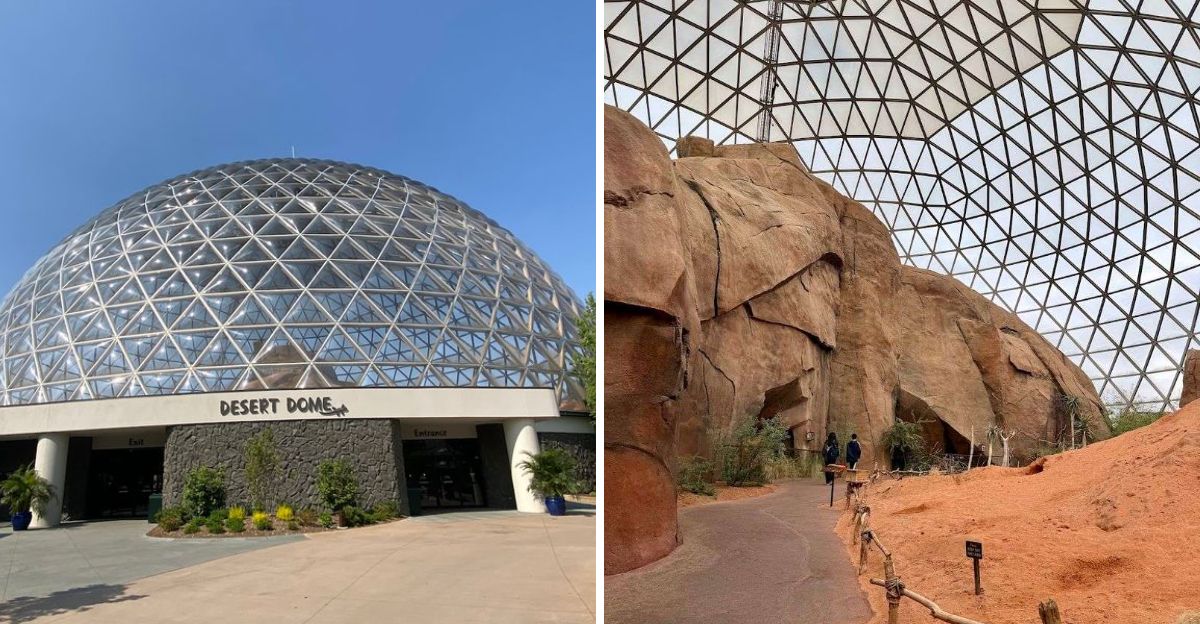
Picture a desert under glass, sitting in the middle of Nebraska. It sounds made up, but it’s real.
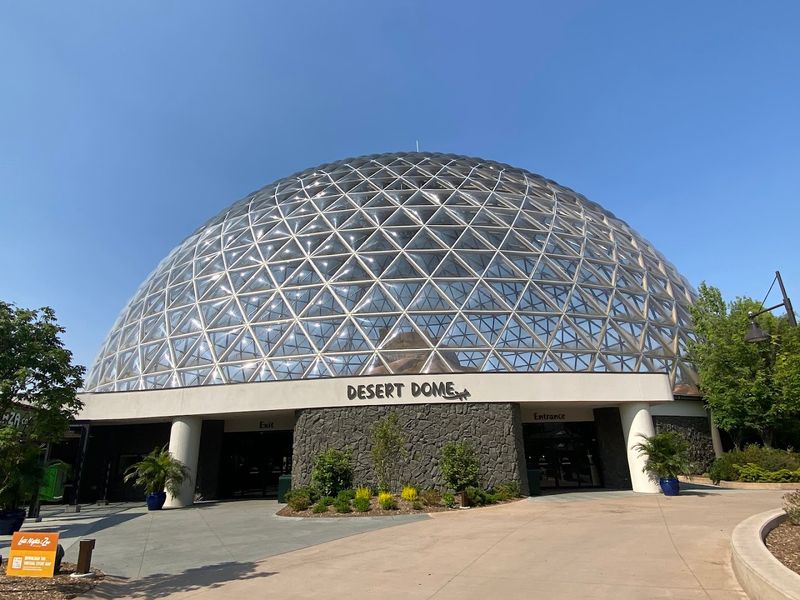
The dome itself holds a genuine world record as the largest glazed geodesic dome on the planet. Step inside and the Midwest disappears completely.
You get sand dunes, towering rock formations, and creatures from three different deserts across the world.
There are meerkats, rattlesnakes, and even a few animals you’ve probably never heard of. The whole thing glows under that massive glass ceiling.
Below the desert hides another surprise. An entire nocturnal world waits one level down, where day and night are flipped on purpose.
So yes, Nebraska has a corner of the Sahara you can visit without a passport. The engineering alone is worth the trip.
Trust me, this is one zoo exhibit that earns every bit of its big reputation.
A World-Record Glass Dome
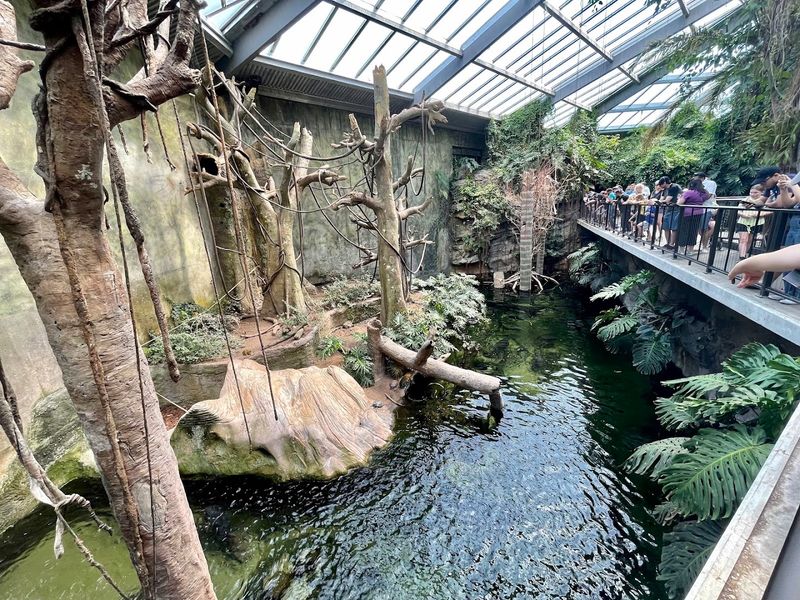
Omaha’s Henry Doorly Zoo and Aquarium is home to the Lied Jungle, North America’s largest indoor rainforest.
Opened in 1992, this multilevel exhibit recreates rainforest environments from Africa, Asia, and South America.
The Lied Jungle opened in 1992 and immediately set a world record. The dome stretches 80 feet high and covers 1.5 acres of land.
That is not a typo. One and a half acres of jungle, indoors, in Nebraska.
Inside, the air is thick and warm, the way a real jungle feels. There are trees that reach the ceiling, rope bridges strung between platforms, and waterfalls that actually echo.
You forget you are in the Midwest almost immediately.
The structure itself is a feat of engineering. The glass panels filter light while maintaining the humidity that tropical plants and animals need to thrive.
It is a controlled ecosystem that somehow works perfectly.
First-time visitors almost always stop at the entrance just to stare upward. The scale is genuinely hard to process.
Located at 3701 S 10th St, Omaha, Nebraska, it is one of those rare places where the photos do not do it justice at all.
The Animals Living Inside The Dome
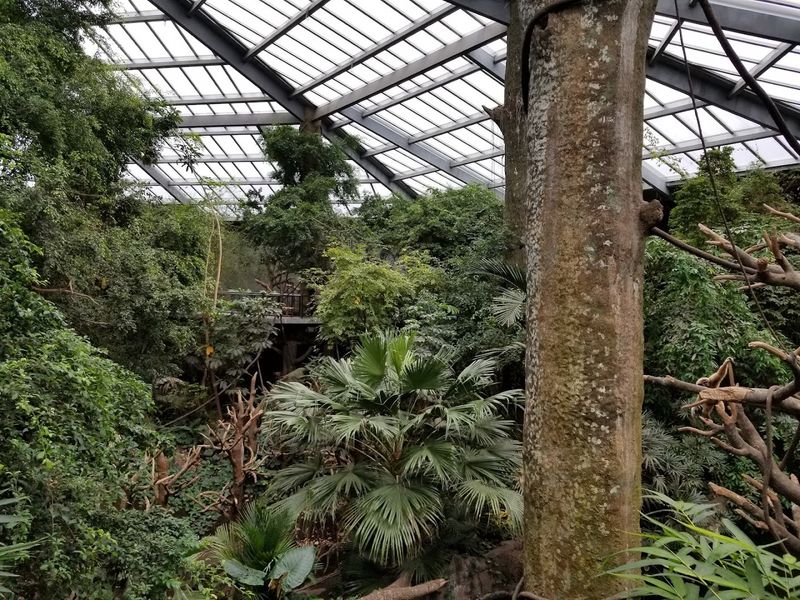
Sharing that jungle with you are some seriously impressive residents. Pygmy hippos, Rodrigues fruit bats, spider monkeys, and dozens of bird species all call the Lied Jungle home.
They roam, fly, and swing through the same space you are walking through.
The design is intentional. Animals and visitors share the environment rather than being separated by glass at every turn.
Some birds fly directly overhead. That is either thrilling or mildly alarming, depending on your personality.
What makes this work is the zookeepers’ careful attention to how species interact. Not every animal can coexist, so the habitat is thoughtfully divided into sections representing Asia, Africa, and South America.
Each zone has its own feel.
The pygmy hippos are a crowd favorite. They are smaller than their famous relatives but no less fascinating to watch as they lumber through their enclosure near the water.
Children tend to lose their minds over them, in the best way.
Spending time observing the animals here feels different from a standard zoo visit. The immersive environment makes the whole experience feel more connected and real.
You are not just watching animals. You are sharing space with them.
Another Record-Breaker Next Door
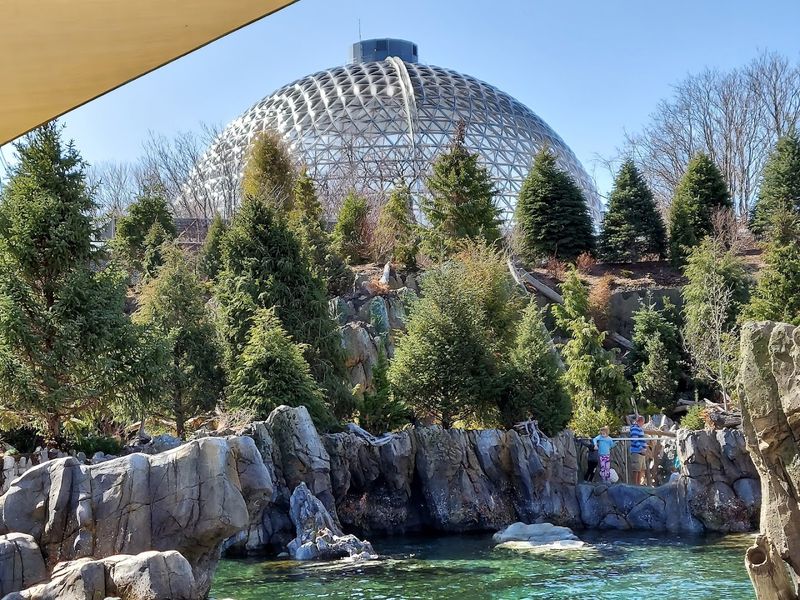
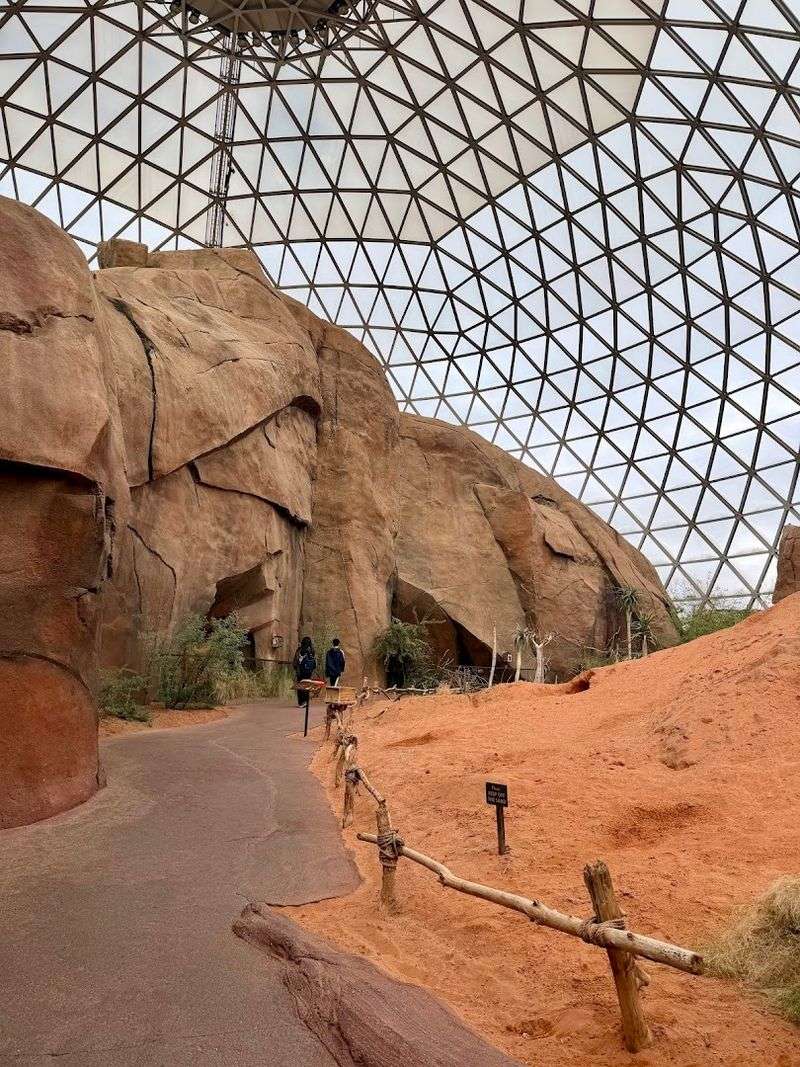
If one world-record dome were not enough, Henry Doorly Zoo went ahead and built another one. The Desert Dome, which opened in 2002, holds the title of the world’s largest glazed geodesic dome.
It sits right next to the Lied Jungle and the contrast between the two is striking.
Where the jungle is green, humid, and loud with animal sounds, the desert is dry, golden, and eerily quiet.
The dome houses three distinct desert environments: the Namib of Africa, the Red Centre of Australia, and the Sonoran Desert of North America.
Each section is landscaped with authentic plants and terrain from those regions. The temperature inside is noticeably warmer and drier than the rest of the zoo.
Your sinuses will definitely notice the shift from jungle to desert.
Beneath the Desert Dome lies Kingdoms of the Night, a nocturnal animal exhibit that is equally impressive.
It is North America’s largest nocturnal exhibit and contains the world’s largest indoor swamp.
The geodesic structure itself is visually stunning from the outside. The triangular glass panels catch light differently throughout the day, which makes it worth photographing at multiple times during your visit.
What Makes The Zoo Rank Among The Best In The World
Henry Doorly Zoo consistently ranks among the top zoos in the United States and the world.
TripAdvisor has named it the number one zoo in the world multiple times, which is a remarkable claim for a city of Omaha’s size.
The zoo covers 160 acres and houses more than 33,000 animals representing over 900 species.
That kind of scale takes a full day to explore properly, and most visitors admit they did not see everything even after six or seven hours on their feet.
What sets it apart from other highly ranked zoos is the sheer number of record-setting exhibits packed into one location. The aquarium is massive.
The gorilla valley is thoughtfully designed.
The butterfly and insect pavilion is genuinely surprising.
The zoo also has a serious conservation mission. It operates its own conservation and research center, which has contributed to breeding programs for endangered species around the world.
This is not just a place to look at animals. Real science happens here.
For families visiting Omaha, the zoo is often the main reason for the trip. Locals treat it as a point of civic pride, and honestly, that pride is completely justified.
It earns every ranking it receives.
The Aquarium Hidden Beneath Your Feet
Most people come for the dome and stay for the aquarium.
The Scott Aquarium at Henry Doorly Zoo is one of the largest inland aquariums in the country, and it surprises nearly every first-time visitor who assumed it would be a secondary attraction.
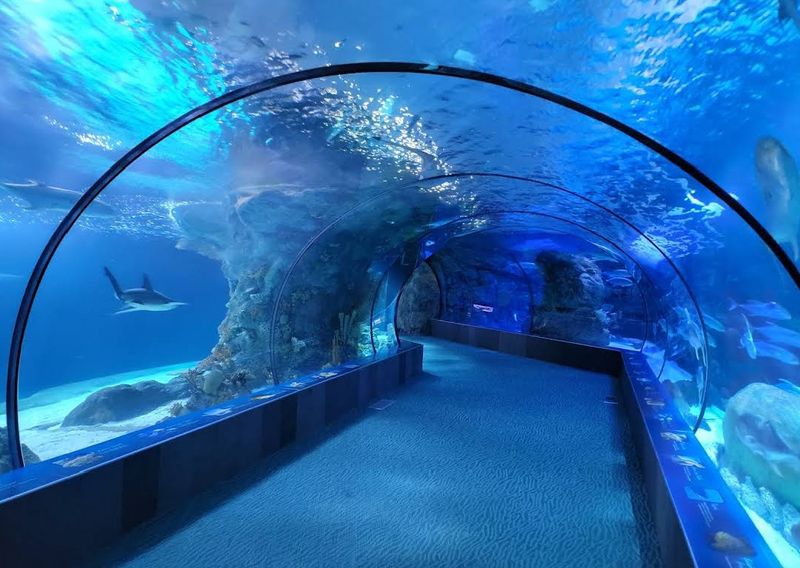
The centerpiece is a 70-foot underwater tunnel where sharks, rays, and large fish swim directly above your head.
Walking through it while a sand tiger shark glides overhead is one of those experiences that sticks with you long after you leave.
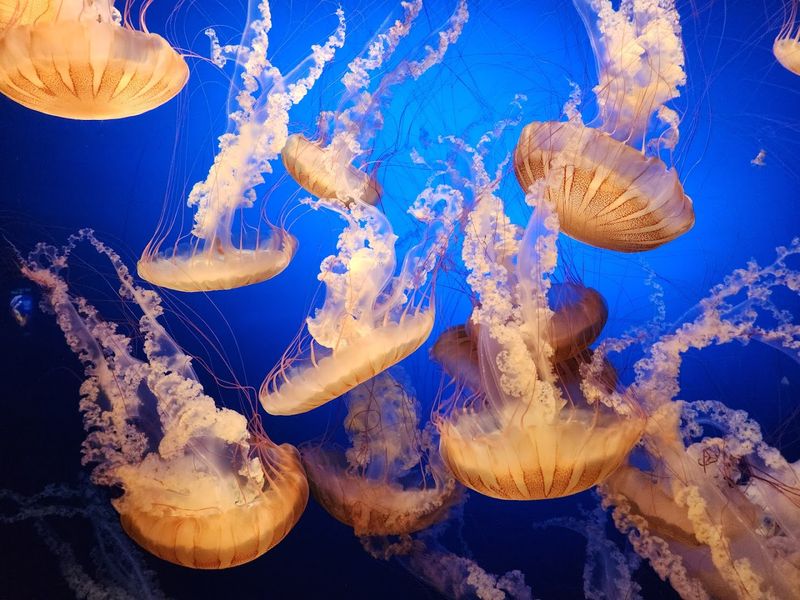
The aquarium also features a coral reef tank, a jellyfish gallery, and a touch pool where kids can handle horseshoe crabs and starfish under supervision. The touch pool alone can hold a family’s attention for a solid twenty minutes.
Lighting throughout the aquarium is kept intentionally dim to mimic underwater conditions. It creates a calm, almost meditative atmosphere that contrasts nicely with the louder, busier exhibits outside.
Adults tend to linger here longer than anywhere else.
The aquarium connects seamlessly to other indoor exhibits, so you can move between ecosystems without stepping outside.
On a hot Nebraska summer day, that kind of indoor flow is genuinely appreciated by everyone in the group.
Hubbard Gorilla Valley And Asian Highlands
Hubbard Gorilla Valley, which originally opened in 2004, gives western lowland gorillas spacious indoor and outdoor areas designed to encourage climbing, exploring, resting, and natural social behavior.
Multiple viewing points allow guests to observe the gorillas from different angles while remaining safely separated by the habitat’s barriers.
The exhibit has also been updated with an African jungle theme and educational features highlighting the zoo’s involvement in gorilla conservation.
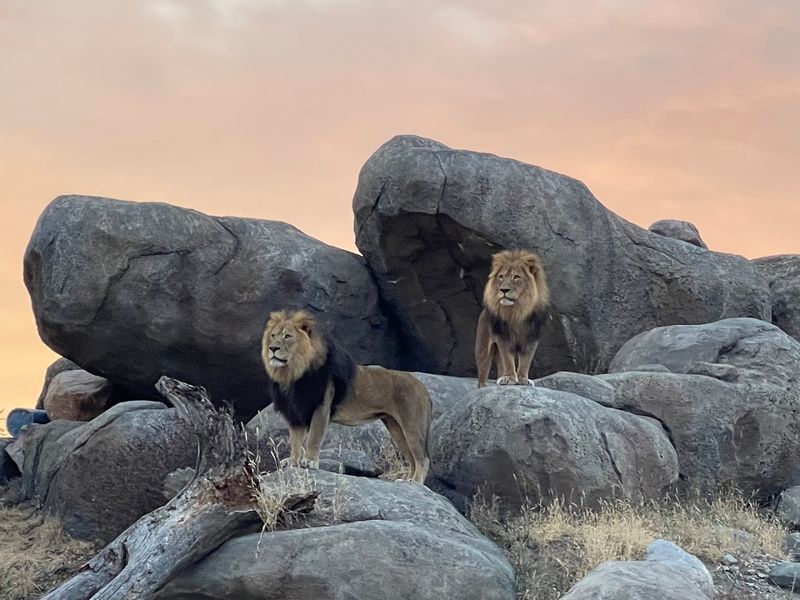
For big cats, head to Asian Highlands, an eight-acre exhibit that follows a journey from the grassland foothills of northern India into the Himalayan Mountains.
Its winding pathway passes rocky slopes, wooded areas, and carefully designed animal habitats.
Amur tigers and snow leopards are among the best-known residents here. Because the animals can move between indoor and outdoor spaces, sightings are never guaranteed, particularly during very hot weather.
That unpredictability is part of the experience for zoo visitors. Together, Hubbard Gorilla Valley and Asian Highlands offer a more accurate picture of how the zoo now presents primates and large cats.
Planning Your Visit
Getting the most out of Henry Doorly Zoo takes a little planning. The grounds are large and the exhibits are spread out, so wearing comfortable shoes is not optional.
Blisters and a six-hour zoo visit are a terrible combination.
Arriving right at opening gives you the best animal activity and thinner crowds, especially during summer weekends when the park fills up fast. By noon, the main pathways get genuinely busy.
Parking is available on site and is straightforward. The address is is easy to navigate to from most parts of Omaha.
The zoo sits near the Missouri River, so the surrounding area is flat and easy to drive through.
Food options inside the zoo are plentiful enough to sustain a full day visit. There are multiple dining spots scattered across the grounds, ranging from quick snacks to sit-down meals.
Prices are typical for a major zoo attraction.
Membership is worth considering if you plan to visit more than once in a year. Annual members get unlimited access plus discounts on events and special exhibits.
For families who live within driving distance, it pays for itself quickly and easily.
Why Omaha Surprises Every Visitor Who Shows Up
Omaha does not always make the top of travel lists, but the people who actually visit tend to come back.
The city is compact, easy to navigate, and genuinely proud of what it has built, and the zoo is the clearest example of that pride in action.
The Old Market neighborhood is worth an afternoon if you have extra time. Brick streets, independent restaurants, and a relaxed pace make it a solid contrast to the sensory overload of a full zoo day.
The two make a natural pairing for a weekend trip.
Omaha sits almost exactly in the center of the country, which means it is drivable from a surprising number of major cities. Kansas City is about three hours south.
Des Moines is two hours east.
Denver is roughly eight hours west if you want to make a road trip of it.
The zoo alone draws over two million visitors per year, making it one of the most visited attractions in the entire Midwest.
That number reflects something real: people who come once tend to tell others, and those others tend to show up.
Nebraska has a reputation for being ordinary, and then places like this exist. A world-record glass dome, a top-ranked zoo, and a city that quietly delivers more than it promises.
That combination is hard to beat anywhere in the country.