California’s Most Charming Car Museum Sits Inside A Beautiful Old Wooden Barn
Some museums make cars feel polished and distant. This one makes them feel close enough to spark a family story.
Inside a beautiful old wooden barn in Southern California, rows of vintage vehicles turn a simple stop into a slow walk through memory.
The setting matters. Wood beams and country charm give the collection a warmer feeling than a standard showroom. It feels personal before the first hood ornament even gets your attention.
California still has a soft spot for the golden age of the open road.
The cars carry plenty of shine, but the real draw is the atmosphere around them.
Visitors can linger over classic models, notice old design details, and imagine the kind of drives and small-town errands these vehicles once handled.
Nothing about it feels cold or overly fancy. The barn gives the whole place a relaxed, nostalgic mood.
The Barn Looks Like A Roadside Time Capsule
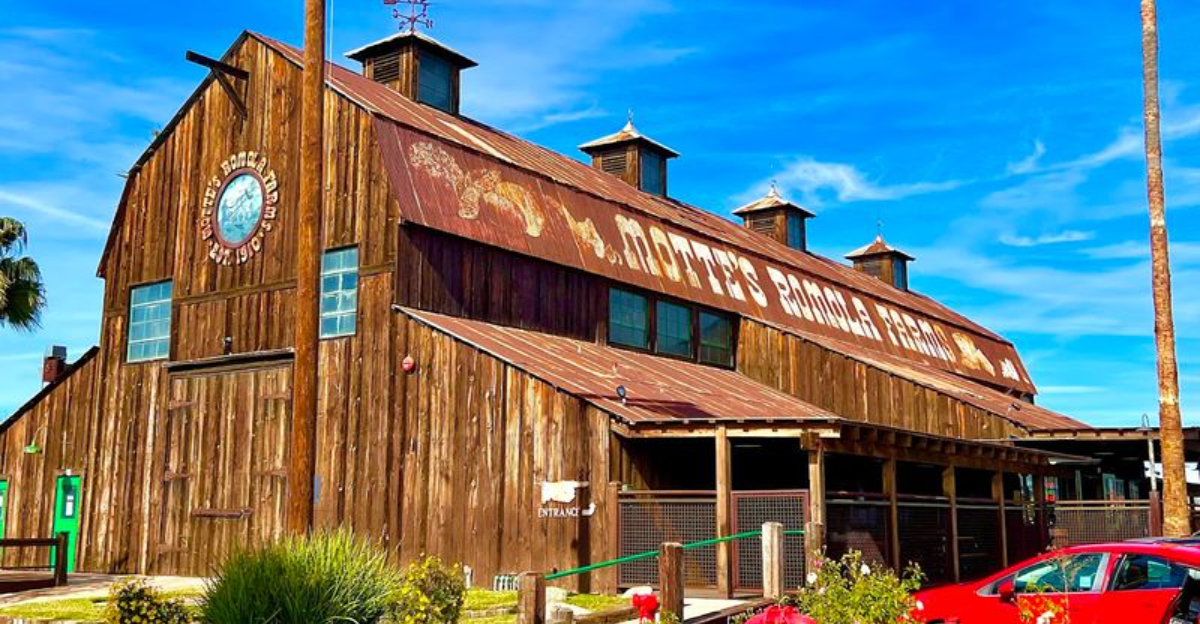
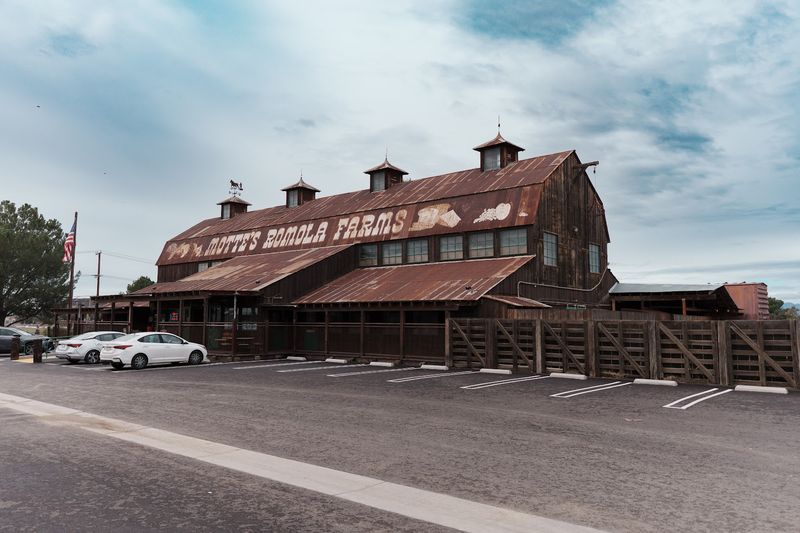
Driving along Highway 74, it is hard to miss the massive wooden structure that seems to rise up out of nowhere like something from another era.
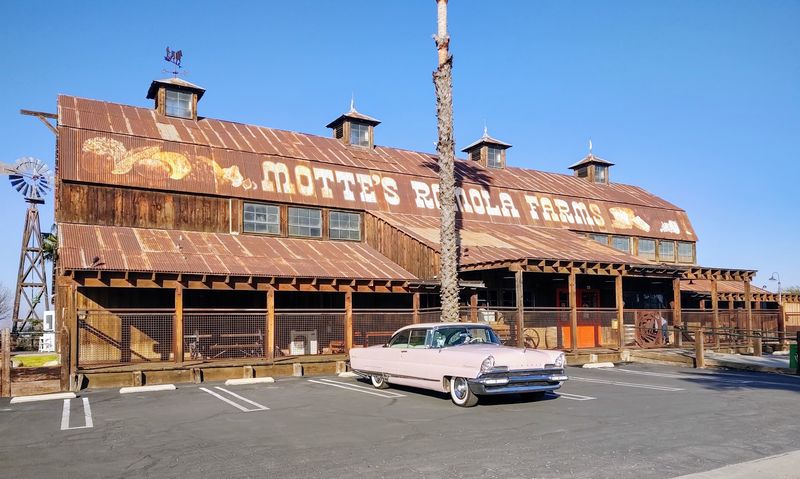
The barn at 28380 CA-74, Sun City, CA 92585 has a presence that is difficult to describe until you are standing in front of it, looking up at the soaring wooden walls and the quirky water tower windmill.
Built in 1985 using salvaged materials, the structure was designed with an almost theatrical scale that makes it feel more like a landmark than a roadside stop.
Cathedral ceilings supported by exposed beams greet visitors inside, giving the space a warm, airy quality that feels surprisingly grand for a barn setting.
The wooden facade has a well-worn texture that tells its age honestly, which is part of what makes arriving here feel so satisfying.
Nothing about the exterior has been overdressed or made to look artificially charming.
The building earns its character naturally, and that straightforward authenticity is exactly what makes pulling into the parking lot feel like the beginning of something worth exploring.
The Collection Spans Decades Of Auto History
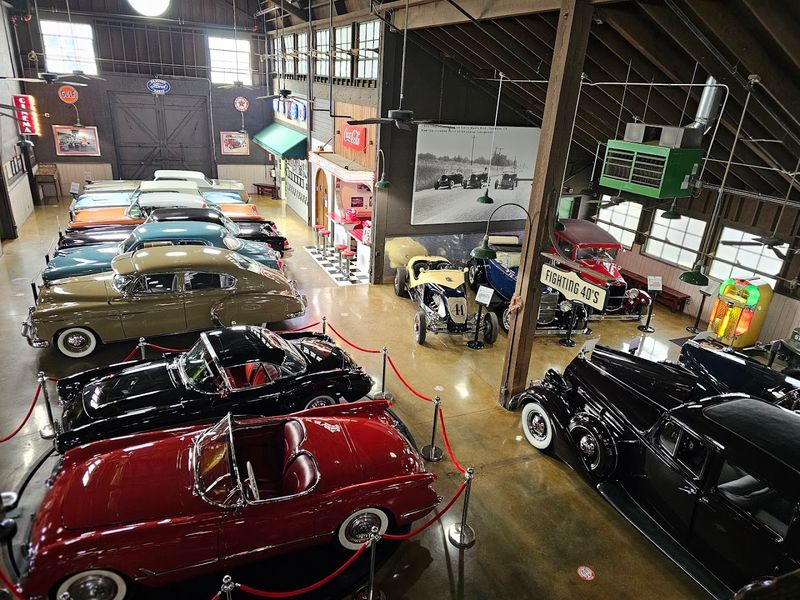
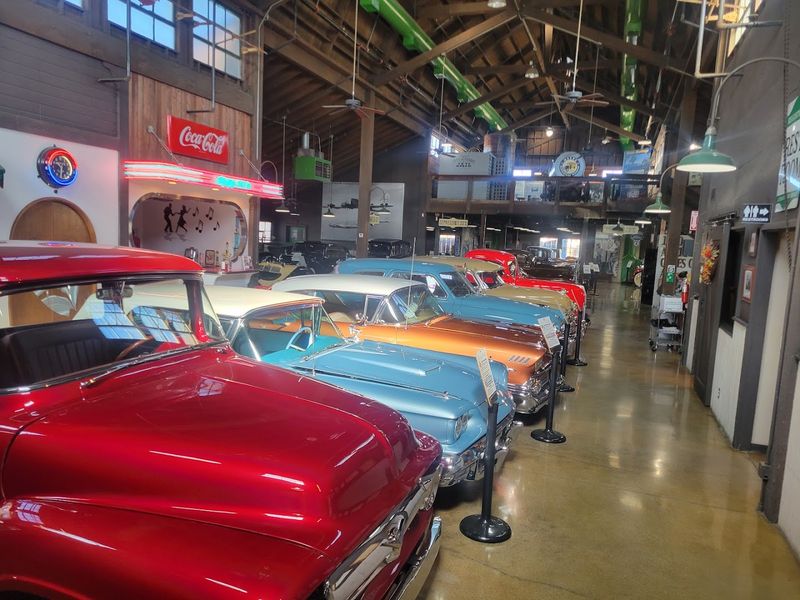
Somewhere between 25 and 30 antique and vintage vehicles fill the interior of the barn, representing more than five decades of automotive design and engineering.
The collection moves from the earliest days of motorized travel all the way through the sleek, chrome-heavy styling of the 1960s, giving visitors a genuine sense of how much cars changed during that period.
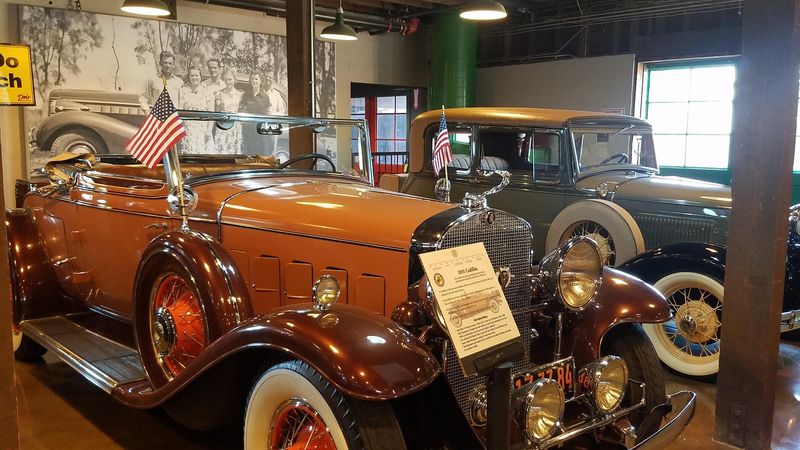
Each vehicle has its own story card that connects it to the Motte family or to local history, which keeps the experience from feeling like a generic showroom.
Highlights include a 1910 Ford T Speedster that holds the title of oldest car in the collection, a striking 1935 Auburn Boattail in a deep green finish, and Perris High School’s first school bus from 1924.
The original Perris City fire truck also sits among the vehicles, adding a civic dimension that stretches the collection beyond personal family history.
Many of the cars remain operational and have been featured in community parades and car shows over the years.
Visitors who take their time moving through the space tend to find that each car reveals something new the longer they look at it.
The Story Begins With A 1926 Chevrolet
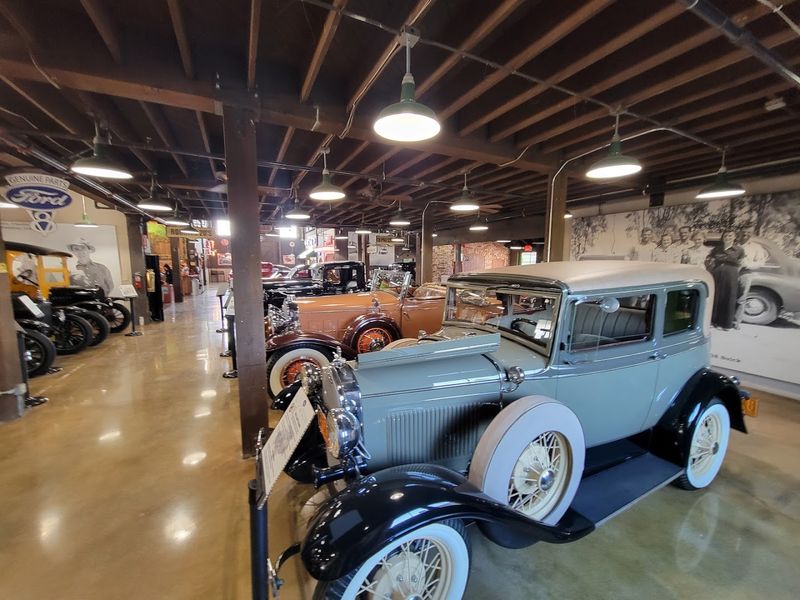
Every collection has an origin story, and at this museum, that story begins with a single car and a decision made decades later to bring it back to life.
A 1926 Chevrolet was the first car that Leon Motte’s father ever purchased, acquired for just fifteen dollars, and it became the emotional anchor for everything that followed.
The decision to restore that vehicle set off a chain reaction that eventually grew into the full private collection now on display inside the barn.
There is something quietly powerful about knowing that the car sitting in front of you was once someone’s first, bought for a price that today would not cover a fast food meal.
The 1926 Chevrolet is not just a display piece but a symbol of how personal history and automotive history can overlap in unexpected ways.
Seeing it in the context of the full collection gives visitors a clearer sense of why the museum exists at all.
The whole project grew from a desire to preserve something meaningful rather than let it disappear, and that motivation shows in how carefully the vehicles are maintained and presented throughout the barn.
The Barn Has Real Agricultural Roots
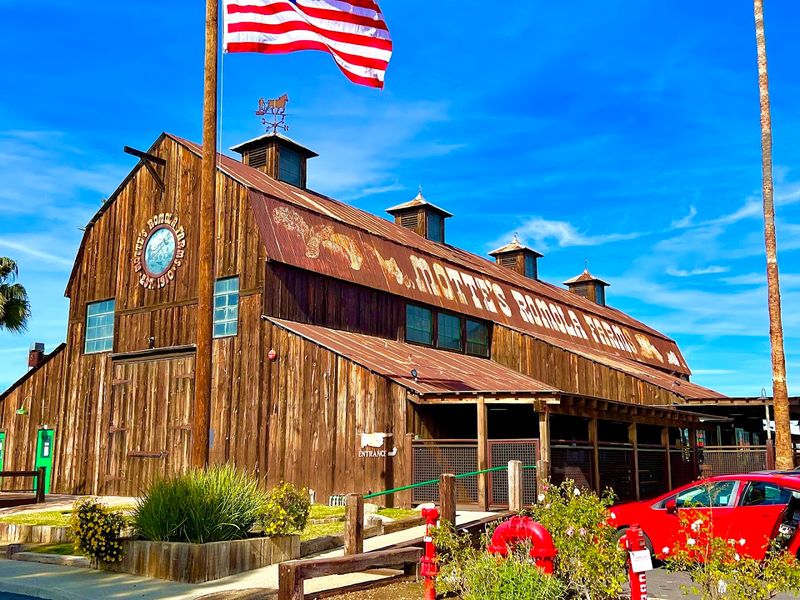
Before the vintage cars arrived, the barn had a completely different purpose rooted in the land rather than in horsepower.
Leon E. Motte built the structure in 1985 with architect Robert Morris, using salvaged materials that gave the building its distinctive character from the very beginning.
For roughly a decade and a half, the barn operated as a produce market where the Motte family sold fruits and vegetables grown on their farmland in the Perris Valley area.
That agricultural chapter lasted from the mid-1980s through the late 1990s, and traces of that era still linger in the way the building feels grounded and practical rather than polished or pretentious.
Knowing that the same floor once held crates of fresh produce before it held a 1935 Auburn Boattail adds a layer of texture to the visit that most museums simply cannot offer.
The barn did not start as a museum and was not designed to be one, which is precisely why it works so well as one now.
The transition from farm stand to car museum feels organic rather than forced, and that honesty about the building’s history is part of what makes the whole experience feel genuine.
The Museum Is About More Than Cars
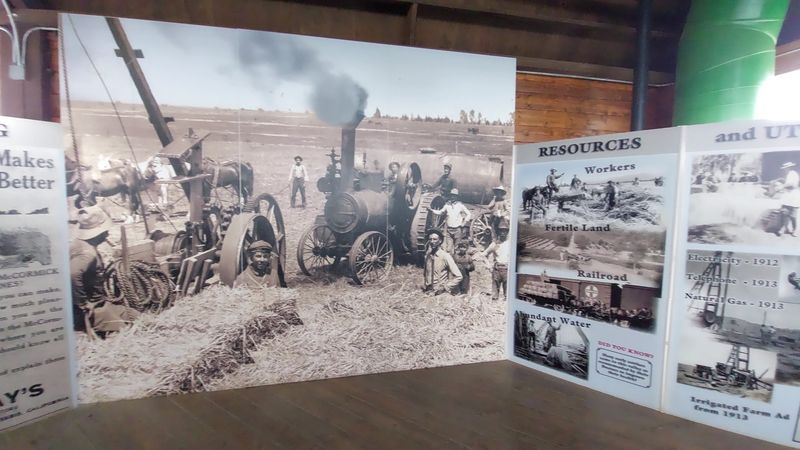
Walk past the first row of cars and it quickly becomes clear that the collection is only part of what makes this place worth visiting.
Historical timelines and family photographs line the walls, connecting the vehicles to the broader story of the Perris Valley and the people who helped shape it over more than a century.
A 1950s malt shop recreation sits inside the barn alongside an art deco cinema corner complete with an authentic Rock-Ola jukebox, giving the interior a layered, almost theatrical quality that goes well beyond a standard car display.
These nostalgic touches feel purposeful rather than decorative, adding warmth and context to the surrounding exhibits.
The museum was established in 2007 as a 501(c)(3) non-profit organization, founded through the estate of John and Evelyn Motte with the goal of preserving both the family’s legacy and the agricultural history of the valley.
That mission is visible in every corner of the barn, from the vintage signage to the carefully labeled artifacts.
Visitors who arrive expecting only cars tend to leave having absorbed a much richer slice of Southern California history than they anticipated.
The Motte Family Helped Shape The Valley
Few museums are built around a family whose roots go back more than a century in the same region, but that is exactly what makes this one feel different from the typical roadside attraction.
The Motte family’s connection to the Perris Valley stretches back to immigration from France in the late 1880s, followed by generations of farming across Perris, Romoland, Nuevo, and Lakeview.
That agricultural legacy is documented throughout the museum in photographs, timelines, and personal artifacts that give visitors a sense of how the valley looked and functioned before modern development reshaped it.
Seeing the land’s history alongside the cars that traveled across it creates a kind of double portrait of a place and the people who lived there.
The family’s role in the area’s development extended to civic life as well, with connections to local institutions like Perris High School and the Perris City fire department reflected in the vehicles on display.
Understanding that context transforms the experience from a simple car viewing into something closer to a community history lesson.
The barn holds that history gently rather than presenting it as a formal lecture, which keeps the tone approachable and easy to absorb at any pace.
Admission Is Free And Parking Is Easy
Free admission at a museum that holds this much history and this many well-preserved vehicles is the kind of detail that genuinely surprises people when they first hear it.
There is no ticket booth, no entry fee, and no minimum spend required to walk through the barn and spend as long as needed exploring the collection.
Donations are encouraged and clearly appreciated by the staff, which gives visitors a natural way to contribute without any pressure attached.
The parking area outside the barn is spacious and easy to navigate, making arrival straightforward whether someone is driving a compact car or pulling in with a larger vehicle.
For those planning a casual weekend outing or looking for an unplanned stop along Highway 74, the combination of free entry and easy parking removes most of the friction that can make spontaneous visits feel complicated.
The museum also has a small gift shop inside where visitors can pick up memorabilia and support the non-profit at the same time.
That low barrier to entry is one of the reasons the barn tends to welcome such a wide mix of visitors, from young families to dedicated car enthusiasts to curious locals who have driven past the building for years without stopping.
Hours Make It A Weekend-Friendly Stop
Planning a visit is straightforward because the museum keeps a consistent schedule that works well for weekend trips and midweek detours alike.
Regular hours run Wednesday through Sunday from 10 a.m. to 4 p.m., giving visitors a solid window of time to explore without feeling rushed through the exhibits.
The museum is closed on Mondays and Tuesdays, so checking the schedule before heading out is a good habit, especially since closures can also happen around holidays or when the barn is reserved for a private event.
Arriving on a weekday morning tends to offer a quieter experience for those who prefer to move through the space at their own pace without much crowd activity.
Saturday mornings have been noted as a particularly calm time to visit, when the barn is accessible without the energy of a larger weekend crowd.
The roughly four-hour window each day is enough time to look carefully at every vehicle, read the historical displays, browse the gift shop, and still have time to sit with the jukebox or peek into the art deco cinema corner.
For anyone within driving distance of the Menifee and Sun City area, the schedule makes a return visit just as easy as the first one.