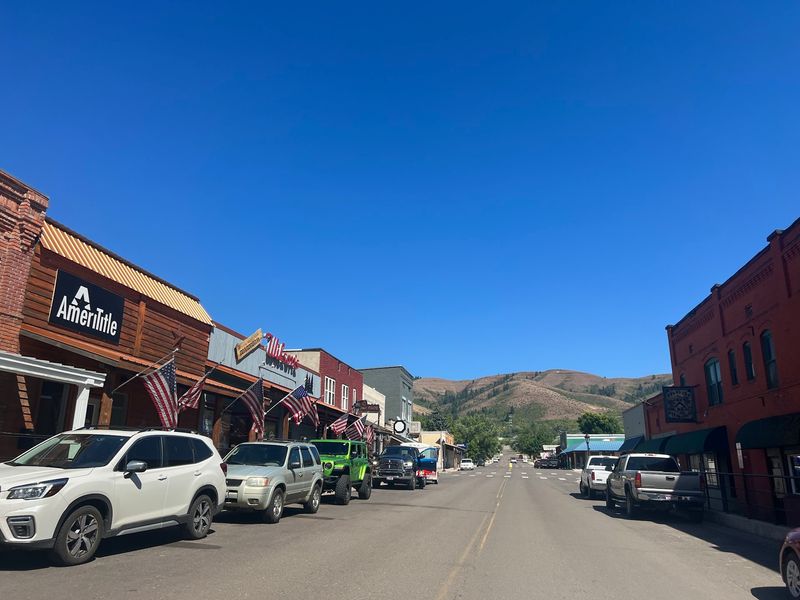
This Secluded Idaho Hike Leads To Centuries-Old Wagon Ruts
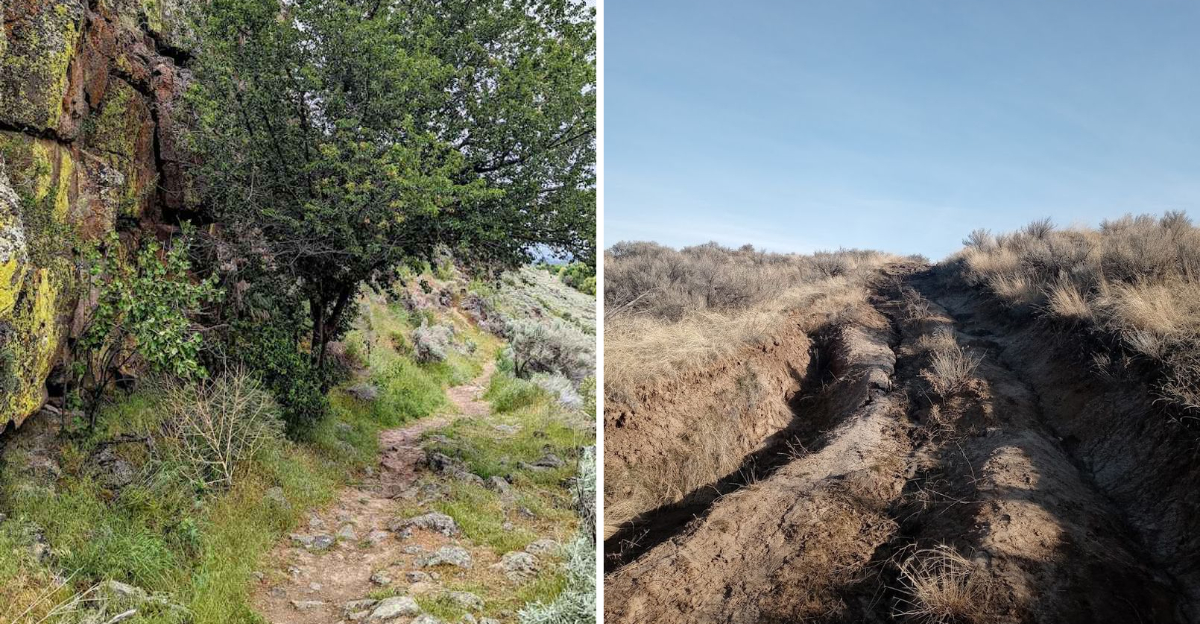
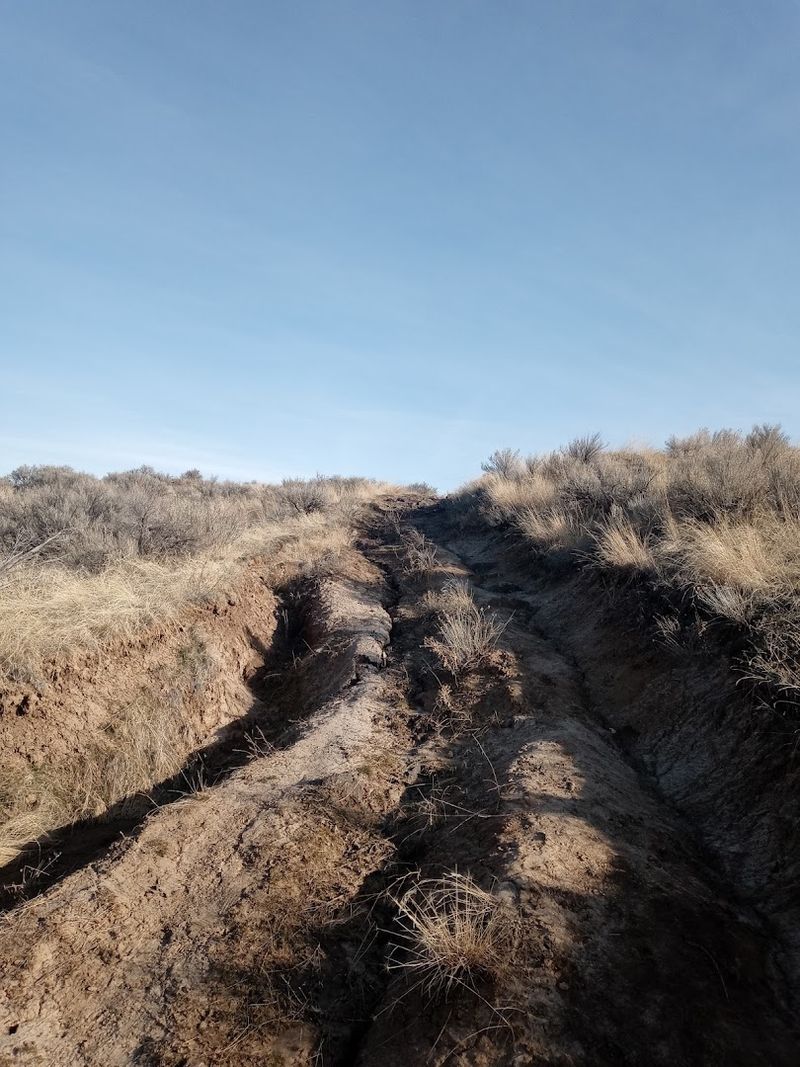
History is literally carved into the ground here. Wagon ruts still groove the earth after two full centuries.
Wind, rain, and time still never quite erased them. Idaho hides this quiet trail in the hills above a city.
Thousands of pioneers once pushed west along this very route. They hauled everything they owned toward an unknown life.
You follow their path and feel the weight of it. I ran my hand along a rut and went silent.
The views stretch out wide, but the history hits even harder.
Most people drive right past, clueless it exists. Few places let you touch the past this directly.
The History Beneath Your Boots
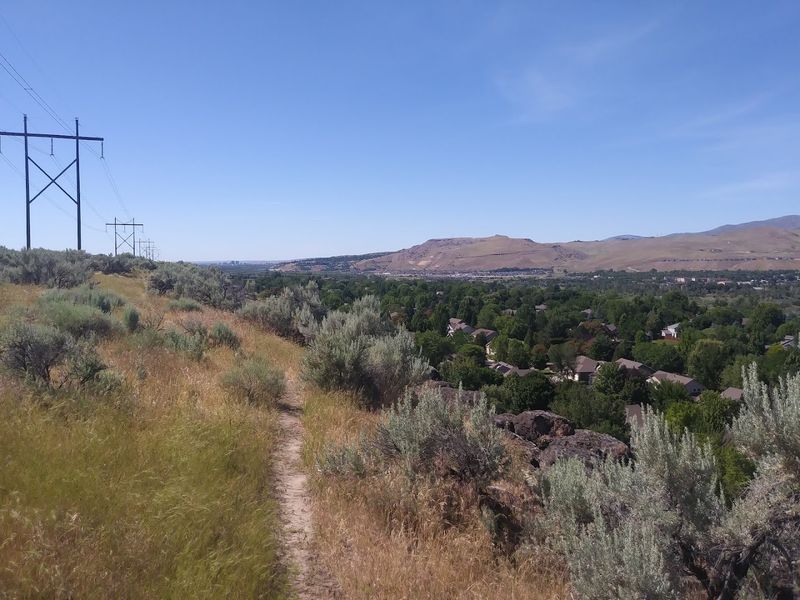
Few hikes in Idaho put history this close to your feet.
The ground along the Kelton Trailhead trail still bears the grooves left by thousands of covered wagons that rolled through here during the 1800s.
These ruts were pressed deep into the earth by heavy loads, repeated passages, and the sheer determination of westward-bound pioneers.
The Oregon Trail was one of the most significant migration routes in American history. Settlers from the eastern United States traveled roughly 2,000 miles to reach Oregon Country, and this section of Idaho was part of that grueling journey.
The Kelton Trail specifically marks a route that connects the main Oregon Trail to water sources below the rim.
Signs along the trail explain how pioneers spotted the springs in the gully below and searched for any path leading down. That narrow, steep descent became known as the Kelton Track.
Standing at that rim and looking down, you can almost picture the exhausted travelers weighing their options.
A Rim Walk With Big Views
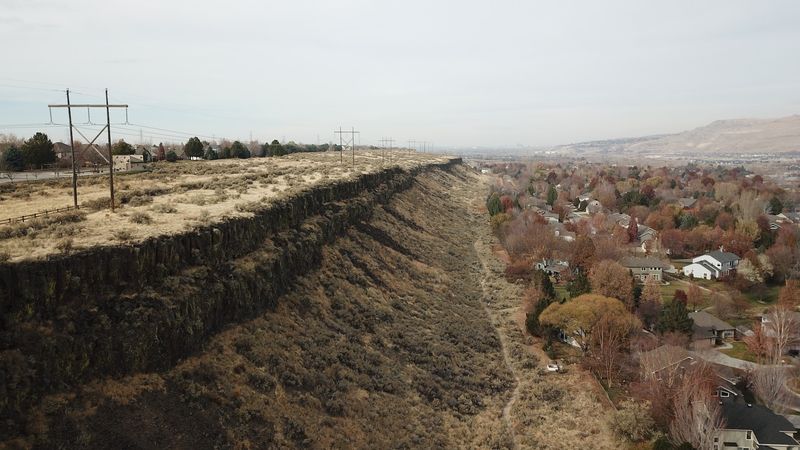
Standing on top of the rim at Kelton Trailhead feels like the city below suddenly shrinks to something manageable.
The trail runs along the edge of a rocky rim that offers sweeping views of the Boise Valley and the surrounding foothills. On a clear morning, the landscape stretches far enough to make you forget you drove here from a suburb.
The terrain is classic high desert, open and dry with sagebrush, scattered wildflowers in spring, and golden grasses that glow in the afternoon sun.
There are no tall trees to block the sky, so the views are wide and uninterrupted in every direction. That openness gives the whole hike a spacious, airy feeling that is hard to find inside the city.
The rim trail itself is mostly flat and well-maintained, making it a comfortable walk even for people who are not seasoned hikers. The path is wide enough to share easily with other visitors and their dogs.
Early mornings bring soft light that makes the rock formations look almost painted.
Trail Conditions Worth Knowing
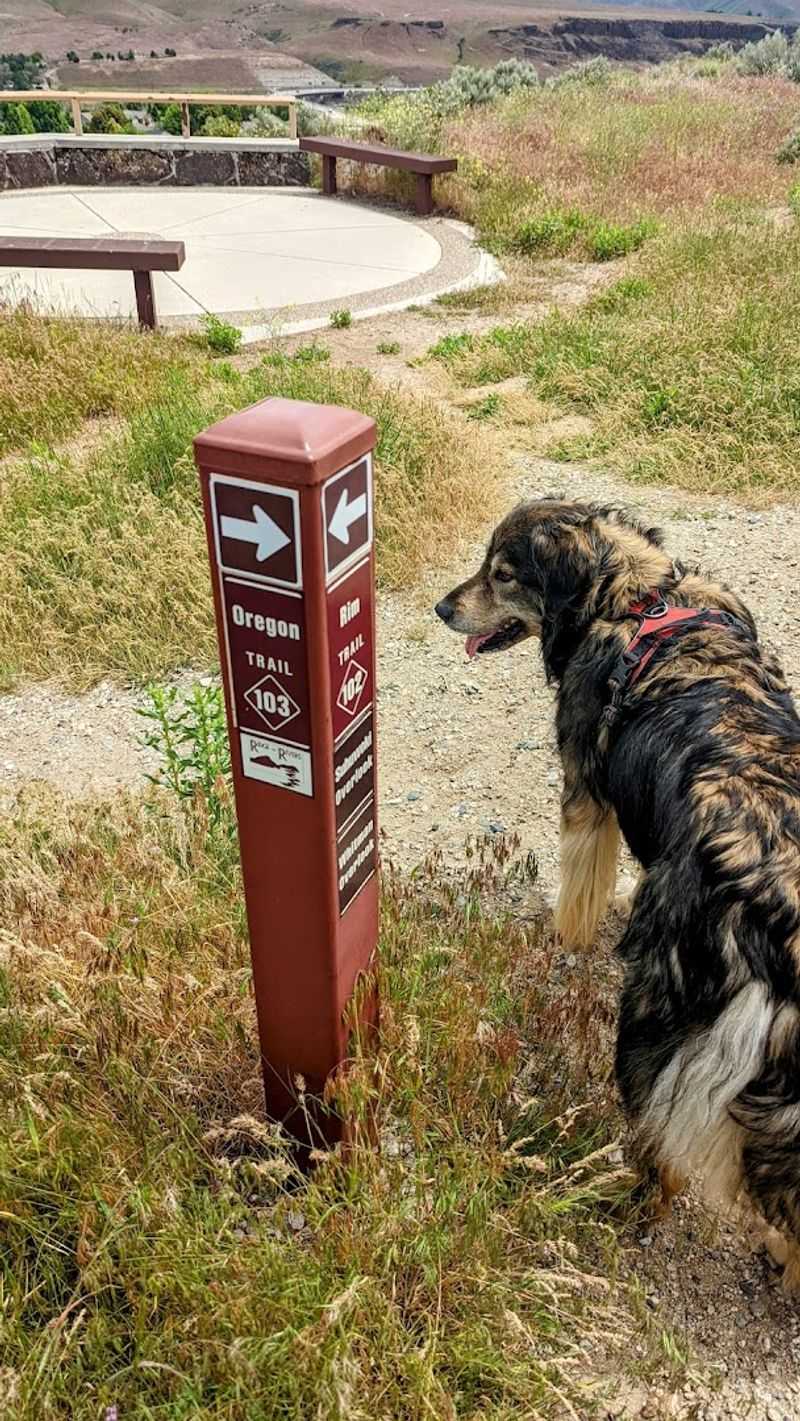
Not every trail tells you what you are getting into before you arrive, but Kelton Trailhead is fairly straightforward once you know a few key details.
The main rim trail is an all-weather path, which means it stays accessible year-round without turning into mud after rain.
The north end of the trail has a paved descent that drops steeply from the rim. It is manageable in dry weather but can become slippery when ice forms in winter.
If you plan a cold-season visit, traction devices for your shoes are a smart addition to your pack. The rest of the trail is unpaved but firm underfoot.
There is no shade along the route, which matters a lot in summer. The sun hits the open desert hard, especially between late morning and mid-afternoon.
Bringing more water than you think you need is genuinely good advice here.
A restroom is available at the trailhead and stays open during daylight hours, even in colder months. The trail is open daily from 6 AM to 9:30 PM, giving you plenty of time to plan your visit.
Wildlife And Wildflowers Along The Way

Spring along the Kelton Trailhead route brings a surprising burst of color to the desert floor.
Wildflowers push up through the dry soil and bloom in patches of yellow, purple, and white that feel almost out of place against the rocky rim. It is one of those seasonal details that makes returning to the same trail feel like a completely different experience.
Wildlife sightings are part of what makes this trail feel alive rather than just scenic. Visitors have spotted various birds, small desert animals, and occasional larger wildlife moving through the area.
The open landscape makes it easier to notice movement at a distance, so keeping your eyes up and your pace slow increases your chances of a good sighting.
The rock formations along the rim also attract interesting bird species, particularly those that nest in cliff faces and rocky outcroppings. Bringing a pair of lightweight binoculars adds a whole new layer to the experience.
Idaho’s high desert ecosystem supports more biodiversity than most people expect, and this trail gives you a front-row seat to it.
Family-Friendly From The First Step
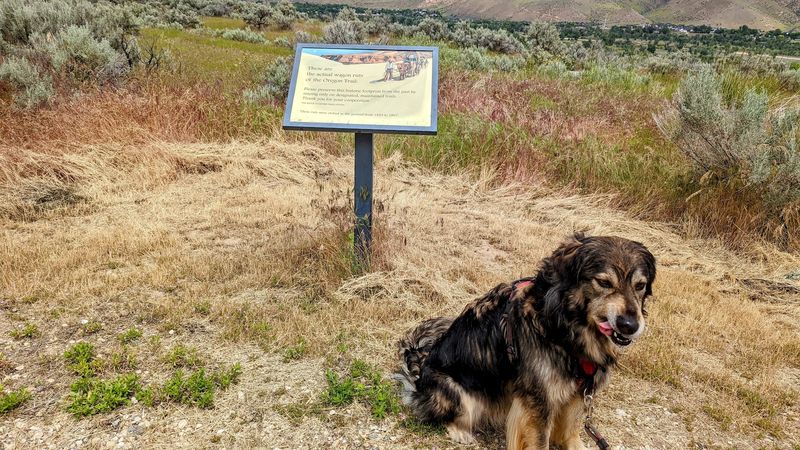
Some trails quietly filter out certain visitors by being too steep, too long, or too technical.
The Kelton Trailhead takes the opposite approach and welcomes just about everyone. The rim trail is wide, mostly flat, and clearly marked, making it an easy choice for families with kids of different ages and energy levels.
Young hikers tend to stay engaged on this trail because there is always something to look at.
The rock formations catch their curiosity, the open views keep things interesting, and the historical signs give parents a natural way to turn the walk into a mini history lesson.
Kids who learn about the Oregon Trail in school often light up when they realize they are standing on the actual route.
Dogs are welcome on the trail as well, and most visitors are considerate about keeping the path clean. The relatively short distance means younger children can complete the hike without becoming exhausted or frustrated.
There are no major obstacles or confusing junctions to navigate, so the experience stays low-stress from start to finish.
The Oregon Trail Connection Explained
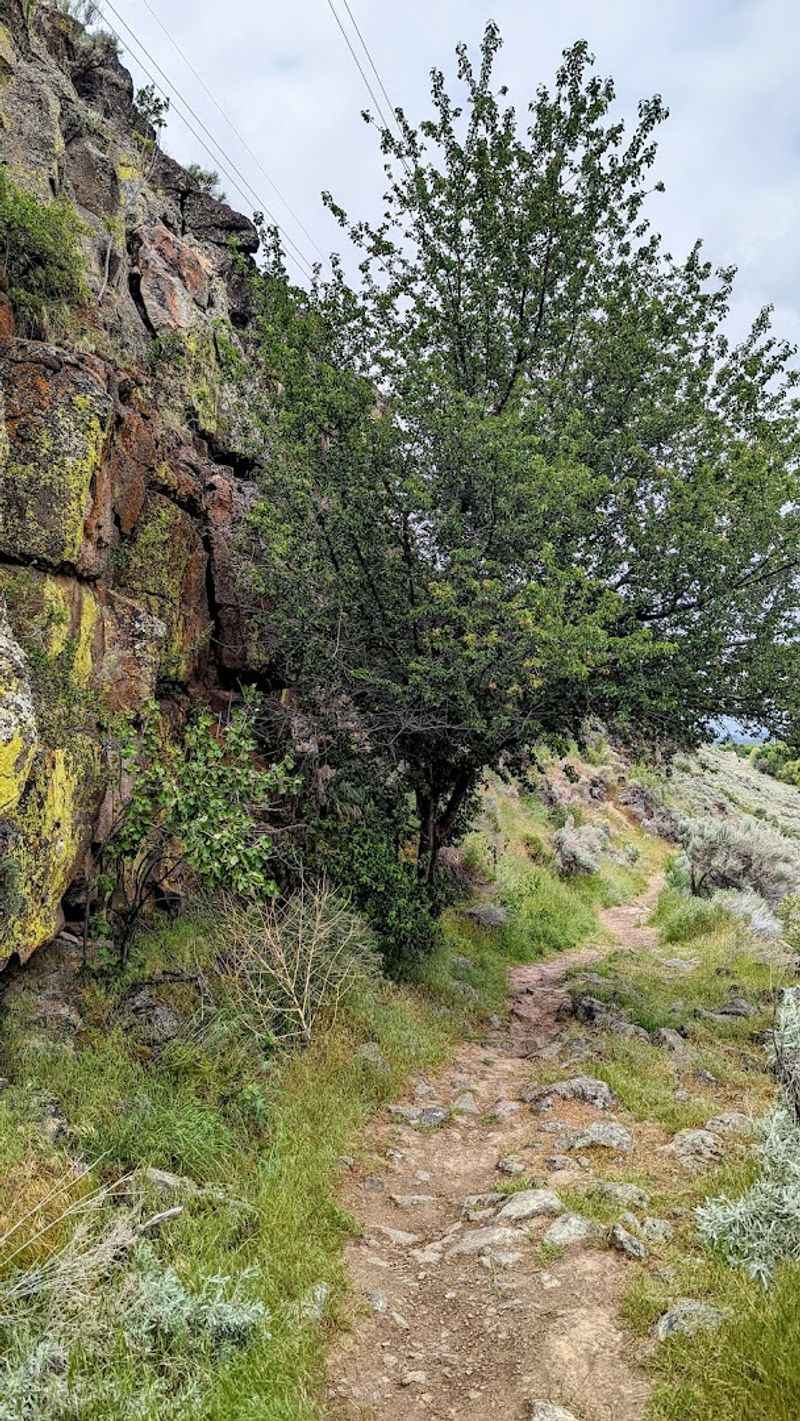
History has a way of feeling abstract until you are standing somewhere that makes it concrete.
The connection between the Kelton Trailhead and the Oregon Trail is one of those moments where the past stops being a textbook chapter and starts feeling real.
The trail follows a section of the route that pioneers used to access water in the canyon below the rim.
The Kelton Road, named for the railroad town of Kelton, Utah, carried mail, freight, and stage passengers between Boise and the Utah railhead from the 1860s to the 1880s. Its wagons, along with earlier Oregon Trail emigrants, cut the ruts still visible today.
Wagons would descend the narrow path toward the springs, which offered a critical source of water during an otherwise punishing stretch of the journey.
The physical evidence of that descent, including worn rock surfaces and eroded pathways, is still visible today.
Interpretive signs along the trail provide context about what travelers experienced and why this location mattered.
Reading those panels while looking out over the same landscape the pioneers saw creates a kind of time-layered awareness that is genuinely moving.
Idaho preserves several sections of the Oregon Trail, and this one stands out because the physical marks left by the wagons are still present and visible.
Best Times To Visit The Trail
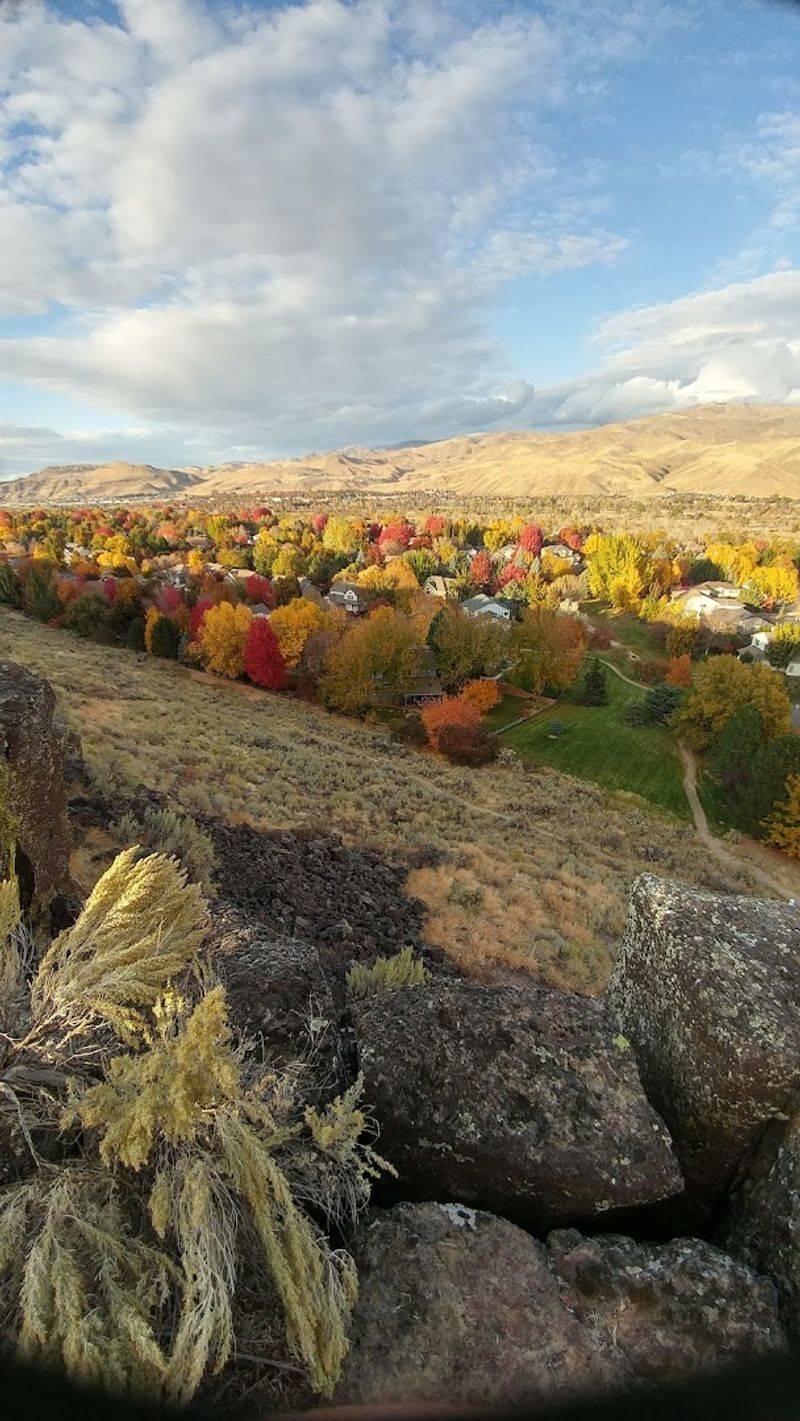
Timing your visit to the Kelton Trailhead can make a significant difference in how much you enjoy the experience.
Summer mornings are the sweet spot, arriving close to the 6 AM opening time puts you on the trail before the heat builds and before the parking area fills up. The light at that hour is soft and golden, which makes the rock formations look their best.
Fall is another strong choice, particularly when the surrounding vegetation begins to shift color. The dry grasses turn amber and rust, and the cooler air makes longer walks more comfortable.
Several visitors have noted that autumn transforms the character of the trail in ways that feel almost theatrical.
Spring brings wildflowers and active wildlife, which adds a sensory richness to the hike that summer cannot always match.
Winter visits are possible thanks to the all-weather rim trail, though the steep north descent should be approached with caution when temperatures drop. The trail closes at 9:30 PM daily, so there is room for an evening walk when the summer heat finally eases.
Practical Tips Before You Go
A little preparation goes a long way at the Kelton Trailhead, especially if it is your first visit. Parking is available at the trailhead, and the lot is generally manageable outside of peak weekend hours.
Arriving early on Saturday or Sunday gives you the best chance of finding a spot without circling. The trail is open every day of the week from 6 AM to 9:30 PM, so there are plenty of options for timing your visit around your schedule.
Sun protection is essential since the trail has no shade cover at any point. A hat, sunscreen, and sunglasses should be considered standard gear rather than optional.
Carrying at least 16 to 24 ounces of water per person is a reasonable baseline, more if you plan to spend extended time on the trail.
The Idaho Department of Parks and Recreation manages the site, and their website at parksandrecreation.idaho.gov provides updated trail information.
Cell service in the area is generally reliable, but downloading an offline map is a smart backup plan.