This Idaho Mountain Valley Turns Into An Elk Grazing Ground When Summer Takes Over
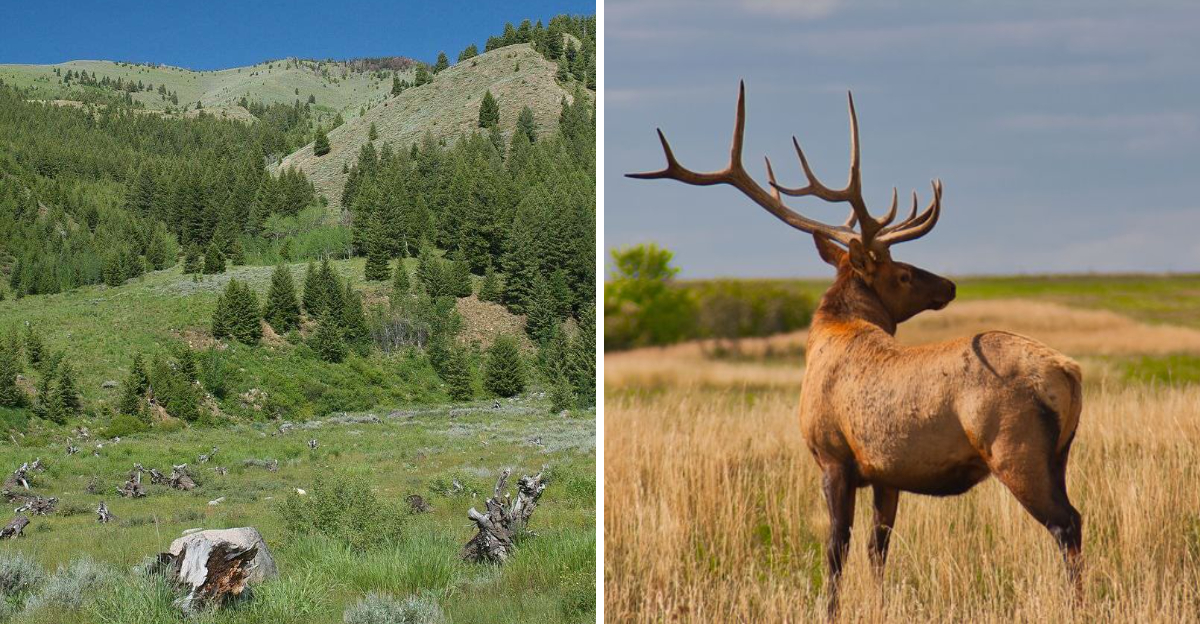
Wild elk have a way of making a mountain valley feel like everyone else showed up too dressed up.
When summer settles into Idaho’s high country, this wide-open stretch near Stanley becomes one of those places where nature does not need a microphone to hold attention.
The meadows seem made for quiet watching, especially when elk begin moving through the landscape with that calm, powerful confidence only wild animals can pull off.
Nothing about the moment feels staged.
You keep your distance, lower your voice, and let the scene unfold on its own terms.
That is what makes it stay with you. A good wildlife view is exciting.
A valley full of elk beneath those peaks feels like Idaho showing off without saying a word.
Scan The Meadows Before The Mountains Steal Your Attention
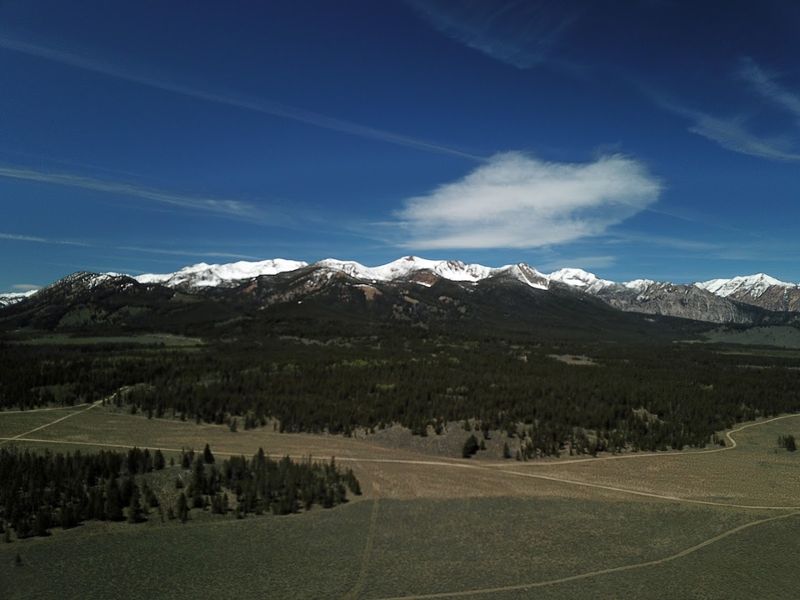
Wide-open scenery can trick visitors into looking too high too soon. In the Sawtooth Valley near Stanley, Idaho, the peaks pull at your attention immediately, but the lower meadows, brushy edges, and open slopes around the Stanley Basin deserve a slower scan before the camera turns upward.
Elk are large animals, yet they can disappear surprisingly well into tan grass, willow pockets, shadowed draws, and distant hillsides once the light gets tricky.
A careful look across the valley floor and nearby slopes can reveal movement that first appears as nothing more than a shifting brown shape.
Discover Sawtooth notes that elk may be seen in the Sawtooth Valley and Stanley Basin, though summer elk often spend more time at higher elevations on mountainsides and in high mountain meadows.
That means the best approach is not to expect a guaranteed herd standing beside the road.
Instead, treat the whole landscape as habitat and let your eyes work from meadow to slope to timberline. Pullouts along Highway 75 near Stanley can give you safer places to stop, scan, and settle into the view without blocking traffic.
Early morning and evening help because cooler temperatures bring more wildlife movement and softer light across the basin. The mountains may be the obvious show, but the meadows often hold the surprise.
Look For Elk When Summer Pushes Them Toward Higher Ground
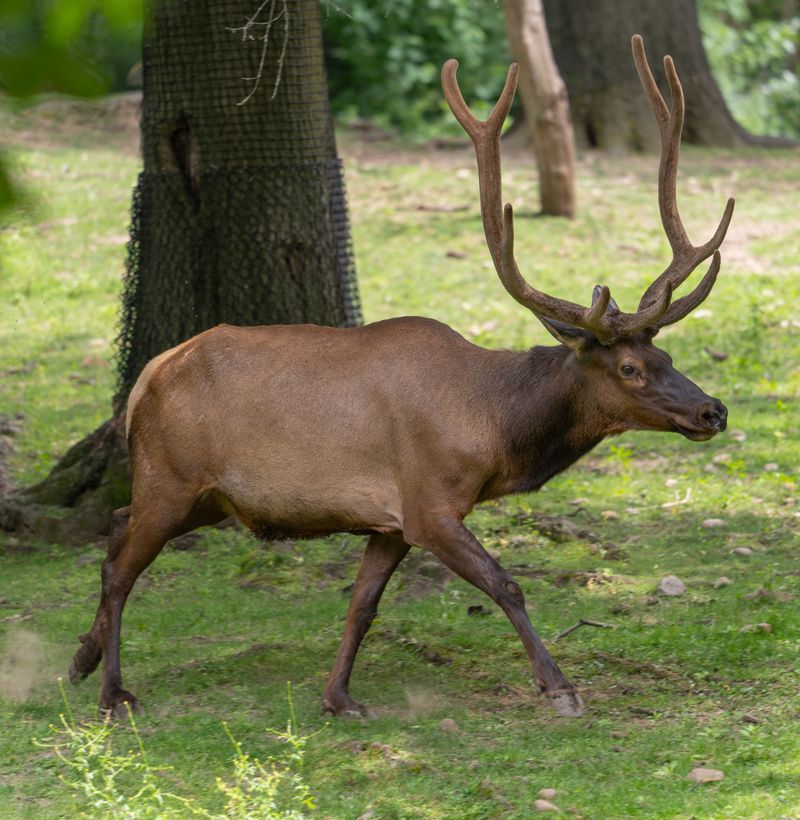
Seasonal movement matters more than luck in this part of central Idaho. Around the Sawtooth Valley, Stanley Basin, and the Sawtooth National Recreation Area near Stanley, Idaho, elk respond to snowmelt, forage, heat, elevation, and cover in ways that shape where they are most likely to appear.
Discover Sawtooth explains that elk spend summers at higher elevations on mountainsides throughout the Sawtooths and other ranges, using high mountain meadows while feeding mainly on grasses and other plants.
That is an important correction for anyone picturing herds standing in the same low valley spots all season.
Early in summer, fresh growth may pull animals into visible openings, but as temperatures rise and forage changes, elk often use slopes, ridges, saddles, shaded timber edges, and upper meadows more heavily.
Visitors driving Highway 75 through the Stanley area should scan beyond the obvious roadside flats and look toward open hillsides where grass meets trees.
Dawn and dusk are especially helpful because elk tend to be more active when conditions are cooler. Midday sightings can happen, but animals may be bedded in cover or farther from easy viewing.
The goal is not to chase them. The goal is to understand the rhythm well enough to watch from a respectful distance.
Summer does not make elk easy to find; it gives patient observers better clues about where to look.
Let The Valley Views Turn Wildlife Watching Into A Scenic Detour
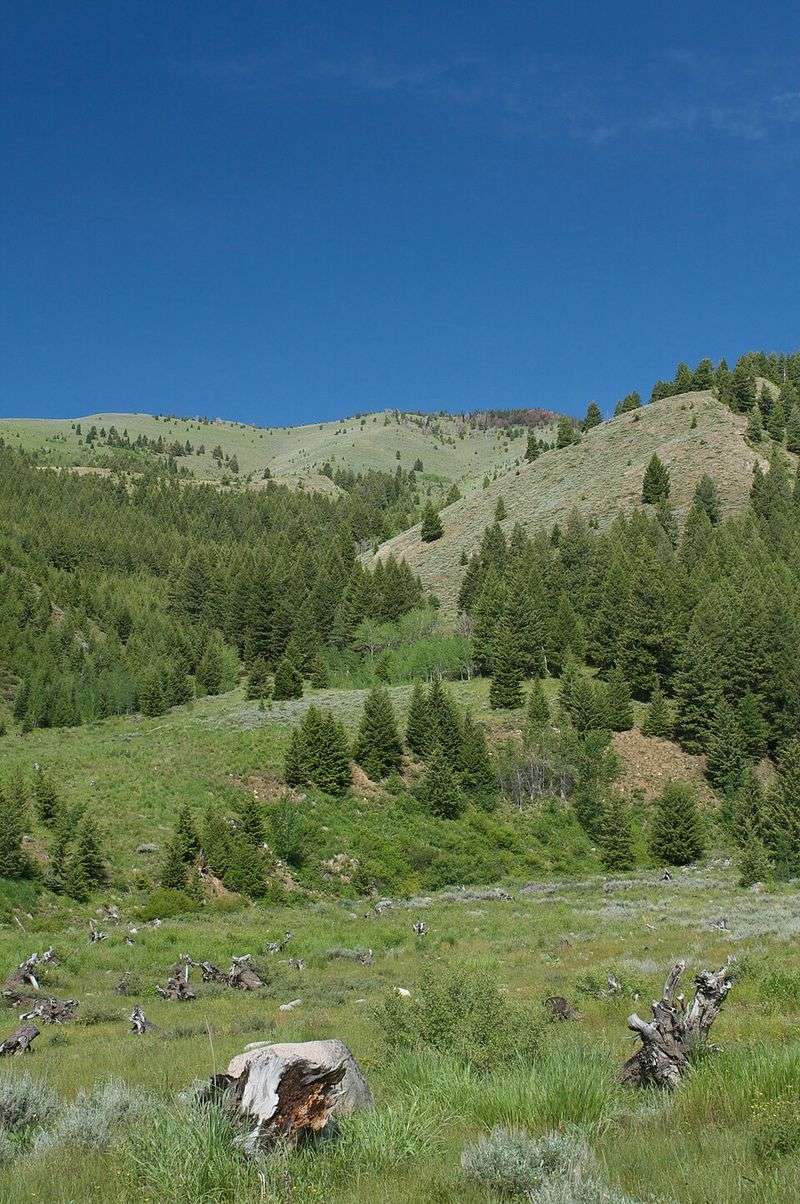
Even without a single antler in sight, this drive can still feel like a win. The Sawtooth Scenic Byway follows Highway 75 through some of Idaho’s most striking mountain country, leading travelers toward Stanley, the Sawtooth Valley, and the edge of the Sawtooth National Recreation Area.
Visit Idaho describes the byway as a route shaped by rugged peaks and notes that travelers should keep an eye out for wildlife such as deer, elk, and pronghorn antelope.
That mix is what makes the area such a rewarding detour.
Wildlife watching becomes one layer of a much bigger scene rather than the only reason to pull over.
The Salmon River threads through the region, open meadows stretch beneath dramatic ridgelines, and the mountains rise with that jagged profile that makes the Sawtooths feel instantly recognizable.
Summer adds wildflowers, longer light, greener slopes, and enough roadside beauty to keep travelers stopping more often than planned.
Families can enjoy the views without needing a difficult hike, while photographers can work with river bends, fence lines, distant peaks, and open sky while waiting for movement along the slopes.
The best wildlife trips allow for quiet stretches when nothing appears. Around Stanley, those quiet stretches still come with mountain air, byway views, and the sense that something wild may step into the frame at any moment.
Bring Binoculars For Movement Along The Open Slopes
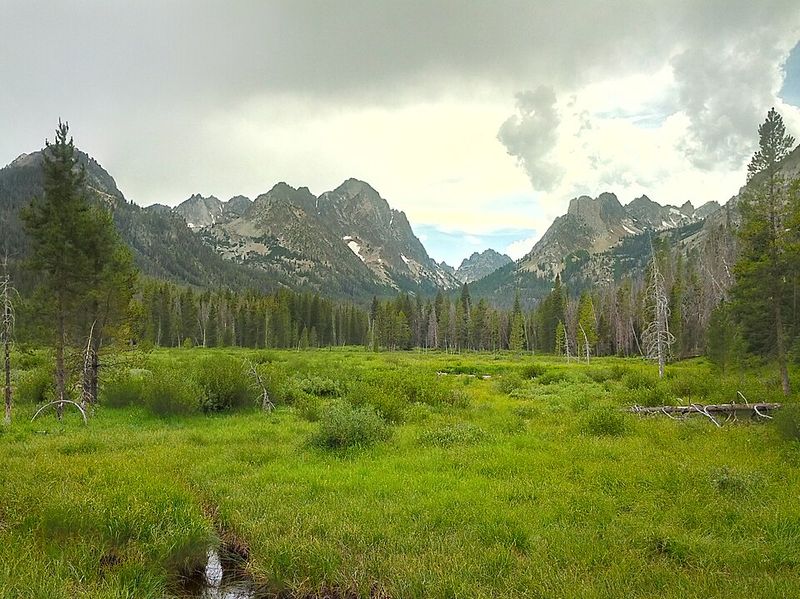
Good optics turn this landscape from pretty into alive. In the Sawtooth Valley and Stanley Basin near Stanley, Idaho, distances can be deceiving because the open slopes, meadows, and mountain shoulders stretch much farther than they first appear.
What looks like a dark stump or rock from the road can become an elk, deer, pronghorn, or grazing group once binoculars bring the hillside closer.
Since summer elk often use higher mountainsides and high meadows throughout the Sawtooth Mountains, binoculars are more than helpful. They can be the difference between missing the moment and watching it unfold without disturbing the animals.
An 8x or 10x pair is usually enough for casual viewing, while photographers and serious wildlife watchers may prefer a spotting scope on a tripod from a safe pullout. Movement is the key.
Elk may graze slowly, shift through timber edges, lift their heads, or appear only when one animal crosses an open patch. Scanning in sections helps more than sweeping too quickly across the view.
Start low near open meadows, work toward brushy drainages, then move upward toward slopes and ridgelines where summer forage stays green. Staying near your vehicle or a designated viewing spot also keeps the experience safer.
The right gear lets you enjoy the wildlife without closing the distance, and that restraint is what keeps the valley comfortable for the animals that live there.
Drive Slowly When Dawn Or Dusk Makes The Valley Feel Alive
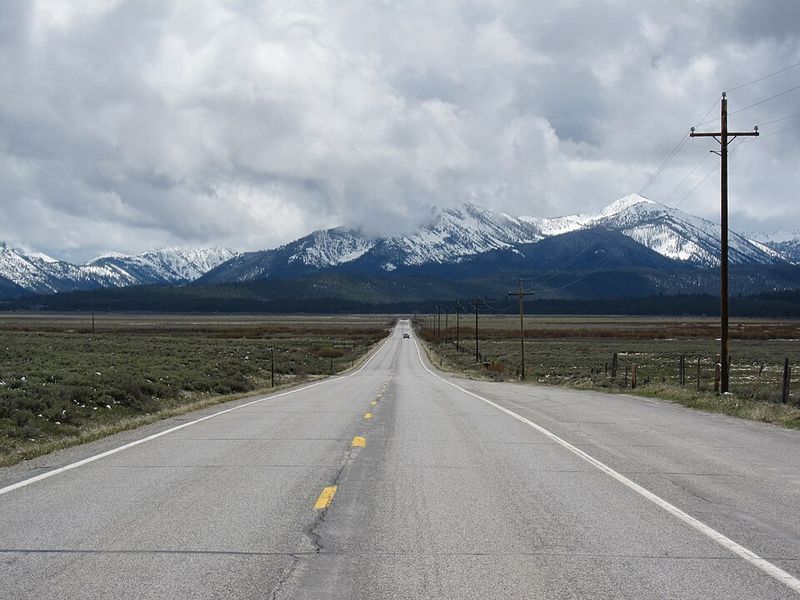
Cooler edges of the day bring the Sawtooth Valley into its best wildlife rhythm.
Near Stanley, Idaho, and along Highway 75 through the Sawtooth National Recreation Area, dawn and dusk can make meadows, river corridors, and slopes feel suddenly active after quieter midday hours.
Elk, deer, pronghorn, and other animals may move more visibly when temperatures drop and light softens, so driving slowly is both smarter and safer. This is not a place to rush between pullouts with one eye on the speedometer and the other on the peaks.
Wildlife can appear near roadsides, cross unexpectedly, or stand half-hidden at the edge of open ground. A slower pace gives drivers time to react and gives passengers a better chance of spotting movement without turning the trip into a stressful wildlife scavenger hunt.
Headlights, distance, and patience matter, especially when shadows stretch across the pavement. Visitors should pull fully off the road only where it is safe, avoid stopping in travel lanes, and never crowd animals for a photograph.
Late summer can also bring the early stirrings of the elk rut, when bugling may carry across mountain country, though timing varies by season and location. The best dawn or dusk drive near Stanley feels unhurried.
Let the valley wake up or settle down on its own schedule.
Keep Your Distance When Elk Appear Near The Grasslands
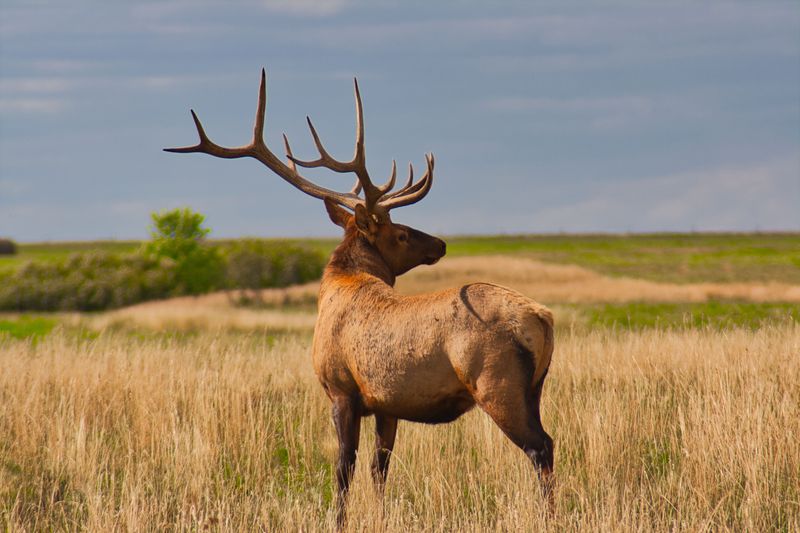
A close sighting can make people forget common sense fast. Around the Sawtooth Valley, Stanley Basin, and Highway 75 near Stanley, Idaho, elk should always be watched from a respectful distance, even when they appear calm.
Visit Idaho’s wildlife guidance recommends staying at least 75 feet from deer, elk, moose, pronghorn, bighorn sheep, and other large game, and much farther from predators such as bears, wolves, and mountain lions.
That space protects visitors and keeps animals from changing their behavior because humans got too close.
Elk are powerful, fast, and unpredictable, especially when cows have calves or when bulls become more territorial later in the season.
A good photo is never worth pushing an animal off a feeding area, blocking its path, or creating stress it did not need.
Watching from a vehicle, turnout, or distant viewpoint is often the best choice. Binoculars and zoom lenses exist for exactly this reason.
Dogs should be controlled, voices kept low, and food never offered under any circumstance. The open grasslands and slopes around the Stanley area are not a petting zoo, a staged attraction, or a private photo set.
They are working habitat. The reward for patience is a truer experience: elk behaving like wild elk, moving through Idaho country because they belong there, not because visitors forced the scene.
Watch The Sawtooth Peaks Make Every Sighting Feel Bigger
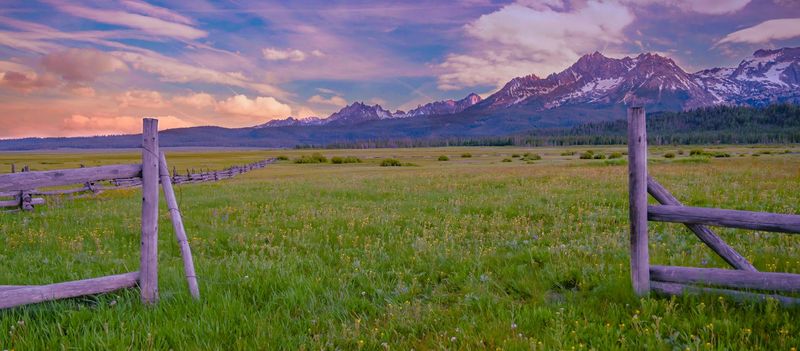
Backdrops matter, and this one is hard to beat. The Sawtooth Range rises above the Stanley Basin near Stanley, Idaho, with a jagged shape that makes even a distant wildlife sighting feel like something framed for a nature documentary.
Elk moving through an open meadow or along a far slope become more than animals in a field when those peaks are behind them.
The whole scene gains scale: soft grasses below, dark timber edges in the middle, granite ridges above, and wide Idaho sky holding it all together.
That is why visitors should give themselves time to simply stand still at safe pullouts along Highway 75 or near established recreation areas in the Sawtooth National Recreation Area.
The first hour after sunrise can be especially beautiful, with cooler shadow in the valley and warmer light touching the mountains.
Evening works its own magic as well, especially when the slopes turn gold and the peaks begin to lose detail against the sky.
Photographers will want a zoom lens for wildlife and a wider lens for the landscape, but the best tool may be patience.
Elk sightings are never promised, and the Sawtooths do not need them to be impressive. When the two line up, though, the moment feels bigger than simple wildlife watching.
It feels like Idaho showing off without saying a word.
Leave Knowing This Valley Still Belongs To The Wild
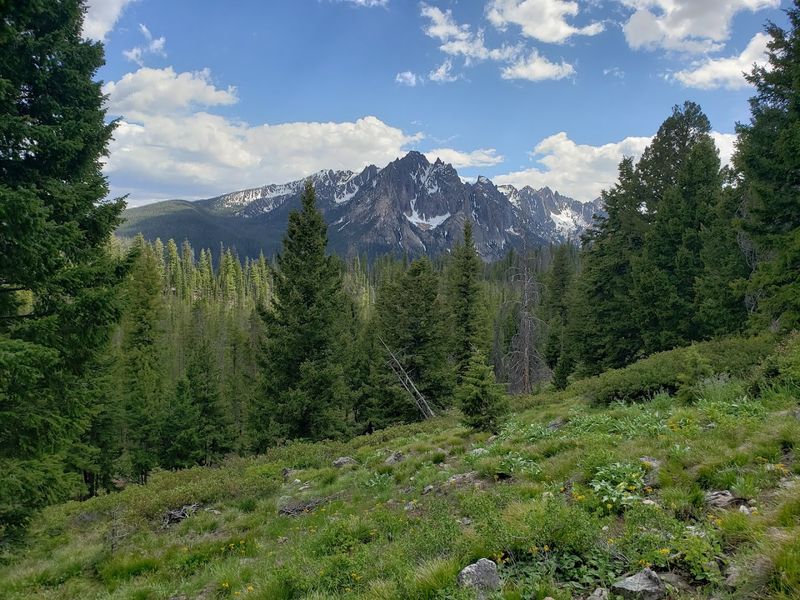
Driving away from the Stanley area should feel different if the visit went right. The Sawtooth Valley, Stanley Basin, and surrounding Sawtooth National Recreation Area near Stanley, Idaho, are not just pretty backdrops for summer photos.
They are living landscapes where elk, deer, pronghorn, birds, predators, fish, and smaller animals follow seasonal patterns that long predate any scenic road trip.
The Sawtooth National Recreation Area was created to protect natural, scenic, historic, pastoral, fish, wildlife, and recreation values. That mission shapes every stop, hike, campsite, and wildlife viewing opportunity throughout the area.
A respectful trip leaves no trash, avoids blocked roads, stays on designated routes, gives wildlife room, and resists the urge to make the experience more dramatic by getting too close. That restraint is not a limitation.
It is the reason the place still feels wild. Elk sightings around Stanley are special precisely because they are not staged.
The animals choose the meadows, slopes, and timber edges according to weather, forage, instinct, and safety, not a visitor schedule. Leaving with only photos and memories keeps the next person’s chance intact.
Idaho has plenty of scenic places, but the Sawtooth Valley delivers something deeper: a reminder that the best wild moments happen when humans behave like guests.