This Abandoned Idaho Pioneer Town Is Free To Explore, And Most People Have Never Heard Of It
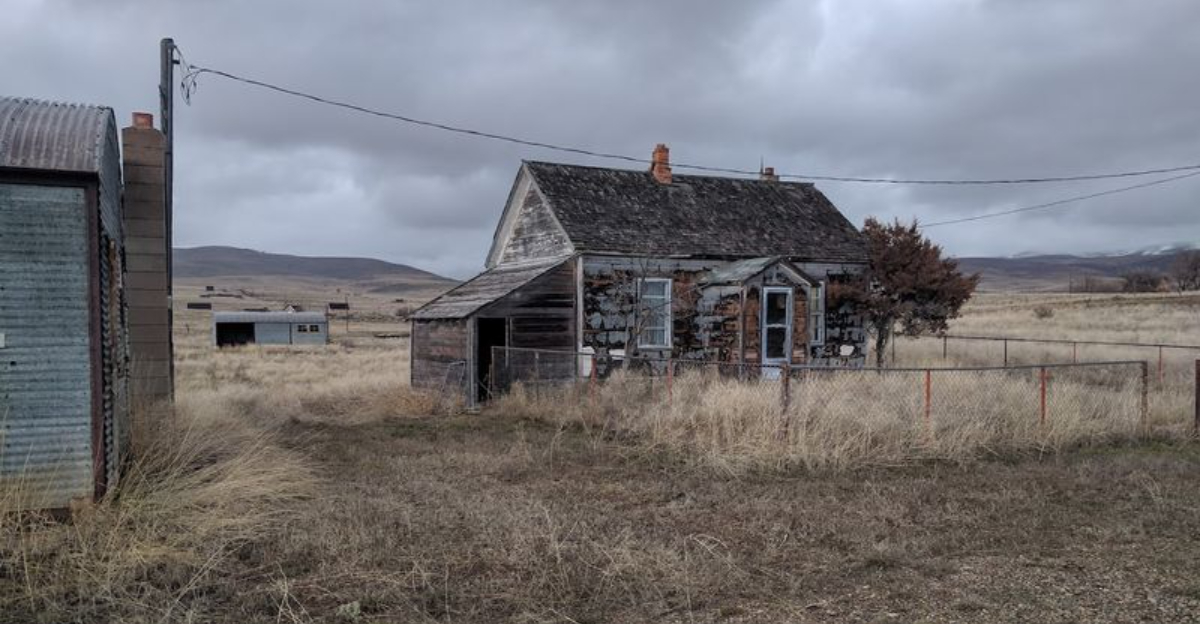
Empty towns are never as empty as they look.
Out in rural Idaho, a forgotten pioneer settlement still sits under the open sky, holding its silence a little too well.
Nearly 27 original structures remain, and the longer you look, the easier it is to imagine doors opening, footsteps crossing old floors, and voices fading just before you turn around.
Founded in 1881, this preserved ghost town feels less like a roadside history stop and more like a place that kept all its secrets.
Weathered buildings stand where families once worked, prayed, worried, and tried to survive a hard frontier life.
Nothing jumps out at you here. That is what makes it unsettling.
The stillness does the work. The empty windows do the staring.
By the time you leave, Idaho’s quiet hills may not feel quite so quiet anymore.
This Ghost Town Feels Frozen Just Off The Modern Road
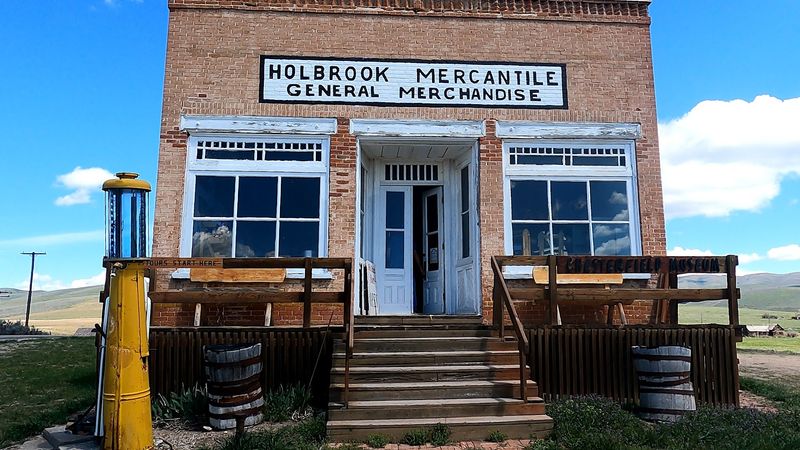
A turn onto Chesterfield Road can make the present feel like it thins out fast.
Historic Chesterfield Townsite sits at 3123 Chesterfield Road in Caribou County, not far from the agricultural landscapes and mountain-rimmed valleys that shaped early settlement in the region.
The town was founded by Mormon pioneers around 1880 or 1881, and its remaining buildings tell the story of a community that once had homes, shops, church life, entertainment, farming, and hard winters to survive.
What makes the place so striking is how complete it still feels compared with many ghost towns that have been reduced to a foundation and a good imagination.
Chesterfield’s decline came as transportation patterns changed, economic pressures mounted, and families gradually moved elsewhere. The Oregon Short Line Railroad bypassing the settlement hurt its prospects, while the agricultural depression of the 1920s and 1930s added more strain.
Yet the town did not vanish. Brick buildings, restored homes, and open streets stayed behind, giving visitors a rare chance to stand inside a pioneer town that still has a readable layout.
The silence is not empty here. It feels like the town is waiting for someone to ask the right questions.
Free Tours Make The Old Buildings Feel Personal
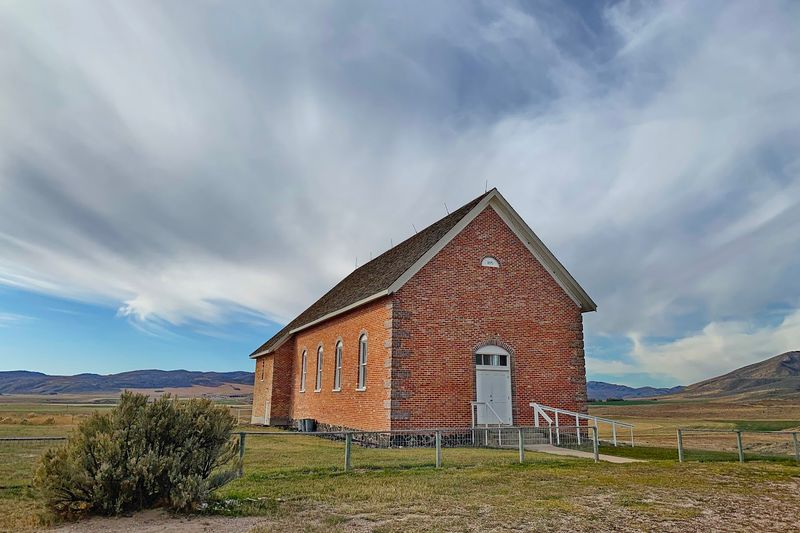
Volunteer guides turn Chesterfield from a pretty old townsite into a place with names, families, work, and daily routines attached to every doorway.
Free tours begin at the Brick Store in the center of the townsite. Seasonal hours run from Memorial Day through Labor Day, Monday through Saturday from 10 a.m. to 6 p.m., with the final tour starting by 4:30 p.m.
That structure makes the visit easy to plan, especially for travelers already exploring Lava Hot Springs, Soda Springs, or the Pioneer Historic Byway.
Groups and visitors with specific scheduling needs should contact the site ahead of time, since volunteers help keep the whole experience running.
The best part is how conversational the tour can feel. Instead of only reading signs and guessing at the past, visitors hear about the people who lived in the homes, worshipped in the meetinghouse, stored goods, gathered for events, raised children, and tried to keep a remote settlement going.
Free admission also gives the place a refreshingly generous spirit. Donations are always a kind idea when available, because restoration and maintenance take real work.
Still, the fact that anyone can come learn here without a ticket barrier makes Chesterfield feel even more welcoming.
The Oregon Trail History Runs Right Through The Story
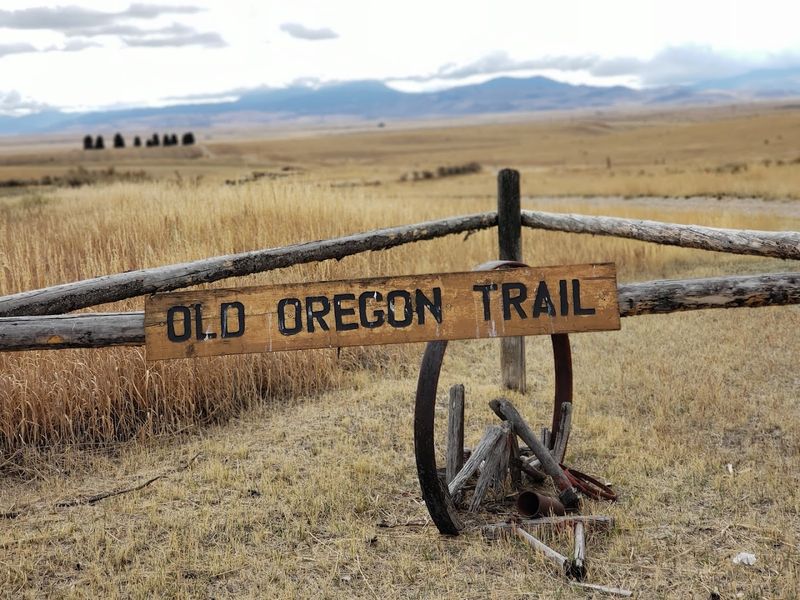
Long before Chesterfield became a settled village, movement through this part of Idaho was already shaping the region’s history.
The townsite sits along the Oregon Trail corridor, between Lava Hot Springs and Soda Springs, where emigrants, traders, and travelers passed through on demanding journeys west.
That layered backdrop makes the settlement feel bigger than its own buildings. Chesterfield was not just an isolated Mormon pioneer town dropped randomly into the hills.
It belonged to a landscape already marked by migration, hardship, and the search for workable routes through the interior West.
The village itself was established by Latter-day Saint settlers who were building agricultural communities across the region, and the Oregon Trail connection adds another dimension to the story.
Visitors can stand in the quiet valley and imagine wagon traffic, frontier families, livestock, weather, illness, scarcity, and the enormous effort it took to turn a stopping place or settlement into something stable.
The restored buildings make that history easier to feel because they bring the story down to a human scale.
Big trail narratives can sound abstract until there is a kitchen, a store, a church, or a meeting hall in front of you. Chesterfield gives the Oregon Trail story walls, windows, and footsteps.
You Notice The Restored Homes Before The Silence Sinks In
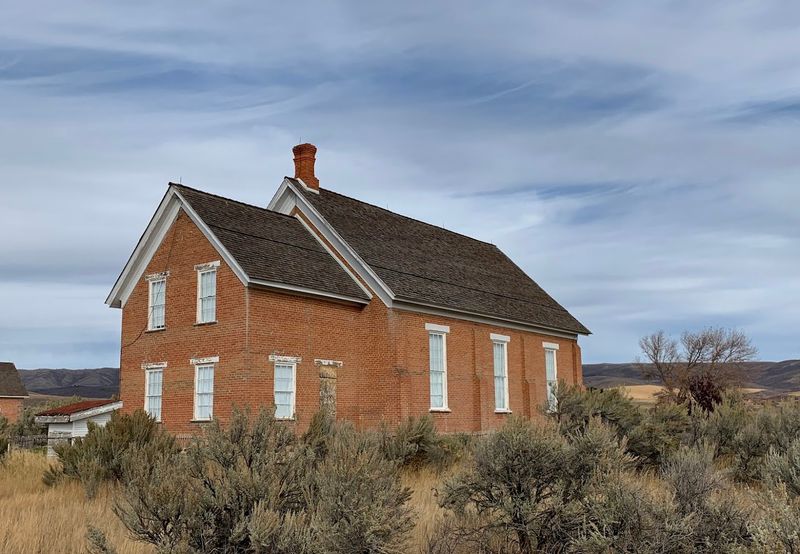
Restoration is the reason Chesterfield still feels like a town instead of a scattered ruin. Many of the buildings were constructed between 1884 and 1904, and a surprising number were made of brick, which helped them survive better than more fragile frontier structures.
Over time, the Chesterfield Foundation and volunteers have worked to preserve, stabilize, and restore the townsite so visitors can understand how the community once functioned. The result is not glossy or artificial.
It still feels old, quiet, and weathered, but in a way that lets the buildings speak clearly. Former homes, the LDS Meetinghouse, the Amusement Hall, the Tithing Office, and the Brick Store all help create the sense of a complete settlement.
Some interiors hold artifacts, furnishings, tools, quilts, photographs, and details that connect the structures to real people rather than leaving them as empty shells. That emotional weight builds slowly.
At first, visitors may notice brickwork, doors, windows, and paint. Then the silence settles in, and the buildings begin to feel less like exhibits and more like evidence of people who made lives in a hard place.
Idaho has many scenic stops, but Chesterfield’s restored homes offer a different kind of beauty: survival made visible.
Twenty-Seven Original Structures Give The Town Its Shape
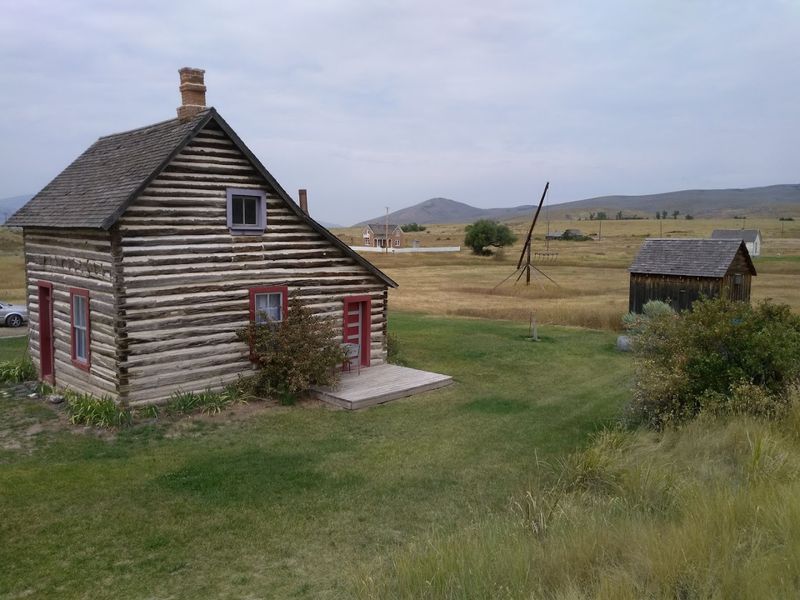
Scale is what separates Chesterfield from many ghost towns. The site includes 27 original structures, and that number matters because it lets visitors experience more than one isolated building.
A house alone can tell one story. A preserved townsite tells many at once.
Chesterfield’s structures form a community layout, with homes, civic spaces, religious buildings, commercial buildings, and gathering places all contributing to the picture.
The town is listed on the National Register as a Historic District, reflecting the significance of what remains and the rarity of the preserved settlement.
Walking from one building to another gives visitors a sense of how daily life might have moved: from home to store, from church to meeting hall, from work to community events. The townsite is not crowded with modern distractions, which helps the old layout feel even stronger.
Open land, distant views, and wide sky surround the structures, giving the place the scale early settlers would have known. For history lovers, that completeness is the reward.
Instead of relying on imagination alone, visitors can see the physical pieces of a pioneer community still arranged in relation to one another. Chesterfield feels memorable because the town did not just leave a trace.
It left a shape.
Gem Valley Makes The Setting Feel Wider Than Expected
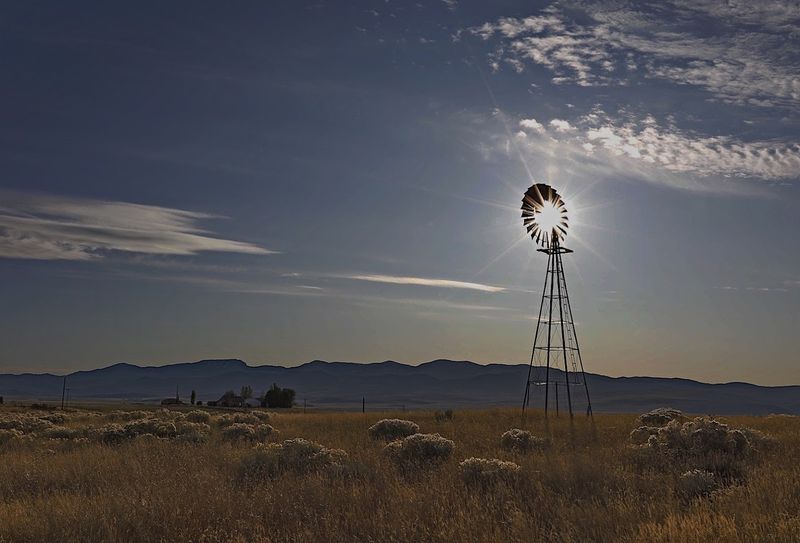
Open country gives Chesterfield much of its atmosphere before visitors even step inside a building.
Historic Chesterfield Townsite sits in the foothills of the Portneuf Valley region within southeastern Idaho’s Gem Valley landscape. Open fields, low hills, and mountain horizons give the preserved buildings a striking sense of isolation and self-reliance.
Modern development does not press tightly around the site, which helps protect the feeling of distance. That matters because pioneer history makes more sense when the landscape is still allowed to look big.
The setting helps visitors understand why settlement required stubbornness, cooperation, and a serious tolerance for weather. Winters could be harsh, travel was not easy, and farming depended on both work and luck.
Views across the valley also make the visit feel less like a museum stop and more like a historical landscape. The buildings are important, but the space around them explains just as much.
Standing near the restored structures and looking outward, it becomes easier to imagine the isolation early families faced and the beauty that may have kept them attached to the place anyway. Chesterfield’s scenery is not background decoration.
It is part of the story, and it makes the whole town feel wider, quieter, and more powerful.
Summer Visits Bring Chesterfield Back To Life
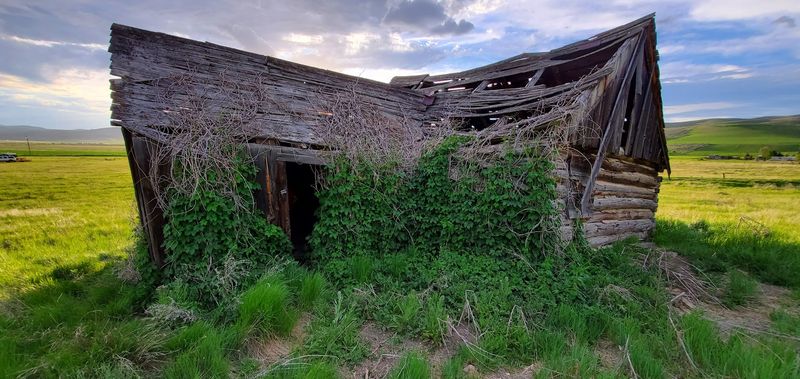
Seasonal opening gives Chesterfield its best visiting rhythm. The official site lists the townsite as open from Memorial Day through Labor Day, Monday through Saturday from 10 a.m. to 6 p.m., with Sunday closed.
That summer window is when guided tours, open buildings, volunteer interpretation, and special events make the site feel most alive.
Historic Chesterfield Townsite opens each Memorial Day in honor of the Chesterfield pioneers. Seasonal programming can include music, demonstrations, wagon rides, food, and other family-friendly activities depending on the year.
Those events help visitors understand the town in a more hands-on way. Butter making, rope making, old-time music, or a gathering in the Amusement Hall can turn abstract pioneer life into something visitors can smell, hear, and watch.
Even on quieter summer days, the open buildings and guided tours make the experience much richer than simply walking past exteriors.
Families should bring water, sun protection, and enough time to avoid rushing through the site.
Chesterfield rewards curiosity, especially when volunteers are available to share stories. The town may be abandoned in the residential sense, but during the summer season it does not feel dead.
It feels remembered.
This Pioneer Town Turns A Quiet Detour Into A Time Capsule
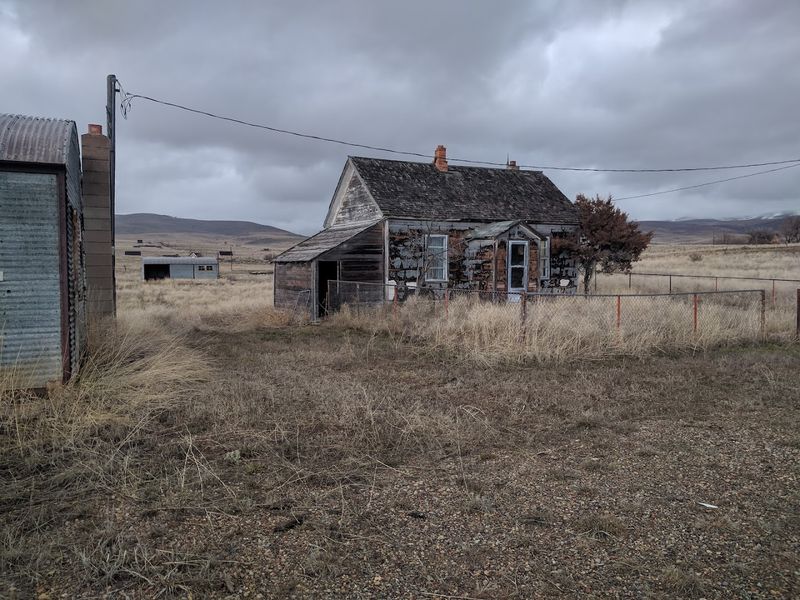
Road-trippers who make the turn toward Chesterfield get something different from the usual scenic pullout. What waits at 3123 Chesterfield Road is not a replica village or a themed attraction built to look old.
It is a preserved pioneer townsite shaped by real families, real hardship, and decades of restoration work. Free tours, original buildings, open valley views, and Oregon Trail history combine into a stop that feels far more meaningful than its low-key profile suggests.
The lack of crowds can be part of the appeal. Visitors can walk slowly, listen to the wind, study the buildings, ask questions, and let the place feel quiet without needing constant entertainment.
That calm makes the human history stand out more clearly. People built homes here, raised children here, gathered for worship and dances here, stored goods here, and eventually left when life moved elsewhere.
Chesterfield remains because enough people decided the story was worth saving. Idaho has lava fields, hot springs, mountain lakes, and big scenic drives, but this townsite offers a rarer kind of travel reward.
It gives history a place to stand. A detour here does not feel like a side trip for long.
It starts feeling like the point.