10 Central California Bike Trails That Feel Like Secret Getaways Worth Discovering In 2026
A good bike trail can make the rest of the world disappear faster than expected.
One turn leaves traffic behind. Another opens onto quiet farmland, coastal bluffs, or long stretches where the loudest sound is the rhythm of tires over pavement.
The miles still count, but they stop feeling like a workout and start resembling an escape.
Central California rewards riders who know where to look beyond the busiest paths.
These routes offer room to breathe and enough variety to suit relaxed cruisers as well as cyclists chasing a longer adventure.
A few feel wonderfully removed despite being close to town, while others make the journey itself the best part of the day.
Ever finished a ride and immediately wished the trail kept going? That feeling is more than common here.
1. Monterey Bay Coastal Recreation Trail, Castroville to Pacific Grove
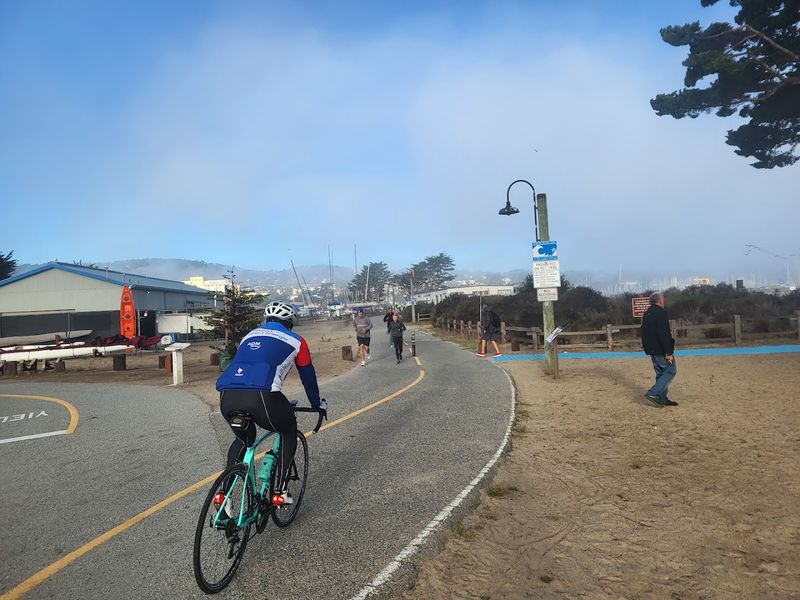
Few bike trails in California offer the combination of marine wildlife, coastal scenery, and historical depth that this paved pathway delivers across roughly 18 to 19 miles of shoreline.
Following the former Southern Pacific Railroad route, the trail connects communities from Castroville in the north down to Pacific Grove in the south, passing through Marina, Seaside, and Monterey along the way.
The northern sections near Fort Ord Dunes State Park tend to feel noticeably quieter and more immersive, threading through impressive sand dunes and eucalyptus groves with wide-open views of the bay.
Seasonal wildlife sightings add real excitement to the ride, with gray whales and orcas commonly spotted from December through May and humpback whales appearing from May through November.
Sea otters, sea lions, and a variety of shorebirds can also be observed throughout the year.
Riders passing through Monterey and Pacific Grove will encounter Cannery Row, Fisherman’s Wharf, and Lover’s Point Park, each offering a distinct atmosphere and a reason to pause.
Visitors should note that ongoing construction between Marina and Sand City, expected to continue through spring 2028, may cause temporary closures and detours, so checking for current trail advisories before heading out is strongly recommended.
2. Kern River Parkway Trail, Bakersfield
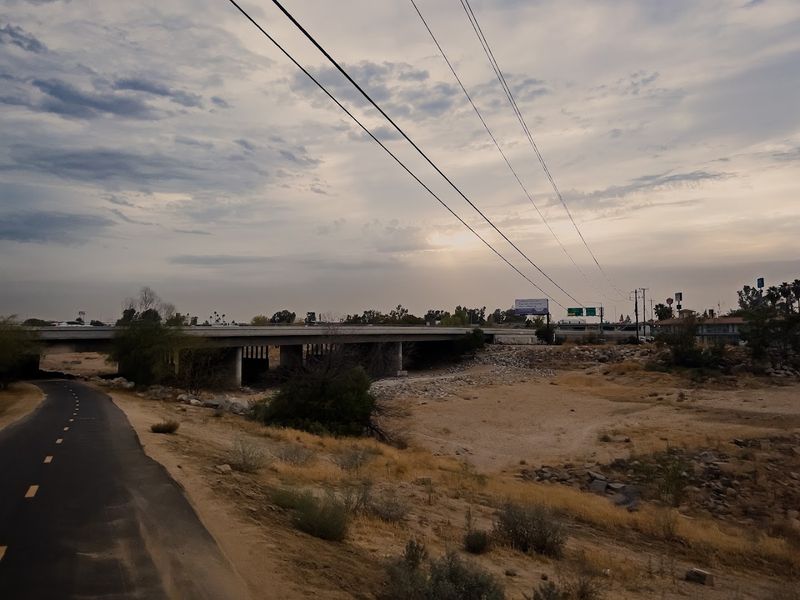
Stretching approximately 30 miles through Bakersfield, the Kern River Parkway Trail is one of the longest urban trail systems in the San Joaquin Valley.
It consistently surprises first-time visitors with how natural it feels despite being surrounded by city infrastructure.
The trail follows the course of the Kern River, offering a mix of shaded sections beneath mature cottonwood and willow trees and open stretches where the valley sky feels enormous overhead.
Local birdlife is abundant along the riverbanks, and the sound of moving water provides a grounding sense of calm throughout the ride.
The terrain is predominantly flat and the surface mostly paved, making it accessible for a wide range of users from young children to older adults seeking a low-impact outdoor experience.
Points of interest along the route include several local parks and picnic areas, which offer natural stopping points for longer rides.
Panorama Park serves as a well-known access point with parking and basic amenities nearby.
Summer temperatures in Bakersfield can climb significantly, so early morning or evening rides are strongly advisable during the warmer months.
Spring and fall bring more comfortable conditions and are widely considered the best seasons for exploring the full length of this trail system at a relaxed, enjoyable pace.
3. Fort Ord National Monument Trails, Marina and Salinas
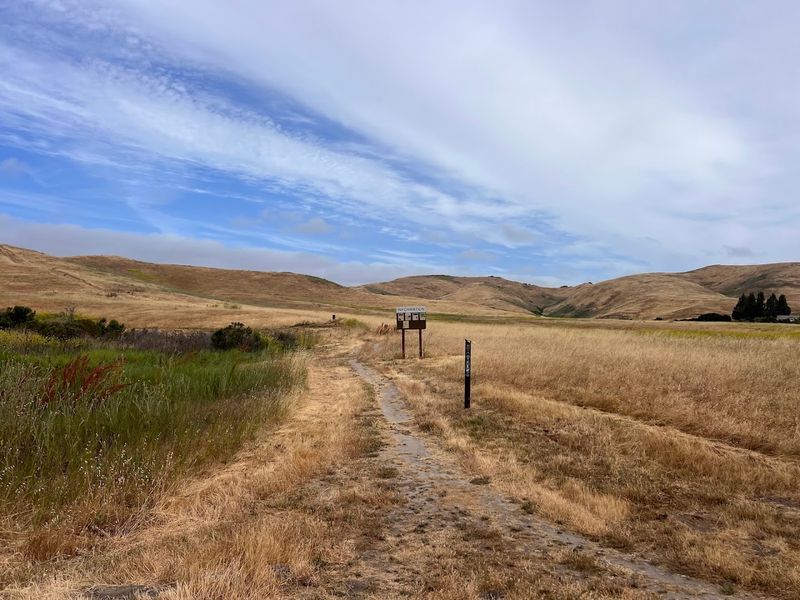
Covering a vast expanse of former military land between Marina and Salinas, Fort Ord National Monument contains over 86 miles of trails that range from wide gravel fire roads to tight, technical singletrack through dense chaparral.
The terrain rolls through open grasslands, oak woodlands, and maritime scrub, with occasional distant glimpses of Monterey Bay appearing through breaks in the vegetation.
That combination of wildness and scale gives the monument a genuinely remote feeling, even though it sits close to developed communities along the central coast.
The historical dimension of the land adds a layer of texture that most trails lack, with remnants of the former Army base occasionally visible as riders move deeper into the interior.
Wildlife sightings including deer, coyotes, and raptors are fairly common, particularly during early morning hours when the trails are quietest.
Spring brings vibrant wildflower displays across the open areas, making that season especially rewarding for those willing to explore beyond the main access routes.
Riders should carry adequate water since services are sparse throughout much of the monument, and summer heat on exposed sections can be intense, making early starts essential during warmer months.
4. Wilder Ranch State Park Trails, Santa Cruz
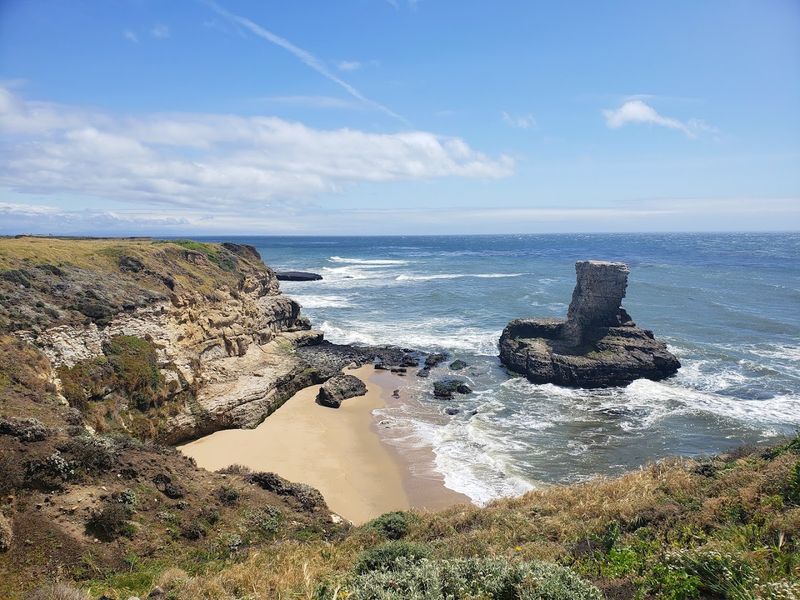
Wilder Ranch State Park packs an unusual combination into its more than 34 miles of trails, blending rugged coastal bluff riding with a journey through a preserved 19th-century agricultural landscape.
The lower coastal terraces offer relatively flat riding with sweeping views of the Pacific, while the upland routes climb into redwood-shaded terrain that feels distinctly different in texture and mood.
That variety within a single park makes it possible to tailor the experience significantly depending on how much effort and time is available.
The historic ranch complex near the trailhead features Victorian-era homes, barns, and outbuildings that have been carefully preserved, offering a sense of stepping into a different era before the trails pull riders back into the natural world.
Coastal trails carry the constant sound of breaking waves, while the forested upper routes shift to the quiet rustle of leaves and birdsong.
Wildlife including deer, rabbits, and numerous bird species can be spotted throughout the park depending on the time of day and chosen route.
The park is open year-round from 8 AM to sunset, and weekday visits generally offer a more uncrowded experience, particularly on the upper trails where foot and wheel traffic tends to thin out considerably.
5. Clovis Old Town Trail, Clovis
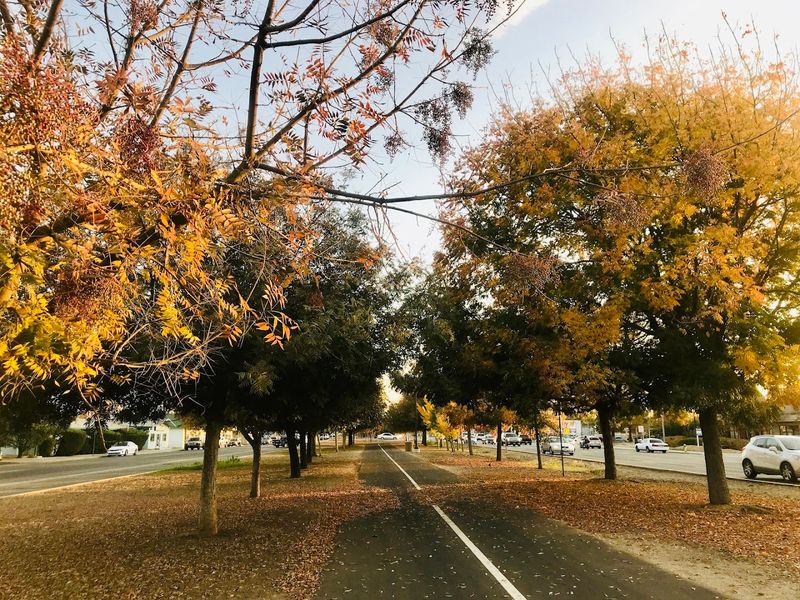
Winding for roughly 3.5 miles through the historic core of Clovis, this paved trail does something most bike paths do not attempt: it routes riders directly through the personality of the town rather than around it.
Quaint storefronts, public art installations, and historic markers line the corridor, creating a ride that functions as a moving tour of local character and community identity.
The smooth, flat asphalt makes the physical experience effortless, which leaves plenty of mental space to absorb the surroundings at a leisurely pace.
Old Town Clovis has a distinct small-town atmosphere that feels unhurried and genuinely welcoming, and the trail captures that mood well.
Local eateries and specialty shops are within easy reach, making it practical to stop mid-ride for a snack or to browse.
The sounds of community life blend naturally with the experience, giving the trail a lively but never overwhelming energy that differs noticeably from more isolated nature paths.
The trail connects into the larger Clovis trail network, offering options for riders who want to extend beyond the historic district.
Weekday mornings tend to be quieter, while weekend afternoons bring more foot traffic and a livelier street atmosphere throughout the Old Town area.
6. Sugar Pine Trail, Fresno and Clovis
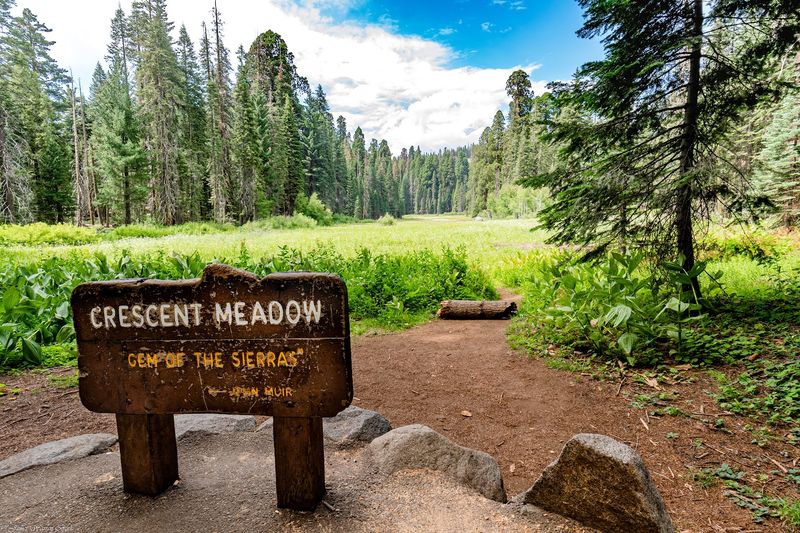
Stretching approximately 4.2 miles between Fresno and Clovis, the Sugar Pine Trail earns its reputation as a neighborhood favorite through the kind of quiet charm that does not announce itself loudly but keeps people coming back.
The path runs through a naturalized corridor flanked by mature trees whose canopy provides meaningful shade during warmer months, creating a tunnel of green that softens the experience of riding through a suburban environment.
That tree cover is the defining sensory detail here, turning what could feel like an ordinary urban path into something closer to a greenway retreat.
The surface is smooth asphalt throughout and the grade is flat, which means the trail is genuinely accessible for a broad range of riders without requiring any special equipment or fitness level.
Birdsong is a near-constant companion along the route, adding an organic soundtrack that reinforces the naturalized feel of the corridor.
The trail connects residential areas on both sides of the Fresno-Clovis border, making it a practical commuting option as well as a recreational one.
Access points are spread along the route near intersecting streets and neighborhood parks, with street parking typically available nearby.
Restrooms are not consistently found directly on the trail, so planning accordingly before heading out is worthwhile.
7. Santa Maria River Levee Trail, Santa Maria
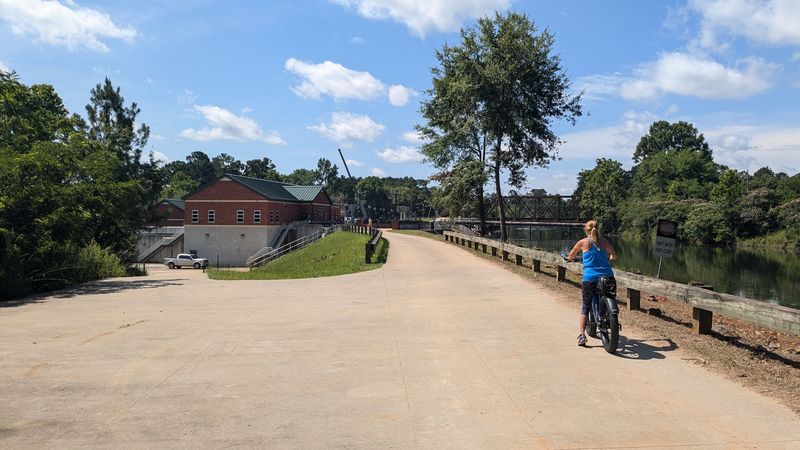
For riders who prefer their trails unpolished and their scenery expansive, the Santa Maria River Levee Trail delivers a distinctly raw Central California experience that paved paths simply cannot replicate.
Running along the top of the levee beside the Santa Maria River, the route offers wide-open views of the river floodplain, agricultural fields, and distant hills that stretch out under a broad valley sky.
The unpaved surface of dirt and gravel means this trail suits mountain bikes, gravel bikes, and hybrid bikes best, with standard road bikes likely finding the terrain uncomfortable.
The natural environment along the route is rich with riparian vegetation and birdlife, and the sounds of the river and wind through the surrounding vegetation create an atmosphere of genuine solitude.
Very few formal amenities exist along this trail, which is precisely what gives it the feel of a secret getaway rather than a managed recreational facility.
The absence of crowds, especially on weekdays, amplifies that sense of having found something most visitors overlook entirely.
Access to the levee is possible from various points where public roads meet the river corridor, often with informal roadside parking available.
Conditions on this trail can change significantly after heavy rainfall, with muddy or impassable sections possible in winter and early spring.
8. Salinas River Walk, Paso Robles
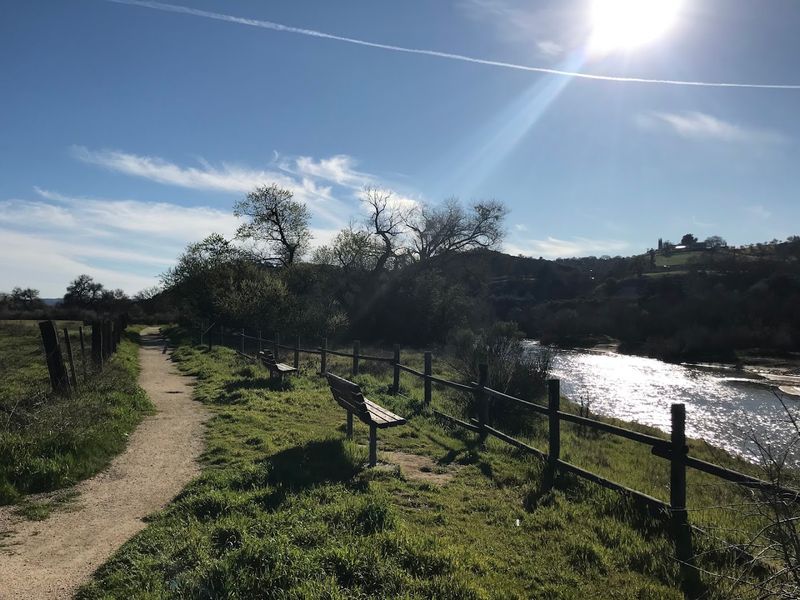
Alongside the Salinas River as it winds through the agricultural heart of Paso Robles wine country, the Salinas River Walk offers a quieter alternative to the region’s more polished recreational options.
The trail follows an unpaved surface of dirt and gravel along the riverbank, making it best suited for mountain bikes, gravel bikes, or hybrid setups rather than road bikes.
That natural surface contributes directly to the trail’s appeal, giving it a rugged, unmanaged quality that feels genuinely off the beaten path.
Oak woodlands and riparian vegetation shade portions of the route, while open stretches reveal broad views of the surrounding agricultural landscape and distant ridgelines.
The sounds of the river and the calls of local birds create a consistently peaceful atmosphere that rewards a slow, observational pace.
Wildlife activity along the corridor tends to be most visible in the early morning hours before the day heats up and activity quiets down.
A useful reference point for access is near the vicinity of Navajo Creek Park though additional informal entry points exist along the river corridor.
Conditions after significant rainfall can make sections muddy or temporarily impassable, so checking local conditions before visiting is a sensible precaution.
9. Cloister Walk, Morro Bay
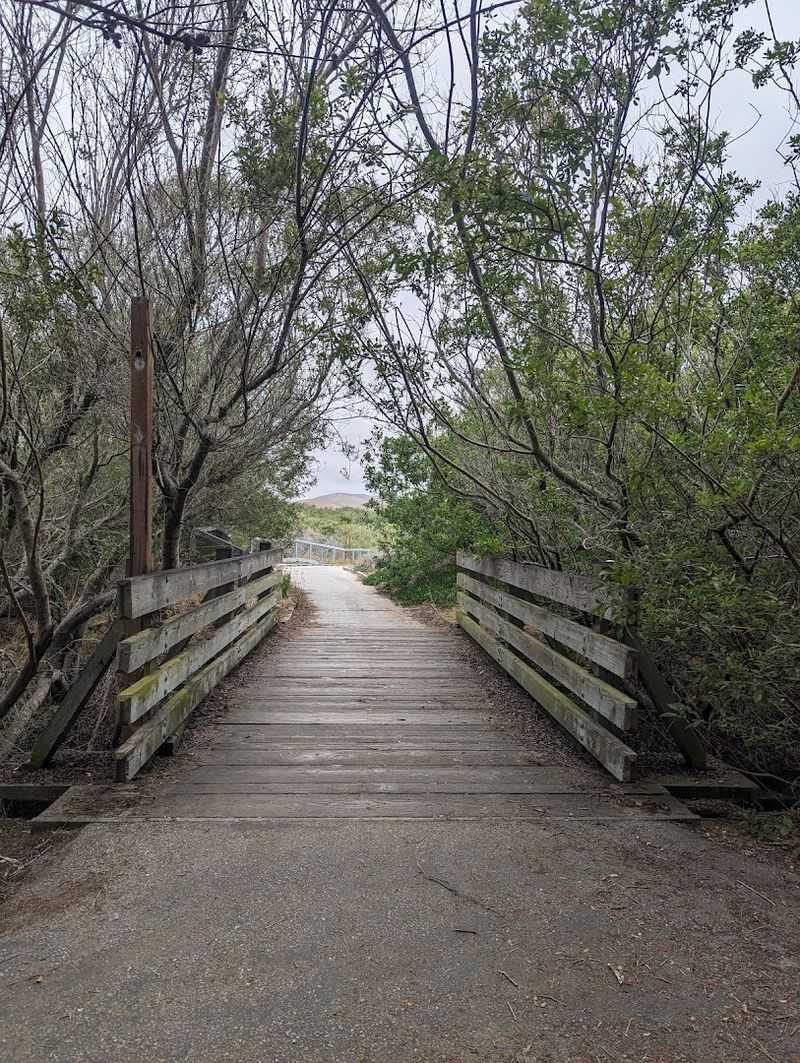
Riding along the Embarcadero in Morro Bay with the massive volcanic plug of Morro Rock filling the horizon is the kind of experience that stays with a person long after the ride ends.
The Cloister Walk hugs the waterfront on a flat, well-maintained paved surface, offering continuous views of the bay, the harbor, and the distinctive 576-foot rock that defines the town’s skyline.
The acoustic backdrop of gentle waves, calling gulls, and the soft clanging of boat rigging creates a sensory environment that feels almost curated in its peacefulness.
Sea otters floating in the bay, harbor seals hauled out on rocks, and a remarkable variety of shorebirds are regular sights along this route, making the trail as rewarding for wildlife observation as it is for cycling.
The path connects naturally to the broader Embarcadero area, where art galleries, casual seafood spots, and local shops are all within easy reach for a post-ride exploration.
The flat grade and wide, smooth surface make the trail accessible for virtually any rider or walker regardless of fitness level or equipment.
Parking along the Embarcadero is generally available, and a useful orientation point is near the Morro Bay Maritime Museum which sits centrally along the trail corridor.
10. Woodward Park Bike Trails, Fresno
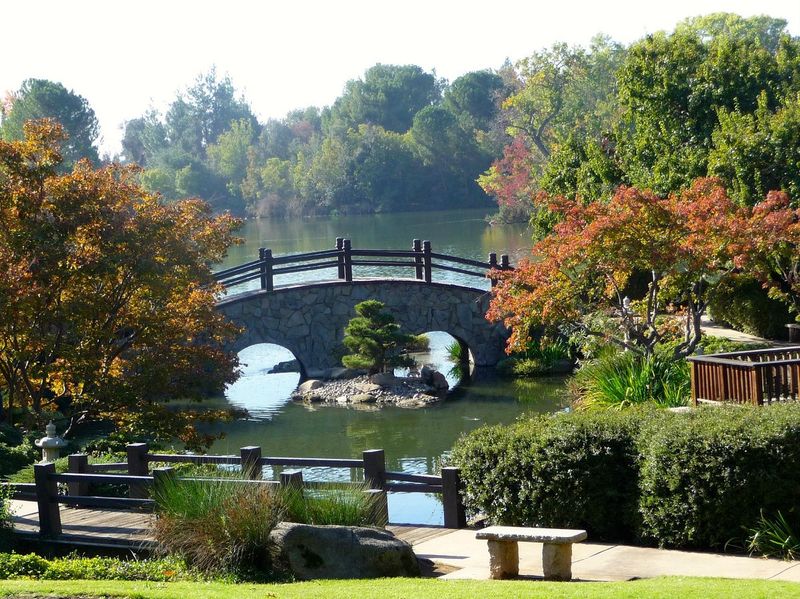
Spread across 300 acres on the northern edge of Fresno, Woodward Park offers a trail network that manages to feel genuinely varied within a single urban park setting.
Paved loops wind past a Japanese garden, a large lake, and open meadows, while dirt and gravel paths branch off into more wooded sections that cater to riders looking for something with a bit more texture and unpredictability.
The layered landscape means that two different rides through the park can feel noticeably distinct depending on which routes are chosen.
The sounds inside the park shift from the laughter of picnickers and children near the main amenities to the quieter rustle of leaves and birdsong on the more secluded interior trails.
A bird sanctuary within the park adds an extra draw for nature-oriented visitors, and the dog park nearby keeps the overall atmosphere lively and community-oriented without feeling crowded or chaotic.
The internal trails also connect directly to the Lewis S. Eaton Trail, making it easy to extend a ride along the San Joaquin River for those who want more distance.
The park operates year-round with set hours, and weekday mornings offer the most serene riding conditions, particularly on the interior paths.