California’s 12 Best Places To Hunt For Fossils, Sea Glass, And Other Natural Treasures
Some of the best California souvenirs were never sold in a gift shop.
They are discovered instead – half-buried in the sand, hidden between coastal rocks, or resting quietly where countless visitors have walked without ever noticing them.
Finding one takes a little patience and just enough curiosity to wander off the obvious path. The hunt can be every bit as rewarding as the discovery itself.
One beach may reveal smooth pieces of colorful sea glass. Another rewards careful searching with ancient fossils or unusual stones shaped by years of wind and water.
No two outings feel exactly alike, which is part of the appeal.
Have you ever spotted something so unexpected that the entire walk suddenly became more exciting?
That feeling keeps treasure hunters coming back.
1. Ernst Quarries at Sharktooth Hill, Bakersfield
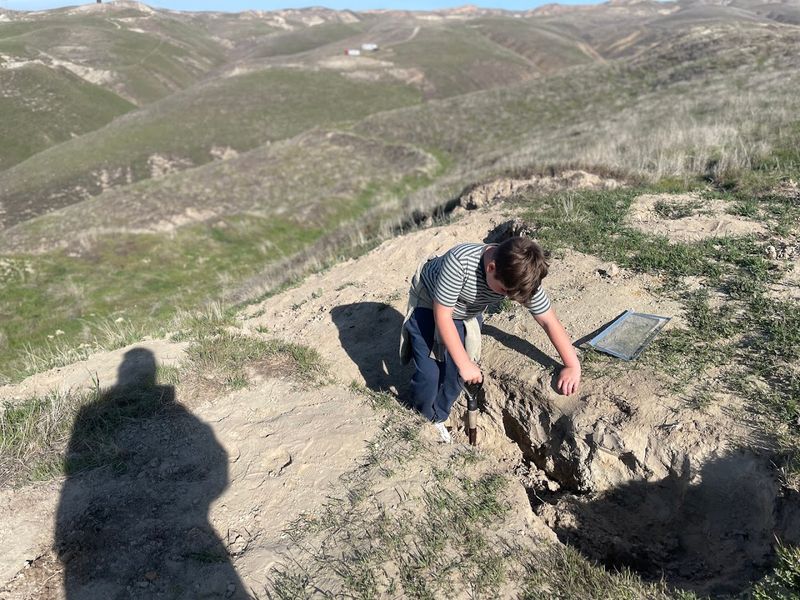
Digging into a hillside and pulling out a fossilized shark tooth that is over ten million years old is the kind of experience that stays with a person for life.
Sharktooth Hill near Bakersfield sits atop one of the most densely packed Miocene marine fossil deposits anywhere on Earth, with specimens representing around 140 different vertebrate species.
The bonebed can contain hundreds of fossils per cubic yard, including shark teeth from species like Megalodon and Mako, ray plates, and whale bones.
Access is managed through the Ernst Quarries, which operates on select Thursdays through Saturdays by reservation only.
Participants meet at a staging area between 7:45 AM and 8:15 AM to caravan to the property, and digging tools are provided on-site.
Visitors are generally allowed to keep everything they find, with the exception of scientifically significant specimens such as skulls or articulated bone assemblages.
Children must be at least ten years old to participate, and cash or checks are the accepted forms of payment.
Valley Fever is a genuine health consideration at this site, so wearing a dust mask while digging is strongly recommended.
Arriving prepared with sturdy shoes and sun protection makes the experience considerably more comfortable.
2. Fossil Discovery Center of Madera County, Chowchilla
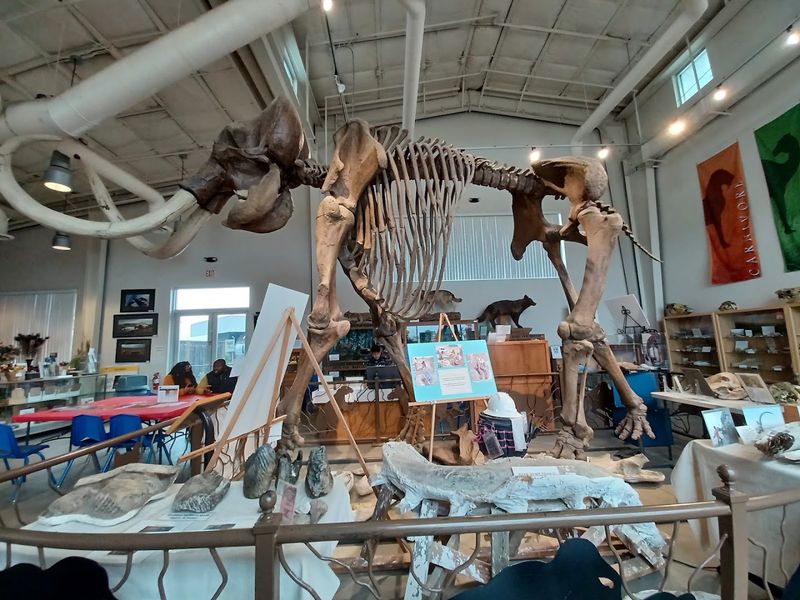
Standing face to face with a mammoth skeleton has a way of making deep time feel suddenly very real.
The Fossil Discovery Center of Madera County in Chowchilla is dedicated to preserving and interpreting the remarkable Pleistocene fossils unearthed during the construction of the Temperance Flat Dam project.
The collection includes remains from woolly mammoths, saber-toothed cats, dire wolves, ground sloths, camels, and horses, offering a sweeping look at the Ice Age megafauna that once roamed central California.
Located at 19450 Avenue 18 1/2, Chowchilla, CA 93610, the center functions as both a working paleontology lab and a public museum, so visitors may sometimes catch scientists actively preparing fossils behind glass.
Exhibits are designed to be accessible and engaging for visitors of all ages, making it a solid choice for families, school groups, or anyone fascinated by prehistoric life.
Hours of operation can vary by season, so checking the official website before visiting is a smart move.
The center sits in a relatively rural part of the San Joaquin Valley, so planning the trip as part of a longer Central California itinerary tends to make the most of the drive. Admission pricing is generally modest.
3. Wiley’s Well District Geode Beds, Near Blythe
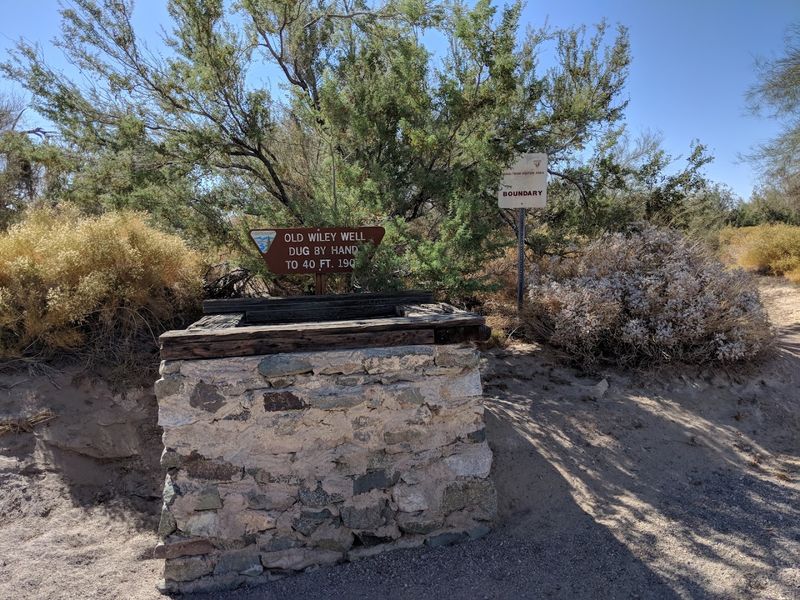
Cracking open a plain-looking rock to reveal a cavity full of glittering crystals is one of the most satisfying surprises in rockhounding.
The Wiley’s Well District Geode Beds near Blythe sit on Bureau of Land Management land in the southeastern California desert, giving the public free access to one of the most productive geode-collecting regions in the western US.
Collectors can find geodes, chalcedony roses, quartz crystals, jasper nodules, and occasionally ancient fossils scattered across the desert washes.
BLM regulations generally allow personal collecting of up to 25 pounds per day plus one piece, with an annual cap of 250 pounds using only hand tools.
High-clearance four-wheel-drive vehicles are strongly recommended, as the access roads can be sandy and deeply rutted.
Cell service is sparse, so downloading offline maps before heading out is a practical precaution.
The best window for visiting runs from late fall through early spring, when daytime temperatures are manageable rather than dangerous.
Bringing far more water than expected is not an overstatement here, as the desert environment is unforgiving.
Dispersed camping on BLM land in the area is permitted and allows for multi-day collecting trips that cover a much wider stretch of ground.
4. Hauser Geode Beds, Near Blythe
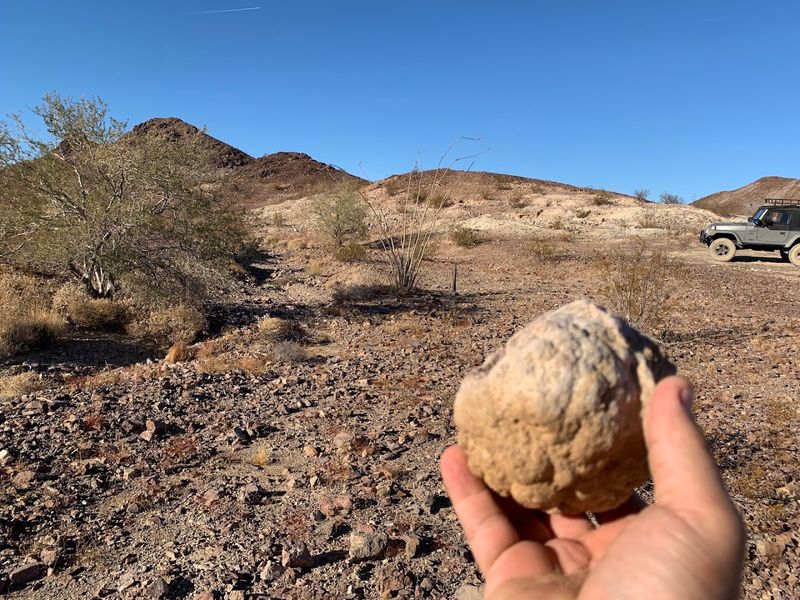
Just a short distance from the Wiley’s Well area, the Hauser Geode Beds have earned a reputation as one of the premier geode-hunting destinations in the entire country.
In the rocky desert terrain of Imperial County near Blythe, this BLM-managed site produces geodes lined with quartz, agate, and chalcedony in a range of sizes and crystal formations.
Some geodes crack open to reveal pale lavender or milky white interiors, while others display dramatic banding patterns.
Getting to the Hauser Beds requires navigating unpaved desert roads, and a four-wheel-drive vehicle with good clearance is essentially a necessity rather than a luxury.
Visitors should also be aware that portions of the surrounding land belong to private owners or conservation areas where collecting is not permitted, so paying close attention to posted signs is important.
The BLM collecting rules that apply to Wiley’s Well generally apply here as well, capping personal collection at 25 pounds per day.
Arriving early in the morning allows for cooler digging conditions and more time to work the washes before afternoon heat sets in.
Experienced collectors often recommend bringing a rock pick, a small pry bar, and sturdy gloves.
The surrounding desert scenery adds a genuine sense of remoteness to the hunt that many collectors find deeply satisfying.
5. Benitoite Mining Company, Near Coalinga
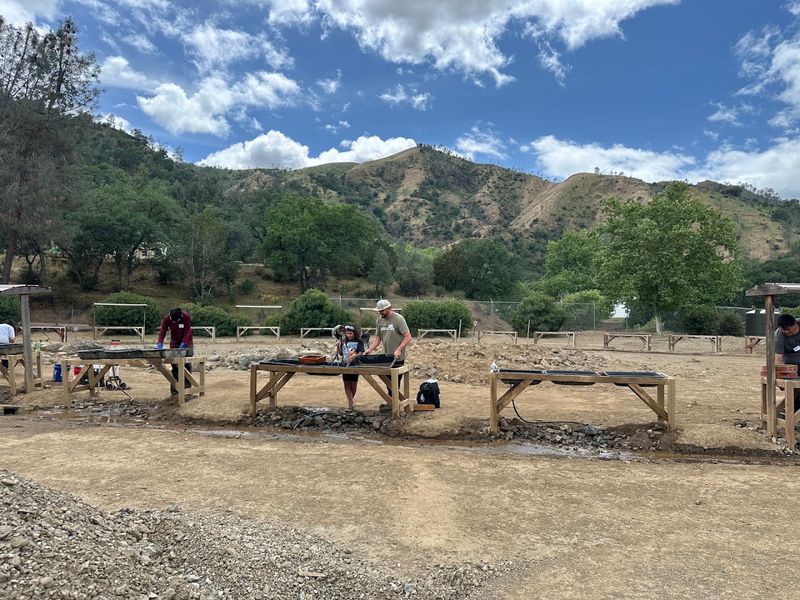
California’s official state gemstone glows a vivid electric blue under ultraviolet light, and tracking one down in person is an experience that rockhound enthusiasts describe as genuinely unforgettable.
The Benitoite Mining Company offers public access to screened material from the historic San Benito mine, where collectors can sift through rock and soil in search of benitoite crystals, neptunite, natrolite, and other rare minerals.
The mine itself is not open to visitors due to safety concerns, but the screening field provides a real and productive alternative.
The facility at The Historic Old Road Camp, 48242 Los Gatos Rd, Coalinga, CA 93210 operates by reservation only, typically on select days from 9 AM to 3 PM.
Admission includes screens, shovels, washing tables, and a quart-sized bag for keeping finds.
A UV identification room on-site makes it easier to confirm what has been discovered, since benitoite’s fluorescence is one of its most distinctive traits.
Wearing clothing that can get muddy is practical advice, and bringing a packed lunch along with plenty of water is recommended since services in the area are limited.
Pets are not permitted at the site except for certified service animals. Reservations tend to fill up on popular weekends, so booking in advance is a wise move.
6. OceanView Mine, Pala
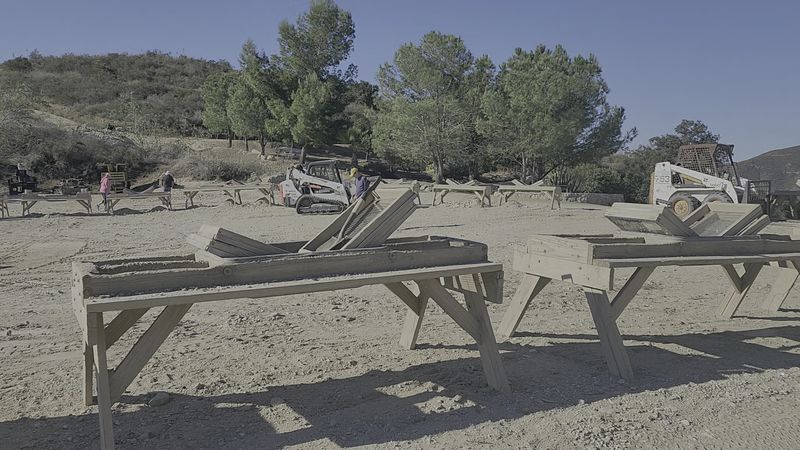
Pala has been producing some of the most colorful gemstones in North America for well over a century, and the OceanView Mine keeps that tradition alive for the public.
As the only mine in the celebrated Pala gem district open to visitors for hands-on digging, it offers a genuinely rare opportunity to screen dump piles for tourmaline, kunzite, morganite, aquamarine, lepidolite, schorl, and quartz.
Kunzite, a pale pink-to-lavender spodumene, actually has its type locality at this very mine, giving the site a meaningful place in gemological history.
The mine operates by reservation with gates opening sharply at 9:30 AM.
The standard dig fee covers four hours of screening time, all necessary tools including screens, shovels, and water access, a five-gallon bucket of pre-screened material to take home, and a jeep tour of Chief Mountain.
Everything found during the dig is the collector’s to keep at no additional charge.
A brief orientation session is provided before digging begins, which helps first-time visitors understand what to look for and how to work the screens efficiently.
Reservations are essential and tend to book out quickly on weekends and during warmer months.
Comfortable closed-toe shoes and sun protection are practical necessities for a full morning of outdoor screening work.
7. Chambless Rock Collecting Area, Mojave Desert
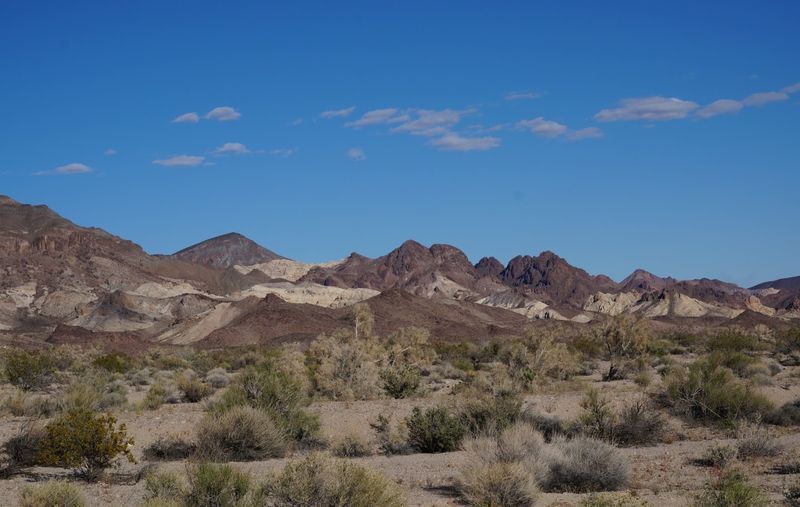
The Mojave Desert has a quiet, almost meditative quality that makes spending a slow afternoon scanning the ground for colorful rocks feel less like a hobby and more like a genuine reset.
The Chambless Rock Collecting Area is managed by the Bureau of Land Management and sits within the vast open stretches of the Mojave, where collectors can search for jasper, agate, chalcedony, and volcanic rock specimens.
The area draws rockhounds who appreciate wide-open space and the freedom to wander without crowds or designated paths.
Standard BLM recreational collecting rules apply here, generally permitting up to 25 pounds of material per day plus one piece, not to exceed 250 pounds annually, using hand tools only.
No formal address applies to this type of dispersed collecting area, so consulting BLM Desert Access Guide maps before heading out is the most reliable way to navigate to productive sections.
A GPS device or downloaded offline maps are genuinely helpful given the remoteness of the terrain.
Fall and winter months offer the most comfortable conditions for spending extended time on the ground in this region.
Dispersed camping on BLM land nearby is an option for those wanting a full weekend of collecting.
Bringing a rock hammer, hand lens, and a sturdy collecting bag rounds out the basic toolkit for a productive outing.
8. Savahia Peak Rock Collecting Area, Near Needles
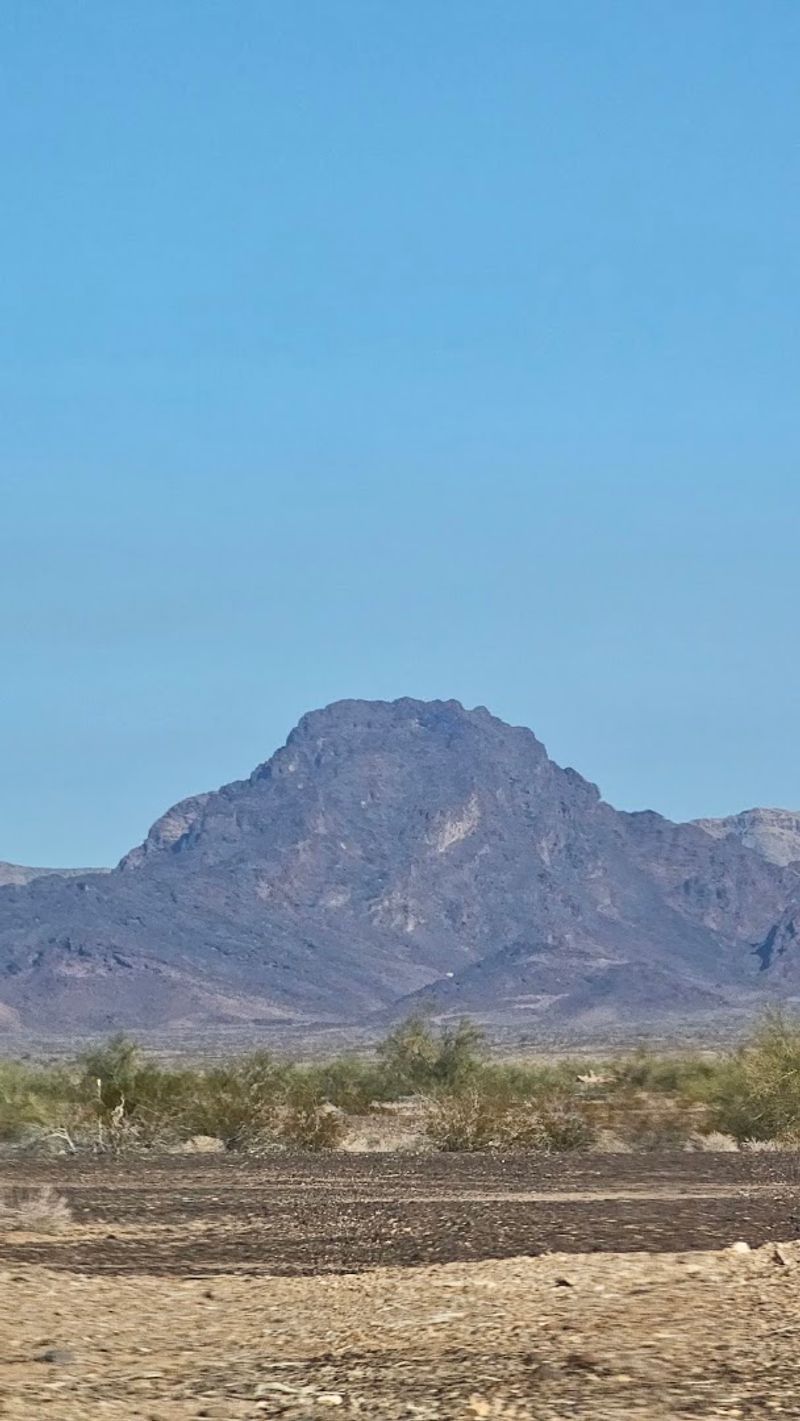
Not far from the Colorado River town of Needles, the Savahia Peak Rock Collecting Area rewards patient collectors with jasper, agate, quartz, and a variety of desert mineral specimens spread across open BLM terrain.
The landscape here has a stark, sun-bleached beauty that feels worlds away from California’s coastal image, and the silence during a weekday visit can be genuinely profound.
Collectors tend to find material scattered in dry washes and along eroded hillside outcrops where weathering has exposed the most colorful pieces.
Access routes to the area are unpaved and can be rough depending on recent weather conditions, so a vehicle with decent clearance is a practical requirement.
BLM collecting guidelines permit personal recreational collection of up to 25 pounds per day plus one piece using hand tools, with an annual maximum of 250 pounds.
No formal address exists for this dispersed collecting area, and BLM Desert Access Guide maps are the most useful planning resource for pinpointing specific productive zones.
Water should be packed in much larger quantities than might seem necessary, as shade is essentially nonexistent across most of the collecting terrain.
A hand lens and a small spray bottle of water help reveal the true colors and patterns in potential specimens before deciding what to carry back.
9. Flattop Mountain Rock Collecting Area, Near Needles
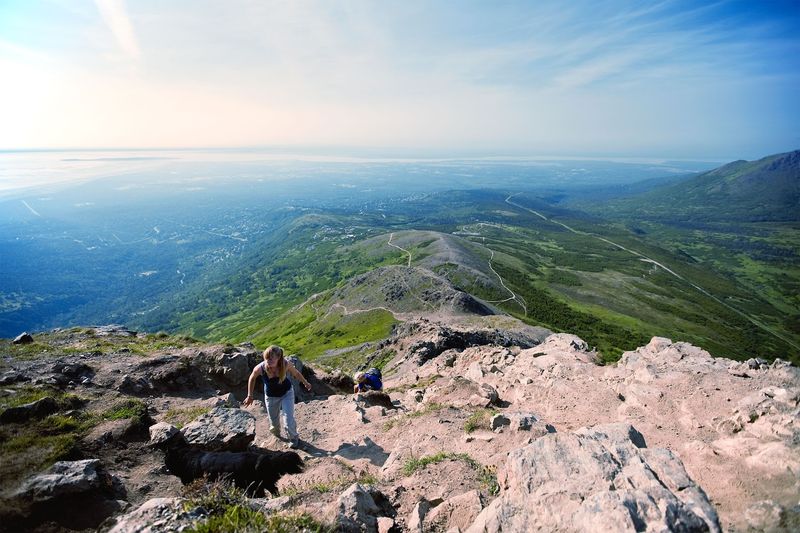
This mountain stands out among the rock-collecting areas near Needles because of its unusual volcanic geology, which produces a distinctive range of agate, jasper, chalcedony, and volcanic specimens.
The terrain here is notably rougher than the surrounding desert flats, and the rocky hillsides have a raw, almost otherworldly character that adds a sense of real adventure to the collecting experience.
Material tends to concentrate along eroded slopes and at the base of volcanic outcrops where freeze-thaw cycles have worked specimens loose over thousands of years.
Reaching Flattop Mountain requires a capable four-wheel-drive vehicle, as the access tracks are genuinely rugged and not suitable for standard passenger cars.
This BLM-managed area follows the same recreational collecting rules as other sites in the region, allowing up to 25 pounds per day plus one piece with hand tools only.
Consulting BLM Desert Access Guide maps is essential for locating the specific trailheads and approach routes that lead to the most productive collecting zones.
The combination of challenging terrain and rewarding finds makes this spot a favorite among more experienced rockhounds who are comfortable navigating remote desert environments.
Visiting in late fall or early winter keeps the trip physically manageable. Packing out all trash and respecting the landscape ensures the area stays productive and accessible for future collectors.
10. Agate Beach at Sue-meg State Park, Trinidad
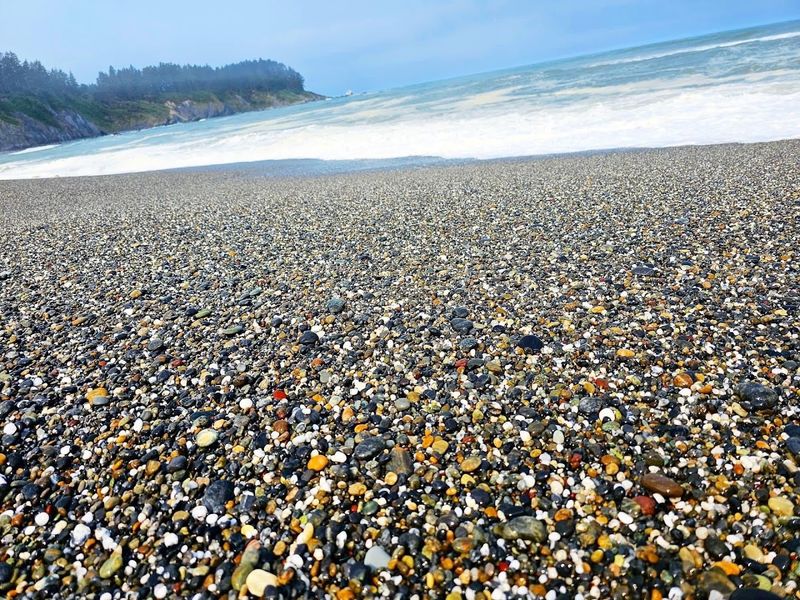
The northern California coast has a moody, atmospheric quality that makes beachcombing feel like stepping into a different world entirely.
Agate Beach within Sue-meg State Park near Trinidad is one of the most well-known spots on the North Coast for finding naturally polished agates, jade, jasper, and other colorful stones tumbled smooth by years of wave action.
The beach sits beneath dramatic sea stacks and forested bluffs, giving the whole experience a genuinely cinematic backdrop that is hard to forget.
Low tide is the best time to search, as receding water exposes fresh material along the gravel and cobble zones where agates tend to concentrate.
A trained eye helps here, since wet stones reveal their true translucency and color far more clearly than dry ones, making a small spray bottle a useful tool for evaluating finds on the spot.
State park regulations govern what and how much can be collected, so checking current California State Parks guidelines before visiting is an important step.
The town of Trinidad is small and genuinely charming, with a few local spots for food and supplies before or after a beach visit.
Fog is a consistent feature of the North Coast, so layering up even on a summer day keeps the experience comfortable.
Parking is available within the state park, and the walk down to the beach is relatively short and manageable for most visitors.
11. Jade Cove, Big Sur Coast
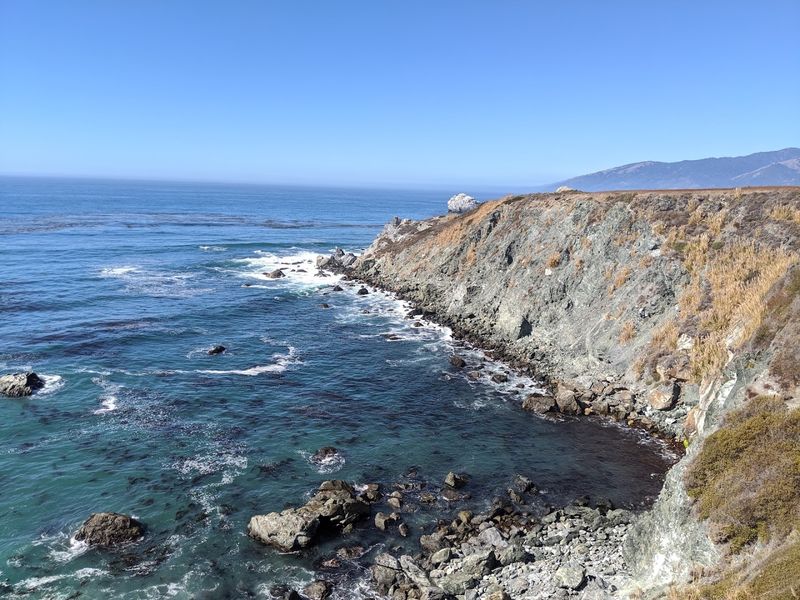
Somewhere along the rugged Big Sur coastline, loose chunks of California nephrite jade tumble in the surf along a remote cove that holds the only known concentrated underwater jade deposit in the world.
Jade Cove is not a polished tourist attraction but rather a raw, tide-battered stretch of shore where the thrill of the hunt comes with a healthy dose of physical challenge.
The jade here ranges from small palm-sized pieces to substantial boulders, and the ocean’s constant grinding action works the material down to smooth, rounded forms with a characteristic waxy sheen.
Collectors are permitted to take jade found below the mean high tide line using hand tools only, within the specific areas designated under Monterey Bay National Marine Sanctuary and California State Parks regulations.
Access involves a steep trail from the Plaskett Campground area followed by a rope-assisted drop to the beach, and the site is open for day use from sunrise to sunset.
Swimming and wading are strongly discouraged due to powerful rip currents and unpredictable wave sets.
Identifying true nephrite jade requires some practice, as serpentine and other greenish rocks in the area can look deceptively similar when wet.
A hardness test is the most reliable field method, since jade resists scratching by metal in a way that softer serpentine does not.
Visiting during a confirmed low tide window significantly improves both access and the chance of finding fresh material exposed by recent wave action.
12. Glass Beach, Fort Bragg
Decades ago, Fort Bragg residents used a stretch of coastline as a dumping ground for household waste, including glass bottles and ceramics.
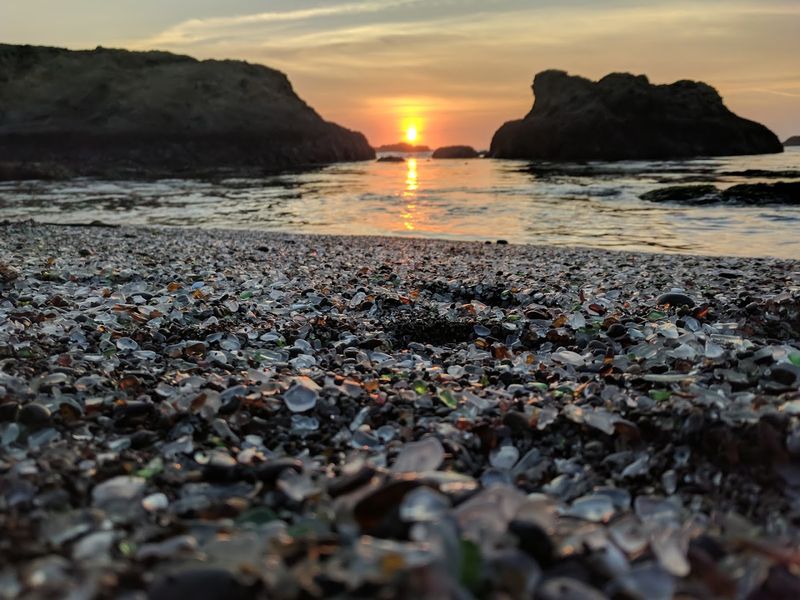
Over generations, the relentless pounding of Pacific waves transformed those discarded fragments into the smooth, frosted, jewel-like pieces of sea glass that now cover the beach in extraordinary abundance.
The most common colors found are green, amber, and white, though patient visitors occasionally spot rarer finds like deep cobalt blue from old medicine bottles or ruby red from vintage auto taillights.
Glass Beach is now part of MacKerricher State Park, and collecting sea glass is strictly prohibited in order to preserve what remains of this genuinely one-of-a-kind shoreline.
Visitors are warmly encouraged to look, photograph, and appreciate the glass but must leave it in place for others to enjoy and for the ecosystem to remain protected.
The beach is accessible via public trails from West Elm Street in Fort Bragg, with parking available at the end of Elm Street and along Old Haul Road.
Low tide offers the clearest and most rewarding views of the glass, as the receding water reveals the densest concentrations among the rocks and gravel.
Fort Bragg itself has a laid-back coastal character with local shops, food options, and the nearby Noyo Harbor area worth exploring after a beach visit.
Weekday mornings tend to be noticeably quieter than weekend afternoons for those who prefer a more peaceful experience.