This California Remote Beach Town Still Feels Wild And Undiscovered
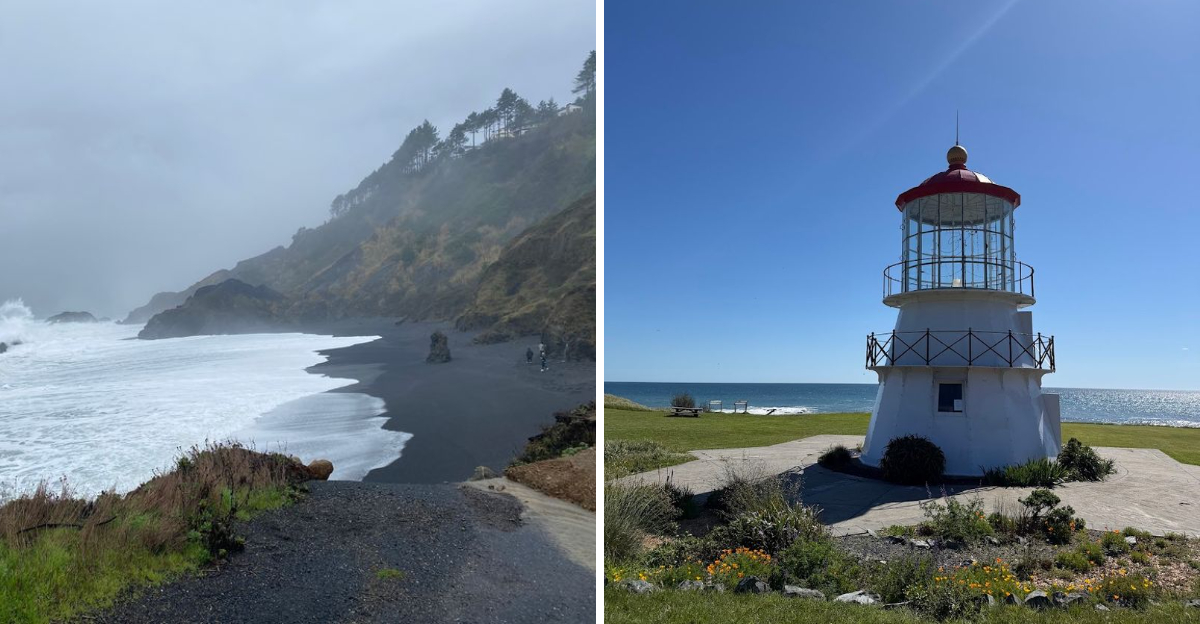
The road begins to twist, phone service grows unreliable, and the world you left behind starts feeling pleasantly far away.
Then the coastline appears.
Dark sand stretches beneath steep green hills. Waves crash with enough force to drown out every unnecessary thought.
You step out of the car expecting a quick look and immediately realize this is not the kind of place you rush through.
Along one of California’s most isolated coastal stretches, the usual beach-town noise seems to fade before it ever arrives.
There are no crowded boardwalks pulling you in ten directions. The landscape does most of the talking, and it has plenty to say.
Getting here takes effort. That may be exactly why it still feels so wonderfully undiscovered.
Walk Across Black Sands Beach
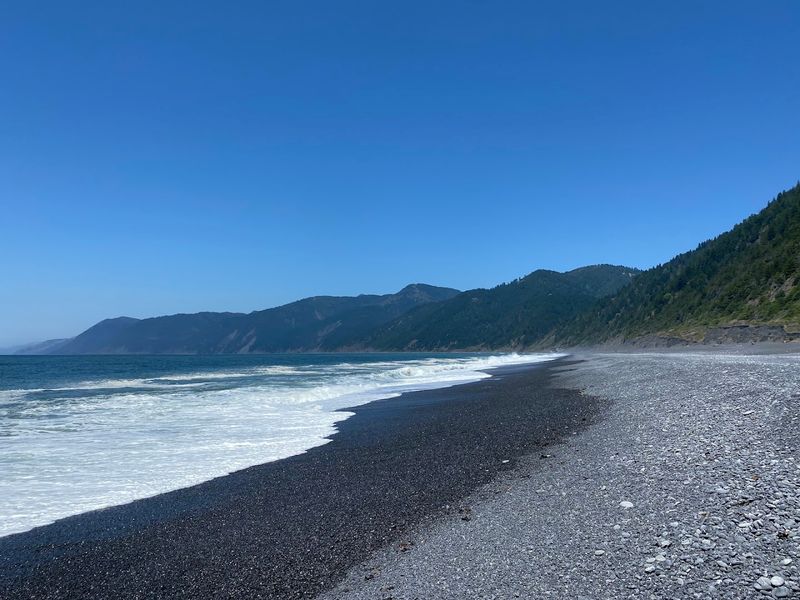
Charcoal-colored sand stretching for miles in either direction is not something most beach visitors ever expect to find, and yet Black Sands Beach delivers exactly that.
The dark mineral composition comes from serpentine and metamorphic rock eroding off the surrounding King Range mountains, giving the shoreline a dramatic and almost otherworldly appearance.
It serves as the southern gateway to the famous Lost Coast Trail, making it a meaningful starting point for adventurous hikers.
Strong rip currents, a steep underwater drop-off, and powerful shore-break waves make the water genuinely dangerous for swimming, so the beach is far better suited to walking and photography.
Visitors can spend time collecting smooth black stones and pieces of weathered driftwood scattered across the wide expanse of sand.
The sheer scale of the beach, backed by towering cliffs and coastal forest, creates a surreal sense of scale that changes completely as afternoon light shifts across the landscape.
Restrooms, a drinking fountain, and interpretive panels about local geology are available in the main parking lot near the trail access point.
Accessible parking is located directly at the trailhead for added convenience. Few beaches in California carry this level of raw, elemental presence.
See The Cape Mendocino Lighthouse
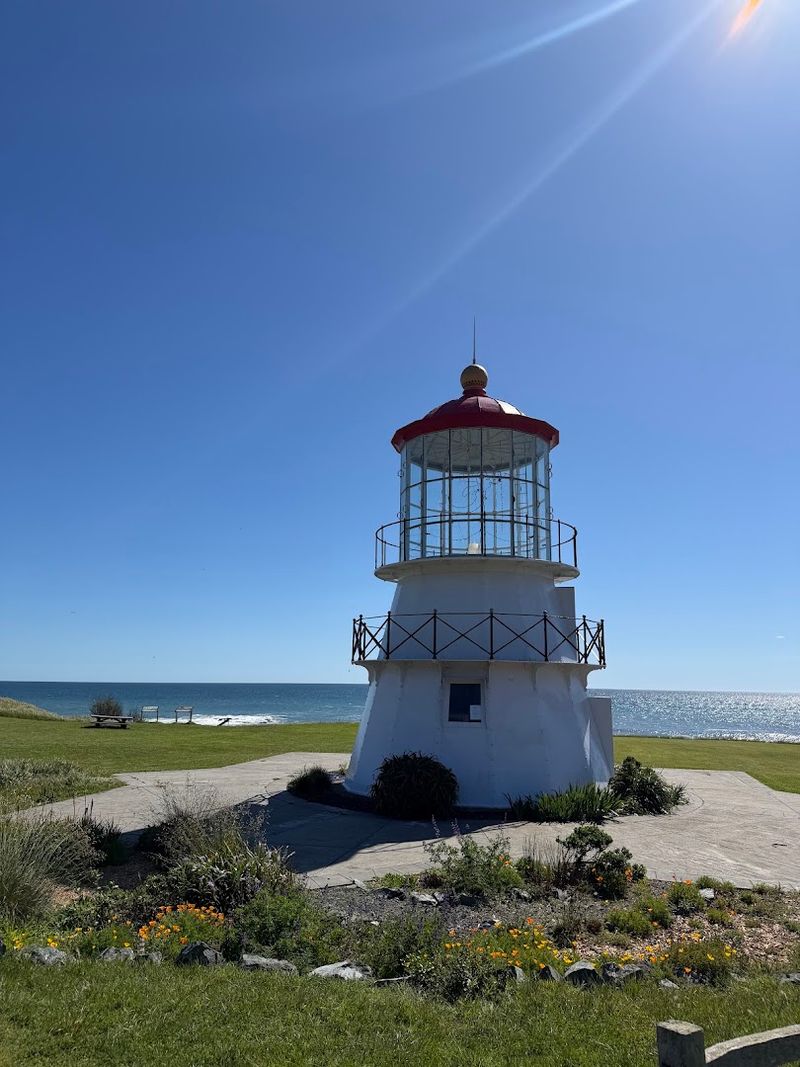
Originally built to guard the westernmost point of California, the Cape Mendocino Lighthouse has a history that spans more than 150 years of maritime service along one of the most treacherous coastlines on the Pacific.
First lit on December 1, 1868, the lighthouse guided vessels past Cape Mendocino for over a century before being decommissioned in 1971.
Coastal erosion eventually threatened to send the structure tumbling into the ocean below.
A remarkable rescue effort in 1998 saw the lantern room lifted by helicopter, while the remaining pieces were carefully dismantled, renovated, and reassembled at their current home in Mal Coombs Park.
Dedicated in September 2000 and opened to the public on Memorial Day 2001, the lighthouse is now maintained by a nonprofit organization with volunteer docents who open it as a small museum during the summer months.
From its elevated position overlooking the Pacific, the lighthouse provides a focal point that anchors the natural scenery around it.
Its compact size and careful restoration give it an intimate quality that larger lighthouse attractions sometimes lack.
The historical connection to California’s seafaring past feels genuinely palpable standing beside it.
Explore The Tide Pools At Low Tide
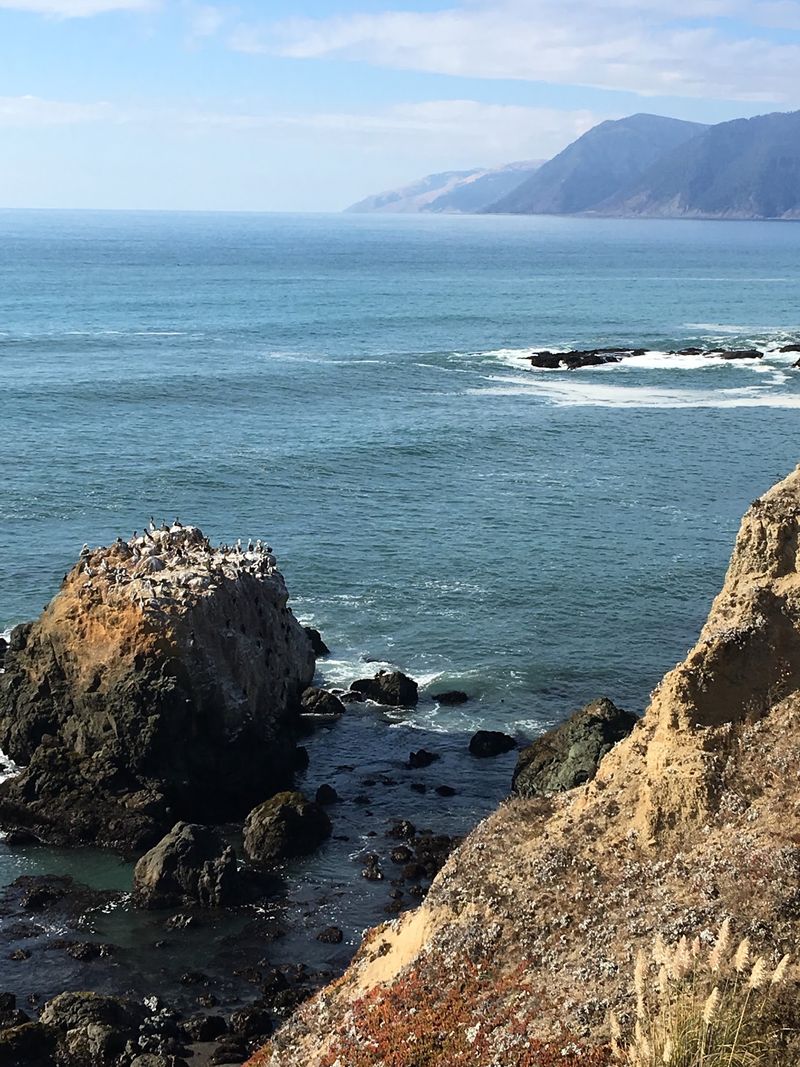
Rocky areas beneath the bluffs of Mal Coombs Park reveal a completely different world when the ocean pulls back during low tide.
Purple sea urchins, colorful anemones, small crabs, and sea stars tuck themselves into crevices and shallow pools that form among the rocks.
Watching these creatures go about their routines in miniature pools is a surprisingly absorbing experience, especially for younger visitors who may never have seen a living tide pool up close.
Consulting a local tide chart before visiting is essential, as the best viewing windows open roughly an hour before the lowest tide of the day.
Spring and early summer typically bring the lowest tides and the most favorable weather conditions for exploration.
Sturdy, closed-toe shoes with good grip are strongly recommended because the rocks can be slippery and uneven underfoot.
Remaining alert to incoming wave surges is equally important, since the coastline here can shift quickly without much warning.
Touching or removing any marine life disrupts these fragile habitats, so observation without interference helps protect what future visitors will find.
The proximity of the tide pools to the Cape Mendocino Lighthouse makes it easy to combine both experiences in a single relaxed afternoon visit along this rugged stretch of the Lost Coast.
Enter The Lost Coast Trail
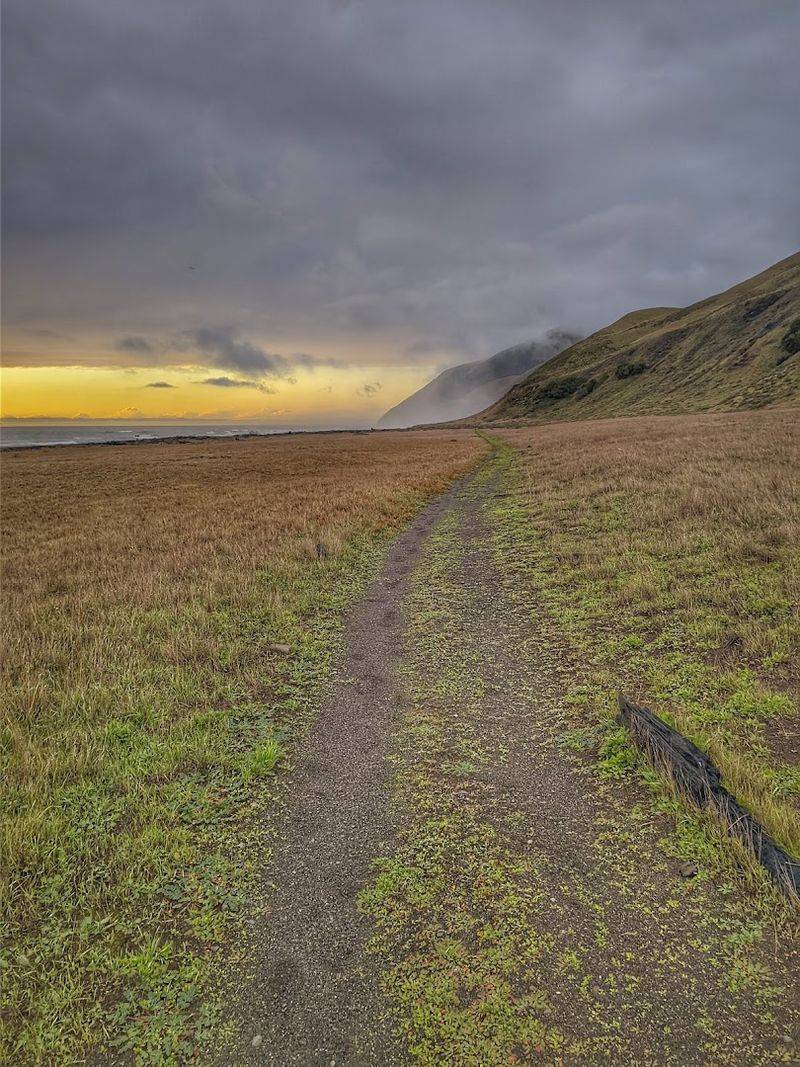
One of the most celebrated wilderness hikes in California begins just steps from the Black Sands Beach parking area, and even a short walk along it reveals why the Lost Coast has earned such a devoted following.
Highway 1 was rerouted inland here because the terrain was simply too rugged to build through, and that decision preserved a stretch of coastline unlike anything else in the state.
The full trail spans approximately 25 miles between Shelter Cove and Petrolia, passing sea stacks, seal colonies, and spring wildflower fields along the way.
Day hikers can enjoy a taste of the wilderness without any permitting requirements, though overnight trips into the King Range Wilderness require permits obtained through Recreation.gov.
Hard-sided bear canisters are mandatory for overnight stays due to active bear populations in the area.
Careful tide planning is equally critical, as three sections of the trail are completely impassable at high tide, with narrow passages flanked by vertical rock walls that offer no safe retreat.
Hikers are strongly advised to enter these impassable zones only on a receding tide.
Holiday weekends can bring more foot traffic than the trail’s remote reputation might suggest, so midweek visits tend to offer greater solitude.
Look For Sea Lions And Coastal Wildlife
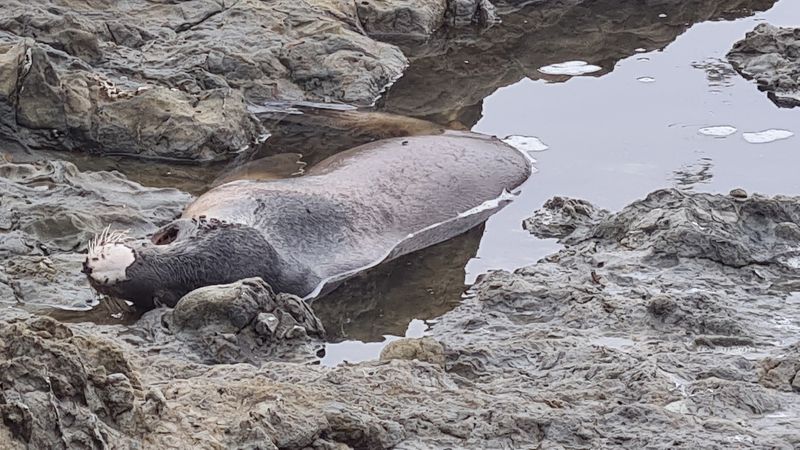
The shoreline around this remote community supports an impressive variety of animal life, and simply walking the beach or scanning the rocky outcrops can turn into an impromptu wildlife observation session.
California sea lions and harbor seals are commonly spotted basking on rocks or surfacing in the waves, their barks carrying clearly across the water on calm mornings.
Seabirds including pelagic cormorants, common murres, pigeon guillemots, and various gull species inhabit the rocky coastline in significant numbers.
Inland areas of the King Range support Roosevelt elk and black-tailed deer, both of which occasionally wander onto the beach or coastal meadows during early morning and evening hours.
Black bears and red foxes are present in the surrounding hills, though sightings require patience and a fair amount of luck.
Tide-pool zones contribute additional biodiversity, with purple sea urchins, hermit crabs, and various small fish visible during low-water periods.
The relatively undisturbed nature of the environment allows these species to behave naturally, which makes every encounter feel authentic rather than staged.
Bringing a pair of binoculars and moving quietly along the shoreline tends to increase the chances of meaningful sightings considerably.
Try A Local Fishing Charter
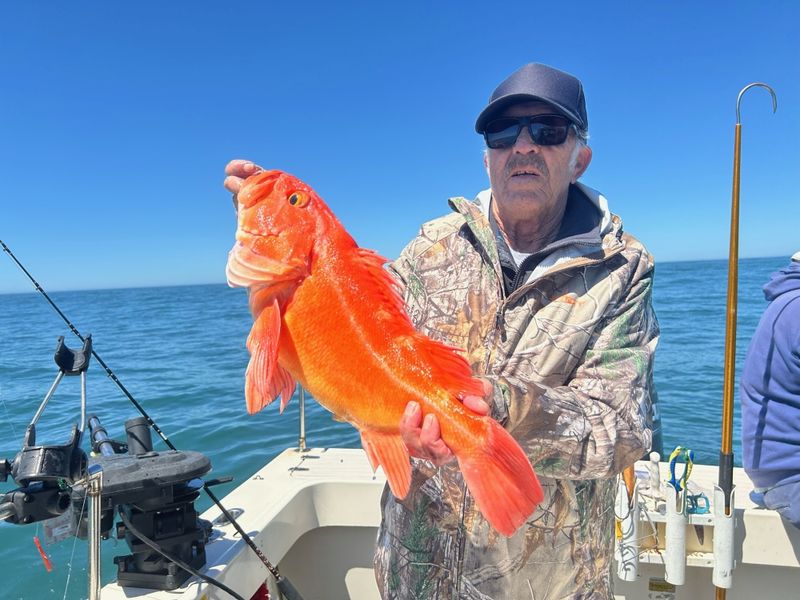
Deep Pacific waters begin just minutes from shore here, and that geographic advantage has supported a fishing community for generations.
Local charters take visitors out for salmon, lingcod, rock cod, halibut, and albacore in waters that are widely regarded as some of the most productive along the Northern California coast.
Salmon season typically runs from June through October, with rock cod and lingcod available throughout much of the year depending on conditions.
Most charters provide the boat, basic gear, and bait, making them accessible to first-time anglers as well as experienced fishermen looking to explore unfamiliar waters.
The Pacific Ocean along this stretch can shift quickly in terms of swell and wind, so trips are always subject to ocean and weather conditions on the day of departure.
Flexibility with scheduling tends to lead to better experiences, especially during periods of variable coastal weather in late spring and early fall.
The connection between the local community and its fishing heritage adds meaning to a charter trip that goes beyond simply catching fish.
Returning to shore with a fresh catch and the King Range rising behind the harbor creates a scene that feels genuinely connected to the rhythms of this place.
Few experiences convey the character of the Lost Coast as directly as a morning spent on the open water just beyond the cliffs.
Photograph The Foggy Coastline
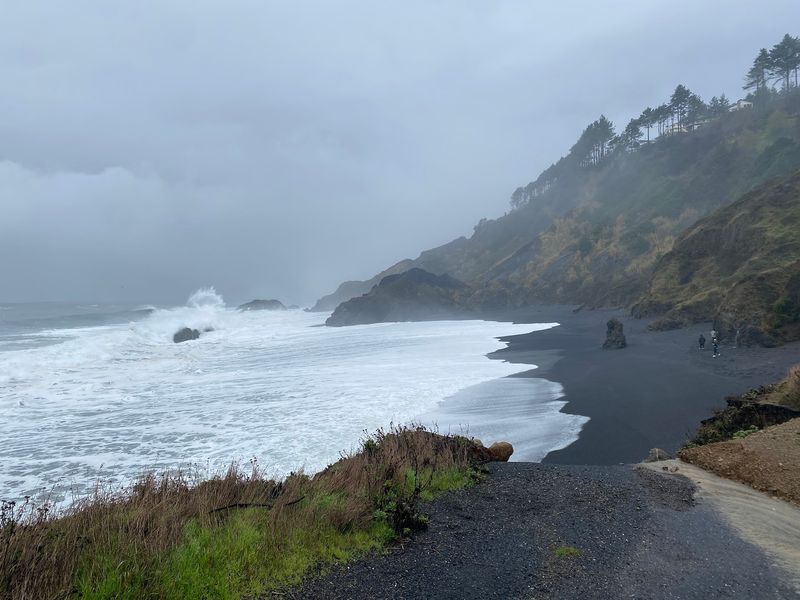
Photographers who arrive expecting the golden sunshine of Southern California beaches tend to leave with something far more interesting than they anticipated.
Fog rolls in frequently along this stretch of the Lost Coast, wrapping around sea stacks and softening the edges of the dark cliffs in ways that create a moody and layered visual atmosphere.
The combination of charcoal sand, pale mist, and deep green coastal hills produces color palettes that are genuinely uncommon along the California coastline.
Overcast and foggy days often yield the most dramatic results because the diffused light eliminates harsh shadows and reveals texture in the rocks, sand, and water with exceptional clarity.
Sea stacks rising from the surf, waves crashing against dark boulders, and the silhouette of the King Range disappearing into low clouds all offer compelling compositional elements.
Early morning tends to bring the densest fog and the most atmospheric conditions before the marine layer lifts later in the day.
No specific gear is required beyond a camera and the willingness to embrace unpredictable weather, though a lens cloth for moisture and a waterproof bag for equipment are practical precautions.
The coastline here changes character hour by hour, making repeat visits to the same location worthwhile.
Patience and flexibility with timing consistently produce the most evocative results along this stretch of wild shore.
Experience A Coast Without A Boardwalk
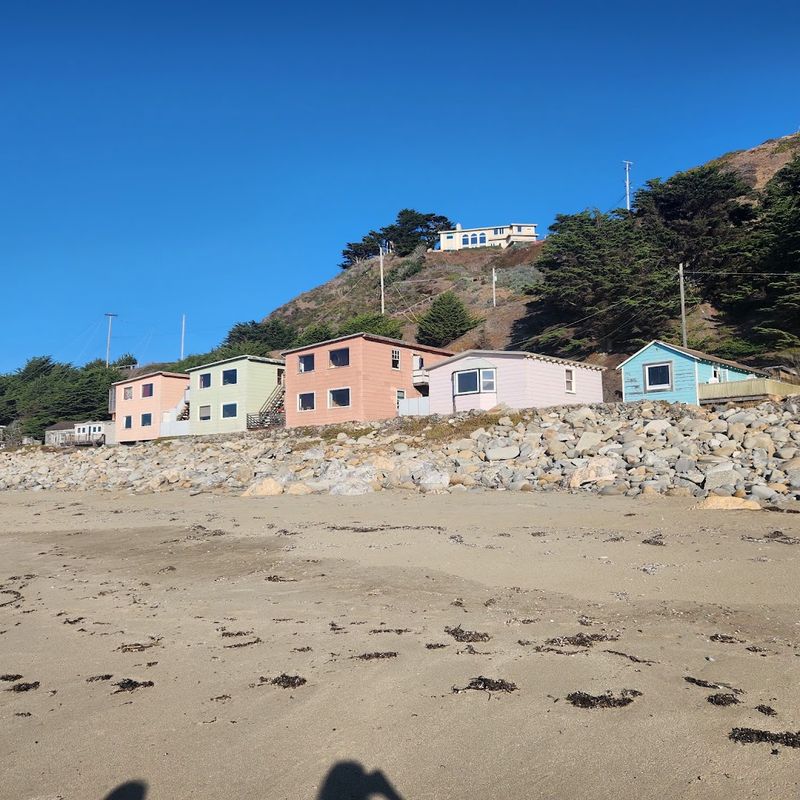
The absence of a commercial beachfront strip is not an oversight or a gap in development but rather the defining characteristic that makes this stretch of coast worth visiting in the first place.
No amusement arcades, souvenir shops, or crowded promenades compete for attention along the shoreline here.
The main draws are the ocean itself, the cliffs, the wildlife, the trails, and the long uninterrupted stretches of dark sand that stretch toward the horizon in both directions.
Visitors accustomed to resort-style beach destinations sometimes need a moment to recalibrate their expectations when they arrive, realizing that the landscape is the entertainment and that no additional infrastructure is coming.
That recalibration tends to happen quickly, replaced by a quieter form of engagement with the environment that most people do not regularly experience.
The coast here asks visitors to slow down, look more carefully, and pay attention to what is actually present rather than what has been built for them.
The community itself is small and genuine, with a character shaped by fishing, outdoor recreation, and the practical realities of living in a remote location.
That authenticity extends to every interaction and every view along the shoreline.