10 Virginia Hole-In-The-Wall Forests With Tick Populations Best Avoided

My dog came home covered in ticks after one short walk. I counted eleven before I gave up counting.
That was my first warning that not every forest trip ends painlessly. Virginia’s woods look inviting from the trailhead, all green and quiet, but some of them hide a much itchier reality.
I learned to check socks, collars, and hairlines like it was a daily chore. Sixteen different tick species call this state home, and a few wooded spots take that reputation seriously.
My kids now get inspected like tiny airport security checkpoints after every hike. Virginia nature lovers rarely talk about this part of the adventure, but ignoring it gets expensive at the vet or the doctor.
I still love these trails, ticks and all, but I go in prepared now. Long socks, bug spray, and a very thorough check before anyone sits back in the car.
1. Prince William Forest Park, Triangle
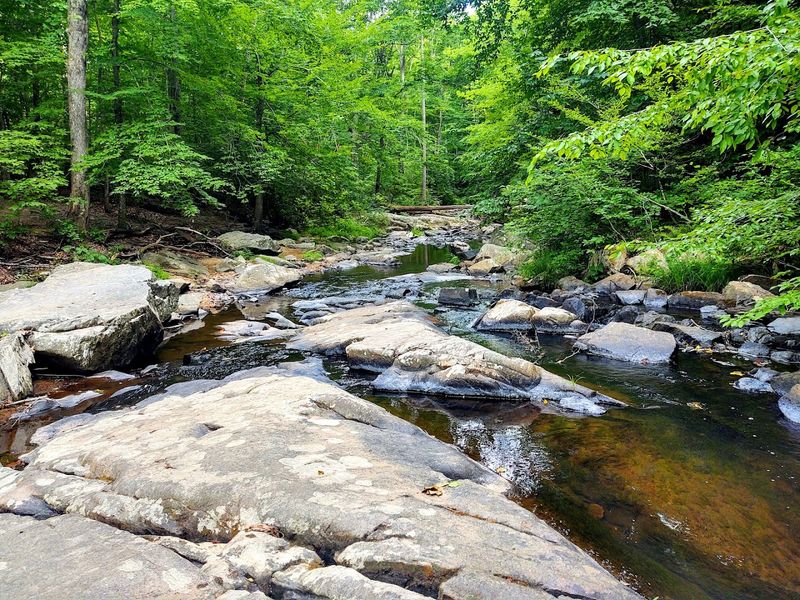
Ticks do not need an invitation, and at Prince William Forest Park, they show up uninvited all season long. This expansive park near 18170 Park Entrance Rd, Triangle, VA 22172 hosts brown dog ticks, American dog ticks, blacklegged ticks, and lone star ticks.
That is a full house of species you would rather avoid.
Blacklegged ticks here are known carriers of Lyme disease. Rocky Mountain spotted fever is also a real concern for visitors who brush against the dense undergrowth.
Tick populations have grown steadily, thanks to rising humidity and warmer temperatures creating perfect breeding conditions. Even a short walk off the main trail can leave you picking through your clothes for hours afterward.
Prince William County is officially recognized as a tick hotspot in the region, and rangers here take the warning seriously.
The park covers miles of forested trails with heavy leaf litter, which ticks absolutely love, especially in the shadier, more humid pockets away from open fields.
Wear long pants, tuck your socks, and use EPA-approved repellent before stepping onto any trail here. Light colored clothing makes spotting a hitchhiker much easier before it finds skin.
A thorough tick check after your visit is not optional; treat it like part of the adventure. Check hairlines, behind knees, and waistbands the moment you get back to the car, not after you get home.
2. Occoquan Bay National Wildlife Refuge, Woodbridge

Tall grass and ticks go together like peanut butter and trouble.
At Occoquan Bay National Wildlife Refuge, 14050 Dawson Beach Rd, Woodbridge, VA 22191, visitors walking through grassy stretches are practically rolling out a welcome mat for lone star ticks, deer ticks, American dog ticks, and Gulf Coast ticks.
Bug spray is not a luxury here; it is a necessity. Tick populations can spike dramatically depending on the season, and this refuge sits squarely in Prince William County, already flagged as a regional tick hotspot.
The mix of leaf litter, humid microclimates, and dense understory creates ideal conditions for these arachnids.
Lone star ticks here are especially worth watching. They are linked to Alpha-gal Syndrome, a delayed red meat allergy triggered by a single bite.
Deer ticks carry Lyme disease, adding another layer of caution. Stay on marked paths, avoid brushing against vegetation, and check yourself thoroughly before getting back in the car.
The wildlife here is genuinely beautiful, but preparation makes the difference between a great visit and an itchy regret.
3. Pocahontas State Park, Chesterfield
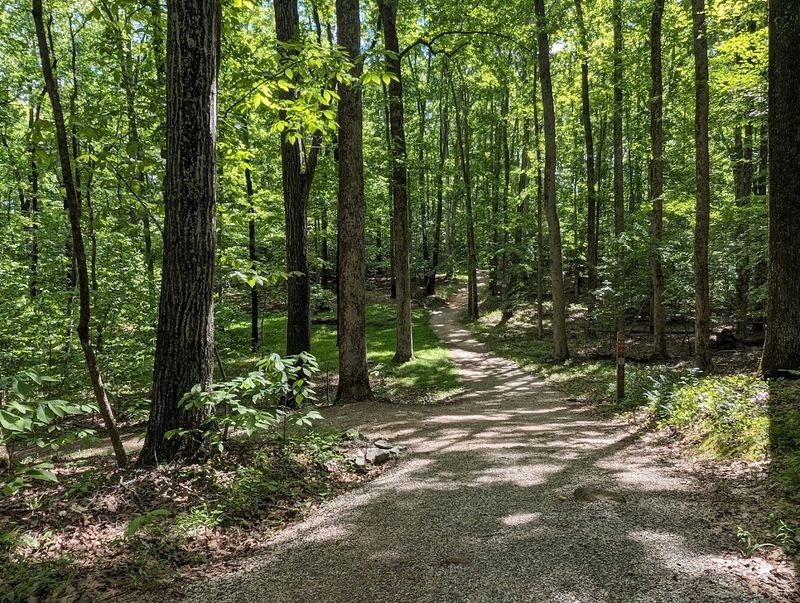
Pocahontas State Park has a reputation for more than just scenic trails. Located at 10301 E State Pk Rd, Chesterfield, VA 23832, this popular park is home to blacklegged ticks, lone star ticks, and American dog ticks.
Each species brings its own health concern to the picnic.
Blacklegged ticks here are confirmed carriers of Lyme disease. Lone star ticks carry something arguably stranger: Alpha-gal Syndrome, which causes a delayed allergic reaction to red meat after a bite.
That one is not fun to discover at a barbecue weeks later.
Tick activity at this park is notably significant. Visitors occasionally report encountering multiple ticks after hiking the park’s trails during peak tick season.
That detail alone should make anyone pause before heading into the brush without preparation. Long clothing, permethrin-treated gear, and a solid tick check routine are your best tools here.
The park is genuinely enjoyable, but the tick situation is real and not something to brush off lightly. Respect the forest and it will mostly respect you back, mostly.
4. Booker T. Washington National Monument, Hardy
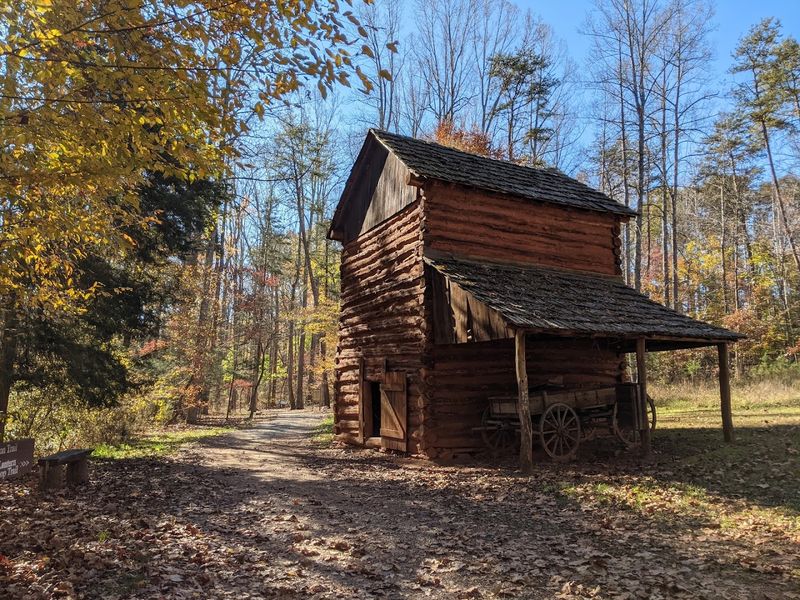
History and nature meet at Booker T. Washington National Monument, but so do ticks.
Found at 12130 Booker T Washington Hwy, Hardy, VA 24101, this site sits in southwest Virginia, a region with some of the highest per-person rates of Lyme disease in the entire state. That context matters before any visit.
Blacklegged ticks and lone star ticks are both common here. Lone star ticks in particular are flagged for their ability to transmit Alpha-gal Syndrome, which can turn a simple forest walk into a long-term dietary complication.
Ehrlichiosis is also on the list of concerns tied to this species.
The broader Blue Ridge Health District reports elevated cases of Rocky Mountain spotted fever as well. This part of the state has a tick problem that researchers take seriously, and visitors should too.
Wear light-colored clothing so ticks are easier to spot. Tuck pants into socks, apply EPA-approved repellent, and do a full body check after exploring.
The monument itself is a meaningful and worthwhile destination, just go prepared and stay on the marked paths whenever possible.
5. Big Woods State Forest, Sussex County
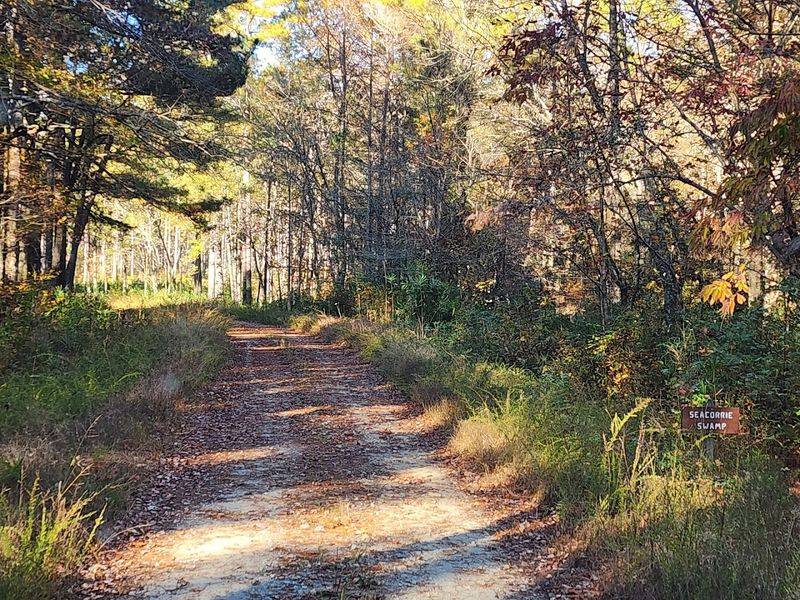
Big Woods State Forest covers a staggering 74 percent of Sussex County, which means there is a lot of territory for ticks to call home.
Located in Sussex County, VA 23890, this forest features brushy edges, overgrown fields, and open pine woods, all of which are prime real estate for lone star ticks.
Lone star ticks peak during summer months here and are the primary carriers of Alpha-gal Syndrome and ehrlichiosis. American dog ticks are also active throughout the forest.
Interestingly, deer ticks are less of a concern in this specific area compared to other forests on this list, but that does not mean the risk is low overall.
The sheer size of this forest creates a patchwork of tick habitats that are difficult to avoid entirely. Brushy edges between open fields and forested areas are especially risky spots.
Staying on established paths reduces contact with tall grass and leaf litter where ticks wait patiently. Treat clothing with permethrin before visiting, and carry a fine-tooth comb for post-hike checks.
Big Woods is genuinely wild, and that wildness includes some very persistent tiny passengers.
6. Crooked Creek Wildlife Management Area, Woodlawn
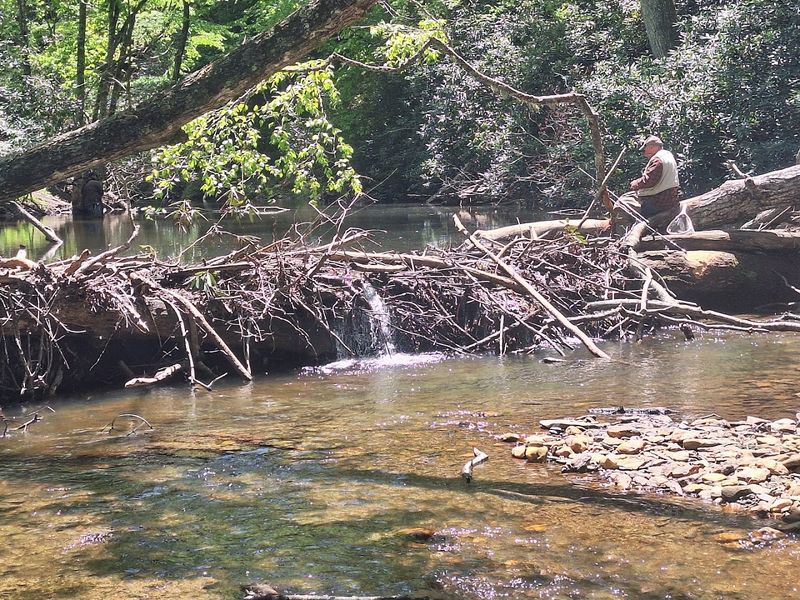
Southwest Virginia has a tick problem, and Crooked Creek Wildlife Management Area near Woodlawn, VA 24381 is right in the middle of it.
This WMA sits in a region with elevated rates of tick-borne diseases, including Lyme disease, which is not a minor footnote for hikers planning a day out.
Deer tick nymphs and adult dog ticks are particularly active here. Nymphs are the sneaky ones.
They are tiny, often missed during checks, and just as capable of transmitting disease as their adult counterparts. Crooked Creek is about 92 percent forested, with shrub-lined streambeds and rhododendron thickets that ticks genuinely thrive in.
Rhododendron thickets are especially problematic because they create humid, shaded microclimates that ticks love year-round. Trails here are not always heavily maintained, which means vegetation brushes against you more often than you might expect.
Long sleeves, gaiters, and repellent are smart choices for this WMA. After any visit, a careful and methodical tick check is worth every minute.
The creek scenery is beautiful, but beauty and bug risk can absolutely share the same address.
7. Clinch Mountain Wildlife Management Area, Cedar Bluff

Clinch Mountain Wildlife Management Area near Cedar Bluff, VA 24609 sits in a part of southwest Virginia where tick-borne illness rates are genuinely elevated.
Lyme disease is the most well-known concern, but recent studies have revealed something more surprising lurking in the wildlife of western Virginia.
Researchers have identified evidence of emerging tick-borne viruses, including Powassan, Bourbon, and Heartland viruses, in parts of western Virginia. These emerging tick-borne viruses are rarer but worth knowing about.
Blacklegged ticks and lone star ticks are both present at Clinch Mountain, and the WMA’s varied elevations create diverse habitats where multiple tick species can thrive simultaneously.
The biological diversity here is impressive, covering forested ridgelines, aquatic habitats, and dense understory zones. That same diversity that makes the area a wildlife haven also supports robust tick populations at multiple elevations.
Hikers venturing off established trails face significantly higher exposure risk. Treat your boots and clothing with permethrin before arriving, not after.
Carry a tick removal tool in your pack and check carefully behind knees, around ankles, and along the hairline after every outing at this WMA.
8. Cavalier Wildlife Management Area, Chesapeake
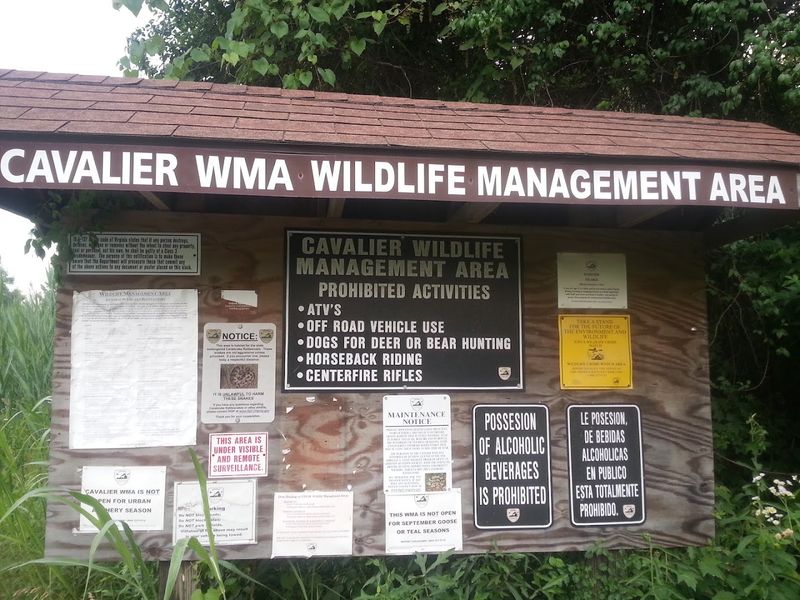
Chesapeake might not be the first place that comes to mind when thinking about tick research, but Cavalier Wildlife Management Area at 3853 Ballahack Rd, Chesapeake, VA 23322 is actively monitored by tick researchers.
That level of attention says something important about the tick situation here.
Lone star ticks dominate the Hampton Roads area, and Cavalier WMA is no exception. They carry Southern Tick-Associated Rash Illness, commonly called STARI, along with Alpha-gal Syndrome.
Blacklegged ticks are also present and linked to Lyme disease and babesiosis. Gulf Coast ticks round out the lineup in this coastal region.
The combination of coastal humidity, brushy field edges, and mixed woodland creates conditions where multiple tick species can overlap in the same small area. That overlap increases the variety of potential health concerns in a single visit.
Wear long pants and light-colored clothing so you can spot any hitchhikers quickly. Use repellent on both skin and clothing, and check thoroughly after leaving.
The WMA offers solid wildlife viewing opportunities, but knowing what else is out there makes the experience a much smarter one.
9. Matthews State Forest, Galax

The Virginia Department of Forestry does not mince words about Matthews State Forest.
Located at 384 Wild Turkey Ln, Galax, VA 24333, this forest falls in a part of the state with elevated per-person Lyme disease rates, and official warnings note that tick activity increases sharply as summer approaches.
American dog ticks are commonly found west of the Blue Ridge Mountains, which includes this area. Lone star ticks are prevalent in the Piedmont regions at elevations up to roughly 1,600 feet.
The Galax area sees a predominance of deer ticks on top of that, making this one of the more species-diverse tick environments on this list.
Three common tick species in one forest is not a small thing. Each brings different disease risks, from Lyme disease to Rocky Mountain spotted fever to Alpha-gal Syndrome.
The forest itself is quiet and genuinely scenic, which makes it easy to forget you should be watching where you step and what is clinging to your pants. Check your gear, your socks, and your pets after any visit here.
Preparation is not paranoia; it is just good sense in a forest like this one.
10. Great Dismal Swamp National Wildlife Refuge, Suffolk
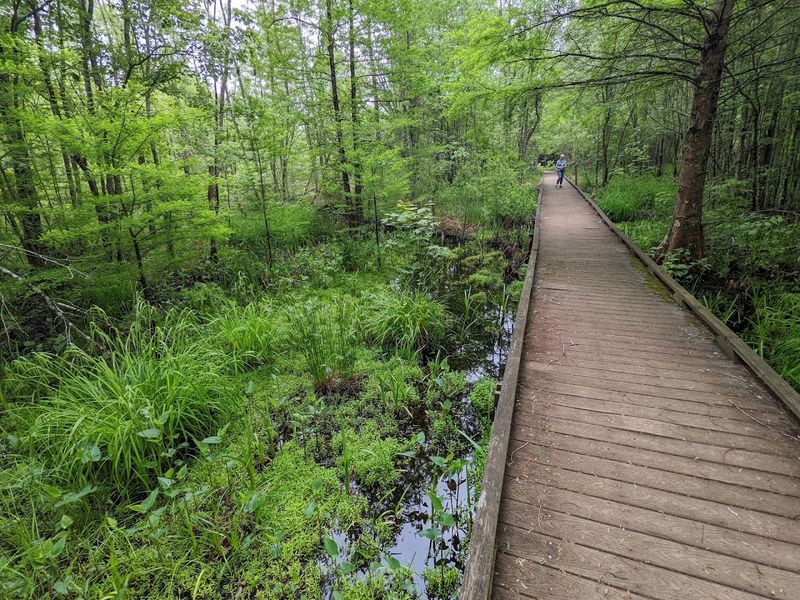
Few places sound as dramatically uninviting as a swamp, and Great Dismal Swamp National Wildlife Refuge earns that reputation honestly.
Located at 3100 Desert Rd, Suffolk, VA 23434, this refuge covers over 111,000 acres of forested wetlands, including the famous Lake Drummond.
It is expansive, atmospheric, and absolutely full of biting insects.
Wood ticks and deer ticks are both present throughout the refuge. Beyond ticks, visitors should also prepare for biting flies and mosquitoes, which thrive in the wet, humid conditions year-round.
The sheer size of this refuge means there is a lot of habitat for these creatures to occupy comfortably.
The forested wetland environment creates persistent moisture that keeps tick activity high across multiple seasons. Trails here run flat and long, which sounds easy until you realize the vegetation presses close on both sides for much of the route.
Light-colored clothing, permethrin treatment, and a solid repellent are all strongly recommended. Do a full tick check before leaving the parking area, not just when you get home.
The Great Dismal Swamp is genuinely one of the most unique natural areas in the region, but it rewards prepared visitors far more than casual ones.