This Under-The-Radar Virginia Museum Is A Dream Come True For Train Lovers
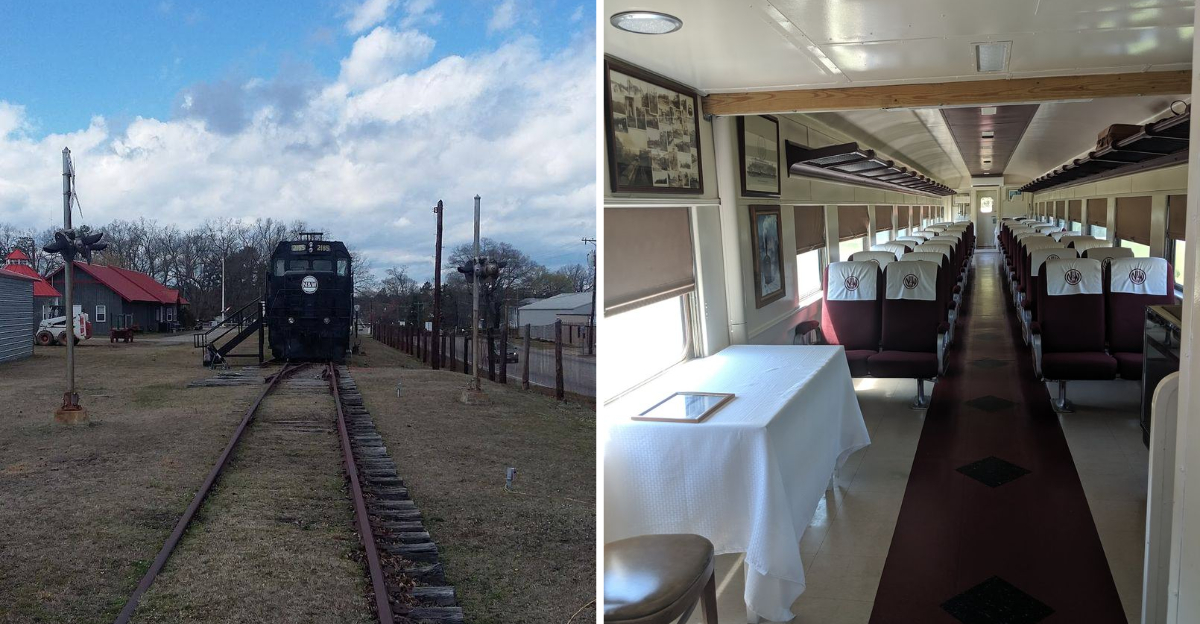
I could probably get a train enthusiast into the car with three words: climb aboard locomotives.
Virginia has a small-town railroad museum where visitors can get surprisingly close to the machines that helped shape the community.
Real rail equipment sits outside, while the former depot adds models, artifacts, and stories to the experience.
Volunteers bring another layer, especially when personal memories connect with what is on display.
Then there is an active rail yard nearby, keeping the town’s railroad identity very much alive. This feels like exactly the kind of roadside stop that deserves extra time.
Come for a locomotive photo and you may leave understanding an entire town differently.
A Town Built By Rails
Most towns grow slowly, then get a train station. Crewe did the opposite entirely.
The Norfolk and Western railroad drew this place on paper in 1888.
Engineers needed a divisional halfway point between Norfolk and Roanoke, so they built one. Streets, shops, and homes followed the tracks instead of the other way around.
Even the name traveled. It borrowed from Crewe, England, another famous railway town across the Atlantic. That single detail tells you how connected the rail world felt back then.
Walking the grounds, I kept thinking about how deliberate everything was. Families here did not just live near the railroad. They worked for it, ate because of it, and planned their days around whistle blasts.
The museum sits inside the town’s original depot building, which makes the history feel close. You are not reading about a railyard from a distance. You are standing where the railyard operated.
This state has plenty of colonial landmarks and battlefields. Fewer places explain how industry actually built communities. Crewe fills that gap in a way textbooks rarely manage.
Find it all at 125 Carolina Ave, Crewe. Bring curiosity, and maybe a little extra time.
Volunteers Who Lived It
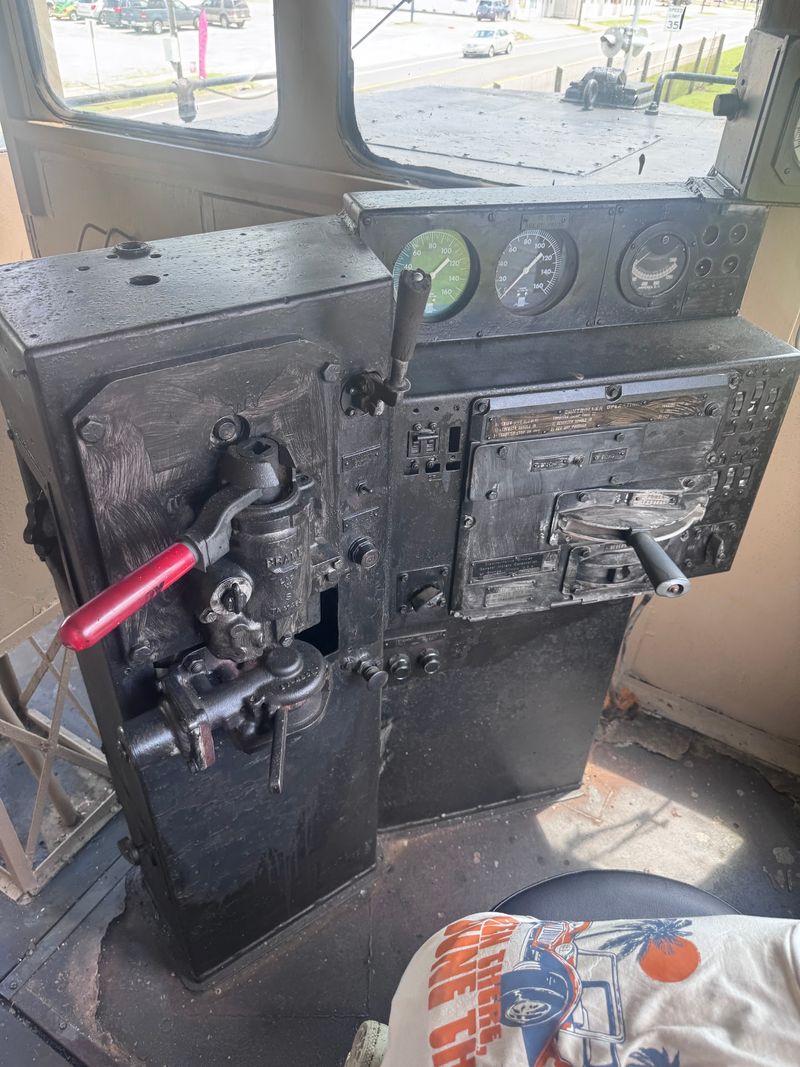
My favorite exhibit here has a pulse. It answers questions.
The people running the Crewe Railroad Museum are volunteers, and many carry firsthand railroad knowledge. Some spent careers on these very lines. Their stories fill gaps that no display card ever could.
I asked one simple question about a signal lantern. Twenty minutes later I understood how crews communicated at night, why timing mattered, and what happened when things went wrong.
That is the charm of a not-for-profit museum run on passion. Nobody rushes you toward an exit. Conversations wander, and you learn more because of it.
The institution stands as a tribute to area residents who worked for the Norfolk and Western. You feel that respect in how carefully items are labeled and protected.
Practical tip: ask questions early in your visit. The answers often point you toward small details outside that you would otherwise stroll right past.
Families traveling through this part of Virginia benefit most. Children get patient explanations, and adults get context that makes the machinery meaningful.
Climbing Into Steam Engine 606
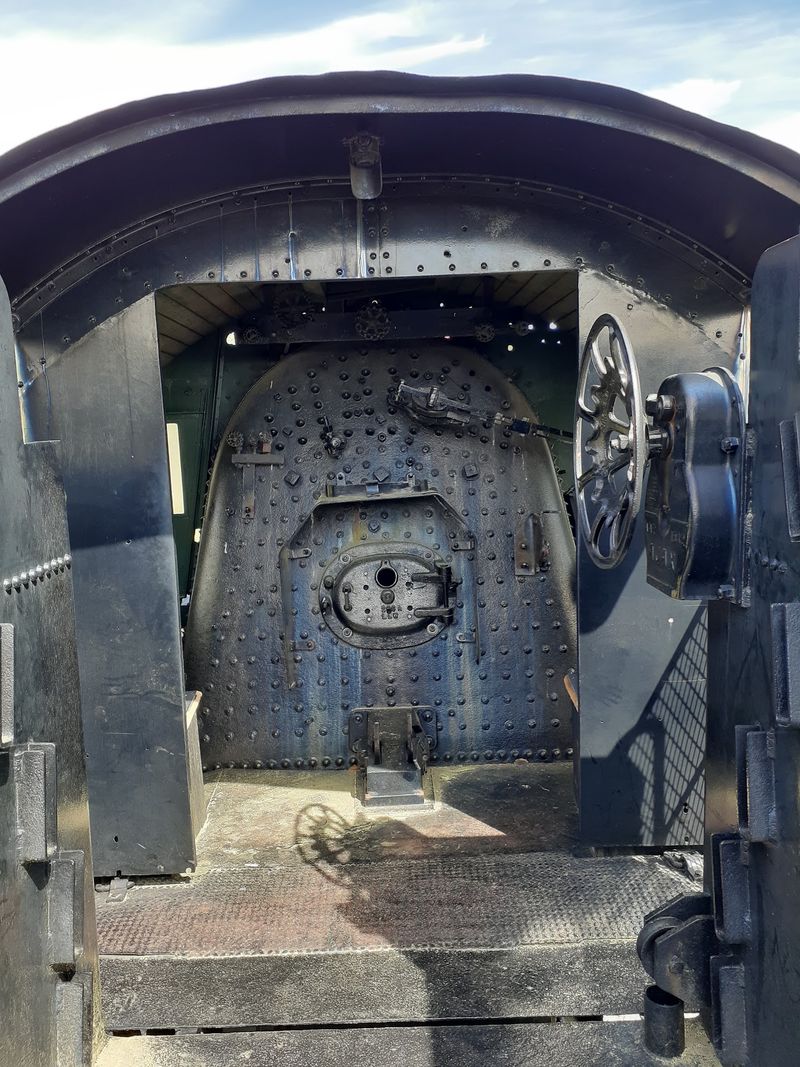
Some machines look heavy even standing still. Locomotive 606 is one of them.
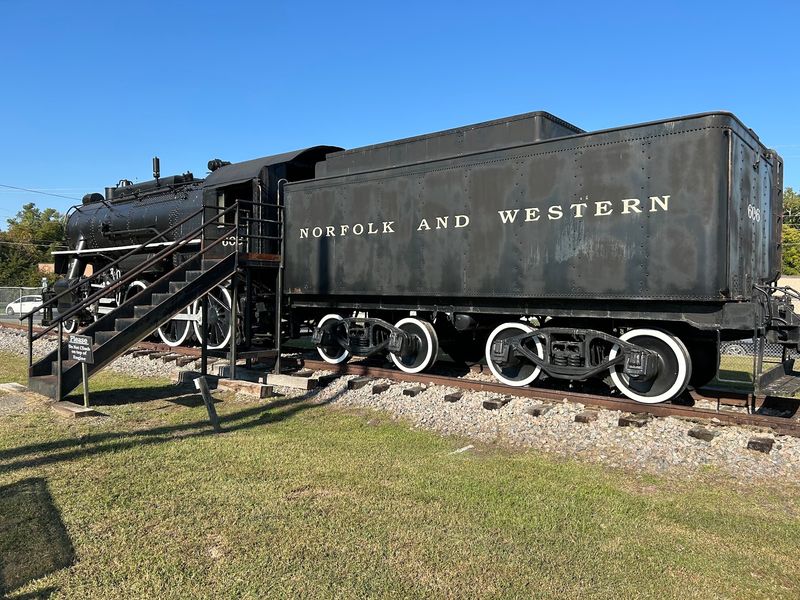
This 2-8-0 Consolidation steam engine was built by Lima in 1945 for the US Army. It wears Norfolk and Western colors now, parked proudly on the museum grounds.
The best part is that ropes do not keep you away. Visitors can climb into the cab and sit where the engineer once sat.
I put my hands near the controls and instantly understood the job better. Everything is metal, cramped, and built for strength rather than comfort.
Engine 606 spent its working life on the Fort Eustis Military Railroad. It was later donated to the City of Clifton Forge, Virginia, before settling here permanently.
Photographers should visit in morning light, when shadows sharpen the rivets and rods. Wear closed shoes too, because ladders and grating demand decent footing.
Kids tend to freeze at first, then refuse to leave. Watching a five-year-old grip the cab window is worth the drive alone.
Diesel Power And Rolling Stock
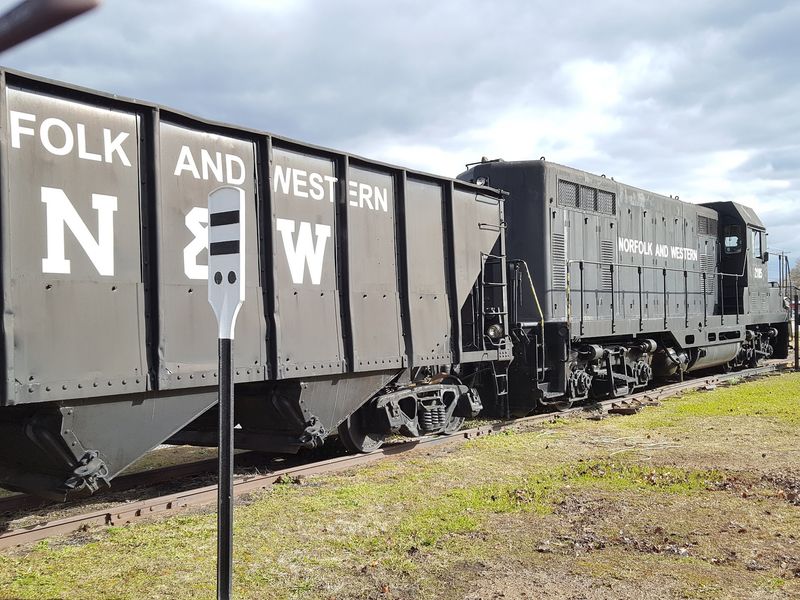
Steam gets the romance, but diesel changed everything.
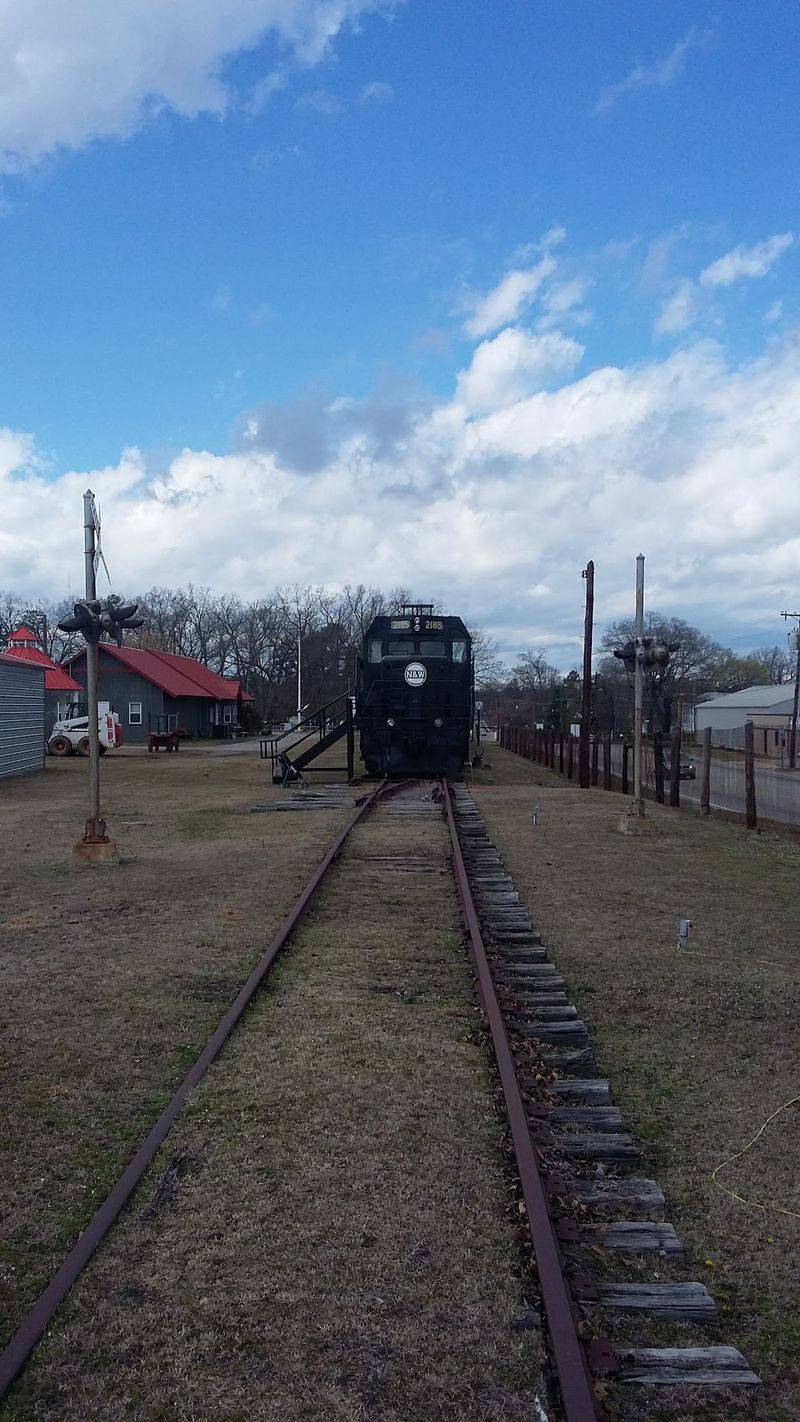
Parked in the outdoor yard sits N&W EMD diesel-electric GP7u number 2185. Its arrival marked the industry’s shift toward cheaper, simpler operations in the mid twentieth century.
Like the steam engine, this one welcomes climbers. Comparing the two cabs back to back teaches more than any lecture.
The yard holds plenty more. A red N&W C-31 caboose, number 518501, opens up so you can inspect the crew’s tight living quarters.
Here is the detail that surprised me most. The ladders leading to the caboose cupola seats are not roped off, so you can perch up top.
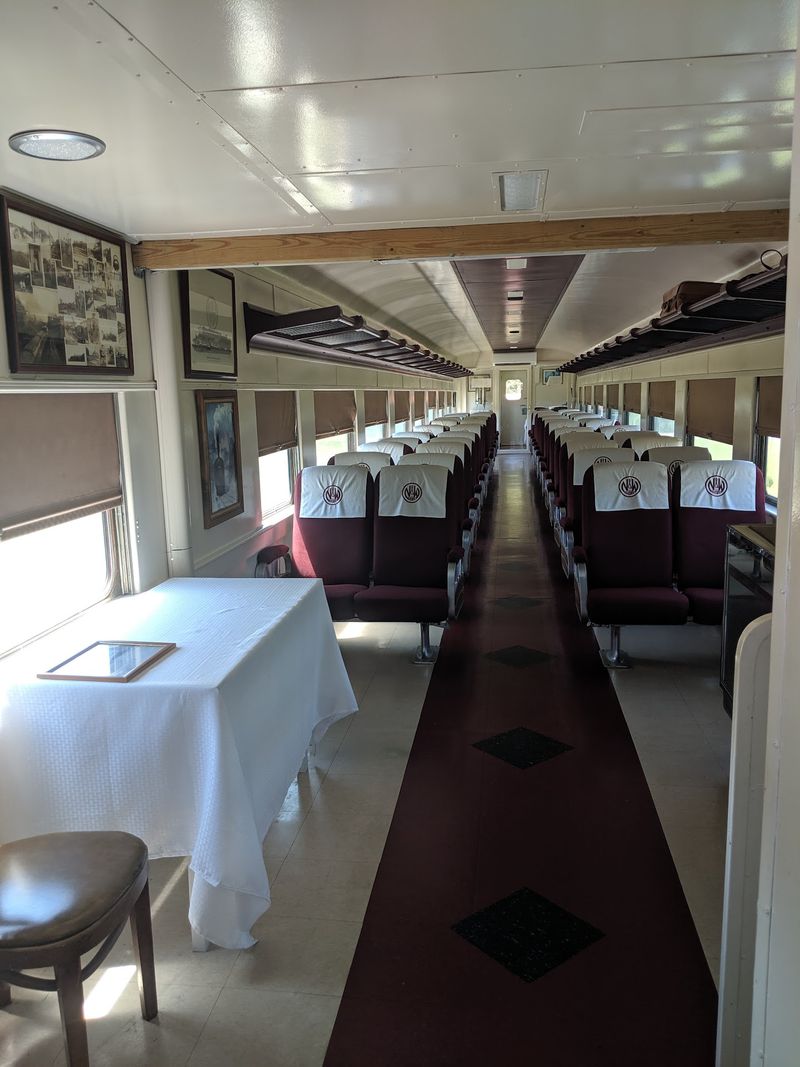
Freight cars sit nearby, along with maintenance vehicles including a speeder, sometimes called a putt-putt, and a classic hand car. There is also a Pullman passenger coach, number 1723, once used on the Powhatan Arrow.
Give yourself a solid hour outside. The grounds are flat and easy, though gravel makes strollers a bit bumpy.
By the time I circled back to the depot, I had touched almost a century of Virginia railroading with my own hands.
Model Trains Stealing The Show
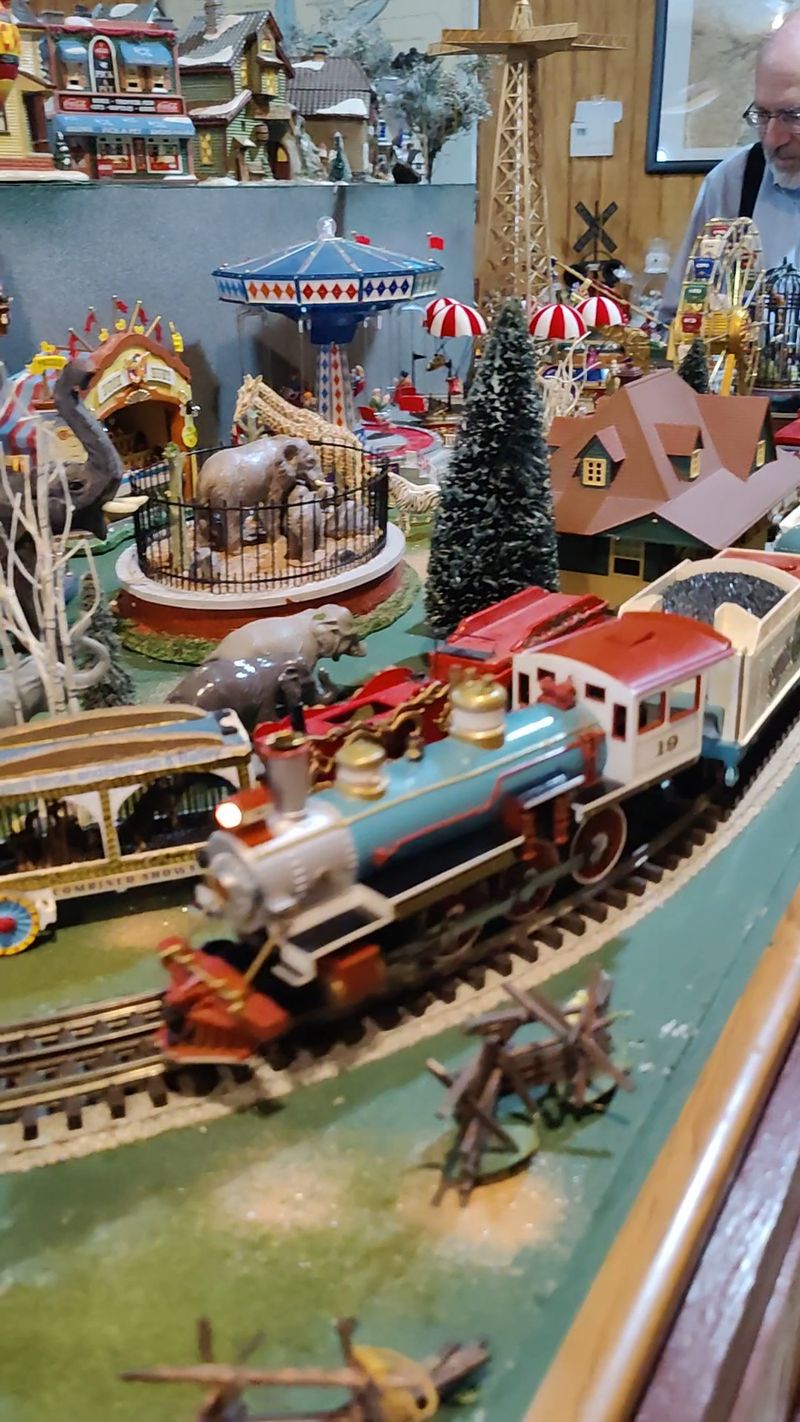
Ask any regular what they love most, and the answer is usually indoors.
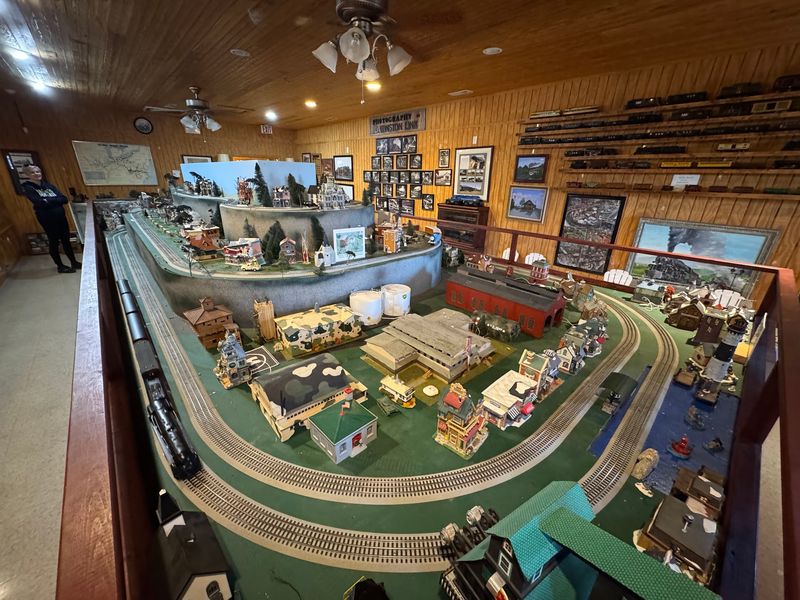
The depot building houses a big working model railroad layout that runs while you watch. Tiny trains loop past miniature towns, and the sound alone hooks people instantly.
One standout display recreates the Crewe Roundhouse along with steam-era trains, built by a modeler from Washington, North Carolina. The real roundhouse once stood just behind the museum property.
Another detailed layout comes from a builder in Jetersville, Virginia. Craftsmanship on both is remarkable, right down to weathered rooflines and tiny signal posts.
Signs explain future plans for expanding the main layout to represent goods trains once hauled through the region. I appreciated that honesty about ongoing work.
December brings the Holiday and Christmas Layout Tour, featuring a roughly fifty-foot display. If you have flexible travel dates, that month rewards you.
Parents, take note. Little ones can stand at the layout edge for ages without a single complaint.
I planned five minutes in that room and burned twenty-five. Something about watching small trains repeat their routes makes time behave strangely.
Artifacts Donated By Neighbors
Look closely at the indoor cases and a pattern appears.
A large share of the memorabilia came from Crewe residents themselves. Families gave up lanterns, tools, uniforms, and photographs so the story could stay whole.
That changes how the collection feels. Each object arrived with a household attached, not a purchase order.
Vintage baggage carts sit near walls covered in framed pictures. Faces stare back from platforms that no longer look the same.
I lingered over images of the old yard at full activity. Seeing how many workers it took to keep freight moving reframed the whole town for me.
Small railway articles fill the shelves too, the everyday equipment nobody thought to save until someone finally did. Those humble items often carry the best details.
Reading the captions slowly pays off. You start noticing repeat surnames, which tells you generations worked the same rails.
Virginia holds many grand institutions with polished galleries. This one wins on intimacy instead, offering a community scrapbook you can walk through.
Park Setting And Live Trains
Bring a sandwich. Seriously.
The museum sits within Crewe Veterans’ Memorial Park, which adds picnic tables, barbecue pits, and a gazebo to the visit. There is also a fitness trail and volleyball courts if energy needs burning.
Then comes the bonus nobody advertises loudly. An active Norfolk Southern rail yard operates right next door, successor to the original Norfolk and Western line.
Modern freight trains rumble past while you study century-old equipment. Past and present share the same air, and the contrast is thrilling.
Railfans should pack binoculars and patience. Sit at a table, watch the yard work, and you will likely catch real movement.
Each May, the second weekend brings the town’s Homecoming celebration. Locals turn out, and the whole community feels connected to its tracks again.
Shade is limited on the grounds, so hats help during summer months in southern Virginia. Spring and fall offer the most comfortable wandering weather.
My afternoon ended at a picnic table with a distant horn sounding across the yard. That soundtrack made the whole detour feel complete.
Planning Your Weekend Stop
Timing matters more here than at most attractions.
Doors open Saturday from 10 am to 4 pm and Sunday afternoons from 1 pm to 4 pm. Weekdays are closed, so plan a weekend detour rather than a midweek gamble.
Admission is free, though donations keep the lights on and fund future projects. There is a small gift shop for souvenirs too.
The location makes it easy. Sitting directly along Route 460, it works perfectly for travelers heading toward the coast or crossing central Virginia.
Budget ninety minutes minimum. Half indoors with the models and history, half outdoors climbing equipment.
Recognition has come quietly. It earned honors as a top railroad museum in this state and has been called one of the state’s best-kept secrets.
My advice is simple. Arrive early in the open window, ask plenty of questions, and let the volunteers steer your route.
Small museums like the Crewe Railroad Museum survive on visitors who show up curious. Be one of them.