The Virginia Community Is Built On Top Of An Ancient Collapsed Mountain And It’s Remarkable
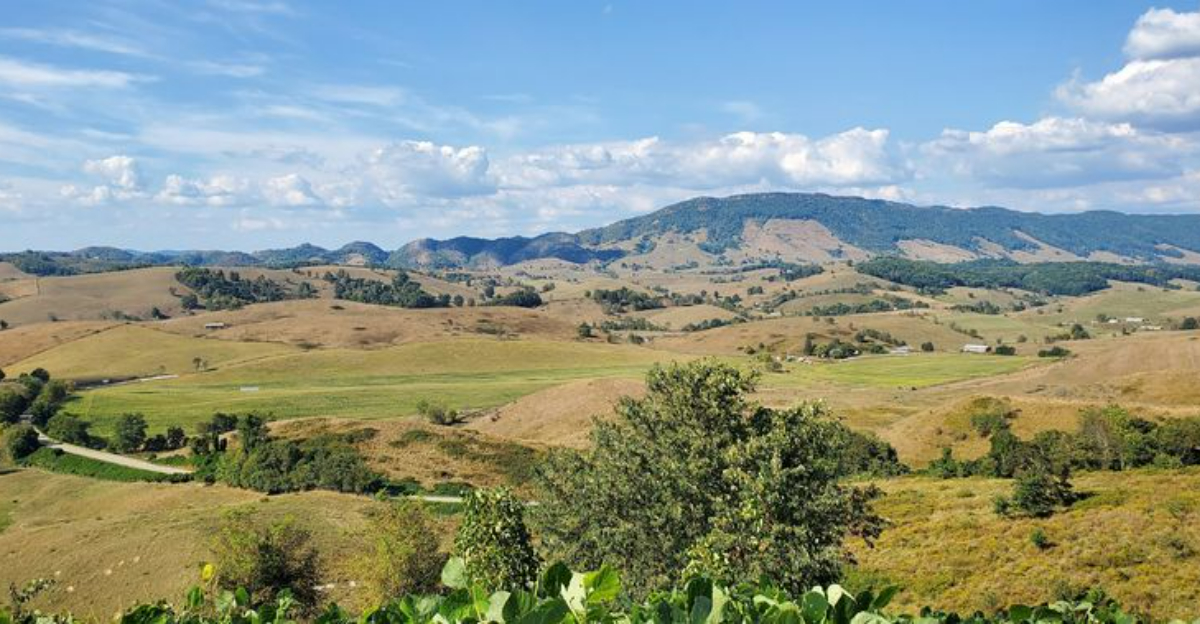
I stood at the edge of the ridge and genuinely could not process what I was looking at. A whole town.
Sitting inside what looked like a giant crater, ringed by mountains on every side. My first thought was that someone must have built this valley on purpose.
Nature does not usually work this neatly. Turns out Virginia holds one of the strangest geological accidents in the entire country, and it happened millions of years before anyone was around to witness it.
An ancient sea, a mountain that eventually gave up and collapsed inward, and somehow a full community grew right in the middle of the wreckage. I kept circling back to the same thought.
How does nobody talk about this place more? Virginia buries some genuinely wild history in its back roads, and this valley might be the strangest one yet.
Once I learned the full story, I understood exactly why people fall in love with it.
A Mountain That Collapsed Into Itself
Millions of years ago, a mountain stood roughly 6,500 feet tall right on this spot. It was dome-shaped, packed with limestone, and capped with sandstone on top.
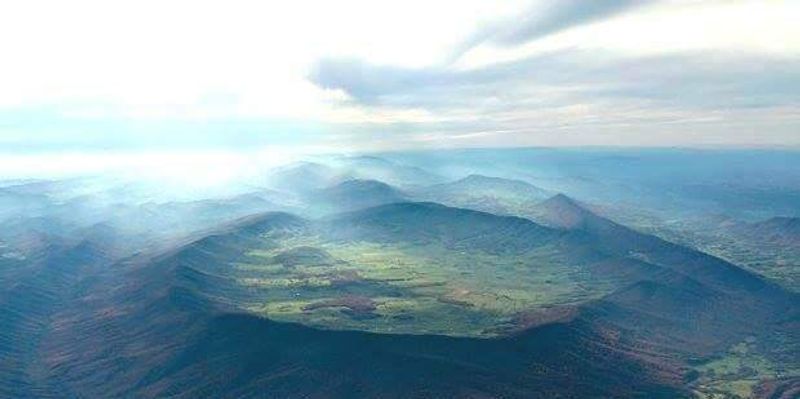
Over time, erosion wore that sandstone cap down to nothing. The whole structure slowly collapsed inward, creating the oval bowl shape visible today.
Geologists call this kind of formation an anticline. The result looks so perfectly round from above that many people mistake it for a meteor crater.
The valley floor sits around 3,000 to 3,100 feet above sea level. That makes it the highest valley in the state, which is pretty wild to think about.
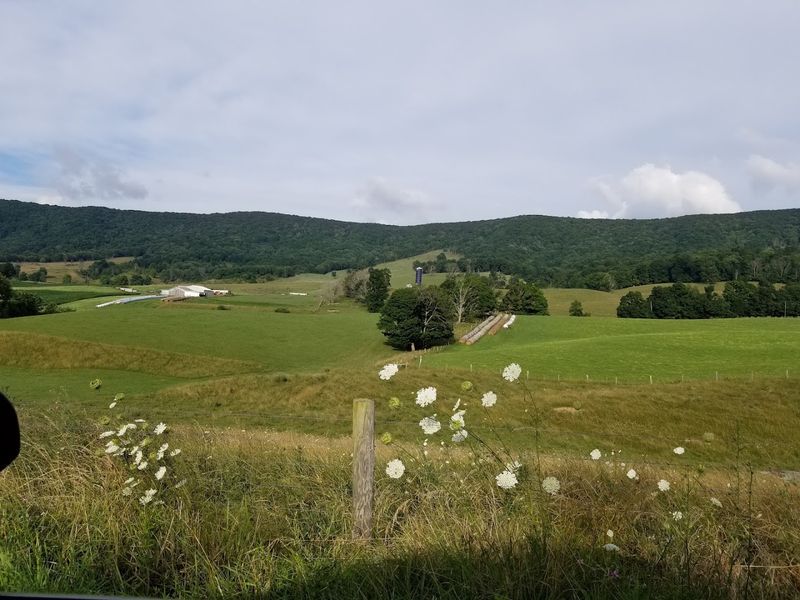
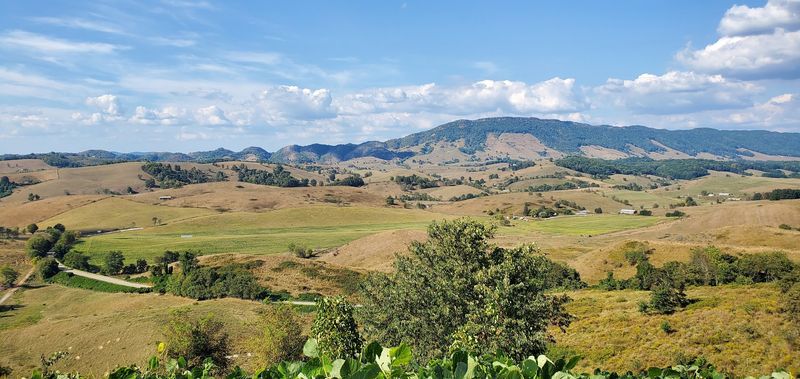
Standing on the valley rim and looking down is genuinely jaw-dropping. The farmland below looks like a green patchwork quilt stitched between mountain walls.
Locals and geographers have nicknamed this place “God’s Thumbprint,” and honestly, the name fits perfectly. You can find this remarkable spot at Burkes Garden, Virginia 24651.
Vanderbilt Wanted It But Could Not Have It
In the late 1800s, agents working for the Vanderbilt family came knocking on doors in this valley. They had been sent to buy up land for a grand private estate.
The Vanderbilts were among the wealthiest families in American history. Their interest in this valley was a serious statement about how special this place really is.
Locals refused to sell. Many local landowners refused to sell, preventing the Vanderbilt family from assembling the large estate they envisioned.
That decision earned this valley the unofficial title of “Vanderbilt’s First Choice.” It is a badge of pride that residents still mention with a smile.
Think about that for a moment. The people here chose community over extraordinary wealth, and nobody walked away from that choice with regrets.
That kind of collective loyalty to a place is rare anywhere in the world. It tells you everything about the character of the people who have always called this valley home.
The Amish Community Thriving In The Bowl
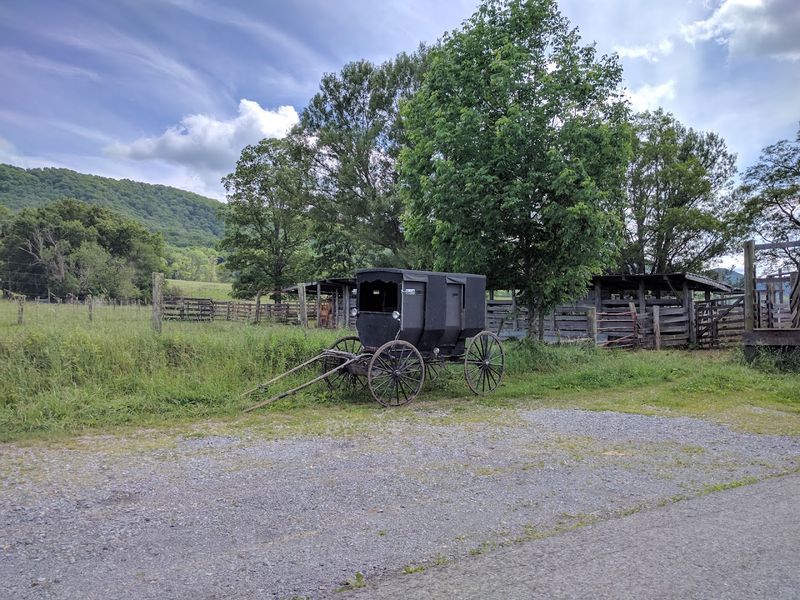
One of the most unexpected things about this valley is the thriving Amish community living and working here. They farm, craft, and operate local businesses that draw visitors from surrounding counties.
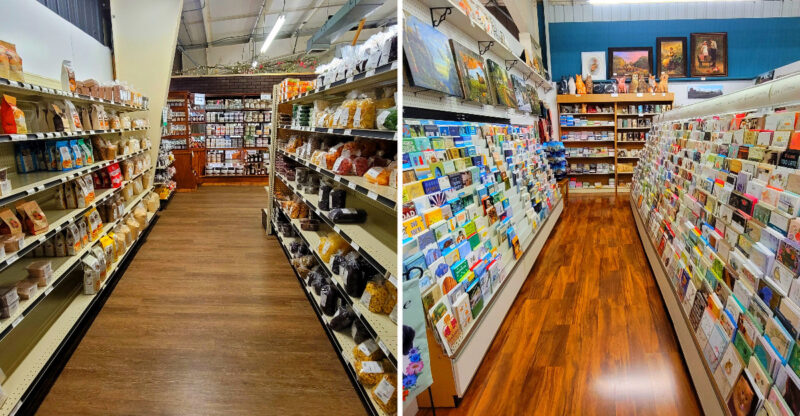
The Burkes Garden General Store is a central hub for both locals and travelers. Located at 6156 Burke’s Garden Road, it stocks Amish-prepared foods, baked goods, and bulk goods you cannot find anywhere nearby.
Stepping inside that store feels like pressing pause on modern life. The smell of fresh bread alone is worth the drive up the mountain road.
Another spot serving traditional Amish meals is Mattie’s Place. Simple, hearty, and made with ingredients grown right here in the valley.
The Amish presence adds a layer of quiet authenticity to this already remarkable place. Handcrafted goods and fresh produce reflect a lifestyle built on patience and skill.
Watching horse-drawn equipment move through fields at this elevation is genuinely surreal. It connects you to a pace of life that most of the world has long forgotten.
A Historic District Frozen In Time
The entire valley carries official recognition as the Burke’s Garden Rural Historic District. It is listed on the National Register of Historic Places, which is not something every small community can claim.
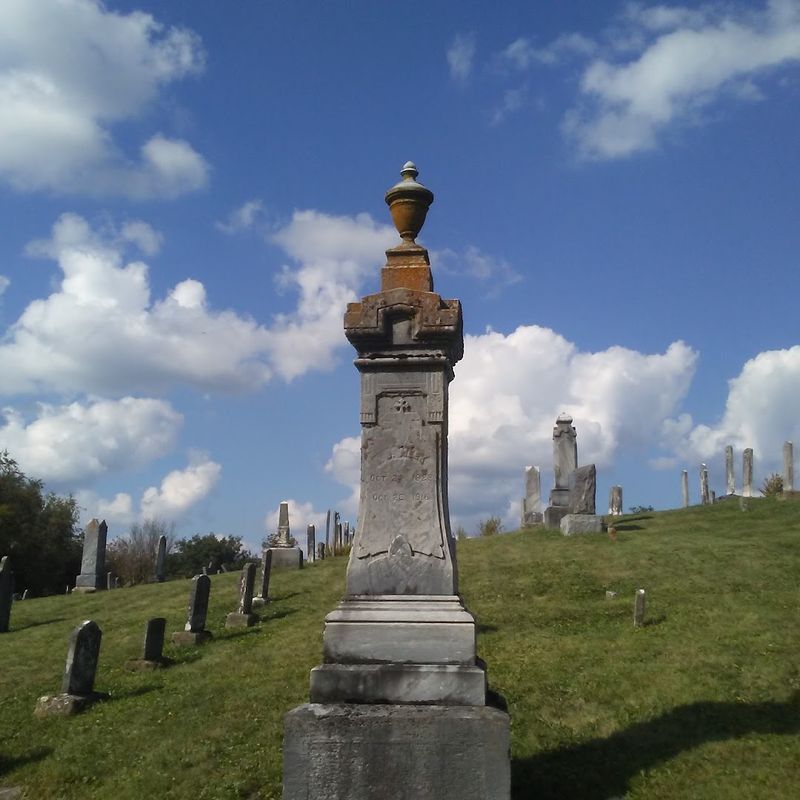
The Burke’s Garden Central Church and Cemetery is one of the most striking spots inside this district. German headstones dating back to the 1700s stand quietly among the grass.
Reading those old inscriptions gives you an immediate sense of how long people have called this bowl home. Generations of families are buried here, all within the same mountain walls.
The iconic Pepsi building is another landmark worth seeing. It once served as the valley’s general store and post office, a relic of an earlier commercial era.
Historic preservation here is not just official policy. Residents genuinely care about keeping these structures standing and meaningful.
Walking through this district feels less like sightseeing and more like time travel. Every building and headstone adds another layer to a story that started before the United States even existed.
The Irishman Who Accidentally Named Everything
The name Burke’s Garden did not come from a map or a government official. It came from a hungry Irishman named James Burke who left potato peelings in the ground during a survey expedition in 1748.
James Patton’s survey team had camped in the valley that year. Burke buried his potato scraps, probably thinking nothing of it.
When the team returned later, those potato peelings had sprouted into an actual garden. Someone joked that Burke had planted a garden, and the name stuck forever.
It is one of the most accidentally poetic origin stories in Virginia history. A throwaway act of survival created a name that has lasted nearly 300 years.
German immigrants later settled this backcountry frontier in the late 1700s. They built homes, farmed the fertile land, and formed a tight-knit community that still exists today.
The valley now has about 300 residents. Small in population, enormous in character and history packed into every corner.
Wildlife That Makes Birdwatchers Lose Their Minds
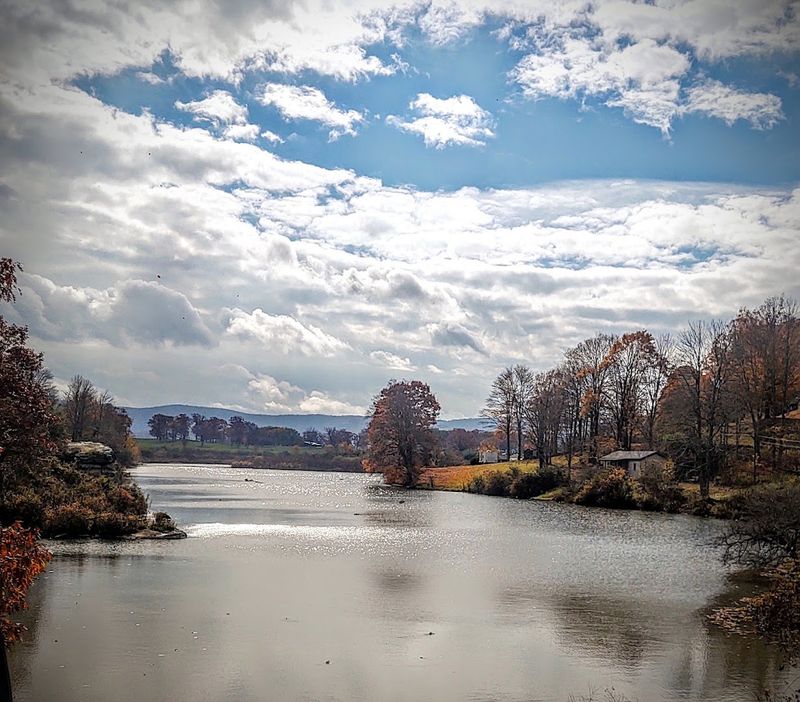
The mix of forest, meadow, and marshland inside this valley creates an ecosystem that supports an impressive variety of wildlife. You do not need to search hard to spot something remarkable.
White-tailed deer and wild turkeys roam freely across the valley floor. Spotting them near the road on an early morning drive is almost guaranteed.
Bald eagles are occasionally spotted soaring above the valley, taking advantage of mountain thermals when conditions are right. Watching one circle overhead never gets old, no matter how many times it happens.
Birdwatchers especially love this place. The rare loggerhead shrike, meadowlarks, and dozens of other species make this valley a serious destination for anyone carrying binoculars.
The combination of high elevation and diverse habitat types creates conditions that few Virginia locations can match. Wildlife thrives here partly because human activity remains limited.
Spending even one quiet morning here with your eyes open is enough to understand why naturalists get excited about this valley. Nature put real effort into this place.
Hiking, Cycling, And The 12-Mile Loop That Changes Everything
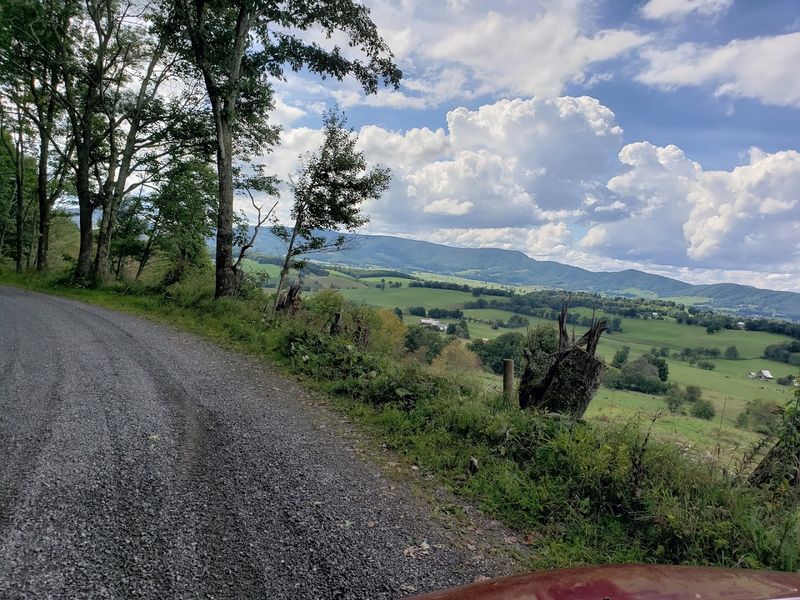
Outdoor enthusiasts who find this valley tend to come back repeatedly. The options for exploration here are genuinely impressive for such a small, isolated community.
The Appalachian Trail skirts the valley for nearly 34 miles. Hikers who know their stuff consider this stretch one of the more scenic sections in the entire state.
The Heart of Appalachia Bike Trail officially begins here. Cyclists who start this route get an immediate sense of why Southwest Virginia has become a serious cycling destination.
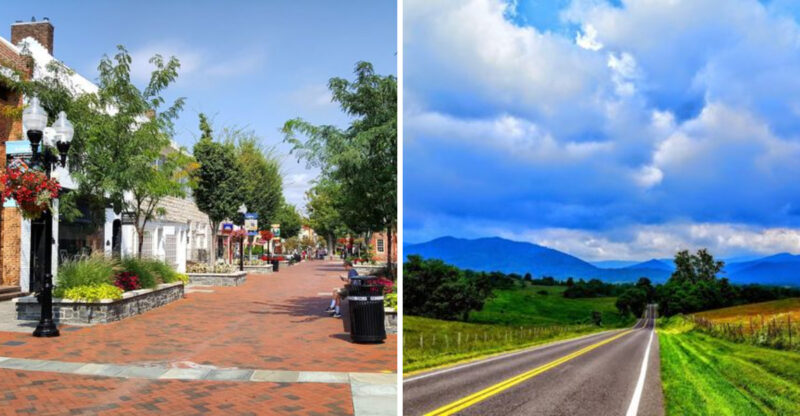
The 12-mile loop road made up of Routes 623, 625, and 666 is the most popular drive in the valley. It circles the entire bowl and delivers 360-degree mountain views at nearly every turn.
Driving that loop slowly with the windows down is one of those simple pleasures that stays with you. The scale of the surrounding ridges is hard to fully absorb from a car seat.
Whether you hike, bike, or just drive, this valley rewards every type of outdoor visitor equally. There is no wrong way to experience this landscape.
The Icebox Of Virginia And Its Unforgettable Seasons
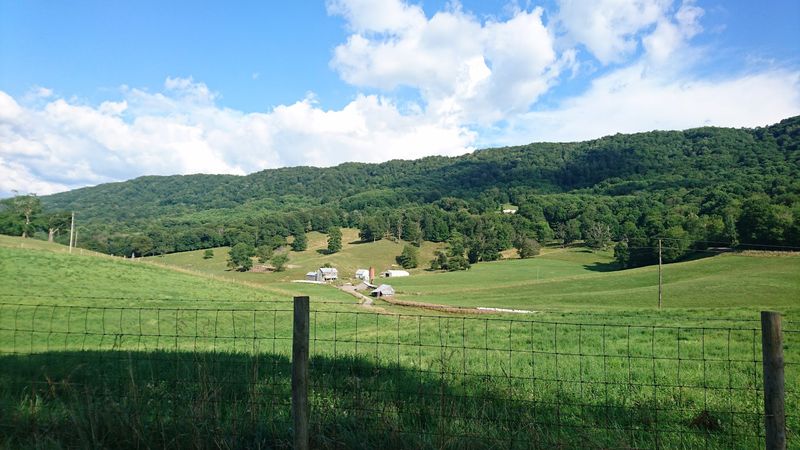
Summer temperatures here run noticeably cooler than surrounding areas, sometimes by as much as 15 degrees Fahrenheit. That alone makes this valley a popular escape during hot Virginia summers.
Locals call it the “icebox” of Southwest Virginia, and the nickname is fully earned. Fall arrives early, with the growing season typically wrapping up around September 26.
Winter brings serious snowfall, occasionally several feet deep. Some roads temporarily close, which only adds to the sense of beautiful, peaceful isolation this place carries naturally.
The Burkes Garden Fall Festival happens every year on the last Saturday of September. Local crafts, food, and community spirit fill the valley with energy right before the cold sets in.
Each season transforms the landscape in completely different ways. Spring wildflowers, summer green, autumn color, and winter white all hit differently at this elevation.
Visiting in any season is worth the trip, but fall might be the most spectacular. The bowl shape concentrates the foliage colors in a way that feels almost theatrical, like nature is putting on a proper show.