This California Town Has A Healthcare System So Advanced It’s Ranked Among America’s Best

Healthcare is one of those topics where flashy claims deserve a closer look.
So instead of treating a ranking like a guarantee, look at what actually puts a medical center near the top.
Advanced technology matters. So do safety, outcomes, specialist expertise, research, and the ability to handle unusually complex cases.
Few places in California are as closely associated with cutting-edge medicine as this one.
Its health system is tied to Stanford Medicine, where Stanford Health Care has earned major national recognition for quality, specialized care, and medical innovation.
Still, rankings only tell part of the story.
Your own experience can depend on the doctor, treatment, insurance, access, and personal needs. A highly ranked hospital is not automatically the best fit for every patient.
But when you look at the depth of expertise concentrated here, it becomes easier to understand why this town keeps appearing in conversations about some of America’s strongest medical care.
See Why Stanford Hospital Is Considered One Of America’s Leading Medical Centers

A track record built on decades of clinical excellence sets Stanford Health Care apart from nearly every other hospital in the nation.
Consistently recognized by U.S. News and World Report as one of America’s finest hospitals, the institution has earned its place at the top through measurable results and a relentless commitment to patient safety.
The hospital received an “A” Safety Grade from the Leapfrog Group for five consecutive years, which is a distinction that reflects how seriously the staff approaches every aspect of care.
Stanford Health Care achieved Magnet nursing status for the fourth time, an honor held by fewer than two percent of hospitals across the country.
That kind of repeat recognition speaks to a culture that values skilled, compassionate nursing as a cornerstone of patient recovery.
The hospital also holds recognition as a Comprehensive Cardiac Center by The Joint Commission and the American Heart Association, confirming its strength in evidence-based cardiovascular treatment.
One particularly notable achievement is its Level 1 Trauma Center verification, earned in 1998, making it the only hospital between San Francisco and San Jose with that designation.
Healthgrades has also awarded it the America’s 50 Best Hospitals Award, placing it in the top one percent nationally for clinical quality. Few institutions can claim that combination of honors.
Step Inside A Hospital Built Around Cutting-Edge Medical Technology

Natural light fills the hallways and patient areas, creating an atmosphere that feels calm rather than clinical, which matters more than people often realize during a stressful health journey.
The design philosophy here treats the physical environment as part of the healing process itself, not just a backdrop for medical procedures.
Technology embedded throughout the facility includes high-resolution imaging systems capable of producing detailed three-dimensional views of the beating heart in real time.
Surgeons use this visual precision to guide complex procedures with a level of accuracy that was simply not possible a generation ago.
Robotics play a role in spine surgery, helping reduce operating times and minimize post-operative discomfort for patients recovering from serious procedures.
Minimally invasive techniques are prioritized across many departments, reflecting a broader institutional philosophy that values faster recovery and less physical disruption for patients whenever medically appropriate.
Rehabilitation areas are particularly thoughtfully designed, with comfortable surroundings that support gradual recovery and physical therapy.
Technology here does not feel cold or intimidating but rather purposeful and patient-centered, woven into every corner of the hospital experience from diagnostics to discharge.
Discover The Stanford Neuroscience Health Center In Palo Alto
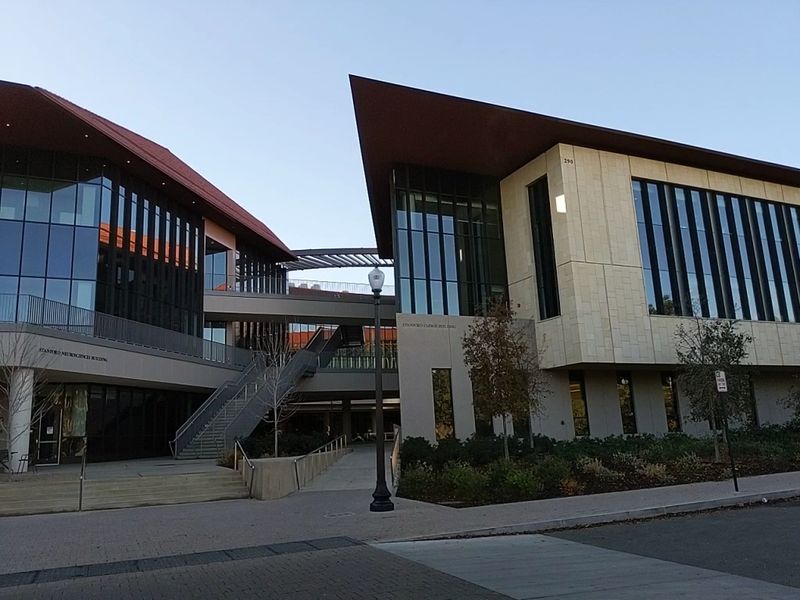
Neurological conditions can be among the most complex and life-altering challenges a person faces, and having access to a dedicated center built specifically for those needs makes a meaningful difference.
The Stanford Neuroscience Health Center brings together world-class specialists across neurology, neurosurgery, and neurointerventional radiology under one roof.
Having all of those disciplines available in a single location reduces the burden on patients who might otherwise travel between multiple facilities for coordinated care.
The center covers 21 distinct subspecialty areas, which is a breadth of expertise that is genuinely rare to find in any one building.
Conditions addressed here include autonomic disorders, comprehensive epilepsy, memory disorders, movement disorders, and stroke, among many others.
Each of those specialties requires deep clinical knowledge and a team that communicates well across disciplines to develop effective treatment plans.
Adolescent patients transitioning from pediatric to adult care receive dedicated support through coordinated programs that work alongside pediatric neurosurgery units.
Rehabilitation services are built into the center’s offerings, ensuring that treatment does not end at diagnosis or surgery but continues through recovery.
Supportive programs including exercise classes and nutrition counseling round out a genuinely comprehensive approach to neurological health.
Learn How Stanford Combines Medical Research With Everyday Patient Care
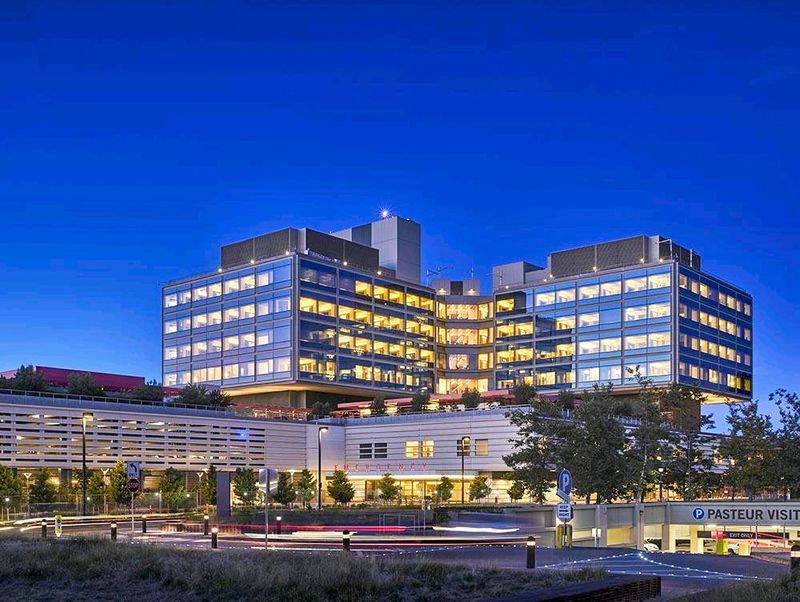
Most hospitals treat patients based on established protocols.
Stanford Medicine goes further by continuously questioning and refining those protocols through active research happening right alongside clinical care.
The Molecular Imaging Program at Stanford, known as MIPS, exemplifies this integration by uniting scientists and physicians in a shared mission to develop imaging technologies that reveal how biological systems work at a cellular level.
That kind of foundational research has real consequences for how patients are diagnosed and treated.
Residents in the combined Diagnostic Radiology-Nuclear Medicine program are actively encouraged to pursue original research during their training, with dedicated time and access to resources.
The result is a training environment that produces clinicians who think like researchers, bringing fresh perspectives to patient care.
Longitudinal projects, symposium presentations, and peer-reviewed publications are all part of the culture.
For patients, this research-forward environment translates into access to clinical trials and experimental therapies that may not yet be available at other institutions.
The cycle of discovery, testing, and application is continuous, meaning that improvements to existing treatments happen faster and more systematically than in settings where research and clinical care operate separately.
Everyday appointments here can quietly benefit from breakthroughs still unfolding in nearby labs.
See How Specialists Work Together On Complex And Rare Conditions

Rare and complex conditions rarely fit neatly into a single medical specialty, which is why the collaborative model at California’s Stanford Health Care is so valuable.
Rather than sending patients from one isolated specialist to the next, the system brings those specialists together around a shared understanding of each case.
Within the Stanford Neuroscience Health Center, neurologists, neurosurgeons, and neurointerventional radiologists work as a coordinated team rather than independent practitioners.
The Minimally Invasive MR Interventional Center, known as MIMRIC, takes that team approach even further by combining radiologists with specialists from oncology, urology, neurosurgery, and gynecology.
That kind of cross-disciplinary setup is particularly powerful for conditions that affect multiple body systems simultaneously.
Patients with unusual or overlapping diagnoses benefit from having all those perspectives in the room at once rather than receiving fragmented advice from separate offices.
Treatment plans developed in that setting tend to be more holistic and better coordinated from the start.
For anyone navigating a diagnosis that does not have a straightforward path forward, the collaborative culture here provides a kind of medical safety net that is genuinely reassuring.
Find Specialized Rehabilitation Services For Neurologic Conditions

Recovery from a neurological condition is rarely a straight line, and having access to therapists who specialize specifically in neurological impairment makes a genuine difference in outcomes.
The Outpatient Neurologic Rehabilitation Program at Stanford Health Care offers occupational therapy, physical therapy, and speech-language pathology services designed around the particular challenges that neurological patients face.
The program is physician-supervised, which means that the rehabilitation plan stays connected to the broader medical picture throughout recovery.
Physical therapists within the program focus on strength, flexibility, coordination, balance, and functional mobility through targeted therapeutic exercises and specialized gait training.
Vestibular rehabilitation and concussion recovery programs are also part of the offering, addressing conditions that require highly specific expertise to treat effectively.
Some facilities incorporate robotic-assisted equipment to support strengthening and walking recovery for patients who need that level of assistance.
Speech-language pathology services address challenges with speaking, reading, writing, and swallowing, which are all areas that neurological conditions can affect in ways that significantly impact daily life.
The Stanford Neuroscience Health Center also provides exercise classes, nutrition counseling, and support for managing stress, anxiety, and cognitive impairments like memory and concentration difficulties.
The goal throughout is to help each patient reach the highest possible level of independence and quality of life.
Discover Stanford’s Nuclear Medicine And Molecular Imaging Programs
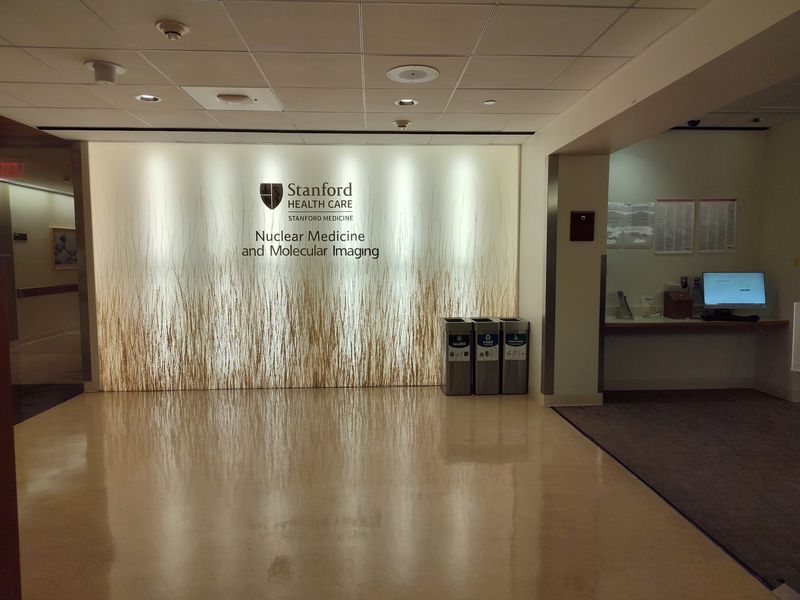
Nuclear medicine sounds like a highly technical field, and it is, but its practical value for patients is straightforward.
By using small amounts of radioactive tracers, clinicians can observe how organs, tissues, and bones are actually functioning rather than simply looking at their structure.
The Nuclear Medicine and Molecular Imaging clinic offers services including PET/CT, Cardiac PET, and general nuclear imaging with same-day appointments often available.
Stanford Health Care was recognized alongside Dana-Farber Brigham Cancer Center as one of the first two institutions designated a Radiopharmaceutical Therapy Center of Excellence by the Society of Nuclear Medicine and Molecular Imaging.
That distinction reflects a depth of expertise in using radioactive therapies not just for diagnosis but also for treatment.
The Molecular Imaging Program at Stanford, known as MIPS, operates as an interdisciplinary initiative developing state-of-the-art imaging technologies and molecular assays to study biological systems.
Residents in the combined Diagnostic Radiology-Nuclear Medicine program receive comprehensive training in basic sciences, diagnostics, and theragnostics, preparing them for careers at the forefront of this rapidly advancing field.
The research environment here encourages innovation that feeds directly back into patient care, making the clinic a place where scientific discovery and clinical application genuinely reinforce each other.
See How Same-Day Care Extends Beyond The Main Hospital

Getting timely access to specialized medical services is one of the most practical concerns patients face, and California’s Stanford Health Care has built systems designed to reduce those delays wherever possible.
Same-day appointments are available for nuclear medicine and molecular imaging services including PET/CT and Cardiac PET, which means patients do not have to wait days or weeks for essential diagnostic information.
That kind of responsiveness can have real consequences for conditions where early detection and quick action matter most.
Beyond imaging, the network of specialized centers across the Palo Alto area is structured to consolidate multiple services in one location, reducing the logistical burden of navigating separate facilities for different aspects of care.
The Stanford Neuroscience Health Center, for example, houses 21 subspecialty areas under one roof, so a patient managing a complex neurological condition can access multiple types of expertise in a single visit.
That kind of integrated access reflects a broader philosophy within the healthcare system that values the patient’s time and experience as much as the clinical outcome.
Streamlining the journey from initial concern to diagnosis to treatment to follow-up care makes the entire process less overwhelming, particularly for individuals managing serious or chronic conditions. Prompt access to specialized services is not a luxury here but a deliberate design priority.
Explore Palo Alto’s Network Of Highly Specialized Medical Clinics
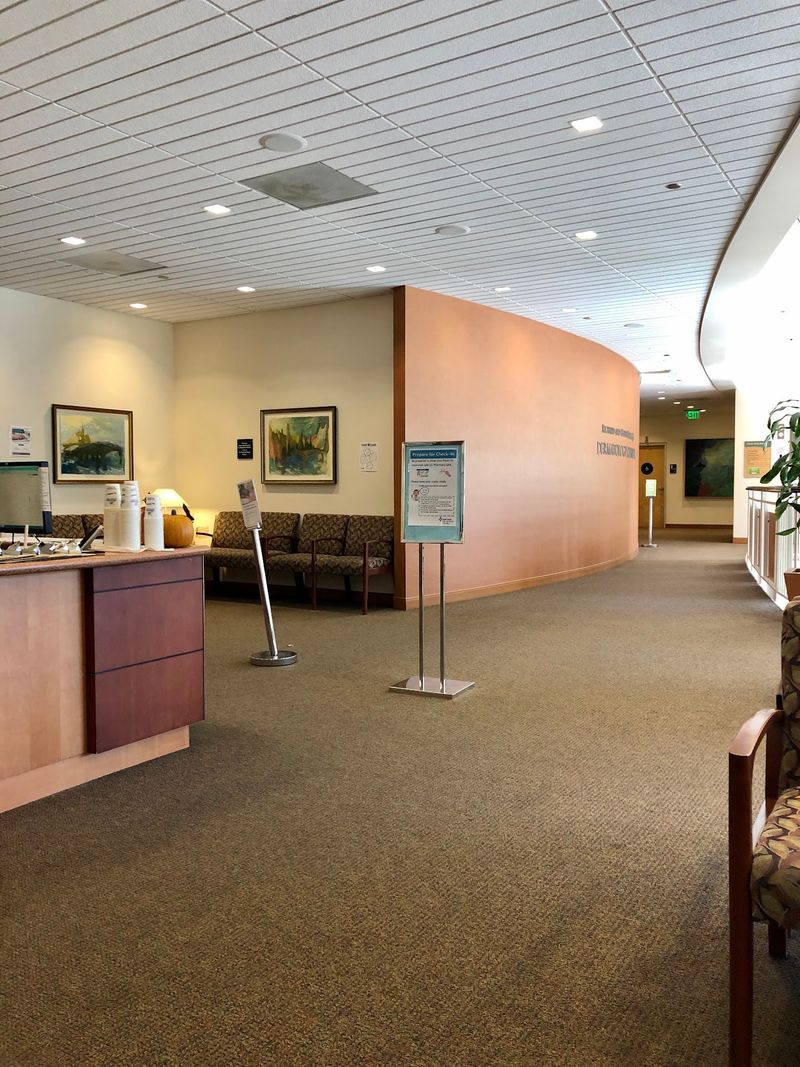
Beyond the main hospital building, the healthcare landscape in Palo Alto extends into a network of highly focused specialty clinics that address specific medical needs with deep expertise.
The Physical Medicine and Rehabilitation Division alone includes the Orthopaedic Spine Center, the Neurological Spine Disorders Clinic, and the Hand and Upper Limb Center, each staffed by specialists who focus exclusively on those areas.
That level of focus tends to produce more refined care than a generalist approach can offer for complex musculoskeletal and neurological issues.
Athletes and active individuals have access to Sports Medicine and Runner’s Injury clinics that understand the specific demands and vulnerabilities of physically active bodies.
Facial Plastic and Reconstructive Surgery clinics offer both noninvasive and minimally invasive options for patients seeking functional or aesthetic facial care.
Cosmetic and Laser Dermatology adds another layer of specialized skin care, covering conditions and treatments that require precision equipment and trained dermatological expertise.
Across the board, the clinical network in Palo Alto reflects a commitment to delivering care that is precisely matched to each patient’s particular medical situation.