California’s Quirky Ghost Town Packs Mine Tours, Old Saloons And Desert Charm All Day
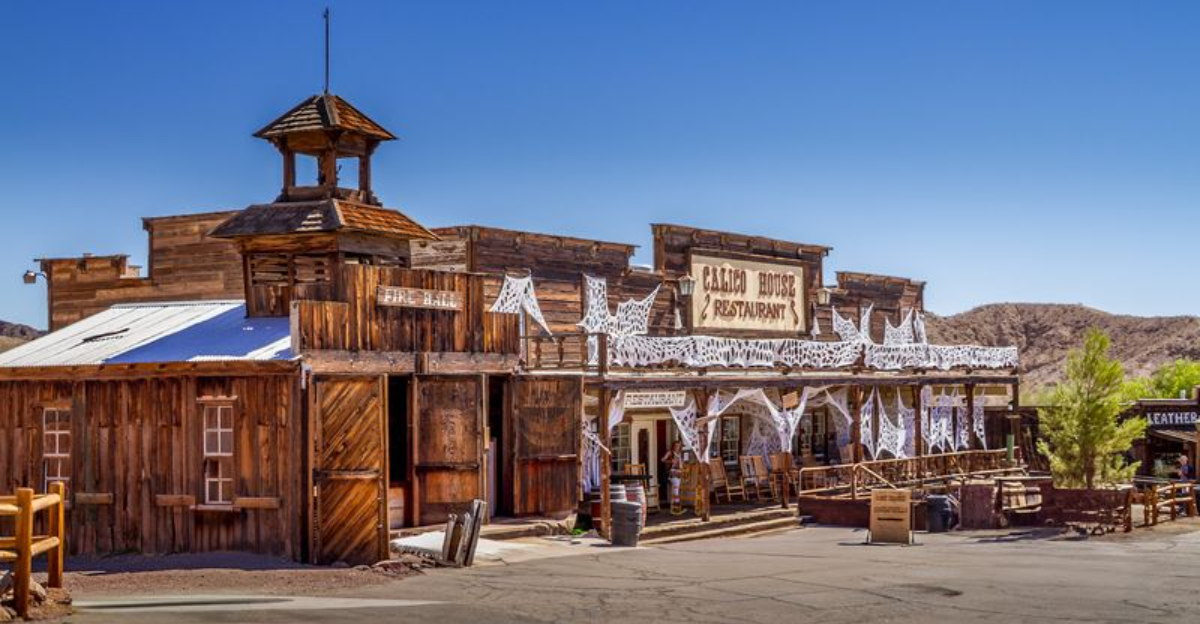
Ghost towns usually sound quiet on paper. Then the desert gets involved.
Out near Yermo, this old mining town turns a dusty slice of history into a full-day wander.
Boardwalks, mine tours, and frontier-style storefronts keep people drifting from one stop to the next.
It feels playful and sunbaked, with just enough theatrical flair. Still, the real boomtown history comes through beneath all that desert grit.
A desert day trip in California can come with more personality than a whole modern shopping center.
The fun is in the movement. Walk past old wooden facades. Peek into historic displays. Follow the mine-tour curiosity.
Let the scenery do some of the work when the hills start glowing around the town.
By the time the dust settles, this quirky stop feels like a desert detour with stories still rattling around.
Follow Main Street Into The Old West
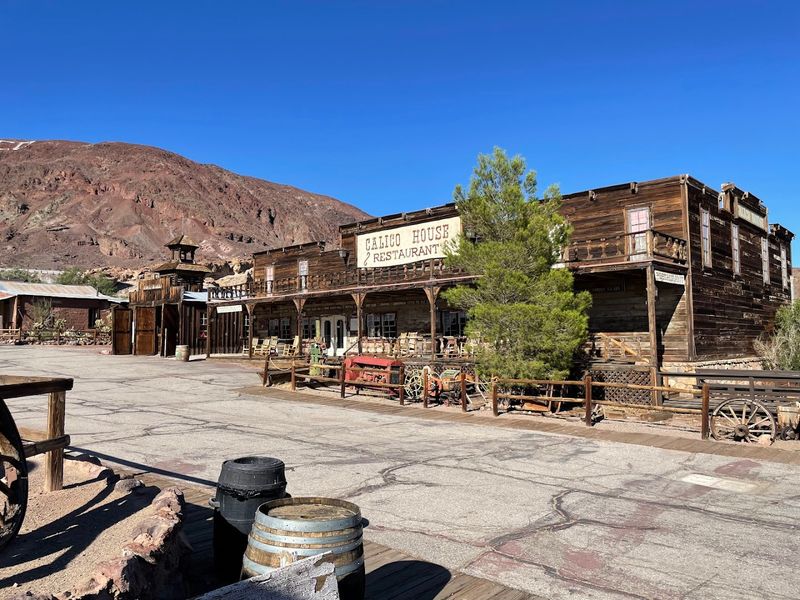
Walking down the main drag at Calico Ghost Town kind of feels like stepping onto a film set, except the history underneath is completely real.
The wooden storefronts, uneven terrain, and sun-bleached signage all come together against a backdrop of jagged Mojave Desert ridgelines that no production designer could fully replicate.
San Bernardino County manages the site at 36600 Ghost Town Rd, Yermo, CA 92398, operating it as a regional park that honors an authentic 1880s silver-mining community.
The town was founded in 1881 and quickly became one of California’s most productive silver-mining centers, with over 500 mines operating at its peak.
When silver lost its value in the mid-1890s, most residents left, and the town sat mostly abandoned until Walter Knott stepped in during the 1950s to restore nearly all of the original structures.
Governor Arnold Schwarzenegger officially proclaimed it California’s Silver Rush Ghost Town in 2005, giving the place a designation that matches what visitors already feel the moment they arrive.
Footing can be uneven along the main street, so comfortable shoes are a practical must.
The asphalt in some areas is bumpy, and mobility devices may find certain sections challenging, though ramps do provide access to most shops.
Tour The Maggie Mine
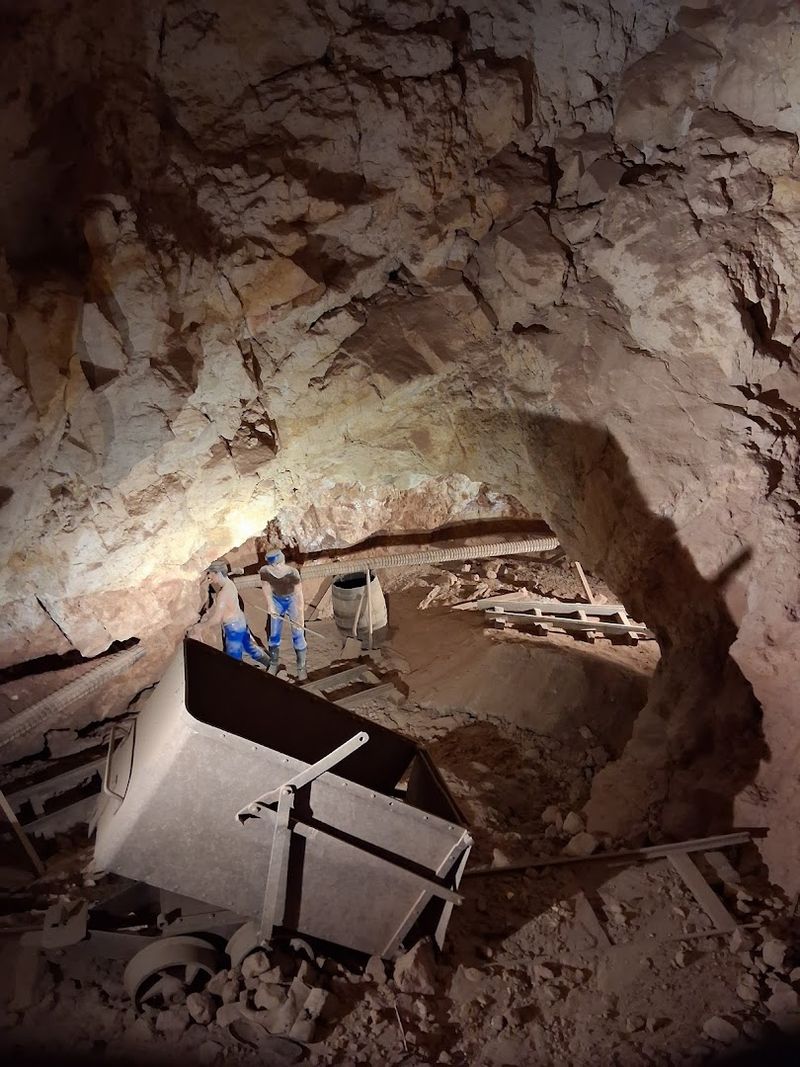
There is something quietly remarkable about walking through a tunnel that real miners carved out of solid rock back in the 1880s, and Maggie Mine makes that experience accessible to just about anyone willing to buy an admission ticket.
The self-guided tour runs roughly 1,000 feet through the mine drift and includes preserved mining equipment along with historical displays that explain how silver extraction actually worked.
Stepping inside offers more than just a history lesson.
The cool air inside the tunnel can feel like a genuine relief on hot desert days, and the shift from blazing sunlight to dim, rock-walled passages gives the experience a distinct sensory shift.
Exhibits inside the drift help visitors understand the scale of labor and risk that went into pulling silver ore from these mountains day after day.
Visitors are cautioned that unguided mines throughout the surrounding Calico area are extremely hazardous and should never be approached outside of official tour settings.
Maggie Mine stays within the safe, managed portion of the park and is one of the most consistently popular stops on any visit.
Planning to arrive earlier in the day could mean shorter wait times during busier weekend crowds.
Ride The Calico Odessa Railroad
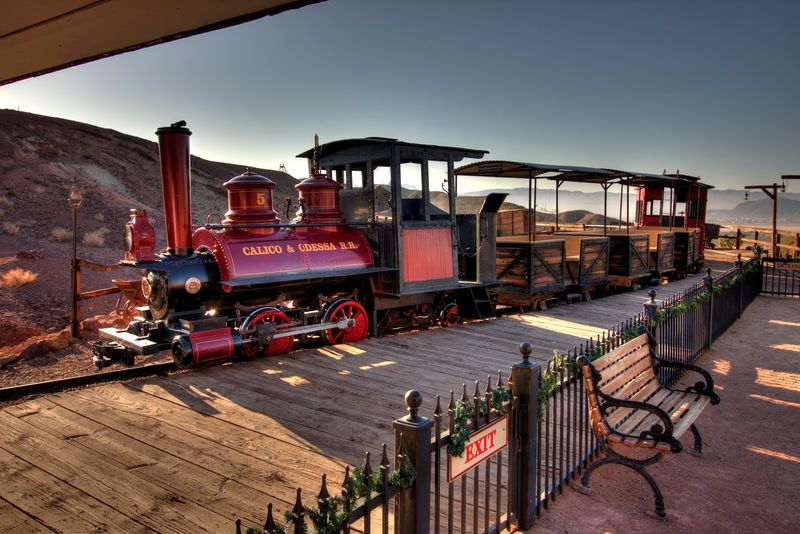
Few things capture the spirit of a 19th-century mining town quite like a train that chugs through the surrounding desert terrain with a storyteller narrating the ride.
The Calico Odessa Railroad offers an 8-minute loop through the historic mining landscape, styled after the early railroads that once served the region’s booming silver operations.
It runs for a separate fee and tends to be a crowd-pleaser for visitors of all ages.
The ride itself is short, so expectations should be set accordingly before purchasing a ticket.
What it delivers is a moving perspective of the Calico Mountains and the ghost town layout that simply cannot be replicated on foot.
The narration often includes details about the town’s mining history, which adds genuine educational value to what might otherwise feel like a novelty attraction.
Ticket prices for the railroad have been reported at around $5.50 for adults and approximately $3 for younger children, though pricing is subject to change and checking directly with the park before visiting is always a smart move.
The train tends to draw lines on busy weekend mornings, so riding early or later in the afternoon could mean a quicker boarding experience.
Save Time For The Mystery Shack
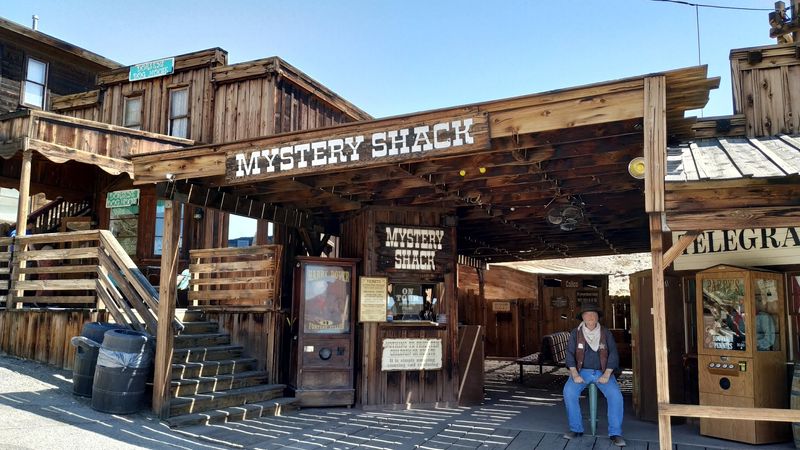
Not every stop at a historic ghost town needs to be solemn, and the Mystery Shack at Calico leans hard into playful weirdness with no apology.
The attraction features optical illusions and tilted rooms designed to make gravity feel like a suggestion rather than a rule, and it tends to generate genuine laughter from visitors who walk in expecting something more ordinary.
Requiring a separate admission fee, the Mystery Shack sits comfortably alongside the mine tours and railroad as one of the park’s ticketed extras.
For families traveling with kids, it offers a break from the heavier history lessons and gives younger visitors something interactive and surprising to talk about on the drive home.
The tilted architecture plays tricks on perception in ways that feel genuinely disorienting even when the mechanics behind it are understood.
Roadside oddity attractions like this one have a long tradition across the American West, and the Mystery Shack fits naturally into Calico’s overall personality as a place that blends real history with unapologetic fun.
Visitors who skip it to save money on extras still report enjoying the ghost town overall, but those who add it to their itinerary often find it becomes one of the more memorable parts of the day.
Try The Gold Panning Adventure
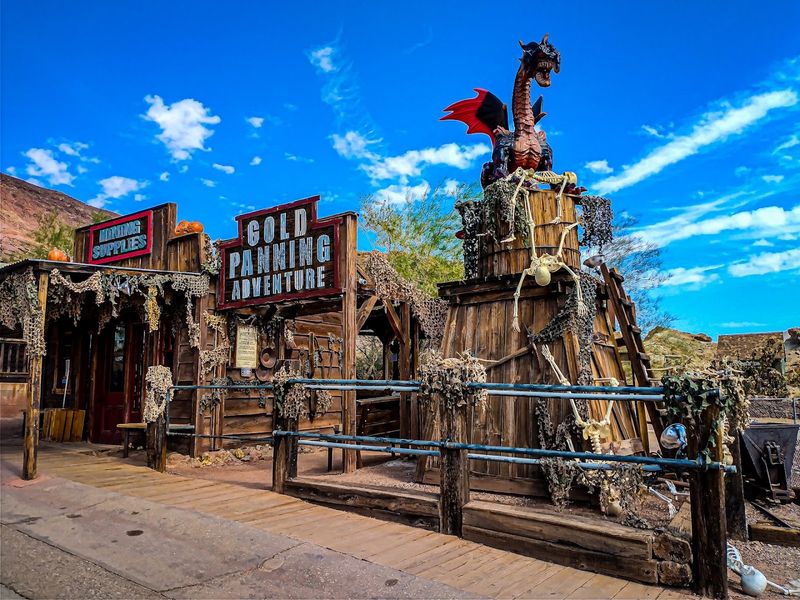
Gold panning adds a layer of hands-on participation to a visit that could otherwise stay purely observational.
At Calico Ghost Town, visitors can try their hand at the same basic technique that prospectors used during California’s rush era, swirling water and sediment in a pan to see what settles at the bottom.
The activity is listed among the park’s attraction package options alongside Maggie Mine and the Mystery Shack.
There is something satisfying about the rhythm of panning even when the results stay modest, and the tactile experience connects visitors to the region’s history in a way that reading a display panel simply cannot match.
For younger visitors especially, getting to participate rather than just observe tends to hold attention longer and create memories that stick well past the drive home.
The activity works well as a mid-visit energy reset, giving everyone a chance to slow down and focus on something simple after the sensory bustle of the main street shops and mine tour.
Comfortable, washable clothing is worth wearing since water and sediment are involved and spills happen naturally during the process.
Checking with the park on current pricing and availability before arrival helps avoid any surprises, as operational details for hands-on activities can shift depending on staffing and season.
Bring A Camera For The Desert Backdrop
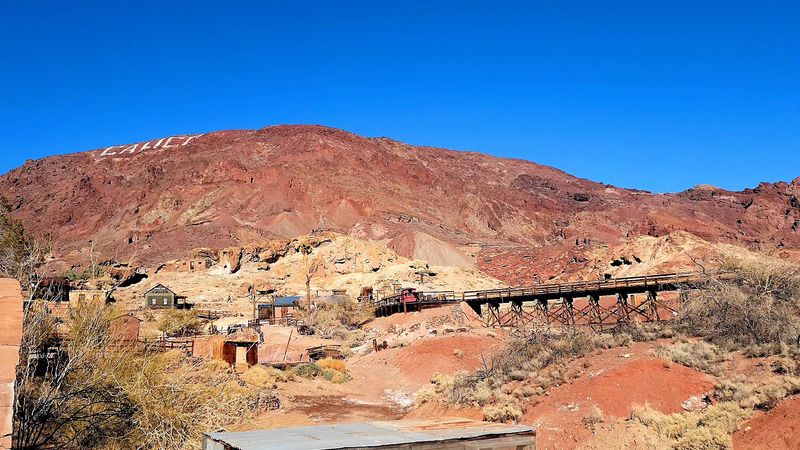
Few roadside destinations in California offer a backdrop as naturally dramatic as the Calico Mountains rising directly behind the ghost town’s wooden rooflines.
The rust and ochre tones of the hills shift subtly depending on the time of day, and the large CALICO letters painted on the hillside above town have become one of the most recognizable visual signatures of the entire region.
Even a short walk down the main street tends to produce more compelling shots than most visitors anticipate.
Early morning light tends to be especially flattering on the weathered building facades, and arriving close to the 9 AM opening allows for quieter moments before the day’s crowds fill the main street.
Late afternoon brings warmer tones across the hillside that can make the rust-colored rock glow in ways that feel almost cinematic without any filter adjustments needed.
The Historic Schoolhouse replica positioned beneath the mountain offers particularly strong framing opportunities, with the town spread out below and the ridgeline above creating natural depth in any wide shot.
The Bottle House, constructed entirely from glass bottles, is another highly photographed landmark that rewards close-up detail shots as much as wider establishing frames.
Sunscreen and a hat are practical considerations since shooting outdoors in the Mojave means extended sun exposure even during cooler months.
Let The Mining History Carry The Theme
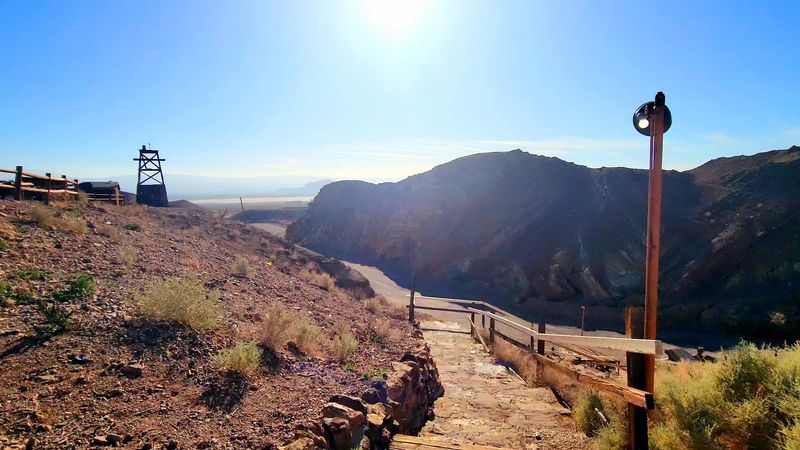
Silver built Calico, and the town’s historical identity stays grounded in that fact even as souvenir shops and novelty attractions fill the surrounding storefronts.
At its peak during the 1880s, Calico’s 500 mines produced over $20 million worth of silver ore across roughly 12 years, making it one of the largest silver strikes in California history.
That scale of production shaped everything about how the town was built, who lived there, and why it was eventually abandoned when silver prices collapsed.
Mining exhibits and historical displays appear throughout the park, filling in the story beyond what the buildings themselves can communicate.
The Lucy Lane Museum offers free admission and provides a window into what daily life looked like inside an Old West home during the mining era.
The Historic Schoolhouse replica adds another layer of domestic and community history to a narrative that might otherwise focus entirely on extraction and industry.
The Silver King Mine Tour offers an even deeper option for those wanting a more physically involved historical encounter, running 350 feet through a horizontal shaft on a guided 3 to 4 hour experience.
Browse The Specialty Shops
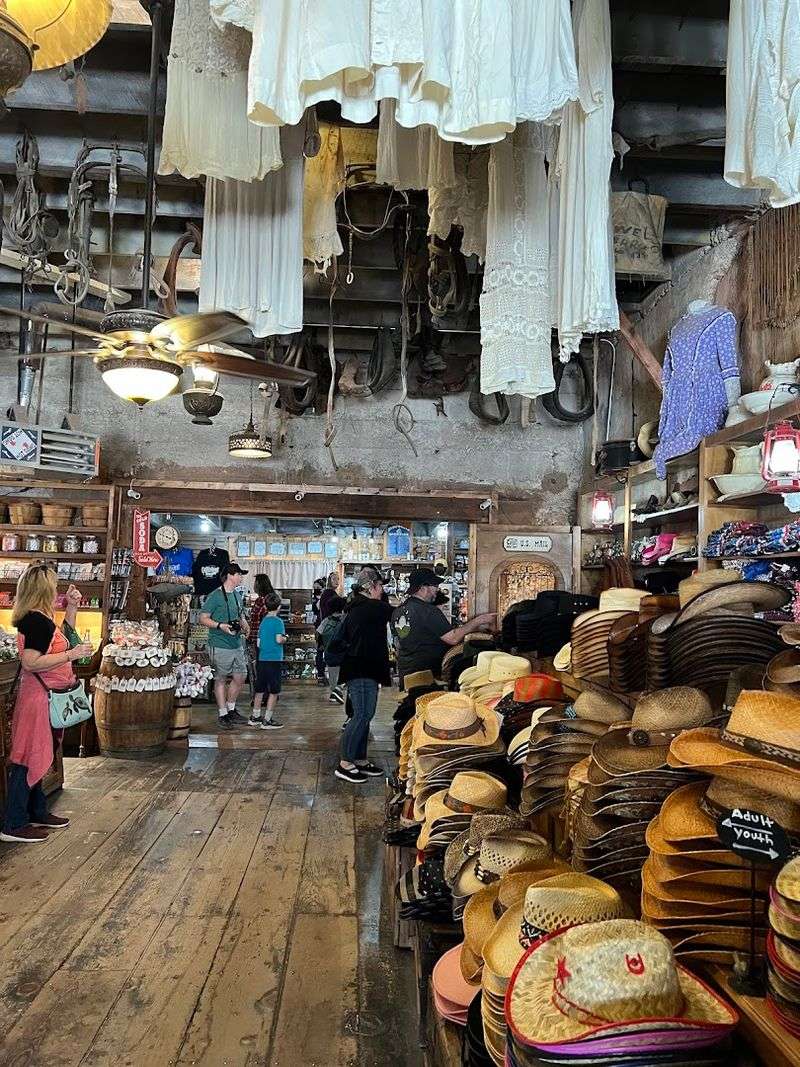
Shopping at Calico feels like a slow wander through a series of small curiosities.
More than 10 specialty shops operate across the ghost town, selling a mix of Western-themed souvenirs, locally relevant rocks and minerals, and candy that leans heavily into the old-town aesthetic.
Each shop tends to have its own personality, which keeps the browsing experience from feeling repetitive even after visiting several in a row.
The mineral and rock shops stand out as particularly distinctive, carrying specimens tied to the geological character of the surrounding Calico Mountains.
Visitors with an interest in geology or natural history often find these stops more engaging than the souvenir-focused alternatives.
The Sweets Shop offers a lighter detour for those looking for something edible to carry along while exploring.
Most shops accept card payments, and an ATM is available on-site for those who prefer cash transactions for smaller purchases.
Some items sold across the shops feel genuinely tied to the region and its history, while others lean more toward standard tourist fare, so browsing with an open and selective eye tends to produce the best finds.
Dogs on leashes are welcome throughout the park for a small fee, which makes the shop-browsing portion of the visit accessible for visitors who bring pets along on road trips.
Make It A Desert Day Trip
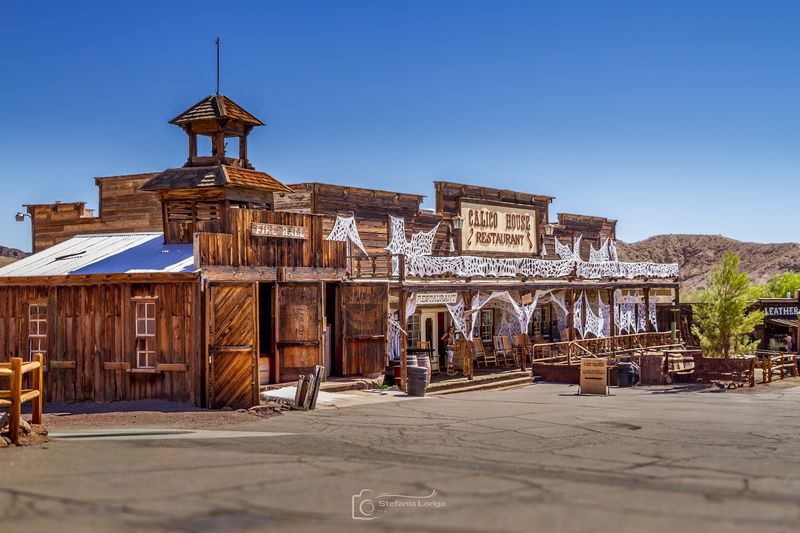
Calico Ghost Town sits just off Interstate 15 between Los Angeles and Las Vegas, which positions it perfectly as a road trip detour rather than a standalone destination requiring major logistical planning.
The drive from the freeway to the park entrance takes only a few minutes, and the town is open daily from 9 AM to 5 PM except Christmas Day.
Most visitors report that a half day covers the main attractions comfortably, though those who slow down and explore thoroughly tend to find four hours feels more natural.
Weekday visits tend to offer a noticeably quieter atmosphere than weekends, which can mean shorter lines at ticketed attractions and more breathing room along the main street.
Spring weather can swing between warm and cool within a single day, while summer heat in the Mojave demands sunscreen, a hat, and adequate water from the moment of arrival.
The park also hosts annual events including Calico Days in the fall, a Ghost Town Haunt in October, and a Holiday Fest in winter, each of which adds a different energy to the standard visit experience.
Camping is available on-site with over 300 campsites ranging from dry camping to full hookups, along with bunkhouses and cabins for those who want to extend the trip into a proper overnight stay.
Booking directly through the park’s official website in advance is necessary since reservations cannot be made through standard lodging platforms.