This Blink-And-You’ll-Miss-It Idaho Town Deserves A Closer Look
Keep driving and you could miss the whole thing. Slow down, though, and this tiny Idaho town will start revealing plenty of reasons to stay awhile.
A scenic setting, fascinating ancient markings, and a proud little community give the place far more personality than its size suggests.
It is the sort of stop where you plan to stretch your legs for ten minutes and somehow end up exploring much longer.
Even better, its proximity to the capital makes the detour remarkably easy.
Road-trippers who enjoy finding character beyond the obvious attractions should put this one on their radar. Sometimes the smallest stops make the best stories.
The Founding Story
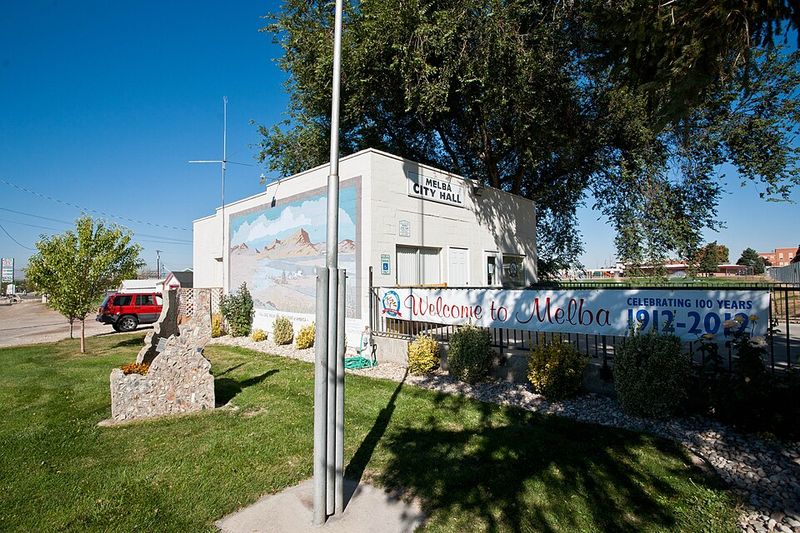
Back in 1912, a man named Clayton C. Todd looked out over a stretch of sagebrush-covered land and saw something most people would have missed: a future.
He founded this small community and named it after his daughter, giving the town a personal story before it even had its first paved road.
The Reclamation Act of 1902 played a huge role in making settlement here possible. Irrigation transformed what was once dry, nearly unworkable land into fertile ground for farming.
Early homesteaders arrived with determination and a willingness to build something from scratch in this corner of the state.
One of the most charming details from those early days is the “Sage Brush Annie” train. This modest rail line carried essential mail and groceries, connecting settlers to Guffey across the Snake River.
Without it, daily life would have been far more difficult for those first 200 or so residents.
Clayton Todd also donated land for the Melba Cemetery, a generous act that helped anchor the community with permanence. Schools and churches followed quickly, giving the town its close-knit character.
Seed Heart Of America Title
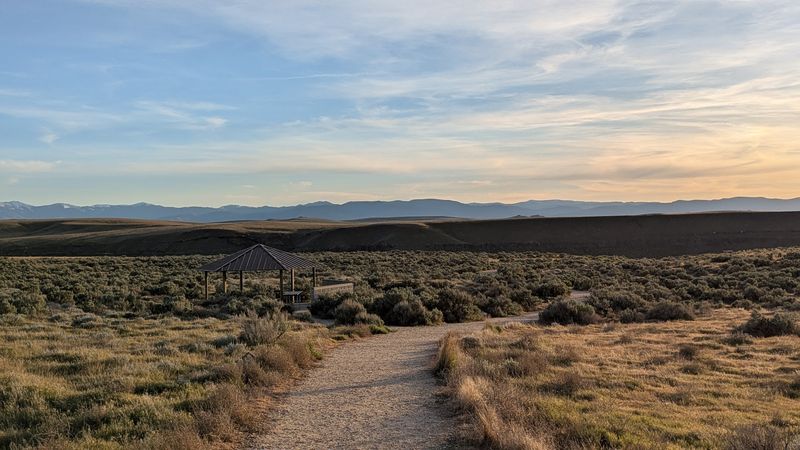
Not every small town earns a nickname that resonates across the entire country, but Melba pulled it off.
Known as the “Seed Heart of America,” this Idaho village plays a quietly powerful role in feeding the nation’s farms. The title is not just a slogan; it reflects decades of agricultural expertise and ideal growing conditions.
Farmers here cultivate an impressive range of seed crops, including onions, carrots, peas, beans, sweet corn, alfalfa, and clover.
The dry climate works in their favor, reducing the risk of disease and moisture-related crop problems. Combine that with rich soil and reliable irrigation drawn from the Snake River, and you have a recipe for seed-growing success.
Beyond seeds, the surrounding fields also produce potatoes, sugar beets, and various grains. Driving through the countryside around Melba feels like flipping through the pages of a farming almanac, with each field telling its own crop story.
This agricultural identity shapes everything about life in Melba from the rhythms of daily work to the pride residents carry in their community.
Dedication Point Overlook Views
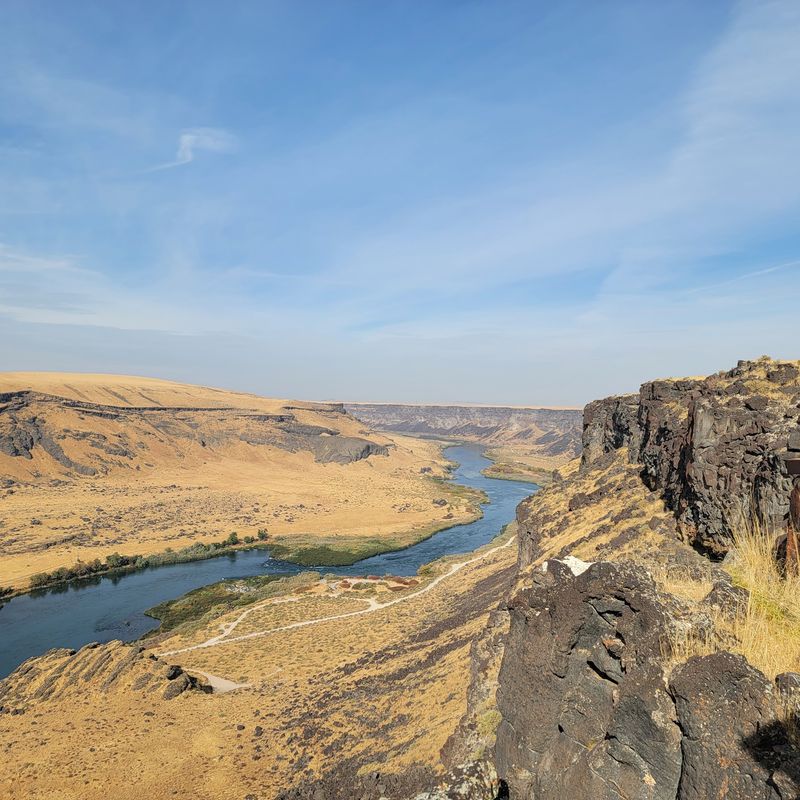
Standing at Dedication Point Overlook, it is hard to believe a view this dramatic exists just minutes from a town you could nearly miss on a map.
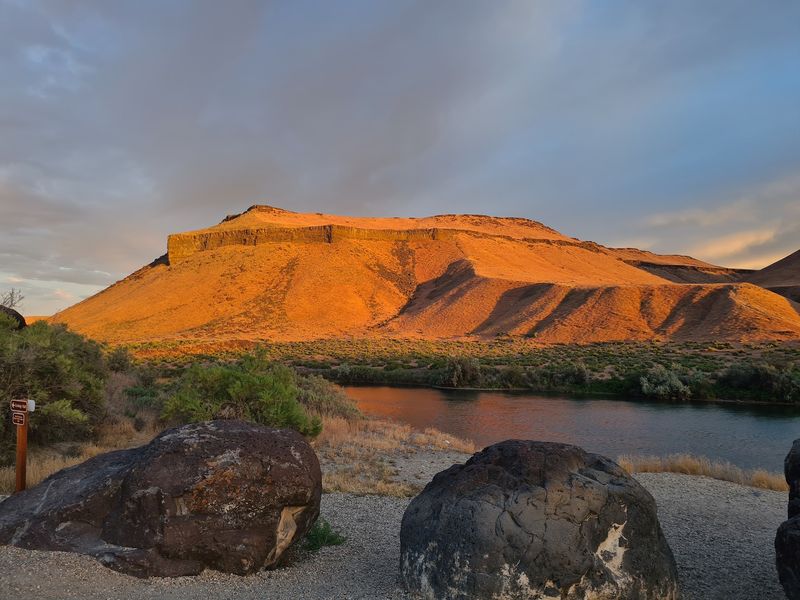
The Snake River carves through the canyon far below, flanked by rugged basalt walls and stretching desert terrain that feels ancient and alive at the same time. Idaho does not hold back when it comes to scenery.
This viewpoint sits within the Morley Nelson Snake River Birds of Prey National Conservation Area, one of North America’s most important raptor habitats.
A short 0.5-mile loop trail leads visitors to the overlook, making it accessible for most fitness levels.
Raptors are the real stars here. Falcons, eagles, and hawks ride the thermals above the canyon with effortless precision. Binoculars are highly recommended for getting the full effect.
Beyond birdwatching, the area invites hiking, boating, and fishing along the Snake River’s banks. The contrast between the irrigated green farmland above and the raw canyon below creates a visual tension that feels uniquely Idaho.
Celebration Park Petroglyphs
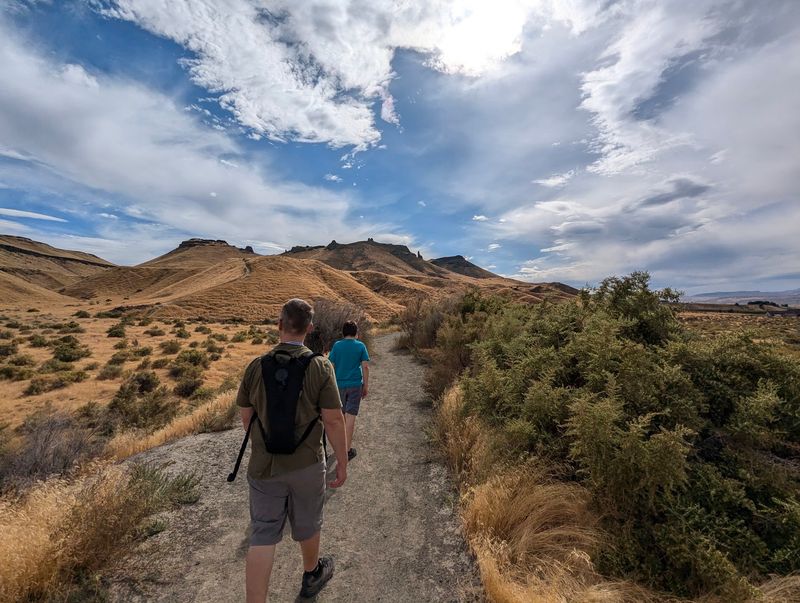
Just south of town, history literally gets carved in stone.
Celebration Park holds the distinction of being Idaho’s only archaeological park, and it is the kind of place that makes you stop mid-sentence and stare.
Ancient petroglyphs etched into basalt rock date back anywhere from 100 to 10,000 years, connecting today’s visitors to people who walked this same land long before anyone thought to name it.
Established in 1989, the park protects these irreplaceable carvings while making them accessible to curious visitors. The designs range from simple geometric shapes to more complex figures, each one a silent message from Paleolithic and Archaic cultures.
The park also offers hiking trails, fishing spots, and boating access on the Snake River, making it a well-rounded outdoor destination. Families, history buffs, and nature lovers all find something worth their time here.
There is no single type of visitor who leaves disappointed.
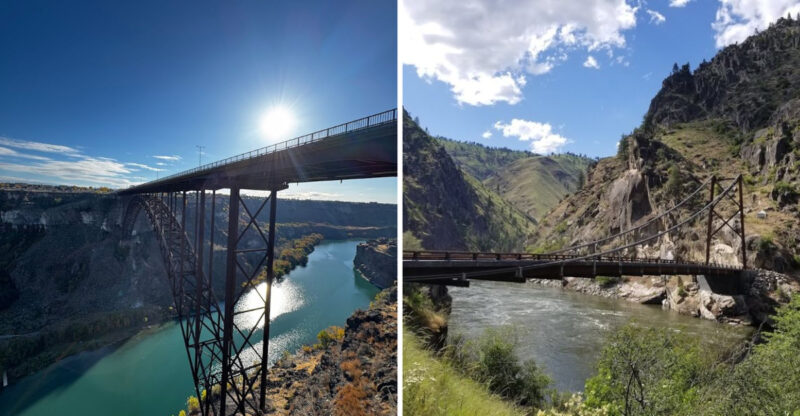
The historic Guffey Bridge, built in 1897 as a railroad bridge, now serves as a pedestrian crossing within the park.
Cleo’s Ferry Museum Magic
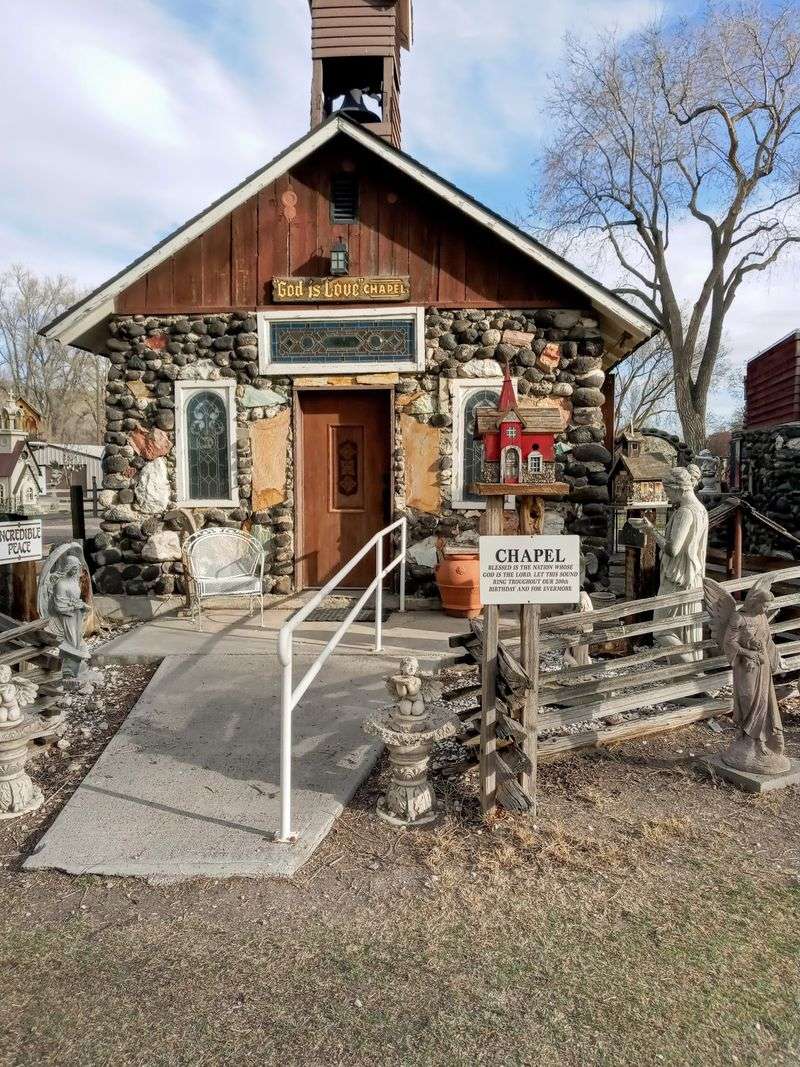
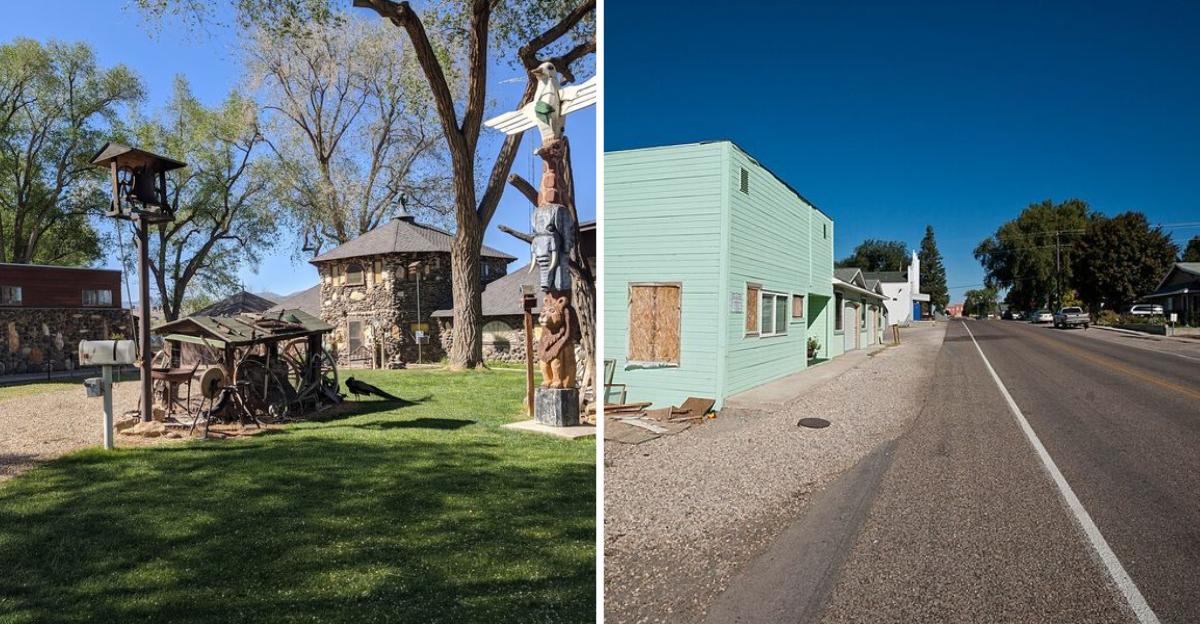
Cleo’s Ferry Museum and Nature Trail is the kind of place that defies easy description, and that is exactly what makes it worth visiting.
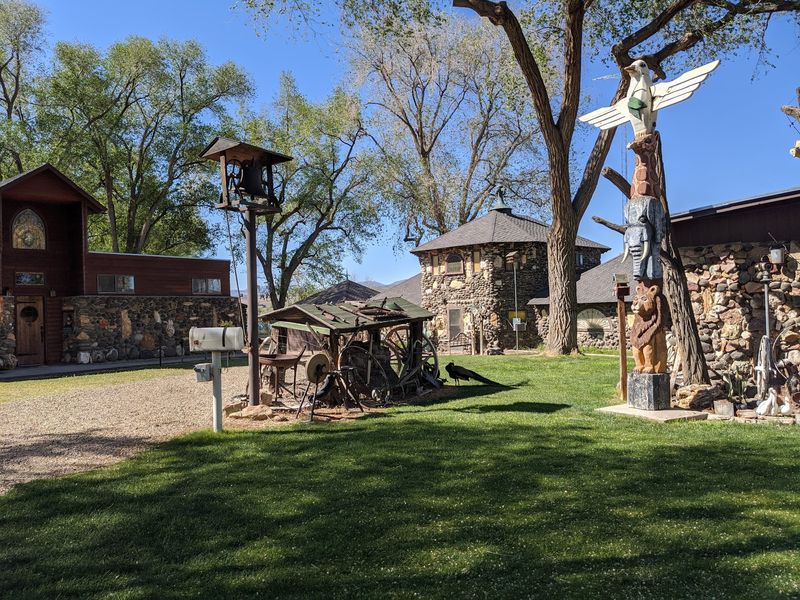
Picture an outdoor trail lined with hundreds of handcrafted birdhouses, ceramic lawn art, philosophical signs, bronze statues, and the occasional live peacock strutting past like it owns the place. Quirky does not quite cover it.
The story behind the property adds a layer of warmth to all the whimsy. Dr. Samuel “Pappy” Swayne and his wife Cleo purchased the old ferry area originally.
After Pappy’s passing in 1976, Cleo channeled her creativity and grief into transforming the land into an art-filled nature trail that reflects her unique vision and boundless energy.
A graveyard near the trail’s midpoint serves as the final resting place for Dr. Swayne, surrounded by the art-filled landscape they built together. It is touching and unusual in equal measure.
The preserved 1860s ferry service buildings ground the whole experience in genuine Idaho history. What could have been a forgotten relic became something extraordinary through one woman’s determination.
Melba Valley Historical Society
History does not preserve itself, and the people of Melba know that better than most.
The Melba Valley Historical Society, formed in 2013, exists specifically to make sure this town’s stories do not fade quietly into the past.
Their mission covers buildings, landmarks, and memorabilia, with an eye toward keeping future generations connected to where they came from.
The society operates the Melba Valley Museum, housed in the historic former Gardner Hotel and IOOF Lodge Hall.
Walking through its rooms feels like flipping through a family album belonging to the entire community. Agricultural tools, old photographs, documents, and personal artifacts fill the space with texture and meaning.
One particularly dedicated contributor to Melba’s documented history began writing columns and publishing books about the town starting in the 1950s.
Her work captured the stories of local families, churches, and community events that might otherwise have been lost entirely. She received the Esto Perpetual Award in 2008, a recognition that speaks to the depth of her contribution.
Easter And Christmas Community Events
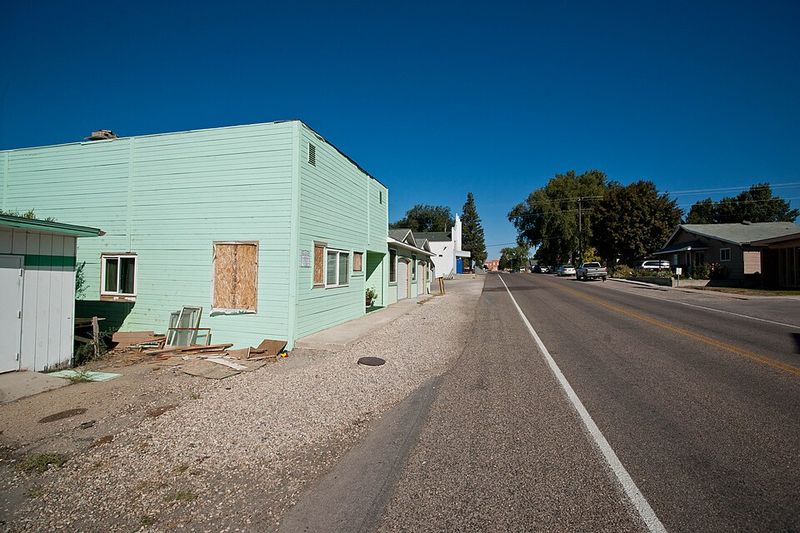
Beyond the big summer celebration, Melba keeps its community calendar busy with seasonal events that bring residents together throughout the year.
The Easter Egg Hunt held at Melba City Park is one of the most beloved traditions, drawing families with young children who arrive ready to compete for thousands of hidden eggs. Special prizes add an extra layer of excitement for the lucky finders.
The park itself provides a charming backdrop for the event, with open green space that gives kids room to run and parents room to breathe.
Events like this one reinforce the sense that Melba, Idaho is a place where childhood memories get made in real time.
Come winter, “Christmas in Melba” transforms the town into a festive display of lights, carols, and seasonal cheer. The event creates a warm, welcoming atmosphere that feels miles away from the commercial rush of bigger city celebrations.
The annual Community Auction rounds out the social calendar by bringing neighbors together to bid on donated items and support local causes.
Why Melba Stays With You
Some places earn their reputation through size and spectacle. Melba earns its place in your memory through something quieter and harder to explain.
It is the way the Snake River catches the afternoon light, the way the fields stretch out in every direction like a promise kept, and the way strangers in this town tend to wave back when you wave first.
The combination of outdoor adventure, agricultural heritage, and genuine community warmth creates a travel experience that feels complete without being overwhelming.
You can spend a morning hiking near Dedication Point, an afternoon exploring petroglyphs at Celebration Park, and an evening wandering Cleo’s Ferry Museum without once feeling rushed. Idaho rewards that kind of unhurried curiosity.
Melba is also the kind of place that makes you reconsider what a worthwhile destination actually looks like. It does not have a famous skyline or a viral food trend pulling people in.
What it has is authenticity, history, and a landscape that asks you to slow down and actually look at it.