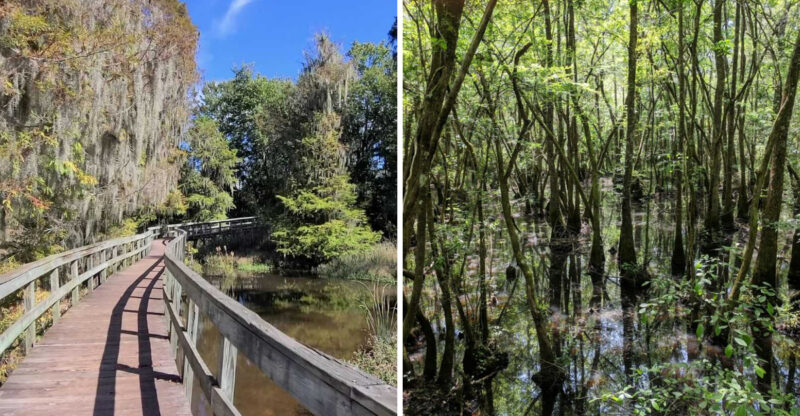
Most Travelers Drive Right Past This Georgia Trail Leading To An Incredible Coastal View
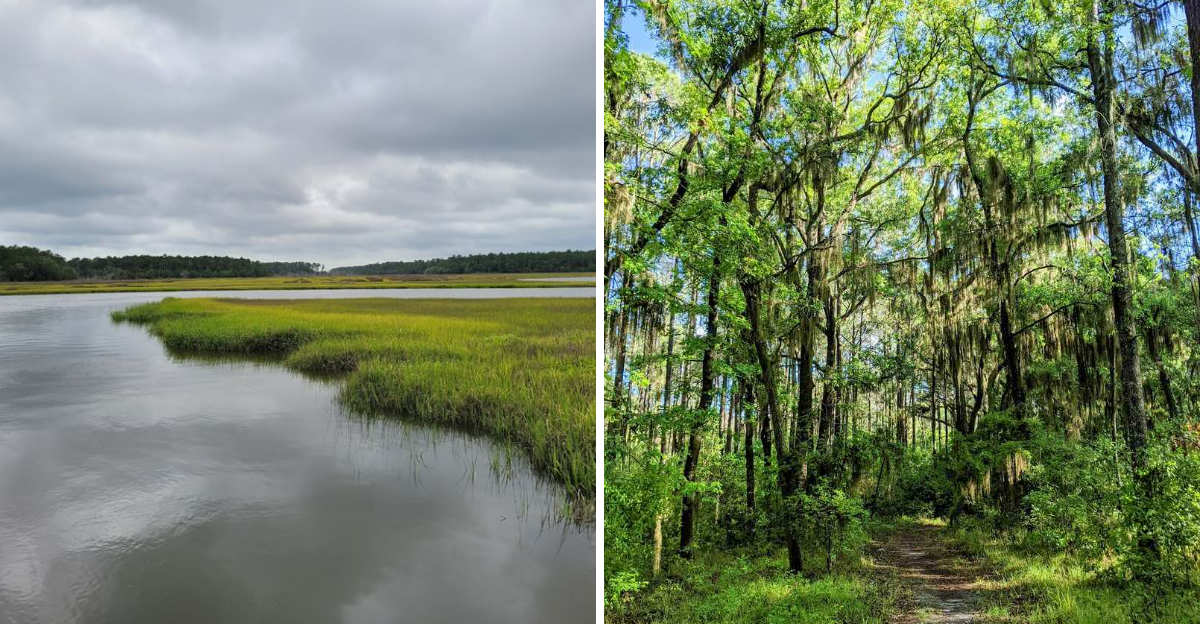
I almost kept driving. There was nothing flashy about the turn, just a small gap in the trees that most cars blow right past.
Something made me hit the brakes and circle back. Georgia does this to me constantly, hiding its best surprises in the most ordinary looking spots.
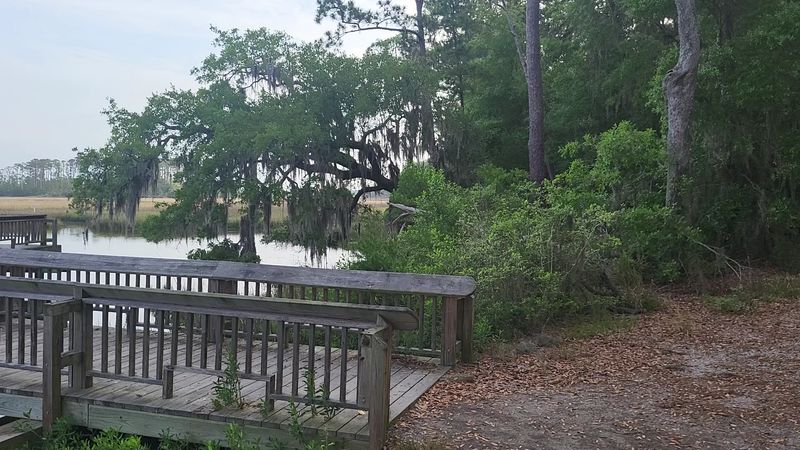
I followed a wooden path that creaked under my feet with every step. Marsh grass stretched out on both sides, swaying with the wind like it was putting on a show just for me.
Then the view opened up completely and I stopped walking altogether. Georgia coastlines have a way of sneaking up on you when you least expect it.
I stood there longer than I meant to, completely unbothered by the time I was losing. If you love finding places nobody talks about, this one deserves your attention.
A Coastal Landscape Unlike Anything You Have Seen Before
Flat horizons can fool you into thinking there is nothing worth stopping for. That assumption will cost you big here.
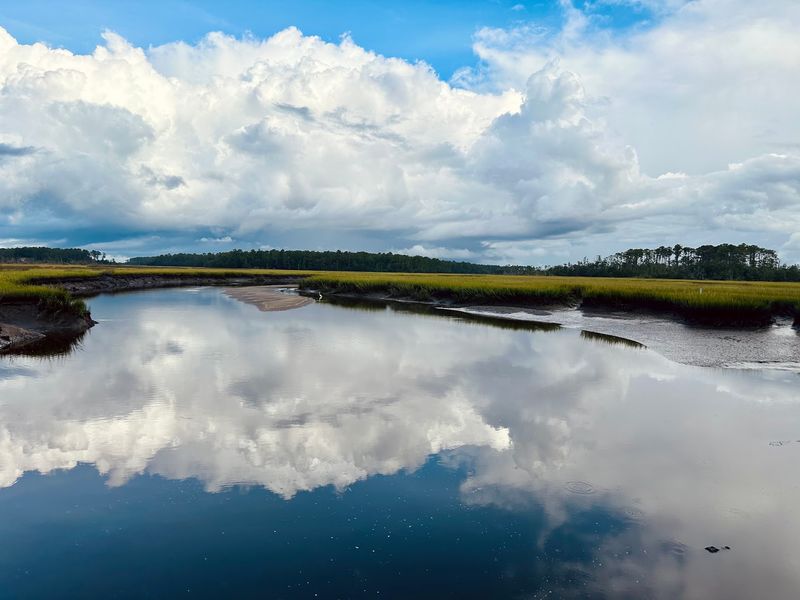
The landscape stretches across nearly 2,800 acres of saltwater marsh, freshwater ponds, and dense mixed forest.
Six man-made freshwater ponds dot the property, each one buzzing with life. Harris Neck Creek and the South Newport River border the entire area, giving it a wild, edge-of-the-world feel.
The variety of ecosystems packed into one spot is genuinely surprising.
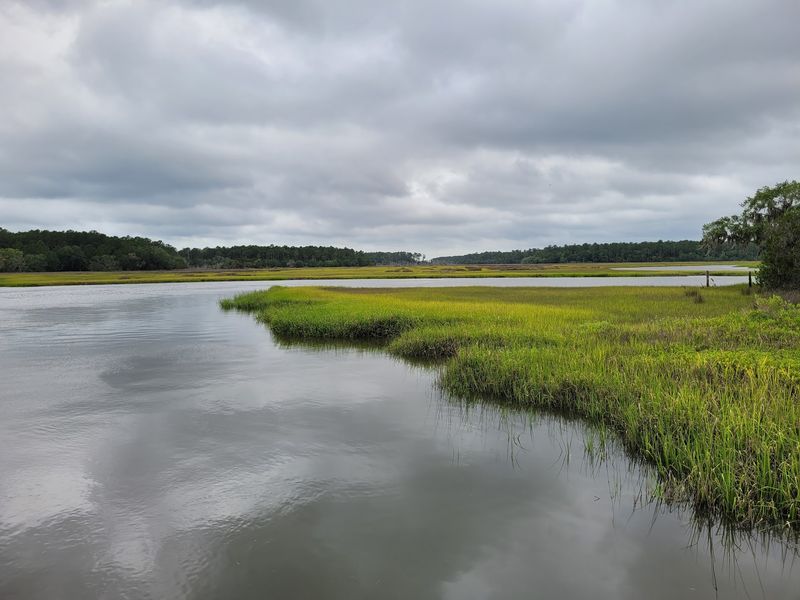
Standing at the water’s edge, you can watch the marsh grass shift color as clouds roll through. The air smells like salt and pine at the same time.
Harris Neck National Wildlife Refuge, located at 5000 Wildlife Dr NW, Townsend, GA 31331, sits roughly one hour south of Savannah off I-95 Exit 67. It is the kind of place that makes you wonder why you ever paid for a nature tour somewhere else.
The Trail To Thomas Landing And Its River Views
Most people cruise right past the trailhead without a second glance. That is exactly how this spot stays so peaceful.
The trail leading to Thomas Landing is the kind of path that rewards patience with a payoff you will not forget.
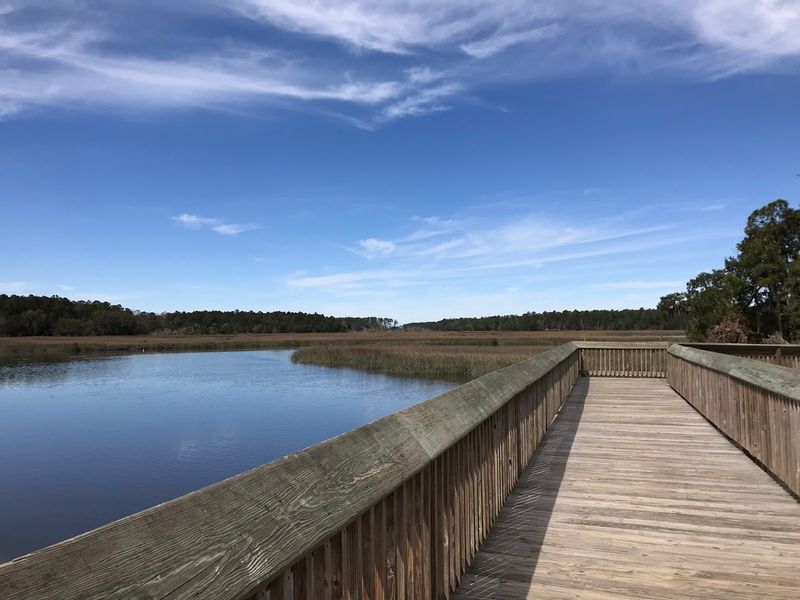
Once you push through the tree line, the South Newport River opens up in front of you like a curtain being pulled back. The view is wide, calm, and completely unobstructed.
You can hear the water before you even see it.
This is the coastal vista that gives the refuge its reputation among those who actually make the walk. The trail is part of a network of over 20 miles of paths winding through the property.
Some routes are flat and easy, great for a casual stroll or a slow bike ride. The variety keeps things interesting no matter how many times you visit.
Bring water, wear sunscreen, and give yourself more time than you think you need. You will want to stay longer than planned once you arrive at that riverbank.
The Four-Mile Wildlife Drive That Changes Everything
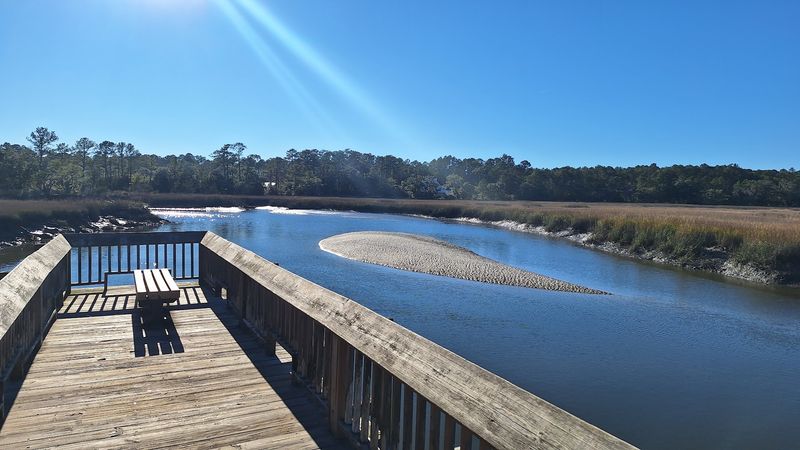
Not everyone is up for a long hike, and this place knows it. The four-mile, one-way paved Wildlife Drive is one of the most laid-back ways to experience a serious amount of nature.
You roll through at 15 mph and the world just unfolds outside your window.
Observation points along the route overlook Woody Pond and Snipe Pond. Pull over, cut the engine, and listen.
The quiet is the kind that actually buzzes with life rather than silence.
Spotting an alligator basking on a sunny bank from the comfort of your car is a very different experience from seeing one in a zoo. Here, they are just living their lives a few feet away.
The drive is also a solid option for photographers who want to cover ground without wearing out their legs. Early morning light on the ponds is genuinely spectacular.
The pavement beneath your tires was once part of a WWII Army airfield, which adds a strange and interesting layer to the whole experience. History and nature share the same road here.
Over 340 Bird Species Call This Place Home
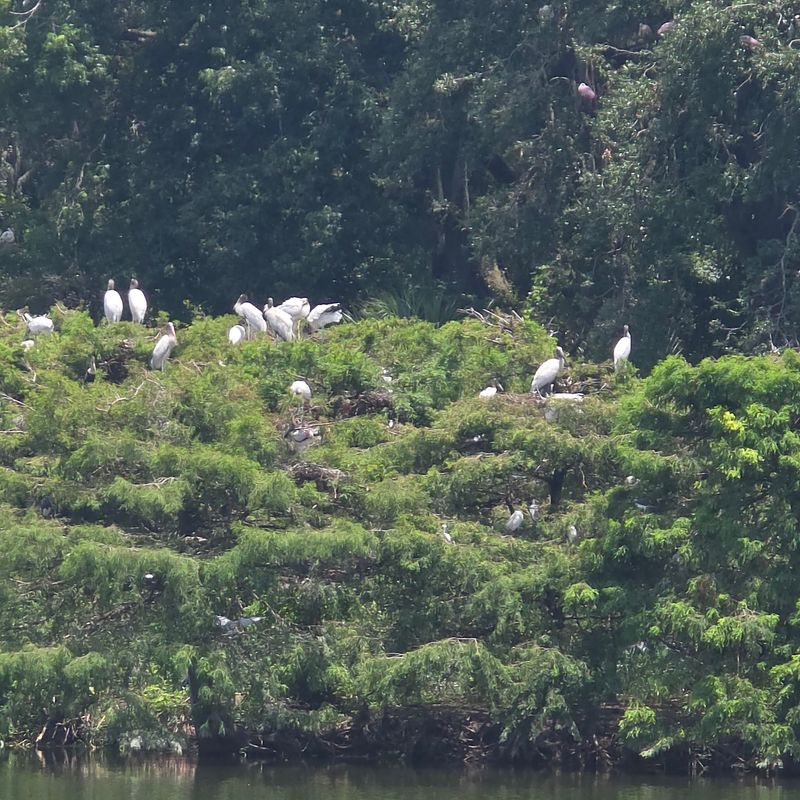
Birdwatchers treat this place like a pilgrimage site, and honestly, the numbers back that up. Over 340 bird species have been recorded here, with around 80 species actually nesting within the refuge.
That is not a typo.
The star of the show is the wood stork. This spot hosts Georgia’s largest nesting colony of these threatened birds, and they congregate in jaw-dropping numbers around Woody Pond.
Seeing hundreds of them in the trees at once feels genuinely prehistoric.
Great blue herons wade through the shallows with total confidence. Anhingas spread their wings to dry on stumps near the water.
Egrets stalk the pond edges with laser focus. Spring is peak season, especially around late April and early May when wood stork chicks begin hatching.
The activity level during that window is almost overwhelming in the best possible way. Even casual visitors who have never picked up a pair of binoculars tend to stop and stare.
The sheer volume of birds in one place creates a spectacle that no wildlife documentary can fully replicate. Pack a camera with a zoom lens and plan to use a lot of storage.
Alligators, Armadillos, And Wild Turkeys Around Every Bend
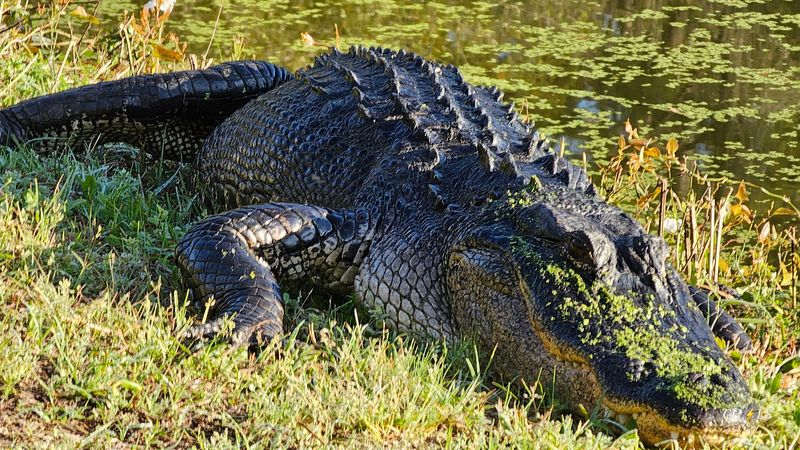
Few things sharpen your focus on a morning walk like spotting a large alligator three feet off the path. This place has plenty of them, and they are completely unbothered by visitors.
They tend to sun themselves near the freshwater ponds, especially on warm mornings.
Armadillos shuffle through the underbrush with surprising frequency. Armadillos can also be spotted moving through the refuge’s wooded areas.
Wild turkeys occasionally strut across the trail with the energy of someone who owns the place.
Bobcats have also been spotted roaming the forested sections, though they are far more elusive. The variety of wildlife in one compact area is part of what makes this refuge feel so alive.
Every visit tends to turn up something different, which is why so many people return repeatedly. The key is to move slowly and stay quiet.
Animals here are not performing for you, they are just existing. That makes every sighting feel earned and genuinely exciting rather than staged.
Respect the space and the wildlife will reward your patience with moments you will talk about for years.
More Than 20 Miles Of Trails For Hikers And Bikers
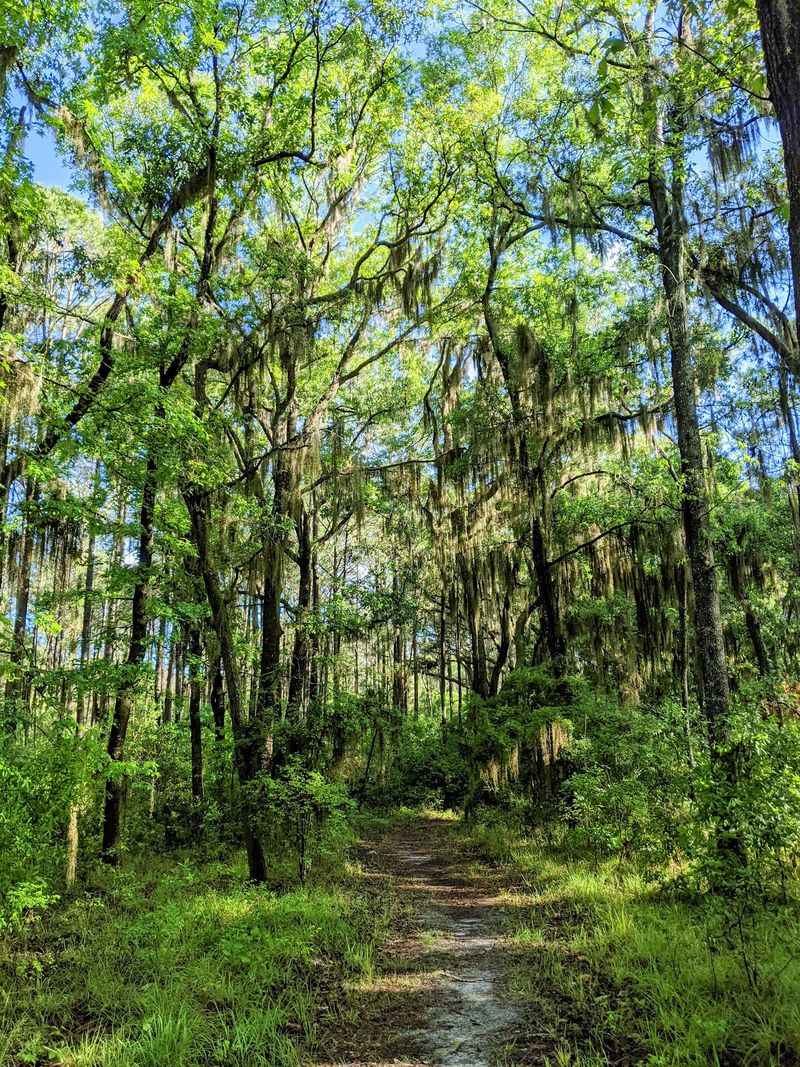
Twenty miles of trails sounds like a lot until you realize you want to explore every single one of them. The paths here wind through saltwater marsh, forest, and open grassland.
Each section feels noticeably different from the last.
Bikers have a fantastic time on the old paved runways and taxiways left over from the WWII airfield. The flat terrain makes for a comfortable ride with serious scenery.
Gravel and mountain bikes handle the varied surfaces well.
Hikers can take their time moving between the ponds, stopping at observation areas to scan for wildlife. The trails are well-suited for beginners and experienced outdoor enthusiasts alike.
Dogs and other pets are not permitted on the refuge unless they remain confined inside a vehicle. Tick prevention is a must, so treat your clothing before heading out.
Bug spray is equally important, especially in warmer months. The flat layout means the trails are largely accessible, including some areas that work well for visitors with mobility considerations.
Information kiosks near the entrance provide maps and safety tips. The refuge is open daily from sunrise to sunset, giving you plenty of daylight to explore.
Free Admission And Open Every Single Day
Free and open every day of the week is a combination that deserves more appreciation than it usually gets. This refuge charges absolutely nothing to enter, which makes it one of the best value outdoor experiences on the entire Georgia coast.
No tickets, no reservations, no crowds fighting for a parking spot.
The refuge is open daily from sunrise to sunset, giving early risers a chance to enjoy the morning light on the ponds. The Visitor Contact Station is currently closed until further notice, but information is available near the refuge entrance.
Repeat visits are extremely common here because the experience shifts with every season. Spring brings nesting birds.
Summer brings lush green marsh. Fall brings cooler temps and quieter trails.
There is no bad time to visit, only different versions of the same beautiful place waiting to be discovered again.
Practical Tips To Make The Most Of Your Visit
Showing up prepared makes a genuine difference at a place like this. The marsh heat and humidity can catch visitors off guard, especially from late spring through early fall.
Sunscreen, insect repellent, and a solid water bottle are non-negotiable items to bring along.
A walking stick is genuinely useful on some of the softer trail sections, particularly after rain. Spider webs across the trail are common in wooded areas, so keep your eyes forward.
Wearing long sleeves and treating clothing for ticks before heading out is strongly recommended.
Binoculars and a camera with a decent zoom lens will dramatically improve your wildlife viewing experience. Morning visits tend to offer the most animal activity, especially around the ponds.
Slow driving on the Wildlife Drive is important since animals cross the road regularly and the posted limit is 15 mph. The best wood stork viewing typically happens in spring, peaking around late April and early May.
Parking is available near several trailheads and observation areas. The handicap-accessible viewing area near Woody Pond is one of the best spots in the entire refuge for watching nesting birds up close.
Plan for at least two to three hours to do the place real justice.