10 Scenic Alaska Fishing Towns Where The Pace Of Life Is Refreshingly Slow
Alaska has fishing towns where the daily schedule seems to follow the tide instead of the clock.
Some communities rely on boats or floatplanes, while others preserve Indigenous, Norwegian, or Russian influences in unexpected ways.
Boardwalks, harbors, glaciers, and fishing grounds keep each place interesting without creating a frantic itinerary.
You can wander, eat fresh seafood, watch boats return, and simply let the hours pass.Honestly, that sounds better than squeezing six attractions into one afternoon.
Pack rain gear, forget the rush, and pick a town where slowing down becomes the whole point.
1. Homer, Halibut Fishing Capital Of The World
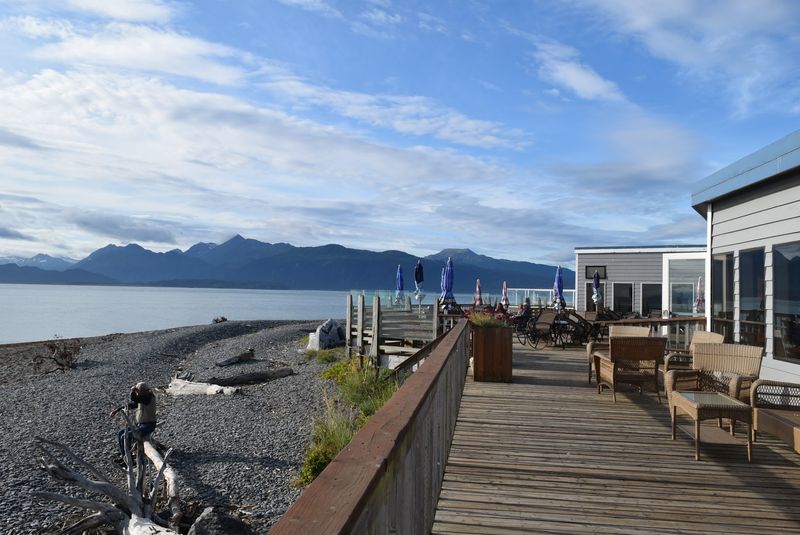
My jaw dropped the first time those mountains appeared across the water. Snow-capped peaks and glaciers line the far shore, and boats slip out at sunrise.
Homer, Alaska carries the title of Halibut Fishing Capital of the World for good reason. Anglers arrive hoping to haul up Pacific halibut that can weigh hundreds of pounds.
Charters run into Kachemak Bay, Cook Inlet, and the wider Gulf of Alaska. King salmon, silver salmon, lingcod, and rockfish all rotate through the seasons.
The Homer Spit stretches about 4.5 miles into the bay, a narrow gravel bar packed with character. Small shops, seafood counters, and charter offices sit shoulder to shoulder along it.
Nick Dudiak Fishing Lagoon on the Spit is stocked with salmon and reachable from shore. No boat needed, which makes it a favorite for families and first-timers.
Honestly, my best hours here were spent doing nothing at all. Watching the working harbor load ice and unload catch never got old.
Evenings stretch long in summer, with light lingering over the water past dinner. Eat fresh seafood, then walk the beach while the tide rearranges the shoreline.
Homer sits at the southern end of the Sterling Highway on the Kenai Peninsula. Slow down here and the bay does the rest of the work.
2. Seldovia, Across Kachemak Bay
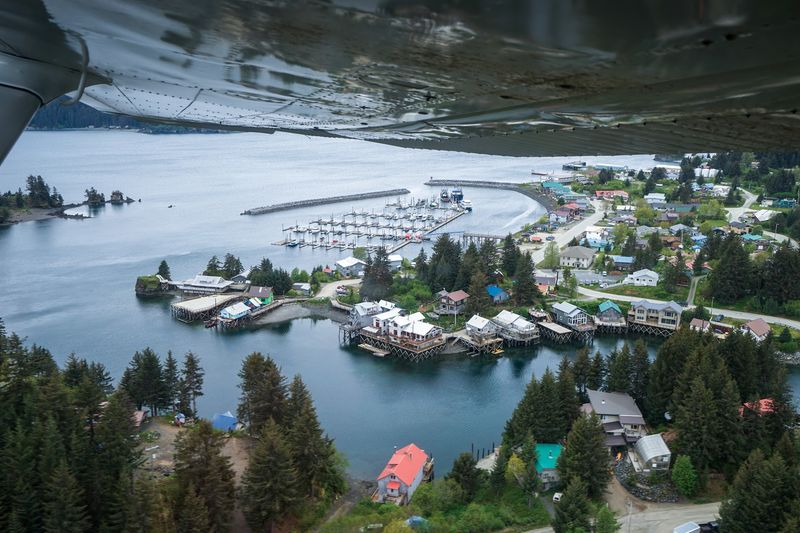
Just imagine for a second a town where no highway has ever arrived. Groceries come in by boat and the mail lands by plane.
Seldovia, Alaska sits across Kachemak Bay from Homer, home to roughly 300 residents. Access is by small plane or boat only, which keeps the crowds thin.
Getting there is half the fun, honestly. The water taxi ride alone delivers sea otters, puffins, and eagles overhead.
Once known as a boardwalk town, Seldovia lost much of its old waterfront in the 1964 earthquake. Rebuilt boardwalks still curve above the water and invite slow, aimless strolls.
The harbor drowses through most of the day, stirring when boats return with catch. Streets see more boots than tires, and nobody seems to be in a hurry.
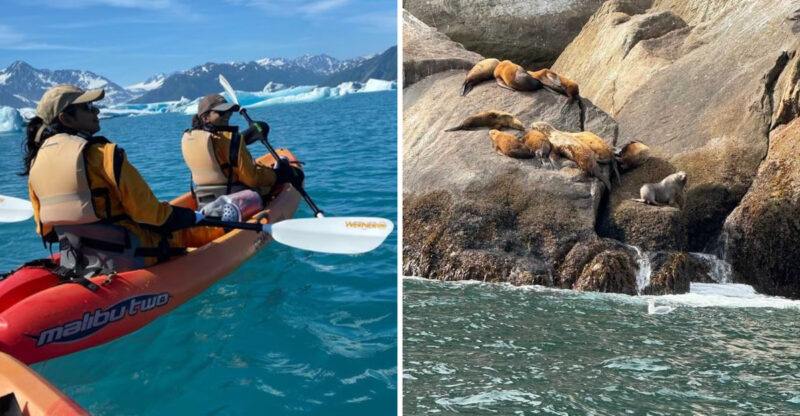
Fishing is the main draw, with salmon and halibut within easy reach of town. Kayakers paddle protected coves while hikers climb trails into thick coastal forest.
Wildlife watching costs nothing and rewards patience. Sea otters roll in the kelp, and bald eagles perch on pilings like they own the pilings.
Come in summer for the longest daylight and the calmest crossings. Seldovia is the sort of small community that resets your internal clock without asking permission.
3. Cordova, Near Childs Glacier And The Copper River
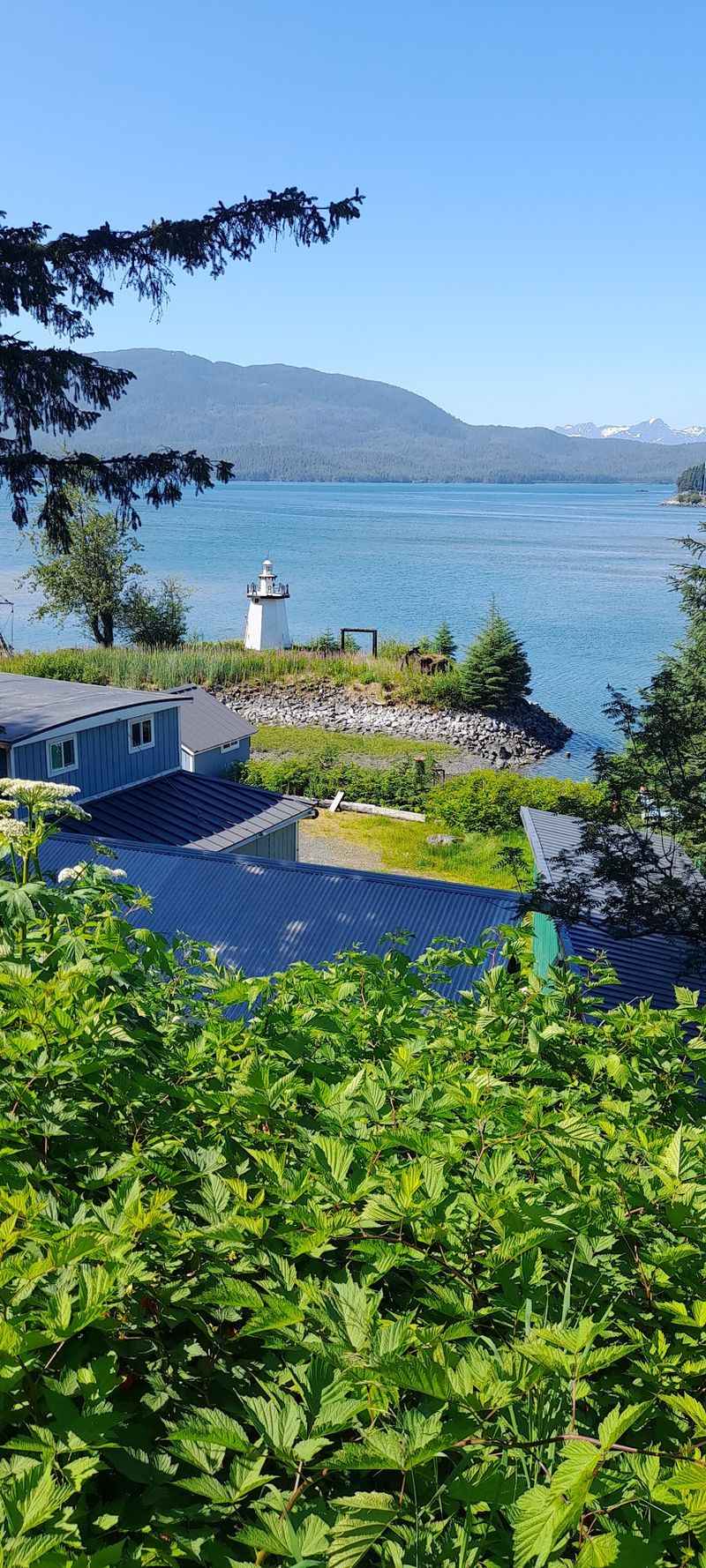
Some towns simply cannot be reached by car. Air or water are your only options, and that changes the whole mood.
Cordova, Alaska sits near the Copper River Delta and the powerful Childs Glacier. A large commercial fishing fleet fills its harbor most of the year.
Copper River salmon put this town on menus worldwide, and the season ramps up each May. Energy in the harbor jumps the moment the first boats head out.
The Copper River Highway leads out of town toward trails, campgrounds, and fine sport fishing water. Views along the way include wetlands, braided channels, and distant ice.
Childs Glacier stays busy calving ice into the river below. Standing near an active tidewater glacier is loud, cold, and completely unforgettable.
History runs deep here, shaped by Alaska Native heritage and early pioneer ambition. The Cordova Historical Museum lays out that story without any fuss.
Time your trip for May and you can catch the Copper River Delta Shorebird Festival. Millions of migratory birds pour through the delta, and birders lose their minds happily.
Between glacier days and harbor mornings, the pace stays wonderfully unhurried. Cordova rewards travelers who arrive without a tight itinerary.
4. Petersburg, Norwegian Fishing Village
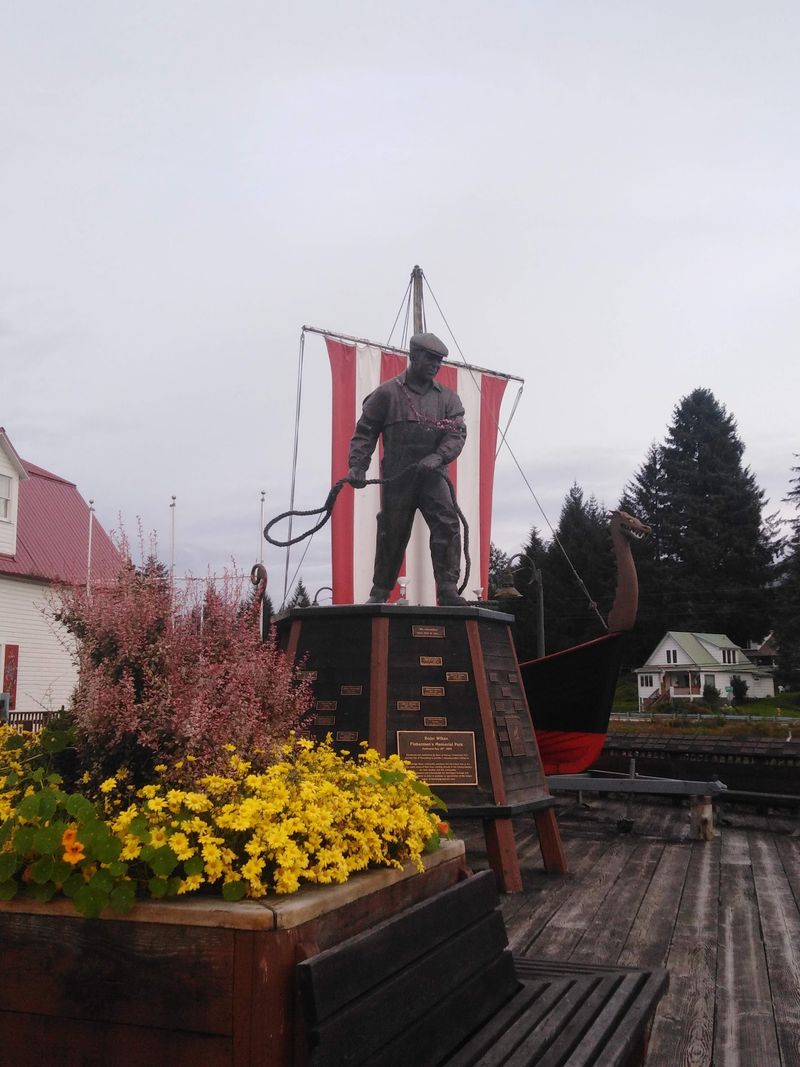
Petersburg earned the nickname Little Norway, and the town wears it proudly. Norwegian pioneer Peter Buschmann founded it in 1897 beside rich fishing grounds.
Early success came from an unusual resource: clear ice hauled from LeConte Glacier. That ice kept fish cold long before refrigeration existed here.
Fleets still work these waters, often crewed by descendants of the original families. Grandfathers set the schedule, and the tides still enforce it.
Downtown streets carry the names of historic fishing vessels, a detail most travelers miss. Look at the signs and you are reading a maritime family tree.
The Sons of Norway Hall, built in 1912, remains a National Historic Site and a community anchor. Summer brings Norwegian dancers and trays of traditional pastries.
Scenery outside town leans dramatic, with steep slopes and narrow fjord-like channels. Icebergs from LeConte Glacier sometimes drift into view.
Spend a morning watching the harbor and an afternoon wandering painted side streets. Petersburg proves that a working town can also be gloriously calm.
5. Sitka, Ocean And Rainforest Haven
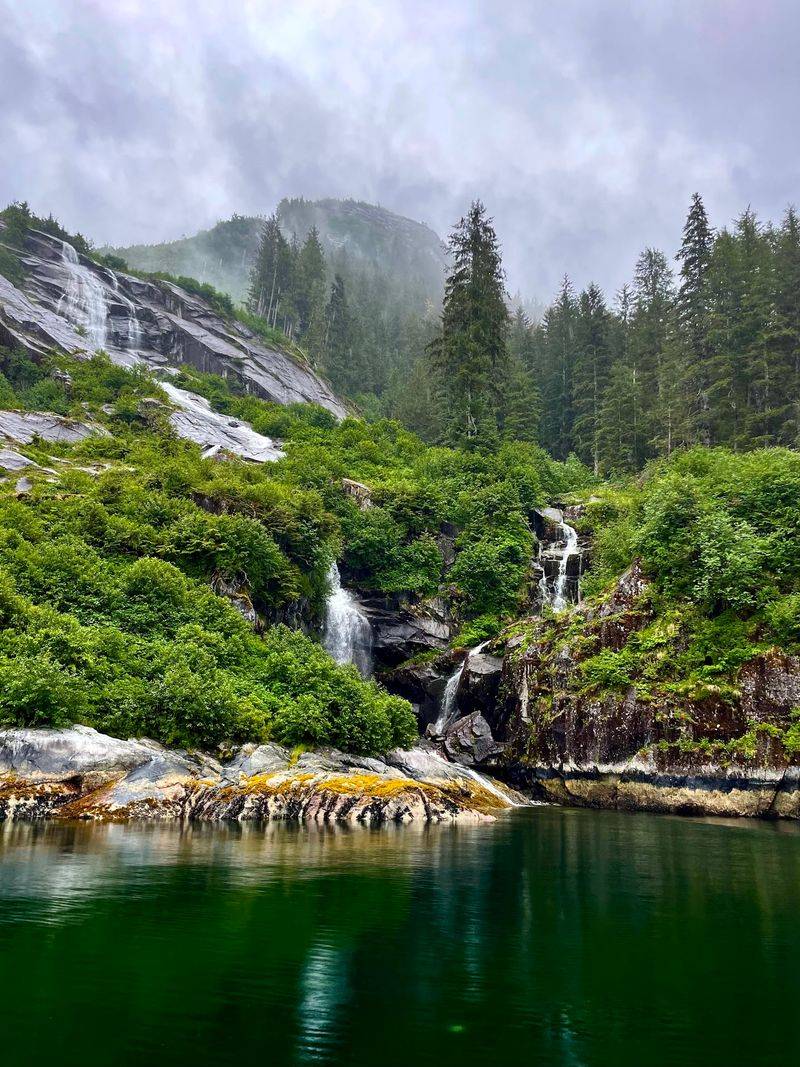
Here is a thought worth chewing on: what if the tide, not the clock, ran your week? Ocean on one side, dense rainforest on the other.
Sitka occupies Baranof Island, where a temperate coastal climate keeps winters mild and summers cool. Rain falls often, and the forest drinks it happily.
Local life follows seasons rather than schedules. Berry picking, deer harvesting, and herring egg gathering each claim their own stretch of the calendar.
Fishing here ranks among the best anywhere in the state. King and silver salmon lead the list, along with all five Pacific salmon species.
Halibut, lingcod, and rockfish keep bottom fishing busy through the summer. Streams in the Tongass National Forest hold steelhead, trout, and char for freshwater anglers.
Culture runs just as deep as the fishing. Tlingit history shapes the town, and Russian influence lingers in landmarks like the Russian Bishop’s House.
Trails climb straight from town into mossy old growth within minutes. Sea otters, whales, and eagles fill in the gaps between hikes.
Wander the harbor at dusk and the whole town seems to exhale. Sitka blends wilderness and history without ever feeling rushed.
6. Haines, Adventure Capital Of Alaska
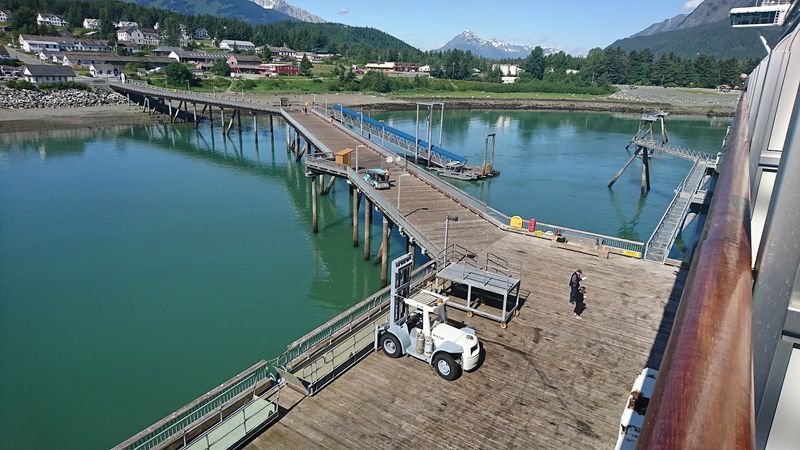
Sounds too good to be true, but adventure and a relaxed clock really do share one small town. Locals call the tempo Haines time.
Haines carries the nickname Adventure Capital of Alaska, with roughly 1,713 residents. Mountains drop straight toward saltwater, and the scale is genuinely humbling.
Nobody hurries here, even with world-class terrain out the back door. Plans get made loosely and adjusted based on weather and mood.
Hiking trails lead to ridgelines, forests, and river flats within a short drive. Wildlife watching turns up bald eagles, bears, and marine mammals through the seasons.
The Chilkat River sits close by, and its salmon runs draw remarkable numbers of eagles. Autumn gatherings along the river are a spectacle worth planning around.
Anglers find variety across saltwater and freshwater options nearby. Salmon dominate the summer conversation, and the harbor stays reliably busy.
Tlingit heritage runs through the community, adding depth to the scenery. Carving, dance, and storytelling remain living traditions rather than museum pieces.
Ferries and a highway connection both reach town, which surprises people. Haines makes an easy landing pad for travelers who want wildness without a frantic schedule.
7. Kenai, Where The River Sets The Calendar
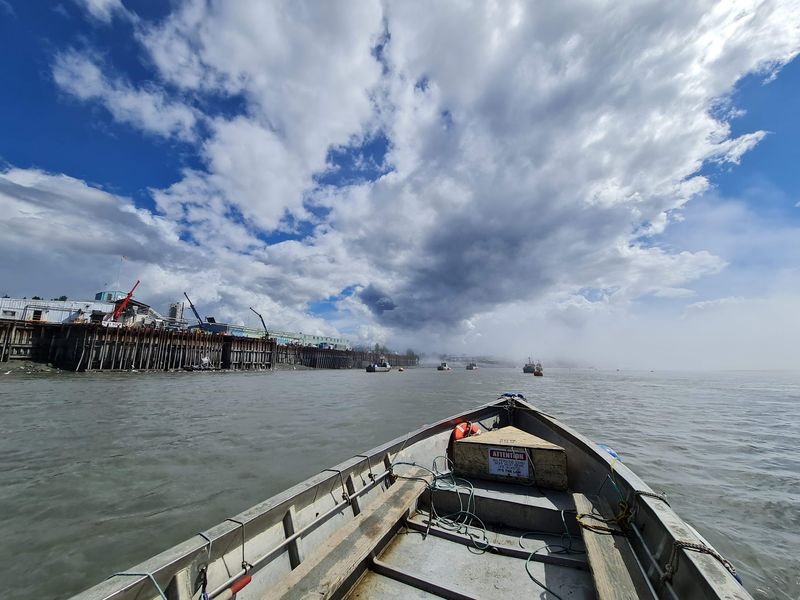
That came completely out of left field for me, learning how thoroughly one river can run a town’s year. Fishing seasons decide when everything else happens.
Kenai sits on the Kenai Peninsula where its famous river meets Cook Inlet. Salmon runs shape work, meals, and family traditions here.
Commercial and sport seasons both bend to the fish. When the sockeye arrive, the riverbanks fill and conversation turns to one subject only.
Anglers chase king salmon, coho, sockeye, and pink salmon through summer. Rainbow trout and Dolly Varden round out the catch list nicely.
Old Town Kenai holds a layered mix of Alaska Native and Russian heritage. A self-guided walking tour connects historic buildings in a compact stretch.
The Holy Assumption of the Virgin Mary Russian Orthodox Church anchors that walk.
The parish traces back to 1849, though the current building dates to the mid-1890s, making it the oldest-standing Russian Orthodox church in Alaska and a National Historic Landmark with distinctive onion domes.
Bluff-top viewpoints look out over the river mouth toward volcanoes across the inlet. On clear days, the whole horizon turns into a postcard.
Summer brings the biggest crowds and the best fishing, so book early. Kenai lets you fish hard by day and stroll centuries of history by evening.
8. Cooper Landing, Turquoise Kenai River
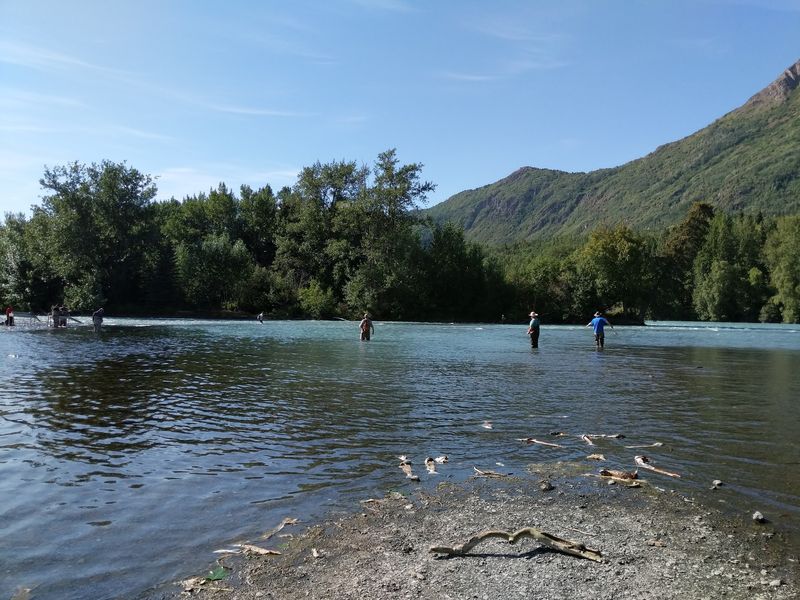
Are you seeing what I am seeing? Water so vividly blue-green it hardly looks natural, threading through spruce forest and mountains.
Cooper Landing sits along the upper Kenai River, and that turquoise color has a real explanation. Glacial silt, sometimes called rock flour, stays suspended and scatters light.
Fishing fame here is well earned and thoroughly deserved. King, sockeye, silver, and pink salmon all move through these waters.
Trophy rainbow trout and Dolly Varden keep fly anglers coming back each season. The stretch between Kenai Lake and Skilak Lake is especially prized for clarity.
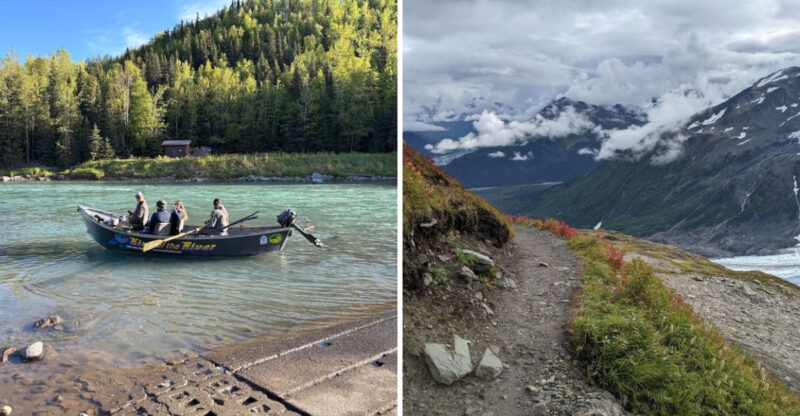
Drift boats work quietly downstream while wading anglers hold their favorite seams. Guides know the runs, and the river rewards patience over speed.
Non-anglers do just fine too, with scenic float trips and easy wildlife watching. Bears, moose, and eagles all make appearances along the banks.
Trails across the surrounding Kenai Peninsula climb toward alpine views and clear lakes. Late summer adds blueberries and cooler air to the mix.
Nothing about the day feels urgent once you settle into the current’s tempo. Cooper Landing runs on river time, and that suits me perfectly.
9. Yakutat, Surf Culture And Salmon Runs
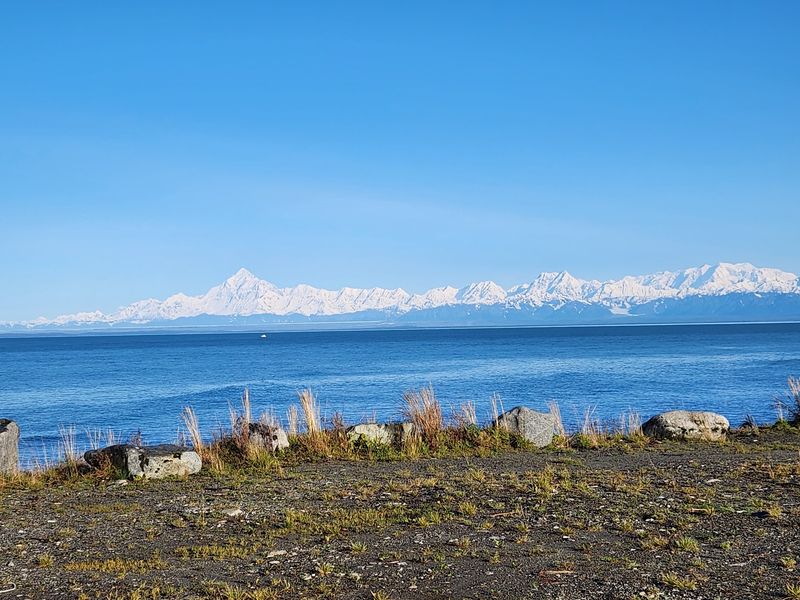
Correct me if I am wrong, but surfing and steelhead rarely share the same town. Up here they somehow do.
Yakutat sits in the northern reaches of the Inside Passage with miles of open beach. Swells roll in off the Gulf of Alaska, earning it the nickname Surf City, Alaska.
Wetsuits are thick and the lineups are empty, which suits adventurous board riders fine. Cold water keeps the crowds permanently manageable.
Fishing, though, is the headline act for most travelers. The Situk River delivers king, sockeye, pink, and silver salmon along with strong steelhead runs.
Dolly Varden also hold in that clear, forested water inside the Tongass National Forest. Fly casters and spin anglers both do well depending on season and flow.
Spring steelhead trips draw serious anglers who plan months ahead. Summer salmon runs bring a steadier, friendlier crowd.
Hubbard Glacier lies within reach for boat tours, a massive wall of moving ice. Coastal temperatures stay mild compared to interior Alaska.
Days here fill with tide charts, beach walks, and long casts. Yakutat is where salt spray and salmon runs make one very satisfying combination.
10. Wrangell, Gateway To The Stikine River
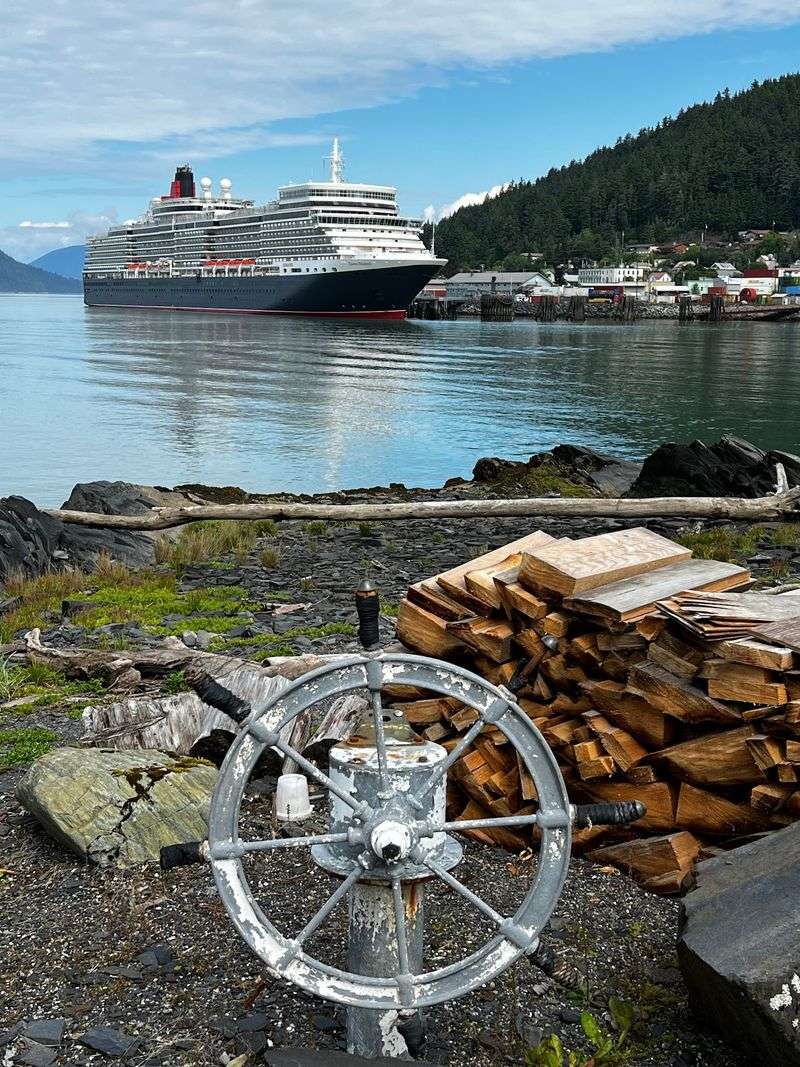
Few small towns can claim four different governments in their history. This one can, and it shows.
Wrangell occupies Wrangell Island in the Inside Passage and opens the door to the mighty Stikine River. Tlingit people call it Stik-heen, meaning Great River.
The Stikine ranks among North America’s fastest-flowing navigable rivers. Jet boat tours push upstream past glaciers, hot springs, and steep wilderness walls.
Tlingit, Russian, English, and American rule all left marks on the community. Totem poles stand around town and on Chief Shakes Island, reached by a short footbridge.
Commercial fishing and seafood processing still drive daily life at the harbor. Boats come and go without ceremony, and the docks smell honestly of the sea.
The local museum lays out that layered past clearly and quickly. Petroglyph Beach adds ancient carvings visible at low tide.
Rockhounds head for the historic Garnet Ledge to hunt for deep red stones. Kids sell garnets near the dock, a tradition going back generations.
Spring brings enormous bird and eulachon activity along the river delta. Wrangell offers adventure and history at a tempo that never once felt rushed.