8 Connecticut Areas Where Black Bears Keep Showing Up This Summer
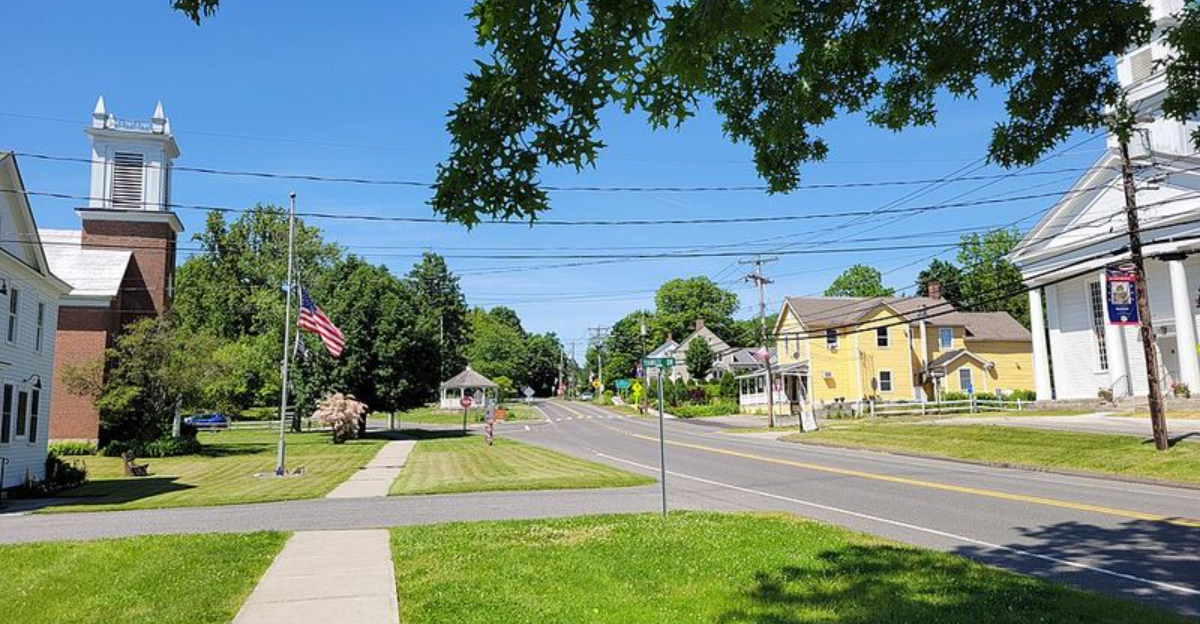
Summer has apparently become bear season in more neighborhoods than anyone planned for.
Backyards that usually host squirrels can suddenly feel much more interesting when a black bear wanders through. Sightings have become a familiar part of warm-weather conversation in several communities, especially near wooded areas.
That means plenty of Connecticut residents are paying closer attention to what moves past the window this summer.
The bears are usually looking for easy food rather than drama. Trash, bird feeders, and outdoor pet food can all make a yard far more appealing than intended.
Still, spotting one close to home can turn an ordinary morning into a story you tell everyone by lunch.
The surprising part is how normal these encounters are starting to feel in certain areas.
So which communities are seeing black bears show up again and again this summer?
1. Torrington, Connecticut
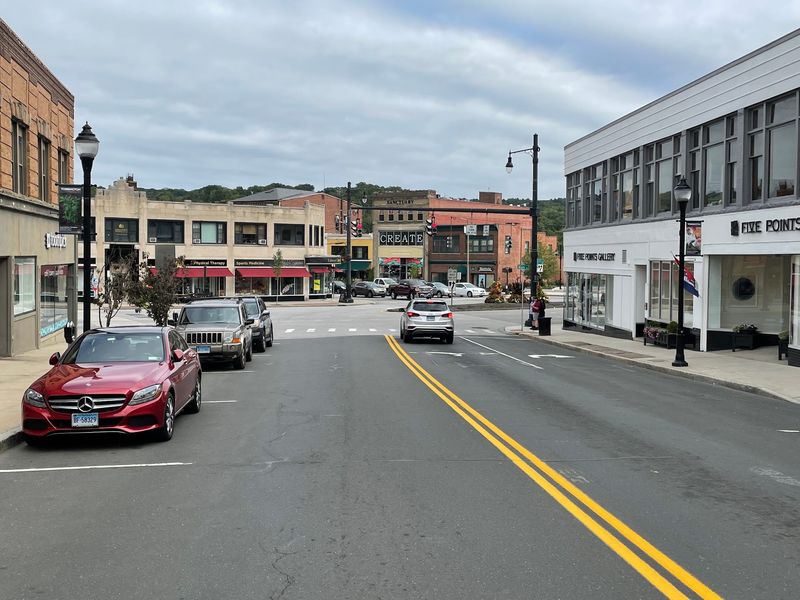
Black bears have become a familiar sight around Torrington, where wooded hills meet residential streets and food sources around homes can easily attract curious animals.
The city has consistently ranked among the state’s busiest communities for reported sightings, including third statewide in 2024 with 809 reports.
By June 2025, more than 138 sightings had already been logged.
Some 2026 encounters brought bears unusually close to residents. In January, one tried to enter a Chamberlain Street home before leaving prior to the arrival of wildlife officers.
Two months later, officials responded to Brightwood Avenue after a bear settled near a front porch. Officers used deterrent techniques to move it away and reminded residents to remove anything that might encourage another visit.
Summer added another memorable scene when a mother bear and four cubs reached a dumpster behind McKenna Orthodontics. Video showed the mother working at the container while the cubs moved between nearby trees and the surrounding area.
Food is often what brings these animals into developed neighborhoods. Birdseed, unsecured garbage, pet food, and compost are among the attractants state wildlife officials repeatedly warn residents to remove.
Dogs should remain supervised outdoors, particularly near wooded edges where visibility drops quickly. If a bear appears, DEEP recommends making your presence known, creating noise, and slowly moving toward a secure building when possible rather than approaching the animal.
Reporting sightings also gives wildlife biologists useful information about where bear activity is increasing and how patterns change over time.
2. Danbury, Connecticut
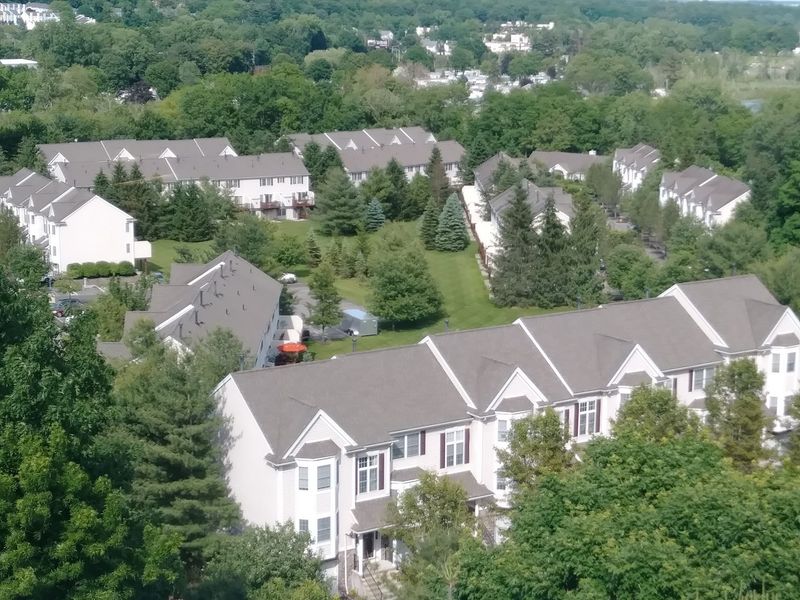
City sidewalks are not the setting most people expect for a bear encounter, yet that is exactly what happened here. A black bear wandered through downtown in late July 2026, with sightings reported near the public library and close to the railroad tracks.
A train even came to a brief stop because of the animal’s presence beside the rails, which made for an unusual commute story. City officials posted warnings on social media asking people not to approach or crowd the bear while it moved through the area.
Crowds make things worse, since a cornered animal has fewer escape routes and becomes harder to predict. What makes the western part of the state such steady bear country is the mix of forested ridges pressing right up against dense neighborhoods.
A young bear can travel several miles overnight and end up somewhere completely unexpected by sunrise. Visitors exploring parks and trail networks around the region should expect the possibility of wildlife, especially early in the morning or near dusk.
Dogs belong on a leash, and headphones are worth skipping so approaching sounds stay noticeable. Homeowners can cut down on visits by taking feeders down for the season, rinsing recycling, and scrubbing grill grates after cooking.
Trash left at the curb overnight tends to be the single biggest draw in built-up areas.
State wildlife staff rarely relocate bears, because most animals move along once the free meals disappear. Patience and a bit of housekeeping usually solve more than panic ever does.
3. Warren, Connecticut
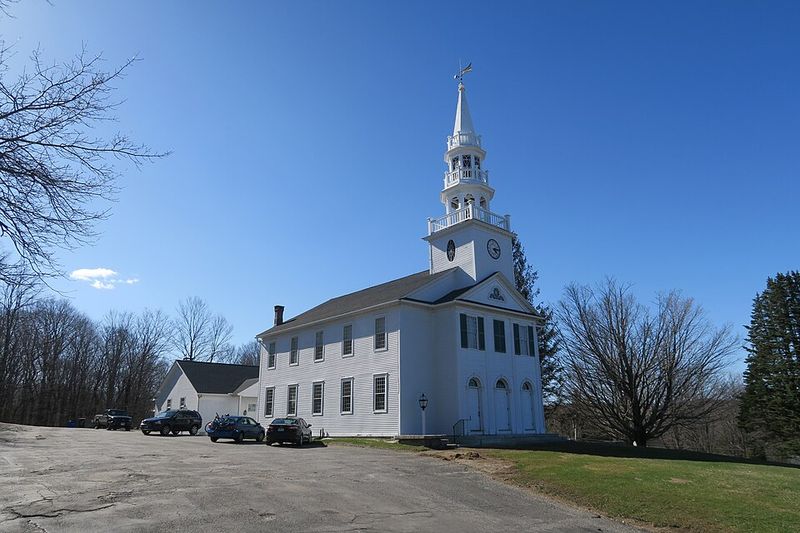
Quiet roads and wooded properties may make this corner of Litchfield County feel peaceful, but they also place residents surprisingly close to black bear habitat.
Western Connecticut continues to see substantial bear activity as the population expands, and animals are now reported across every city and town in the state.
Homes bordered by forest can become especially attractive when food is easy to reach. Compost, unsecured garbage, pet food, and birdseed can encourage bears to spend more time near houses instead of moving on.
DEEP repeatedly identifies human food sources as a major reason conflicts develop.
The same landscape that appeals to wildlife also makes the area enjoyable for hikers and cyclists. On wooded roads or trails with limited visibility, making occasional noise can reduce the chance of surprising a bear at close range.
If an encounter does happen, the safest response depends on whether the bear has noticed you. DEEP advises backing away quietly if it has not.
If it is aware of your presence, make yourself known, wave your arms, and slowly create distance. Running or climbing a tree is not recommended.
Living responsibly around bears mostly comes down to everyday habits. Removing food attractants and keeping outdoor areas clean can make a meaningful difference, while reported sightings help wildlife officials follow changes in local bear activity.
That awareness helps preserve quiet rural neighborhoods while giving bears more room to move naturally through the surrounding nearby woods.
4. Woodbury, Connecticut
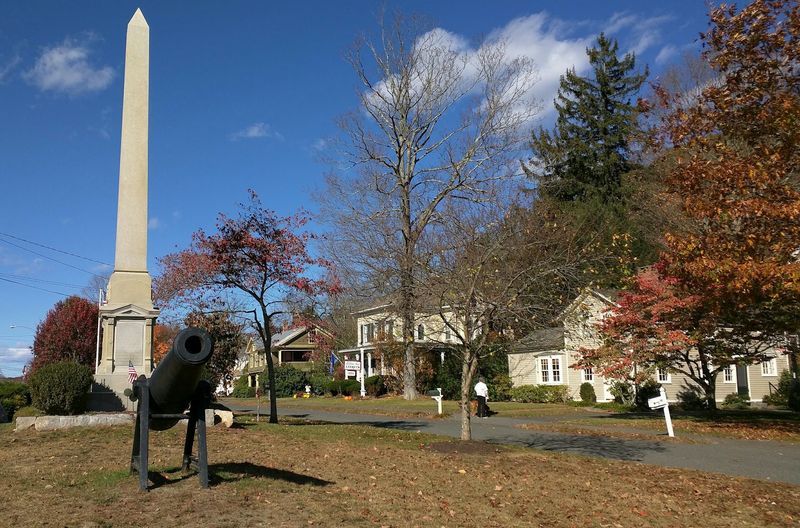
Loud noises usually send a wild animal running, but that has not always worked in this town. Residents reported numerous sightings during May 2026, and several noted that bears seemed unbothered by air horns, shouting, or banging pots and pans.
Behavior like that points to habituation, meaning the animals have learned that people rarely pose a real threat. Spring 2026 also brought a troubling incident when a bear attacked a golden retriever in town.
Another sighting was reported near the town hall complex, which shows how casually these animals cross through central areas.
Pet safety deserves serious attention where bears are active, especially in yards that back onto woods.
Letting a dog out alone after dark carries more risk than most owners realize, and a quick check of the yard first helps. Short leashes on walks keep dogs from charging into brush and startling something much larger.
Food management matters just as much, since trash cans and outdoor pet bowls teach bears to return again and again.
Storing garbage in a garage or shed until collection morning breaks that cycle faster than anything else.
Antique shops and historic homes give the town a pleasant, unhurried feel for anyone passing through on a summer day.
Walking the main road offers plenty of shade and easy pacing, with wooded pockets never far off.
Reporting unusual or bold bear behavior to local authorities gives officials the information they need to respond early.
5. Fairfield, Connecticut
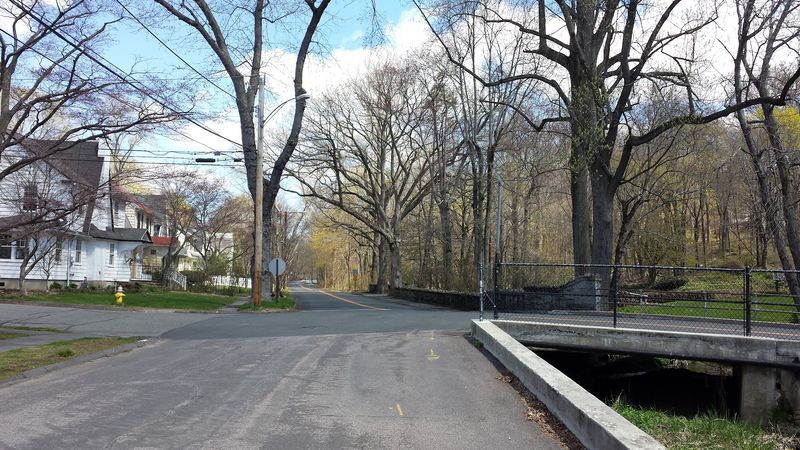
Seeing a black bear in Fairfield can feel unexpected, especially so close to the shoreline. Yet sightings continue to reach communities well beyond the state’s traditional northwestern bear strongholds.
In August 2026, one was reported roaming through a yard on Hemlock Hill Road, prompting Fairfield Animal Control to remind residents to remain observant and give bears plenty of space.
Keeping encounters brief often begins with removing whatever encouraged the animal to stop. Wildlife officials recommend bringing bird feeders inside and securing garbage, while pet food should not be left outdoors.
Easily accessible food around homes remains one of the leading causes of repeated bear visits.
Dogs should stay leashed on trails and supervised around yards bordering wooded parcels. A bear that appears outside is best watched from indoors or from a generous distance rather than approached for a photograph.
DEEP also encourages residents to report sightings, helping biologists follow changes in bear activity across different communities.
Even in Fairfield, wooded neighborhoods provide natural routes for animals moving through developed areas. Summer walks may pass quiet residential streets shaded by mature trees, so staying aware of the surroundings makes sense.
Most encounters remain uneventful when people keep their distance. Giving the bear room to leave and removing outdoor food sources afterward can prevent a brief sighting from becoming a repeat visit.
6. Winchester, Connecticut

A home entry in Winchester during June 2026 became a serious example of what can happen when a bear repeatedly learns to seek food around people.
State officials euthanized the animal after determining that it had entered multiple residences, a measure DEEP describes as a last resort when public safety becomes a concern.
That incident came during a year of elevated bear activity statewide. By early July, DEEP had confirmed 31 home entries in 2026, putting the state on track to approach the record set in 2024.
Prevention starts around the house. Garage doors should remain closed when unattended, garbage needs to be secured, and pet food belongs indoors.
Freezers or other food supplies kept in accessible outbuildings can also attract curious animals.
Winchester sits amid the heavily forested northwestern hills, where black bears are especially common. The same woods also attract hikers and other outdoor visitors, making awareness useful well beyond residential streets.
Food and scented items should be secured during overnight outdoor trips rather than stored where a bear can reach them. If an animal begins entering buildings or repeatedly behaving boldly around people, reporting the activity promptly gives wildlife officials a chance to evaluate the situation.
The most effective approach is often a neighborhood-wide one. One accessible garbage container can keep drawing a bear back even when surrounding properties are careful.
Removing those rewards gives the animal far less reason to return.
7. Avon, Connecticut

Numbers tell the story here better than any anecdote could. By April 2026 the town had logged 28 black bear sightings, and by early July that total had climbed to 214.
Wildlife officials describe the area as a hot spot, largely because a substantial human population sits directly against excellent bear habitat along the traprock ridges.
A bear attacked a dog in town during June 2026, a reminder that pets can end up caught in the middle.
Local police and state environmental staff publish detailed guidance for residents, and the message starts with never feeding bears on purpose or by accident.
Recommendations include removing bird feeders from late March through November, storing trash in secure containers, and keeping pet food inside.
Hikers exploring the ridge trails that run through the region will find rocky footing, steady climbs, and rewarding views over the valley. Traveling with a companion and keeping conversation going reduces the chance of surprising anything on the trail.
Early weekday mornings usually feel far quieter than weekend afternoons, though wildlife can appear at any hour. If a bear notices someone nearby, shouting and waving both arms often prompts it to move off.
Never running, never cornering the animal, and never getting between a mother and cubs are the rules that matter most.
Reporting sightings to the state wildlife division adds to the data biologists rely on. Consistent effort across a whole street works better than one prepared household.
8. Bethlehem, Connecticut
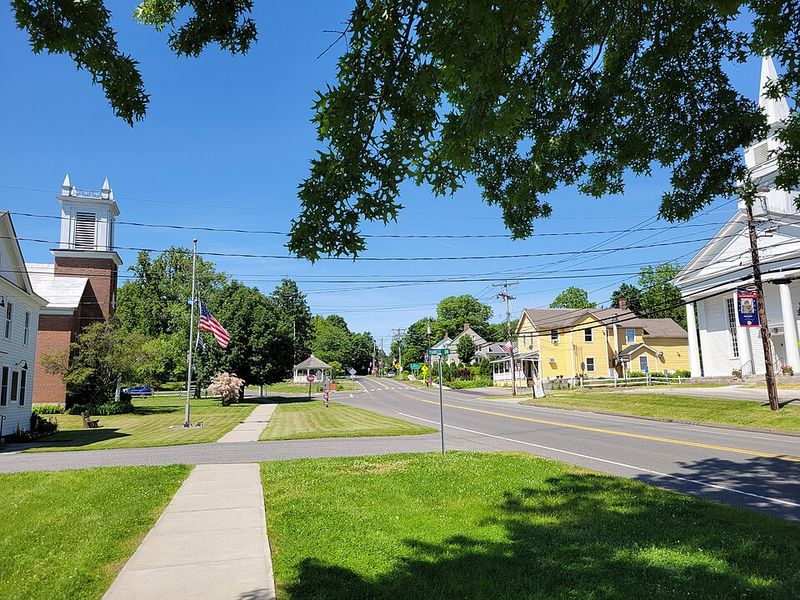
A front-door camera captured an unusually close wildlife visit in Bethlehem during March 2026. Footage showed a young black bear exploring the entrance of a home before leaving with an empty suet feeder that still held a few crumbs.
The encounter offered a clear reminder of how easily bird feeders can encourage bears to approach residential properties.
Bear activity remained noticeable as the year progressed. By July 9, DEEP’s public reporting data listed 76 sightings in Bethlehem, a substantial number for a small rural community.
June brought a more serious encounter involving a resident and his pet goat. The animal survived after receiving veterinary care, while the incident highlighted the extra precautions needed on properties with livestock.
Electric fencing can help protect goats and other small farm animals, and DEEP recommends keeping livestock feed in airtight containers so its scent does not draw bears closer.
Bethlehem’s open fields, wooded edges, and quiet roads also make it appealing for leisurely summer drives or walks. That rural character means wildlife habitat is never very far away.
When a bear appears, watching from a generous distance is the better choice. DEEP advises leaving the animal room to move on and removing birdseed, garbage, or other attractants afterward.
Those simple habits can discourage one brief visit from becoming a regular stop.