The North Carolina Beach Town Locals Say Is Being Ruined By Too Much Development
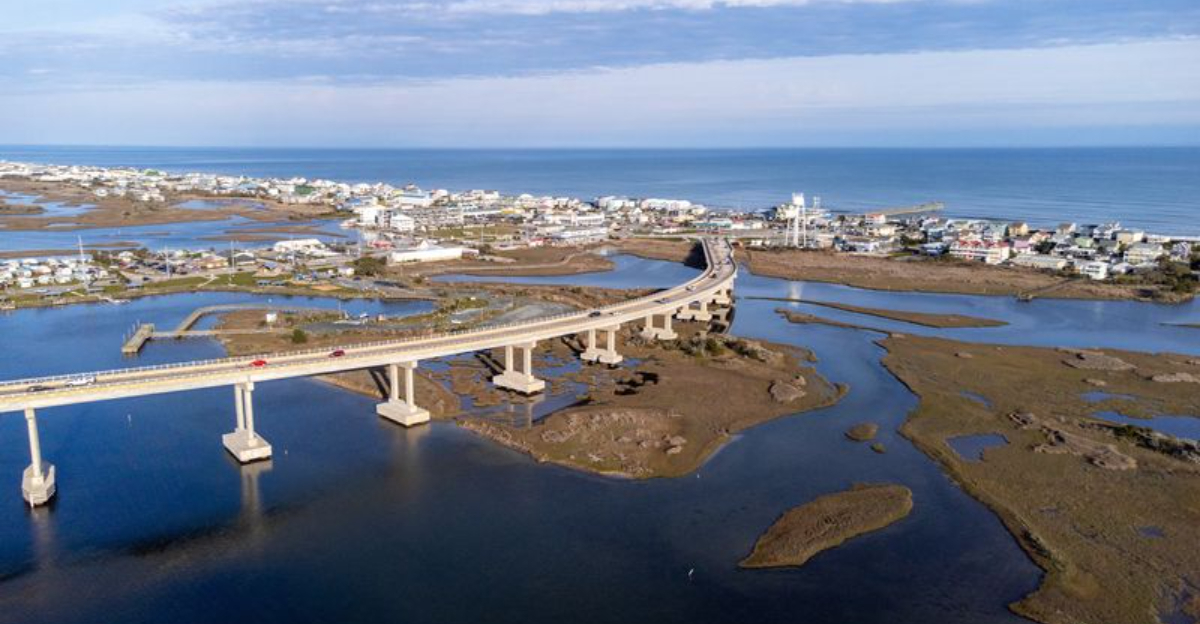
The warning signs do not arrive with flashing lights.
They show up as another construction site where open land used to be. Then the traffic gets heavier.
A familiar drive takes longer, and suddenly the town feels a little less like the place longtime residents remember.
That is the tension building along this stretch of the North Carolina coast.
Since 2020, the population has grown by roughly 28 percent, and development has followed quickly. For some people, that means new energy and more options.
For others, it raises a much harder question.
How much change can a small beach town absorb before the character that made people love it starts slipping away? The concern goes beyond nostalgia.
Roads feel more crowded. Infrastructure is under more pressure.
Open space is getting harder to ignore once it disappears.
Nobody expects the clock to turn backward.
But plenty of residents are wondering whether growth can keep moving forward without taking too much with it.
See Why Longtime Residents Are Watching New Development So Closely
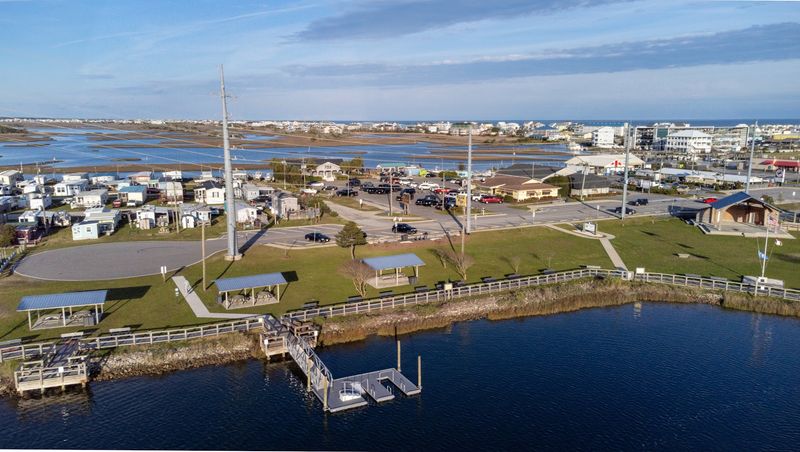
Ask anyone who has lived in Surf City for twenty years, and you will hear the same worry: the town is filling up faster than it can catch its breath. Roughly 28 percent population growth since 2020 pushed Surf City into the list of North Carolina’s fastest-growing municipalities.
That kind of jump shows up everywhere. Grocery store lines get longer, beach access spots fill early, and rezoning requests appear on council agendas month after month.
Residents are not simply against change. Many of them moved here during earlier waves of growth themselves.
Their bigger question is who pays for the roads, pipes, and services that new rooftops require.
Some argue developers should carry those costs rather than passing them to current ratepayers through higher utility bills. Others fear the loss of what they call the small-town vibe, the reason they chose Surf City instead of a busier resort strip.
Showing up at meetings has become the practical response. Watching agendas closely gives locals a voice before decisions are already final.
You Can Feel The Growth Most Clearly When Summer Traffic Starts Building
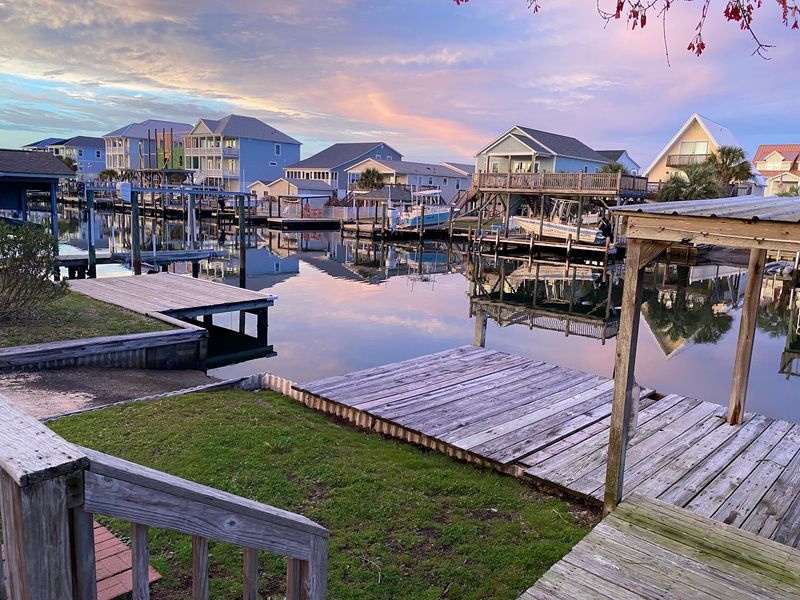
Nothing makes growth feel real quite like sitting still in a line of cars with the ocean only a mile away. During peak tourist weeks, the island roundabout where NC 50 meets NC 210 becomes the town’s most talked-about bottleneck.
Locals say the roundabouts were built for a smaller Surf City. Drivers unfamiliar with how they work often stop when they should yield, and one hesitation ripples backward into a long delay.
Help is arriving in pieces. Surf City and Topsail Beach teamed up on a seasonal traffic management program designed to keep vehicles moving through key intersections during the busiest hours.
NCDOT has also joined Surf City in testing a temporary traffic signal near the island roundabout, giving bridge traffic a fair chance to merge instead of creeping forward.
A practical tip from residents: cross the bridge before nine in the morning or after seven in the evening on summer Saturdays. Timing your trip saves more frustration than any shortcut ever will.
Look At How New Housing Is Changing The Town Beyond The Beach
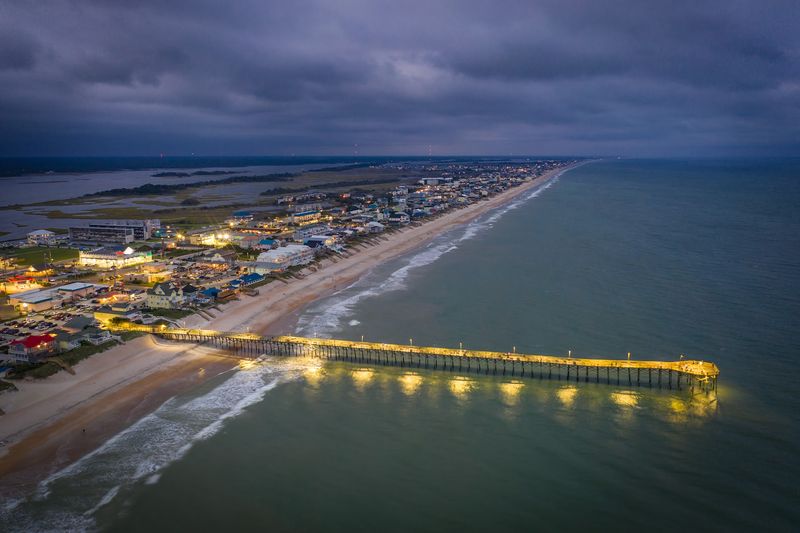
Around 1,500 residential certificates of occupancy have been issued in Surf City since 2019, and you can see that number stretching well past the shoreline. Mainland neighborhoods, townhome clusters, and apartment buildings now define stretches that were pine woods not long ago.
The shift is not only about quantity. Back in 2019, only about 32 percent of housing units were occupied year round, meaning most homes sat empty for long stretches.
Today more families live here full time, and full-time residents need dentists, gyms, pharmacies, and coffee shops instead of just bait and beach towels. Commercial growth has followed the rooftops naturally.
Some neighbors welcome the convenience. Others describe the town as overpopulated and compare it, with a sigh, to a smaller version of Myrtle Beach.
For anyone thinking about buying here, walking a neighborhood on a Tuesday in February tells you more than a sunny July visit. Off-season quiet reveals which streets are truly lived in.
Follow The Debate Over Roads Utilities And How Much Growth Surf City Can Handle
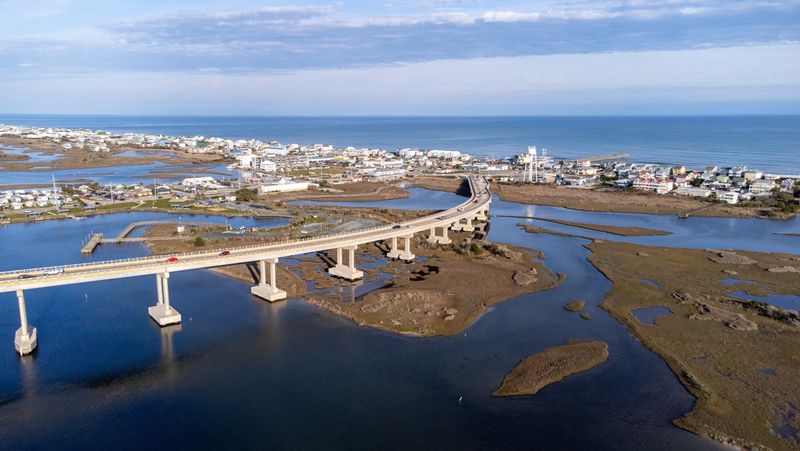
Pipes rarely make headlines, yet sewer capacity may be the single biggest factor shaping Surf City’s future. The town’s system has reached its limit, which means new residential projects needing a sewer extension permit cannot be served right now.
Relief is on the calendar, not in hand. An additional 400,000 gallons of capacity is expected within about three years, and up to 2 million gallons could follow in five years if federal approval comes through.
In December 2024, the town adopted a wastewater allocation policy that puts non-residential projects first and raises the bar for receiving water and sewer service. Council members have also turned down several rezoning requests aimed at packing more units onto the same land.
Opponents argue that locking in rules for half a century would tie the hands of future officials who may face different traffic, climate, and infrastructure realities.
Following these votes closely is how residents keep influence over the outcome.
Notice Why Protecting Open Space Has Become Part Of The Conversation
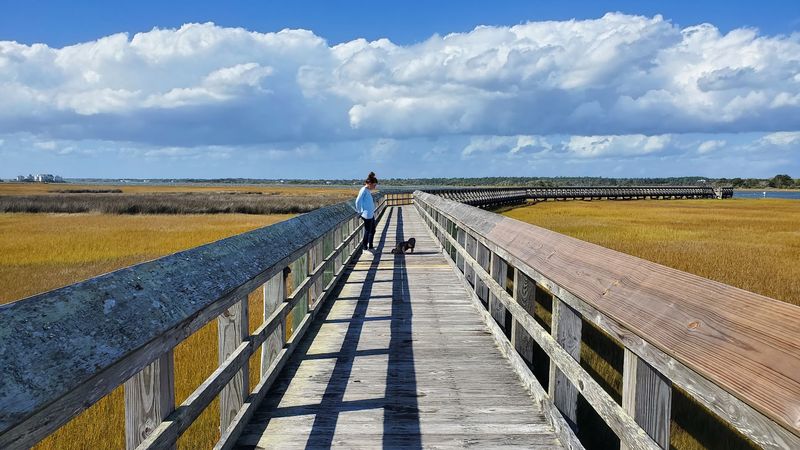
Behind the debate about buildings sits a quieter concern about everything that is not built. Salt marsh, maritime forest, and estuarine waters hold Surf City together, filtering runoff and sheltering birds, crabs, and fish.
Surf City’s Comprehensive Land Use Plan, adopted in February 2023, encourages developers to keep natural areas inside residential projects and to use low-impact building methods. The plan repeatedly points back to protecting habitat and coastal character.
Zoning rules add teeth. A Conservation District places high priority on estuarine waters and coastal wetlands, while a Coastal Forest Overlay District aims to preserve maritime forests that stabilize soil, soak up stormwater, and shelter wildlife.
Residents still worry. Clearing trees and paving lots makes flooding worse, and a fragile coastal environment does not bounce back quickly once it is disturbed.
Curious visitors can see the difference firsthand by walking a preserved maritime forest trail, then driving past a freshly cleared tract. The contrast explains the concern better than any document could.
Compare The Surf City Locals Remember With The One Taking Shape Today
Old-timers tell it simply. You could wade into the surf on a July afternoon with a rod in your hand and have a stretch of water almost to yourself.
That version of Surf City still exists in photographs and in stories swapped over fish fries. The present one hums with rental turnover, delivery vans, and beach access lots that fill by mid-morning during peak season.
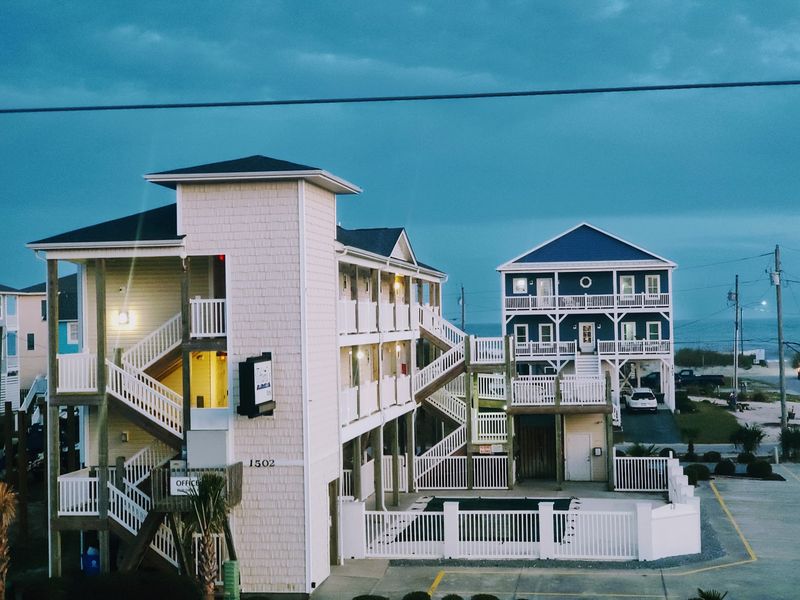
Hotels, restaurants, and large residential projects now rise on both the mainland and the Topsail Island side. Energy has replaced emptiness, which some people genuinely enjoy.
Not everyone mourns the change. Businesses stay open later, more jobs exist year round, and there are options for dinner that never existed in the 1990s.
The tension comes from pace. Growth that unfolds across decades feels like evolution, while growth that lands in five years feels like a takeover.
Talking with a longtime resident at the fishing pier is the fastest way to understand both sides of that feeling.
See What New Road Projects Are Trying To Fix Before Growth Moves Even Faster
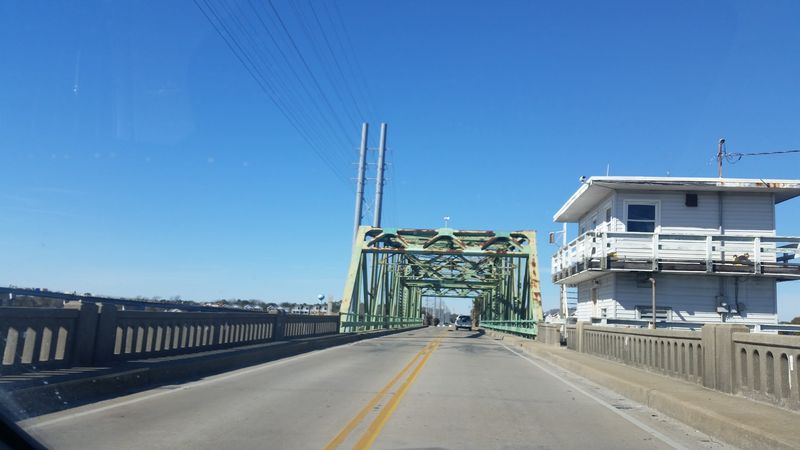
Engineers are racing the moving vans. NCDOT has proposed improvements at the NC 50, NC 210, and Belt Road intersections, with dedicated turn lanes, medians, and revised layouts based on updated traffic counts that reflect how much the area has grown.
Cars are not the only focus. Surf City is developing a Multi-Use Path along NC Highway 210 so walkers and cyclists can travel without sharing a shoulder with beach traffic.
Water gets attention too. The Roland Avenue Stormwater Project is finished, with additional drainage work underway to reduce the street flooding that follows heavy coastal rain.
A right-of-way clean-up effort rounds things out, clearing overgrown edges so drivers can see pedestrians and pedestrians have somewhere safe to stand.
None of these fixes stop development, and nobody claims they will. What they can do is buy breathing room while the town decides how much more it wants to approve.
Checking the town website for project timelines helps residents plan around construction season.
Decide Whether The Town Can Keep Its Coastal Character While Still Growing
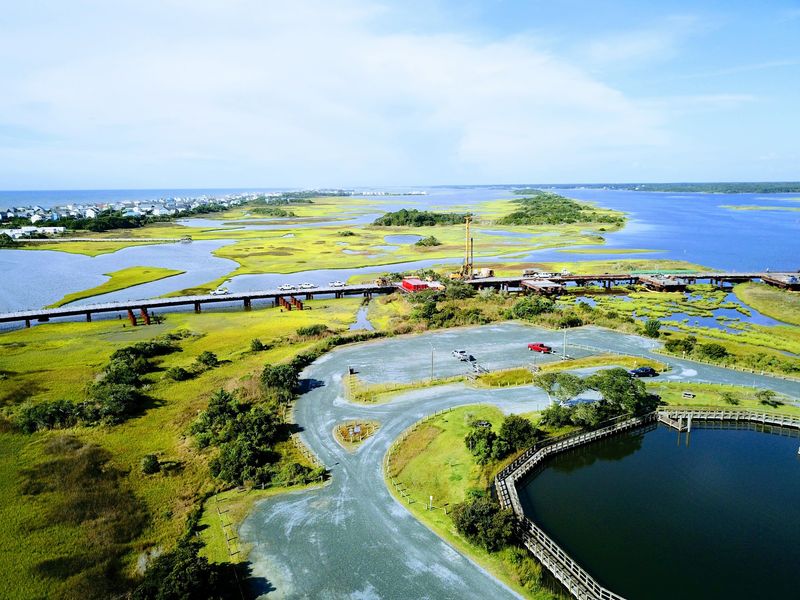
Here is the question nobody in Surf City can dodge: is it possible to grow and stay yourself? The Comprehensive Land Use Plan bets that the answer is yes, aiming for orderly growth while protecting coastal resources and town character.
The plan leans toward lower-density housing with preserved natural areas and generally discourages commercial projects inside coastal residential zones.
Council decisions have echoed that direction, including a denial of a high-density proposal that clashed with the town’s small-town feel.
Shoreline protection is part of the strategy as well. A federal beach nourishment project bringing a new dune and beach berm is moving ahead, meant to guard homes and keep the beach usable for future generations.
Doubts remain, and they are fair ones. Long-term development agreements and steady complaints about overcrowding suggest the balance is far from settled.
Visitors and newcomers hold real influence here. Supporting local businesses, respecting dunes, and paying attention to town decisions all help shape which Surf City survives.