A Connecticut Arcade That Makes You Feel Like A Kid Again No Matter Your Age
You know adulthood is overrated when a glowing arcade cabinet can make you forget every email you ignored today.
The room buzzes with old-school games while flashing screens immediately start testing your self-control.
Suddenly, your reflexes matter again. High scores become serious business.
This Connecticut arcade brings back that childhood feeling where beating the machine somehow becomes the most important achievement of the night.
You may discover that your favorite game still remembers exactly how to humble you. That is fine.
A few rounds later, you are celebrating tiny victories like someone just handed you a trophy for surviving the entire evening.
The funniest part is how quickly grown-up dignity disappears once those buttons start clicking.
You came in as a responsible adult with bills and schedules to worry about.
Apparently, a pixelated spaceship only needs five minutes to undo all of that progress.
1. Retro Games Have Filled Orange Street Since 2016
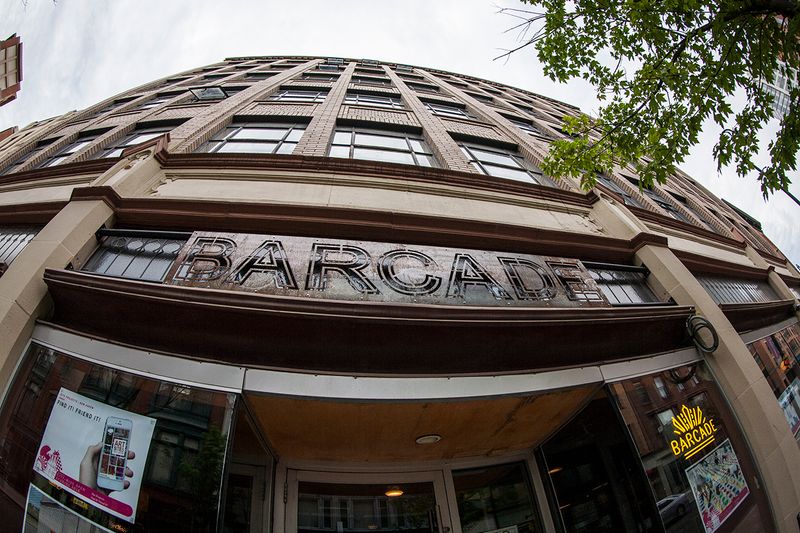
Old-school arcade cabinets still have enough pull to turn an ordinary night downtown into a full nostalgia trip.
Rows of classic games and pinball machines create a soundtrack of electronic beeps, button taps, and joystick clicks that immediately feels different from most modern entertainment spots.
The New Haven location opened in 2016 and has since become a familiar fixture in Connecticut’s Ninth Square neighborhood.
The game lineup changes over time, which gives repeat visitors a reason to come back rather than expecting the exact same machines on every visit.
College students, downtown workers, longtime gamers, and adults who remember feeding quarters into arcade cabinets years ago all mix together here.
Part of Orange Street has also operated seasonally as a pedestrian promenade, making the surrounding block easier to explore on foot during those periods.
Hours currently start at 4 PM Monday through Thursday and noon Friday through Sunday, with later closing times on Fridays and Saturdays.
Nearly a decade after opening, the concept still feels surprisingly current despite being built around games from another era. The arcade sits at 56 Orange Street in New Haven, right within the downtown grid.
Check the current game lineup before heading over if you are hoping to reunite with a particular favorite.
2. More Than Sixty Arcade Machines Fill The Space
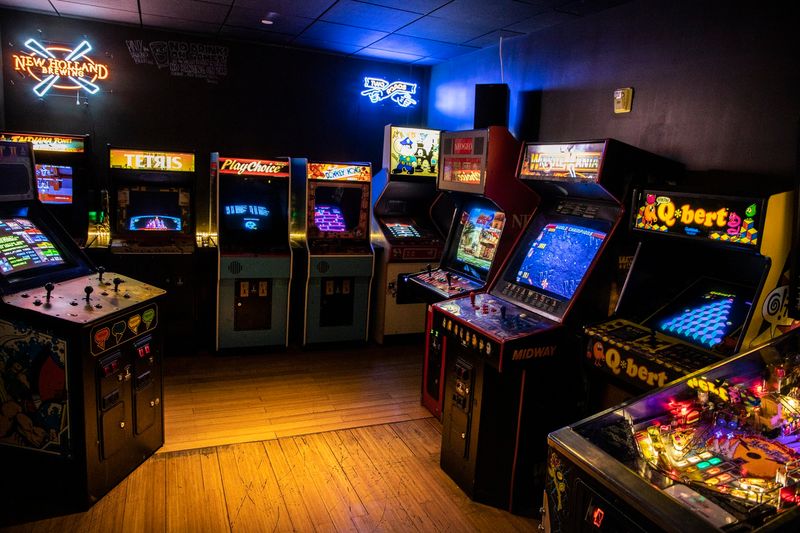
Counting cabinets here can be a moving target. Reports place the collection anywhere from about 40 to 75 titles at a given time, with several sources landing on more than 60 games available.
Most of the lineup comes from the golden age of arcade gaming, roughly the 1980s through the early 1990s. A few machines reach back as far as 1975, while others arrive from the mid-2000s, so the timeline stretches wider than you might expect.
The room itself surprises people. Some visitors expect a warehouse and find something cozier, a compact space with low lighting, dark walls, and rows of glowing screens that give off most of the light.
Even so, there is enough room to step back, lean against a wall, or grab a seat when your thumbs need a break.
Variety matters more than sheer volume. Stand-up cabinets sit near racing seats and pinball tables, which means a group can split up and still stay within shouting distance.
If you are planning a visit with a particular game in mind, keep expectations flexible, because the lineup rotates. Half the fun is scanning the room and spotting something you have not touched in twenty-five years.
That slow lap around the room is a ritual of its own.
3. Tokens Keep The Old-School Arcade Feel Alive
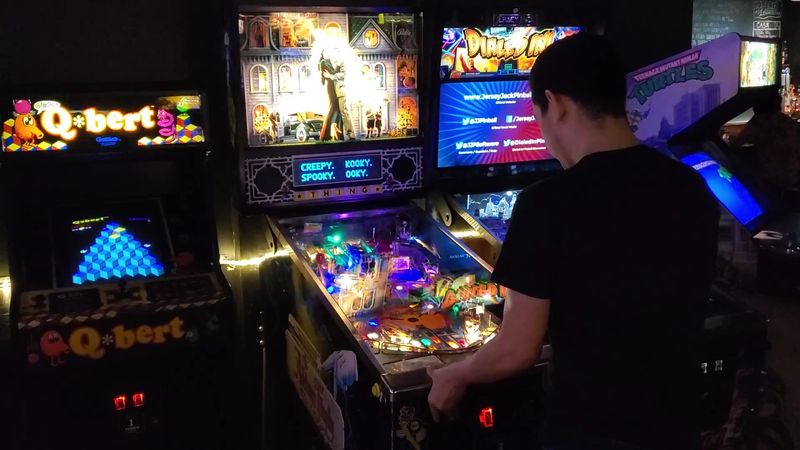
Quarters built the arcade era, and tokens keep that feeling intact here. Each one costs 25 cents, so the math stays refreshingly simple.
Most video games run one or two tokens per play, while pinball tables usually ask for two or three. A handful of dollars, then, buys a genuinely long stretch of playing, and many guests report an hour or more of gameplay from a modest stack.
The custom tokens are non-refundable, but they never expire. Better yet, they work at any Barcade location, so leftovers in your coat pocket become a small gift to your future self.
There is a practical rhythm to the system that screens and cards cannot copy. You feel the weight of the tokens in your palm, count what is left, and decide whether the next round goes to pinball or one more try at a high score.
Budgeting is easy too. Decide on a spending limit before you buy, split a batch among friends, and you will avoid the drift that comes with tap-to-play systems.
Families with kids often find the token approach helpful, since each child can hold their own share and manage it. When the pile runs low, the trip winds down naturally, no negotiation required.
4. Asteroids, Frogger, And Donkey Kong Bring Back Memories
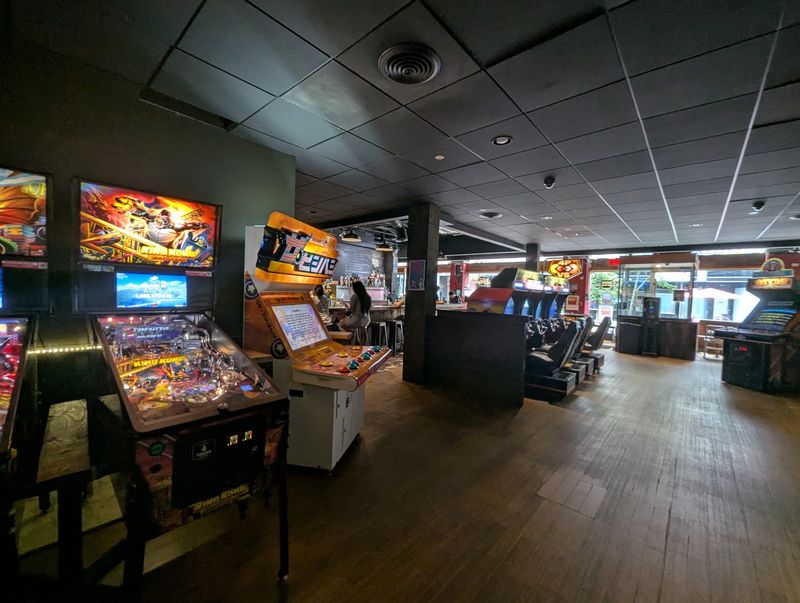
Certain title screens work like a time machine. Asteroids, Frogger, and Donkey Kong all turn up in the lineup here, and the reaction they get is fairly predictable: someone gasps, and someone else insists they were once great at it.
Other favorites appear regularly, including Pac-Man Battle Royale, Mortal Kombat, NBA Jam, and Operation Thunderbolt. The mix leans heavily vintage, which is exactly the point.
Sound plays a bigger role than newcomers expect. Vector hums, hopping frogs, and barrel-dodging chirps blend into a layer of noise that reads as busy rather than overwhelming, and many visitors mention the room never turns into a wall of noise.
For anyone bringing a younger crowd, the older games have an unexpected advantage. Controls are simple, one stick and a button or two, so a nine-year-old can learn a game in seconds and beat a parent within minutes.
Pixel art holds up better than nostalgia usually allows. Colors are bright, sprites are readable, and the difficulty curves are honest about wanting your tokens.
The collection rotates, so a machine you loved last spring may have made room for something you forgot existed. Consider it a reason to come back rather than a disappointment.
Regulars treat each new arrival as a small event.
5. Daytona USA Gets Friends Competing Fast
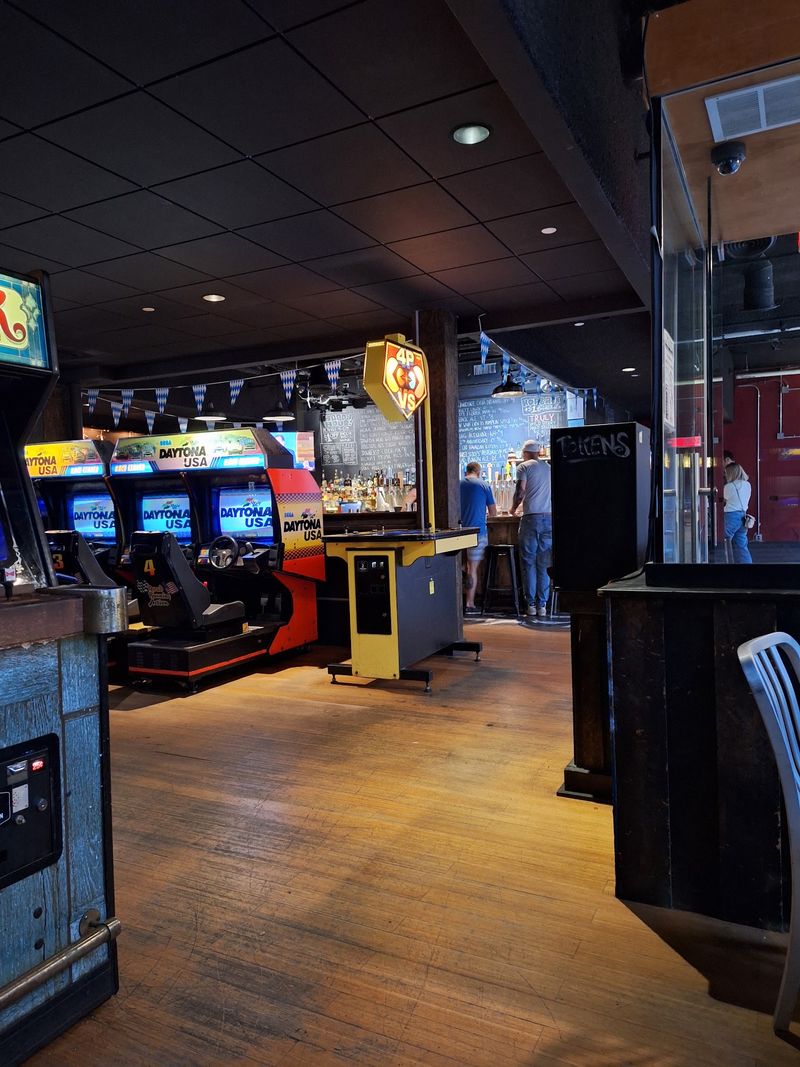
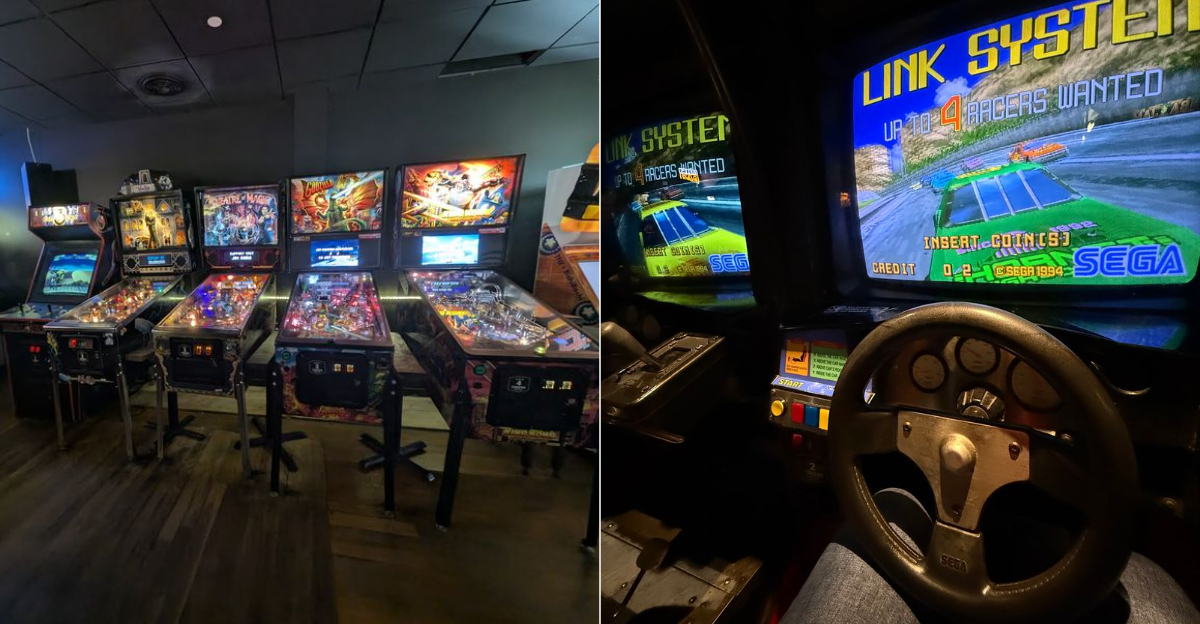
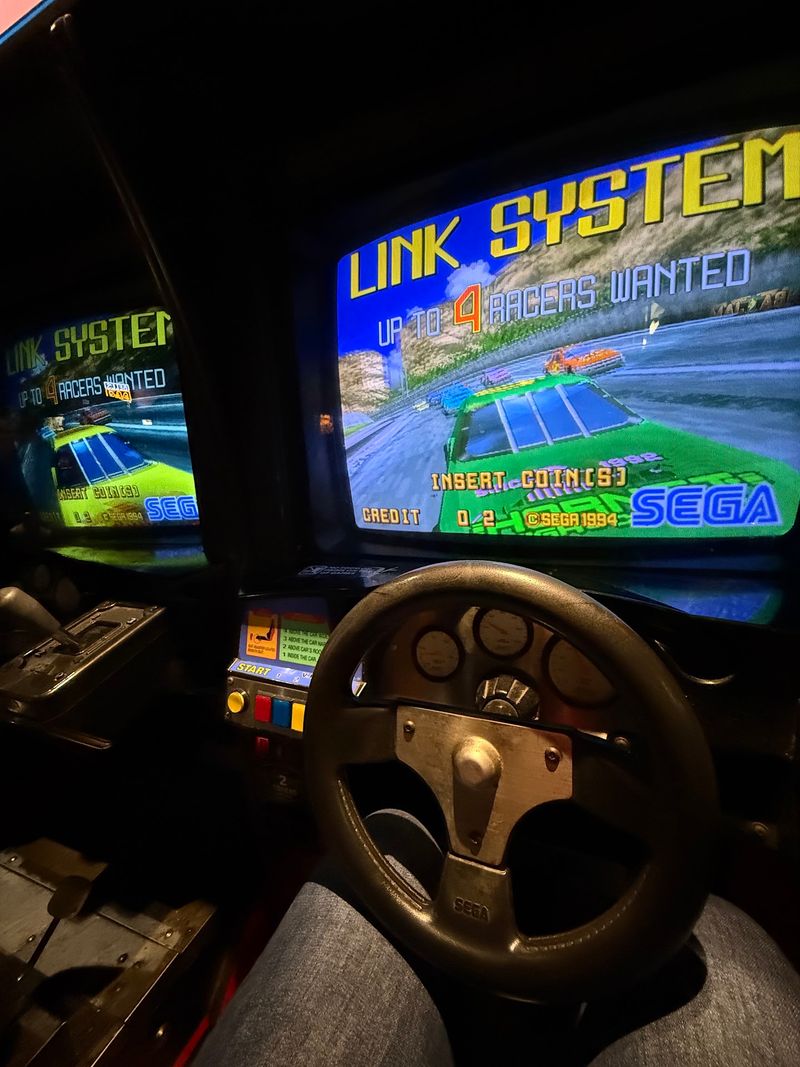
Four racing seats lined up together can turn a casual stop into instant competition. Daytona USA is especially good at pulling groups in, because several players can race side by side instead of taking turns and watching from behind.
The moment the engines roar and that unmistakable 1990s soundtrack kicks in, the corner takes on a life of its own.
Part of the appeal is how physical the game feels. A real steering wheel, pedals, and full racing seat make every turn feel more dramatic than anything played on a phone or handheld console.
Short rounds keep the pace moving, so even first-timers can finish a lap, laugh about the result, and jump straight into a rematch.
There is also a strategy to winning. Manual transmission may look impressive, but beginners usually have better luck sticking with automatic until they learn the sharper corners and tighter sections of the track.
Quieter weekday evenings can make it easier for a group to claim every seat at once. That is when the friendly trash talk really starts, especially once someone crosses the line last and immediately insists the race did not count.
One round has a habit of turning into five.
6. Pinball Fans Have Plenty Of Machines To Try
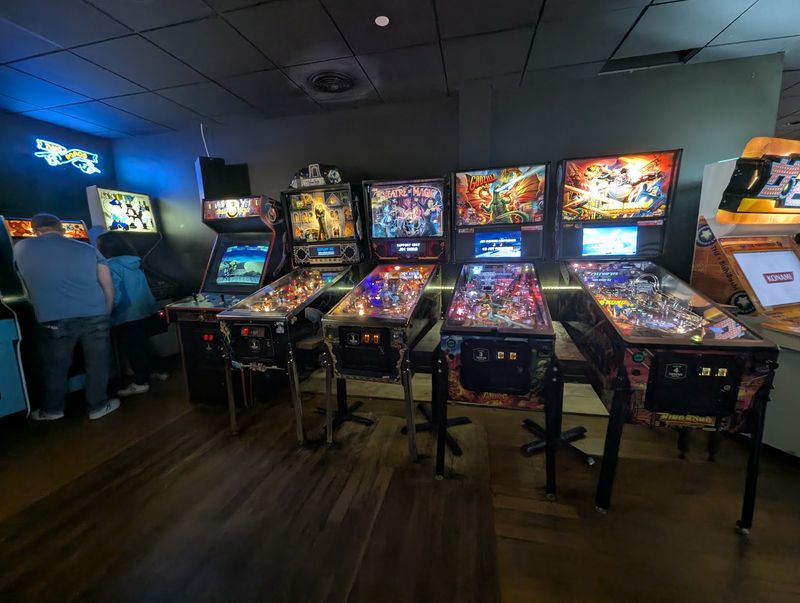
Flippers get their own devoted following, and this room takes them seriously, generally keeping around eight tables in rotation.
Titles over the years have included The Addams Family, Cactus Canyon, Deadpool, Godzilla, John Wick, Star Wars, Theatre of Magic, and Toy Story 4. That range covers both older classics and modern tables with layered rules and video screens.
Pinball asks for a different kind of attention than video games. You watch the ball, listen for the callouts, and feel every nudge through the cabinet, and the physical feedback is a large part of the appeal.
Newcomers should not be shy about reading the instruction card on the playfield. A few seconds of reading explains what the flashing arrows want, and suddenly a random game becomes a puzzle you can actually solve.
Machines here are generally kept in good working order, which matters because pinball depends on responsive flippers and clean ramps.
Two or three tokens buys a game, and a strong player can stretch that a long way. Watching someone do it is half the entertainment, and most regulars are happy to explain what they are shooting for if you ask politely.
Pinball, more than anything else in the building, turns strangers into a small crowd.
7. High Scores Give Regulars Something To Chase
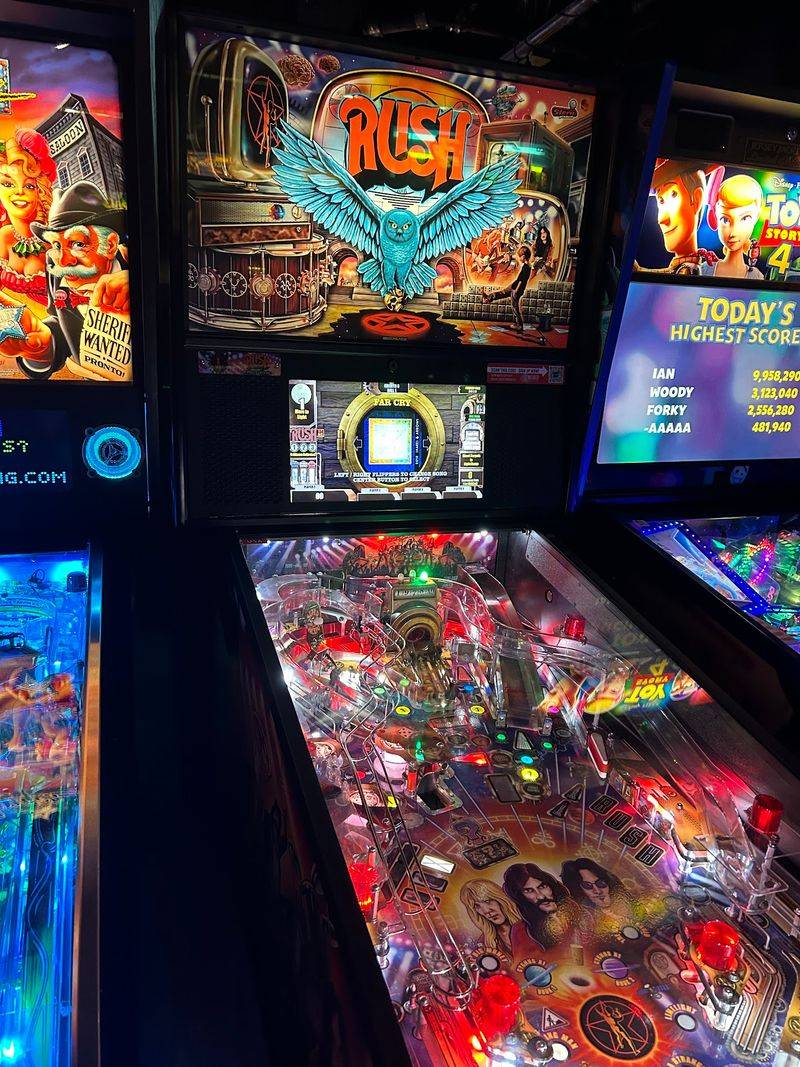
Initials on a screen still carry weight. Real-time high score tables track the day’s best runs, so a good session gets recorded rather than forgotten the moment you walk away.
That small feature changes how people play. Instead of drifting from cabinet to cabinet, some visitors settle in front of one game and grind, learning patterns and squeezing out a few thousand extra points.
Guests have claimed top spots on titles like Operation Thunderbolt and Arkanoid, and the leaderboard shuffles constantly. Beating a stranger feels satisfying.
Beating your own family member, as plenty of visitors will tell you, feels considerably better.
If chasing a score sounds appealing, pick one game early in your visit and commit to it. Spreading tokens across twenty machines is fun, but scores come from repetition.
Older games help here, because their scoring systems are transparent. You can see exactly what earns points, which makes improvement measurable rather than mysterious.
There is also a quiet social side to the boards. Someone notices a name that keeps appearing, a conversation starts, and advice gets traded over the top of a cabinet.
Arcades were always partly about audiences, and that has not changed. A good run still draws people over.
8. Monthly Tournaments Keep Things Competitive
Competition here goes beyond bragging rights on the daily boards. Monthly tournaments, often centered on pinball, bring organized play into the room and welcome participants across skill levels.
Events such as the New Haven Monthly Knockout give the local pinball community a regular reason to gather. Knockout formats are friendly to newcomers, since you play matches against other people rather than needing a world-class score to stay in contention.
Leagues and weekly competitions have also been part of the calendar at times, so schedules are worth checking before you plan around one. Calling ahead is the simplest way to confirm dates, entry details, and age policies for a particular night.
Even if you never sign up, tournament nights are entertaining to witness. Watching experienced players work a table teaches more in ten minutes than an hour of solo attempts, and the crowd tends to be generous with tips.
For groups, an organized event turns a casual outing into something with structure. You get a bracket, a reason to focus, and a story to retell later.
The doors stay open late on Friday and Saturday, which gives tournaments and rematches plenty of room to run. Whether you compete or just watch, the night usually ends with someone promising to win next month.