This Peaceful Georgia Mennonite Community Has A Country Market Filled With Homemade Foods And Local Goods
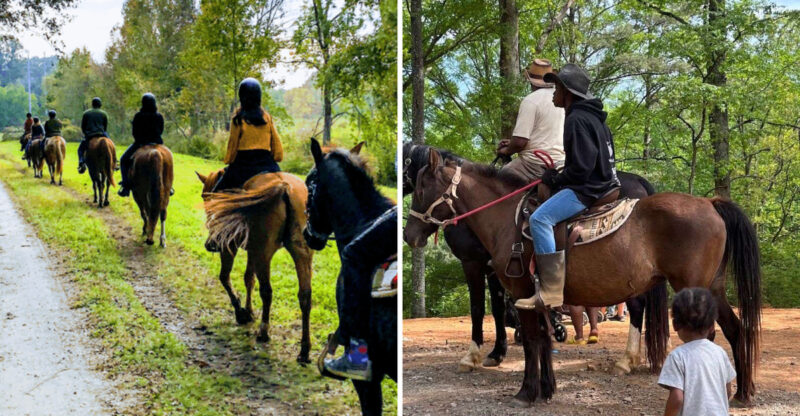
A horse-drawn buggy passed me on the road, and I slowed down without even thinking. Something about that image made me curious enough to follow the same direction.
A few minutes later I found a parking lot packed with cars, which seemed strange for such a quiet stretch of road. I walked inside and understood immediately.
Warm rolls sat stacked near the register. A bakery case held pies that looked handmade by someone who has done this for decades.
Fried chicken and gravy came out steaming from the kitchen. An older woman told me families drive from three counties over just for lunch here.
I believed her after one bite. Georgia holds quiet communities like this, places built on routine rather than attention.
I left full, calm, and already thinking about my next trip back through Georgia.
A Farmland Setting That Slows You Right Down
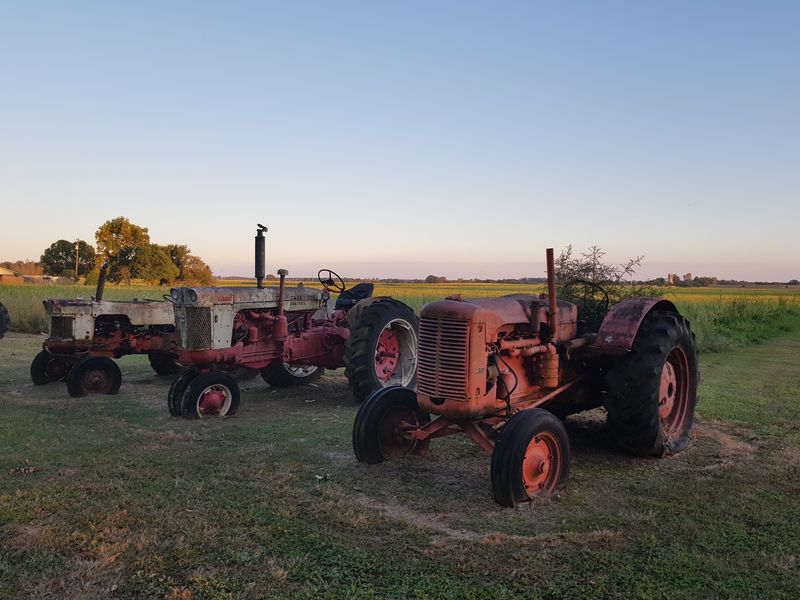
Cornfields make a surprisingly good welcome sign. The drive here runs past planted rows, tractors, and barns, with almost nothing tall enough to block the sky.
Macon County farmland surrounds the building on nearly every side. A long-established Beachy Amish Mennonite community has lived near Montezuma since 1953.
Parking is easy, which is a small blessing after a long drive. Many visitors travel two or three hours just for lunch, and the lot often shows license plates from all over the state.
The views work as a free side dish. Looking out at open fields while eating mashed potatoes changes the whole mood of a meal.
There is no flashy signage or gimmick out front. The building looks practical, sturdy, and honest about what it does.
Bring a camera if you enjoy rural scenery. Late afternoon light across the fields is worth a photo before you head home.
You will find it at 5252 GA-26, in the middle of that farm country, at Yoder’s Deitsch Haus in Montezuma.
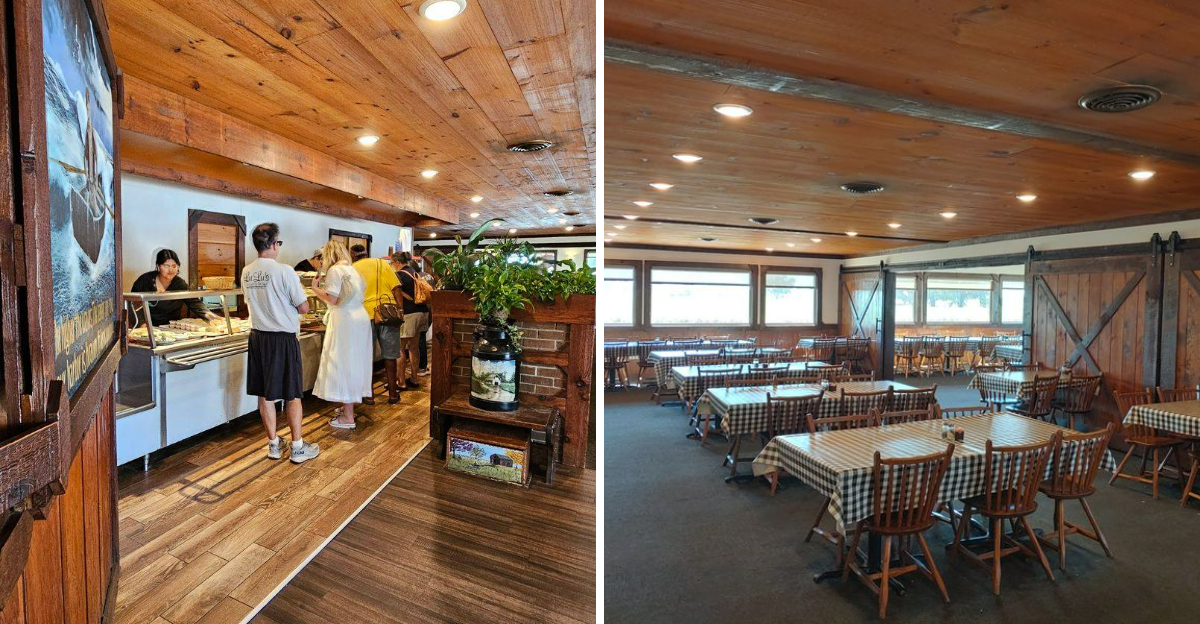
Cafeteria Line Where You Point At What You Want
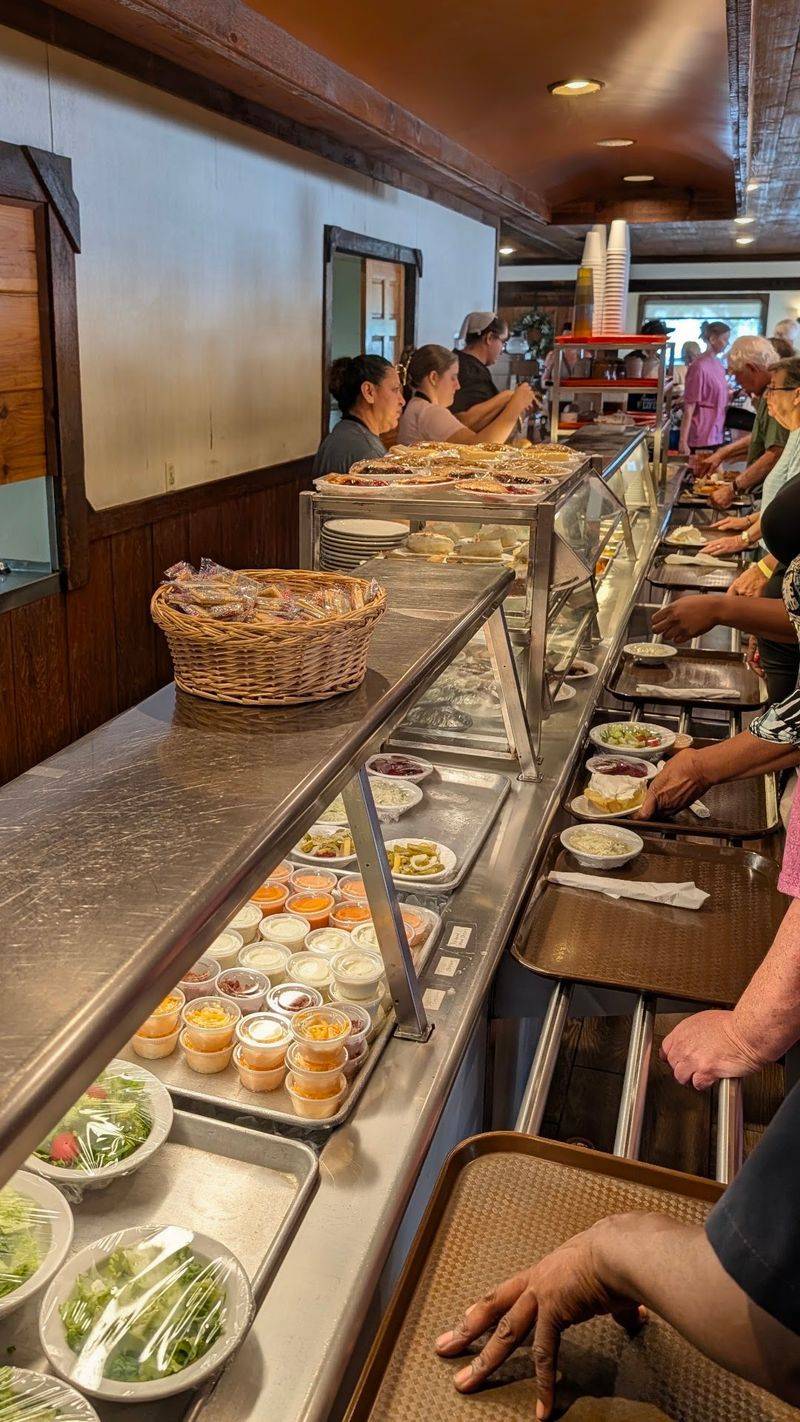
Menus can lie. A steam line cannot, because you see every dish before it lands on your plate.
Guests grab a tray and move through the line, choosing a meat and several vegetables. The setup is simple, quick, and honestly kind of fun for indecisive eaters like me.
Meat choices rotate through the week. Fried chicken, meatloaf, shredded roast beef with gravy, country fried steak, and ham with pineapple glaze all make appearances.
Sides deserve equal billing here. Creamy mashed potatoes, green beans, turnip greens, creamed corn, and rice with gravy fill the trays.
Payment happens after you eat, which surprises first-timers. It adds to the feeling of eating at a relative’s table rather than a chain restaurant.
Portions run generous without feeling wasteful. Diners often describe the portions as generous and the prices as reasonable.
My advice is to pace yourself in line. Dessert is coming, and you will want room for it.
Fried Chicken And Fried Okra Worth The Drive
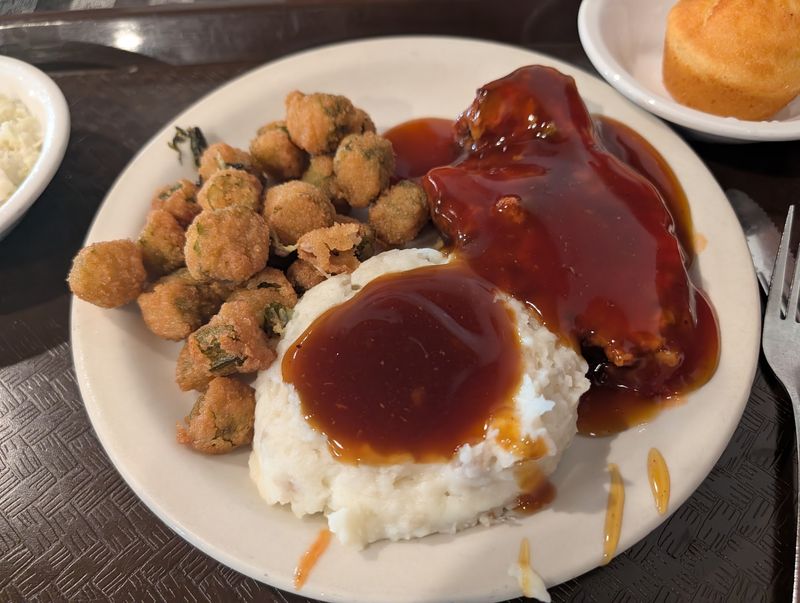
Crispy outside, juicy inside. That is the whole job description for fried chicken, and this kitchen takes it seriously.
The crust stays light instead of heavy or greasy. Underneath, the meat holds moisture, which is harder to pull off than most people realize.
Fried okra is the other star. It arrives crunchy, well salted, and disappears from plates faster than any vegetable should.
Regulars mention okra constantly, often calling it the best they have had in years. I understand the loyalty after one bite.
Green beans and creamed corn round things out nicely. Nothing tastes rushed, and the seasoning leans toward home cooking rather than restaurant flash.
Do not skip the bread. Homemade yeast rolls, cornbread, and flaky biscuits all show up on the line.
A roll swiped through leftover gravy is a small act of genius. Consider it a required step in the meal.
Order both the chicken and okra together on your first visit. That combination tells you exactly what this kitchen is about.
Pies That Have Built A Serious Reputation
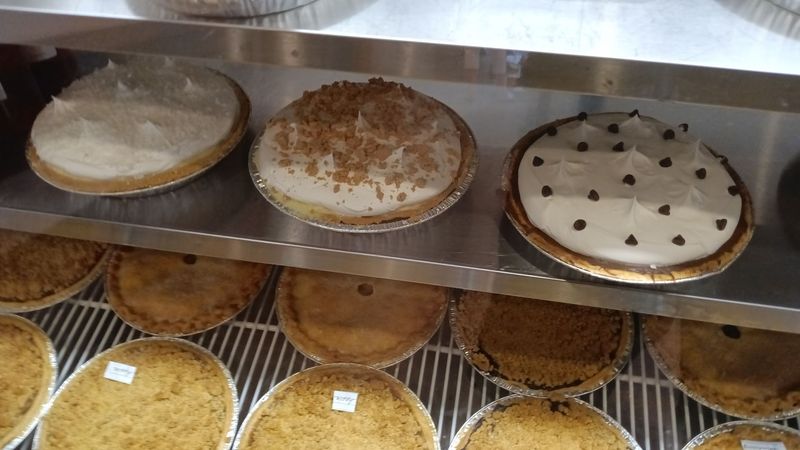
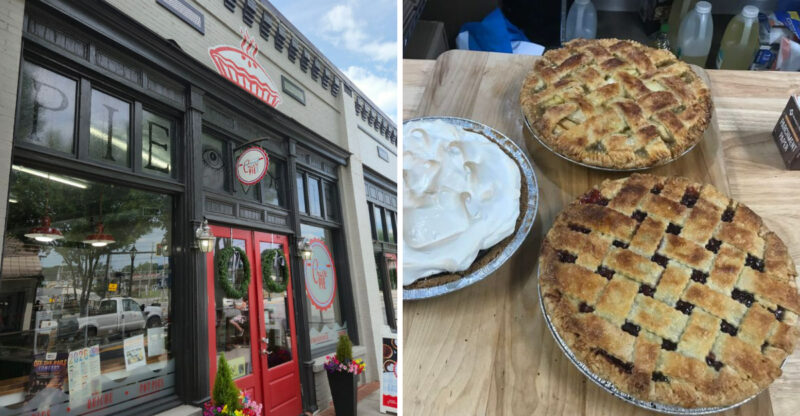
Pie mentions outnumber almost everything else in conversations about this place. Over a hundred visitors have specifically talked about the pies, which says plenty.
Coconut cream is the crowd favorite. Thick, rich, and topped high, it vanishes early on busy days.
Shoofly pie brings the Pennsylvania Dutch side into focus. The bottom crust soaks up molasses, which is the mark of a properly made one.
Pecan pie holds strong Georgia credentials. Cherry, custard, blueberry, apple, and peanut butter versions fill out the case.
Peanut butter pie has quietly built its own fan club. It is sweet without tipping into overwhelming territory.
Whole pies are available to carry home. Buying one before lunch is a smart defensive move, since popular flavors sell out.
I learned that lesson the practical way. Choose your pie first, eat second, and you will never leave disappointed.
Slices are priced fairly, so trying two is not reckless. Split them with someone and call it research.
A Bakery That Distracts You At The Door
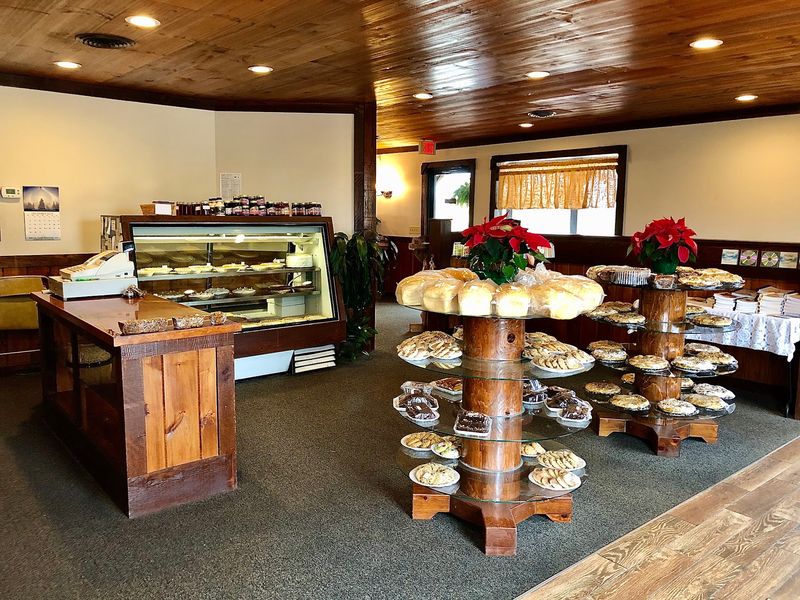
Walk in hungry and the bakery grabs you before the dining room does. One visitor admitted almost forgetting why he came in the first place.
Shelves hold homemade breads, including a sourdough loaf people rave about. Someone drove three hours, bought a loaf, and made French toast the next morning.
Cinnamon rolls sit nearby, soft and heavily swirled. Cinnamon bread also shows up and travels well in the car.
Cakes arrive in classic Southern varieties. Red Velvet and Hummingbird both appear, along with chocolate layer cakes ordered for birthdays.
Cookies, doughnuts, brownies, and sweet rolls fill the remaining space. Brownies seem to leave in small boxes more often than not.
Cookbooks share the counter, which I find charming. You can eat the food, then attempt it at home with mixed results.
My honest tip is to shop before eating. Full stomachs make poor decisions about bread.
Bring a cooler bag if you plan a long drive back. Fresh baked goods deserve better than a hot backseat.
The Country Market Next Door Full Of Local Goods
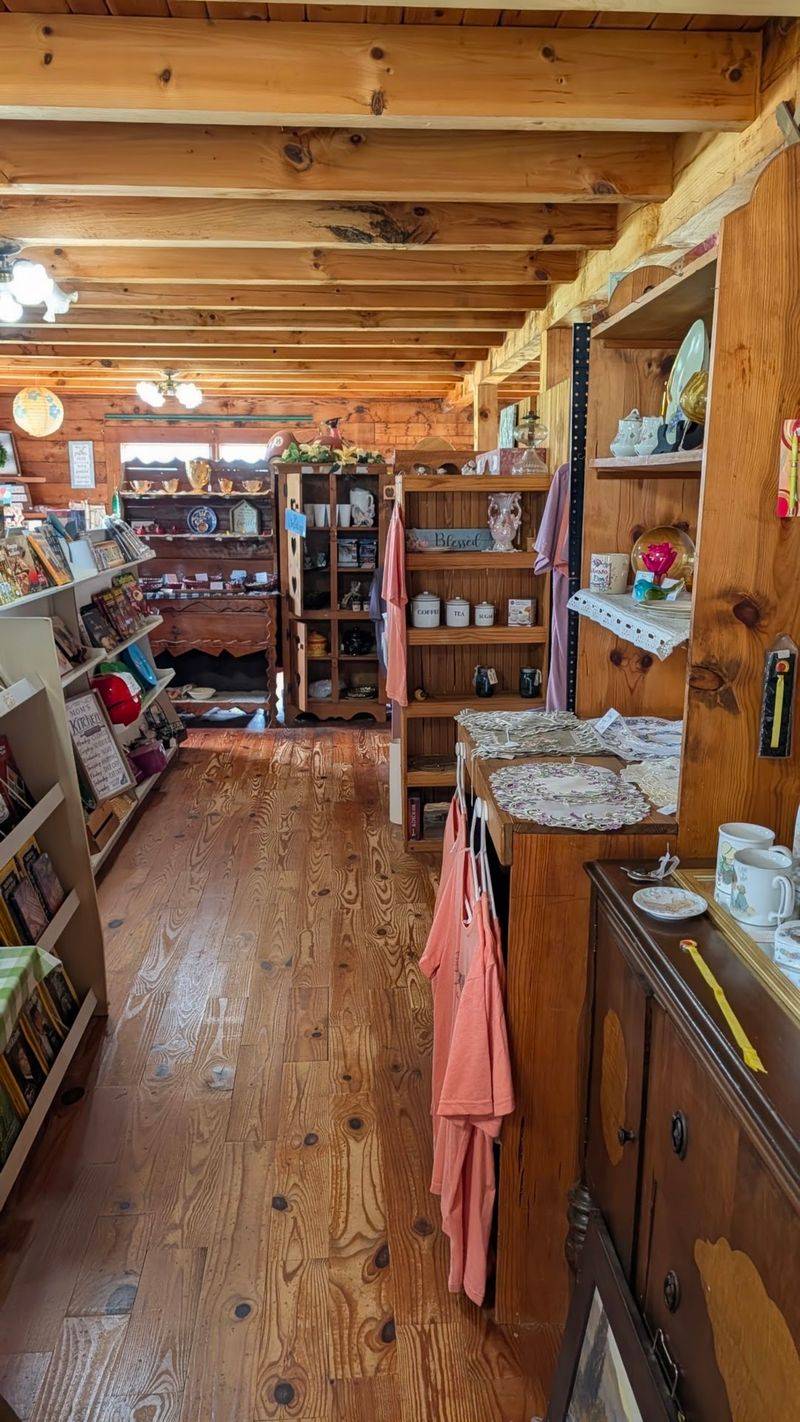
Plenty of diners eat, pay, and drive off without realizing there is more. The building next door hides its own collection of treasures.
Shelves there hold homemade jellies, jams, and preserves. Local farms supply fresh produce and baked goods, so stock shifts with the seasons.
Snacks, nuts, and nibbles fill the middle aisles. Handcrafted items and gift goods round out the selection.
Farm-fresh market items make this more than a souvenir stop. You can genuinely restock a pantry here.
Jam jars are the classic purchase. Pairing one with a loaf of bread from the bakery makes breakfast at home feel like a continuation of the trip.
Prices stay reasonable, which keeps browsing dangerous. I walked out with more jars than planned and zero regrets.
Give yourself fifteen extra minutes for the market. Rushing through means missing half of what makes the visit special.
Cash works smoothly here, though cards are accepted too. Having both covers every situation.
Family Roots Going Back To 1984
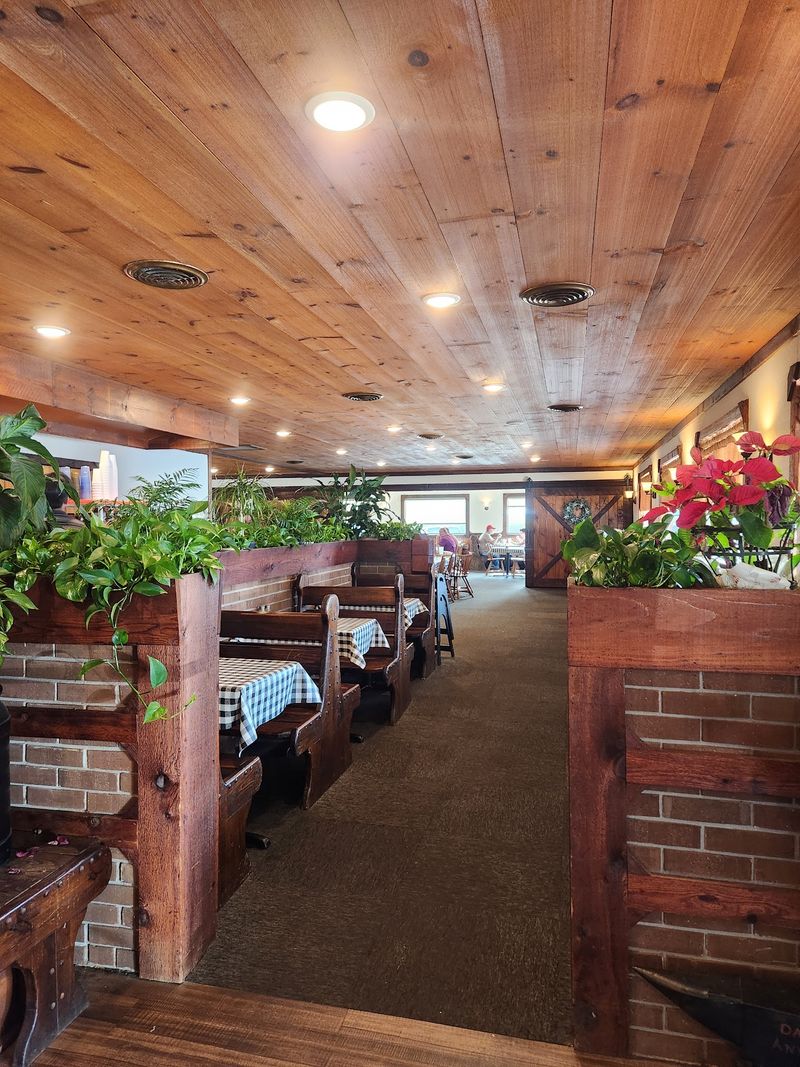
Forty years in the restaurant business is no accident. Alva and Sara Yoder opened the doors here in 1984.
Their son Michael has run the operation for close to three decades. That kind of continuity shows up in the consistency of the food.
Some guests arrive because their grandparents talked about it. One visitor drove more than two hours and realized it was the very same place from those stories.
The Beachy Amish Mennonite community near here dates back to 1953. The restaurant grew out of that settlement and its farming traditions.
Pennsylvania Dutch influence runs through the recipes. Shoofly pie and hearty comfort dishes reflect those older roots.
Nothing about the place feels like a museum, though. It functions as a working restaurant, bakery, and market all at once.
Family ownership explains the small courtesies. Staff refill drinks, check on tables, and answer questions without hovering.
Multi-generational tables are common at lunch. Watching three ages share a meal here feels completely natural.
Dining Room Comfort Without The Fuss
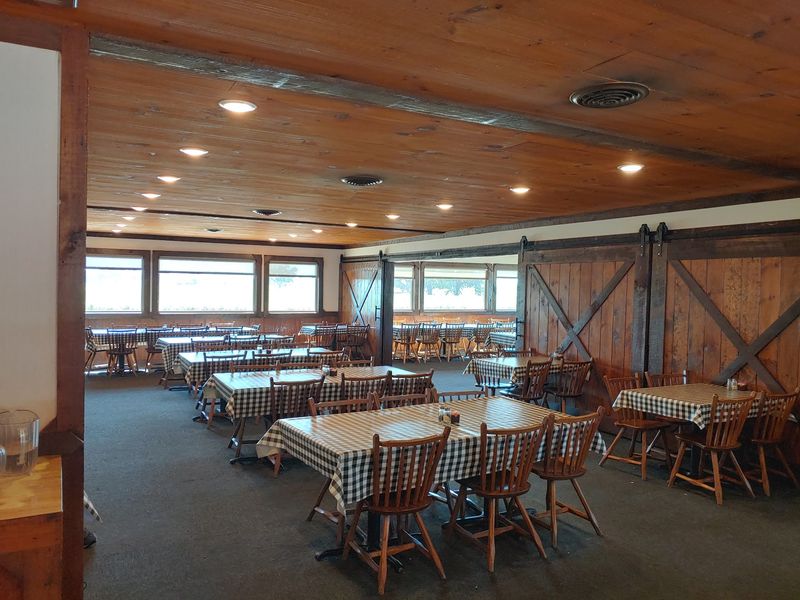
No white tablecloths, no background music trying too hard. The dining room keeps things simple and clean.
Tables are plentiful, so large groups fit comfortably. Church outings and family lunches happen here regularly.
Windows frame those farm views. Sitting near one turns an ordinary lunch into something more memorable.
The smell hits you first. Slow-cooked meats and fresh bread mix into an aroma that beats any advertisement.
Servers wear traditional modest attire, reflecting their faith. Their attentiveness is quiet rather than performative.
Drinks rarely run empty. Someone always circles the room with a pitcher, which small details lovers will appreciate.
The overall feeling lands closer to a farmhouse kitchen than a restaurant. Guests often describe it as eating at home.
Dress code is nonexistent. Show up in jeans, boots, or whatever you drove in wearing.
Planning Your Visit Around Those Short Hours
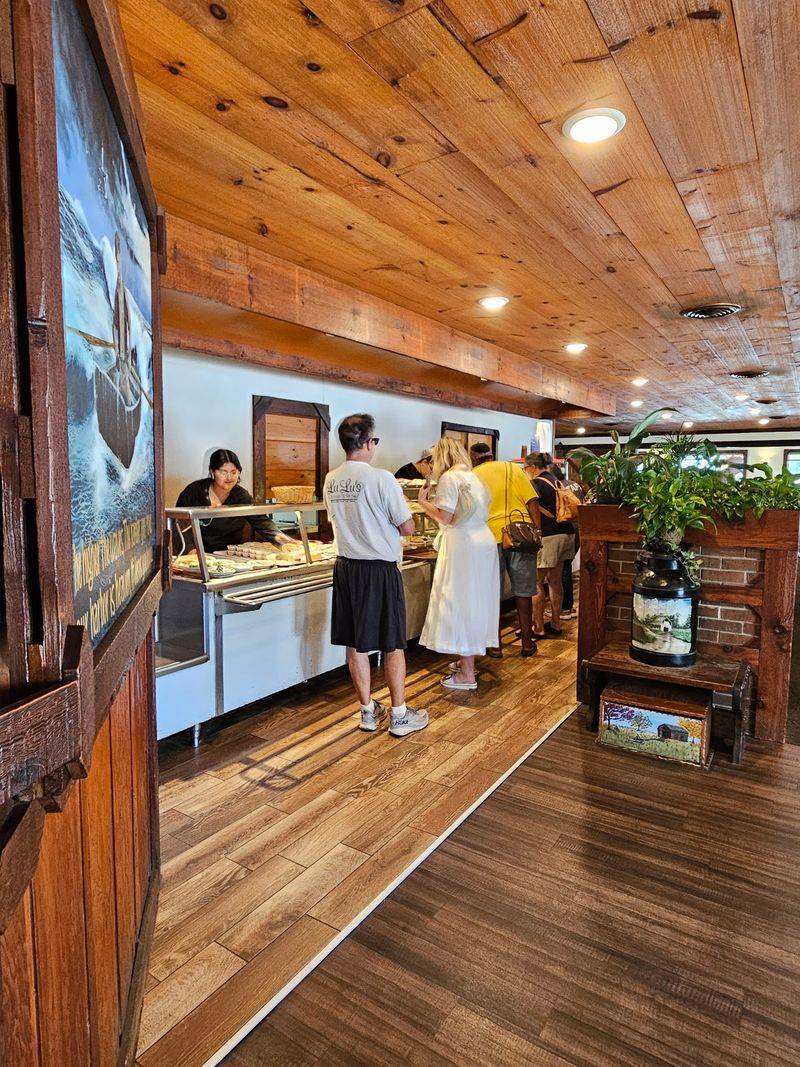
The restaurant keeps limited hours, so check its latest schedule before making the drive.
Operating days and dinner service may vary, so confirm current hours by phone or through the restaurant’s official Facebook page.
Arriving early pays off twice. You beat the busiest stretch and you catch the bakery case at full strength.
Popular pies sell out, especially on weekends. Late arrivals sometimes face slim dessert choices.
Entrée selections rotate, so calling ahead can help confirm the day’s menu.
Leave time for both buildings. Between the meal, the bakery, and the market, an hour and a half feels about right.
Go once and you will already be planning the next trip. That is how this place works on people.