10 Reasons Arizona Is Making People Dream About Moving
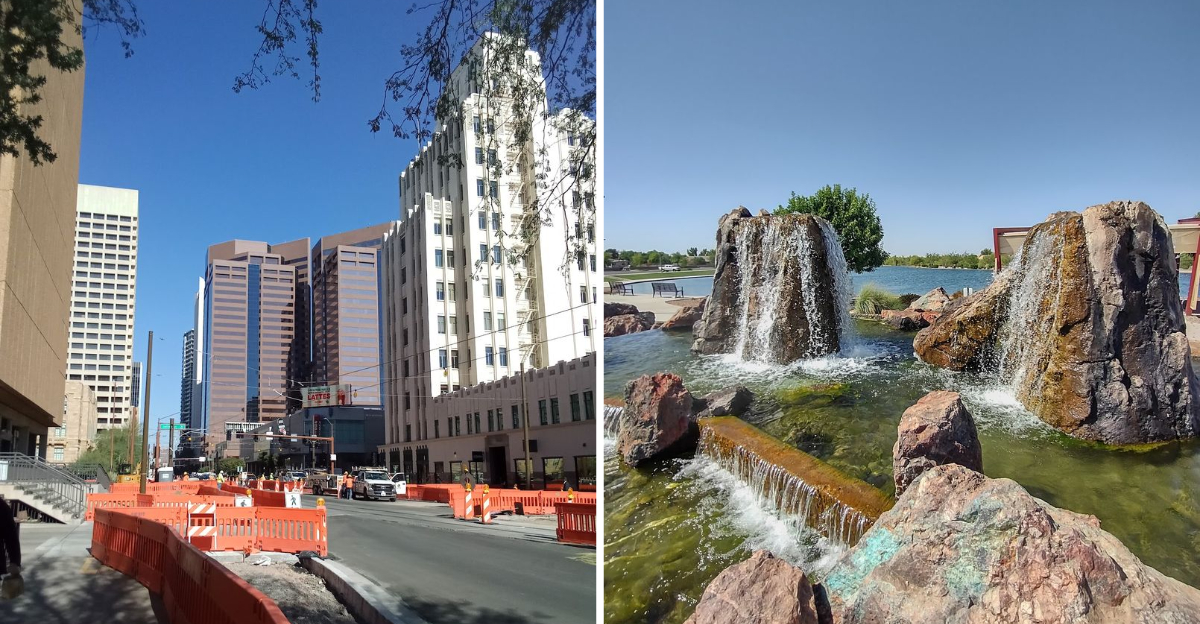
Ever finish a vacation and jokingly start checking house prices before the suitcase is even unpacked?
Arizona gives relocation daydreamers plenty to think about long after that desert vacation officially ends.
Sunshine and dramatic landscapes grab attention first, but practical considerations can make the idea considerably more serious.
Growing employment centers, expanding communities, major business investments, and different lifestyle options all enter the conversation.
Of course, moving anywhere deserves far more research than one tempting weekend can provide. Still, it is easy to understand the curiosity.
These reasons explain what keeps putting the state on relocation wish lists and might have you wondering how quickly those moving boxes can be found.
1. A Flat, Low Income Tax

Taxes rarely make anyone excited. Yet this particular number gets people talking at dinner parties.
Starting with tax years in 2023 and beyond, Arizona applies one flat rate of 2.5% to taxable income. No brackets to climb, no surprise jump after a raise. That single rate replaced an older progressive structure that stacked higher percentages on bigger earners.
Compare that to California, New York, or Illinois and the gap gets loud. Higher earners in coastal states can watch a serious slice of income disappear. Here, the math stays the same for everyone.
There is another piece that matters for families thinking long term. Arizona charges no estate tax and no inheritance tax. Money passed down to children stays intact at the state level.
For retirees, that combination is a real draw. For young professionals, the flat rate makes raises feel like actual raises. Freelancers and small business owners appreciate the predictability at filing time.
Practical tip worth remembering: state rules and federal rules are separate animals. A quick chat with a tax professional before you move can help you time the change smartly.
Simple numbers, fewer headaches, and more of your paycheck staying put. That combination has nudged plenty of people toward a southwestern zip code.
2. A Booming Job Market
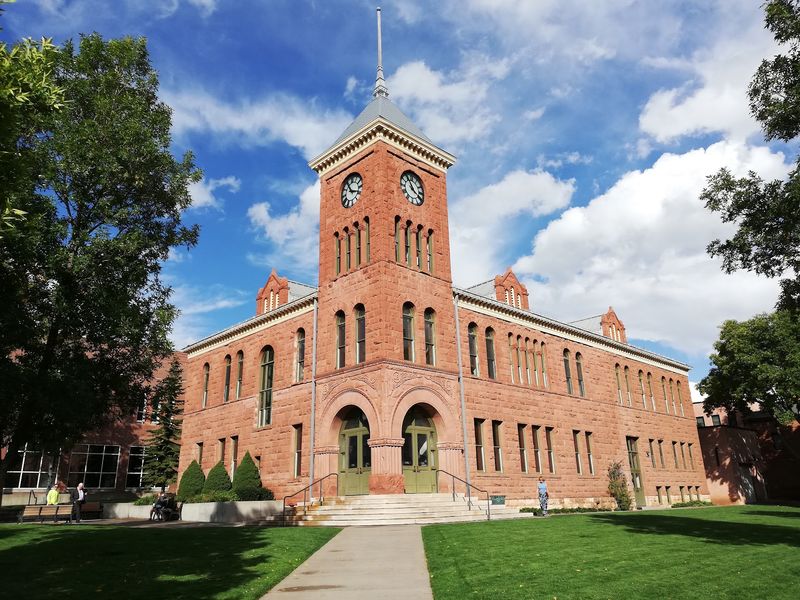
Sunshine alone does not pay rent. Jobs do, and there are a lot of them here.
Employment across the state is forecast to grow by more than 721,000 jobs between 2020 and 2030. That works out to roughly 2.2% growth each year. Steady, not a flash in the pan.
Education and health services lead the charge with projected annualized growth around 3.2%. Nurses, therapists, teachers, and school staff are in constant demand. Hospitals and districts keep expanding to serve new neighborhoods.
Construction follows close behind at about 2.7% annualized growth. New homes, schools, and roads need framers, electricians, and project managers. Trade skills travel well and pay well in a growing market.
What does that mean for someone considering a move? Options. If one industry slows, another is usually hiring nearby.
A smart approach is applying before the moving truck is booked. Many employers here interview remotely and help with start dates.
Networking also works differently in a fast-growing region. Newcomers are common, so introductions happen easily at community events.
Job security plus year-round patio weather is a hard combination to argue with. Plenty of movers have already run those numbers and packed accordingly.
3. A Massive Tech And Manufacturing Wave
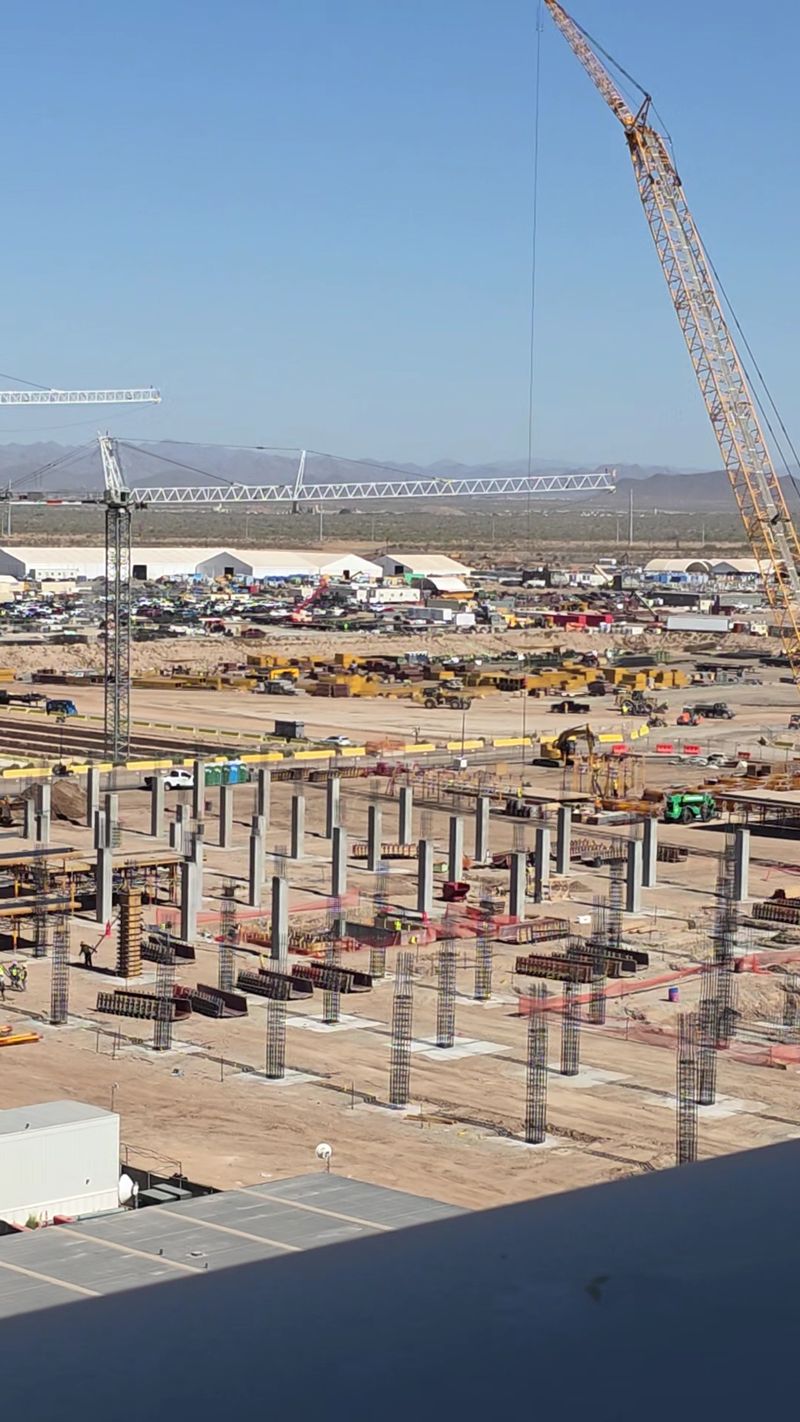
The dollar figures here are genuinely enormous. We are talking numbers usually reserved for national budgets.
Taiwan Semiconductor Manufacturing Company is investing 65 billion dollars in new fabrication facilities in Phoenix.
That single commitment is expected to generate over 6,000 high-tech positions directly. Support businesses around those plants multiply the effect.
Intel is not sitting quietly either. Its Chandler expansion carries a 20 billion dollar investment and an expected 9,000 new jobs. Two giants building at once changes an entire regional economy.
Aerospace has deep roots across the state as well. Engineers, technicians, and machinists find steady work in that sector year after year.
Why should a non-engineer care about any of this? Because chip plants need restaurants, dentists, landscapers, and daycares nearby. Growth spreads outward in every direction.
Housing near these corridors tends to appreciate as workers arrive. Buyers scouting neighborhoods often look at commute distance to major campuses first.
Students at local universities also benefit from internship pipelines. Technical training programs have expanded to feed the demand.
Fun detail: advanced chip manufacturing needs extremely stable ground and dry air, and the desert delivers both. Sometimes geography and opportunity line up beautifully.
4. 300 Days Of Sunshine A Year

Sounds too good to be true, but the weather records back it up. Clear skies are practically the default setting.
Phoenix logs roughly 300 sunny days annually, covering more than 85% of daylight hours. Tucson goes even further with over 350 sunny days each year. Yuma, tucked in the southwest corner, ranks among the sunniest cities on the planet.
Numbers aside, think about how that reshapes daily routines. Morning runs happen outside in January. Backyard dinners stretch across most of the calendar.
Youth sports leagues rarely cancel games for weather. Bike commuting becomes realistic rather than seasonal.
Sunshine has practical financial perks too. Rooftop solar panels perform extremely well here, and many homeowners take advantage.
There is a flip side worth planning for honestly. Summer afternoons get seriously hot, so locals shift activity to early mornings and evenings. Wide-brimmed hats, water bottles, and window shades become everyday gear.
Newcomers usually learn the parking rule fast: shade is treasure. Sunshades for windshields sell out for a reason.
Vitamin D on tap and hiking trails open in December make winter blues rare. For anyone tired of gray months, that constant brightness feels like a genuine lifestyle upgrade.
5. California-Style Climate Without California Prices

Let’s be real for a second about coastal housing math. Warm weather should not require a second mortgage.
Estimates suggest living costs here run about 32% lower than in California. Groceries, utilities, and housing all contribute to that gap. Housing carries the heaviest weight by far.
Median home prices across the state generally land between 423,000 and 453,000 dollars. California medians frequently sit in the mid-700s. That difference can mean a bigger yard, an extra bedroom, or a shorter loan term.
Sunshine, palm trees, and desert mountains come along without the coastal premium. Many transplants keep remote jobs and simply relocate their address.
Practical advice for anyone comparing regions: look at total monthly costs, not just the sticker price. Property taxes, insurance, and cooling bills all matter.
Summer electricity use runs higher than in mild coastal climates. Newer homes with good insulation and efficient units soften that hit considerably.
Neighborhood choice also shifts value dramatically. Communities farther from downtown often deliver more square footage per dollar.
Weekend drives to the ocean are still doable for those who miss salt air. Trading a beach view for financial breathing room has convinced tens of thousands to make the switch.
6. No Harsh Winters To Shovel Through
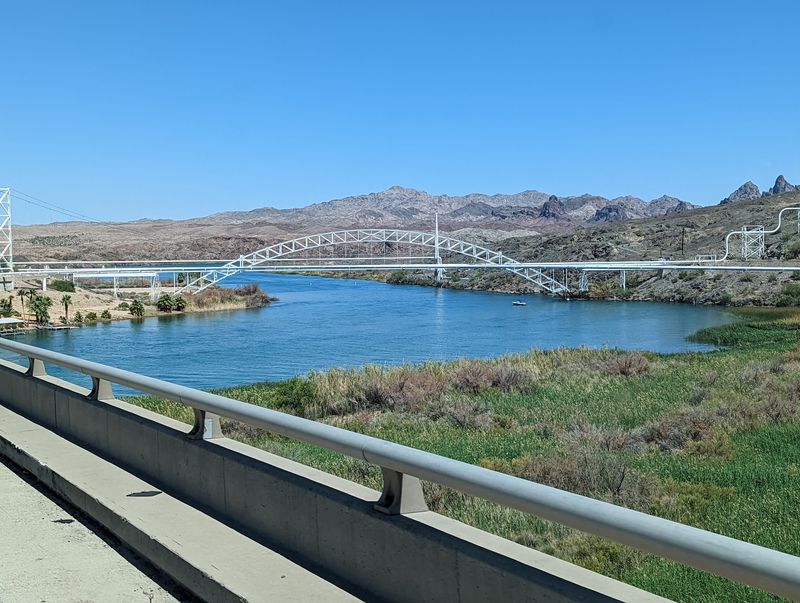
Winter here looks completely different. Across the lower desert elevations, cold months stay remarkably gentle.
Phoenix daytime highs in winter usually sit between 70 and 74 degrees Fahrenheit. Readings rarely fall below 57 during the day.
Nights cool down to around 48 degrees on average and seldom dip under 37. A light jacket handles most evenings comfortably.
Tucson and Phoenix almost never see snow that sticks around. Snow tires, ice scrapers, and shovels can stay behind in the old garage.
Northern parts of the state tell a snowier story. Higher elevations near Flagstaff collect real snowfall every winter. That setup gives residents a rare bonus: skiing on Saturday, patio brunch on Sunday.
Heating bills shrink dramatically compared to northern states. Many households barely run the furnace at all.
Winter also becomes prime hiking season here. Trails that bake in July are perfect in January.
Snowbirds arrive each year for exactly this reason, filling golf courses and farmers markets. Plenty of them eventually stop leaving in spring and buy something permanent instead.
Mild winters quietly do more recruiting for this state than any advertisement ever could.
7. Genuinely Stunning, Varied Landscapes
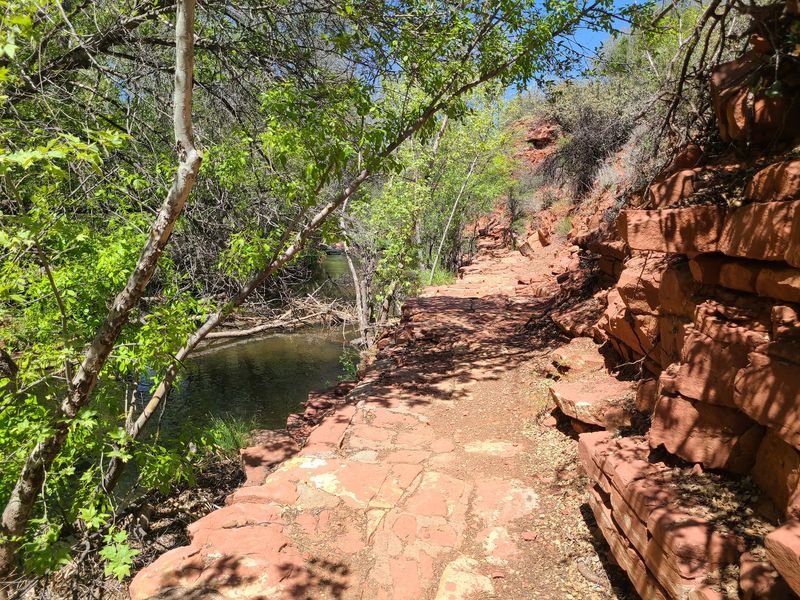
The Grand Canyon sits inside state lines, carving nearly a mile deep through ancient rock. Rim views change color hour by hour as light shifts.
Sedona brings a completely different mood with towering red-rock formations. Trails wind past buttes that look sculpted on purpose. Photographers show up before sunrise and rarely regret the alarm.
Then there is the Sonoran Desert, home to the towering saguaro cactus. Saguaro National Park protects forests of them, arms raised toward the sky. Some of those giants have been standing for well over a century.
Pine forests, alpine lakes, and slot canyons round out the mix. Elevation changes mean you can chase whatever climate suits your mood.
What makes this practical rather than just pretty is proximity. Several of these landscapes sit within a few hours of each other by car. Weekend trips replace expensive vacations.
Residents often keep hiking boots permanently in the trunk. Annual park passes pay for themselves quickly.
Owning a home surrounded by that much natural drama is a lifestyle choice as much as a real estate one. The views alone convert plenty of vacationers into locals.
8. Real Population Momentum, Not Just Hype

Maricopa County, home to Phoenix, led the entire nation in population growth between July 2020 and July 2021. That single county added 58,246 people during those twelve months.
California sent a huge share of newcomers too. In 2023 alone, more than 80,000 individuals relocated here from California.
Projections keep the trend going. Population growth for the Phoenix metropolitan area is expected to hold steady at 1.5% in 2026.
Why does momentum matter to a person shopping for a house? Growing regions build new schools, clinics, roads, and grocery stores. Services follow residents rather than lagging behind.
Home values in expanding markets tend to hold up better over time. Selling later becomes easier when demand keeps arriving.
Social life shifts too. Communities full of transplants welcome newcomers without much fuss, since almost everyone arrived recently themselves.
There is a practical downside to plan around: traffic and school enrollment grow alongside the population. Researching commute times and district capacity pays off.
Joining a region on the upswing beats settling somewhere quietly shrinking. That energy is exactly what keeps the daydreaming going.
9. Room To Grow, Especially Outside Phoenix
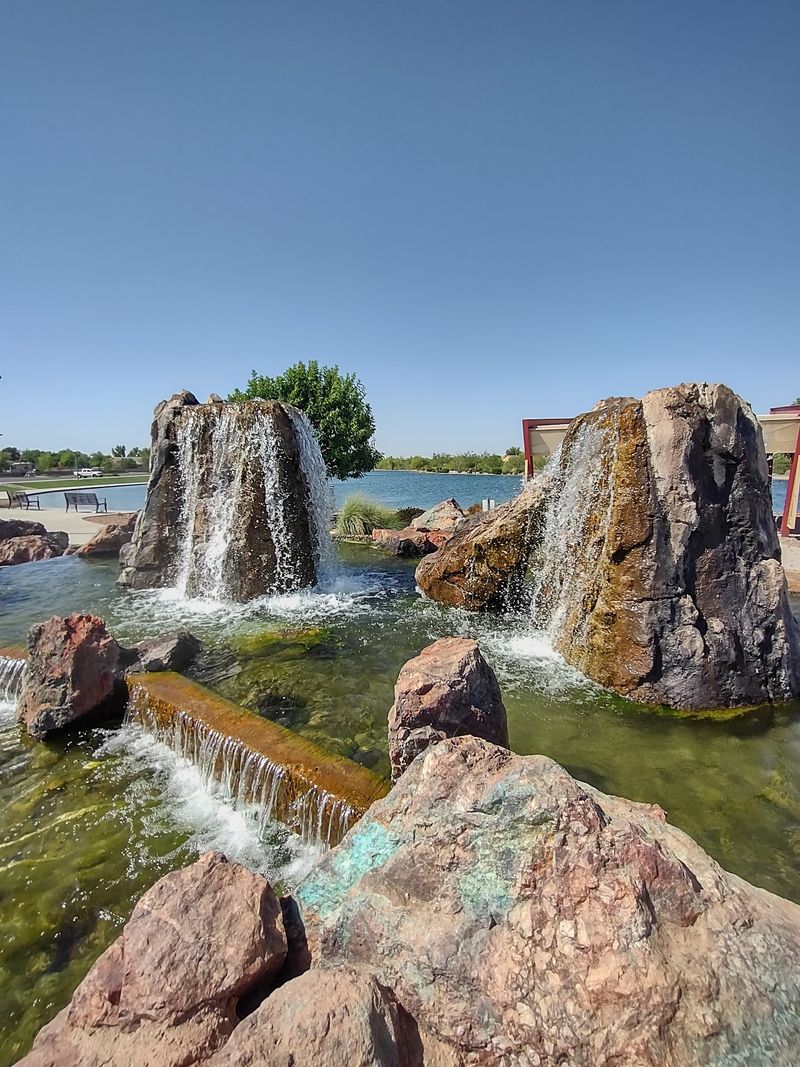
It makes you wonder, doesn’t it, where all those new families actually land? Often the answer sits southeast of the big city.
Queen Creek, positioned southeast of Phoenix, has become a poster child for rapid development. Farmland turned into neighborhoods, schools, and shopping centers within a single decade.
Growth there has been dramatic, with the town expanding by more than half since 2020. Part bedroom community, part job corridor, part family-housing magnet.
Numbers show real demand. The median sale price for homes reached 614,000 dollars over the three months ending June 2026. Median listing price stood at 720,000 dollars as of June 2026, and the market remains somewhat competitive.
Buyers looking outward from the metro core often find newer construction and larger lots. Three-car garages and dedicated home offices show up far more often.
Families appreciate the newer school campuses and community parks. Youth sports fields seem to appear alongside every subdivision.
Practical planning tip: check commute routes carefully before choosing a street. Highway access varies quite a bit across these fast-growing edges.
Local farm stands and community events still give these towns a small-town feel despite the construction cranes. Space, newness, and room for a growing family make outer communities awfully tempting.
10. A Pro-Business Environment
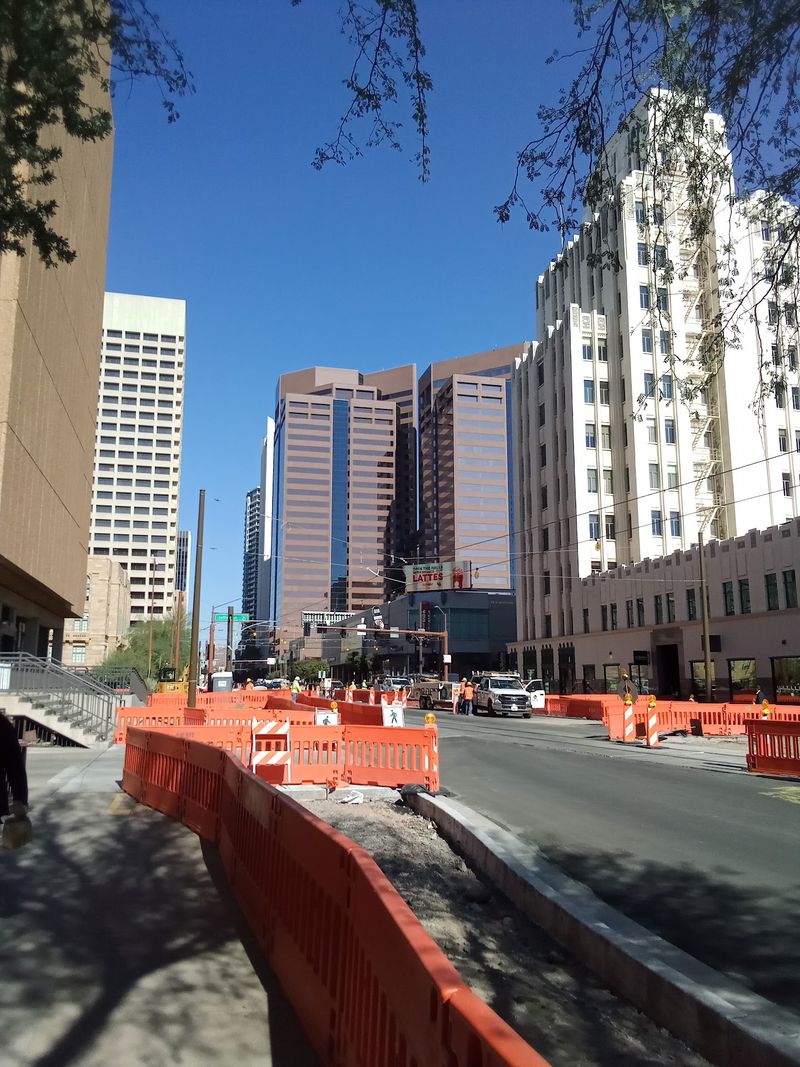
Correct me if I’m wrong, but business-friendly states tend to create more paychecks. That is the quiet engine behind everything else on this list.
Arizona applies a flat corporate income tax rate of 4.9%. Companies also avoid a franchise tax entirely, which removes one recurring cost from the books.
Recognition has followed those policies. A 2025 WalletHub study ranked the state 9th best for launching a new enterprise. Chief Executive Magazine placed it in the top four of its Best States For Business list in 2022.
Broader tax competitiveness looks solid too, with a 14th place finish on the 2026 State Tax Competitiveness Index.
For entrepreneurs, that climate means simpler math when writing a business plan. Startup costs stay lower, and expansion feels less risky.
Employees benefit indirectly through hiring. Companies relocating headquarters or opening satellite offices bring positions with them.
Anyone dreaming of self-employment might find the paperwork refreshingly manageable here. Registering a small company takes far less time than many expect.
Restaurants, contractors, medical practices, and tech startups all feed off the same growth cycle. More businesses attract more residents, who then support more businesses.
That loop explains why the moving trucks keep arriving year after year. Opportunity, sunshine, and sensible taxes make a persuasive package.