This Idaho Farmers Market Only Sells Things Made Or Grown Within 150 Miles
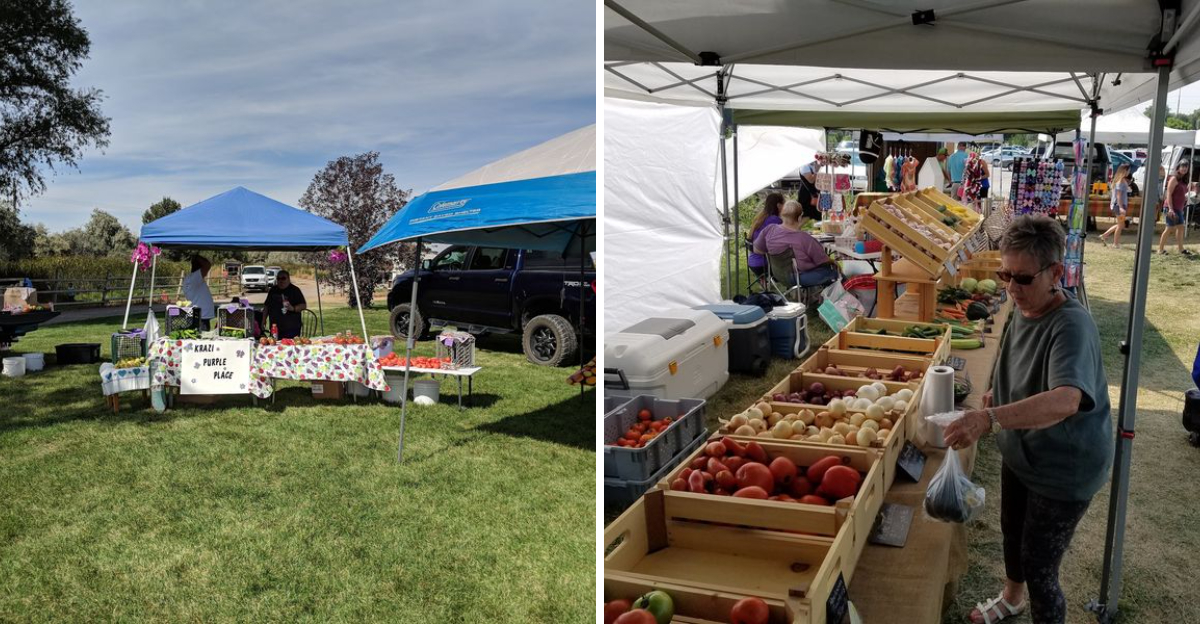
Saturday morning comes with a boundary line.
If it traveled more than 150 miles to get here, it does not make the cut.
That single rule gives this Idaho market a personality all its own. Shopping becomes less about filling a bag and more about seeing what the surrounding region can actually produce when distance is kept on a short leash.
The result feels surprisingly revealing.
You begin to notice how much food can come from close to home, how many makers are working nearby, and how different a market feels when “local” has a real number attached to it.
There is also something satisfying about knowing the rule applies to everything, not just the photogenic produce up front.
No vague claims. No mystery miles. Just a Saturday market built around one very specific promise.
And 150 miles turns out to be a pretty generous neighborhood.
See How Local Your Shopping Can Really Get
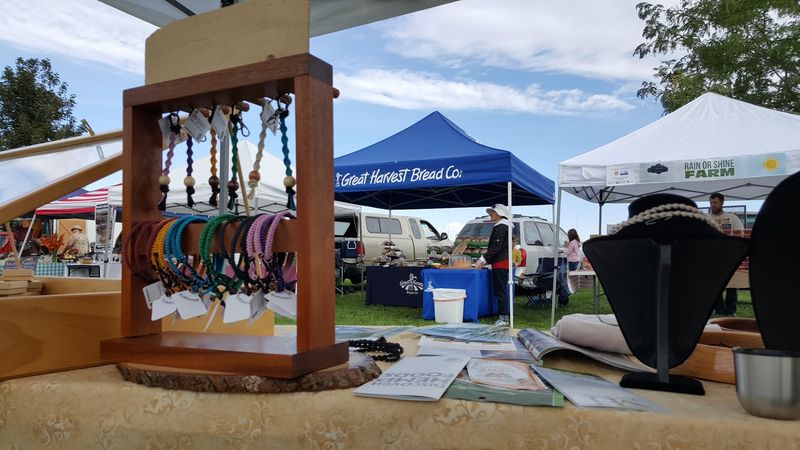
A 150-mile rule sounds simple until you realize how much it changes a shopping trip. Every jar, loaf, bundle of beets, and hand-stitched pillow sold here comes from within that radius, so nothing has traveled across an ocean or sat in a warehouse for weeks.
Vendors sign on to that standard before they ever set up a table.
Because the boundary is drawn so tightly, the market reads like a map of the surrounding farmland. You can trace canyon-rim orchards, irrigated valley fields, and small kitchens in nearby towns just by walking the aisles once.
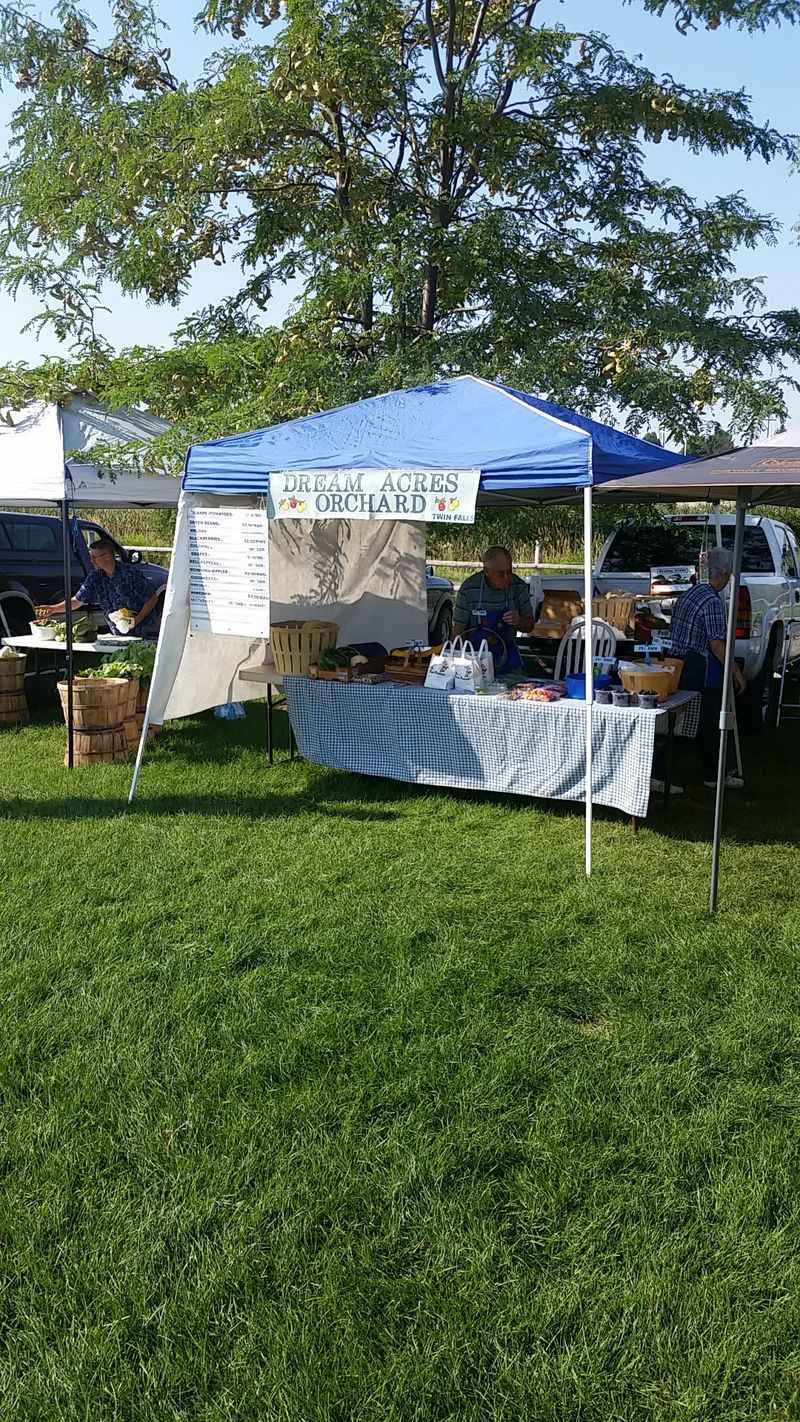
Setup happens in the Magic Valley Mall parking lot on the city’s east side. Tents line up at 1485 Pole Line Road E, Twin Falls, giving the whole market a wide, easy-to-navigate footprint.
Free parking sits only steps from the first booth.
Shoppers used to year-round strawberries notice the difference right away. Instead of the same lineup every week, tables shift with what the ground is actually giving up, and that honesty is part of the appeal.
The market runs Saturdays only, which keeps the selection concentrated rather than spread thin.
Fill Your Bag With Produce Picked Close To Home
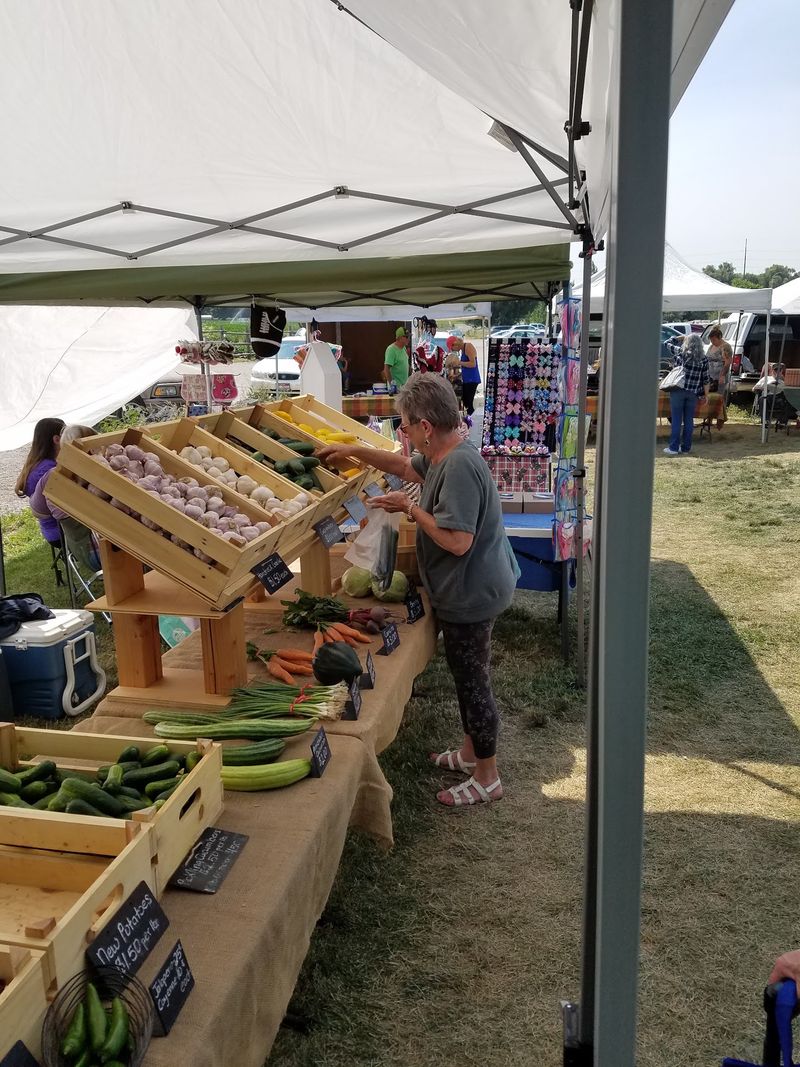
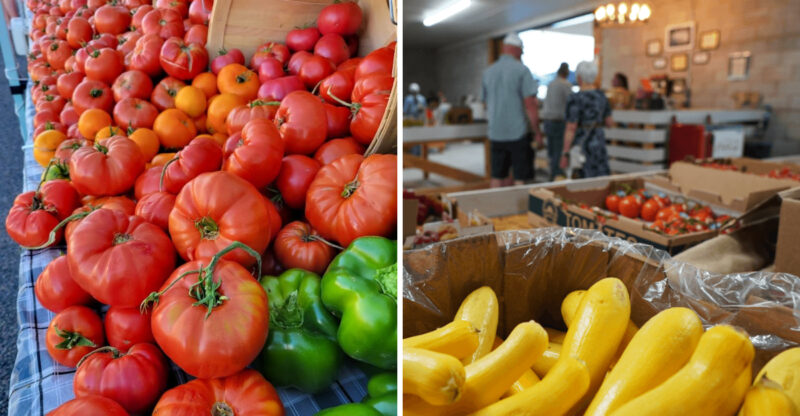
Cherries in July are a good reason to show up before nine. Sweet corn, slicing tomatoes, and heavy zucchini follow through August, and by late September the tables lean toward squash, onions, and storage crops.
The growing calendar shapes everything. Early in the season, around Mother’s Day weekend, you will find greens, radishes, rhubarb, transplants, and microgreens grown under lights rather than crates of ripe fruit.
Patience pays off, because the biggest hauls usually arrive from late July into early August.
Ask a grower when a crop was cut and the answer is often yesterday evening or that same morning. Because the market runs from early May through late October, the produce mix never stops shifting week to week.
Short travel distance shows up in texture and flavor. Beans snap instead of bending, berries still hold their bloom, and lettuce has not gone limp from days in transit.
Bring a sturdy tote or two, plus a cooler if you plan to grab meat or cheese while you are there. Free wagons are available to borrow if your bag gets heavier than expected.
You Can Meet The Growers And Makers Behind What You Buy
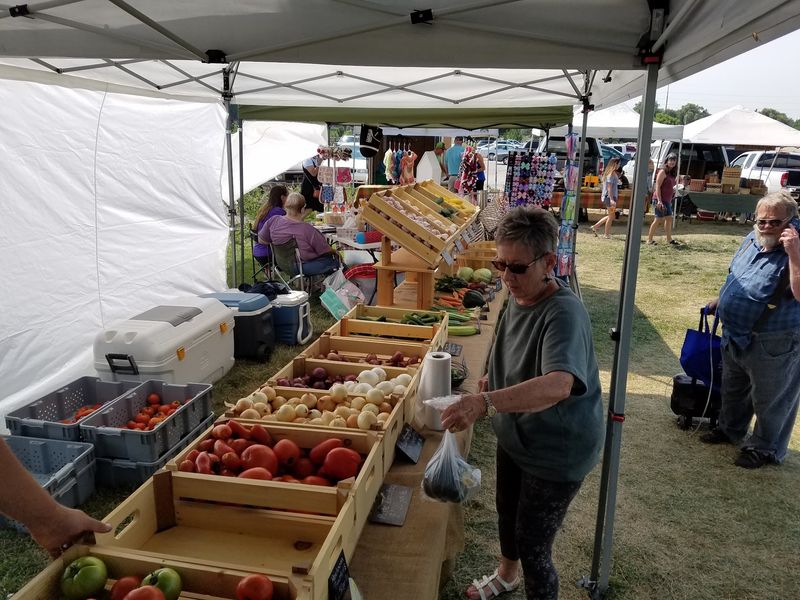
Ask about a bunch of carrots and you may hear which field it came from, how the spring weather went, and the best way to roast them. Questions are not just tolerated at this market, they are half the point, and vendors answer them all morning long.
More than 70 vendors hold membership, and roughly 55 set up on a typical Saturday, so conversations happen constantly across the aisles. The person handing you change is usually the same person who planted, baked, canned, or stitched what you are holding.
Those exchanges tend to be practical. Growers will tell you what is peaking, what needs a day on the counter, and what freezes well for winter.
Bakers share the flour they favor; crafters explain how a quilt top came together and where the fabric was sourced.
Regulars learn names quickly. Kids often get pulled into the talk, too, since many sellers happily explain how honeybees work or why microgreens grow so fast.
Leashed dogs are welcome, which adds to the neighborly feel of a Saturday morning in the Magic Valley.
Look For Small-Batch Foods You Will Not Find At A Chain Store
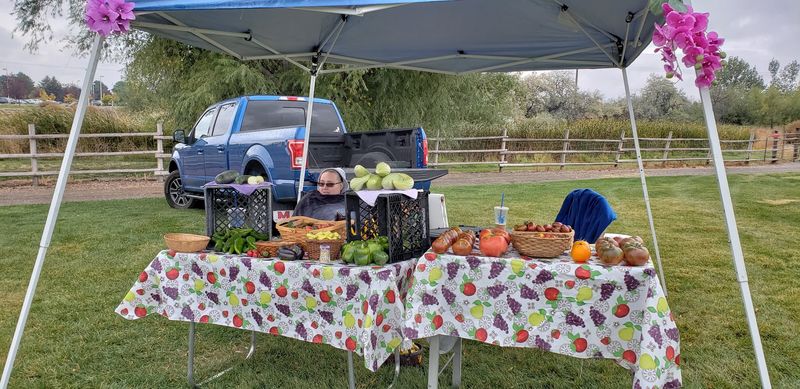
Multicolored popcorn kernels that pop nearly clean, with almost nothing left in the bottom of the pot, are the kind of small discovery that keeps shoppers circling back. Jars of jam catch the light beside squeeze bottles of honey and jars of grainy mustard.
Baked goods disappear fastest. Lemon bread, garlic cheese loaves, cinnamon rolls, and cookies come out of home kitchens in limited quantities, so late arrivals often see empty trays and a friendly apology.
Look for flavored vinegars, artisan cheeses, and farm-raised meats sold frozen and ready for the cooler you brought. Prices tend to be fair for the quality, and portions are made for real cooking rather than shelf display.
Because every recipe is made close by, ingredient lists stay short and familiar. Ask about allergens and you will usually get a direct answer from the person who mixed the batter.
Tasting is part of shopping here, so accept the sample when it is offered. A spoonful of pepper jelly or a sliver of cheese tells you more than any label.
Browse Handmade Goods From Southern Idaho Creators
Craft tables give the market its color once the produce is bagged. Quilts hang from frames, stitched in patterns that take months to finish, while beaded and wire-wrapped jewelry glints under canopy shade.
Every maker still has to meet the same 150-mile rule that governs the food vendors, so the crafts come from the surrounding valley rather than a distant wholesaler.
Garden art shows up in metal, wood, and repurposed tools, sized for a porch or a flower bed. Nearby, soaps and lotions scented with lavender or honey stack in tidy pyramids, and leather goods sit heavy and hand-stamped on the table.
Furniture makers bring small pieces, stools, cutting boards, and side tables cut from local wood. Because makers rotate week to week, no two Saturdays look quite the same, which is part of the reason regulars keep coming back.
Gift shoppers do well in the final weeks before the season closes in late October. Bring cash for smaller booths, though many vendors accept cards, and ask about custom orders if you want a size or color that is not on the table.
Come Early When You Want The Best Seasonal Selection
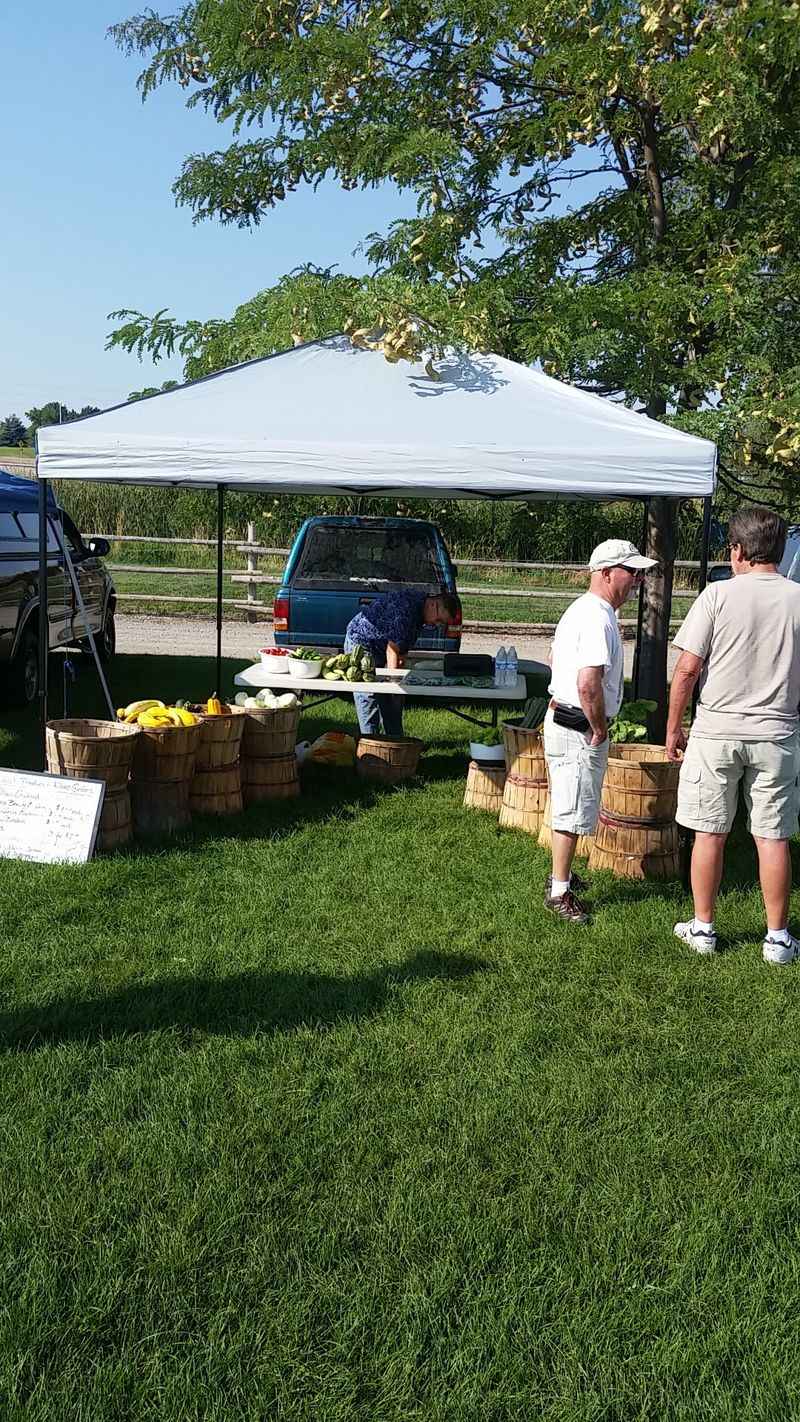
Doors, or rather tent flaps, open at 9:00 AM sharp on Saturdays, and the first hour is when tables look their fullest. By 11:00, popular items like cherries, berries, and fresh bread have often thinned out.
Closing time is 1:00 PM, and the season runs from Mother’s Day weekend into late October. That is roughly 25 Saturdays, each with a slightly different lineup, so a mid-June visit feels nothing like one in September.
Parking rarely poses a problem. The mall lot is large, free, and includes marked spaces for seniors and visitors with disabilities.
Tents cluster near the front of the complex along 1485 Pole Line Road E, so the walk from your car stays short.
Summer mornings warm up quickly out on the open lot, which is another argument for arriving early. Shade is limited to vendor canopies and a seating area, so a hat and a water bottle help.
Portable restrooms and a hot water handwashing station are on site.
Plan on 45 minutes to walk the whole market without rushing, longer if you stop to chat or catch the live music that sometimes drifts through.
Turn A Grocery Run Into A Saturday Morning Outing
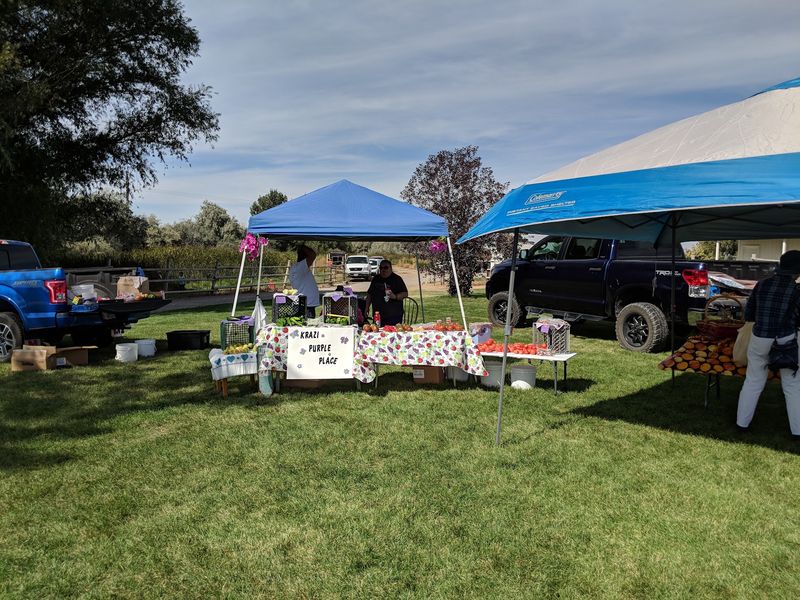
Errands rarely feel like an event, but a Saturday here comes close. The market sets up at 1485 Pole Line Road E, Twin Falls, Idaho 83301, in the Magic Valley Mall parking lot, where shady seating gives families a place to rest and split a pastry.
Live music turns up on some mornings, adding guitar or fiddle to the hum of conversation.
Strollers roll easily over the flat pavement, and borrowed wagons haul both toddlers and tomatoes. Leashed dogs are welcome, provided owners clean up after them.
Meeting neighbors in the aisles is half the fun, and vendors often remember what you bought last week.
Make a loop first without buying anything, then circle back for what caught your eye. That simple trick prevents the classic mistake of filling your arms at the first booth and missing something better three tables down.
Breakfast plus shopping is an easy combination, since baked goods, fruit, and honey sticks can carry you through the morning. Many shoppers finish by 10:30 with a full bag and the rest of the day still open.
Leave With A Better Sense Of What The Magic Valley Produces
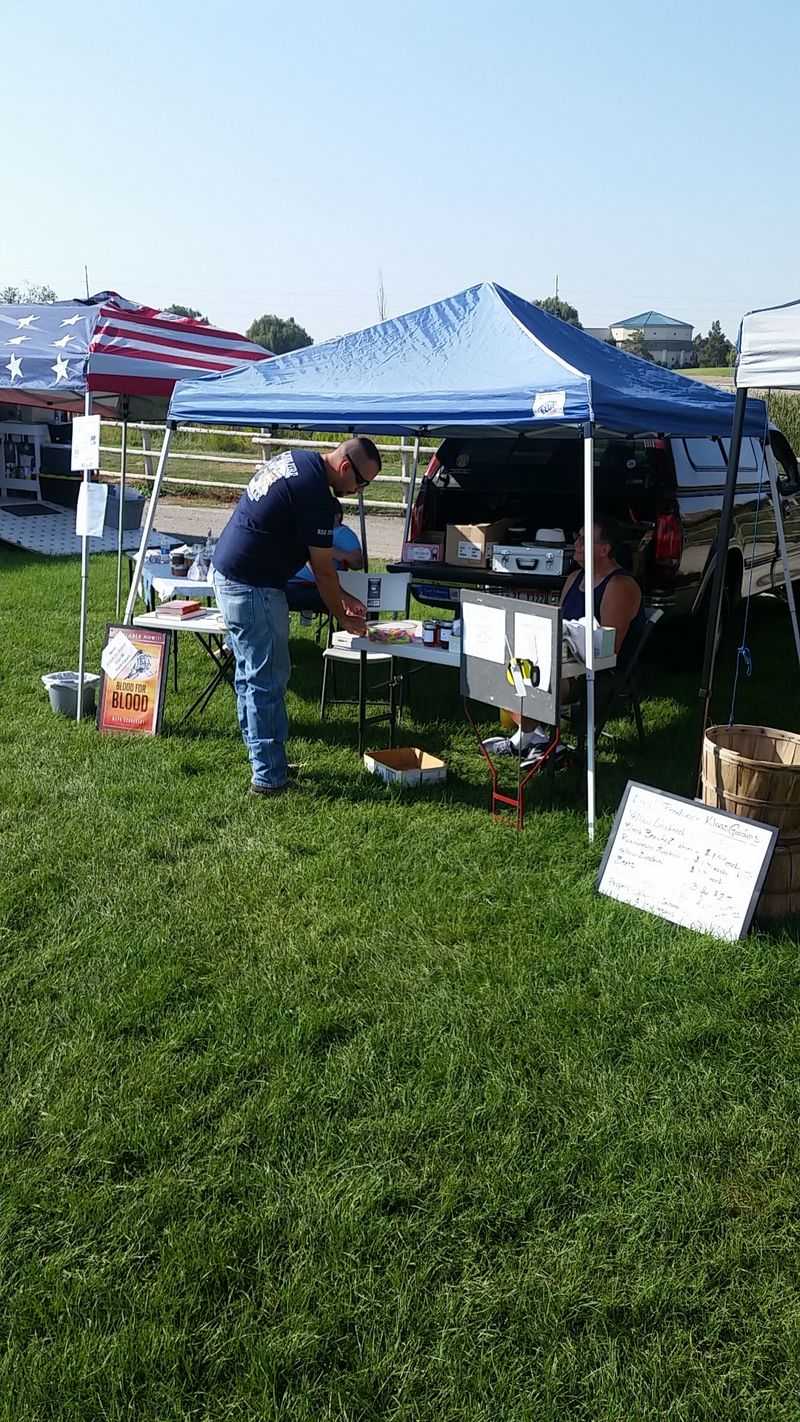
Drive the highways around here and you pass fields of potatoes, sugar beets, beans, and grain without knowing what any of it becomes. The market translates that landscape into something you can taste.
Counting up a typical haul tells the story: cheese from a nearby creamery, honey from hives a few miles out, a loaf still warm in the bag, and a bundle of beets pulled the day before. Every item points to a specific place.
Dairy country, orchard rows, and irrigated row crops all show up in one parking lot on one morning. The 150-mile rule makes that possible, and it also means your dollars stay close to the people who grew and made your food.
Recipes tend to change, too, once you cook from what is actually available. A crate of ripe tomatoes in August has a way of turning into sauce, salsa, and sandwiches for a week straight.
Come once and you may treat it as a novelty. Come a few Saturdays in a row and you start tracking the seasons the way farmers do, which is a fine souvenir from this corner of Idaho.